
One Capful and Your Wipers Stop Squeaking: Experts Reveal a Simple Trick
We've all been there: windshield wipers start squeaking, smear grime across the glass and leave streaks behind instead of actually helping.
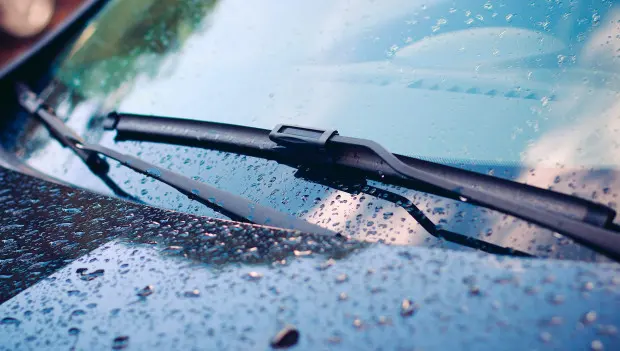
It's an especially annoying problem when the wipers are needed most. But why does it happen, and can it be fixed without a trip to the auto parts store? Auto30 looked into the causes and found a surprisingly simple solution.
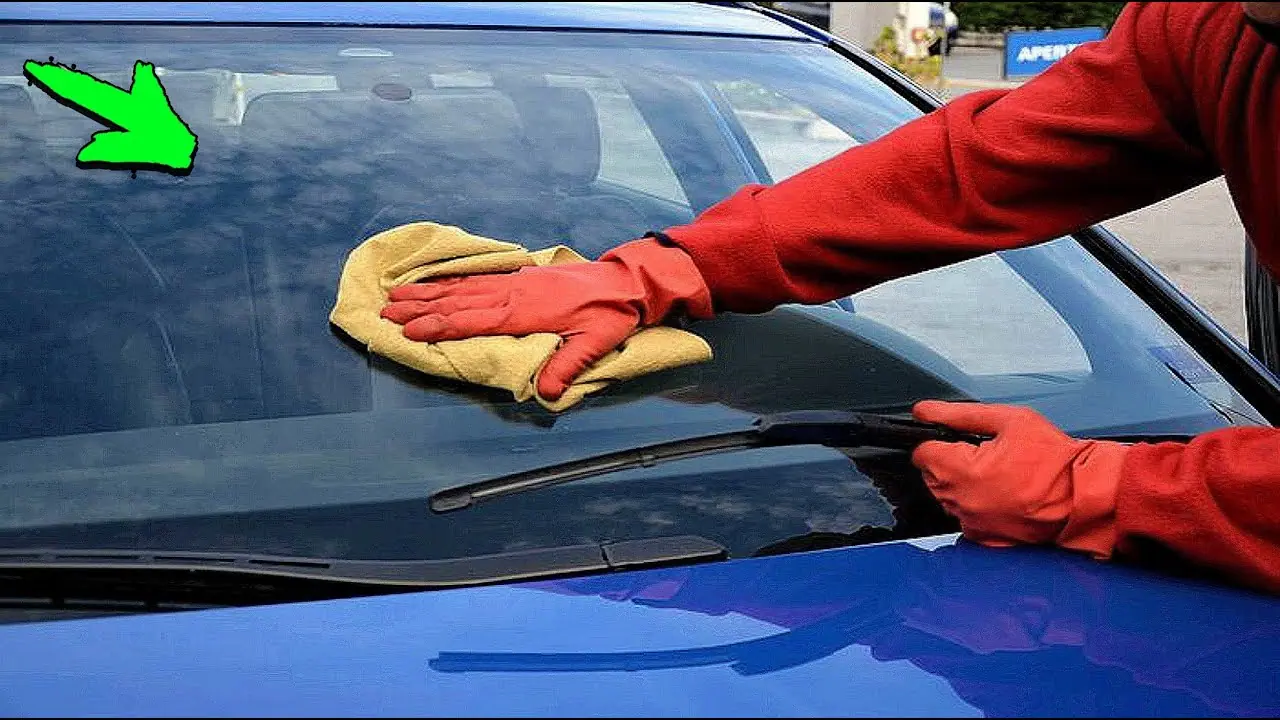
The problem comes down to a lack of lubrication between the rubber wiper blade and the windshield. Plain water doesn't do much to solve it. When the rubber runs across a dry surface, it can briefly stick to the glass, creating the irritating squeak.
During the summer, the windshield can also develop a thin layer of contaminants, including road tar, oily residue from vehicle exhaust and pollen. Water simply spreads across that film rather than removing it, leaving the grime behind and often making the streaking even worse.
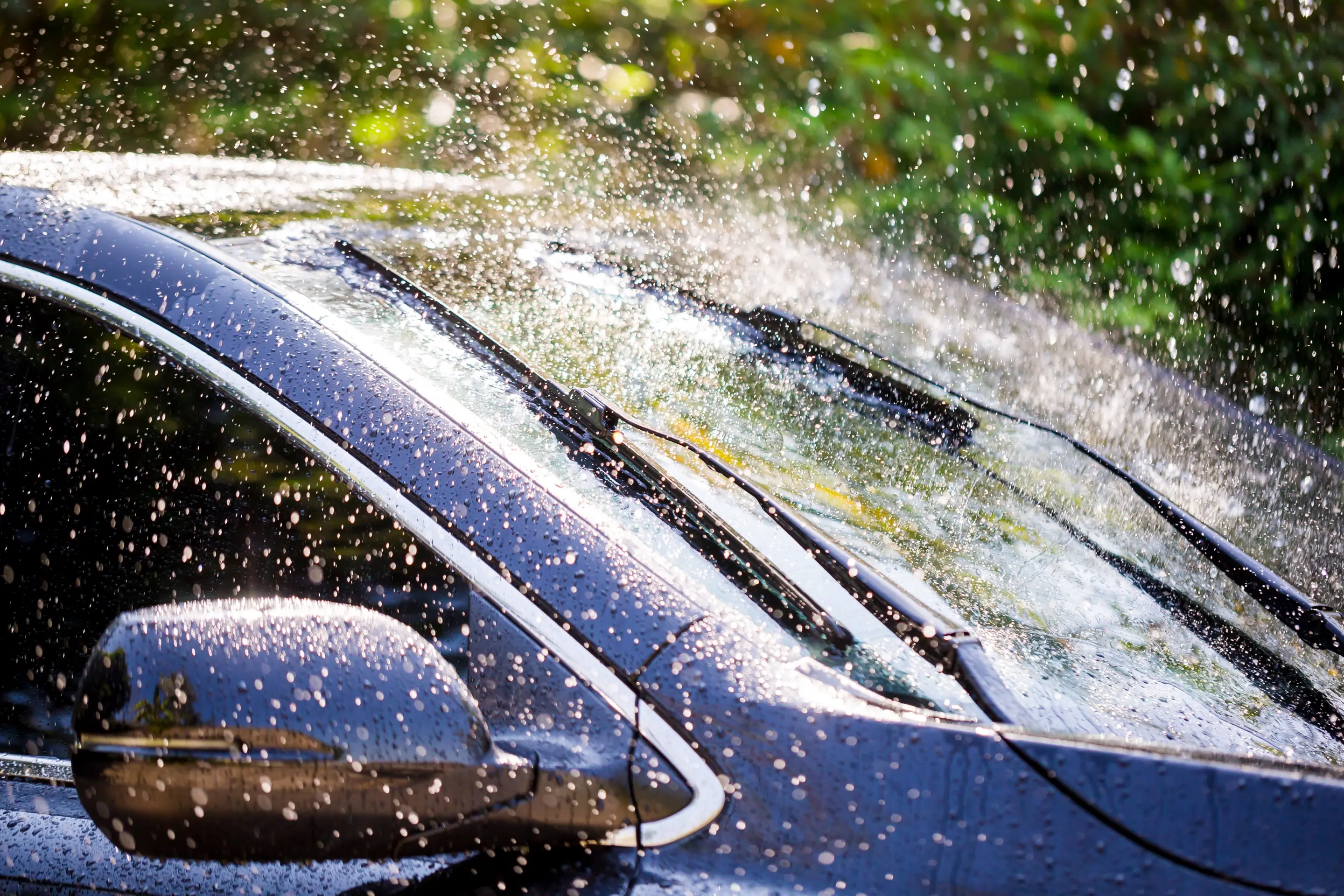
That's where surfactants, the cleaning agents found in dish soap, come into play. They help break the bond between contaminants and the glass, turning the grime into an emulsion that the wiper blade can sweep away more easily. The solution also leaves the surface more slippery, allowing the blades to glide across the windshield instead of grabbing and squeaking.
Another potential benefit is that the cleaning solution helps collect tiny particles of dirt rather than allowing them to build up underneath the wiper blade. That can improve the blade's contact with the glass and result in a cleaner wipe.
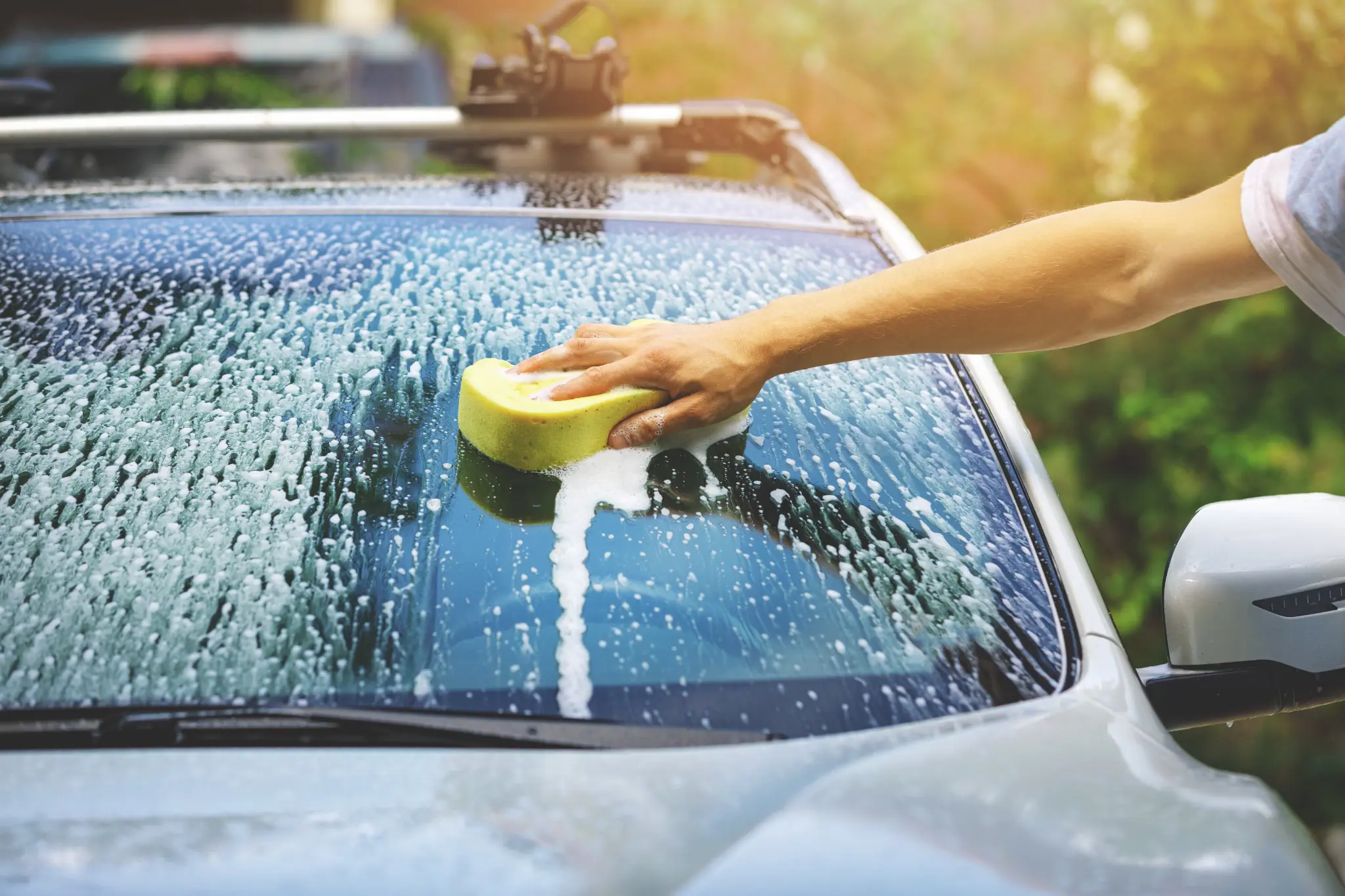
Some drivers take the idea a step further by adding a small amount of vinegar to the mixture. The theory is that it can create a water-repellent effect, causing droplets to bead up and roll away from the windshield rather than spreading across it and reducing visibility.
If you decide to try the method, concentration matters. The recommended amount is roughly 1 to 1.7 fluid ounces — about one capful — of dish soap added to the windshield washer reservoir. Adding too much can cause the fluid to foam excessively, potentially introducing air into the pump and interfering with the washer system.

Despite its simplicity, however, this trick isn't necessarily appropriate for every vehicle or every driving condition. Before putting a homemade mixture into the washer reservoir, it's worth checking whether the ingredients are compatible with your vehicle's washer system and considering the potential risks.
In some cases, a purpose-built windshield washer fluid remains the safer choice, particularly for vehicles under warranty or models with washer systems that may be sensitive to additives.
You may also be interested in the news:
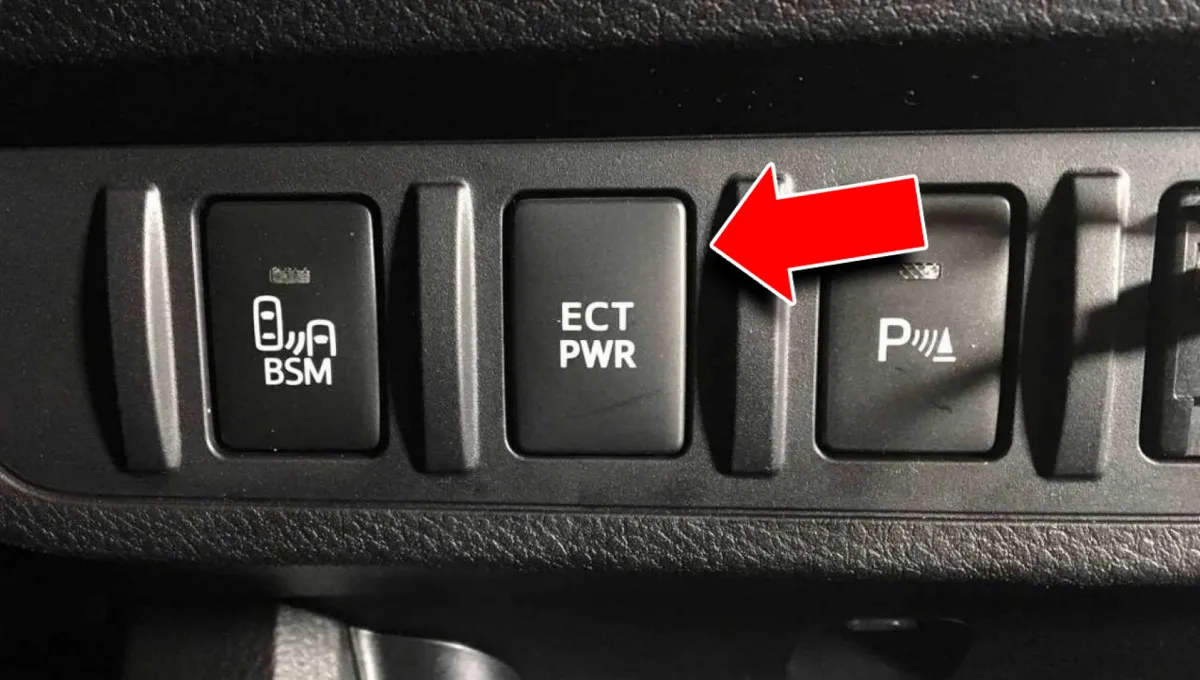
You Hit ECT PWR and Your Toyota Suddenly Wakes Up: What That Mysterious Button Really Does
This little button can change the way a Toyota drives, but plenty of owners have no idea what actually happens when they press it.

It Confuses Many Drivers: What Does the Road Sign With a Thumbs-Up Mean?
This unusual sign appears near highway entrances, tunnels and other locations where roadside stops can create serious safety hazards.

How to Prepare Your Car for a Long Highway Trip
A long trip starts not with loading the suitcases, but with checking the car.
How to Restore Your Car's Shine With a Simple Hair Conditioner Trick
Car owners are constantly looking for effective ways to maintain their vehicles' appearance.
Why Put Tape on Your Car Tire? Experienced Drivers’ Simple Parking Trick
How can you protect your car in a shared parking lot without expensive tracking systems?