
BMW’s Electric M3 Will Have Nearly 700 HP — So Why Is the Gas Version So Much Weaker?
New spy photos of BMW's gas-powered M3 prototype reveal final bodywork and hint at a departure from the current G80's oversized grille.
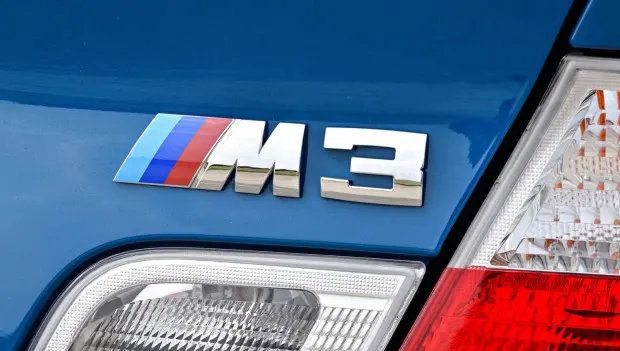
New spy photos of a BMW M3 prototype with an internal-combustion engine have revealed the final exterior elements and hinted at the abandonment of the oversized grille used on the current G80 generation. The gas-powered sedan will debut in spring 2028, with sales starting in the fall of the same year.
BMW isn't rushing to abandon the internal-combustion engine in the most iconic sports sedan in its lineup. While journalists and brand fans are focused almost exclusively on the electric M3, BMW is continuing to refine the gas-powered version of the model in parallel. Fresh spy photos taken at the Nürburgring are the most revealing we've seen so far.
The prototype now wears production-spec exterior lighting, and the car has changed noticeably since it was last photographed by spy photographers earlier this year. Back then, camouflage concealed nearly every design detail, but the latest photos clearly reveal elements of the new "Neue Klasse" design language—most notably, the absence of the enlarged grille that defined the current-generation G80.
What's Changed Outside
The oversized grille was considered the most controversial design element of the current M3, and many believed it would remain for a long time. However, BMW's engineers decided to drop it in favor of a more restrained and understated design, similar to what has already been used on the new i3 and iX3.
At the same time, the classic oval grille shape familiar from previous generations of the 3 Series is returning for the model's eighth generation. It's not yet clear whether it will be a functional element or a decorative piece made from gloss-black plastic. The front and rear fenders are widened to accommodate wider tires, as is typical of all M models, and the shape of the rear doors can already be seen in the photos.
But one detail draws more attention than anything else and is impossible to mistake for anything else: four exhaust pipes at the rear of the body. This is the clearest confirmation that the prototype is powered by an internal-combustion engine rather than the electric hardware of the ZA0. The hood is also noticeably longer than that of its electric counterpart, a direct result of the need to fit an inline-six engine ahead of the front axle.
Interior and Mechanical Hardware
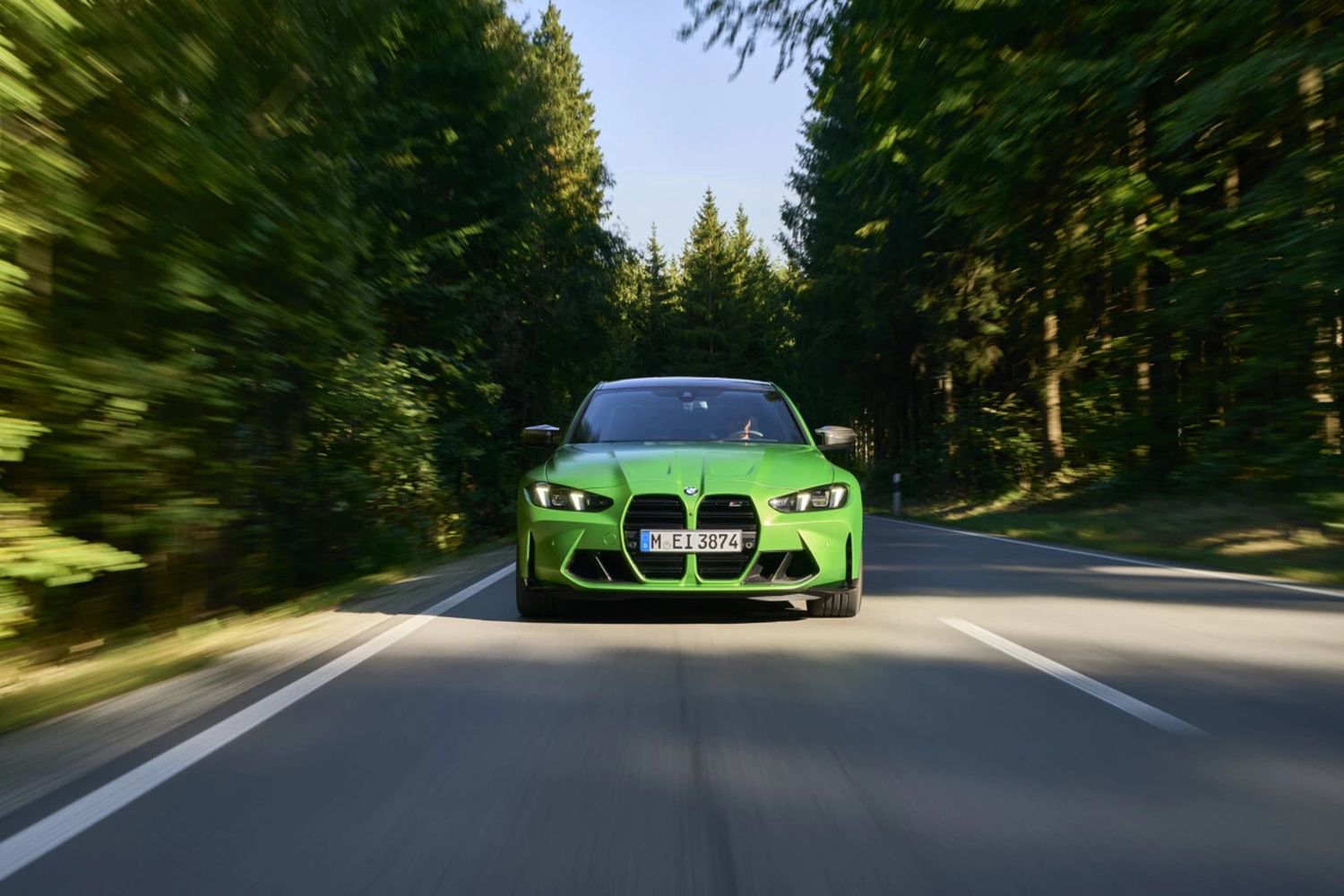
The new M3 will closely mirror the electric i3's design on the outside, including slimmer taillights and an elegant spoiler on the trunk lid. The cabin will feature a panoramic display at the base of the windshield with customization options, along with a 17.9-inch touchscreen on the center console. The interface graphics will have their own design, while the sport seats will receive new upholstery and M-specific trim.
BMW M engineers used experience from developing the first-ever electric M3 to refine the internal-combustion version. The company has already emphasized that the two cars will offer completely different driving experiences. That is handled by a system called the "Heart of Joy" chip, which controls the electric M3's dynamics while also managing the chassis, suspension, adaptive dampers, steering, and brakes on the gas-powered version.
It has been confirmed that the new M3 will retain a 3.0-liter inline-six engine. However, engineers had to extensively rework the powertrain and add 48-volt technology, which is needed for the engine to meet Euro 7 standards without sacrificing the power M3 customers expect.
Power and Launch Timing
The gas-powered version will remain in a more "moderate" power range, reportedly just above the current model's 500 horsepower but well below the electric counterpart's output, which will approach 700 horsepower. Bad news for those hoping for a manual transmission, too: that option will not be offered on the new-generation M3.
As for the timeline, here's how it currently looks:
- the electric M3 could debut by the end of this year, with series production scheduled to begin in March 2027;
- the gas-powered version will be unveiled in spring 2028, with sales starting in the fall of the same year.
BMW's logic here is fairly clear. The company has invested heavily in developing the first electric M3, so it is the version that should reach the market first. Apparently, BMW is trying to push customers toward a step that many of them aren't yet ready to take.
By the way, proper cold-weather vehicle operation isn't something only owners of engines running 5W-30 and 5W-40 oil need to consider—a mechanic identified the temperature at which starting an engine becomes dangerous. And for those planning winter trips with a trunk full of belongings, it may also be useful to know what a police officer revealed about items drivers are prohibited from carrying in their vehicles to avoid unpleasant surprises during an inspection.
You may also be interested in the news:
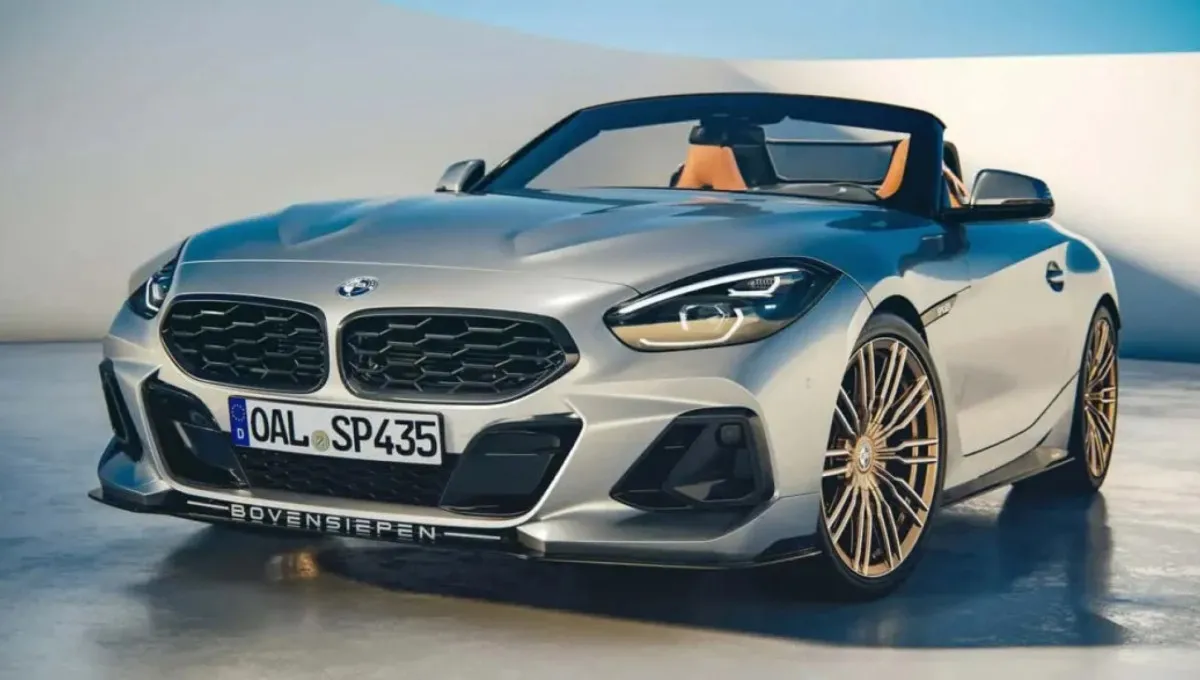
Bovensiepen Brings Back the BMW Z4 as a 435-HP Spider
The family behind Alpina has revived the BMW Z4 in limited-production form, adding more power, sharper handling, and a hand-finished cabin.
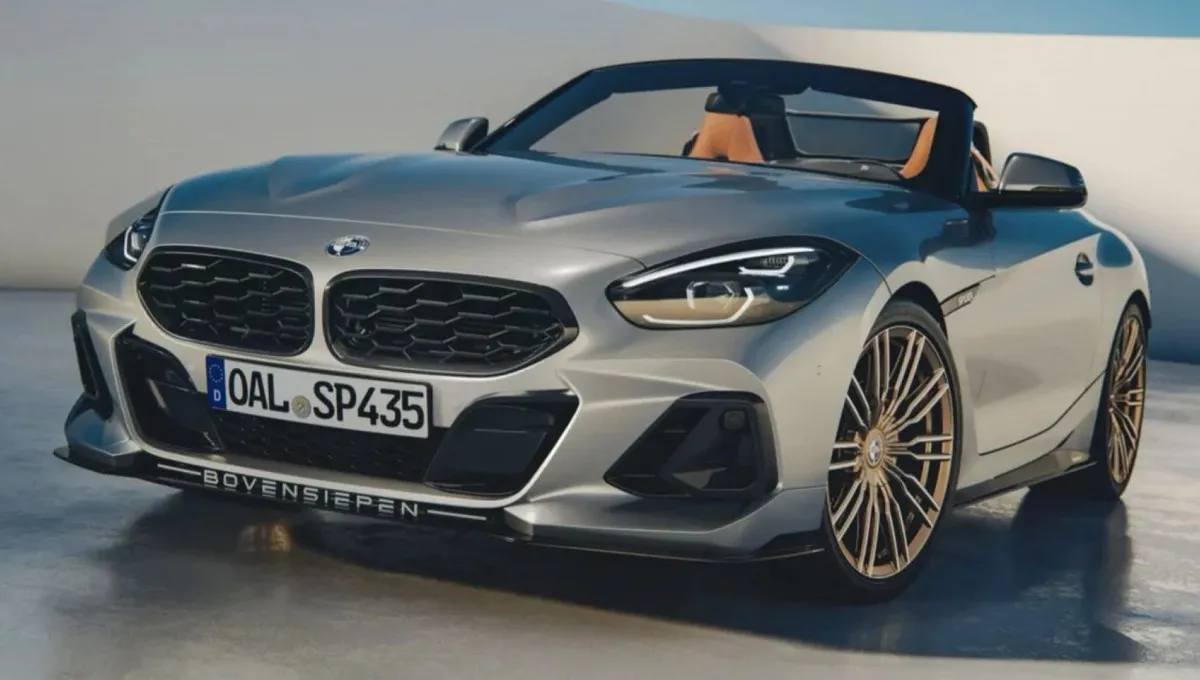
Bovensiepen Spider Debuts as Former Alpina Specialists Rework the BMW Z4
Bovensiepen has unveiled the new Spider roadster based on the BMW Z4. The car gets exterior modifications and a more powerful engine for improved performance.
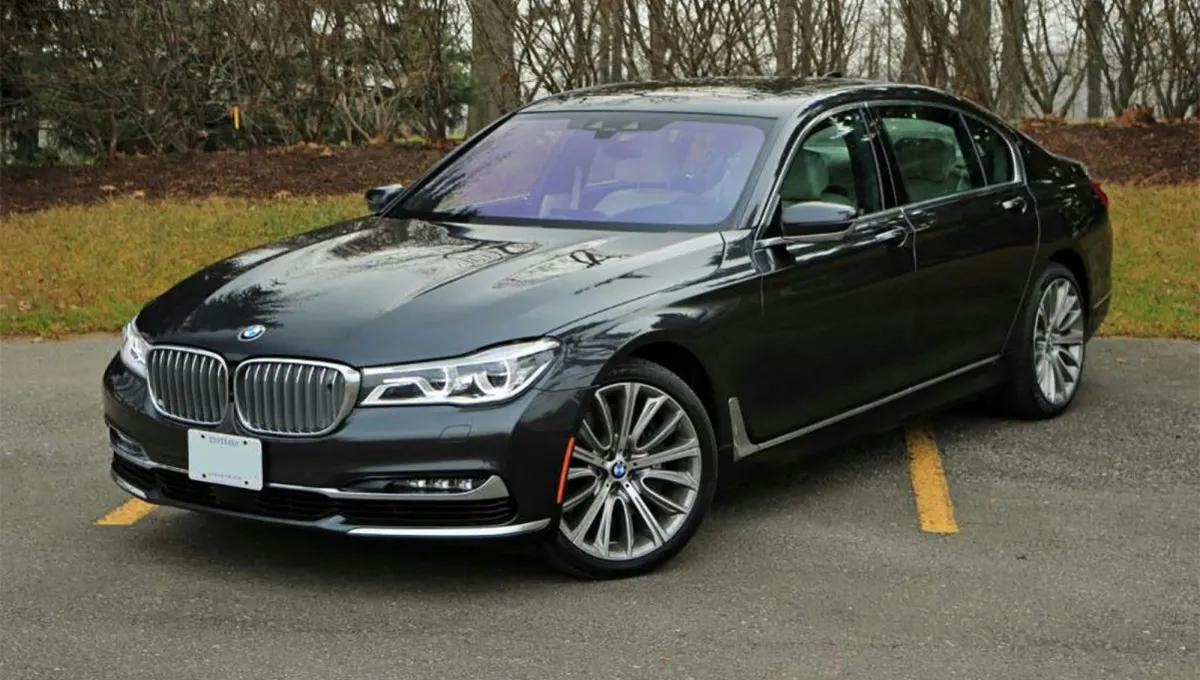
BMW recalls nearly 28,000 vehicles over driveshaft connection issue
BMW recalling vehicles with wheel issues
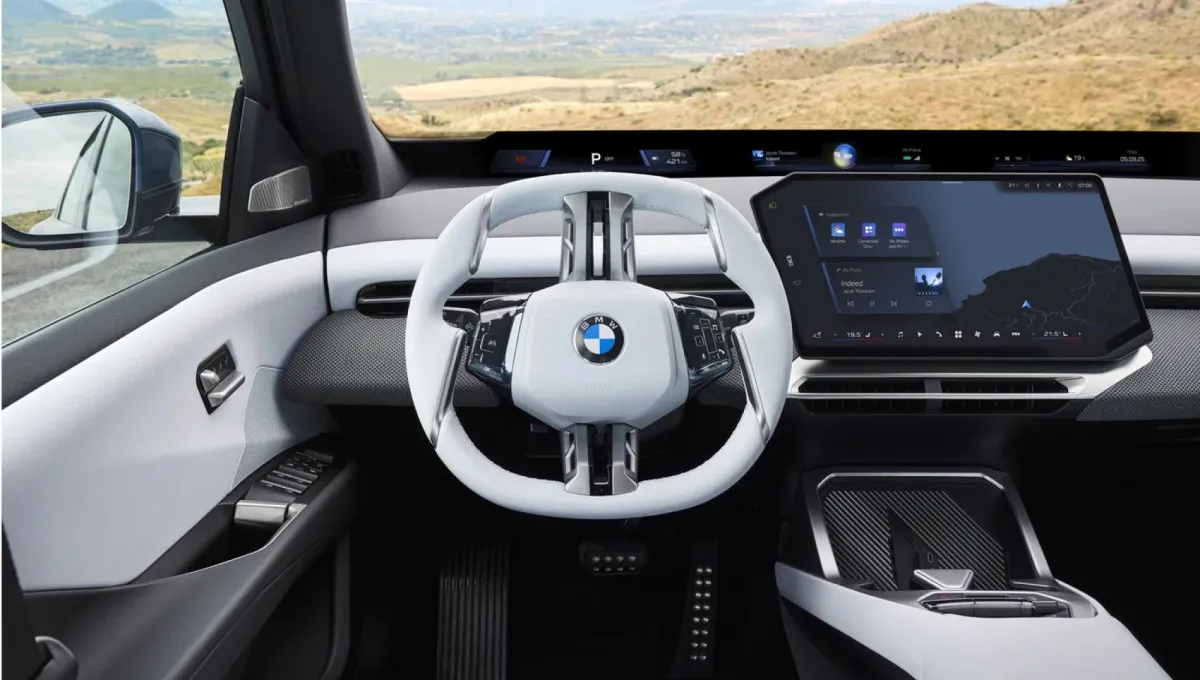
BMW Says Drivers Under 45 Don’t Need Physical Buttons
The company believes voice control is becoming increasingly popular.
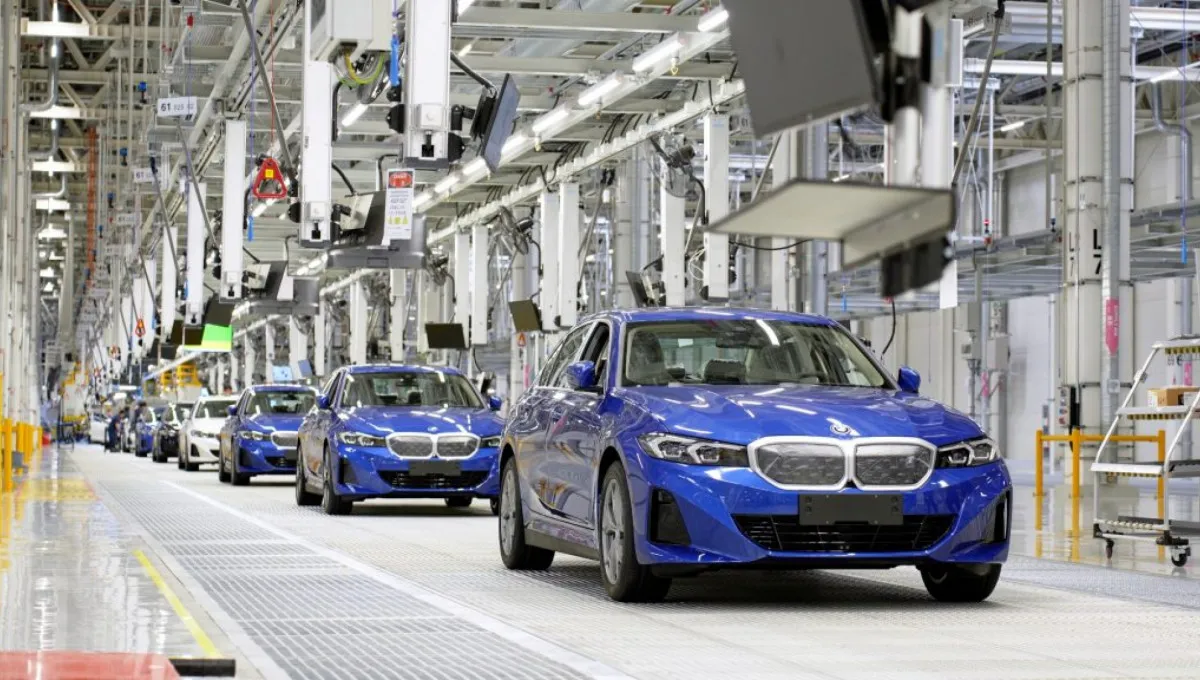
BMW Could Dramatically Cut Its Lineup, With Crossovers Also on the Chopping Block
BMW is preparing to significantly reduce its model lineup as financial pressures push the automaker to cut costs.