
How to Protect Your Windshield From Flying Rocks: This Simple Trick Could Save You From Replacing It
Keep your distance, slow down and repair chips quickly to help prevent small windshield damage from becoming costly cracks.
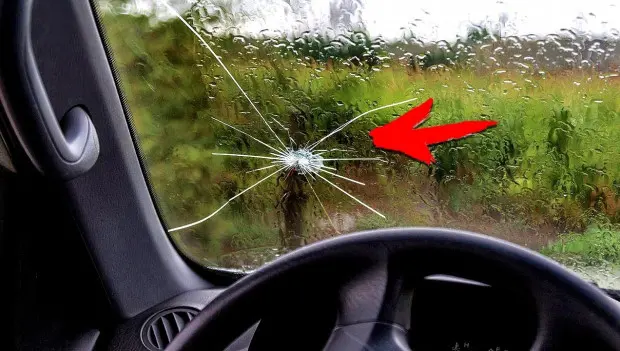
A tiny chip in a windshield can eventually turn into an expensive replacement. Ignoring even a small mark can make the damage worse, but a few simple habits can help reduce the risk.
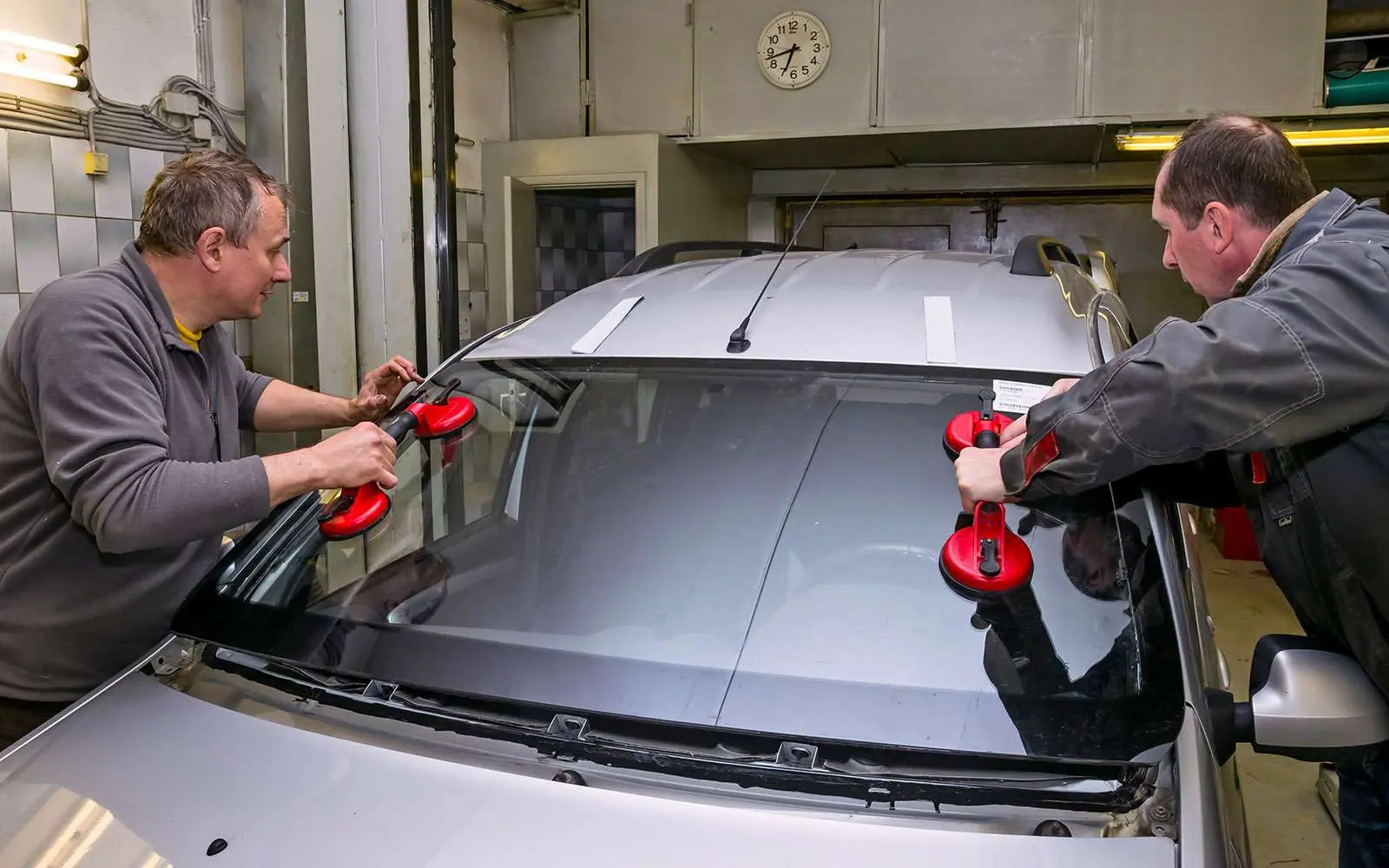
It can take just one sharp “crack” to leave a barely visible mark on the glass. Many drivers ignore it, but that tiny chip can eventually spread into a crack that requires a full windshield replacement. Modern windshields are more than sheets of glass. Many incorporate heating elements, sensors and cameras, making replacement more expensive and complicated.
Most chips are caused by rocks and other debris kicked up by vehicles ahead, particularly trucks and construction vehicles. The closer you are to the source, the greater the chance of taking a direct hit. On freshly repaired roads or surfaces covered with loose gravel, leaving more following distance can make a major difference.
Speed also matters. The same rock that might leave a small mark at 35 mph can cause much deeper damage at 68 mph. Slow down when driving through gravel-covered sections. It's a simple step that can potentially save a significant amount of money.
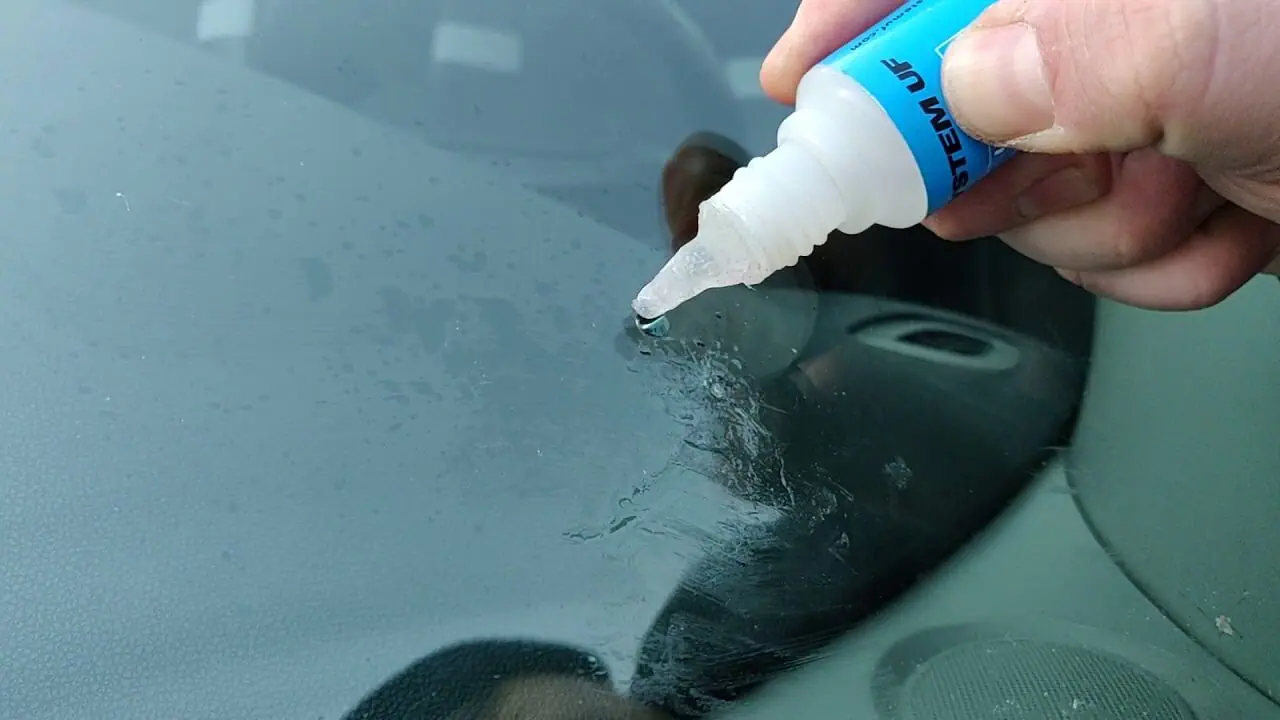
If a chip has already appeared, don't put off getting it repaired. When the damage is still small, a specialist can fill the chip with a special resin. The process typically takes about 30 minutes and costs far less than replacing the windshield.
A resin repair can stop a crack from spreading and preserve the windshield's original structural strength. Winter can make the problem worse, too. Sudden temperature changes, such as turning on the heater when the windshield is cold, can cause a crack to spread rapidly.
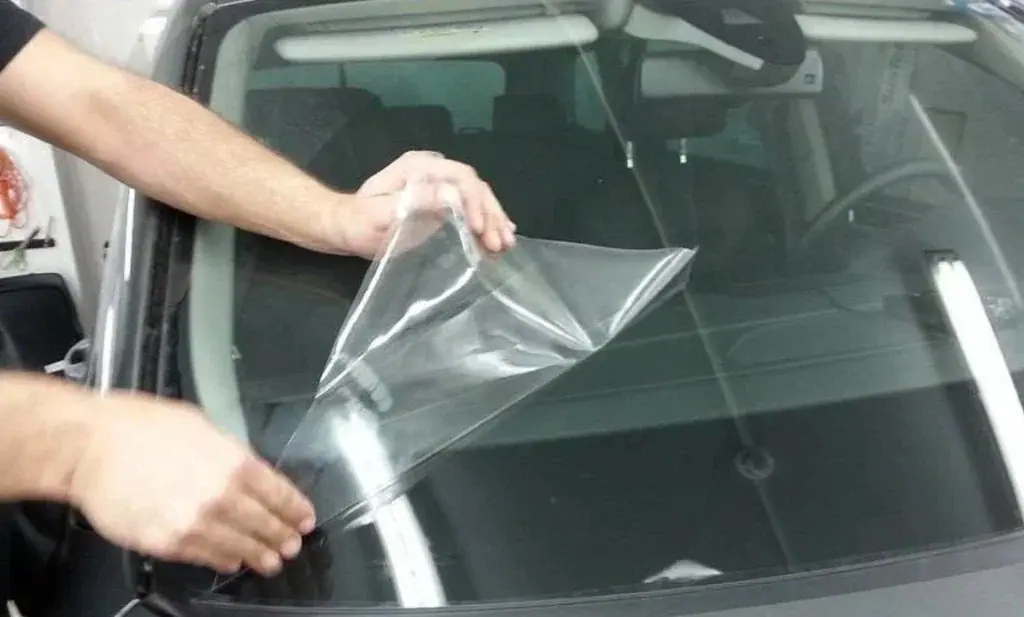
Some drivers also use clear protective film. It can help soften impacts from small rocks and sand, but it cannot prevent serious damage. Think of it as an additional layer of protection rather than a guarantee against windshield damage.
As modern windshields become more expensive and incorporate increasingly complex technology, basic precautions become more important. Ignoring a small chip can put both your wallet and your safety at risk.
You may also be interested in the news:
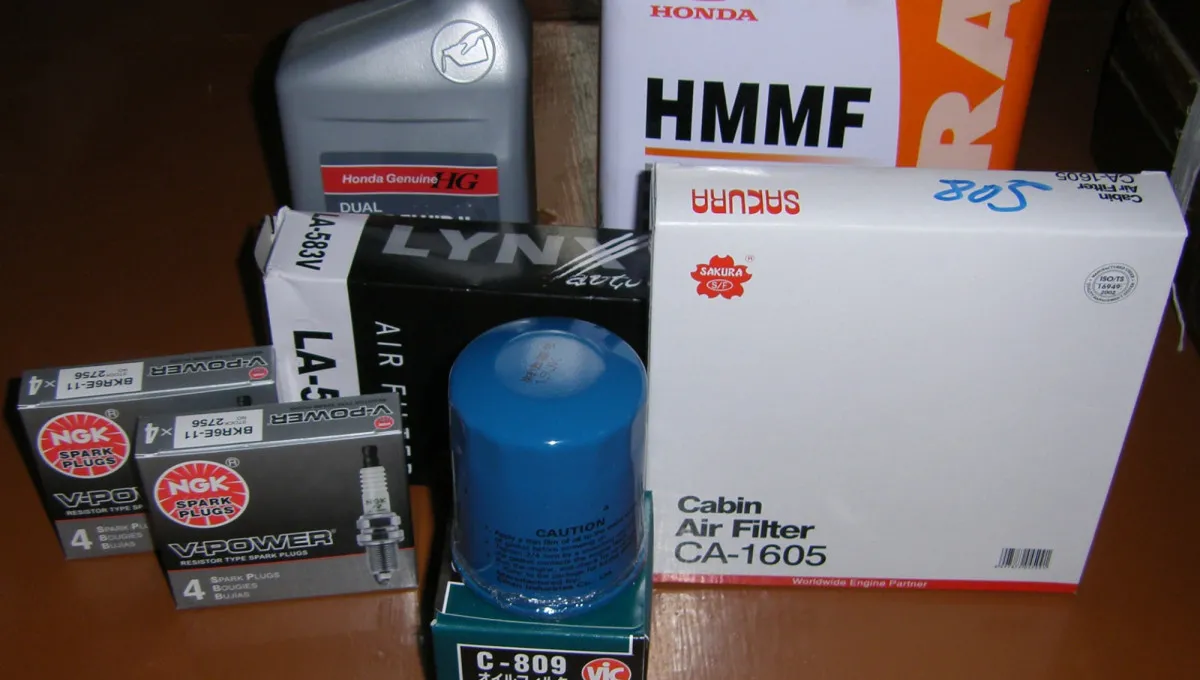
Changing Your Car’s Filters: How to Do Basic Maintenance Yourself Without Damaging the Engine
Changing the oil, engine air filter and cabin air filter yourself can save money, but small mistakes can cause expensive problems.
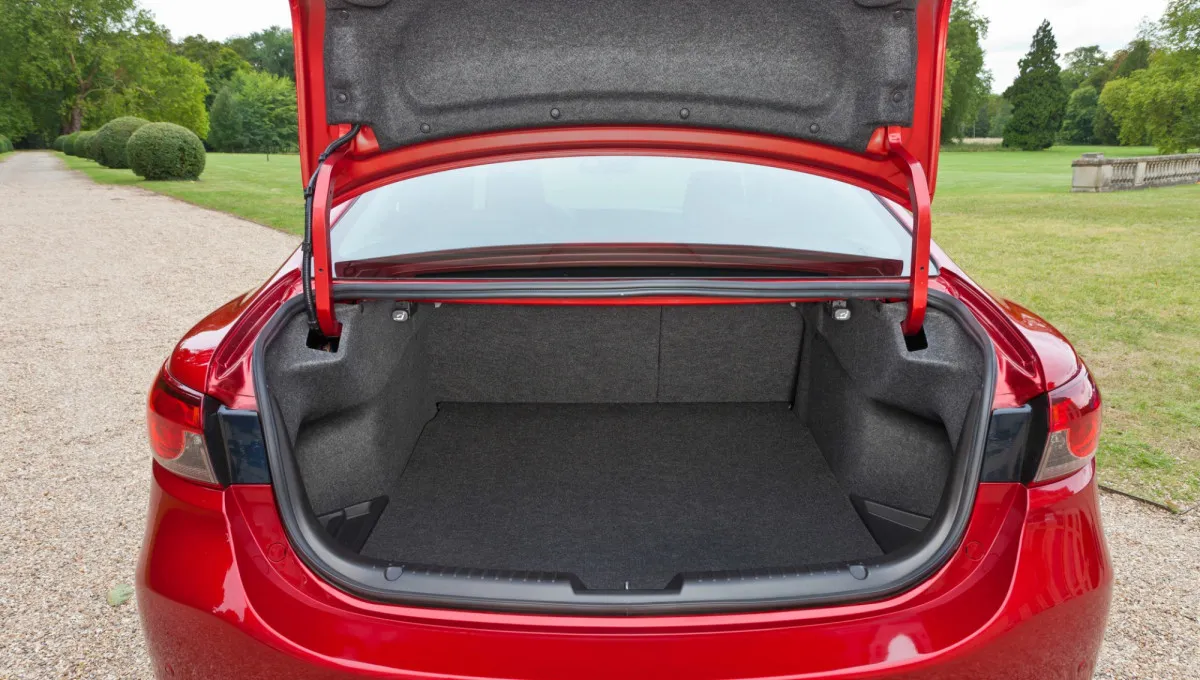
That Stuff in Your Trunk Is Costing You More Than You Think—Here’s What to Take Out
Carrying unnecessary cargo can quietly increase fuel use, accelerate wear and create an avoidable safety hazard for drivers and passengers.
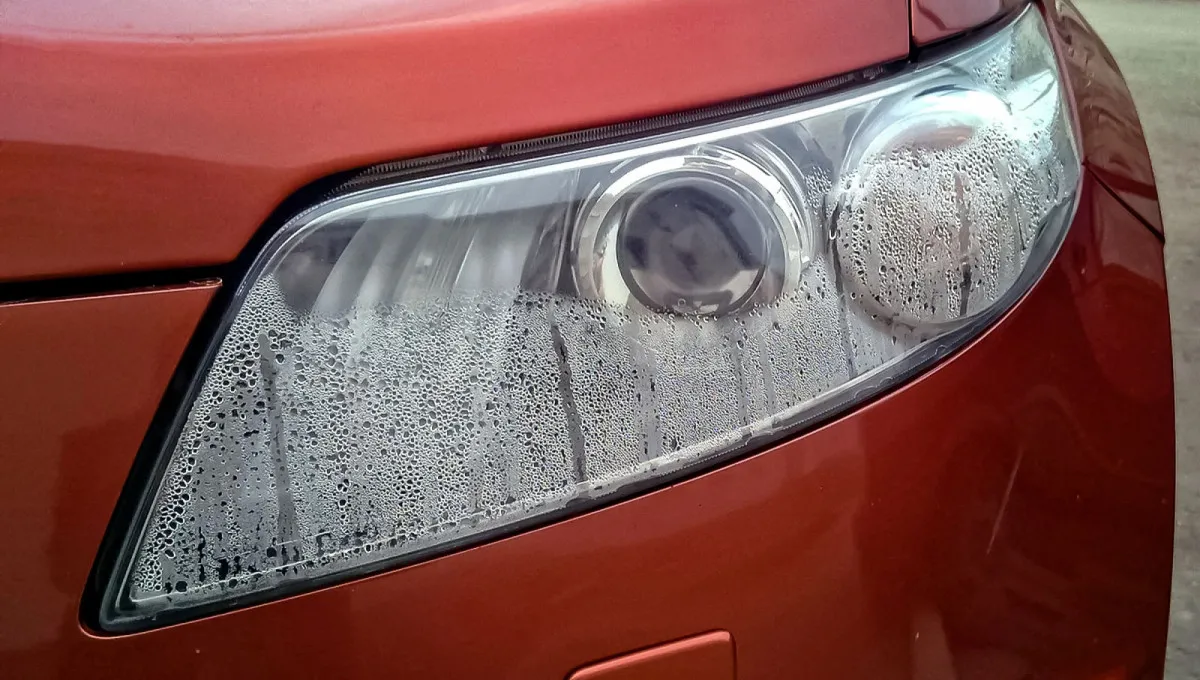
Your Headlights Are Fogging Up for a Reason: 4 Causes and 5 Steps to Fix Them
Foggy headlights are not always a sign of damage, but persistent condensation can point to a problem that needs attention.
Why Is Your Car’s Suspension Making a Knocking Noise? 5 Symptoms Every Driver Should Know
Five common suspension noises can point to specific problems, helping drivers narrow the cause before inspection.
Why Are Drivers Putting a Bowl of Water in Their Cars? The Strange Fuel-Saving Trick Explained
Experts suggest several unconventional ways to cut fuel costs, from a bowl on the passenger seat to a lighter trunk.