
Europe’s Auto Industry Faces a Defining Decade as Chinese Rivals Gain Ground
Europe’s auto industry is entering its most turbulent period in 50 years. The market may look stable on the surface: French consulting firm Inovev forecasts annual EU sales of cars, crossovers, and SUVs will remain just below 17 million by 2035. But steady sales could mask a major shift in who controls the market.
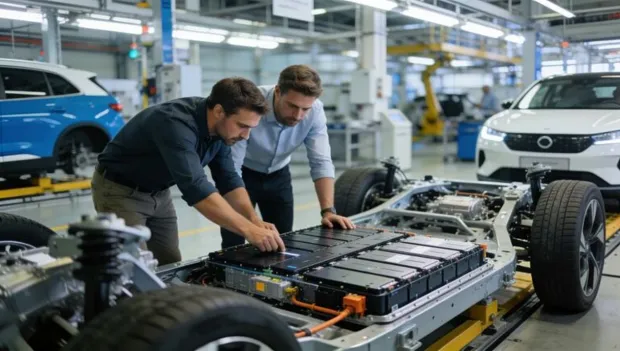
Europe’s auto industry is entering its most turbulent period in 50 years. On the surface, things look relatively stable. French consulting firm Inovev forecasts that annual sales of passenger cars, crossovers, and SUVs in the EU will remain just below 17 million by 2035. In other words, the market is expected neither to shrink nor to surge. But that substantial total conceals a tougher reality. The threat is not falling sales volume, but a potential upheaval in a competitive order built over decades.
Optimists point out that Europe’s automakers have weathered waves of competition before: from Japan in the 1970s and South Korea in the 1990s. This time, however, the circumstances are fundamentally different. Chinese companies are entering Europe not as challengers trying to catch up, but as established players with their own technology, control over battery and rare-earth supply chains, and a willingness to set the terms. Inovev estimates that Chinese manufacturers’ share of the European market could rise from 7% in 2025 to 15% by 2035. Those figures remain forecasts. Still, roughly one in seven vehicles sold in Europe in 2035 could carry a Chinese badge.
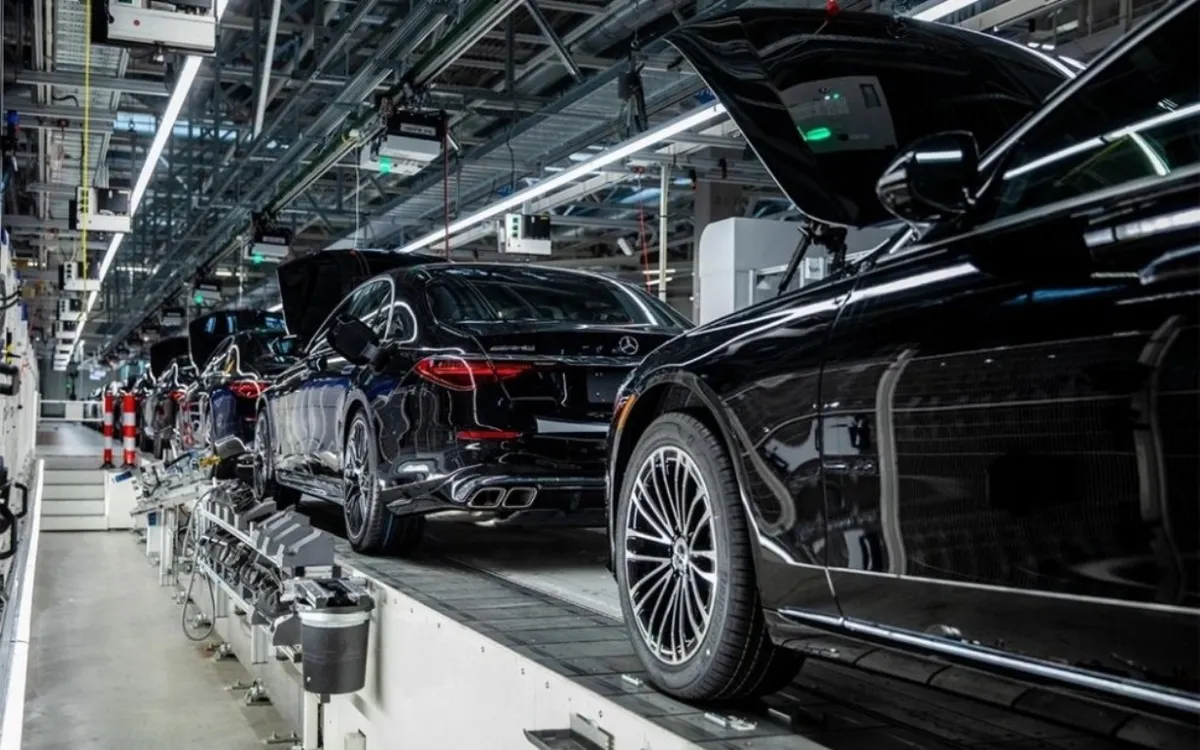
Financial reports from Germany’s automotive giants underscore the stakes. Volkswagen, Mercedes-Benz, and BMW are revising profit forecasts, discussing reductions in their German manufacturing footprints, and preparing to streamline their workforces. The pressure is particularly acute for mass-market brands.
According to industry reports, Stellantis has been seriously weighing the futures of several brands: Maserati, Alfa Romeo, Lancia, Opel/Vauxhall, and DS. Company executives later said the issue was not shutting brands down, but reallocating investment. Peugeot, Fiat, Jeep, and Ram would take priority, while the others would move into regional or specialized roles. Even the giants, it seems, can no longer afford to support every brand equally.
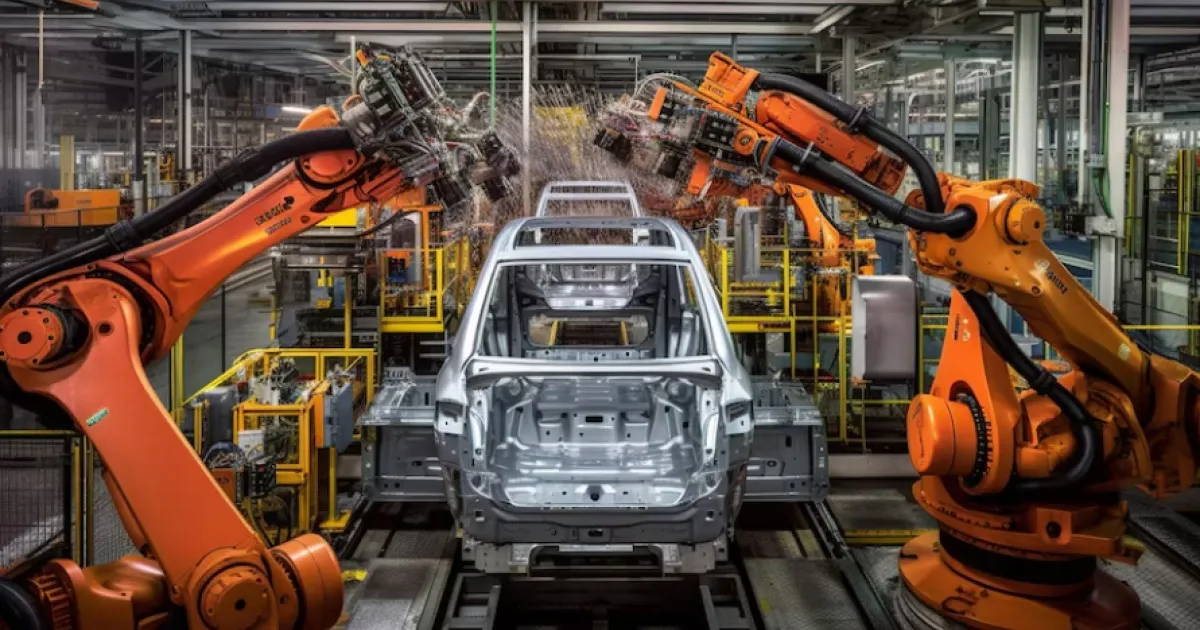
The pressure does not come solely from aggressive Chinese competitors seeking outlets for their enormous production volumes. Increasing factory automation, more technologically complex vehicles, and changing public attitudes toward cars also play a role. So does Brussels’ climate strategy. The push to make EVs effectively the only option by 2035 was adopted when China already held an advantage in raw-material extraction, battery production, and logistics.
Europe put the cart before the horse, announcing the goal before recognizing that critical parts of the technology supply chain were beyond its control. The result has been a green transition that has weakened its own industry rather than serving primarily as an engine of growth.
About 50 Chinese brands are already entering the European market or preparing to do so. They range from heavyweights such as BYD, Chery, Geely, and SAIC to names less familiar there, including Aito, Changan, GAC, Great Wall, Leapmotor, Li Auto, and Maxus.
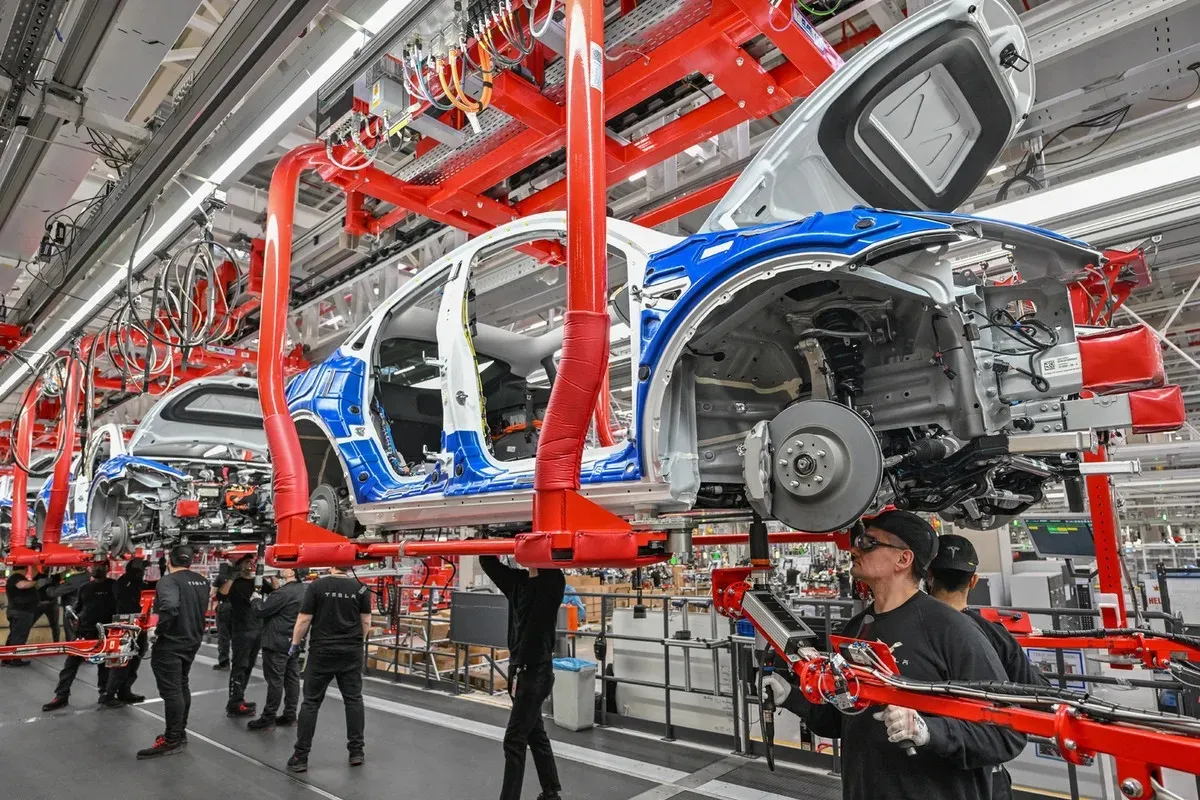
These companies are competing not only with established European manufacturers but also with one another for dealership space, fleet customers, and buyers’ attention. Analysts generally expect no more than five to 10 of those roughly 50 contenders to establish a lasting foothold in Europe. Even that could be enough to displace manufacturers accustomed to treating Europe as their home turf. Yet a weakness in the Chinese approach is its lack of a coherent strategy: the expansion is chaotic.
Europe is a conservative market, and the arrival of two dozen brands offering essentially similar models with uncertain service track records could even strengthen established players. Chinese automakers also underestimate the importance of building a brand and establishing a reputation. Those factors have played a less decisive role in China’s rapidly developed auto market, but Europe is a different proposition.
For European automakers, forming alliances with Chinese companies may therefore be the only sensible strategy. Stellantis, for example, already works with Leapmotor and Dongfeng on electrification and the use of European production capacity. History suggests that resisting inevitable change costs more than adapting in time. The next decade will be decisive for Europe’s auto industry. The central question is no longer whether it will be transformed, but who will steer that transformation: Brussels or Beijing.
You may also be interested in the news:
2027 Chrysler Pacifica Adds Copperline Package and Ski Grey Interior
Chrysler's 2027 Pacifica gains copper accents and a Ski Grey interior, reaching dealers early 2027.
New Mitsubishi Pajero Begins Global Rollout With Thousands of Buyers Already Lined Up
The new Mitsubishi Pajero is preparing to enter international markets, with the first production SUVs already shipped from its manufacturing base in Thailand.
Hyundai Confirms New U.S. Elantra as Limited-Run Ioniq 6 N Nears Launch
Hyundai plans a redesigned Elantra for 2027 and a hybrid for the 2028 model year.
Brazil’s Second-Generation Renault Duster Gets a New Entry-Level Version
The Renault Duster has moved into its third generation in most markets, but second-generation models remain on sale in Latin America.
Study Finds the Cars Most Likely to Break Down After Three Years
A J.D. Power study identifies which vehicles have the most reported problems after three years of ownership.