
New Toyota RAV4 Earns Five-Star Safety Rating in Japan
The new-generation Toyota RAV4 has earned the highest five-star rating in Japan’s vehicle safety assessment program.
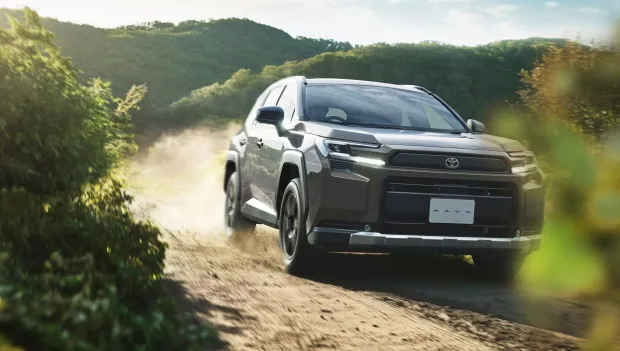
The new-generation Toyota RAV4 has earned the highest five-star rating in Japan’s vehicle safety assessment program. The SUV drew praise for its crash-test performance and electronic driver-assistance systems.
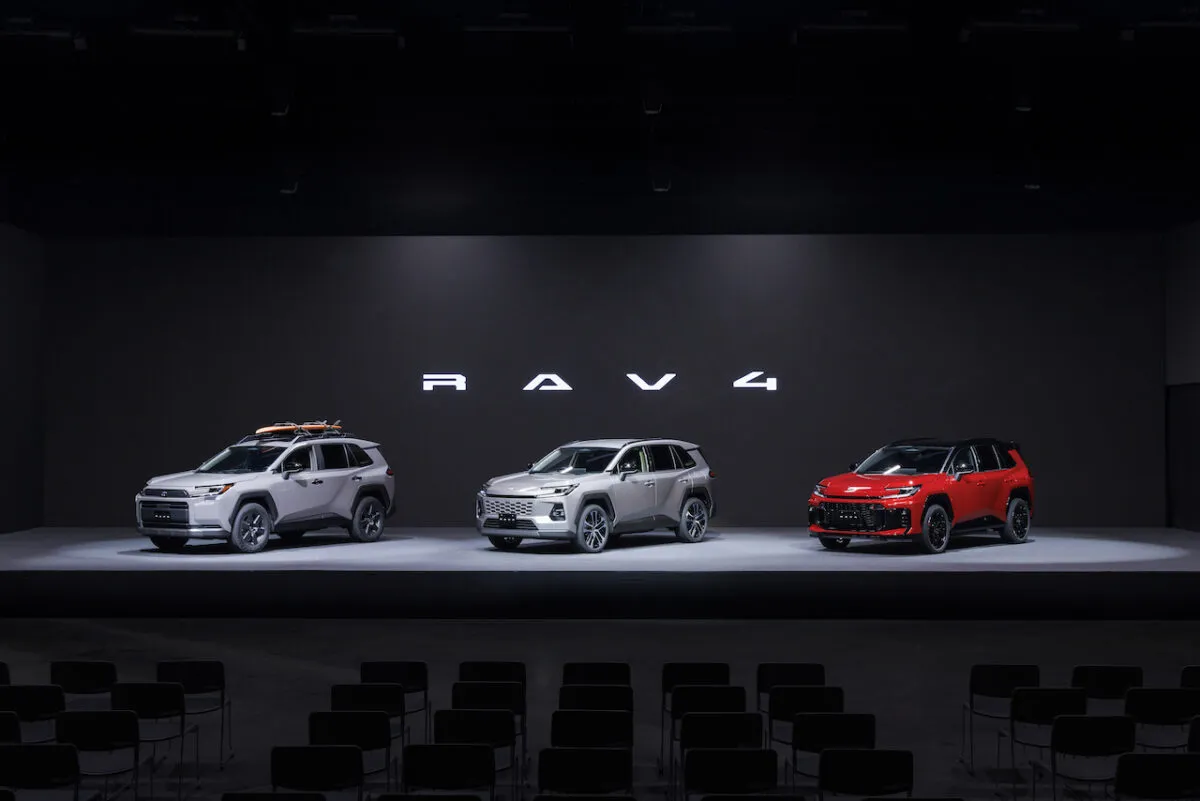
Results elsewhere, however, tell a somewhat different story. In testing by the U.S. Insurance Institute for Highway Safety (IIHS), the RAV4 fell short of a top safety award.
The current-generation Toyota RAV4 debuted in spring 2025. Since then, it has reached nearly all of its major markets.
Japan’s Ministry of Land, Infrastructure, Transport and Tourism and the National Agency for Automotive Safety and Victims’ Aid (NASVA) recently announced the SUV’s safety assessment results.
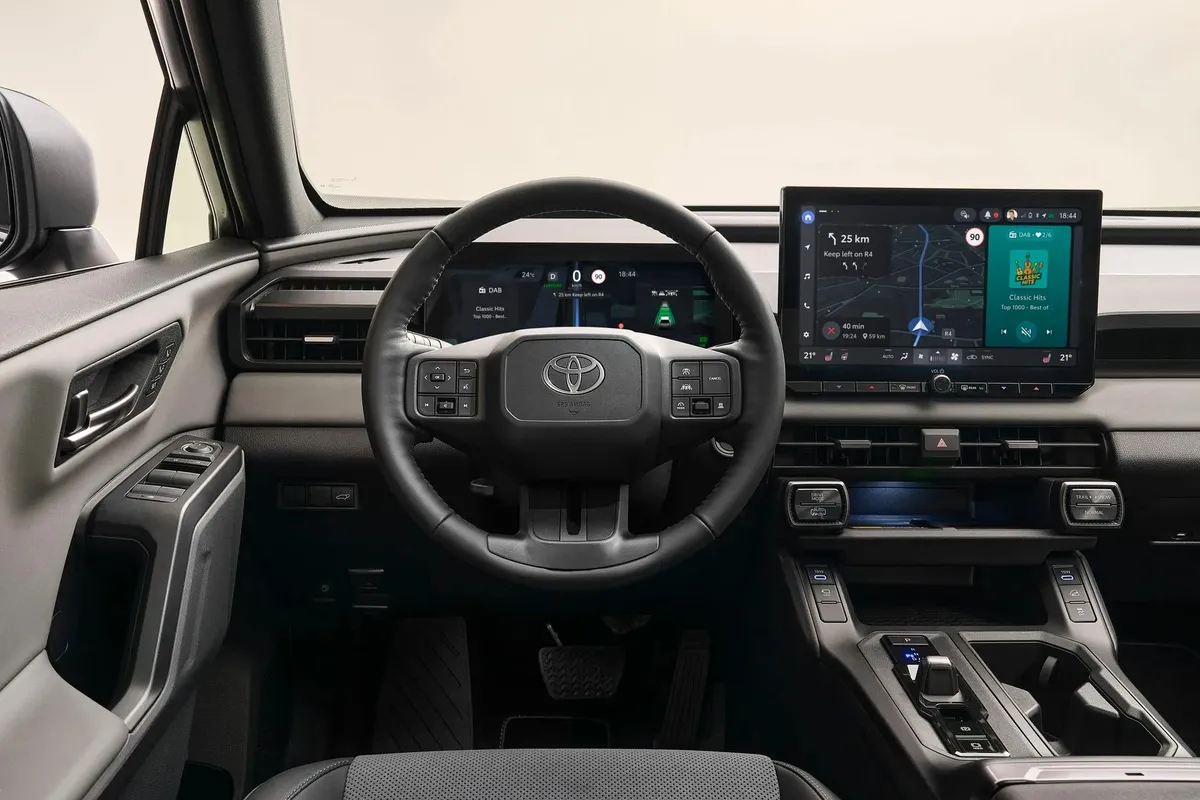
This year’s assessment requirements became stricter. The program added offset frontal crash tests, checks of protection in intersection crashes, and evaluations of systems designed to prevent crashes involving motorcycles. Automatic emergency braking systems (AEBS) and emergency notification systems were also evaluated separately.
In the Japanese tests, the new-generation RAV4 earned an A rating for active safety and an A for crash protection. Its automatic emergency notification system also received an enhanced rating. The combined results earned the SUV five stars, the program’s highest rating.
The strong scores were attributed both to its crash-test performance—including offset frontal and side impacts—and to the effectiveness of its electronic driver-assistance systems.
Those Japanese results do not automatically mean the vehicle performs equally well under every international safety assessment program.
In recent testing by IIHS, for example, the SUV did not earn a Top Safety Pick award.
Although the vehicle received Good ratings in all major crash tests, headlight evaluations, and tests of systems designed to prevent collisions with other vehicles and pedestrians, rear-seat occupant protection fell short. Specifically, rear-seat crash-test dummies recorded elevated measures of injury risk to the head, neck, and chest.
You may also be interested in the news:
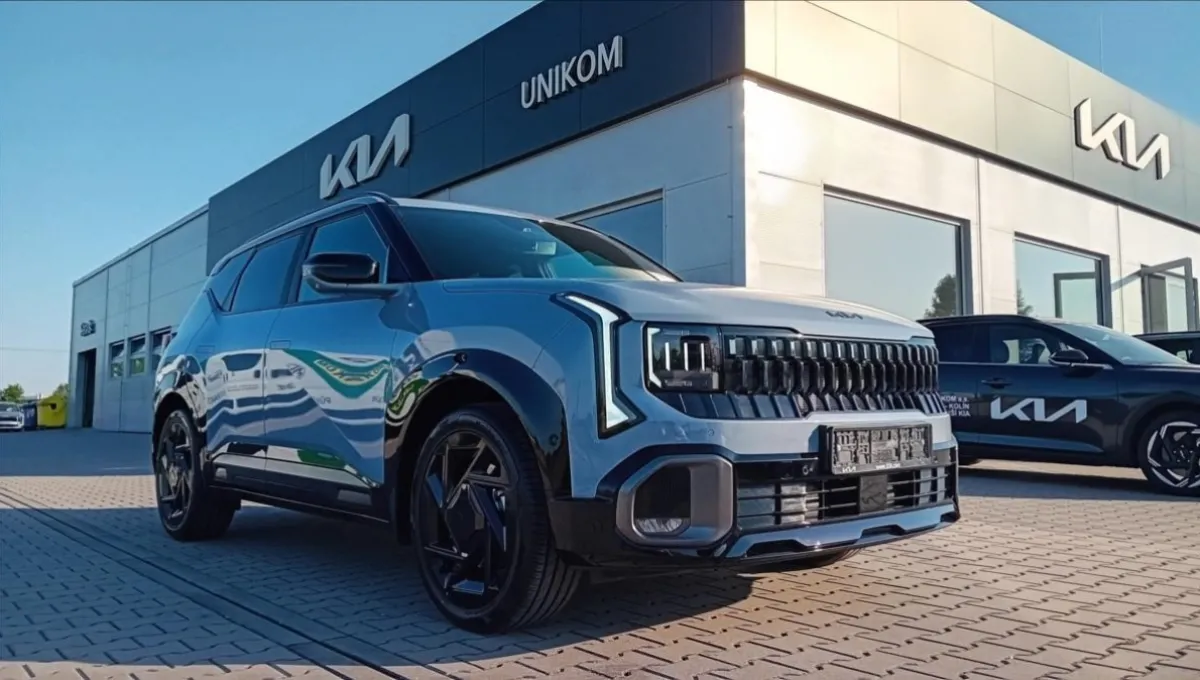
Next-Generation Kia Sorento Planned for 2028, With New EREV Powertrain Expected
Kia is preparing a full redesign of the Sorento. Production of the next-generation family SUV is planned to begin in 2028 at the Hwaseong plant in South Korea.
Next Toyota Hiace Could Debut in 2027 With a Short Hood and Electrified Powertrains
Toyota is developing a new generation of the Hiace that could make its global debut as early as 2027. The commercial van is set for its biggest overhaul yet.
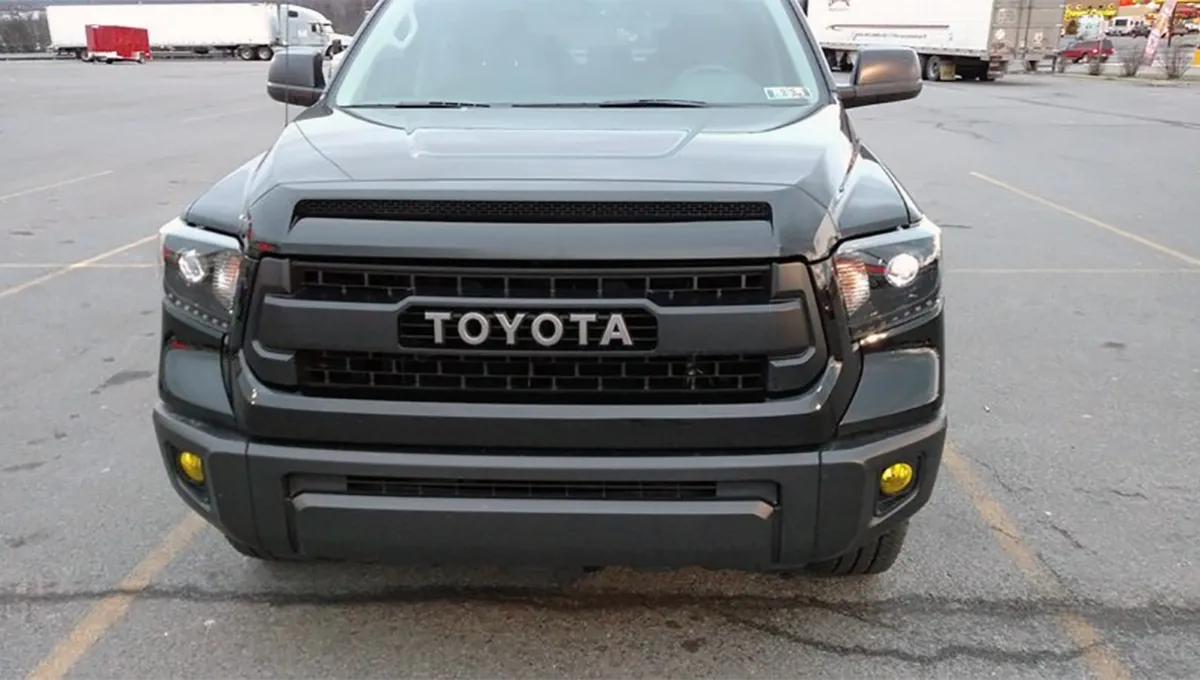
Toyota Prepares Updated Diesel Land Cruiser 250 for Japan
Toyota is preparing to resume diesel Land Cruiser 250 sales in Japan after a lengthy pause, with an update aimed at a growing challenge from the revived Mitsubishi Pajero.
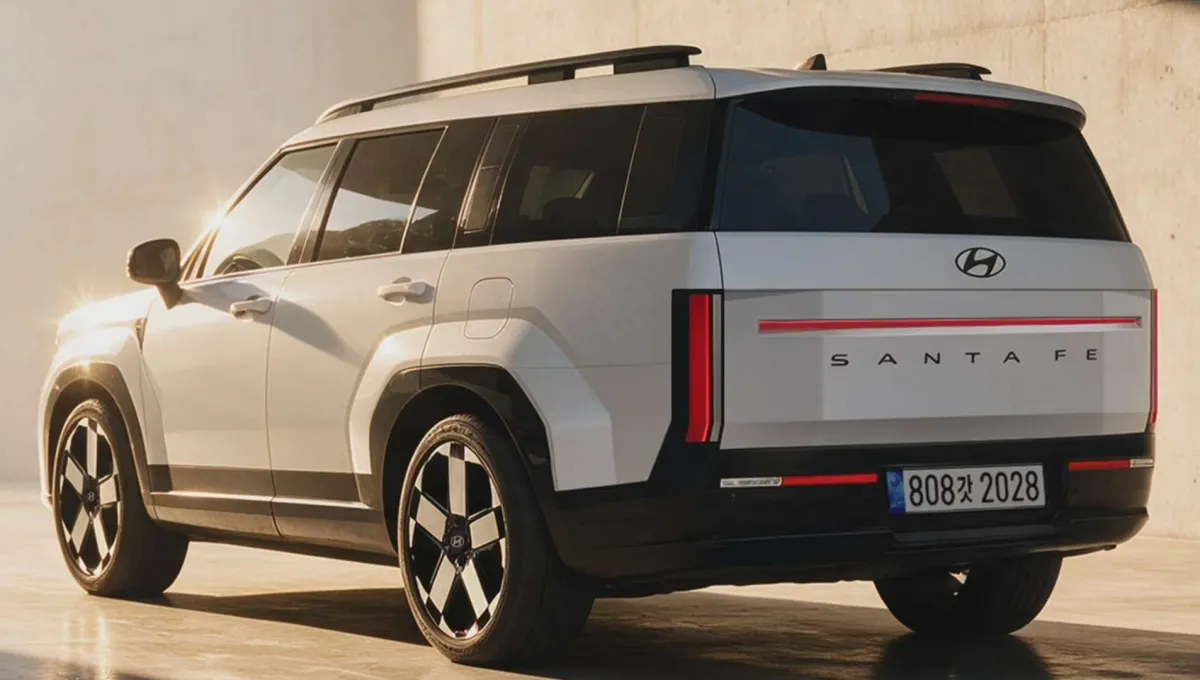
Hyundai Santa Fe Refresh Previewed in Unofficial Renderings Ahead of Expected Debut
Hyundai is preparing a major refresh for the Santa Fe, with a debut expected soon. Independent Korean design studio Gotcha Cars has released new renderings previewing the changes.
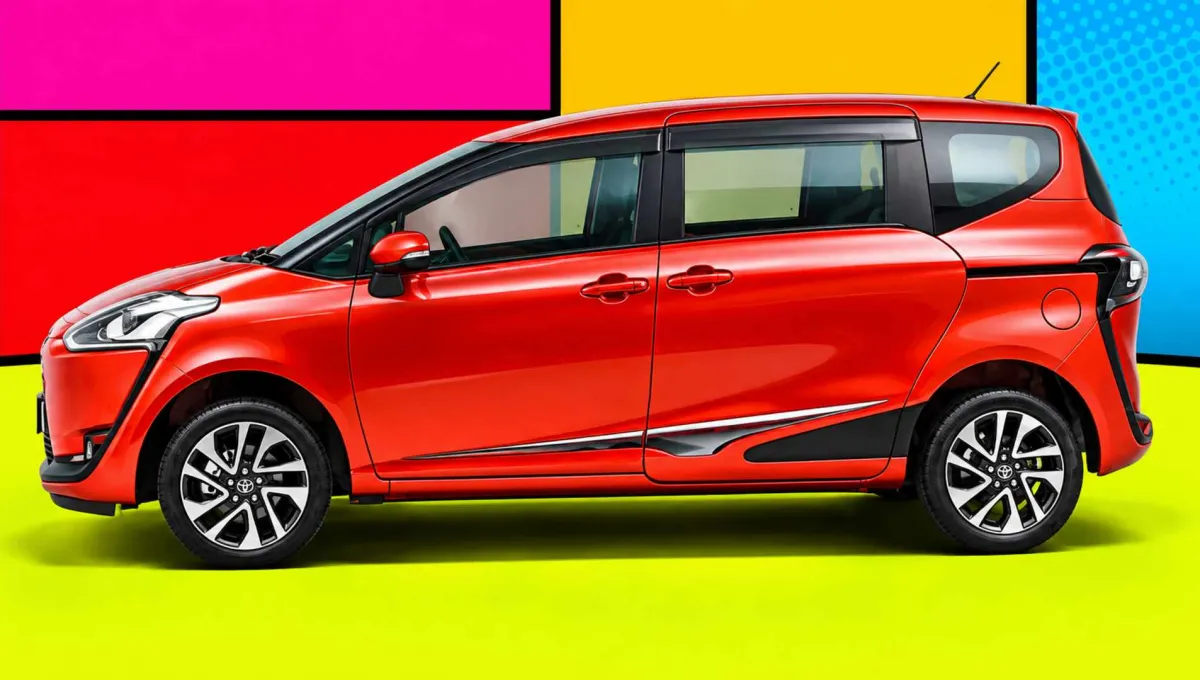
Toyota’s Next-Generation Sienta Could Debut in 2029
Toyota is working on the next generation of its compact Sienta minivan. Japanese automotive publications predict the model could debut in 2029.