
Nissan Temporarily Halts Production of Three Models in the US for Canada
Nissan has stated that it has suspended the production of three models in the US for the Canadian market
Japanese automaker Nissan Motor has announced a temporary halt in the production of three vehicles at its plants in the US, designated for the Canadian market. The decision is linked to trade tariffs imposed by the US and Canada. The restrictions affect the Pathfinder and Murano SUVs, as well as the Frontier pickup truck.
The company's official statement appeared on Wednesday evening, but the exact timeline for the production stoppage is not specified. Nissan emphasized that the measures are temporary and expressed hope for a swift resolution of the trade dispute between the countries.
"This is a short-term and temporary measure, and we remain hopeful that ongoing discussions between the U.S. and Canadian governments will lead to a successful agreement in the near future," Nissan said in a statement.
The first report of Nissan's issues came from Japanese newspaper Nikkei, which indicated that production had been frozen since May. Meanwhile, key models for the Canadian market — Versa, Sentra, and Rogue — continue to be supplied from Mexico and Japan, accounting for 80% of the brand's sales in Canada.
Pathfinder and Murano are assembled at the Tennessee plant, while Frontier is produced in Mississippi. The tariff restrictions are a result of the trade conflict: in April, the Trump administration imposed a 25% tariff on car imports, prompting retaliatory measures from Canada. Previously, Mazda also halted car shipments to Canada from its Alabama plant, redirecting production capacity to the US market.
Although Canada is not the largest market for Nissan (last year, about 104,000 cars were sold there, representing only 3% of the company's global sales), the situation exacerbates the already challenging position of the brand. In its March report, Nissan recorded a $4.5 billion loss, with credit ratings lowered to “junk” status.
Nissan's problems extend beyond tariffs: the company faces declining demand, an outdated model lineup, and a burdensome debt load. According to Reuters, the automaker has even asked suppliers to delay payments to maintain liquidity.
You may also be interested in the news:
Hyundai Recalls Nearly 95,000 Genesis Sedans Over Fire Risk From Power Seats
Hyundai is recalling 94,622 Genesis sedans after a faulty power seat switch was linked to overheating and potential vehicle fires.
2027 Ram 1500 Rumble Bee: Pricing, Options and How to Build Yours
The 777-HP Ram Rumble Bee Is Coming — But You Can Buy the New Hemi Truck Now
“Are You Sure It’s Chinese?” Who Really Builds China’s Car Engines
Who Really Develops China’s Car Engines?
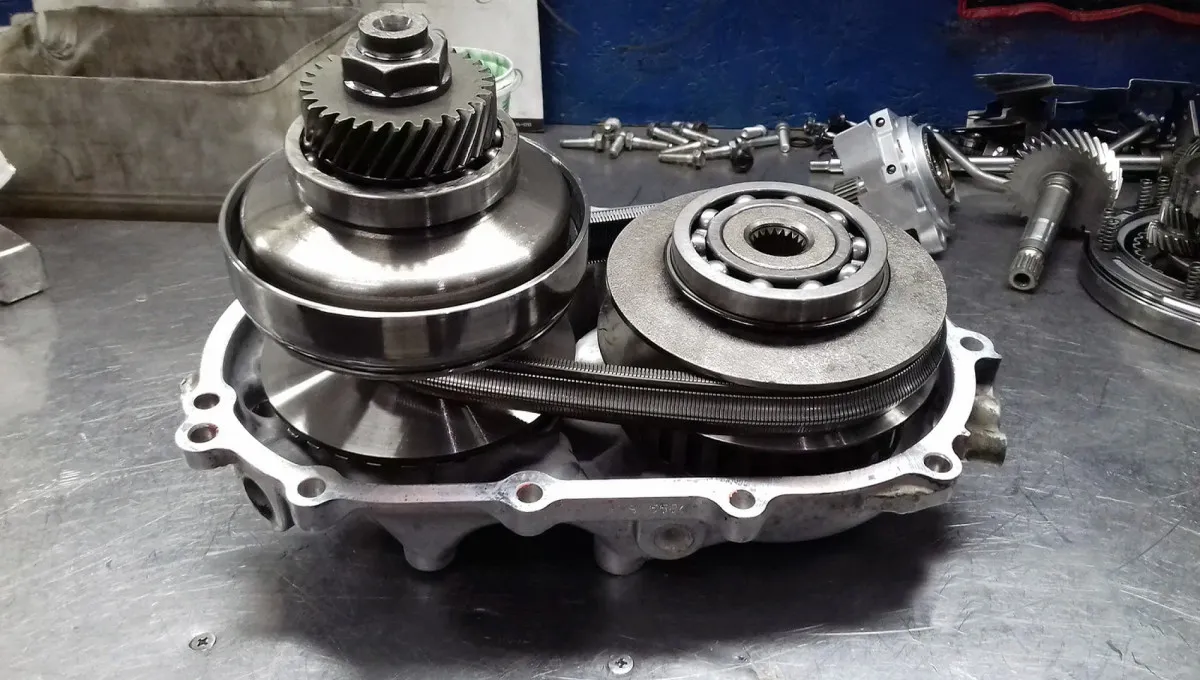
Why Experienced Drivers Still Warn Against Buying a Used Car With a CVT
CVTs offer smooth acceleration and good fuel economy, but expensive repairs and durability concerns make used models risky.
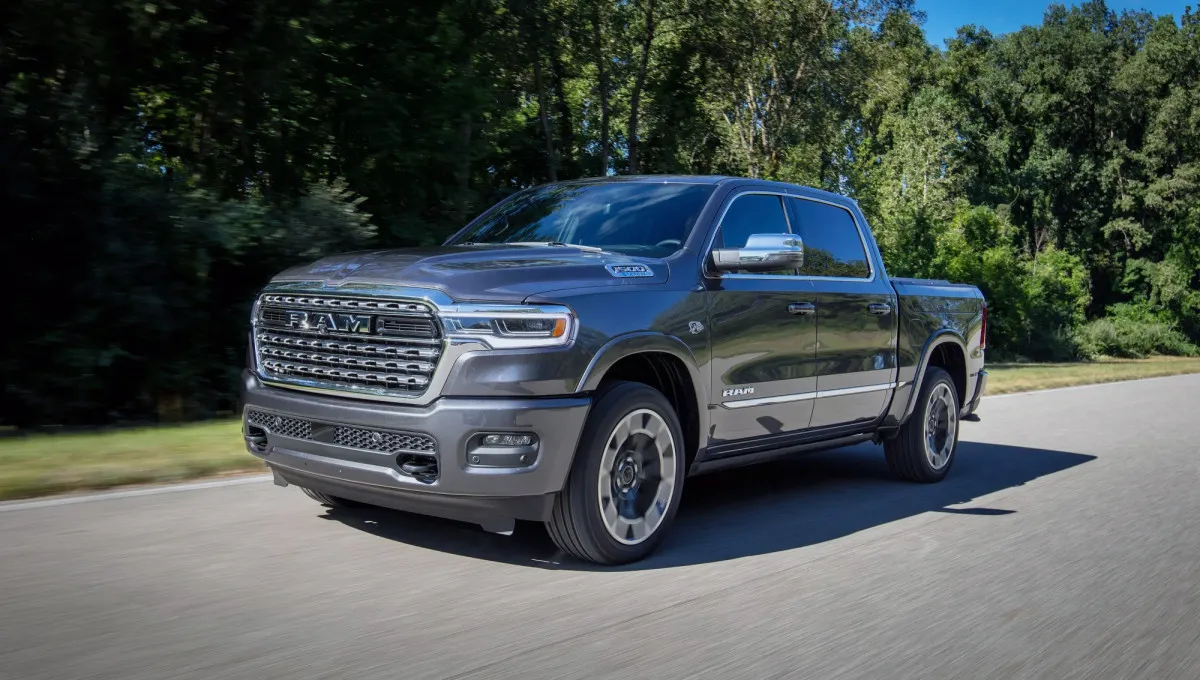
2026 Ram 1500 Recall: 16K Trucks May Have Faulty Tire Pressure Sensors
Ram is recalling 16,385 model-year 2026 Ram 1500 trucks