
Car VIN Code: What It Is and What It's For
The VIN code, consisting of 17 characters, is assigned to each vehicle for its identification.
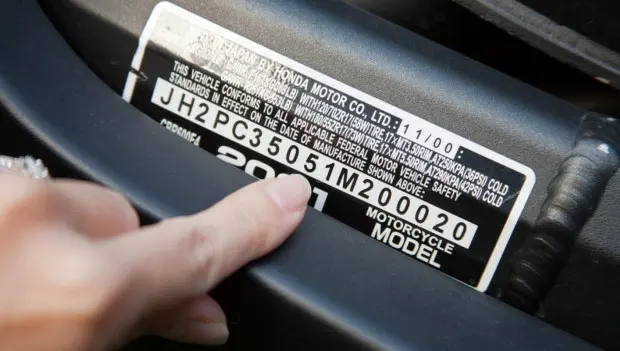
The VIN code (Vehicle Identification Number) — is a code consisting of 17 characters, assigned to each vehicle for its identification. This code is unique and is used to determine the manufacturer, technical specifications, and year of manufacture. It is used in the registration, maintenance, sale of vehicles, and selection of spare parts.
Structure of the VIN Code
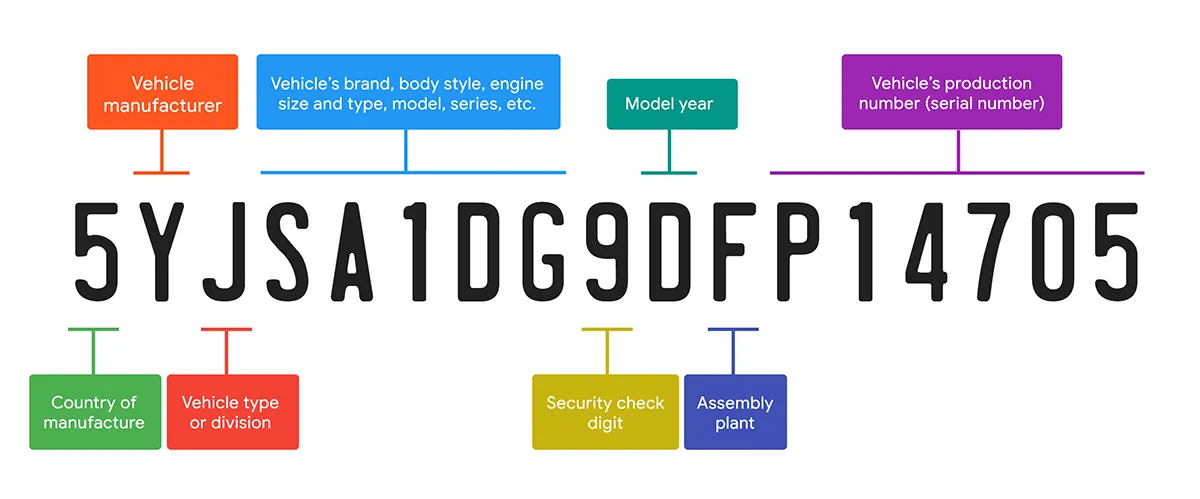
The VIN code consists of three main parts:
WMI(World Manufacturer Identifier) — the initial 3 characters indicate the manufacturer and the assembly region, for example:
- "1HG" — Honda, USA.
- "WAU" — Audi, Germany.
- "JTD" — Toyota, Japan.
- "3VW" — Volkswagen, Mexico.
VDS (Vehicle Descriptor Section) — characters 4 through 9, contain information about the body type, engine, transmission, and other characteristics:
- The code "8G87" may indicate a coupe with a specific V8 engine.
- "FD3S" — refers to a Mazda RX-7 sports coupe with a rotary engine.
- "5YJ3" — indicates a Tesla Model 3 electric vehicle.
VIS(Vehicle Identifier Section) — the last 8, including the serial number, year of manufacture, and manufacturing plant:
- The tenth symbol "M" denotes the 2021 production year.
- The symbol "5" may indicate a plant in the USA, while "X" — European manufacturing.
An example of a serial number: "123456".
Where to Find the VIN Code
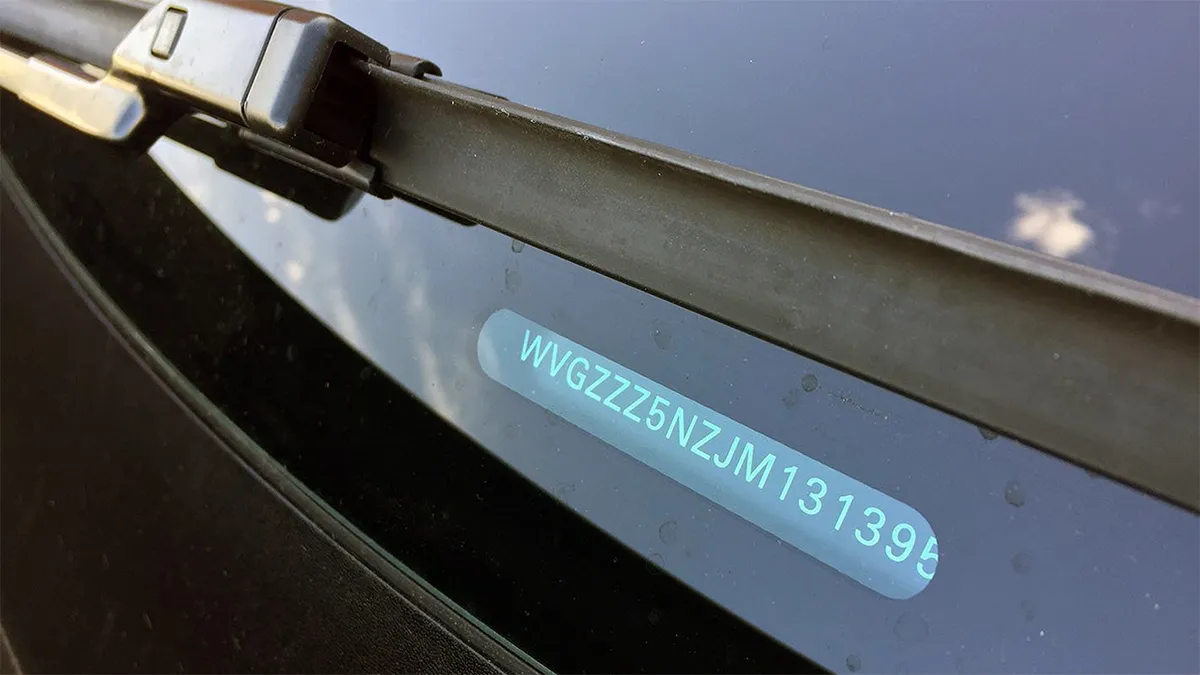
The VIN code is indicated both on the vehicle itself and in the accompanying documents. You can find the code on the vehicle in the following places:
- The lower part of the windshield on the driver's side.
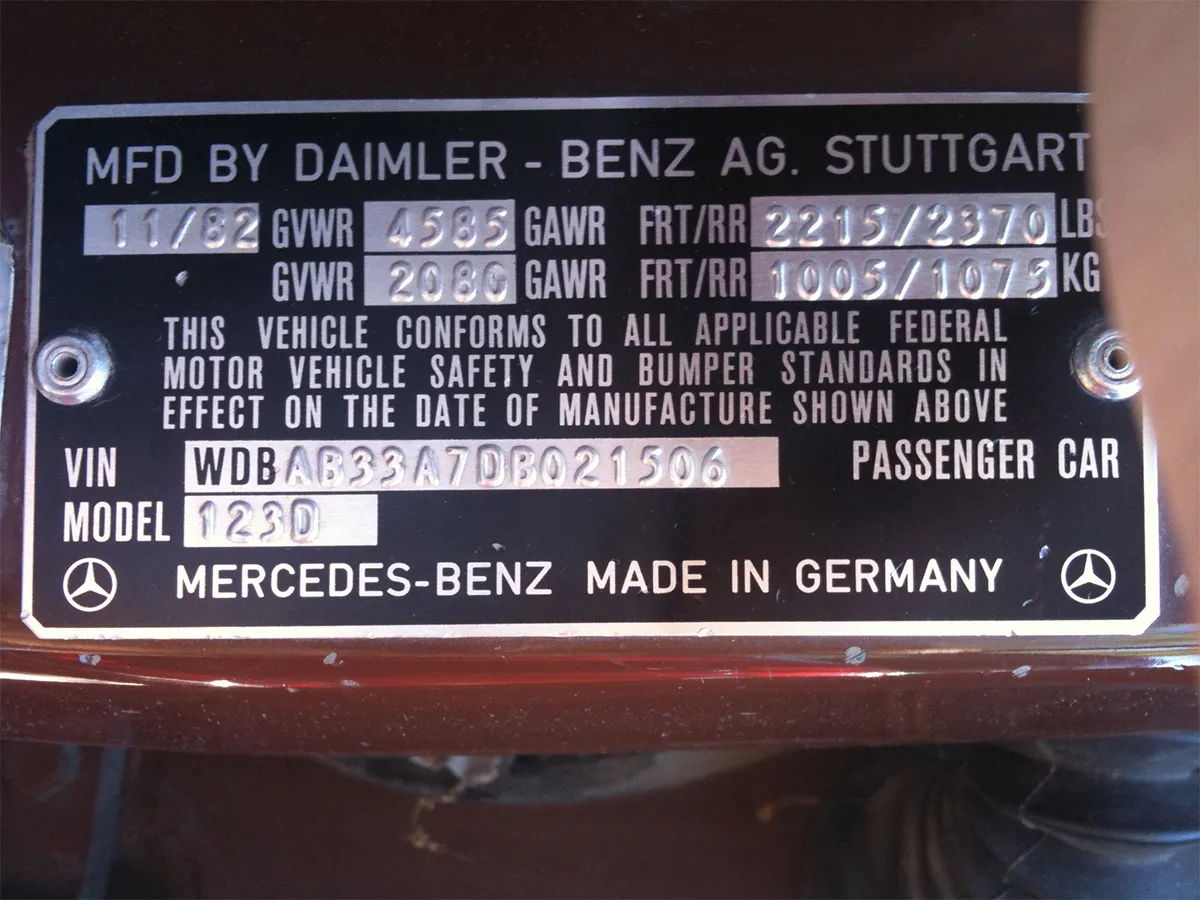
- On the driver's door pillar (plate or sticker).
- Under the hood on the engine shield or frame.
- In the trunk, on the floor, or under the spare wheel.
- On the engine or transmission (in rare cases).
- In documents, the VIN code is indicated in the registration certificate, technical passport, and insurance policy.
Examples of VIN Code Application
- Checking the vehicle's history. Using the VIN, you can find out if the vehicle has been in accidents, is stolen or seized, and its mileage. For example, Carfax in the USA provides reports containing this data.
- Selection of parts. The VIN helps accurately determine vehicle specifications such as engine volume or suspension type, allowing the selection of suitable parts.
- Authenticity check. The VIN is unique to each vehicle. A discrepancy in the code in the documents and on the vehicle may indicate issues with the legality of the vehicle.
- Insurance and registration. Companies use the VIN for drafting insurance policies and checking the legal purity of the vehicle.
How to Check the VIN Code
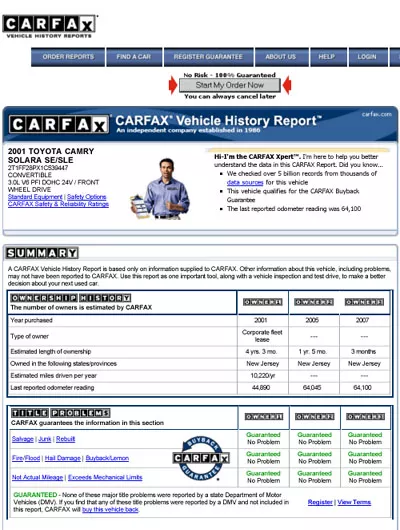
There are many online tools for checking VIN codes. Among them are:
- Carfax and AutoCheck — popular international services providing detailed reports on vehicles, including their service history, participation in accidents, and legal status.
- National databases — for example, NICB in the USA allows checking VIN for theft for free.
- Paid reports usually contain more detailed information, such as mileage or the number of previous owners. Free checks are limited to basic data.
The VIN code — is the key to the vehicle's history. Checking this number before purchase can help avoid legal and technical issues. Regular use of the VIN is useful for finding parts and maintenance. It is important to ensure that the VIN plates are not damaged, and the number matches the documentation. Pay attention to checking through reliable online services to make an informed decision about purchasing or operating the vehicle.
You may also be interested in the news:
“Are You Sure It’s Chinese?” Who Really Builds China’s Car Engines
Who Really Develops China’s Car Engines?
Why Experienced Drivers Still Warn Against Buying a Used Car With a CVT
CVTs offer smooth acceleration and good fuel economy, but expensive repairs and durability concerns make used models risky.
Hidden Key Fob Trick: Open All Your Car Windows With One Button
An auto mechanic explains how drivers can remotely open and close car windows using a key fob, provided the vehicle has the right hardware.

8 Car Maintenance Mistakes That Could Cost You Thousands if You Wait Too Long
Depending on driving conditions, some maintenance tasks may need to be performed sooner and more often than the automaker recommends.

How Long Will Your Car Last? A Guide to Making It Age Gracefully
Automotive experts explain how routine maintenance and timely replacement of aging components can help your car last longer.