
Trouble Ahead and Costly Repairs: The Least Reliable Nissan Models
Run for the hills—these Japanese cars have a reputation for troublesome components.
In the United States, Nissan has a mixed reputation: some models are excellent, while others are notoriously problematic. A classic example of a misstep is the third-generation Pathfinder. Despite its solid image as a body-on-frame SUV, its 2.5-liter diesel can turn into an expensive headache: the turbocharger is short-lived, the fuel system is finicky, and engine overheating can lead to cracked cylinder heads.
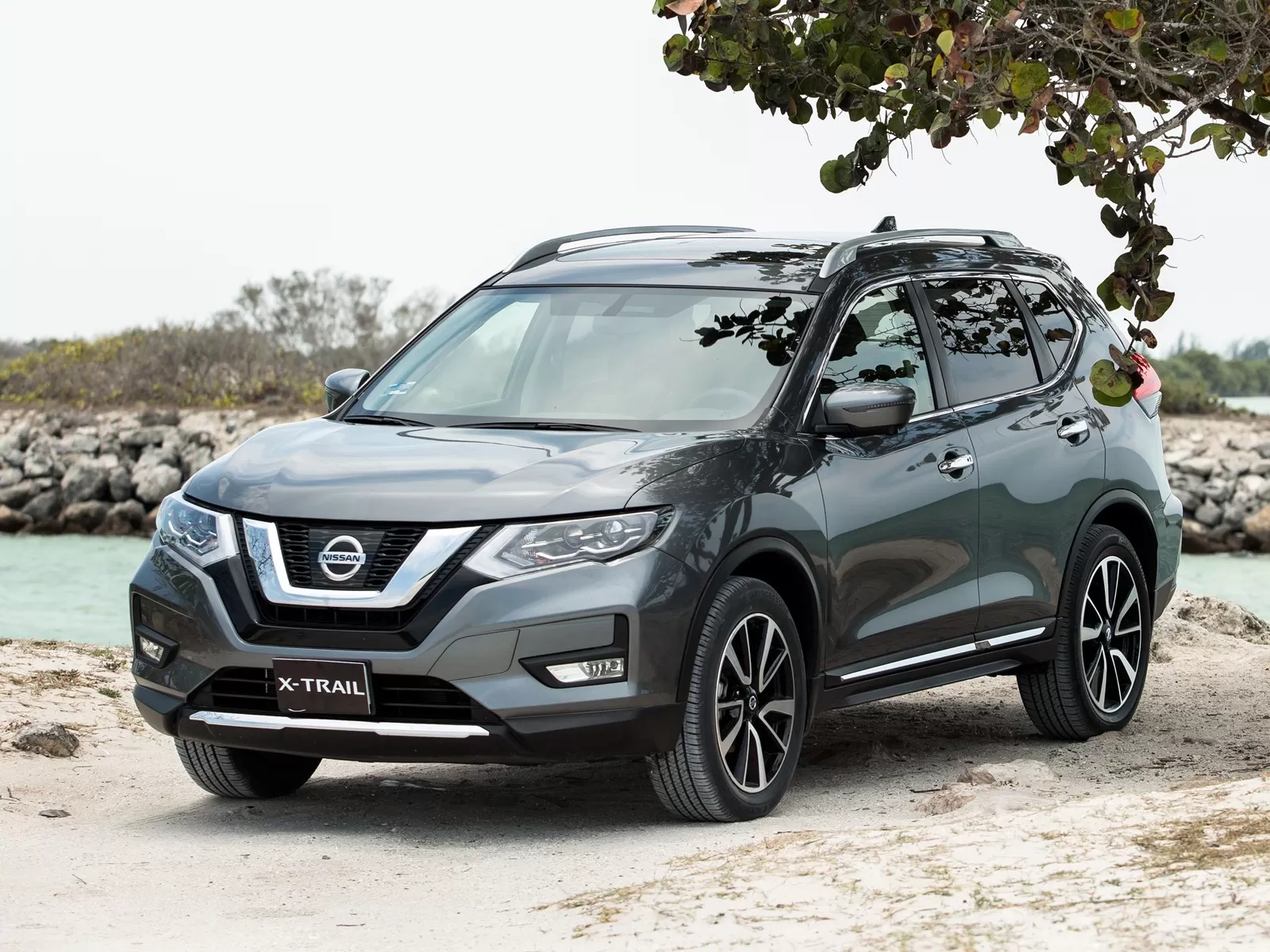
The third-generation X-Trail doesn’t fare much better. Its biggest weak spot is the CVT transmission, which often fails as early as 31,000–62,000 miles. Add to that high oil consumption and a timing chain prone to stretching.
The second-generation Nissan Teana business sedan suffers from similar flaws: a problematic CVT and an engine prone to overheating. On the used market, these cars may seem like a bargain, but ongoing repair bills quickly wipe out any savings.
That said, Nissan does have some solid offerings. For example, the first-generation Note has been praised as one of the best Japanese cars you can find for under $5,000. In the same price range, experts also recommend the Mitsubishi Lancer IX, Toyota Corolla, Nissan Tiida, and Mazda3—reliable options when properly maintained.
You may also be interested in the news:
How a Repair Shop Can Overcharge You: What Every Driver Should Know
An experienced mechanic knows how to increase a repair bill, and drivers should know what to watch for before approving work.
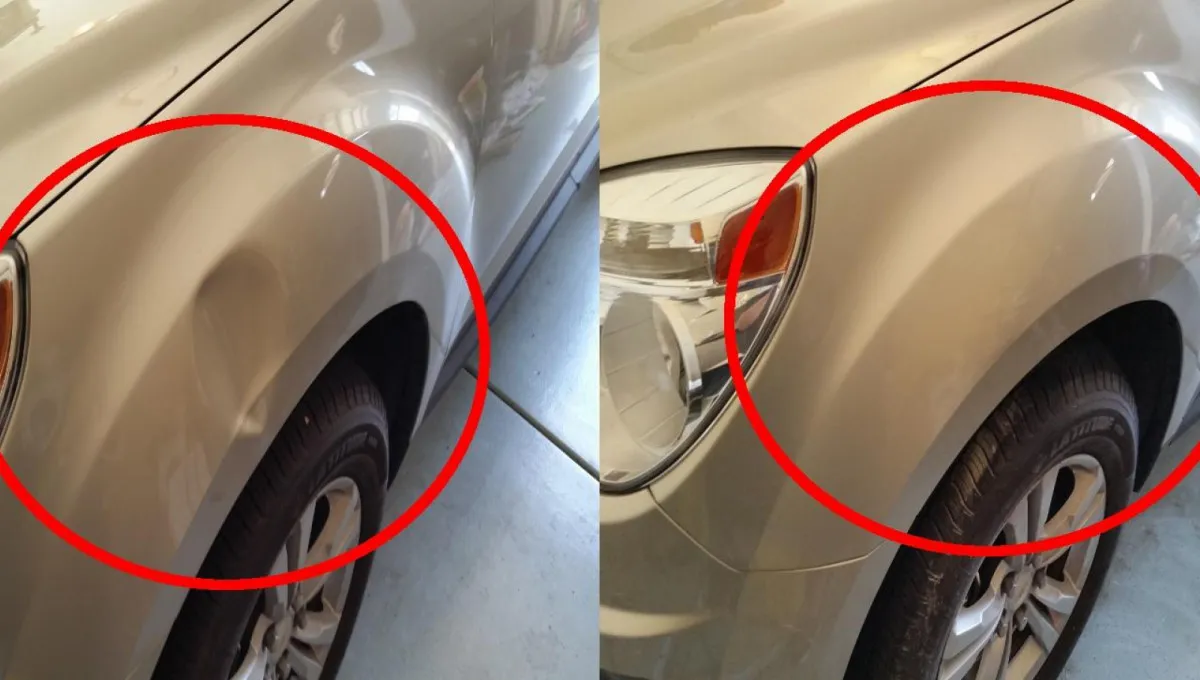
The Dent Can Disappear Without a Trace: How to Repair Car Body Damage Without Paint
Paintless dent repair can restore a damaged panel to its original shape, but only when certain conditions are met.
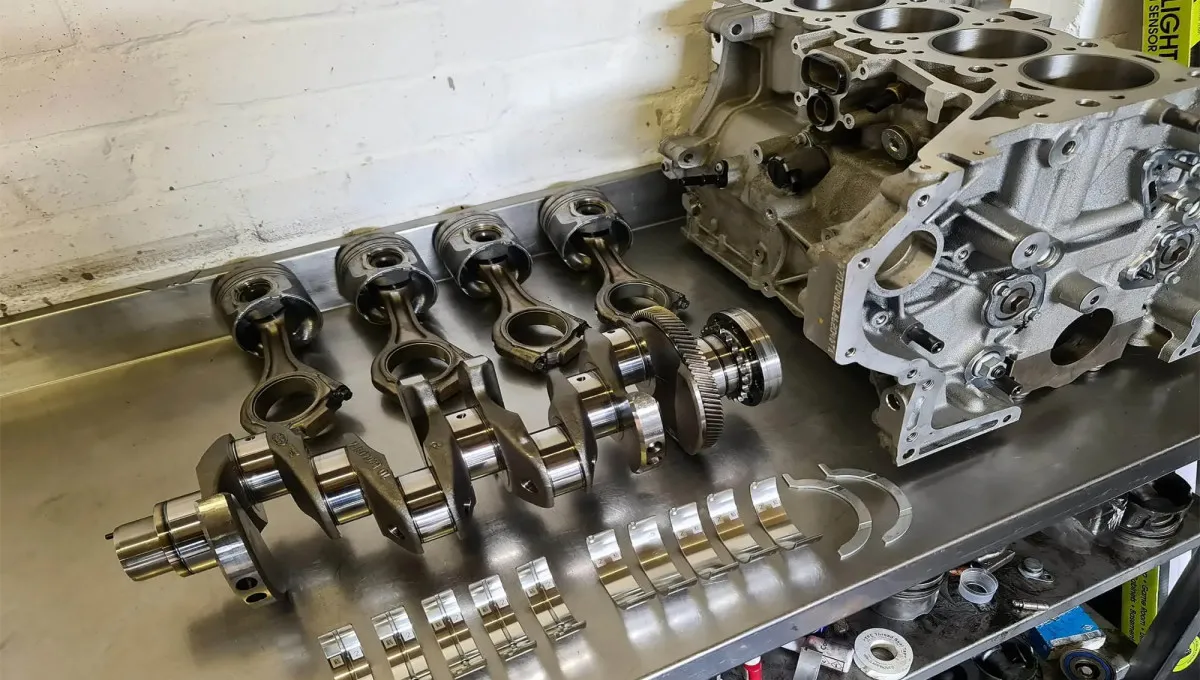
Not Ford, BMW or Audi: Mechanic Names the Car Brand That Almost Never Breaks Down
Auto repair professionals reveal which models rarely suffer major failures and which ones repeatedly end up on the lift.
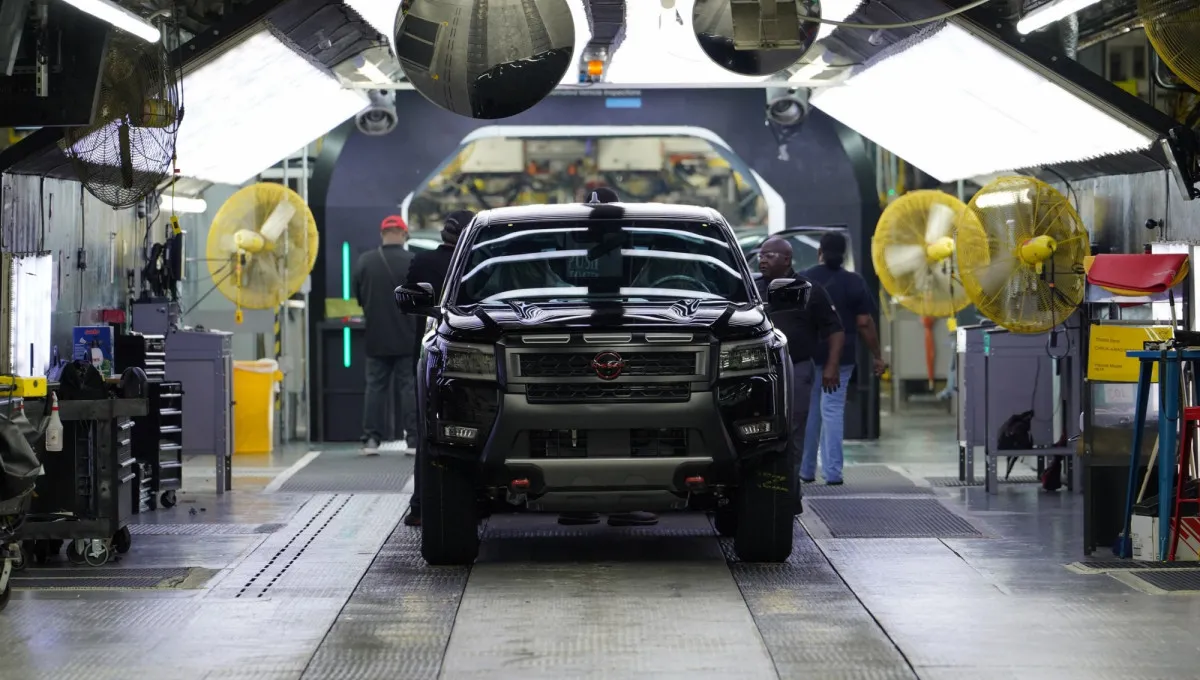
Nissan Restarts US-Made Murano, Pathfinder, Frontier Sales in Canada
Nissan resumed Canadian sales of three U.S.-built models, but tariffs keep supply below earlier levels.
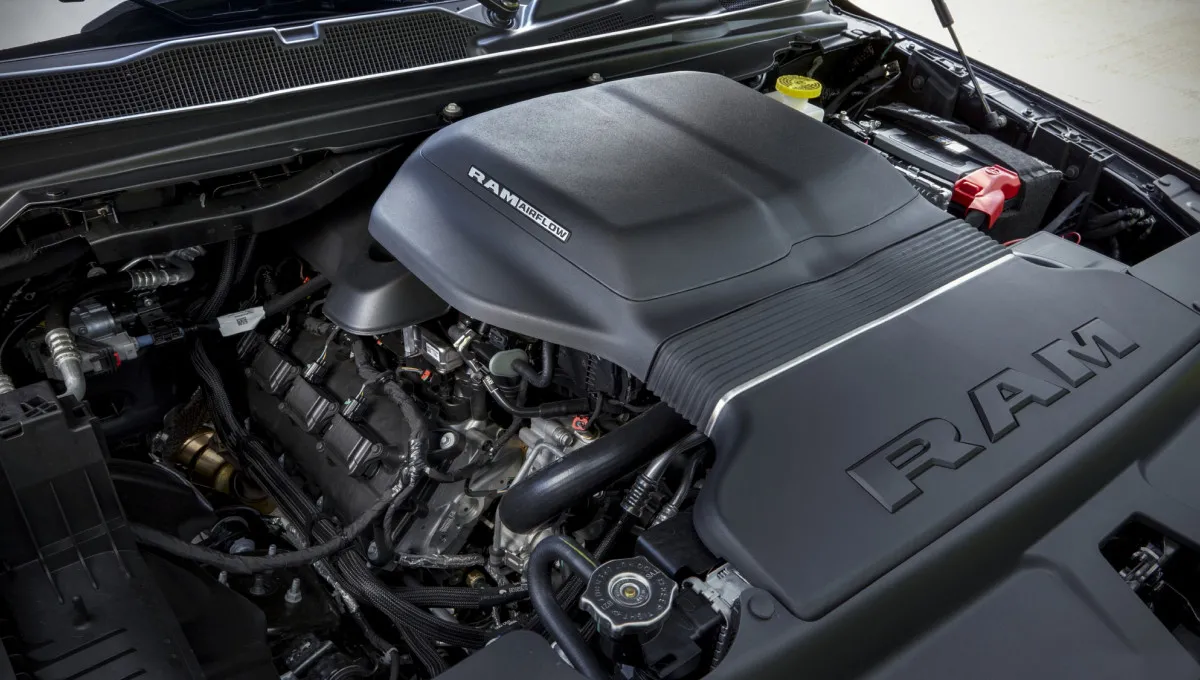
Your Engine Could Be Warning You: 6 Problems That Can Make a Car Run Rough
Engine problems rarely happen without a reason, and six common issues can cause a car to run poorly.