
Few Reasons Your Car Might Shake Right After You Start Driving — and What You Can Do About It
Most drivers will eventually encounter sudden vibrations or shaking while on the road.

Nearly every driver will, sooner or later, run into an issue where the car starts to shake or vibrate unexpectedly. It’s never a good sign, and usually points to a specific underlying problem. Understanding what might be causing the shaking can help you decide what to do next. Let’s break down the most common culprits.
Important: When dealing with mechanical issues, it’s always safer to rely on trained professionals rather than attempting repairs without the proper experience or skills.
1. Idle Air Control Valve
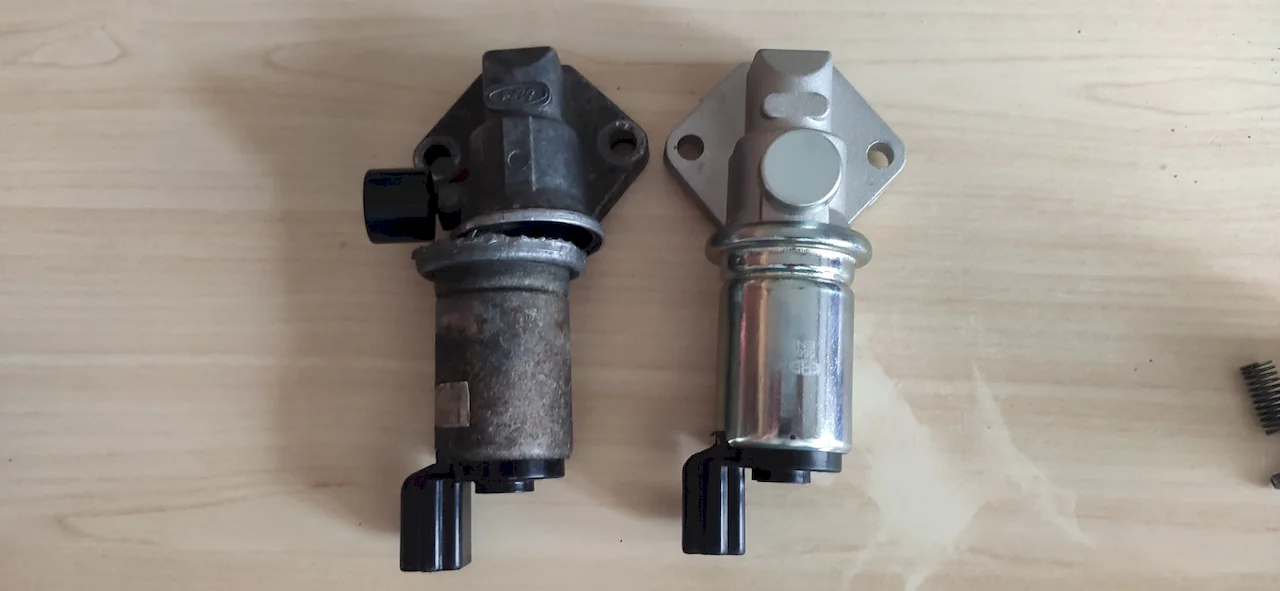
If your car begins to shake, one of the first things to check is the idle air control valve. When it gets clogged with oil or dust, it may need a quick cleaning. However, if the vibration has already become noticeable, there could be mechanical damage to its threads or internal components. In most cases, a qualified technician will need to take over.
2. Ignition System
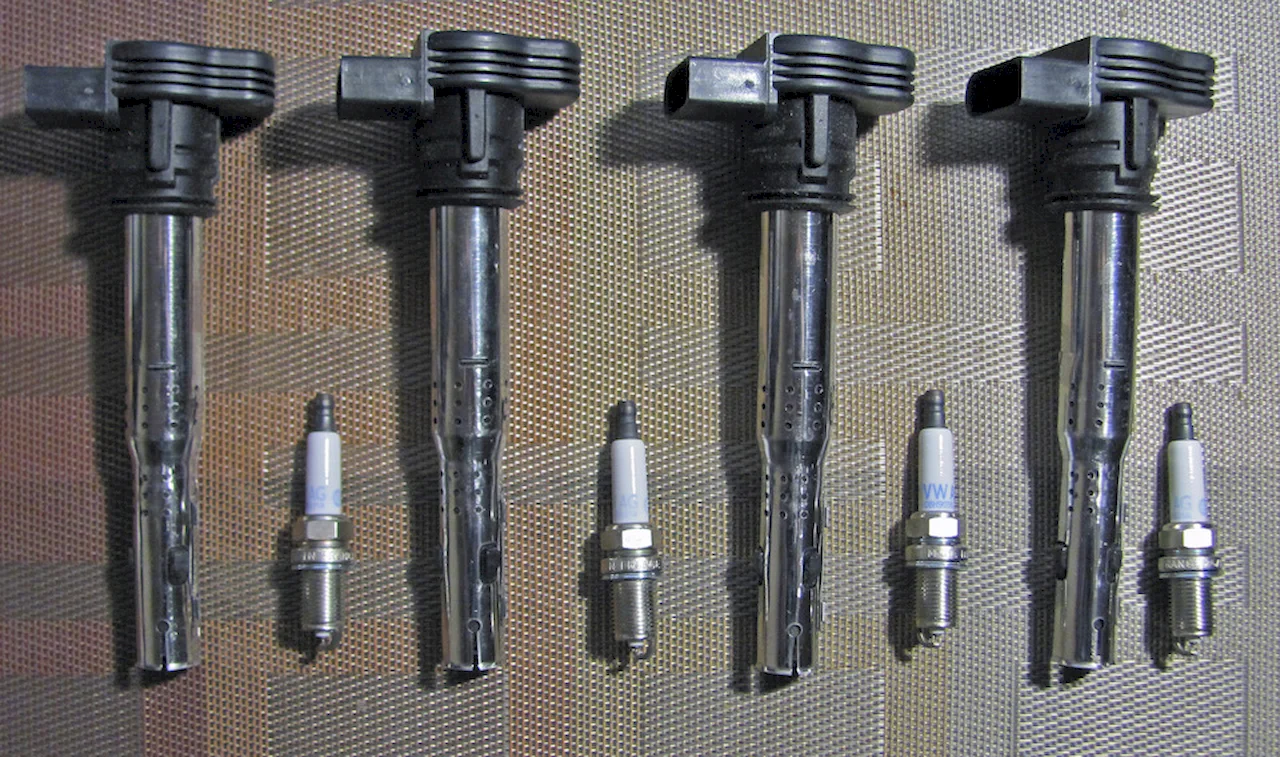
Another common reason for shaking right after startup is a problem within the ignition system — which includes the spark plugs, ignition coil, high-voltage wires, ECU, and distributor. Often the issue comes down to a missing spark, which prevents the air–fuel mixture from igniting properly.
3. Clutch Assembly
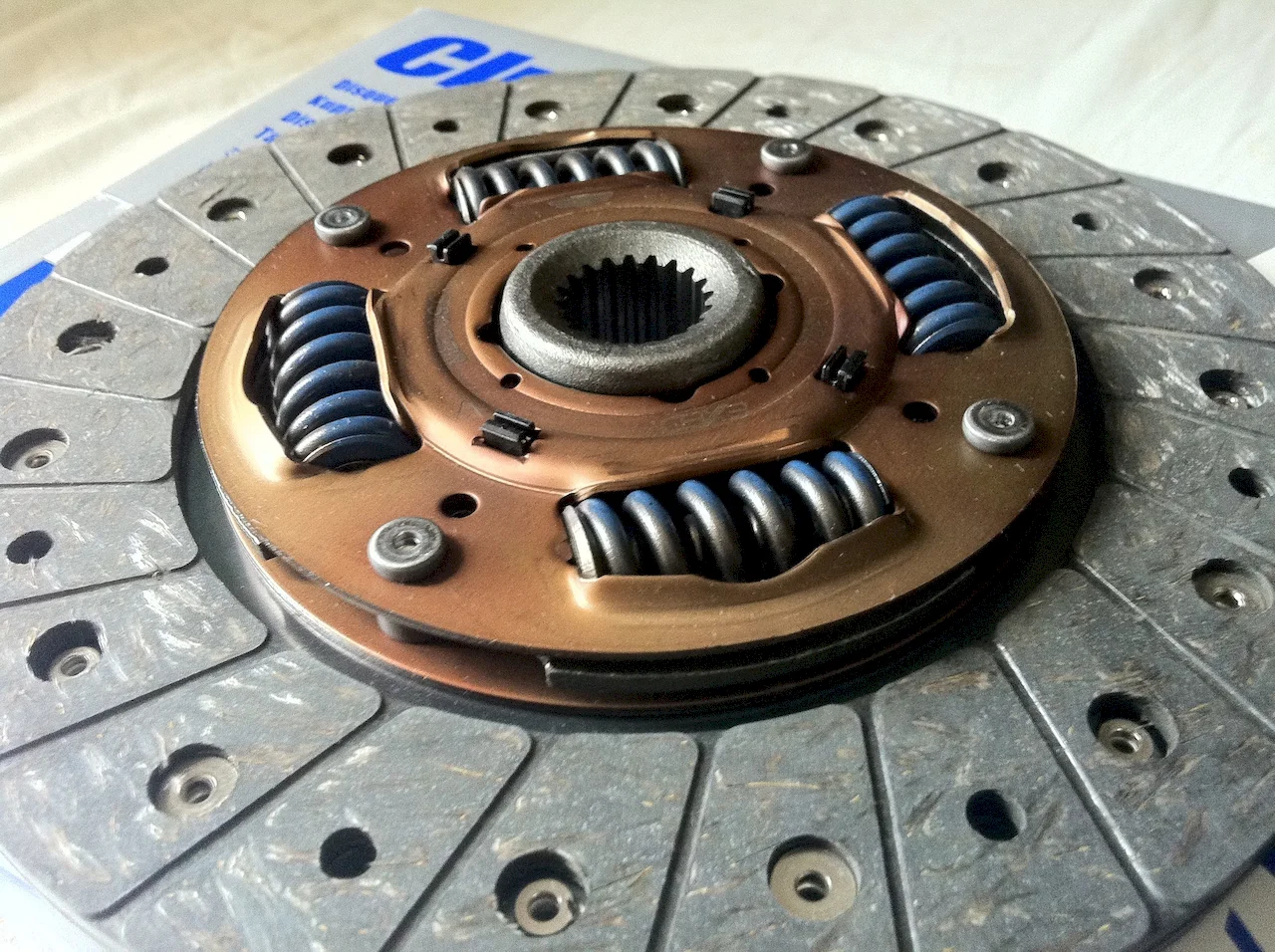
Shuddering can also originate from the clutch. If the spring on the clutch disc has failed, vibrations may appear as soon as you get moving. Before heading to a repair shop, you can try lubricating the clutch fork, though this is only a temporary measure if the spring is indeed the problem.
4. Fuel Pump
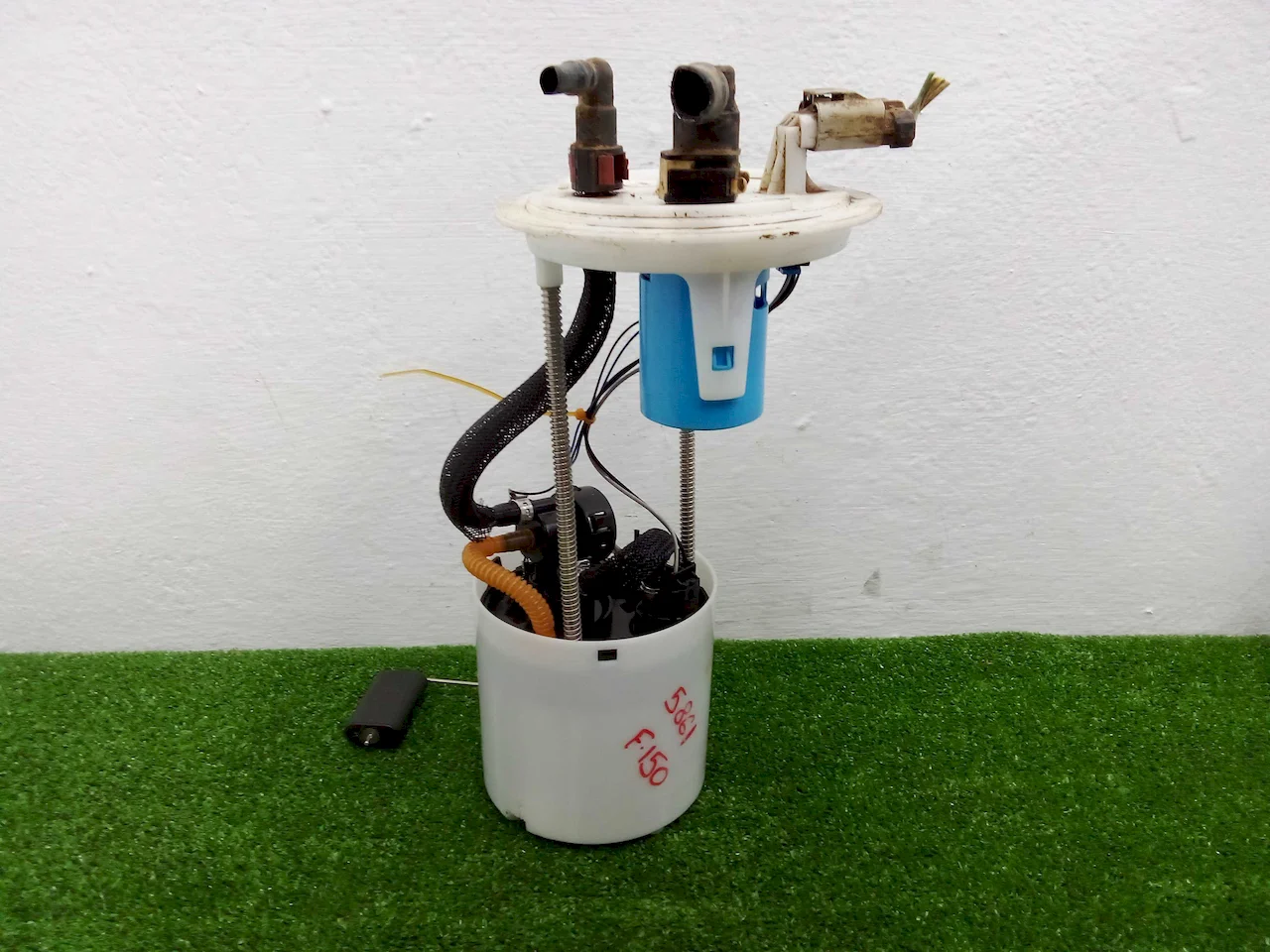
Sometimes a car jerks most noticeably during acceleration. In many cases, the cause is inconsistent fuel delivery. Start by checking the fuel pump — and be prepared to replace its sealing ring if it’s worn out.
5. Fuel Injectors
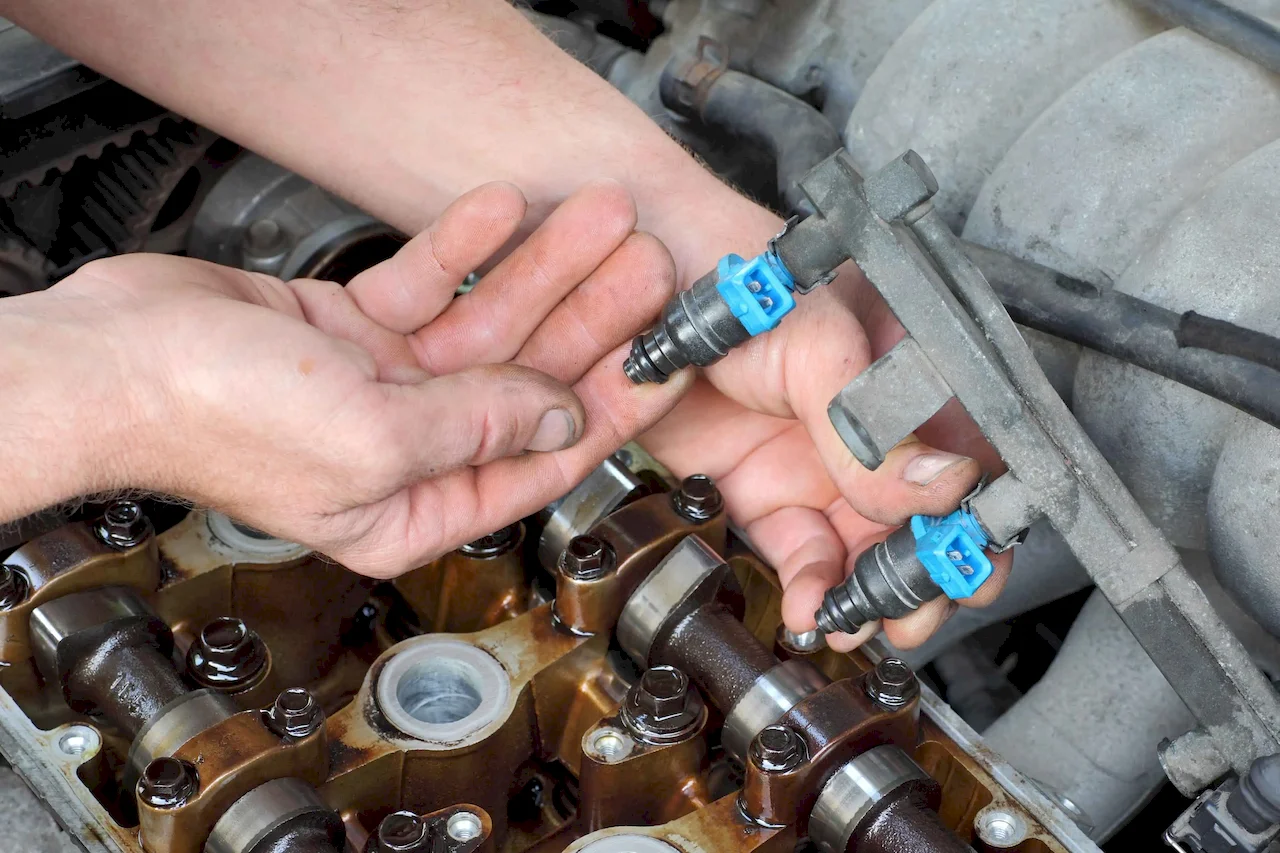
If the trouble shows up at low RPMs, the injectors could be to blame. Damage to the wiring harness or shorts in the circuit are common issues, and both typically require replacement of the affected components.
6. Engine Mounts
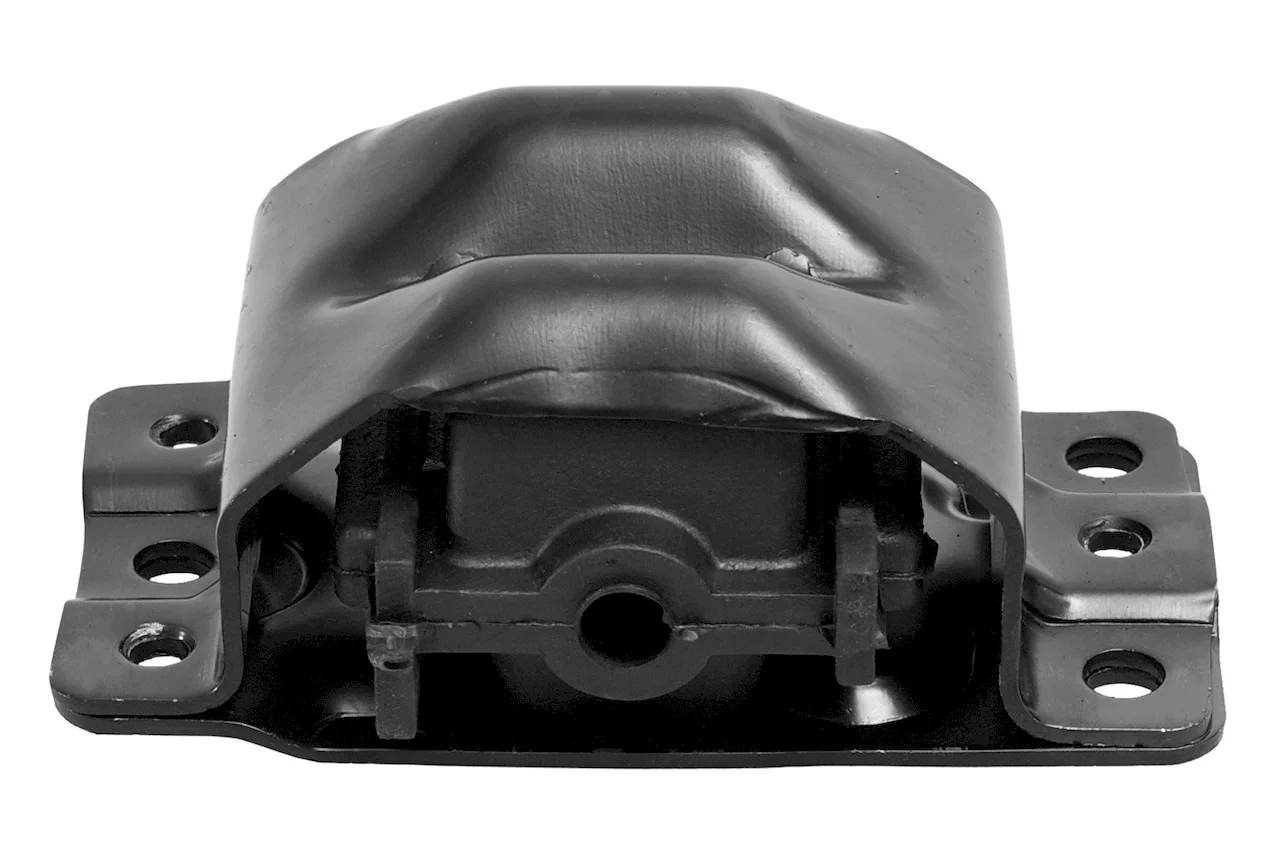
If the engine shakes while idling or you feel strong vibrations from the engine bay, worn or torn engine mounts may be the reason. Often a single mount — usually the main rubber bushing — fails first, leading to noticeable movement and vibration.
Addressing these issues promptly can prevent bigger (and more expensive) problems down the road, so if you’re unsure, have a professional take a look as soon as possible.
You may also be interested in the news:
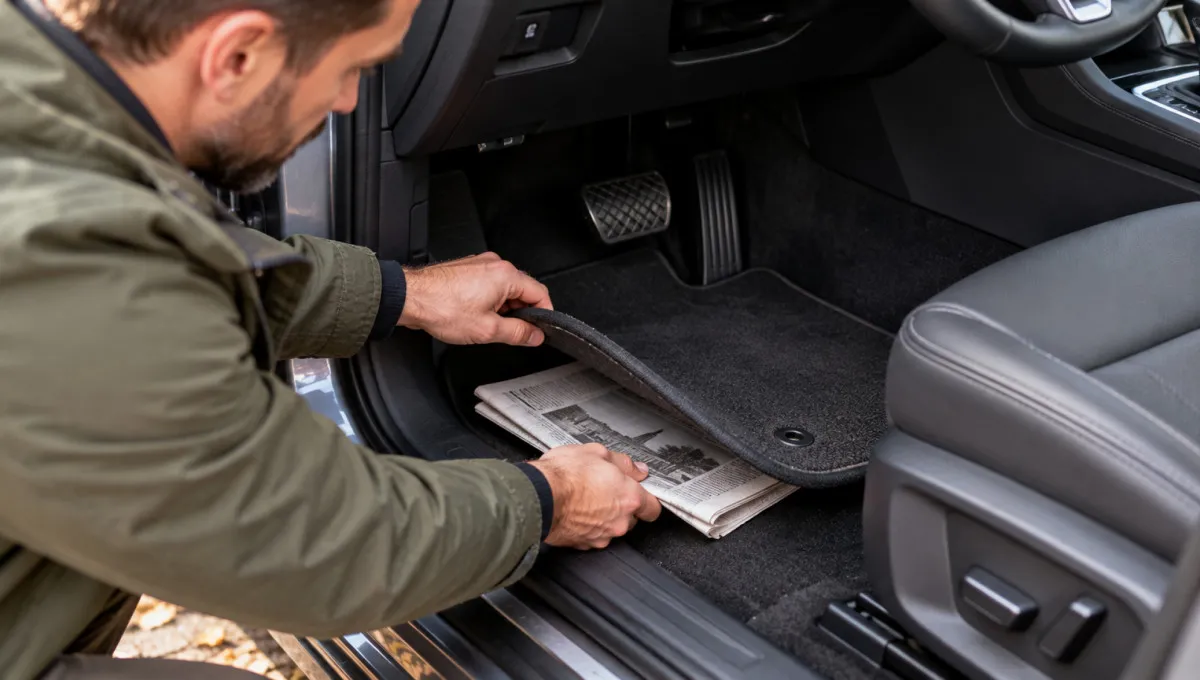
When the First Freeze Hits, Put Newspaper Under Your Floor Mat: An Old Winter Driving Trick
Newspaper under a floor mat can help protect a car's floor from winter moisture, but it requires regular attention.
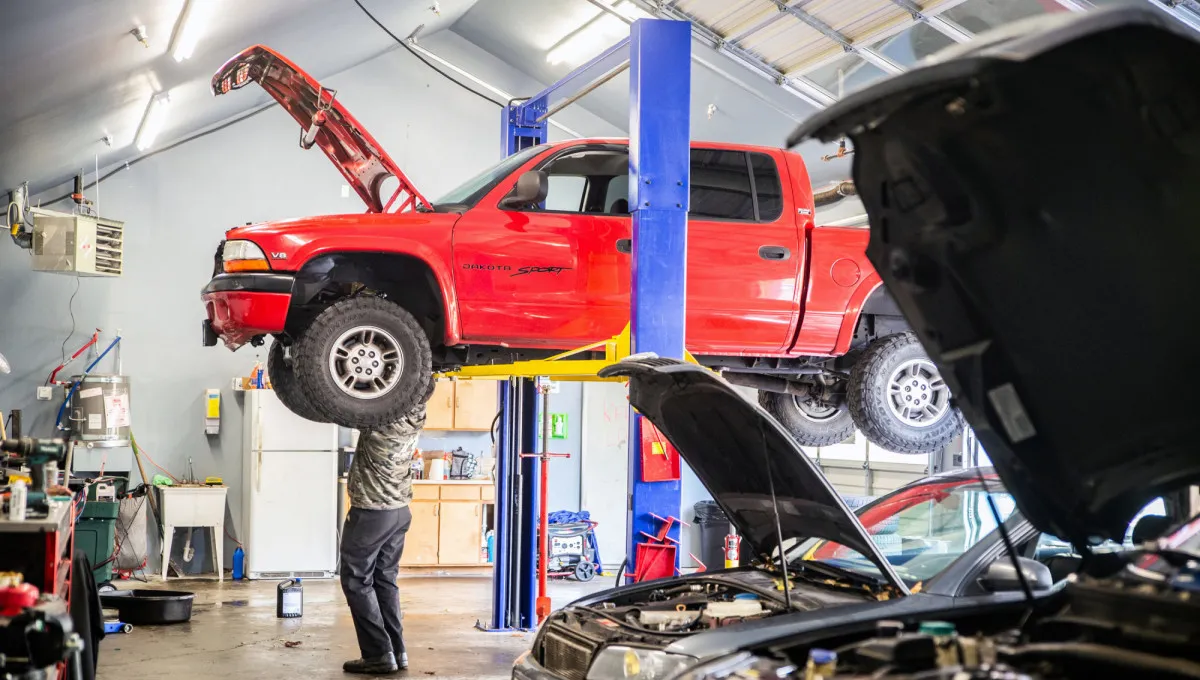
How a Repair Shop Can Overcharge You: What Every Driver Should Know
An experienced mechanic knows how to increase a repair bill, and drivers should know what to watch for before approving work.
How to Find the Source of a Car Interior Rattle in 15 Minutes
A simple trick can help drivers pinpoint an annoying interior rattle without taking apart half the cabin or visiting a repair shop.
The Dent Can Disappear Without a Trace: How to Repair Car Body Damage Without Paint
Paintless dent repair can restore a damaged panel to its original shape, but only when certain conditions are met.
Not Ford, BMW or Audi: Mechanic Names the Car Brand That Almost Never Breaks Down
Auto repair professionals reveal which models rarely suffer major failures and which ones repeatedly end up on the lift.