
How to Remove Car Scratches Yourself in the Garage: Fixing Bumpers, Headlights, and Fenders
Scuffed your car? No big deal. Here’s how to remove scratches from your bumper and headlights at home.

It’s a common situation: a driver misjudges the car’s dimensions and lightly scuffs it against another vehicle in a parking lot, a fence, a tree, or something similar. The key word here is lightly. A hard impact with a car or a tree means a much more complicated repair. In this article, we’ll explain how to restore your bumper and headlights after a minor mishap.
Before doing any work, wash the car thoroughly. The vehicle should be clean and dry. After rubbing against another car or a fence, marks often appear that look like scratches. But if the contact was light, those marks are often just paint transferred from the other object. Take a clean cloth, apply a small amount of lacquer thinner, and try gently wiping off the marks. In many cases, most of them will disappear.
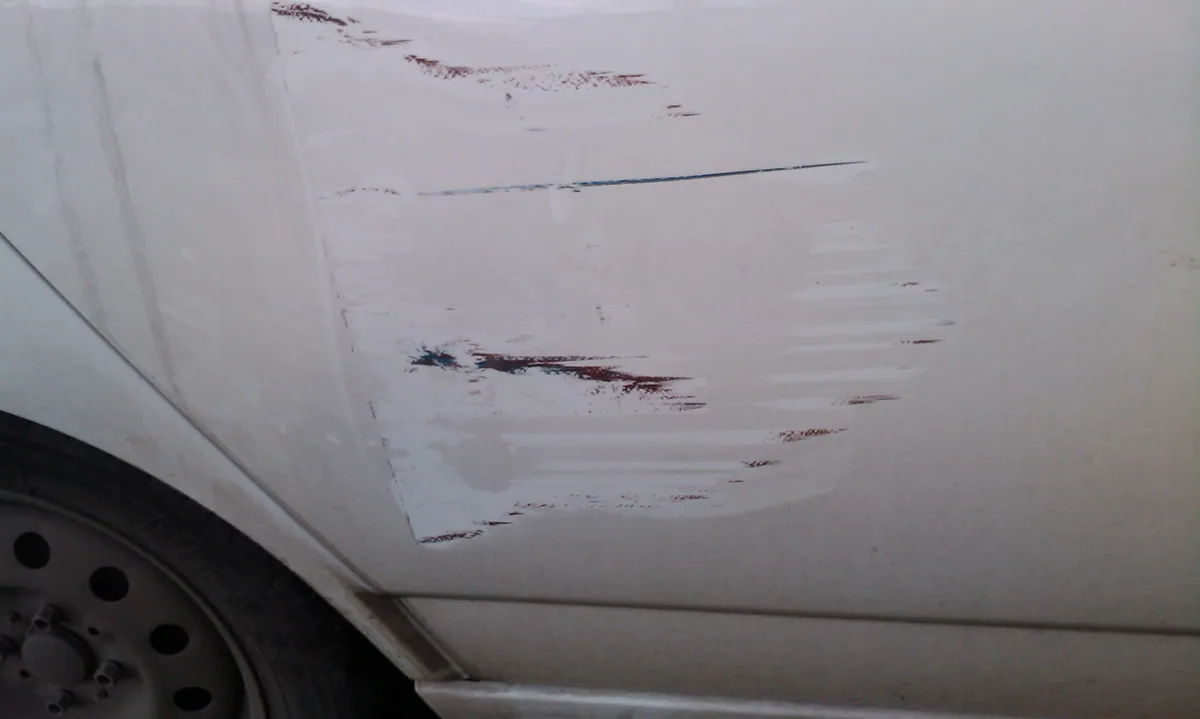
Be careful, however—do not use lacquer thinner on headlights. You can easily damage them, causing cracks or burning through the clear coat. After this step, small imperfections may still remain on the bodywork. These should be carefully touched up with paint. Most auto parts stores sell touch-up paint matched to your car’s paint code.
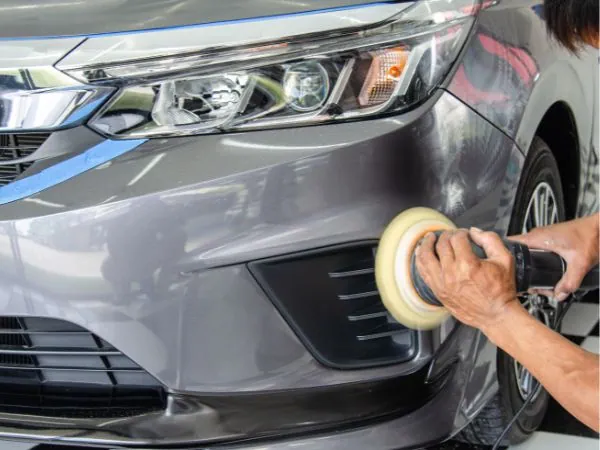
Next, polish the damaged area. Use a general-purpose polishing compound—not an anti-hologram or finishing polish, but a standard compound. Polish the area carefully, keeping an eye on surface temperature and avoiding overheating, especially if you’re using a machine polisher.
Another DIY Way to Remove Car Scratches
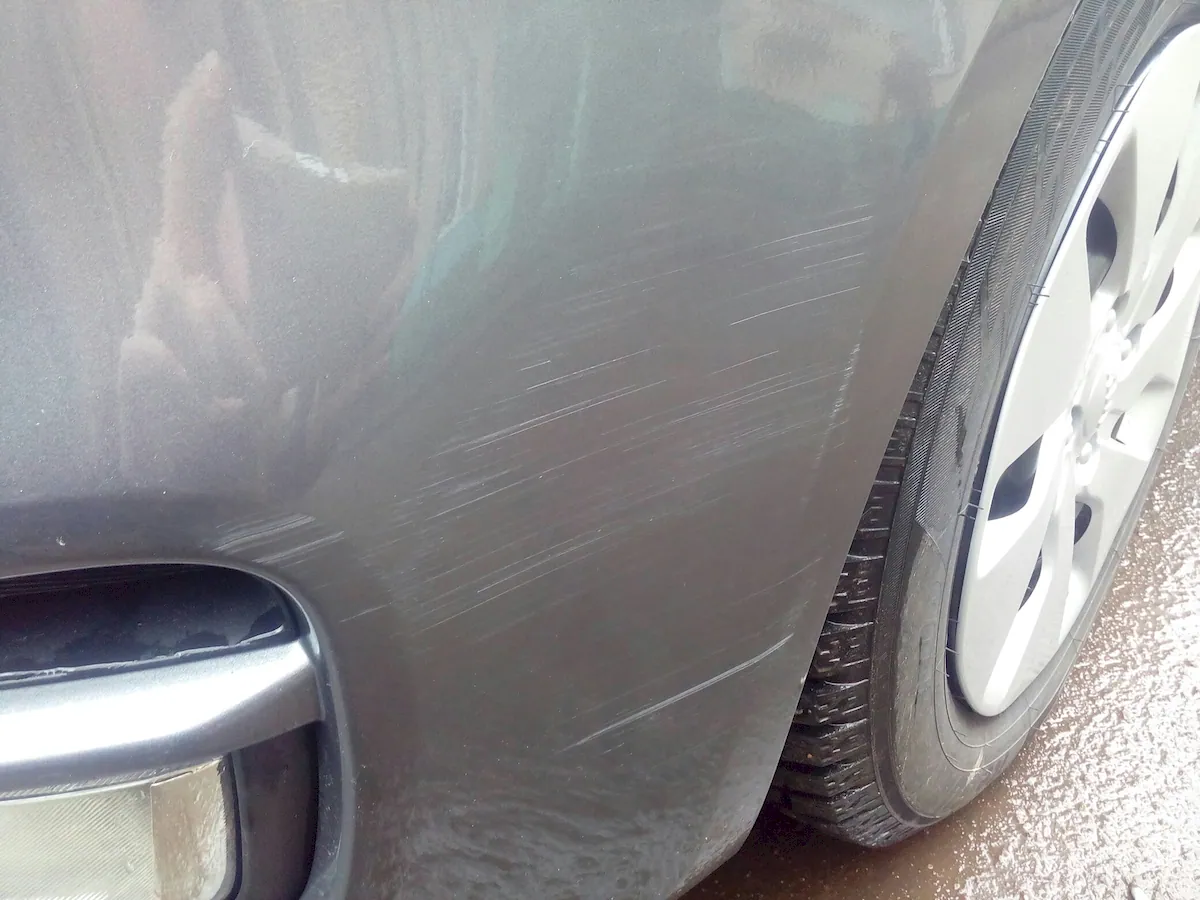
If the scratches are superficial and the base paint layer isn’t damaged, you can restore the appearance yourself. This type of repair costs very little—just a few dollars—but does require some of your time. Since repainting isn’t needed, you can still honestly say the car has never been repainted.
If you look at scratched paint under heavy magnification, you’ll see something like a mountain range with sharp peaks. These tiny “peaks” reflect light and are perceived by the eye as bright marks on dark paint.
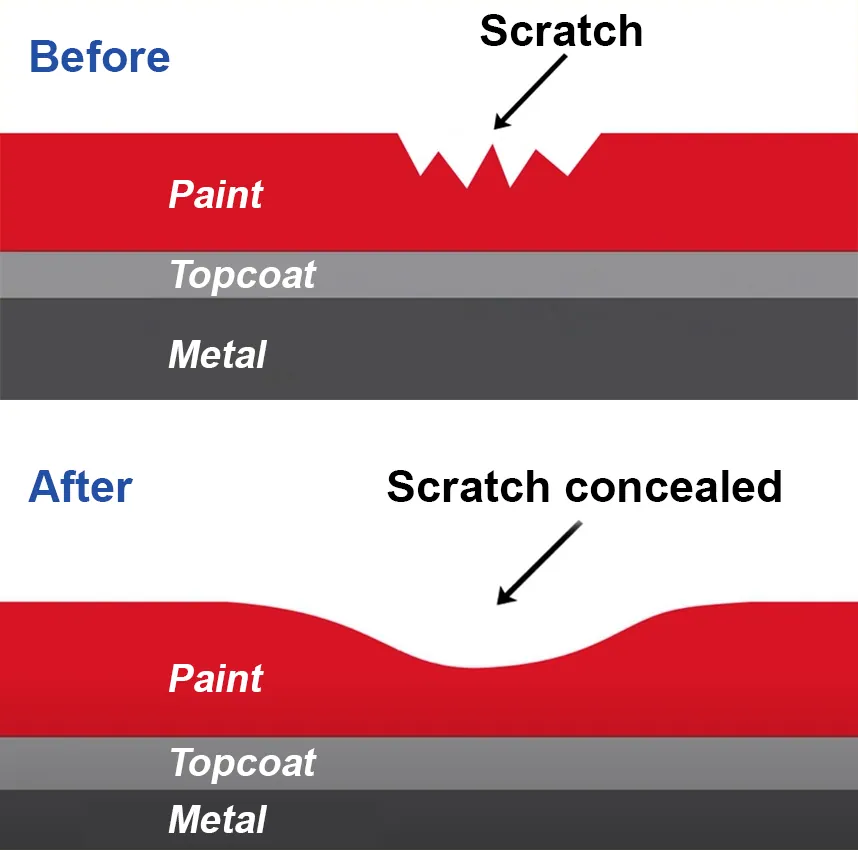
The principle behind scratch removal isn’t actually rebuilding the clear coat—though some products claim to do that—but changing how the damage is perceived visually. The goal is to mask the scratch as much as possible by smoothing down those microscopic “peaks.” You can’t truly remove a scratch without applying a new layer of clear coat, but you can trick the eye so the defect is no longer noticeable.
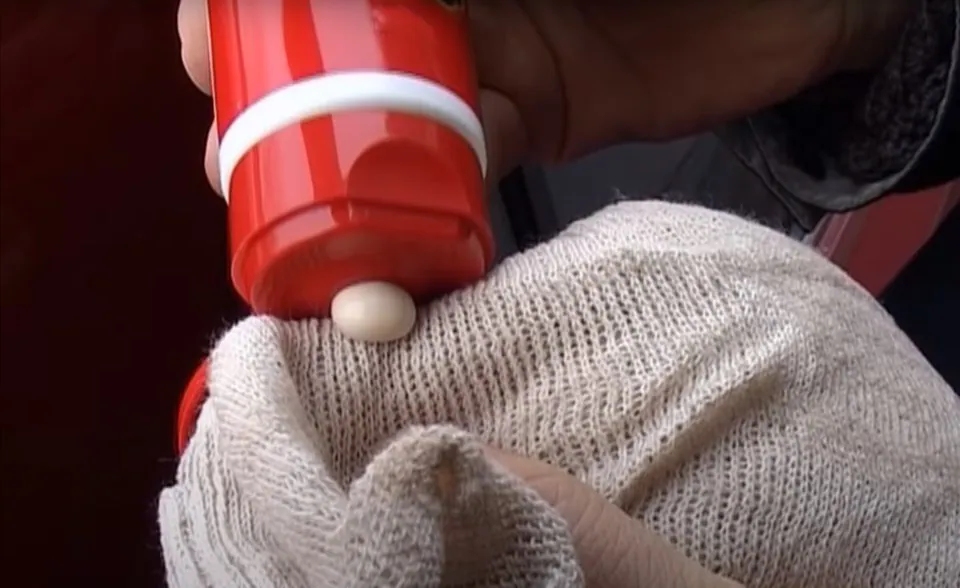
This is where scratch-removal products come in. It’s important to understand how they work: they don’t restore the clear coat; instead, they are mild abrasive compounds that remove a tiny amount of it.
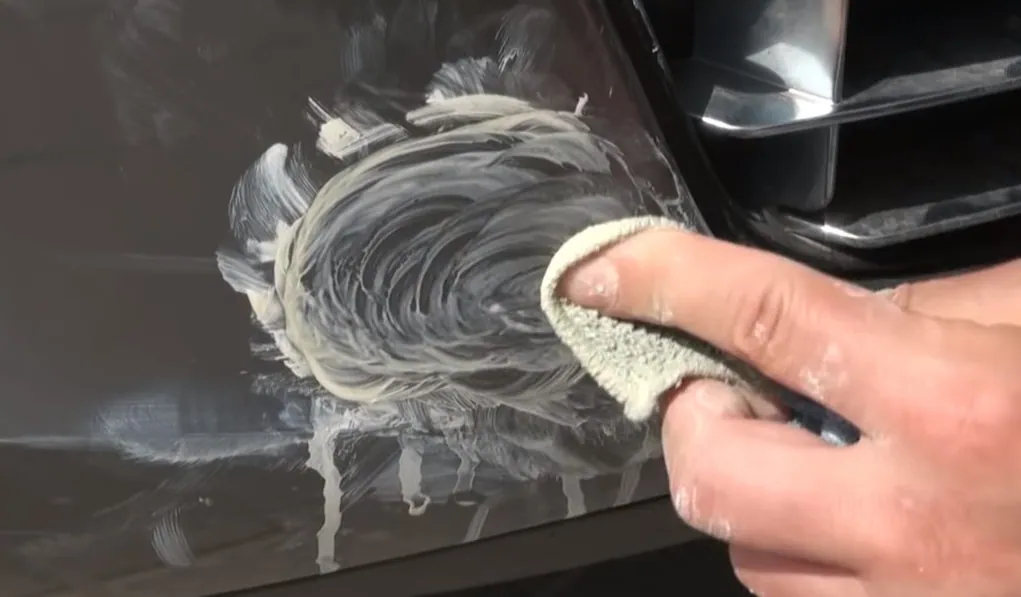
Apply the product to a suitable cloth, such as microfiber. Then use circular motions to work it into the scratched area and begin polishing.
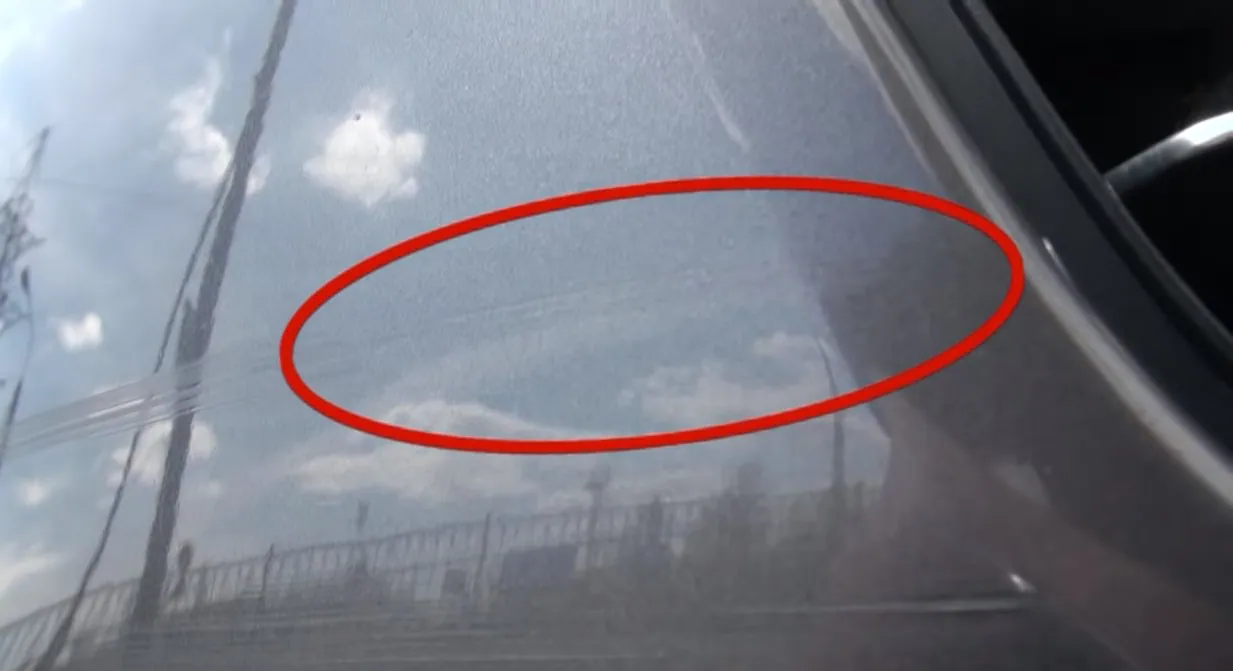
After some effort, you’ll start to see results—the scratch will no longer stand out. With a final light pass using a smaller amount of compound, the damage can become nearly invisible. Very little product is needed, so one tube will last a long time.
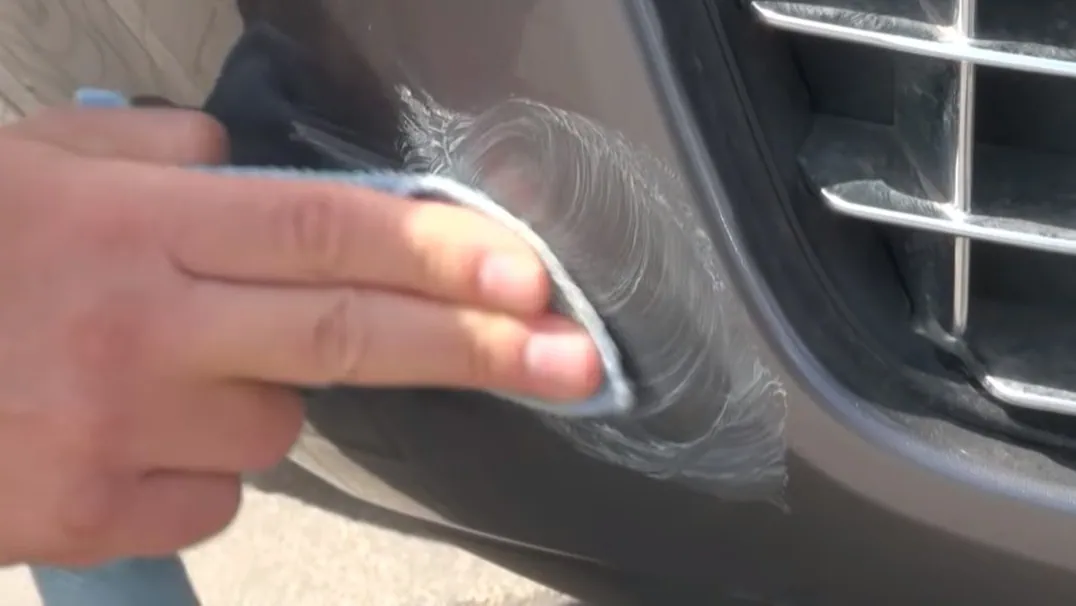
Afterward, you can apply any protective wax or sealant to the treated area and polish it again. The visual result will be excellent.
Your car will look like its old self again. Next time, just be a little more careful—and try not to scratch it in the first place.
You may also be interested in the news:
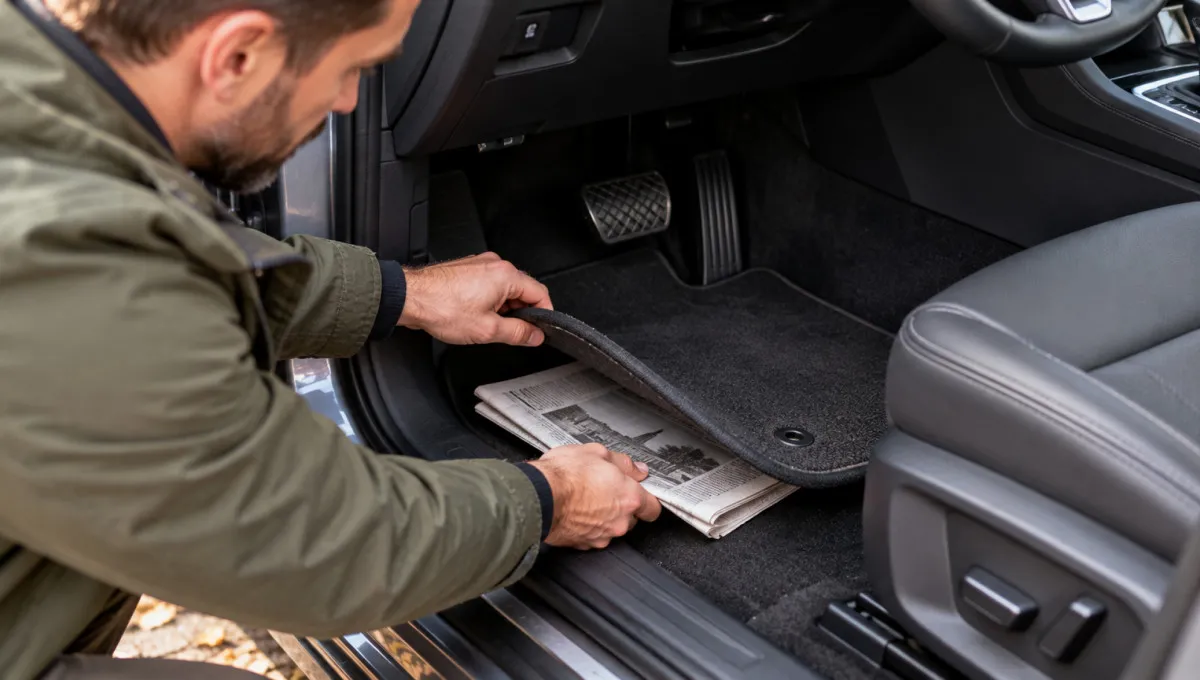
When the First Freeze Hits, Put Newspaper Under Your Floor Mat: An Old Winter Driving Trick
Newspaper under a floor mat can help protect a car's floor from winter moisture, but it requires regular attention.
How a Repair Shop Can Overcharge You: What Every Driver Should Know
An experienced mechanic knows how to increase a repair bill, and drivers should know what to watch for before approving work.
How to Find the Source of a Car Interior Rattle in 15 Minutes
A simple trick can help drivers pinpoint an annoying interior rattle without taking apart half the cabin or visiting a repair shop.
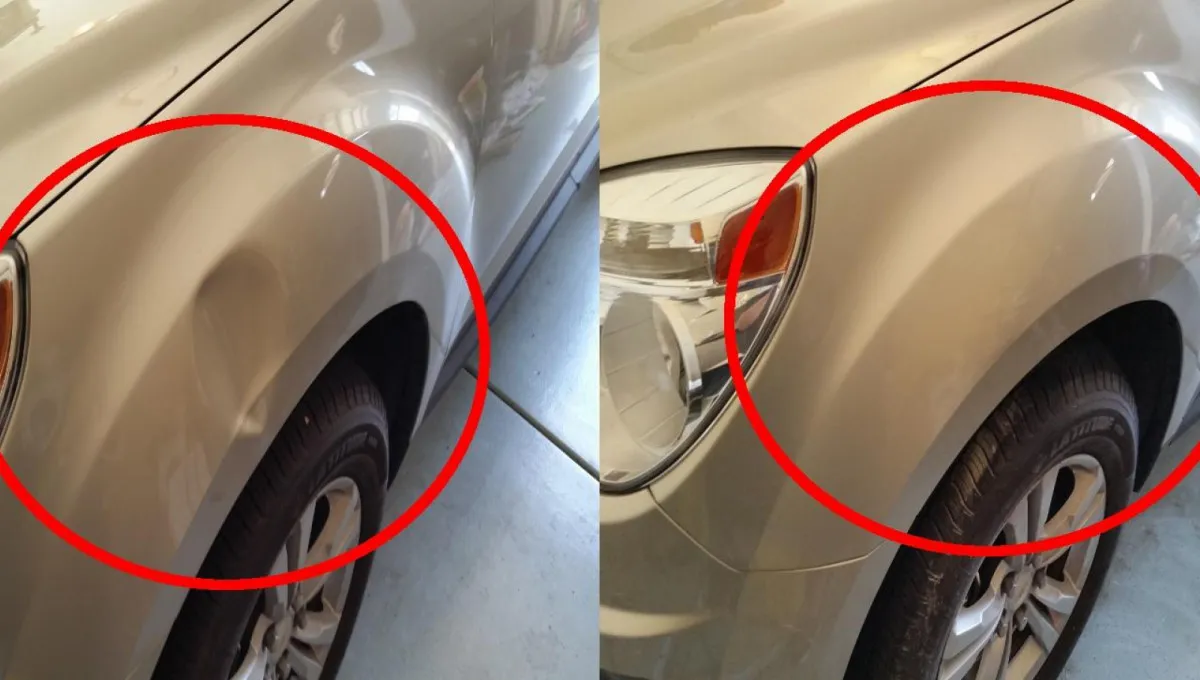
The Dent Can Disappear Without a Trace: How to Repair Car Body Damage Without Paint
Paintless dent repair can restore a damaged panel to its original shape, but only when certain conditions are met.
Not Ford, BMW or Audi: Mechanic Names the Car Brand That Almost Never Breaks Down
Auto repair professionals reveal which models rarely suffer major failures and which ones repeatedly end up on the lift.