
The End of the Diesel Era: Toyota Predicts a Hydrogen Revolution
Similar shifts are underway in the U.S., where hybrid powertrains are steadily replacing diesel in vehicles that once relied on it completely.
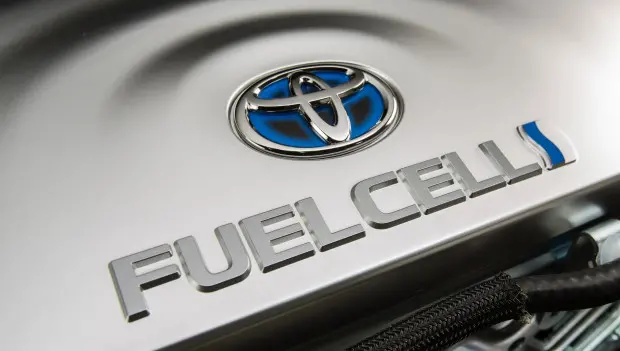
Toyota’s Vice President of Sales and Marketing, Sean Hanley, speaking in Australia, said diesel fuel will continue to play a significant role in the short term—but within the next decade, it could be overtaken by hydrogen technology.
His comments come as tightening global emissions standards and rising hybrid sales push Toyota to pursue a multi-pronged strategy.
Hanley emphasized that diesel remains essential for heavy-duty vehicles and regions with limited options. Still, he drew a clear line about what’s ahead: “Diesel won’t disappear in the next decade, but in ten years, hydrogen will take the lead.”
This is especially relevant for Australia, where nearly half of Toyota’s sales are diesel-powered and demand for the iconic Land Cruiser is projected to surge by almost 690% in 2025 despite higher prices. The statement mirrors a broader global trend: Europe’s planned phase-out of internal combustion engine sales by 2035 is gaining momentum, and Toyota is signaling its readiness.
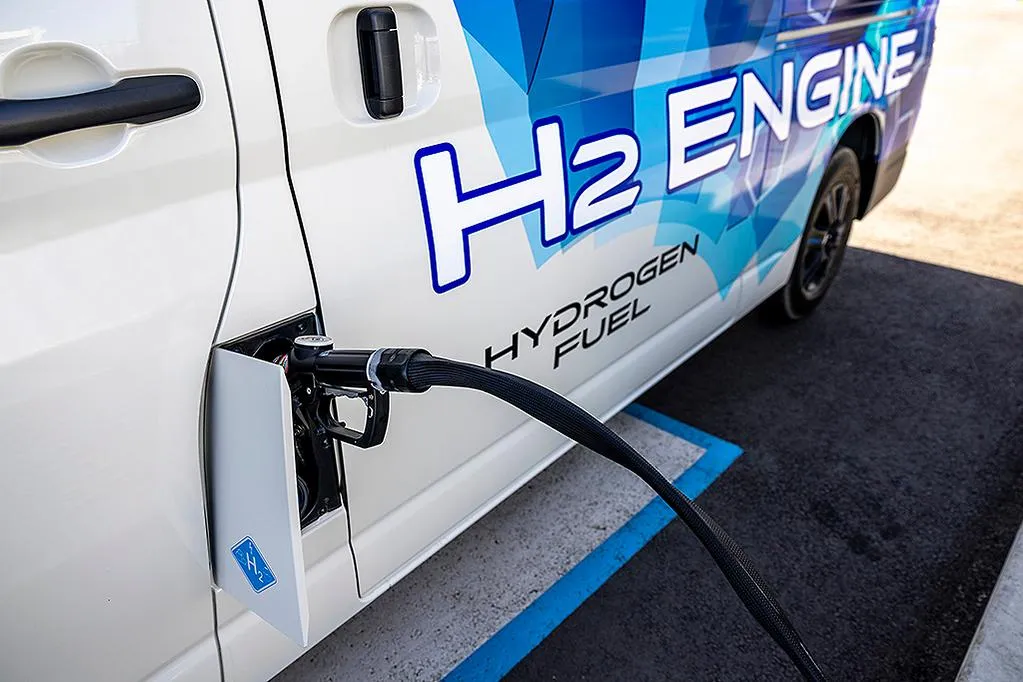
Similar dynamics are unfolding in the United States, where hybrids are gradually edging out diesel in segments that previously depended on it. For example, the 2026 Toyota Highlander and Grand Highlander now offer hybrid powertrains, blurring the line between family SUVs and fuel-efficient vehicles.
Toyota has been investing in hydrogen technology for more than a decade, from the Mirai sedan to experimental Hilux pickups with fuel cells. Hanley’s remark that hydrogen could “replace” diesel hints at a future where workhorses and regional fleets swap their diesel tanks for hydrogen.
Despite infrastructure challenges, Toyota is sticking to a diversified long-term strategy—supporting hybrids, EVs, and hydrogen vehicles simultaneously—ensuring it can adapt to market changes and environmental regulations without abandoning key customer segments.
Read the original article on Auto30.
You may also be interested in the news:
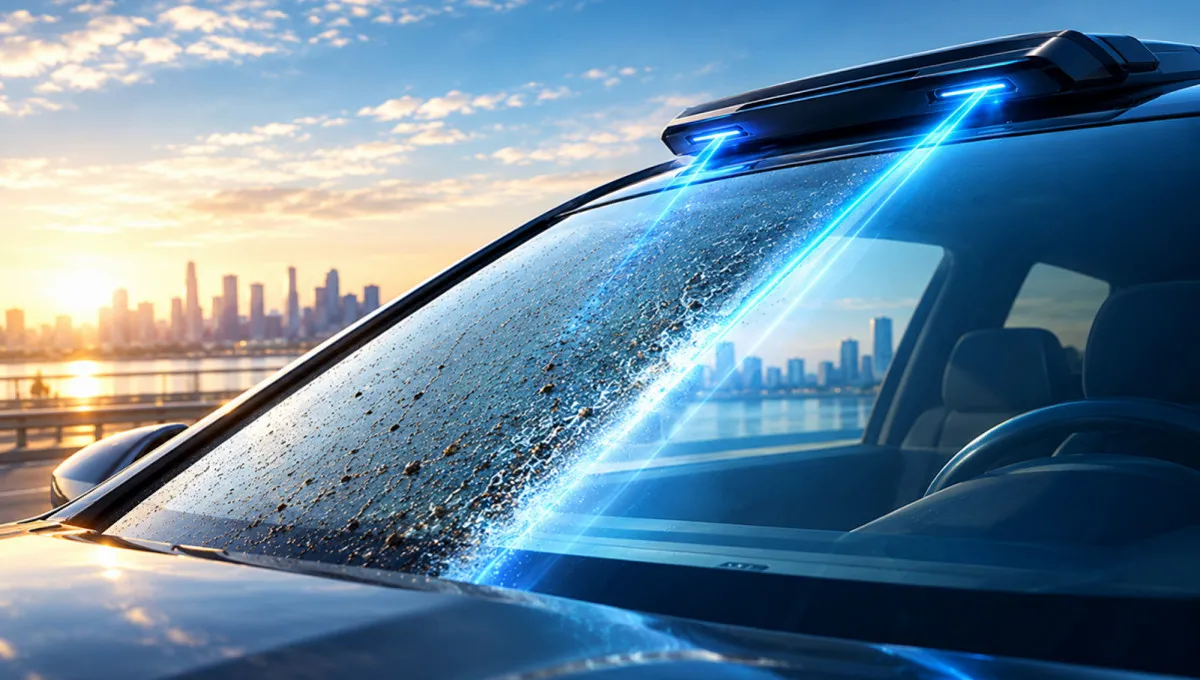
Tesla Patents Laser Windshield Wipers Again in 2026
Tesla is once again pursuing laser windshield cleaning, but the technology raises serious questions about cost, reliability and safety.
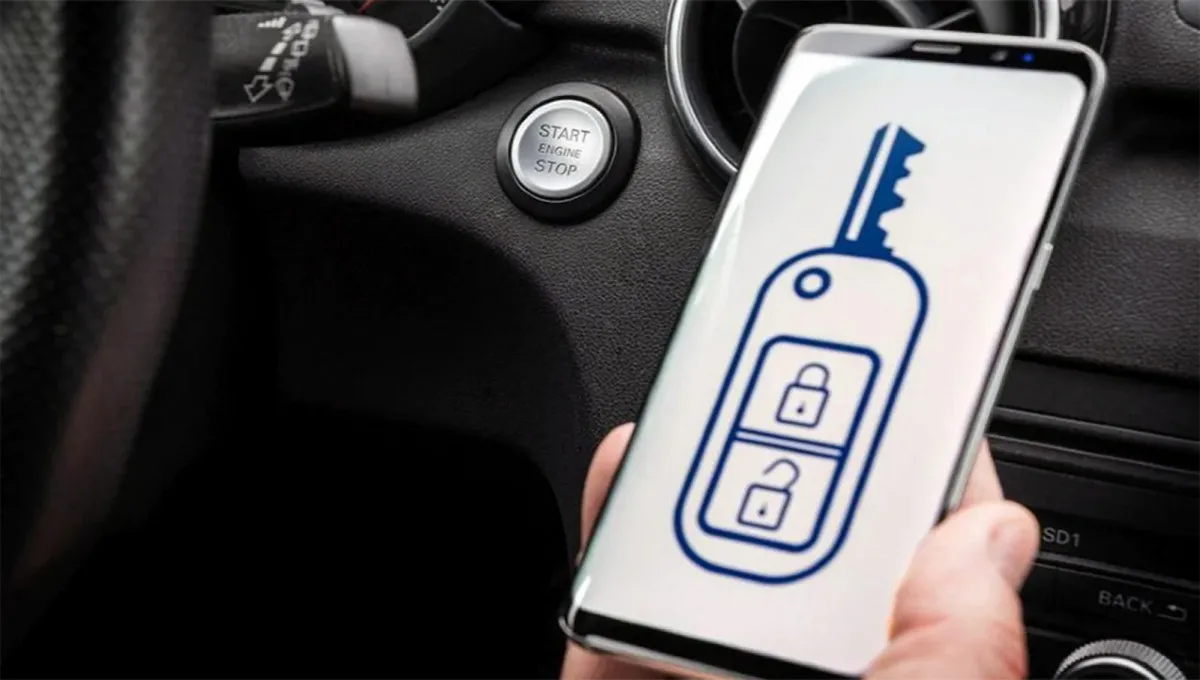
Forget the Key Fob: Apple Car Key Could Soon Expand to More Vehicles
Apple and automakers have yet to reveal the exact models or launch dates for the expanded digital-key feature.
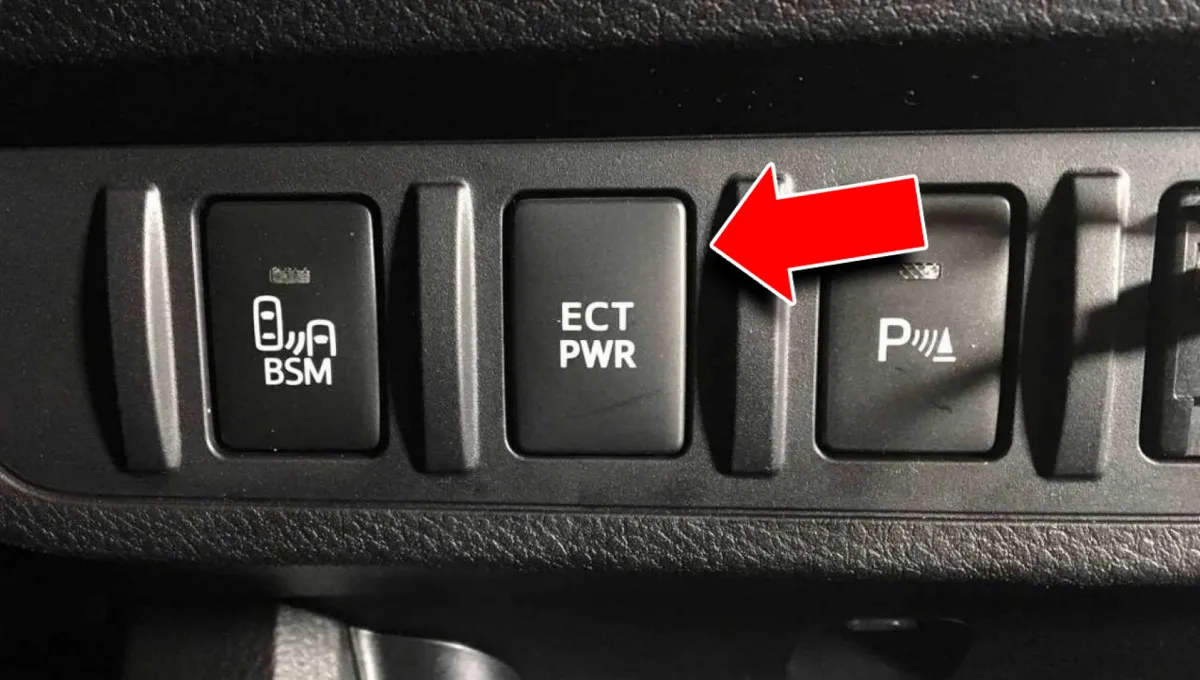
You Hit ECT PWR and Your Toyota Suddenly Wakes Up: What That Mysterious Button Really Does
This little button can change the way a Toyota drives, but plenty of owners have no idea what actually happens when they press it.
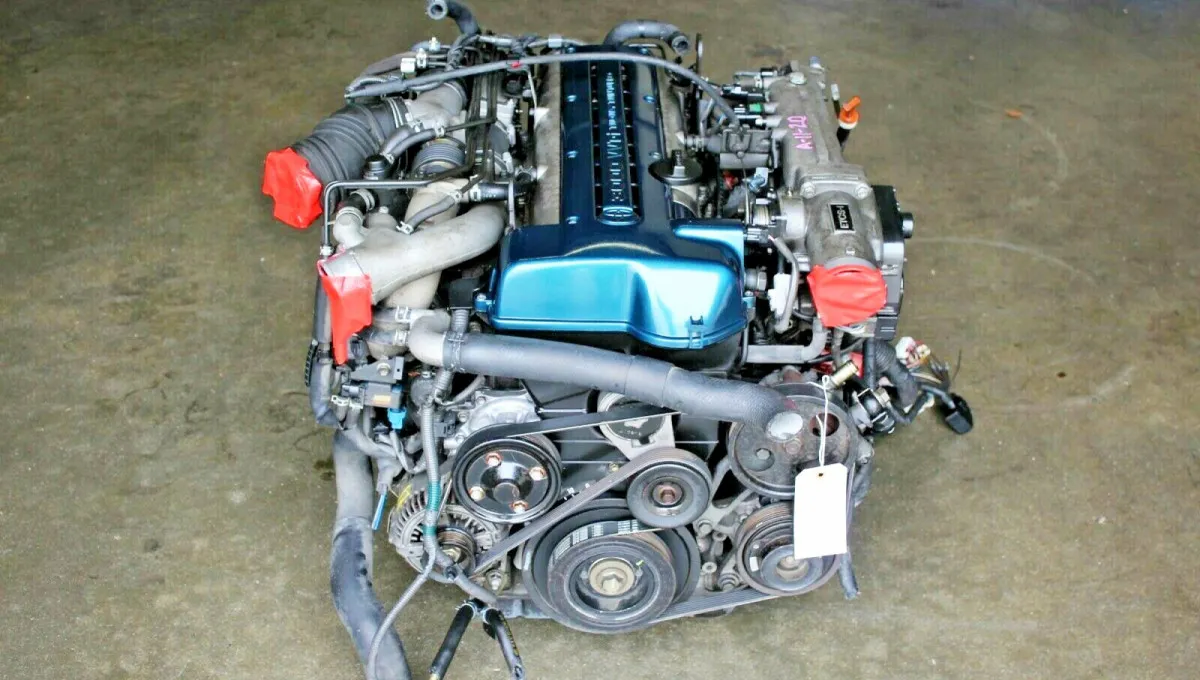
Toyota Built It to Survive 300,000 Miles. Tuners Turned It Into a 2,000-HP Beast
Toyota engineers may have gone too far with durability — and accidentally created the ultimate engine for hot-rodding.
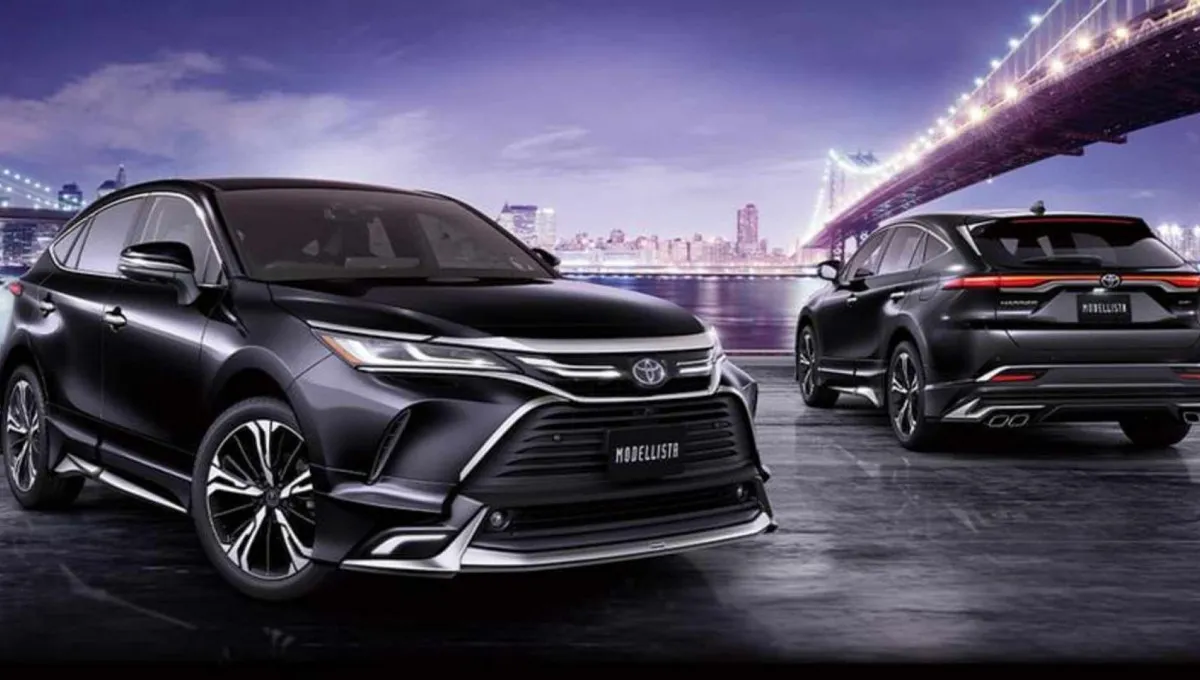
You Won’t Recognize This Toyota: Tuners Turned the Crossover Into a Sports Car
Modellista has prepared two new styling packages for the updated Toyota Harrier.