
How to Check Your Engine Oil the Right Way: Secrets Dealers Don’t Tell You
It sounds simple—pull out the dipstick, check the level.
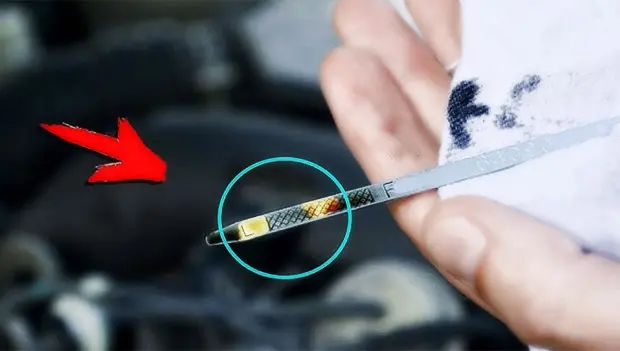
It sounds simple—pull out the dipstick, check the level. But with modern cars, this once-easy task has turned into a mini-quest with temperature ranges and timers. Here’s why on BMW, Mercedes, and even some Japanese models you can’t just “stick the dipstick in and check,” and how to avoid serious mistakes.
Why You Shouldn’t Check It “Cold”
On turbocharged engines (especially German ones), oil expands when hot and drains into the sump as it cools. If you check the level right after the car’s been sitting:
-
It might show overfilled, even though the oil is actually low.
-
Or it might show underfilled, when the level is perfectly fine.
Examples:
-
BMW B48/B58: Warm up to about 176°F (80°C), then shut off the engine and wait 5–7 minutes.
-
Mercedes M274: Check only between 140–176°F (60–80°C), engine off.
-
Toyota 2GR-FKS: Wait 3 minutes after shutting off the engine.
Step-by-Step Guide for Any Car
-
Park on a level surface (a slope will distort the reading).
-
Start the engine and warm it up to operating temperature (about 194°F / 90°C).
-
Turn the engine off and wait a few minutes.
-
Pull out the dipstick, wipe it clean, reinsert for 2 seconds, then remove again and check the level.
Cars Without a Dipstick: How to Check
Many new BMW, Volvo, and Land Rover models don’t have a dipstick—the level is checked through the onboard computer:
-
Start the engine.
-
In the menu, find “Oil Level.”
-
Wait until the engine warms up to at least 140°F (60°C).
-
Park on a level surface.
Tip: If the system says “Measurement not possible,” drive 6–9 miles (10–15 km) and try again.
If the Oil Is Below Minimum
-
Add exactly the same oil (see your owner’s manual for the correct specification).
-
Don’t mix brands or grades, even if both say “5W-30.”
-
Check for leaks—if the level drops quickly, have the car inspected as soon as possible.
You may also be interested in the news:
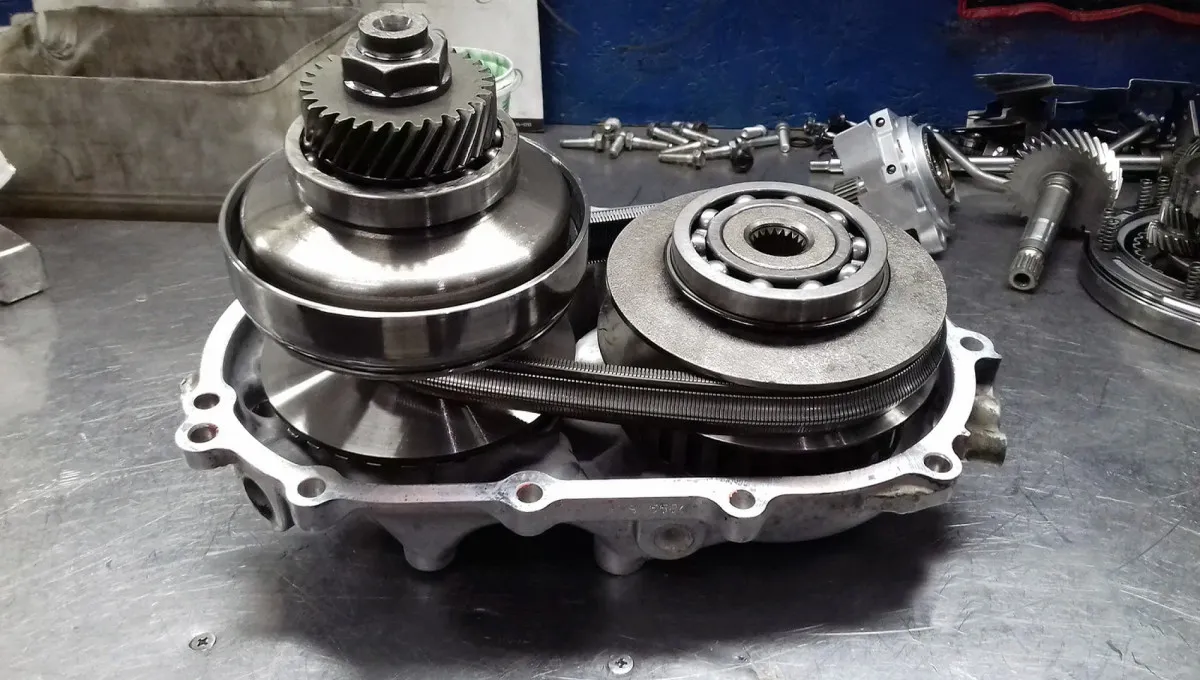
Why Experienced Drivers Still Warn Against Buying a Used Car With a CVT
CVTs offer smooth acceleration and good fuel economy, but expensive repairs and durability concerns make used models risky.
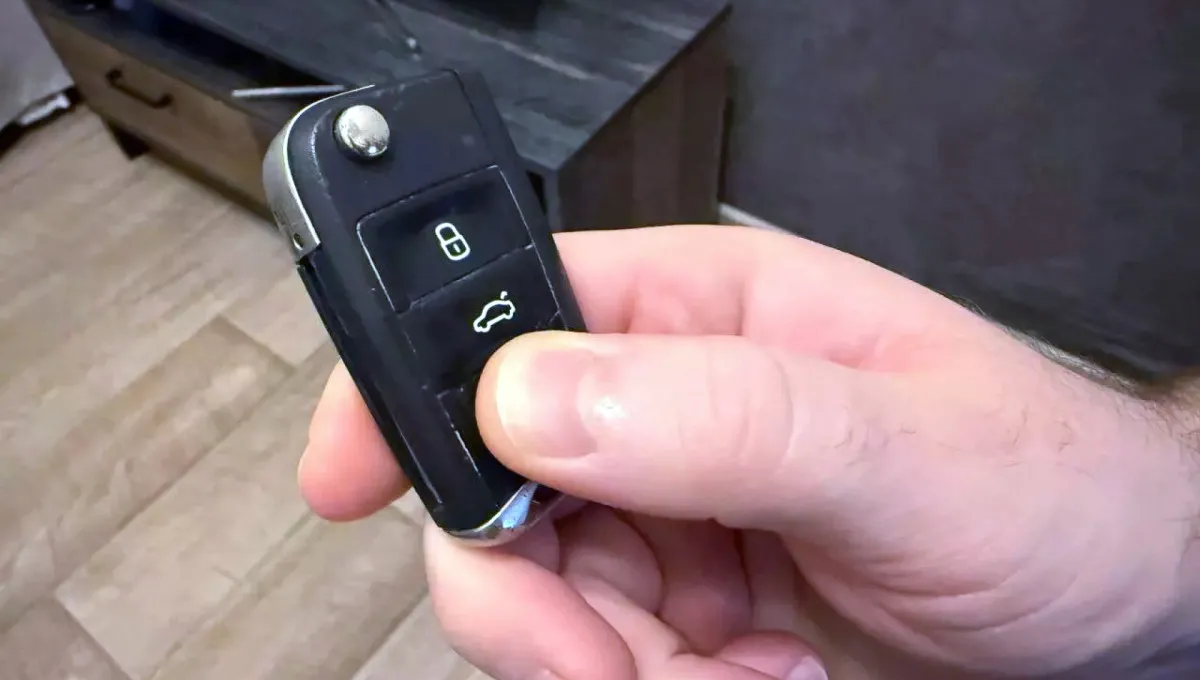
Hidden Key Fob Trick: Open All Your Car Windows With One Button
An auto mechanic explains how drivers can remotely open and close car windows using a key fob, provided the vehicle has the right hardware.

8 Car Maintenance Mistakes That Could Cost You Thousands if You Wait Too Long
Depending on driving conditions, some maintenance tasks may need to be performed sooner and more often than the automaker recommends.

How Long Will Your Car Last? A Guide to Making It Age Gracefully
Automotive experts explain how routine maintenance and timely replacement of aging components can help your car last longer.

Common Car Problems on the Road and How to Handle Them Yourself
A breakdown far from home can leave any driver stranded. Here’s how to assess the problem and decide what to do next.