
Three Honda Models That May Disappoint Used-Car Buyers
These are the most problematic used Hondas—vehicles you might want to avoid.
Not every Honda is a paragon of reliability. Some models can cause more trouble than they’re worth, and buying one could turn into a costly mistake. If you’re shopping for a used Honda, it’s worth reviewing this list carefully.
The Japanese brand is strongly associated with quality and durability—names like the CR-V and Civic have long been synonymous with hassle-free ownership. But like any automaker, Honda has had its share of missteps. Here are three models you should approach with caution on the used market:
Honda Accord (Eighth Generation)

This popular sedan may look stylish and deliver solid performance, but it hides some unpleasant surprises. The biggest headache for owners is excessive oil consumption reported with certain engines. Its paintwork is also on the delicate side, prone to chips and scratches, and the body isn’t particularly corrosion-resistant. To make matters worse, the suspension can wear out sooner than expected, leading to expensive repairs.
Honda Crosstour
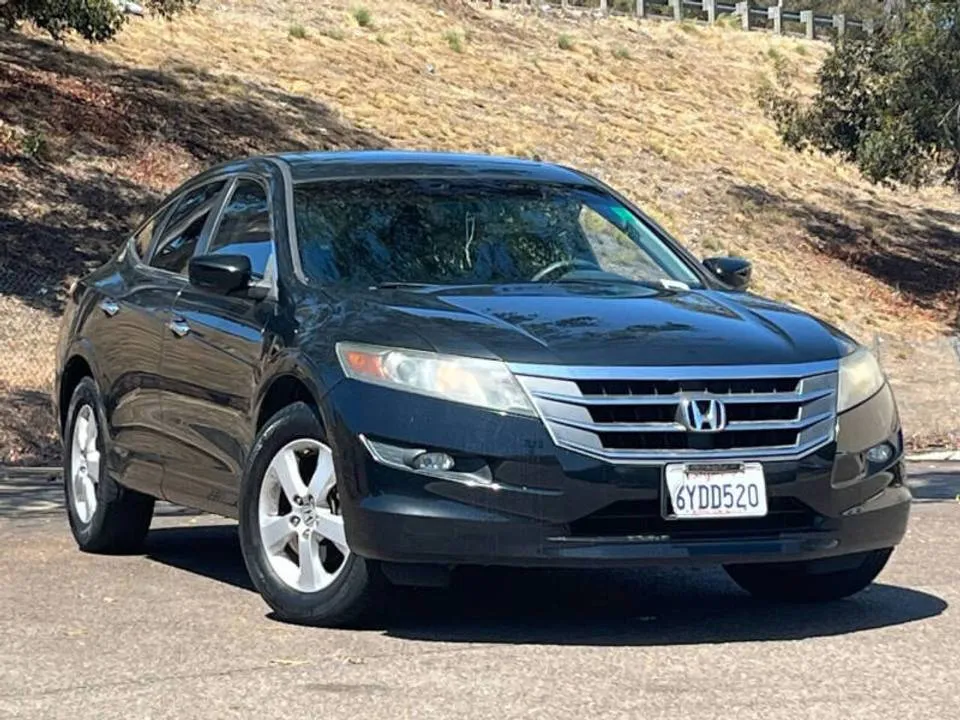
The hatchback-style crossover has drawn frequent complaints from owners about engine glitches, braking issues, and even airbag defects—problems that can directly affect safety. Taken together, these concerns make the Crosstour a potentially risky and expensive choice.
Honda Fit
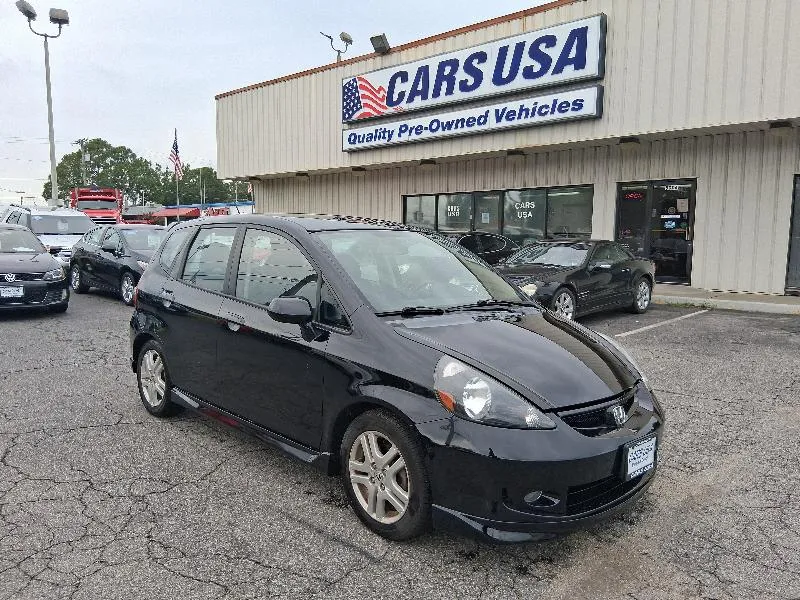
At first glance, the compact Fit seems perfect for city driving—nimble and fuel-efficient. But the devil is in the details: its continuously variable transmission (CVT) has a reputation for limited lifespan, the suspension struggles on rough roads, and ignition coils have been known to fail intermittently. None of these problems alone is catastrophic, but their frequency can sour the ownership experience of a car that’s supposed to be simple and affordable to maintain.
You may also be interested in the news:
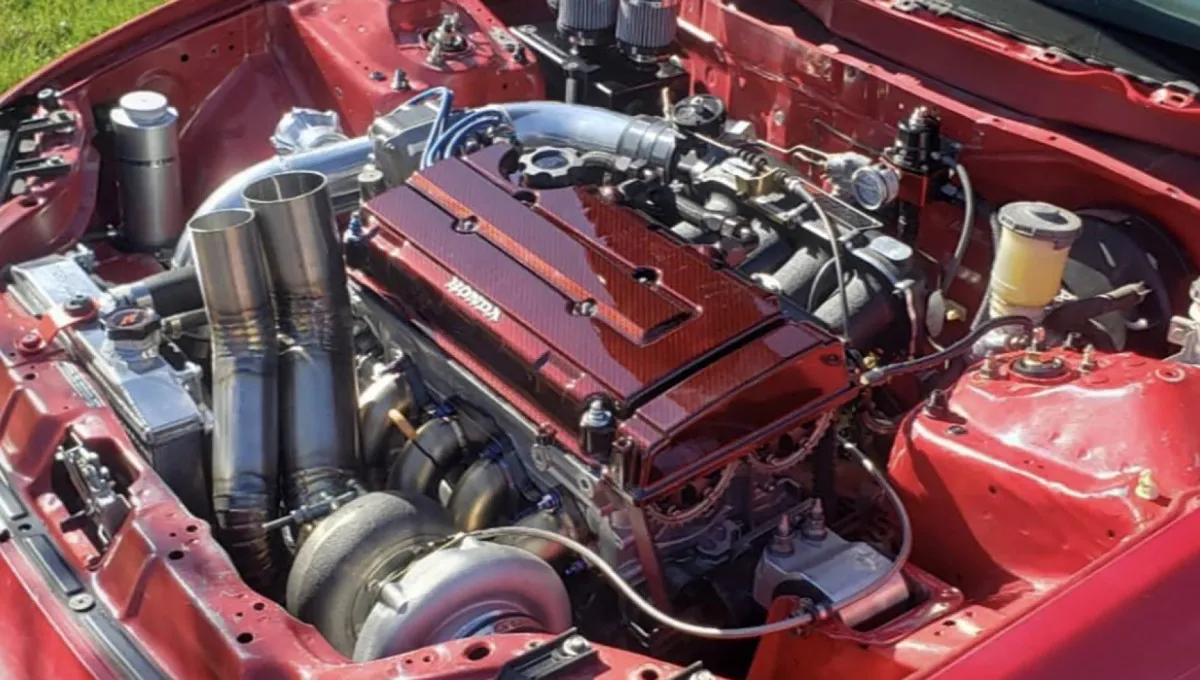
Honda K-Series Engines Can Go Past 300,000 Miles — Here's Why They're So Reliable
How long can a Honda K-series engine last, and what makes this family of Japanese engines so durable?
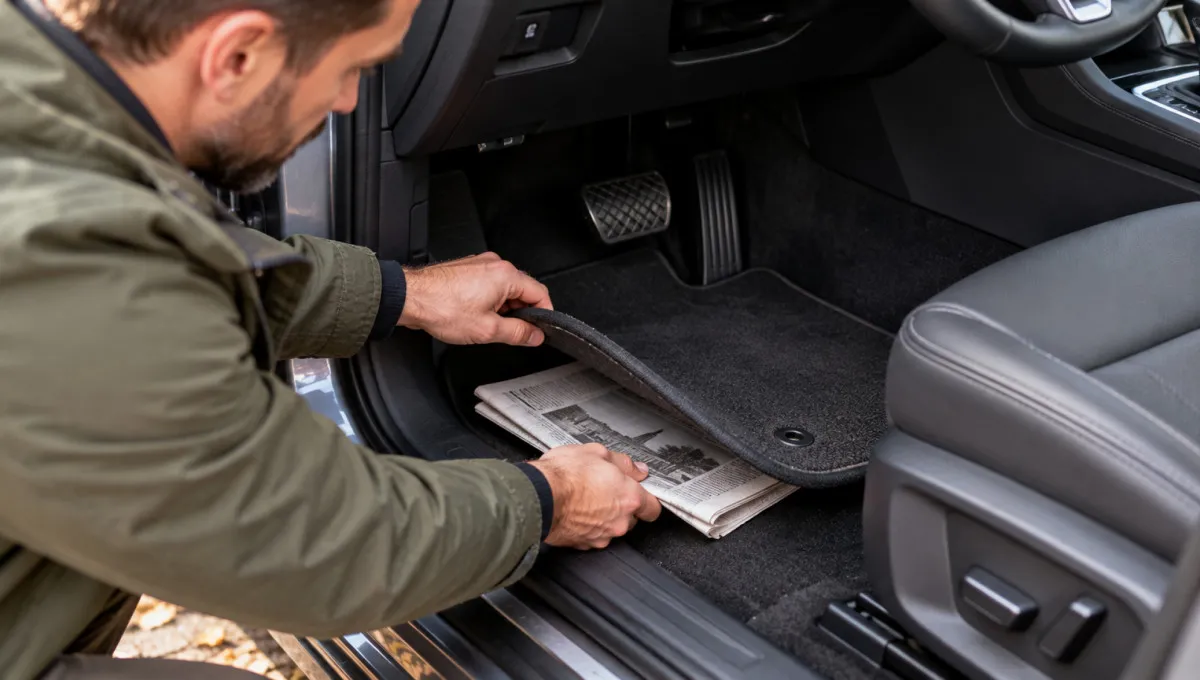
When the First Freeze Hits, Put Newspaper Under Your Floor Mat: An Old Winter Driving Trick
Newspaper under a floor mat can help protect a car's floor from winter moisture, but it requires regular attention.
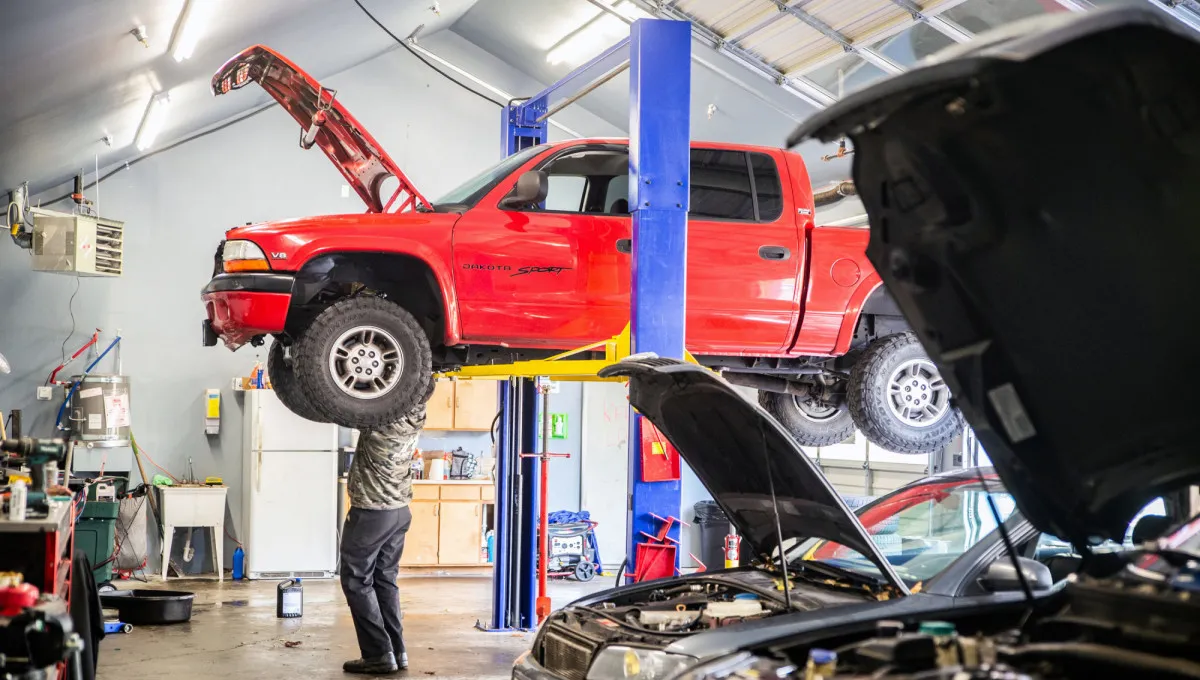
How a Repair Shop Can Overcharge You: What Every Driver Should Know
An experienced mechanic knows how to increase a repair bill, and drivers should know what to watch for before approving work.
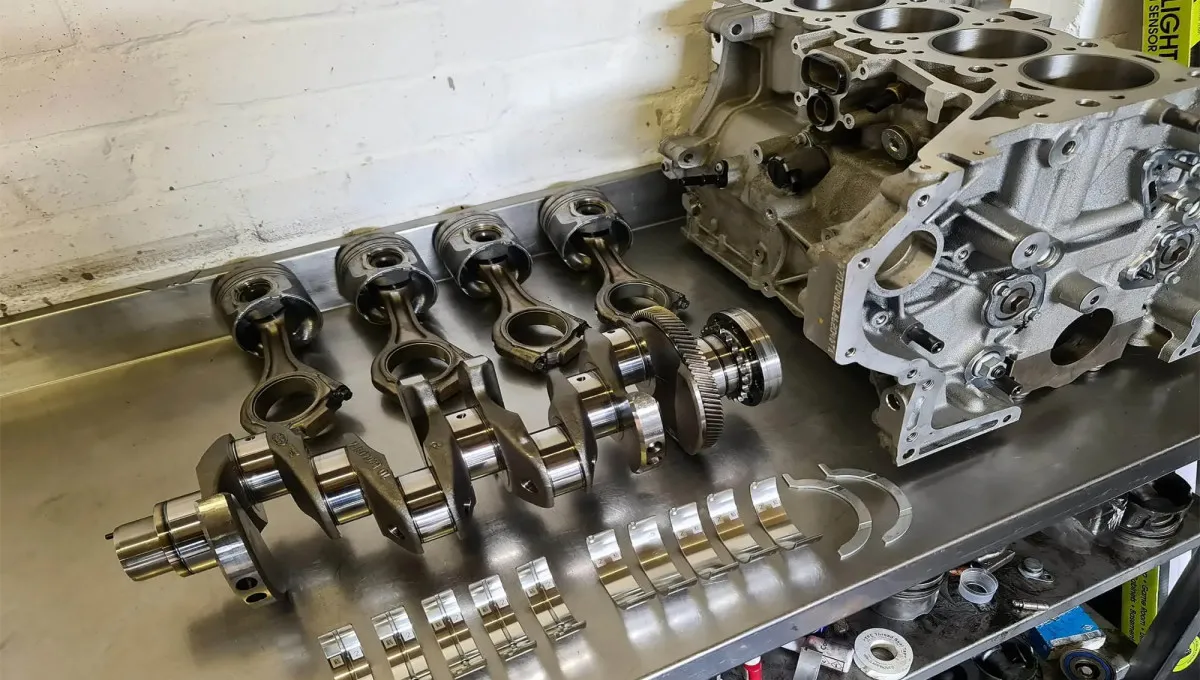
Not Ford, BMW or Audi: Mechanic Names the Car Brand That Almost Never Breaks Down
Auto repair professionals reveal which models rarely suffer major failures and which ones repeatedly end up on the lift.

What Does a Flashing Red Traffic Light Mean? Can You Keep Driving?
Drivers must come to a complete stop at the stop line before deciding whether it is safe to proceed.