
Nissan Recalls Older Leaf Models in the U.S. Over Battery Overheating Risk
Nissan Leaf owners are being advised not to charge their cars due to the risk of fire.
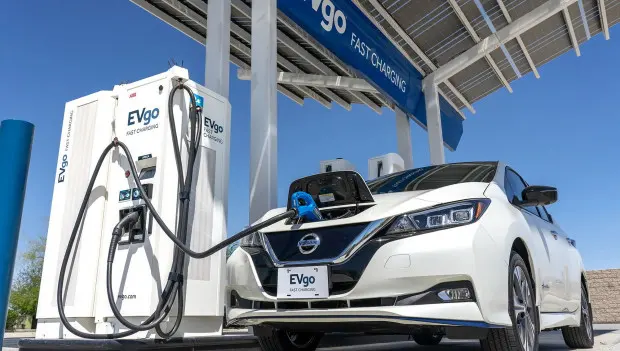
The U.S. National Highway Traffic Safety Administration (NHTSA) has announced a recall of 2021 and 2022 Nissan Leaf electric vehicles over a potential risk of battery overheating during fast charging. The recall affects 6,545 units from the 2021 model year and 12,532 units from 2022, all built at Nissan’s plant in Tennessee.
The issue stems from the CHAdeMO DC fast-charging connector: when plugged into Level 3 charging stations, the battery may overheat, creating a rare risk of fire. Owners are being advised to avoid fast charging until a software update becomes available. The fix will be installed free of charge at Nissan dealerships.
A similar issue had previously affected 2019–2020 Leaf models, which were also repaired through a software update. Nissan estimates that only about 1% of vehicles are actually at risk. The latest-generation Leaf, equipped with a new charging system, is not affected by the recall.
The case serves as another reminder of how crucial it is for EV buyers to check a vehicle’s recall history and ensure all software updates are properly installed.
You may also be interested in the news:
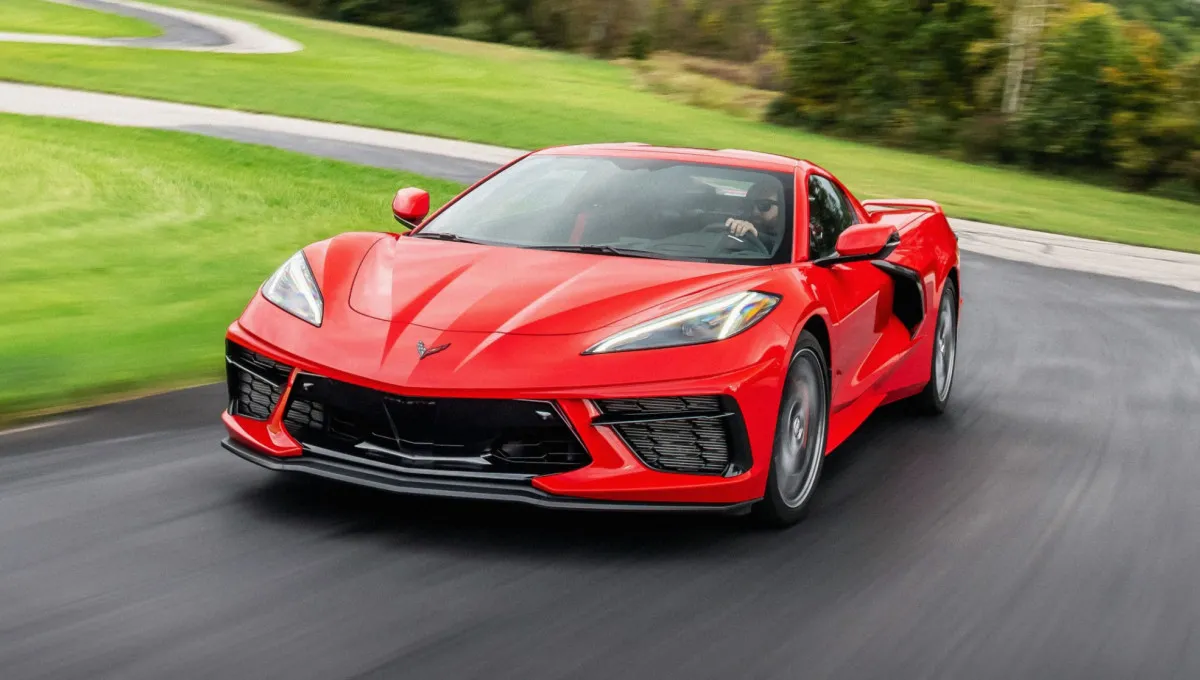
5 of the Most Beautiful Chevrolet Cars: Timeless Designs With Stunning Silhouettes
Which Chevrolet models deserve to be called the most beautiful?
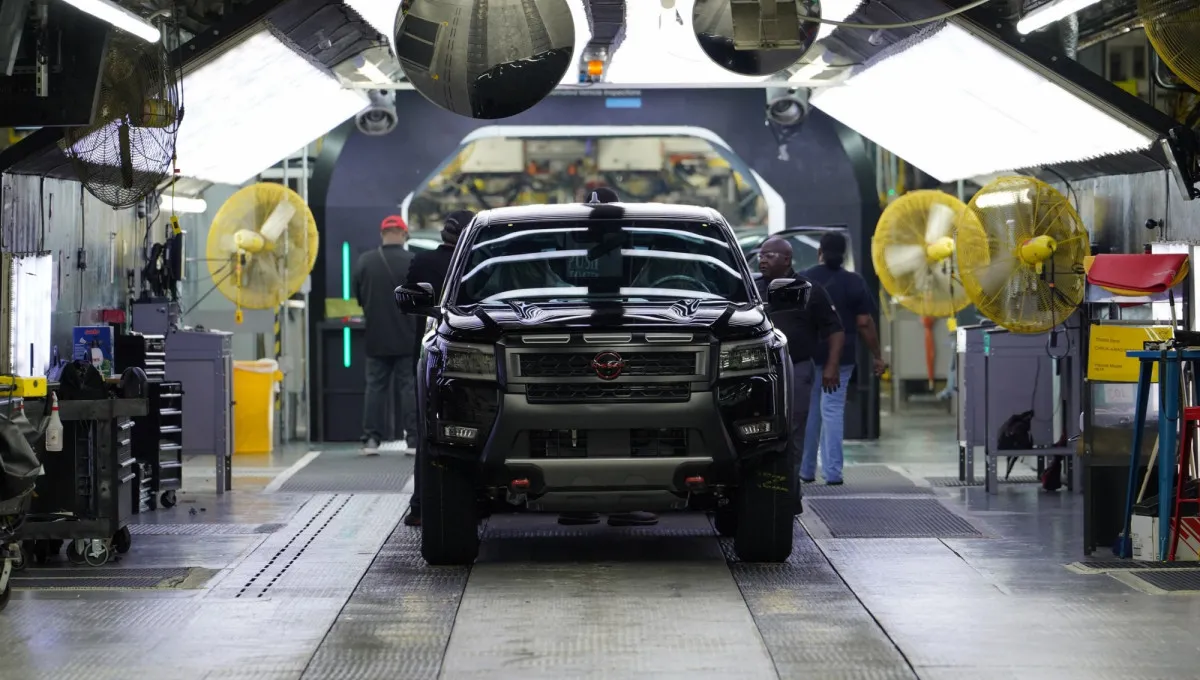
Nissan Restarts US-Made Murano, Pathfinder, Frontier Sales in Canada
Nissan resumed Canadian sales of three U.S.-built models, but tariffs keep supply below earlier levels.
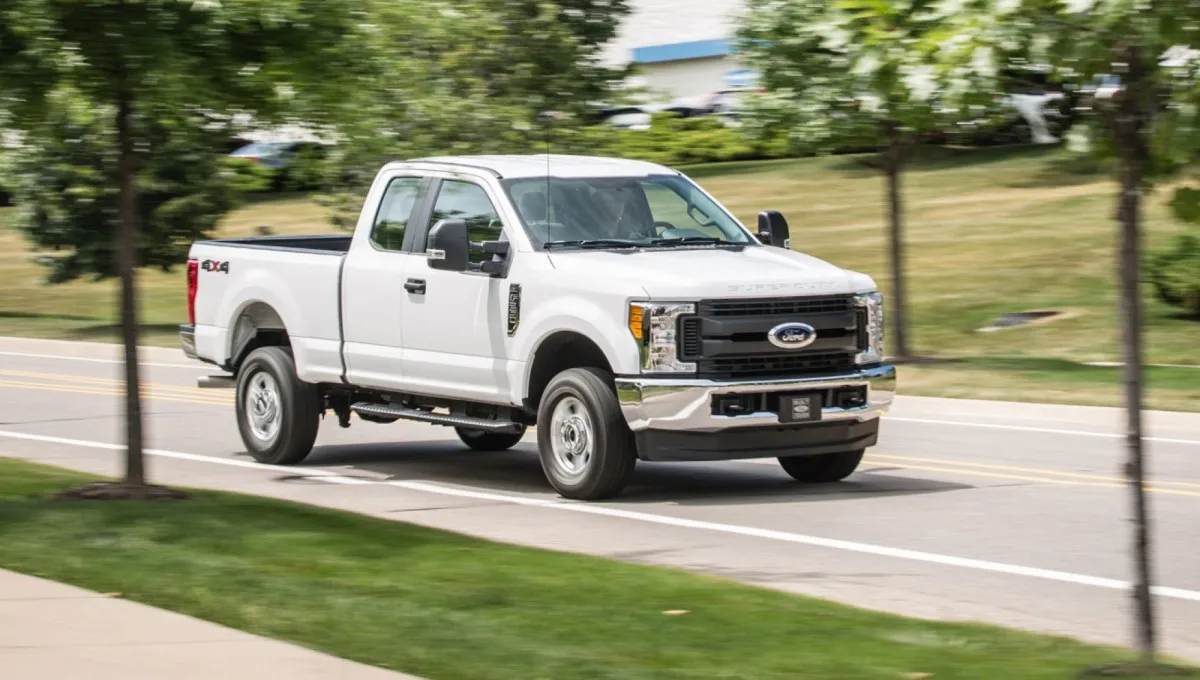
41,748 Ford SUVs and Trucks Recalled—Your Headlights Could Suddenly Stop Working
Ford recalls 41,748 vehicles after contaminated LED chips threaten required headlight performance on newer models.
The Sheriff Knew She Was Speeding—Then This Blonde Driver Turned the Ticket Against Him
A sheriff pulls over a Ferrari for speeding, but the driver's bizarre logic quickly turns the traffic stop against him.
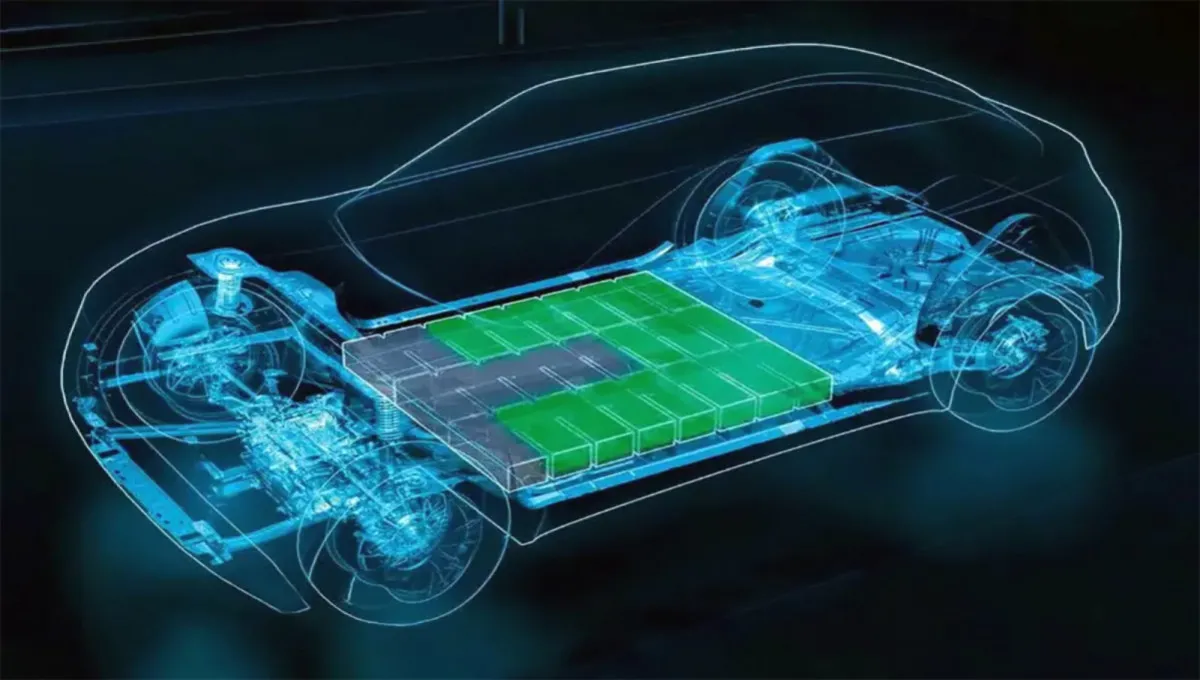
Stellantis Patents System That Lets an EV Drop Its Battery and Drive Away
A new patent details an emergency system that could let an EV disconnect its high-voltage battery and move away from danger.