
In December, the Company Turned 125: How the Dodge Brothers Got Their Start
December marks the birthday of the Dodge brand.
December marks the anniversary of Dodge. Auto30.com looks back at some of the most interesting models in the brand’s history—but more importantly, at the remarkable lives of its founders, brothers John and Horace Dodge. As you’ll see, theirs is a story worthy of a Hollywood screenplay.
The Dodge brothers, destined to become some of the wealthiest men in America, started life at the very bottom. John and Horace weren’t born into extreme poverty, but they certainly grew up poor. Their father, Daniel Dodge, ran a small foundry and barely made ends meet. Perhaps it was this constant struggle that forged such a tight bond between the boys. Despite a four-year age gap (the older brother, John, was born in October 1864), the Dodges were inseparable, like twins. From an early age, they tried to help support the family. John, for example, earned 50 cents a week herding a neighbor’s cow to pasture and helping a local teamster unload sacks of bran.
Their fascination with machinery began early. In truth, they couldn’t have been interested in much else even if they tried. Their entire world revolved around their father’s tiny workshop, where they spent days and nights as children and later as teenagers.
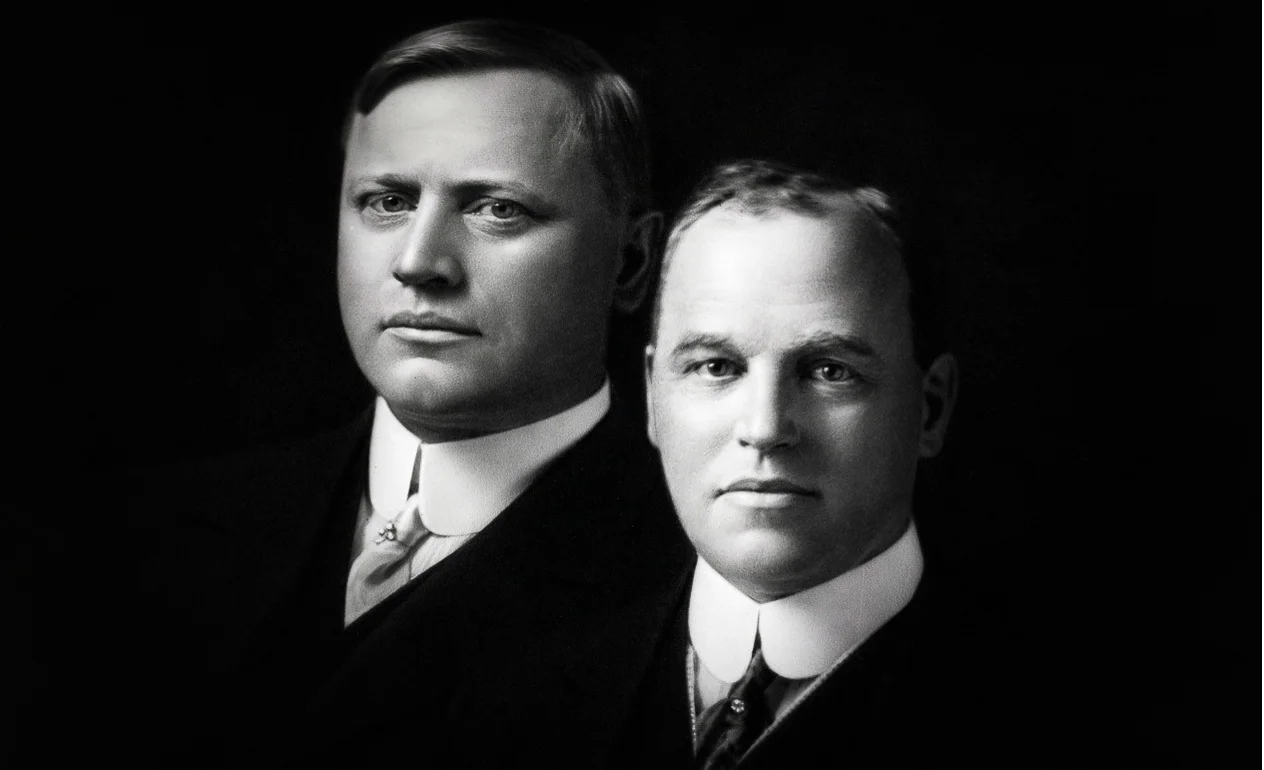
John (on the left) and Horace Dodge. Inseparable brothers, pioneers of automotive America, and genuinely good men.
In 1891, the brothers left their hometown of Niles, on the Michigan–Indiana border, and moved to Detroit, where job prospects were better. They initially found work at Murphy Engine, a company specializing in the production and repair of steam engines. Within just six months, John rose from a general laborer to a foreman. The brothers spent about four years at Murphy Engine, gaining hands-on experience with a wide range of mechanical equipment.
They later moved to neighboring Canada, taking jobs as machinists at Canadian Typograph. Things progressed even faster there. John was soon promoted to shift supervisor, while Horace—arguably the more technically gifted of the two, with John compensating through strong business instincts—invented and patented a dirt-resistant wheel hub. This invention became the turning point. John found an investor, Detroit industrialist Fred Evans, and with his backing, the brothers built their first vehicle in a rented workshop. Not a car—yet—but a bicycle. John and Horace launched production of the Evans & Dodge bicycle, which enjoyed solid demand at the turn of the century.
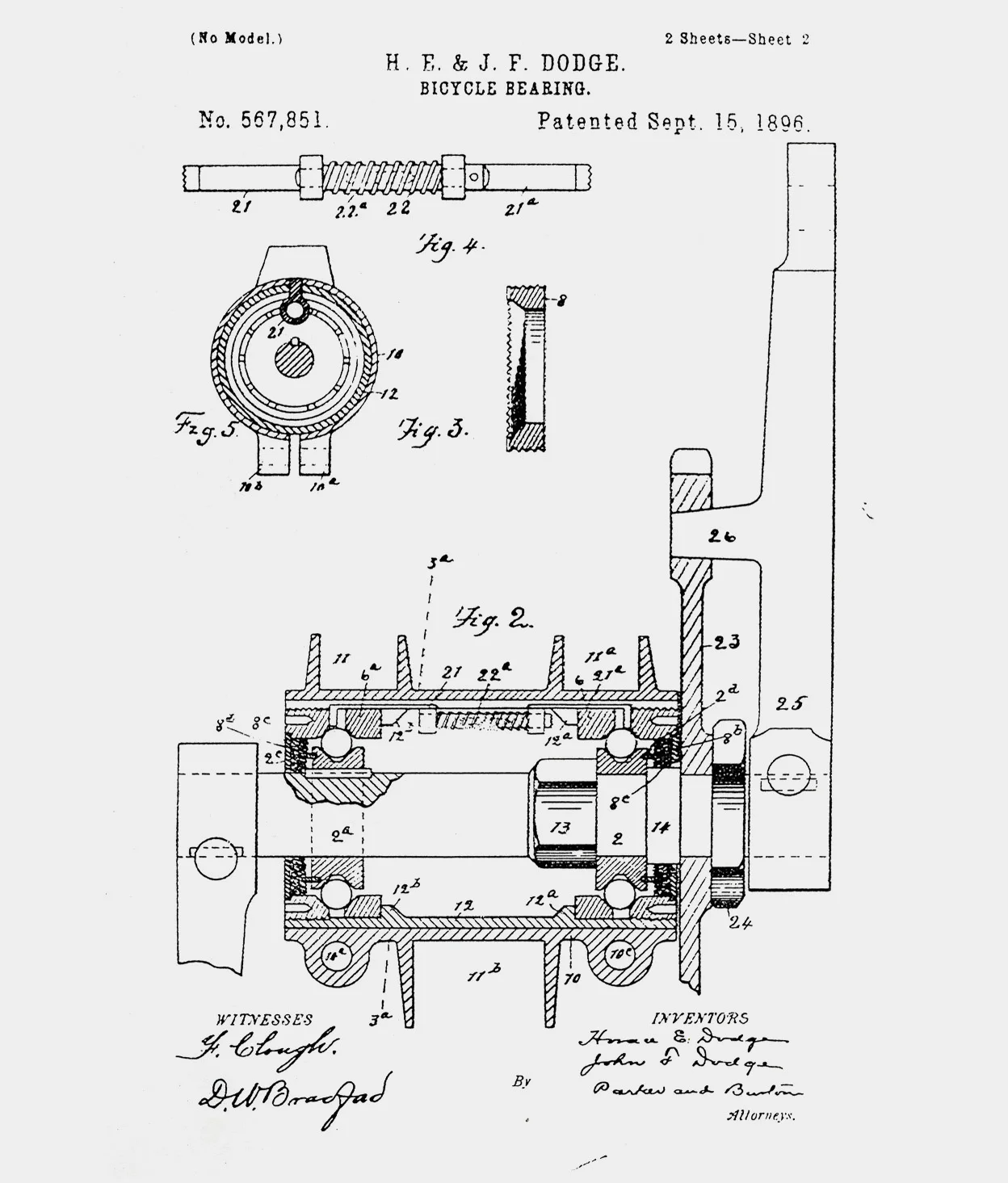
The patent for the bicycle hub designed by Horace, which became the brothers’ ticket to success.
By the late 19th century, bicycle workshops were opening across America by the hundreds—and closing just as fast. The industry was rapidly consolidating in the hands of major players. Realizing that bicycles wouldn’t make them rich, the Dodges returned to Detroit in 1901.
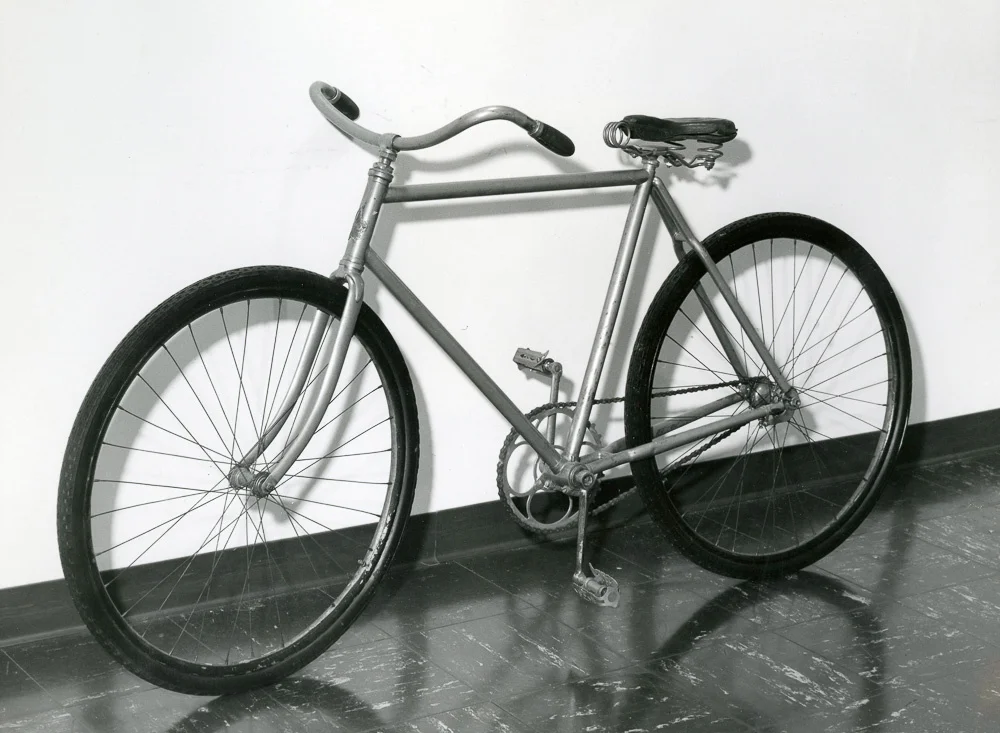
The Evans & Dodge bicycle—the first vehicle created by the brothers.
After selling their bicycle business, they had a modest amount of capital, and Detroit—on the brink of the automotive boom that would soon sweep the nation—was ready to be conquered.
A New Venture
The brothers took a realistic approach. Starting their own car company wasn’t feasible at the time. They may have had as much technical knowledge as early automakers overseas, but the $7,500 they had on hand was nowhere near enough for such an undertaking. Instead, the meticulous, responsible, reputation-conscious Dodges became exceptional suppliers. They founded a small components manufacturing business. Six machinists, six apprentices, plus John and Horace themselves—who weren’t above working the machines or handling the books—took on everything from minor repairs to full engine assembly.
They were fortunate with their clients. One of their earliest customers was none other than Ransom Olds. The founder of Oldsmobile and creator of America’s first mass-produced car ordered single-cylinder engines for his Curved Dash Oldsmobile, followed later by two-speed transmissions. That one contract brought the young company everything it could hope for: money, recognition, and credibility. But an even bigger customer soon appeared on the horizon—one Henry Ford.
The Dodges became partners in the Ford Motor Company almost from its founding in 1903. Engines, transmissions, and later axles bearing the Dodge name were used in all early Fords, from the Model A through the legendary Model T. By 1904, John was one of five directors at Ford Motor Company. Around the same time, the brothers secured lifelong financial stability for themselves and their families. A relatively small block of shares—50 each in 1903 and another 1,000 apiece in 1908—made them multimillionaires.
Nine years later, when Henry Ford decided to consolidate control of his company and began buying out partners, he paid the Dodge brothers $25 million for their shares. That was in 1917 dollars—roughly $600 million today after adjusting for inflation.
On Their Own
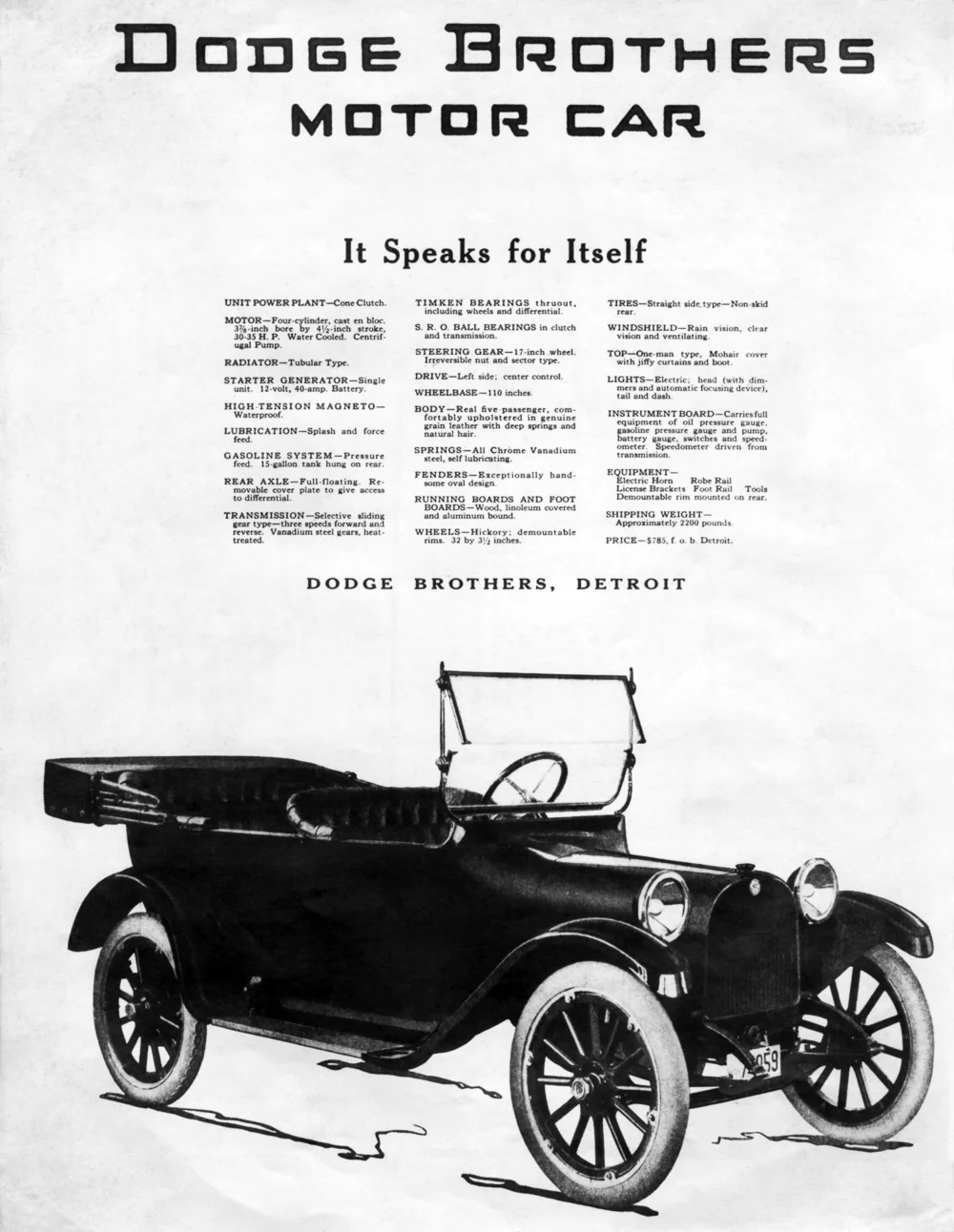
Dodge Model 30—the first Dodge Brothers automobile, a hit from 1915 to 1917.
By that time, John and Horace were already well-known automotive figures in their own right. Several factors pushed them toward independence. Ford was gradually abandoning outsourcing, bringing component production in-house. And as John famously put it, they were simply “tired of being a small coin in Ford’s very large pocket.” In 1914, the brothers founded their own car company. By today’s standards, it was a startup destined for success.
Within automotive circles, the Dodge reputation was sky-high. No one had even seen their first car yet, and demand from dealers was already unprecedented. More than 22,000 dealers across the country expressed interest in selling it. Only a truly disastrous product could have ruined such a launch—and the Dodges knew too much about the secret behind America’s most successful car, the Ford Model T, to make that mistake.
They understood the Model T’s strengths and weaknesses perfectly, which made defining their own concept easy. Their first car would be a high-quality mass-market vehicle—not the cheapest, but still affordable. More advanced, and more expensive, than the Tin Lizzie.
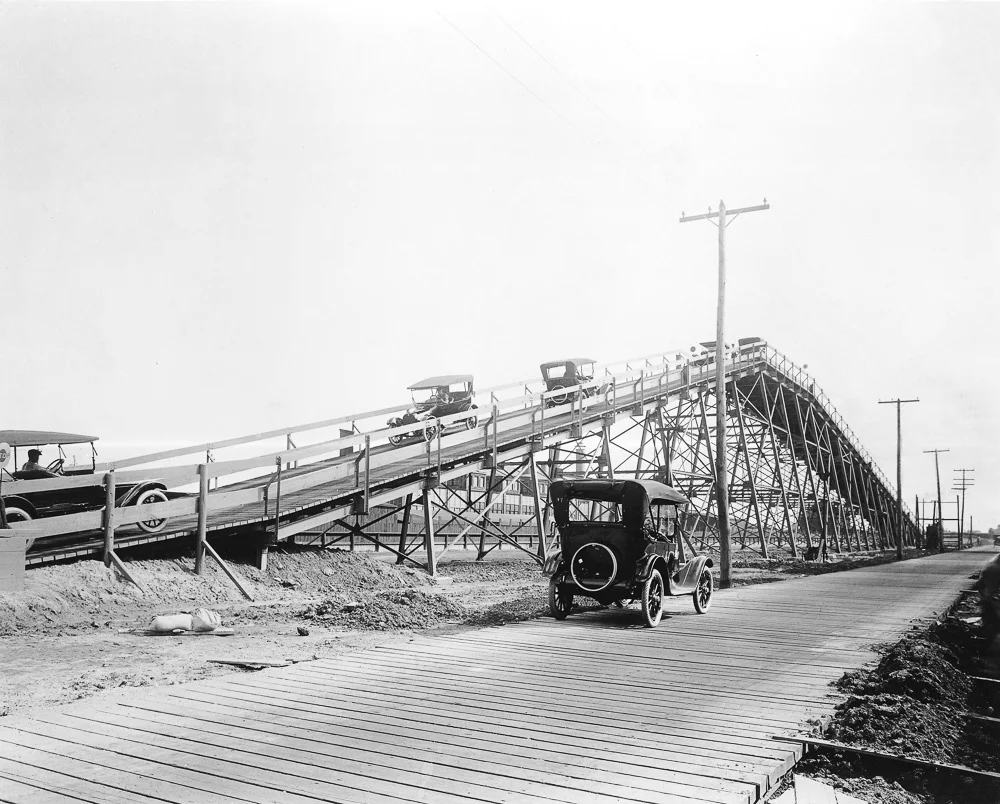
The Dodge assembly plant was the first in the world to include its own test track.
In simple terms, the Dodge Model 30 was an improved Ford T. Its advantages were clear: a three-speed transmission (Ford had only two), a 3.5-liter four-cylinder engine producing 35 horsepower (the Model T made about 20), and an all-steel body supplied by Budd—virtually unheard of in the mass market at the time. The price, however, started at $785, nearly double that of the Model T. The brothers were confident buyers would see the value.
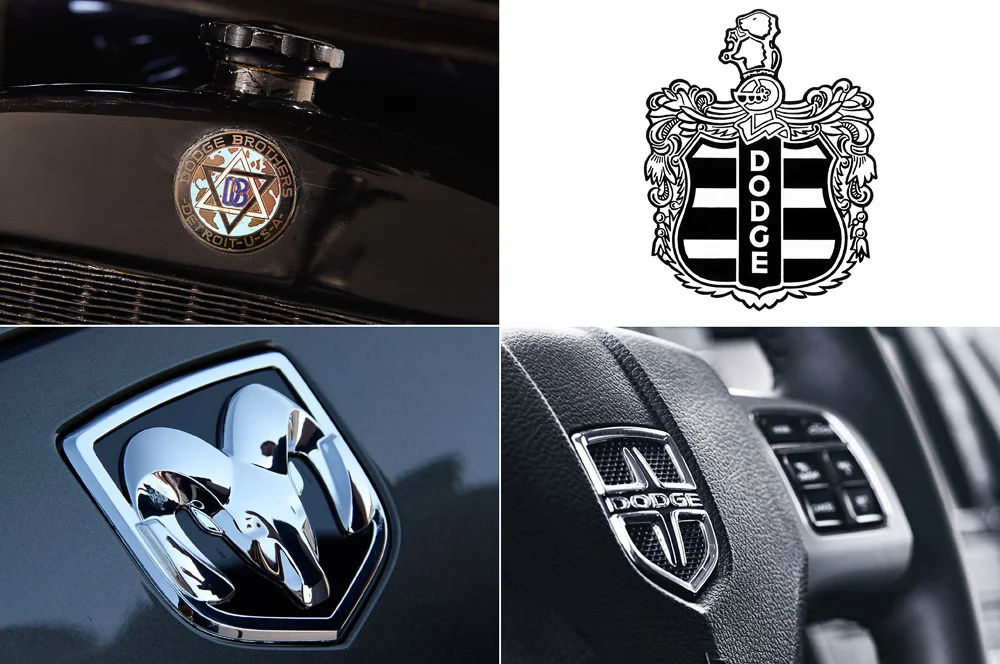
The evolution of the Dodge logo.
The original Dodge emblem looked bold and unusual. What resembled a Star of David was actually two inverted Latin “D” letters, symbolizing the brothers’ surname. After the Dodges’ deaths, the controversial design—often the subject of rumors—was replaced. After World War II, some Dodge models featured a heraldic crest. For years, a simple “Dodge” script badge was used. In the 1990s, the brand adopted the famous ram’s head logo, and after Ram became a standalone brand, Dodge changed its emblem again. Today, it features a cross and the Dodge name set within a shield.
“So what will the army of Model T owners do when they decide they want a real car?” John liked to joke when asked about the model’s prospects.
The answer came quickly. In the first year alone, the company sold 45,000 Model 30s. By 1916, sales exceeded 70,000 units, making Dodge—then known as Dodge Brothers—the fourth-largest automaker in the U.S., behind only Ford, Willys-Overland, and Buick.
“Gasoline Millionaires”
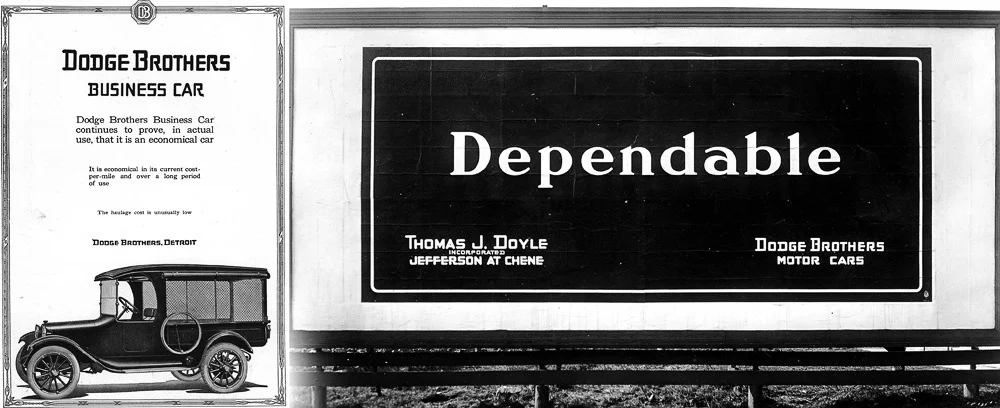
As expected, Dodge passenger cars earned a reputation for durability and reliability. The word “Dependable” became the centerpiece of the company’s advertising for years. Many Model 30s served in the military, gaining a reputation as vehicles you could count on. In 1917, the brothers added a commercial truck to their lineup, and two years later, sales topped 100,000 units. Combine their thriving car business with millions in Ford dividends, and it’s clear there weren’t many people in America wealthier than the Dodge brothers at the time.
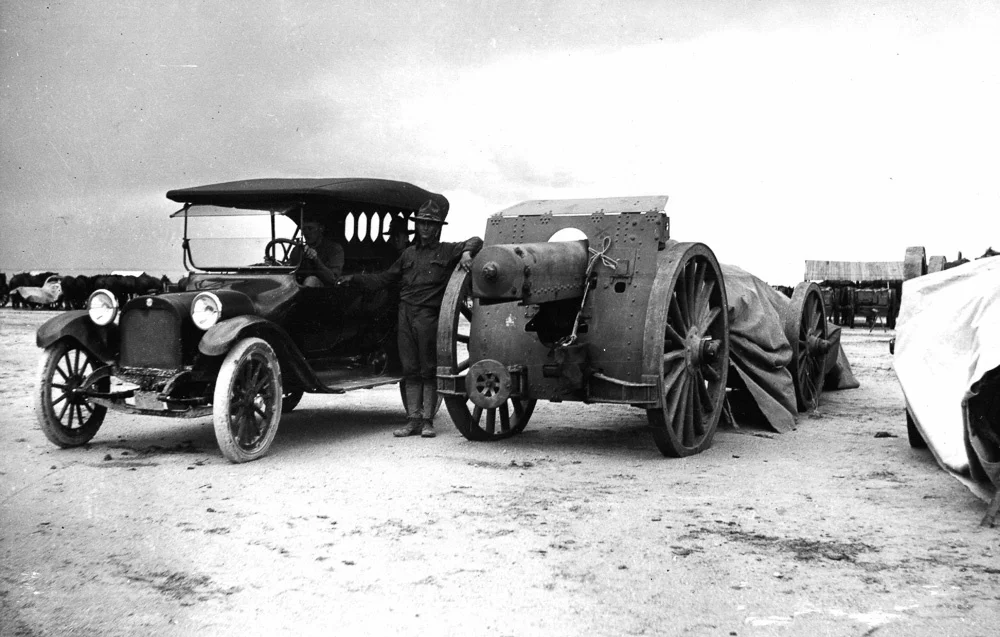
The Model 30 in military service. Many Dodges were sent to Europe during World War I; General Pershing even used one while pursuing Pancho Villa in Mexico.
That said, high society didn’t exactly welcome the new automotive tycoons. The Dodges came from humble beginnings and were known for their blunt manners. Both enjoyed drinking and occasionally found themselves in trouble. Barroom brawls—with shattered bottles and bruised faces—were not unfamiliar territory. Unsurprisingly, Detroit’s elite looked down on the brothers, dismissively calling them “gasoline millionaires.” When possible, the Dodges returned the favor.
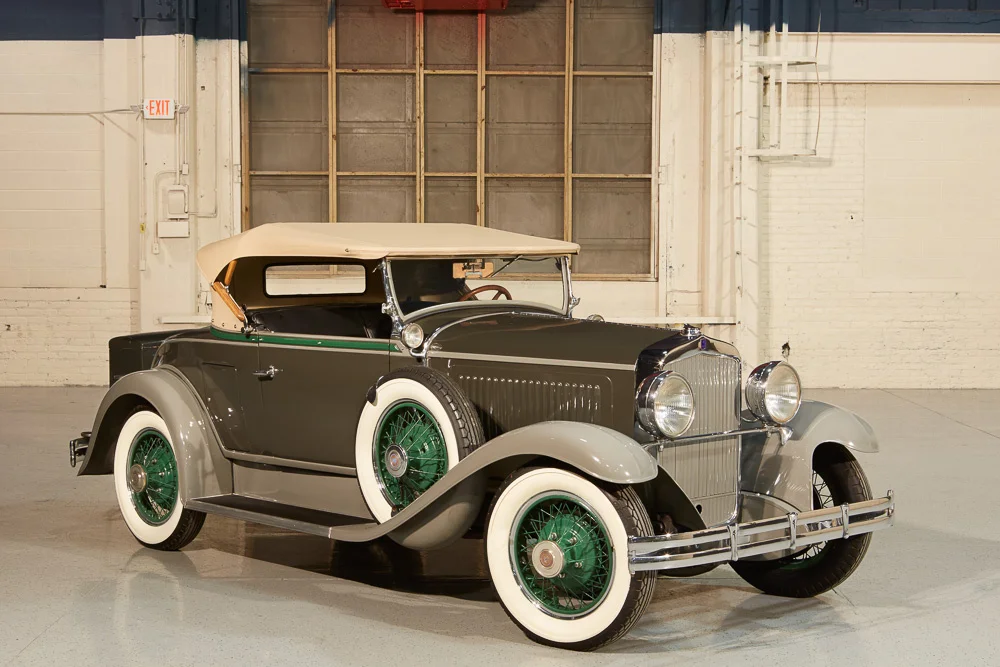
Dodge cars looked elegant and stylish by the late 1920s. Shown here is a 1929 Senior Six roadster.
When the Dodges were denied membership in Detroit’s prestigious Country Club due to their reputation, they plotted revenge. John and Horace bought adjacent land with plans to build an absurdly large and tasteless mansion that would literally cast a shadow over the club. Fortunately, the plan never moved beyond threats and angry gestures—but the incident perfectly illustrated their strained relationship with the Detroit establishment.
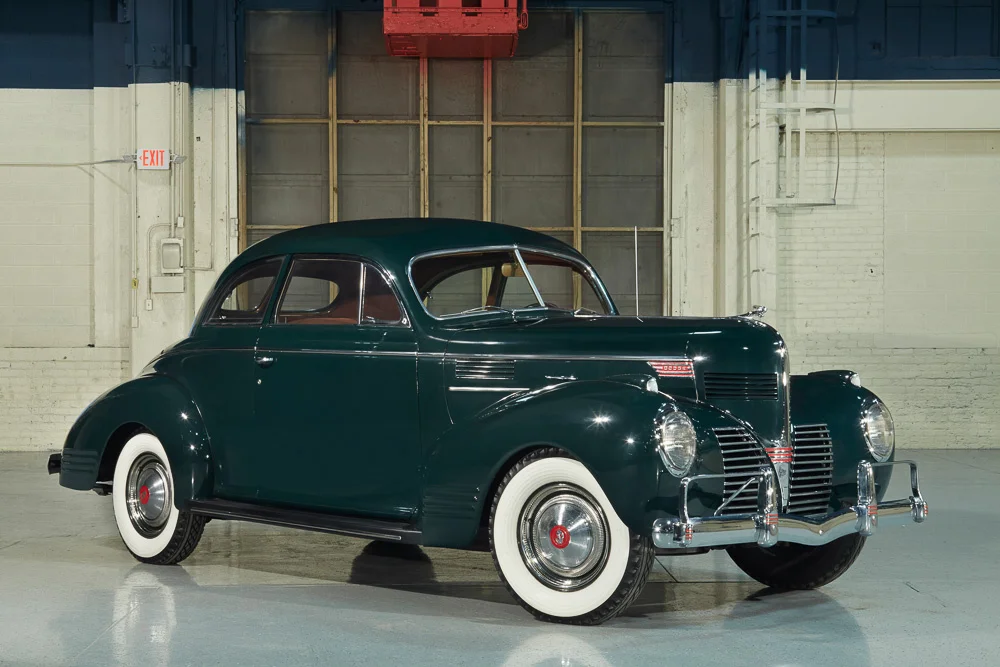
The compact and striking 1939 Dodge Coupe by Hayes Body Corporation.
While high-society etiquette may not have been their strength, dismissing the brothers as uncultured would be a mistake. Horace was one of the Detroit Symphony Orchestra’s most important benefactors and invested heavily in the construction of a new concert hall. His daughter later became an accomplished pianist.
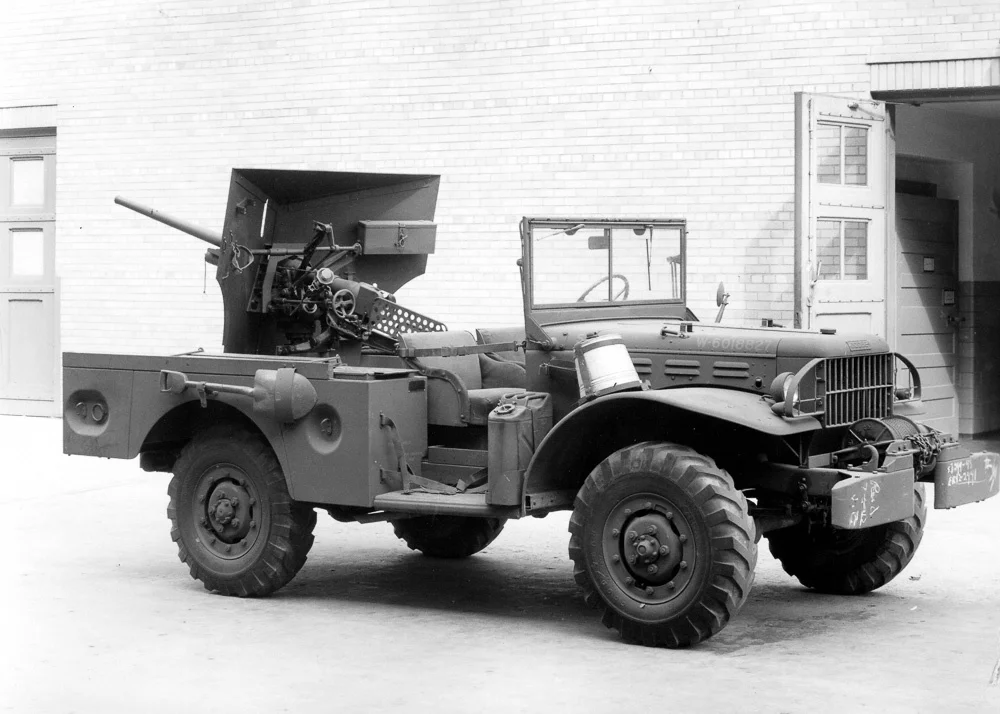
Dodge’s contribution to World War II—the famous Dodge WC-51 truck. With a 1,650-pound payload, it was nicknamed “Dodge Three-Quarter” in the Soviet Army.
A Cruel Twist of Fate
One remarkable thing about their partnership: over the years, John and Horace’s bond never cracked. In wealth, they were as inseparable as they had been in their hungry youth. Both had families—wives, children, the whole picture—but for each of them, their brother remained the closest person in the world. Always. Until the very end.
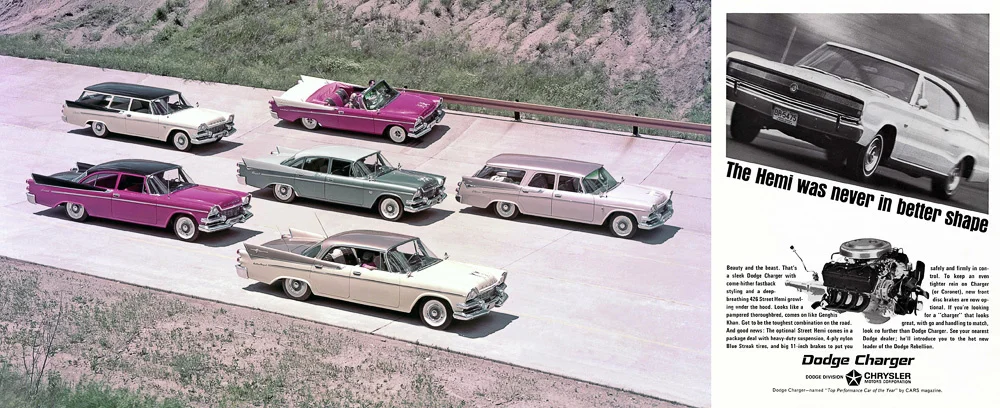
The 1958 Dodge Royal lineup—Detroit’s “baroque” era at its peak. The 1960s would usher in the muscle car era.
As clichéd novels say, nothing seemed to foreshadow tragedy. In early 1920, Horace traveled to the New York Auto Show and caught the flu. It developed into pneumonia and progressed rapidly. At the time, influenza was extremely dangerous, and doctors were helpless. Horace eventually recovered—perhaps thanks to John, who barely left his bedside. But fate had another blow in store. John soon fell ill himself and died on January 14 at age 55, unconscious, in his room at the Ritz-Carlton.
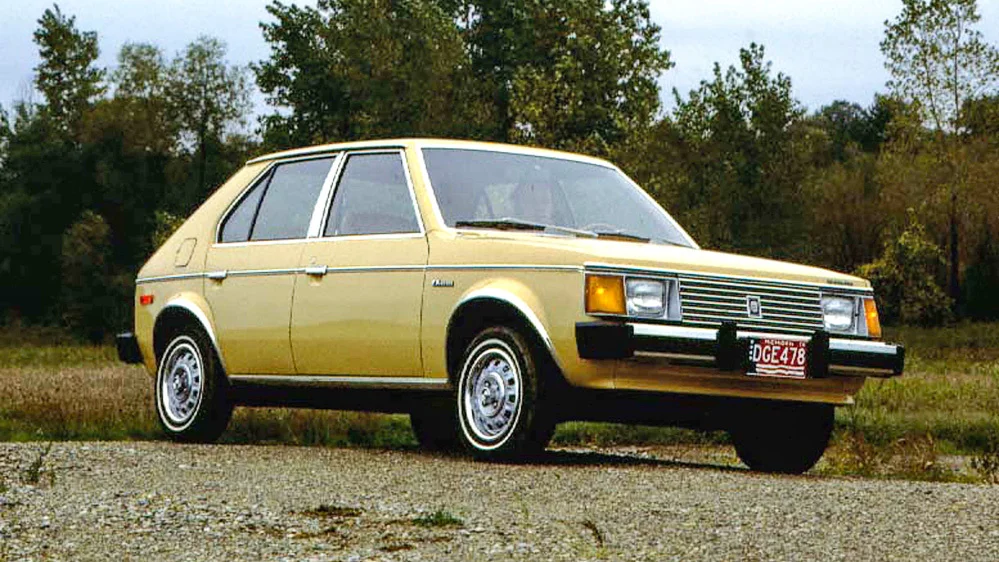
The late-1970s Dodge Omni—one of America’s first successful subcompacts.
Horace, devastated by the loss of his brother, seemed to lose his will to live. He survived less than a year, passing away in December 1920. The Detroit Symphony Orchestra played in full at his funeral.

Like many Chrysler-era models, the Dodge Aspen was a popular police vehicle.
Control of one of America’s largest automakers passed to the widows of John and Horace. In 1925, they sold Dodge Brothers to investment firm Dillon, Read & Co. After struggling with the business for a few years, the firm realized that building cars was far more complex than financial deals and sold Dodge to Walter Chrysler, who was rapidly building his own automotive empire.
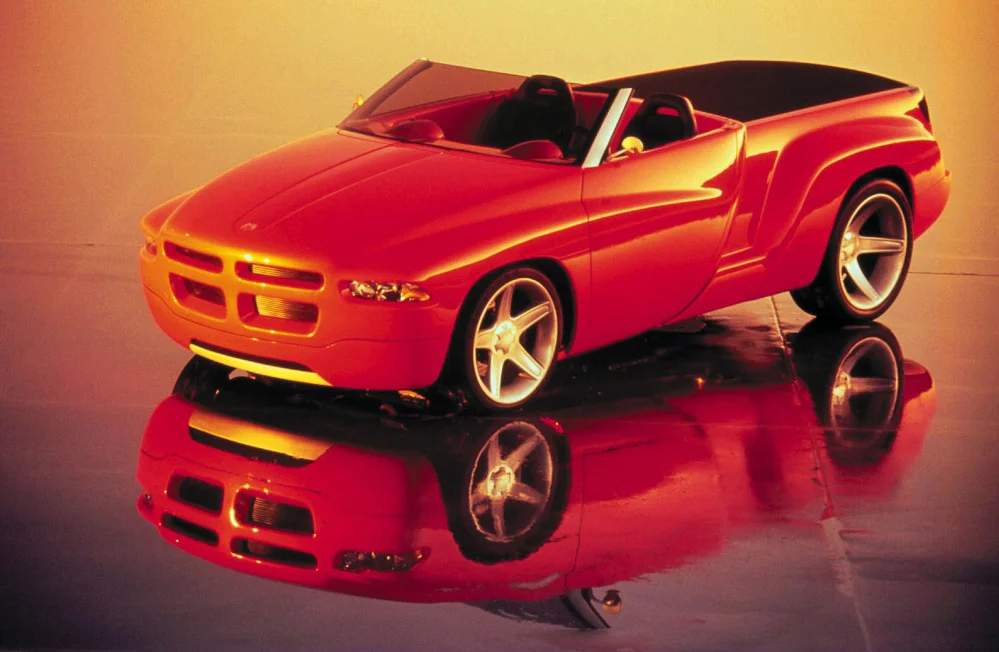
Dodge’s design renaissance came in the 1990s. Shown here is the Sidewinder pickup, one of many bold concepts from that era.
At the time, Chrysler’s acquisition of Dodge was likened to a sardine swallowing a whale. Yet the deal proved pivotal. With Dodge Brothers’ manufacturing capacity and nationwide dealer network, Walter Chrysler eventually built an empire rivaling Ford and General Motors. Dodge remains an integral part of Stellantis today, within the Fiat Chrysler Automobiles (FCA) division, focusing on performance-oriented vehicles.
You may also be interested in the news:
5 of the Most Beautiful Chevrolet Cars: Timeless Designs With Stunning Silhouettes
Which Chevrolet models deserve to be called the most beautiful?
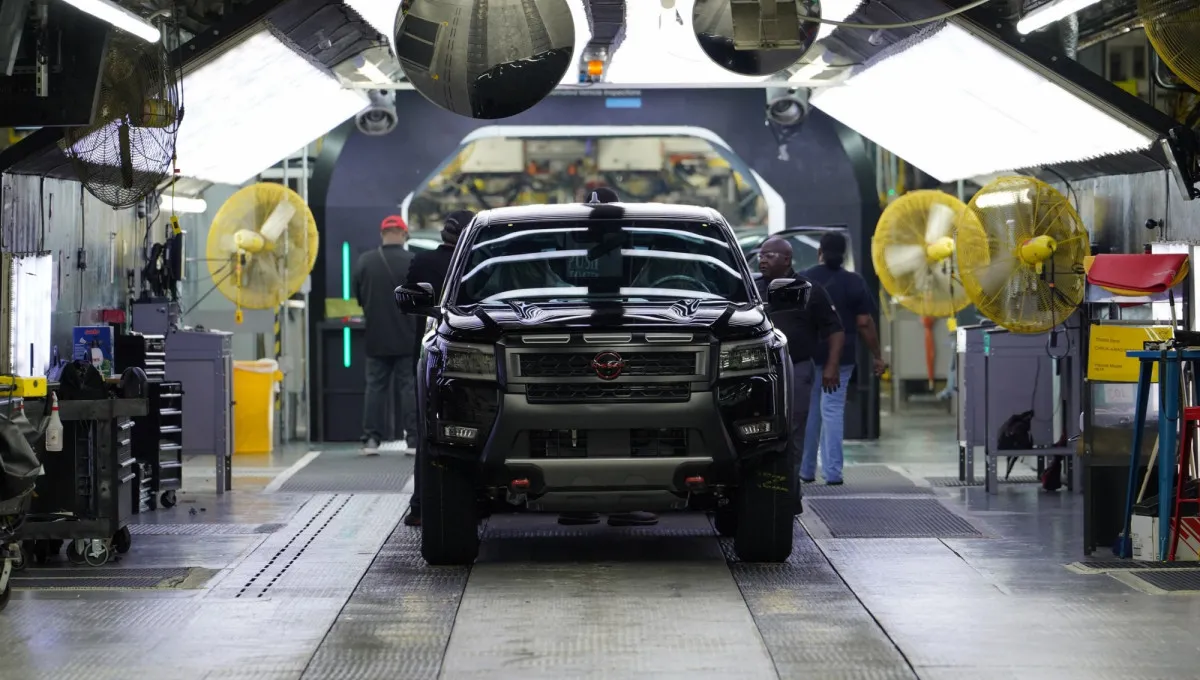
Nissan Restarts US-Made Murano, Pathfinder, Frontier Sales in Canada
Nissan resumed Canadian sales of three U.S.-built models, but tariffs keep supply below earlier levels.
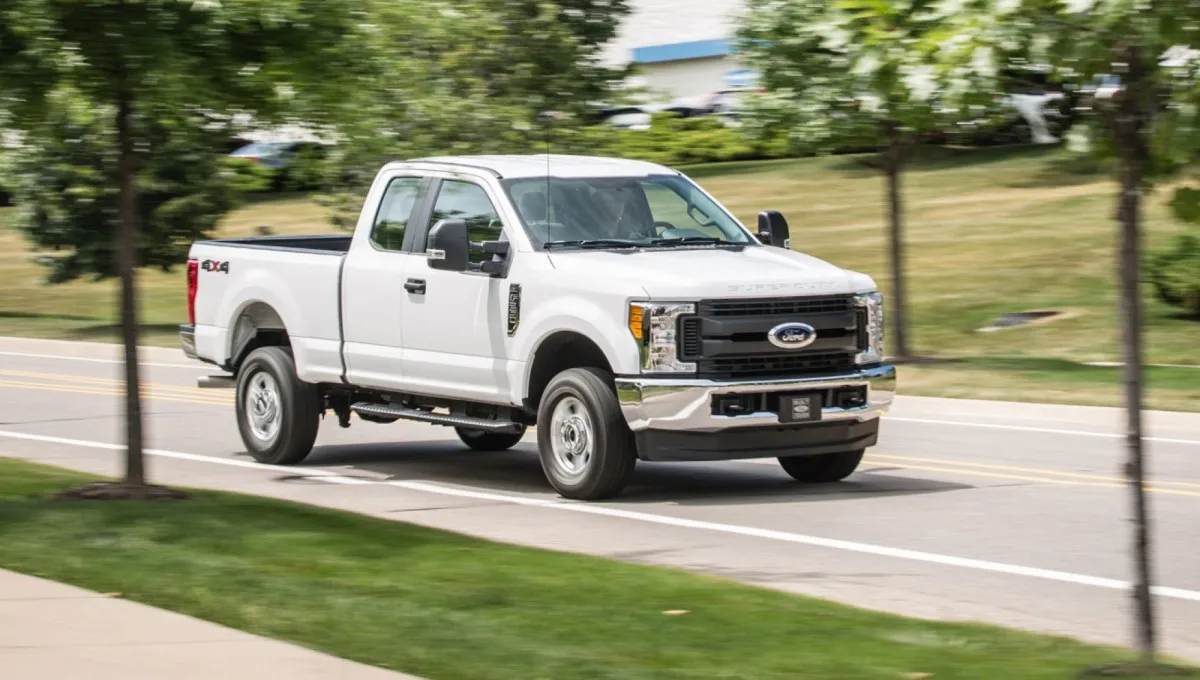
41,748 Ford SUVs and Trucks Recalled—Your Headlights Could Suddenly Stop Working
Ford recalls 41,748 vehicles after contaminated LED chips threaten required headlight performance on newer models.
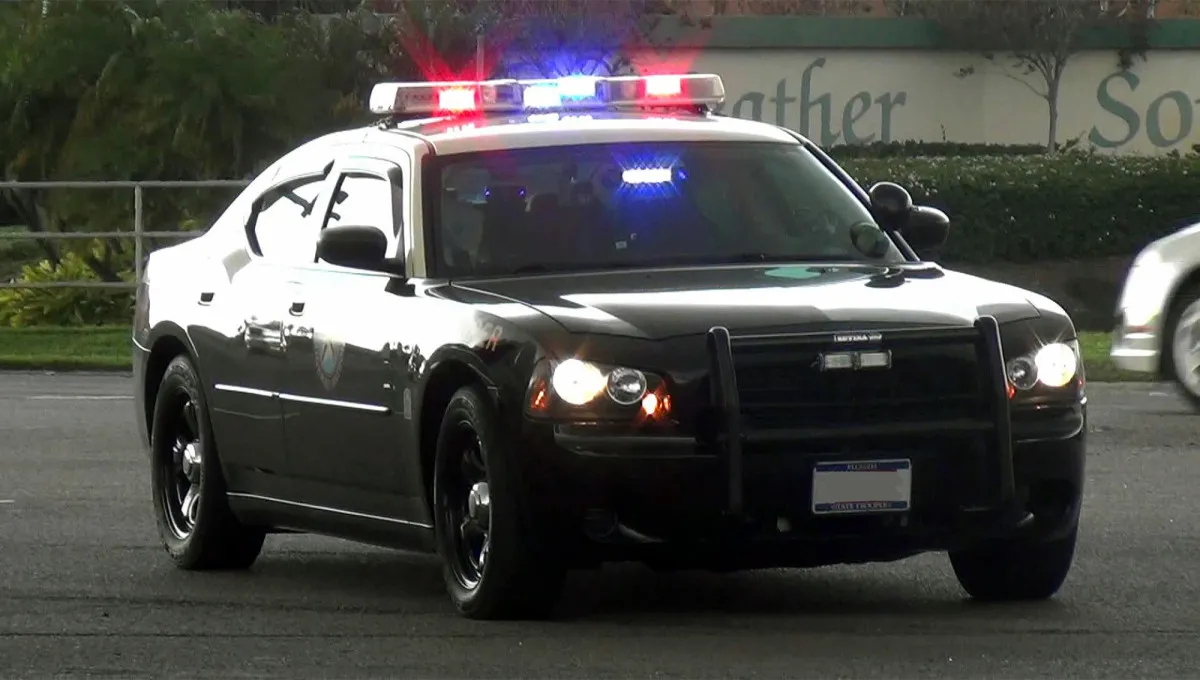
The Sheriff Knew She Was Speeding—Then This Blonde Driver Turned the Ticket Against Him
A sheriff pulls over a Ferrari for speeding, but the driver's bizarre logic quickly turns the traffic stop against him.
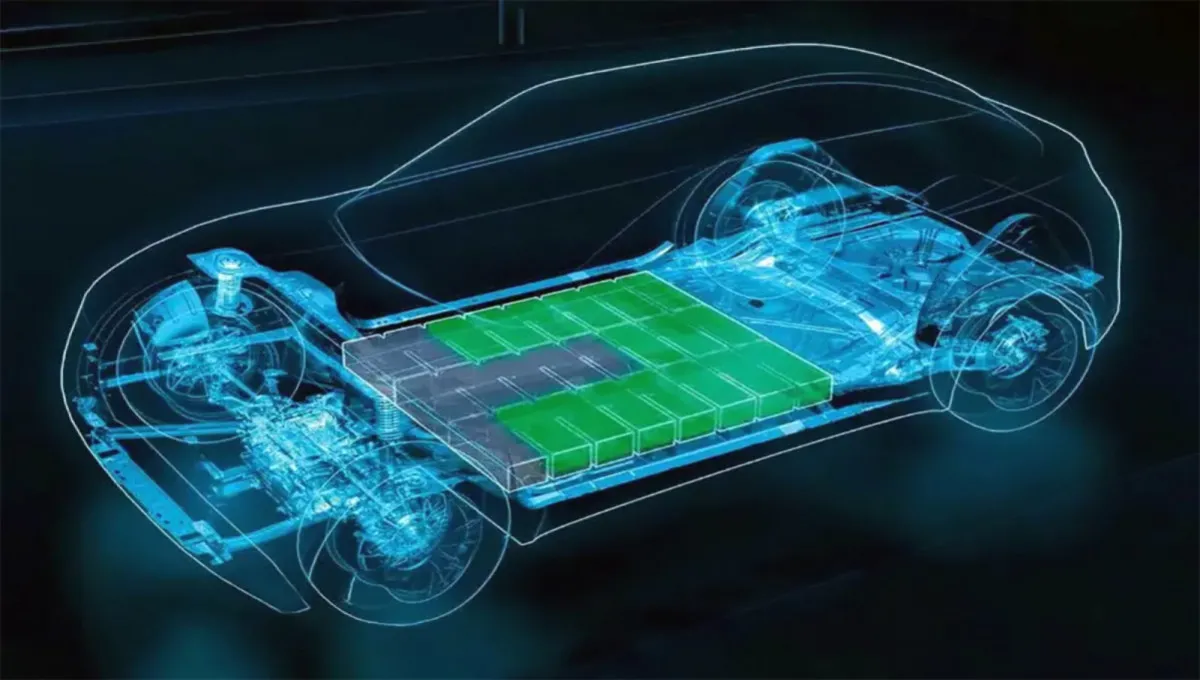
Stellantis Patents System That Lets an EV Drop Its Battery and Drive Away
A new patent details an emergency system that could let an EV disconnect its high-voltage battery and move away from danger.