
The 1967 Plymouth GTX: The One-Year Muscle Icon Most Americans Have Never Heard Of
Plymouth entered the growing mid-size segment in 1962 after a corporate misstep.
Plymouth stepped into the up-and-coming mid-size market in 1962, largely as a result of a corporate blunder. Three years later, the Fury returned to the full-size segment, while the Belvedere carried on as a mid-sizer. The Satellite then arrived as the premium-trim option in the lineup.
Before long, Plymouth grew its B-body family to four models. In 1968, the Road Runner joined the roster as a budget-friendly muscle car. But the focus here is the GTX, which made its debut in 1967 and assumed the flagship role previously held by the Satellite.
What truly set the GTX apart wasn’t just its upscale equipment. Like the early Satellite and the Road Runner, the GTX came only as a two-door and exclusively with V8 power. The Satellite could be ordered with small-block engines, but the GTX started off with the big 440-cubic-inch (7.2-liter) RB as standard.
That base engine packed a solid 375 horsepower and 480 lb-ft (651 Nm) of torque, easily putting the GTX among the strongest factory offerings of its day—before any upgrades, that is. Buyers could also opt for the legendary 426-cubic-inch (7.0-liter) Hemi, rated at a stout 425 horsepower and 490 lb-ft (664 Nm).
By 1970, Plymouth added the 440 Six-Barrel to the order sheet, a setup that delivered 390 horsepower and torque figures on par with the Hemi.
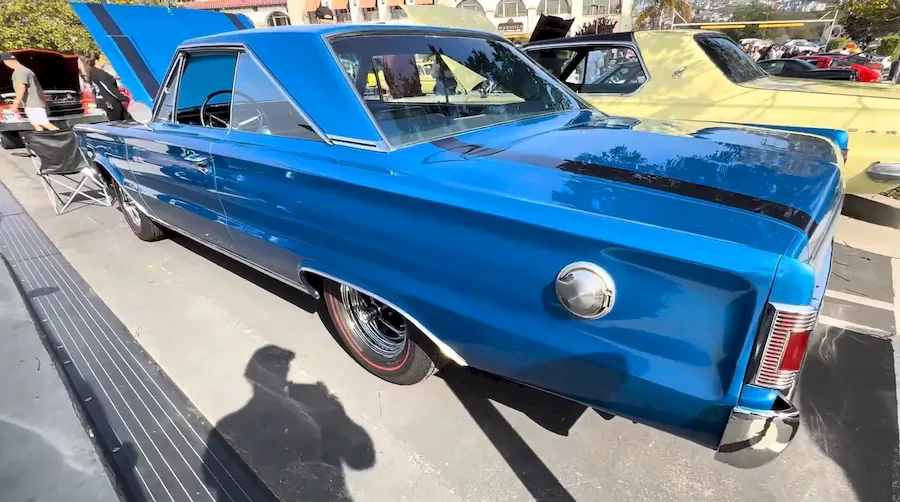
Unlike the Road Runner, which remained in production in one form or another until 1980, the GTX wrapped up its run after the 1971 model year. Chrysler dropped all high-compression V8s as stricter emissions rules loomed, and the GTX went with them. Over its five-year life, roughly 44,000 units were produced—modest by muscle-car standards.
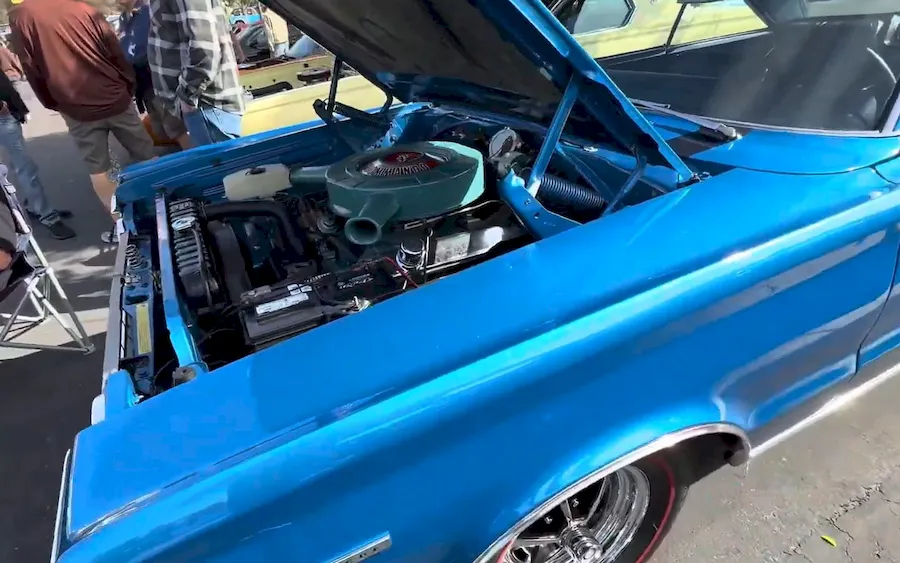
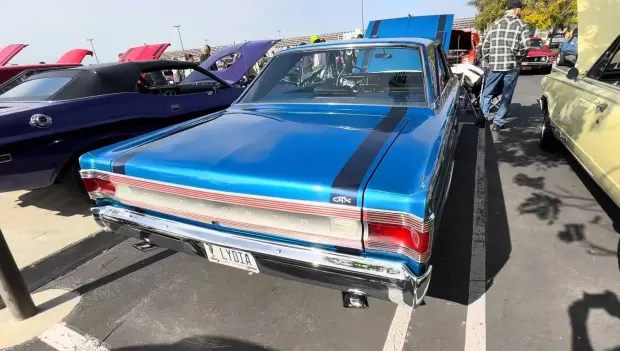
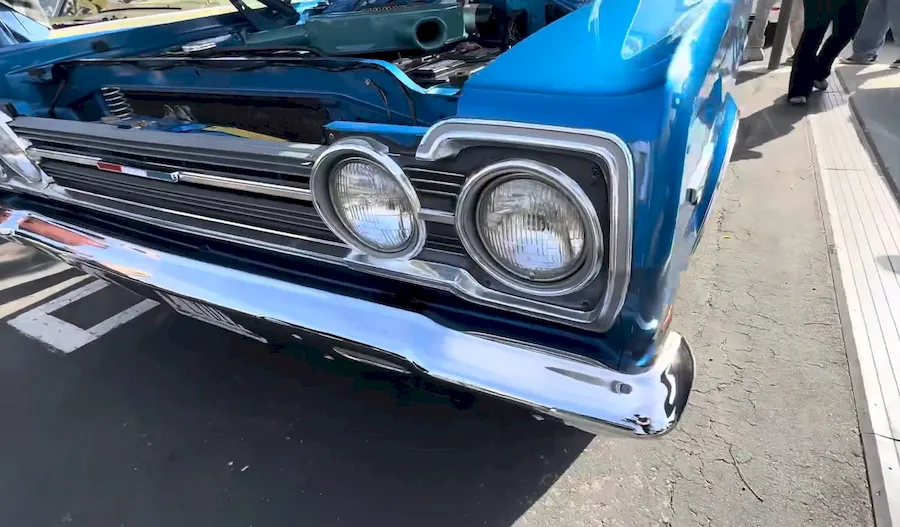
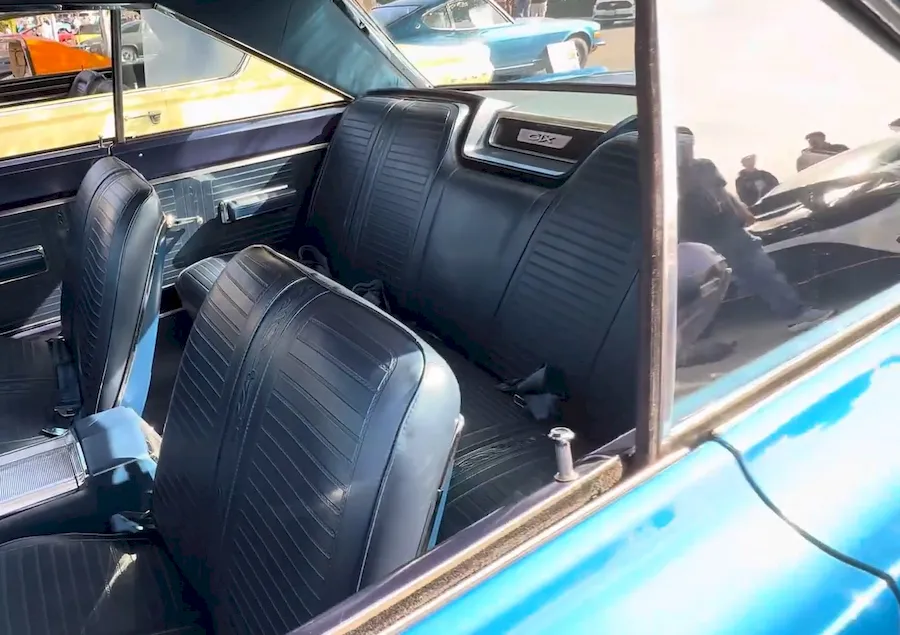
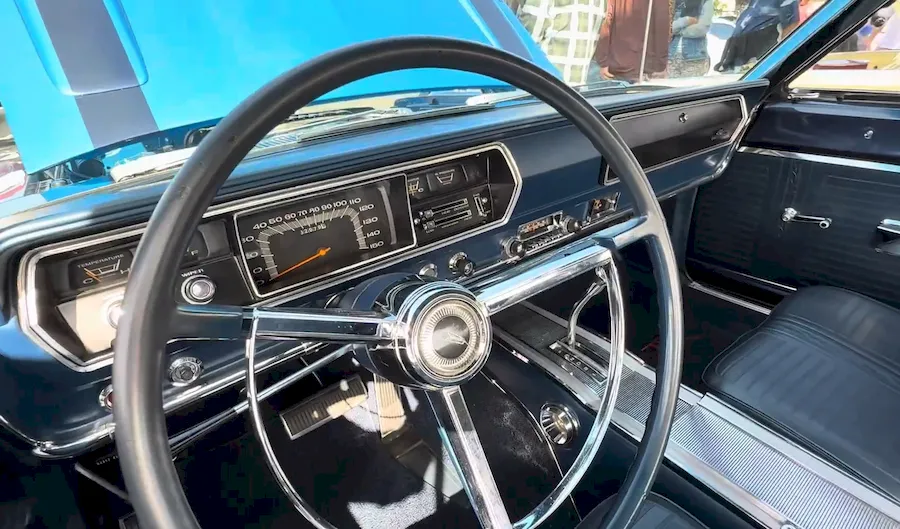
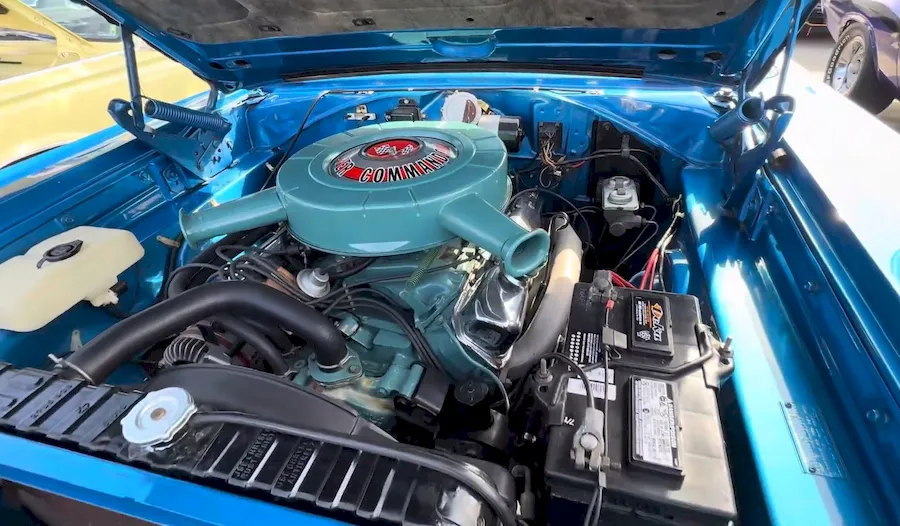
Today, a GTX isn’t especially rare unless it carries a Hemi, but top-condition examples aren’t exactly growing on trees. This first-year car is truly something special: flawless paint, a crisp interior, a sharp color pairing, and a “Super Commando” V8 so clean you could practically eat off it.
You’ve probably already recognized the classic B5 Blue finish. It carried the same name back in 1967, and the shade is just as eye-catching today. Inside, a two-tone blue cabin uses darker highlights—a factory-correct combo you won’t often see on Mopars painted anything other than blue.
Plymouth moved 12,690 GTXs in 1967, with 12,100 of them being hardtops like this one. The 440 paired with an automatic transmission was the most popular setup, chosen by 8,791 buyers. No, this Mopar isn’t especially scarce, but it’s worth noting that the ’67 model stands alone as a one-year-only design.
For 1968, Plymouth overhauled its entire B-body line, retiring many of the distinctive features that made the inaugural GTX what it was. Personally, I’m a fan of the ’67’s roofline, dual stripes, and twin hood scoops. They add to the understated look that helped solidify the car’s “gentleman’s muscle car” reputation.
Sure, the Hemi version will always be the ultimate prize, but even in standard form, this GTX is a showstopper.
You may also be interested in the news:
Not Ford, BMW or Audi: Mechanic Names the Car Brand That Almost Never Breaks Down
Auto repair professionals reveal which models rarely suffer major failures and which ones repeatedly end up on the lift.

What Does a Flashing Red Traffic Light Mean? Can You Keep Driving?
Drivers must come to a complete stop at the stop line before deciding whether it is safe to proceed.
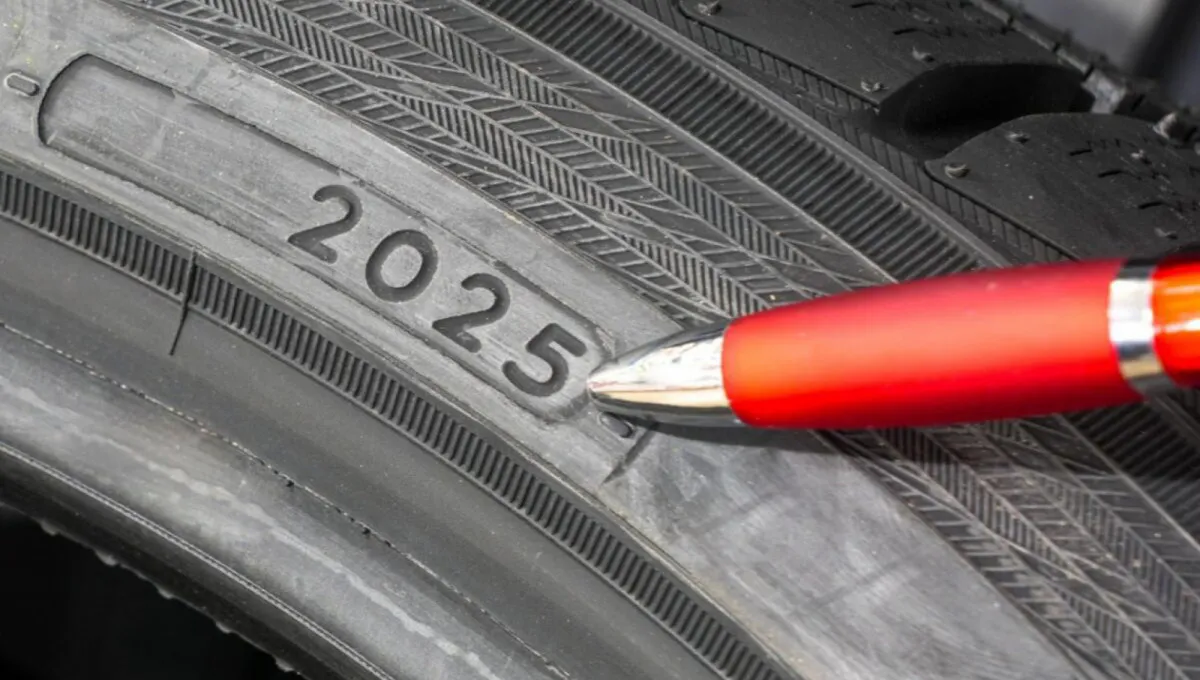
Why You Should Check a Tire’s Manufacturing Date Before Buying
Tire buyers should check more than size, tread, and brand because rubber changes with age, even without visible wear.
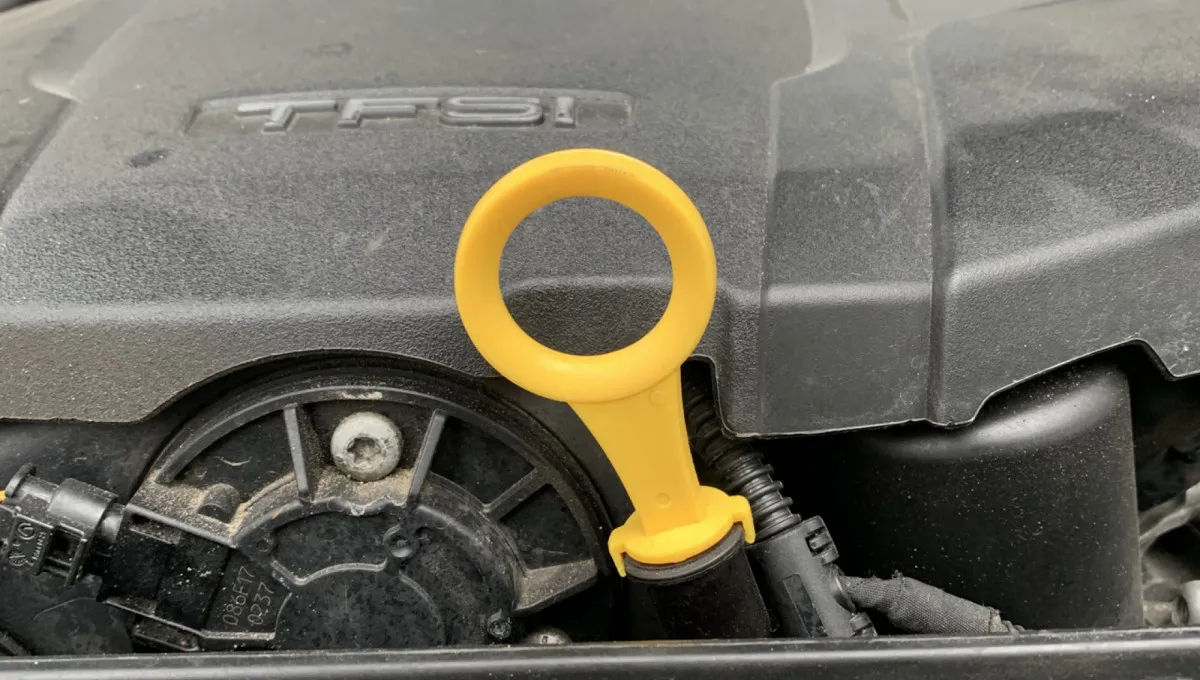
Four Car Features Modern Drivers Are Starting to Miss
New cars keep adding technology, but some simple features that drivers once relied on are disappearing.

The Sheriff Knew She Was Speeding—Then This Blonde Driver Turned the Ticket Against Him
A sheriff pulls over a Ferrari for speeding, but the driver's bizarre logic quickly turns the traffic stop against him.