
Few Realize It: What the “Shark Fin” on a Car Roof Really Does
The small “shark fin” on a car’s roof isn’t just for looks — it serves several important functions.
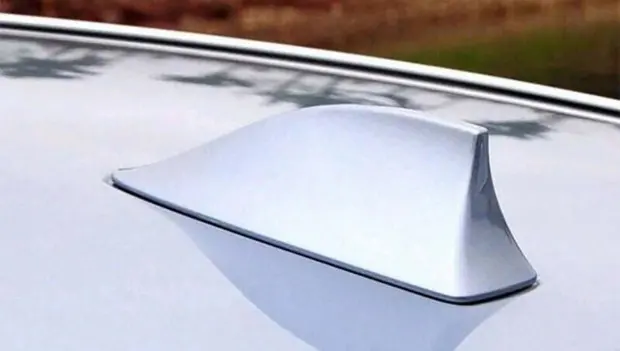
Many drivers still see the small fin-like protrusion on a car roof as a purely decorative element. In reality, it serves several important functions. Auto30.com explains this feature that many motorists mistakenly dismiss as just a styling detail.
In the past, cars were equipped with long antennas that were prone to breaking, bending, and ruining the vehicle’s appearance. Modern engineers opted for a more compact solution: today’s “shark fin” hides much more than just a radio antenna.
Inside the housing, a variety of modules can be installed — GPS, GSM, Wi-Fi, or even a digital TV receiver. In higher-end, premium models, these modules are often integrated with navigation systems, parking sensors, and emergency call functions. Some manufacturers also add voice control or smartphone connectivity, making the feature even more convenient and modern.
The shark fin isn’t just an antenna cover — it’s a fully integrated communication hub.
“Inside the housing are several antennas of different ranges. They operate simultaneously without interfering with each other.”
This design eliminates messy wires and protruding elements, improves aerodynamics, and reduces wind noise while driving. In sports cars, the fin can even enhance stability at speeds over 112 mph (180 km/h).
However, some drivers have noticed that the fin’s small surface area can lead to weaker signals in areas with poor coverage. While it’s possible to install a shark fin yourself, experts recommend choosing models with built-in signal boosters to ensure the device actually performs its functions rather than serving as mere decoration.
You may also be interested in the news:
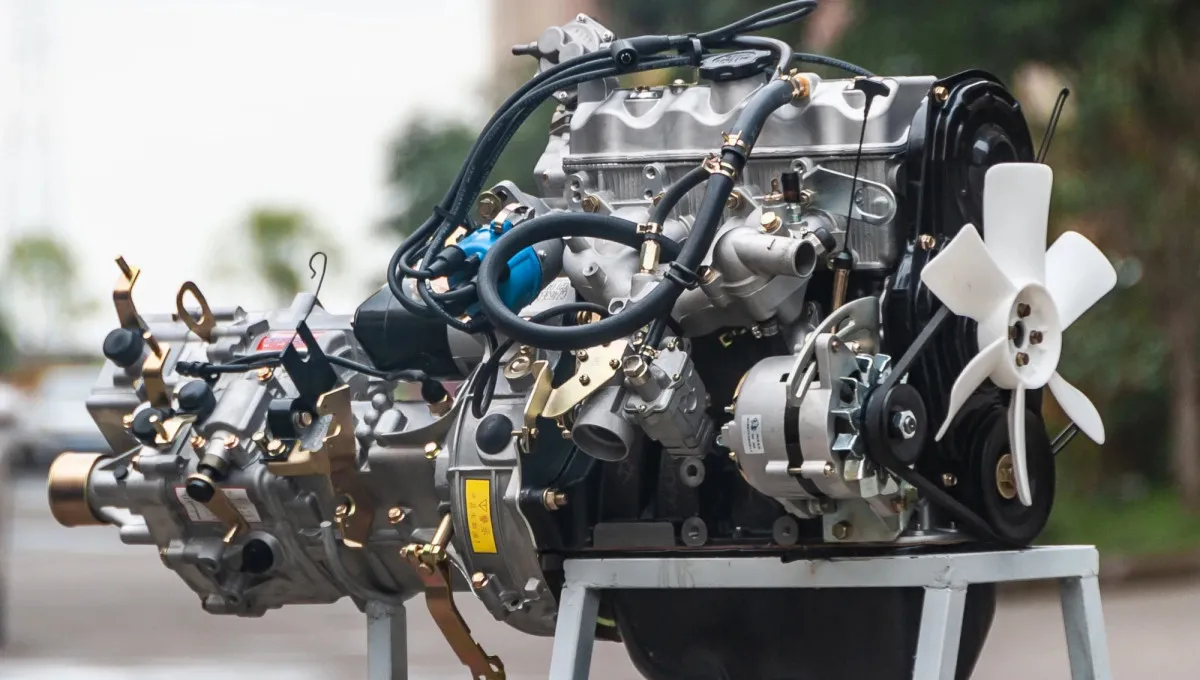
“Are You Sure It’s Chinese?” Who Really Builds China’s Car Engines
Who Really Develops China’s Car Engines?
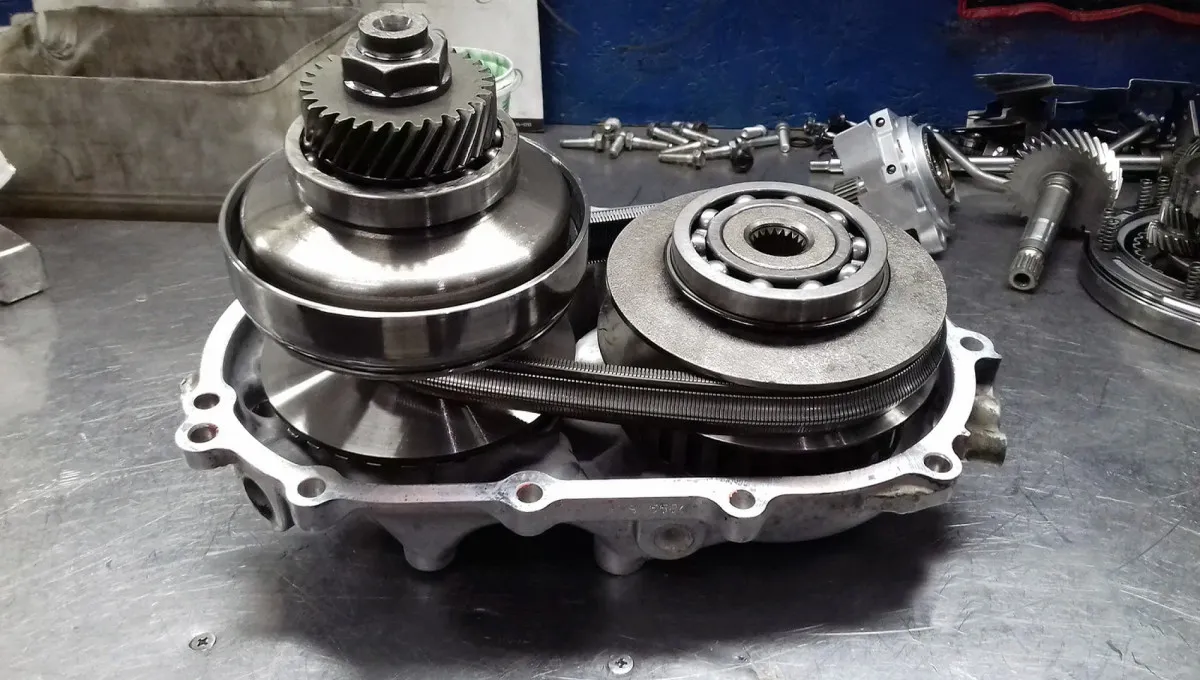
Why Experienced Drivers Still Warn Against Buying a Used Car With a CVT
CVTs offer smooth acceleration and good fuel economy, but expensive repairs and durability concerns make used models risky.
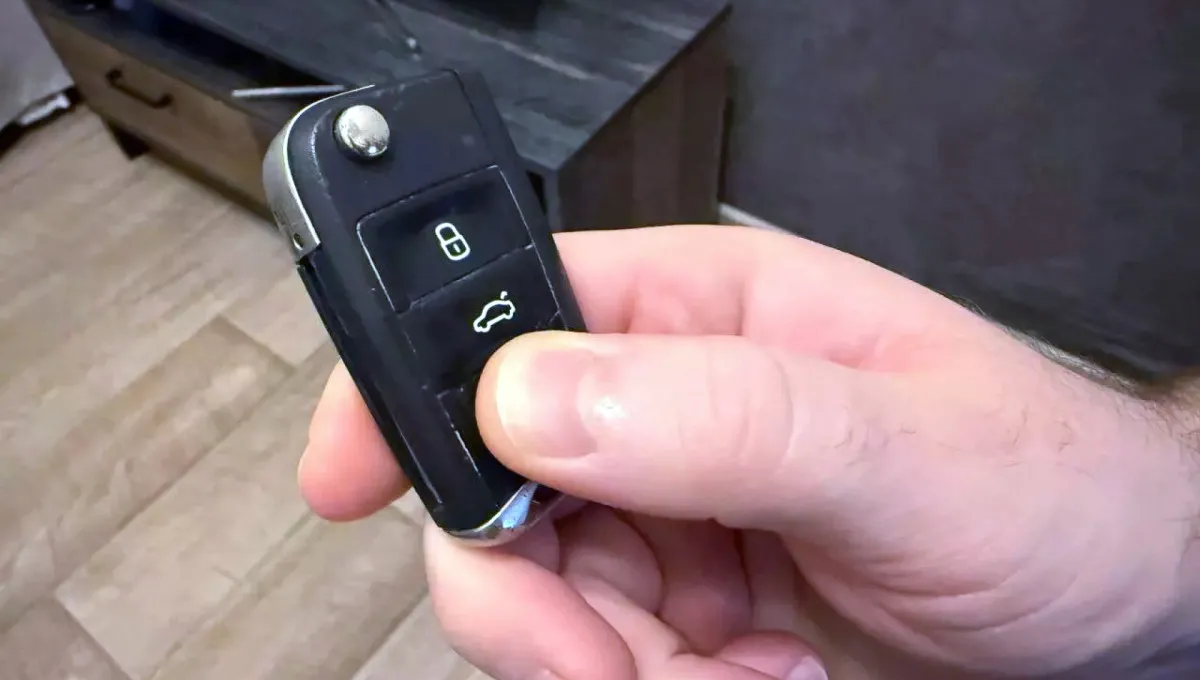
Hidden Key Fob Trick: Open All Your Car Windows With One Button
An auto mechanic explains how drivers can remotely open and close car windows using a key fob, provided the vehicle has the right hardware.
8 Car Maintenance Mistakes That Could Cost You Thousands if You Wait Too Long
Depending on driving conditions, some maintenance tasks may need to be performed sooner and more often than the automaker recommends.

How Long Will Your Car Last? A Guide to Making It Age Gracefully
Automotive experts explain how routine maintenance and timely replacement of aging components can help your car last longer.