
The Land Cruiser 200 Isn’t Immortal: 10 Hidden Flaws Owners Are Tired of Ignoring
Big, thirsty and prone to rust: What Land Cruiser 200 owners really say about Toyota’s off-road icon

Can the Toyota Land Cruiser 200 truly be called a flawless legend? Ask real owners, and the picture gets less glossy. From rust issues to spongy brakes, there’s a side of this “off-road god” you’ll never see in a commercial.
The Land Cruiser 200 has long enjoyed one of the strongest reputations in the SUV world. It’s respected for its sheer size, highway comfort, image, and—above all—its famed durability. But behind the myth of the “unbreakable Toyota” are plenty of details owners either downplay or stay silent about. After reviewing feedback from multiple owner communities, one thing becomes clear: even the 200-Series has cracks in its armor.
Let’s start with the mechanical side. Owners of the 4.5-liter diesel V8 (sold in select markets) report noticeable oil consumption and premature wear of the water pump. The hydropneumatic suspension, while plush on rough roads, requires constant attention and isn’t cheap to maintain. The body, despite its mass, can be surprisingly vulnerable to corrosion—especially in areas where roads are treated with aggressive chemicals. As one owner joked, “You don’t just wash a Land Cruiser, you treat it for rust like a patient.”
Daily driving exposes even more compromises. Yes, the cargo space is huge, but the layout isn’t always practical. The seats are wide yet oddly unsupportive compared with modern European rivals. Braking performance is a recurring complaint: the pedal feels soft, the front end dives under hard stops, and the rotors are known to warp—sometimes under normal use.
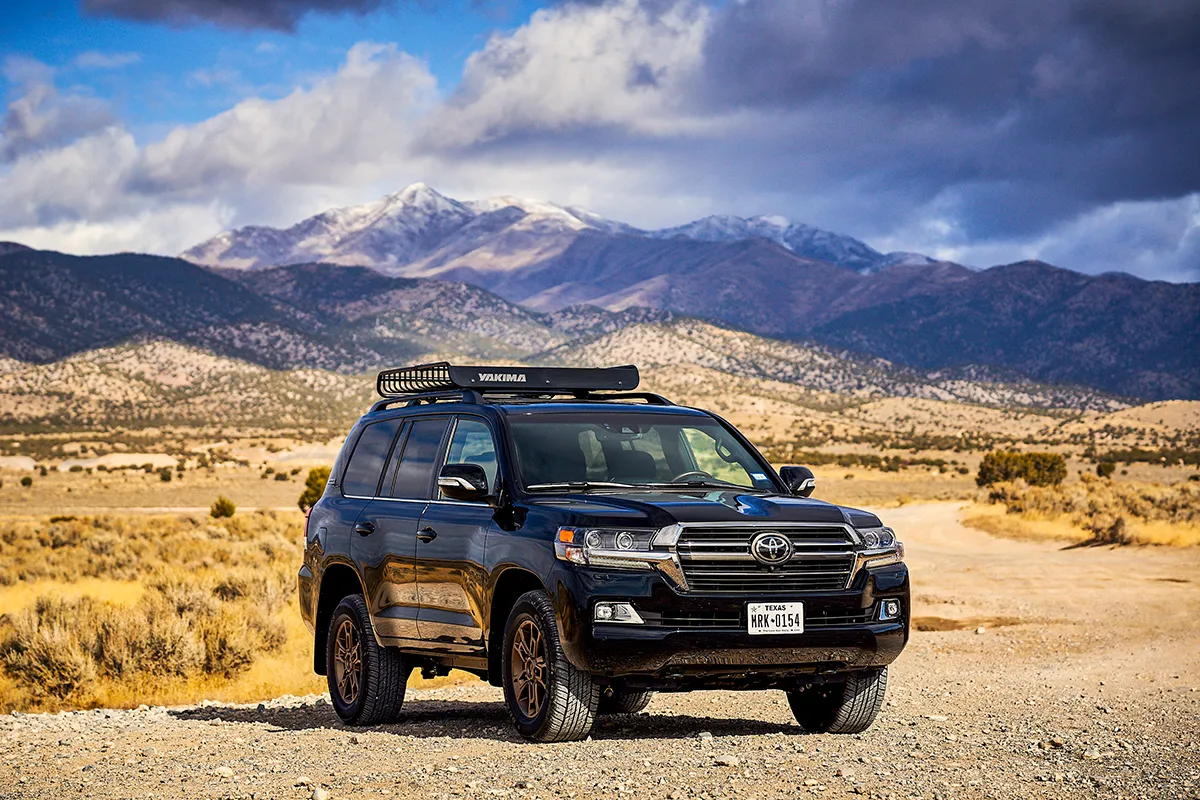
Handling is another sore spot. With its high center of gravity and soft suspension, the SUV leans heavily in corners, and on uneven pavement the rear axle can shimmy just enough to unsettle the driver. Even with versions rated at 288 horsepower, acceleration feels adequate at best—and stopping requires planning. In tight city environments, the Land Cruiser’s bulk turns simple tasks like parking or U-turns into a chore.
Fuel economy? That topic borders on comedy. Owners report as low as 11–14 MPG in city driving, and rarely better than 17 MPG on the highway. Official numbers paint a rosier picture, but drivers filling up every few days say otherwise. The issue is less about cost and more about inconvenience.
Inside, the story is mixed. Despite its premium badge, the cabin shows its age in small but annoying ways: no heated steering wheel on many trims, a noisy HVAC fan that constantly blasts air at your feet, and paint that scratches at the slightest touch of a branch. Narrow side steps make entry awkward—especially for kids—and floor mats still manage to slide around even with retention clips.
Lighting also disappoints. The factory halogen headlights and fog lamps feel weak by 2010s standards, pushing many owners to upgrade to LEDs immediately. Another winter frustration: no heated washer nozzles, which becomes a headache in cold climates.
Even the fabled “Toyota reliability” faces occasional reality checks. Yes, the 200 breaks less often than most SUVs—but issues like leaking steering racks, transmission quirks, failing parking sensors, or noisy alternators are not uncommon past 90,000 miles. Most owners forgive these problems because the truck as a whole still feels solid. But the myth of invincibility doesn’t quite hold.
In the end, many owners admit the truth: the Land Cruiser 200 is overkill as a city vehicle. Its strengths—long-distance comfort, cargo capability, and brutal off-road toughness—don’t matter in suburban traffic. Meanwhile, its weaknesses—size, fuel appetite, and ponderous handling—become impossible to ignore. After a few years, some trade it in for more modern, balanced crossovers and simply say: “The Cruiser is great—just not for everyone.”
So the legend lives on, not because the Land Cruiser 200 is perfect, but because it’s predictable, durable, and commands respect. And sometimes, that’s enough to keep an icon alive.
You may also be interested in the news:
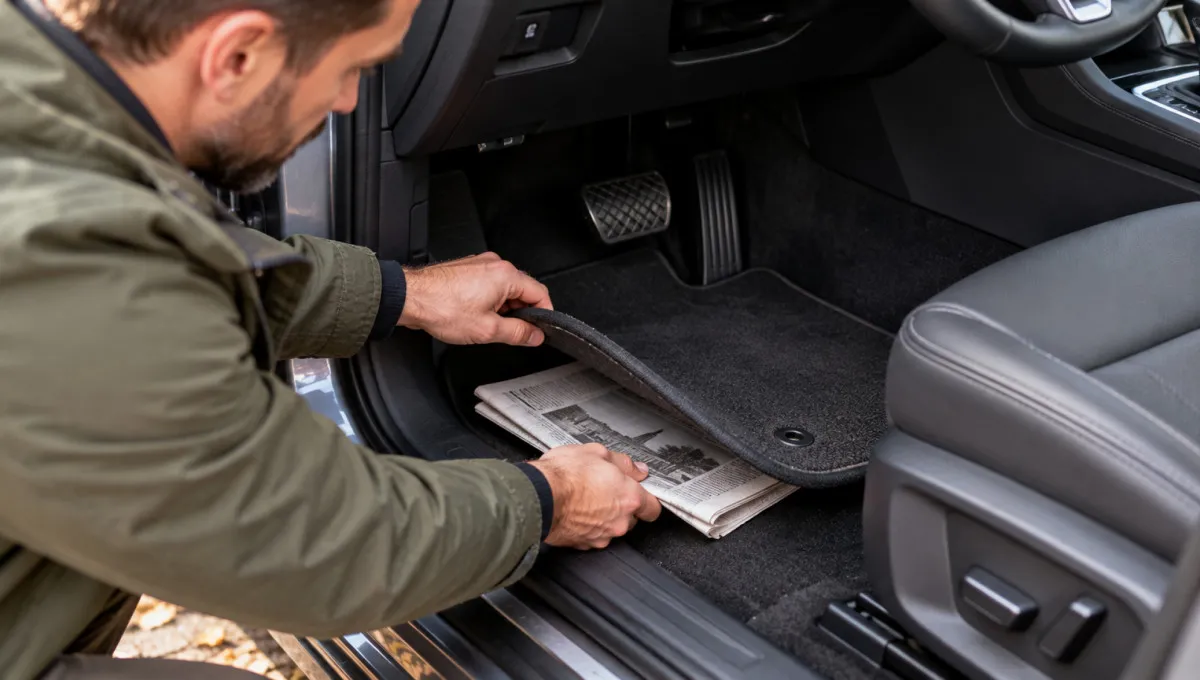
When the First Freeze Hits, Put Newspaper Under Your Floor Mat: An Old Winter Driving Trick
Newspaper under a floor mat can help protect a car's floor from winter moisture, but it requires regular attention.
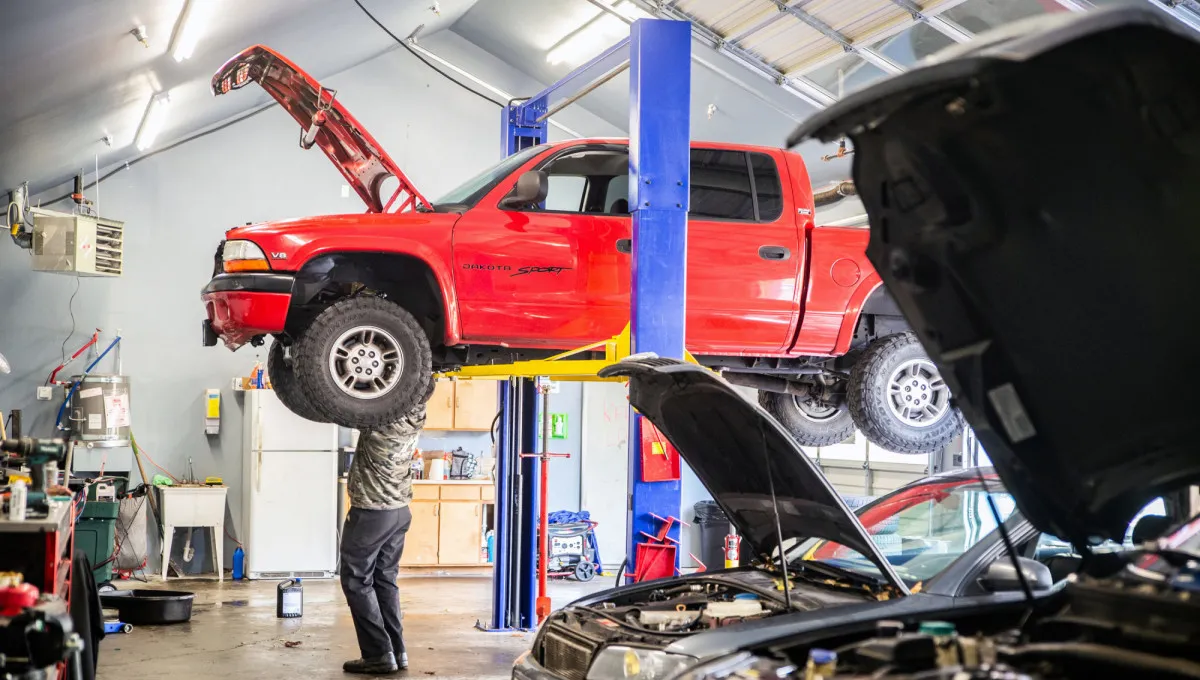
How a Repair Shop Can Overcharge You: What Every Driver Should Know
An experienced mechanic knows how to increase a repair bill, and drivers should know what to watch for before approving work.
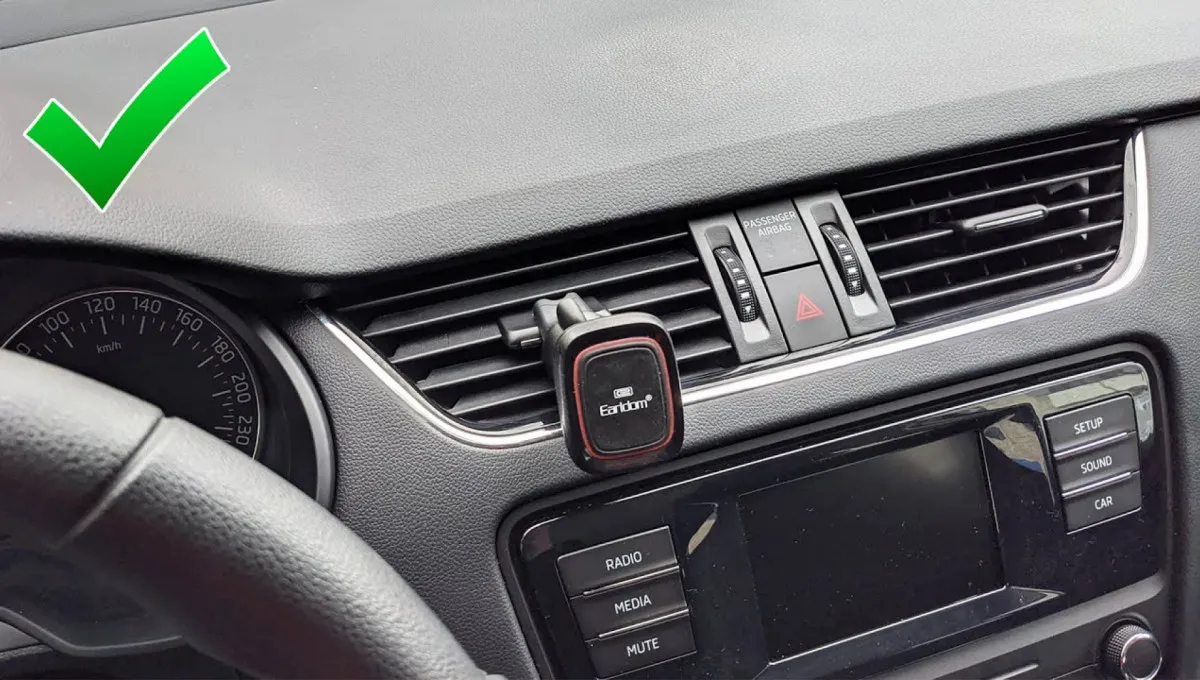
How to Find the Source of a Car Interior Rattle in 15 Minutes
A simple trick can help drivers pinpoint an annoying interior rattle without taking apart half the cabin or visiting a repair shop.
The Dent Can Disappear Without a Trace: How to Repair Car Body Damage Without Paint
Paintless dent repair can restore a damaged panel to its original shape, but only when certain conditions are met.
Not Ford, BMW or Audi: Mechanic Names the Car Brand That Almost Never Breaks Down
Auto repair professionals reveal which models rarely suffer major failures and which ones repeatedly end up on the lift.