
Most Americans Don’t Realize What Else the RSCA Button Can Do
RSCA OFF — what does this button actually do? And why should you always press it when driving off-road?
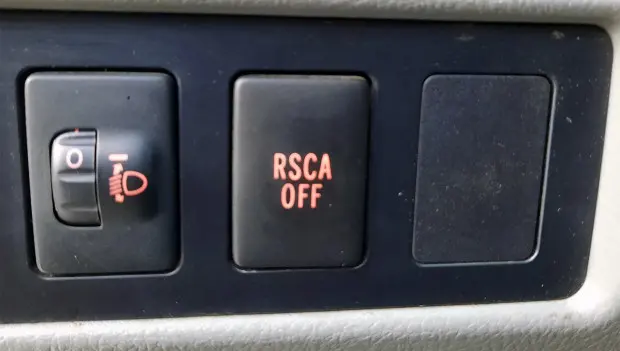
Many off-road vehicles come with an interesting little button labeled “RSCA OFF.” But not every driver knows what this feature is for—or why it even exists on a 4x4.
To understand it, you need to know how your vehicle’s safety systems behave in different driving conditions. Contrary to what some drivers think, RSCA has nothing to do with traction control or stability control, and it doesn’t affect the vehicle’s off-road capability at all.
In fact, RSCA stands for Roll Sensing of Curtain Shield Airbags. It controls how the side curtain airbags and seatbelt pretensioners react in the event of a rollover.
How it works:When the RSCA system detects a critical tilt angle—or when two wheels on the same side lift off the ground—it immediately assumes the vehicle might be rolling over. The onboard computer goes into panic mode: while the stability control system tries to keep the SUV grounded, the seatbelts tighten and the side curtain airbags deploy.
All of this happens in a split second, designed so that if the vehicle actually tips over, the airbags are already inflated before the side hits the ground, protecting the driver and passengers from head injuries against the door frame or pavement.
So what about off-roading?
Off-road driving constantly puts the vehicle at extreme angles—on steep slopes, bumps, deep ruts, and uneven terrain. In these situations, it’s easy for the system to mistakenly interpret the motion as a rollover and deploy the airbags unnecessarily.
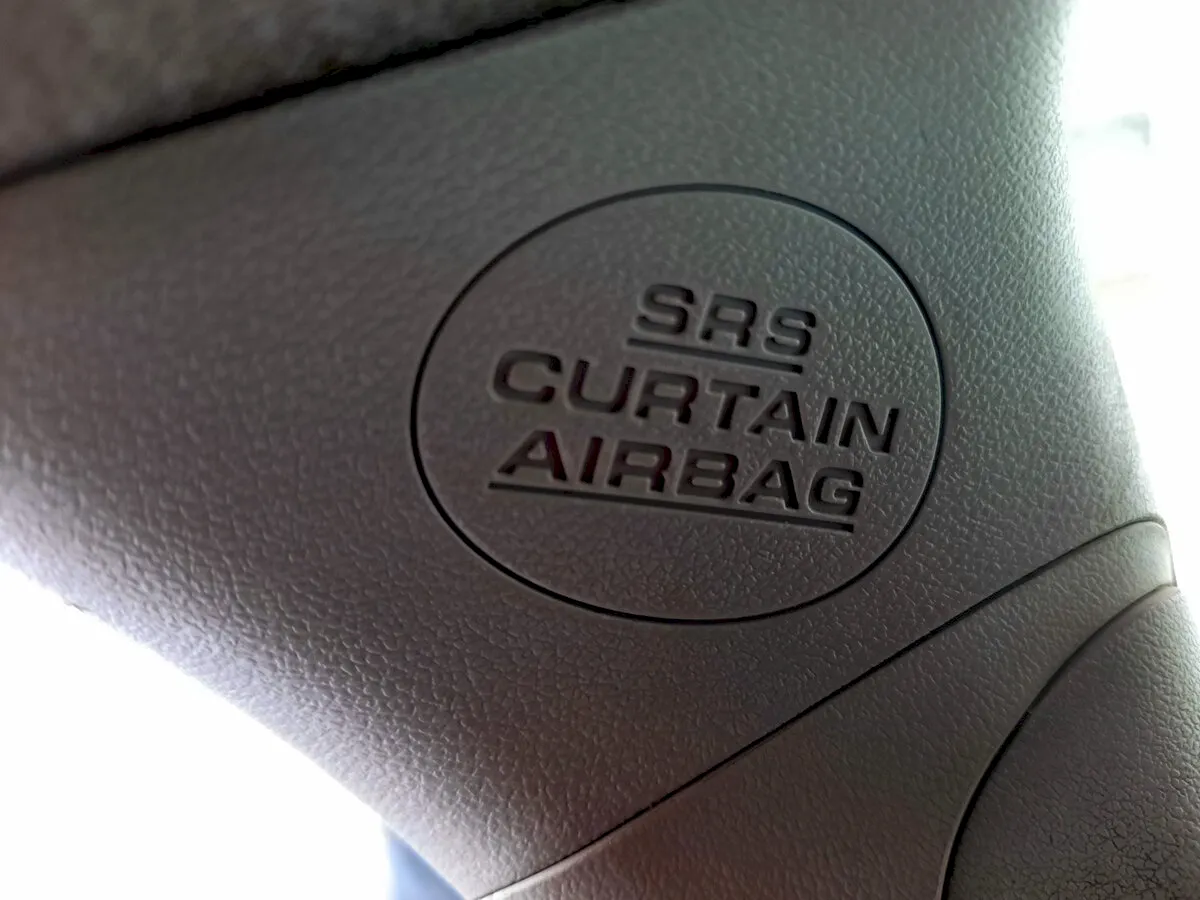
Now imagine this: you’re crawling through a muddy forest trail, finally reaching that perfect lake spot. You hit a hidden rock, the SUV jumps a little—and bam! you get smacked in the ear. That’s RSCA saying hello — the side curtain airbags just went off!
That’s why the RSCA OFF button exists.
It lets you temporarily disable the overly cautious rollover protection system while driving off-road, preventing accidental airbag deployment—and saving you from both a painful surprise and an expensive repair bill.
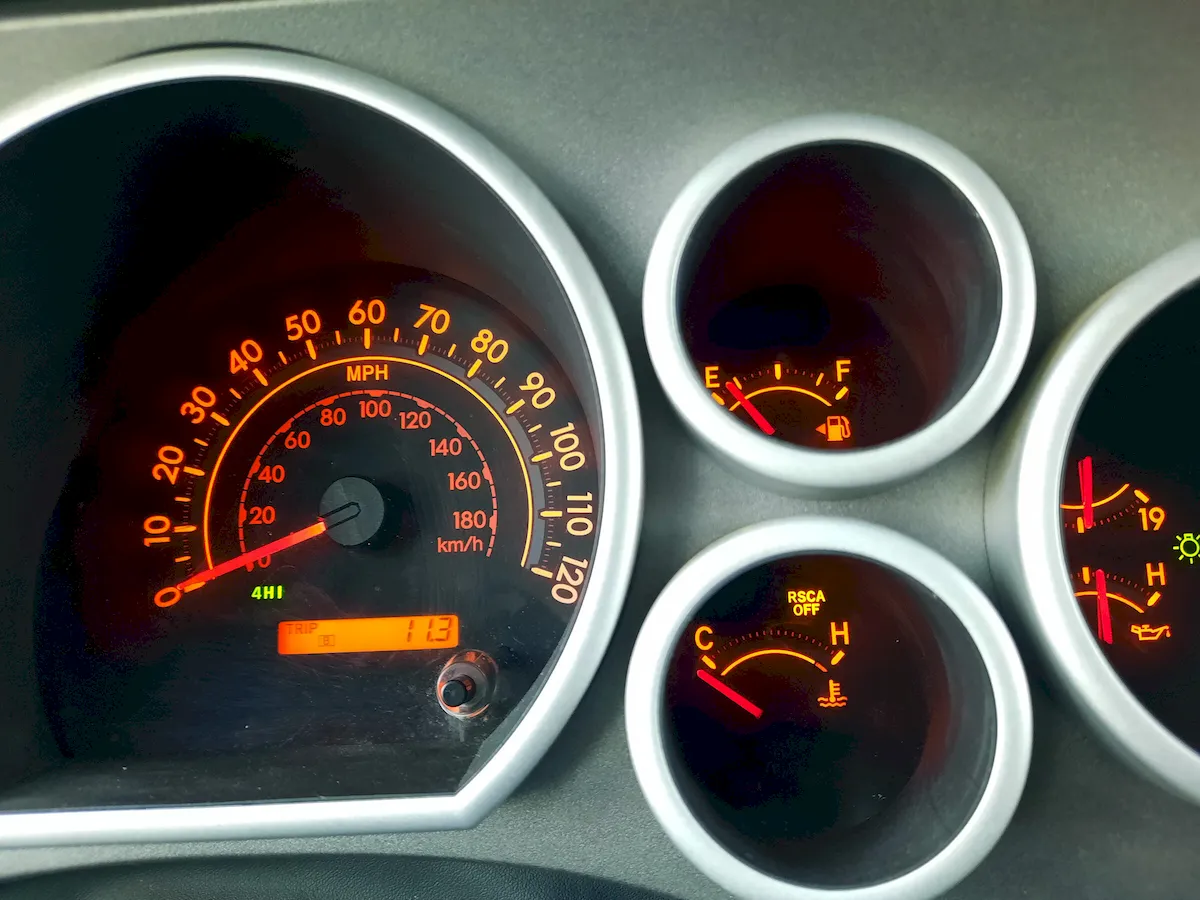
To turn it off, start the engine and press and hold the RSCA OFF button. If done correctly, a corresponding indicator light will appear on the dashboard.
Just don’t forget to turn it back on once you return to paved roads. The RSCA system is crucial for your safety in real rollovers or side impacts on highways and city streets.
You may also be interested in the news:
When the First Freeze Hits, Put Newspaper Under Your Floor Mat: An Old Winter Driving Trick
Newspaper under a floor mat can help protect a car's floor from winter moisture, but it requires regular attention.
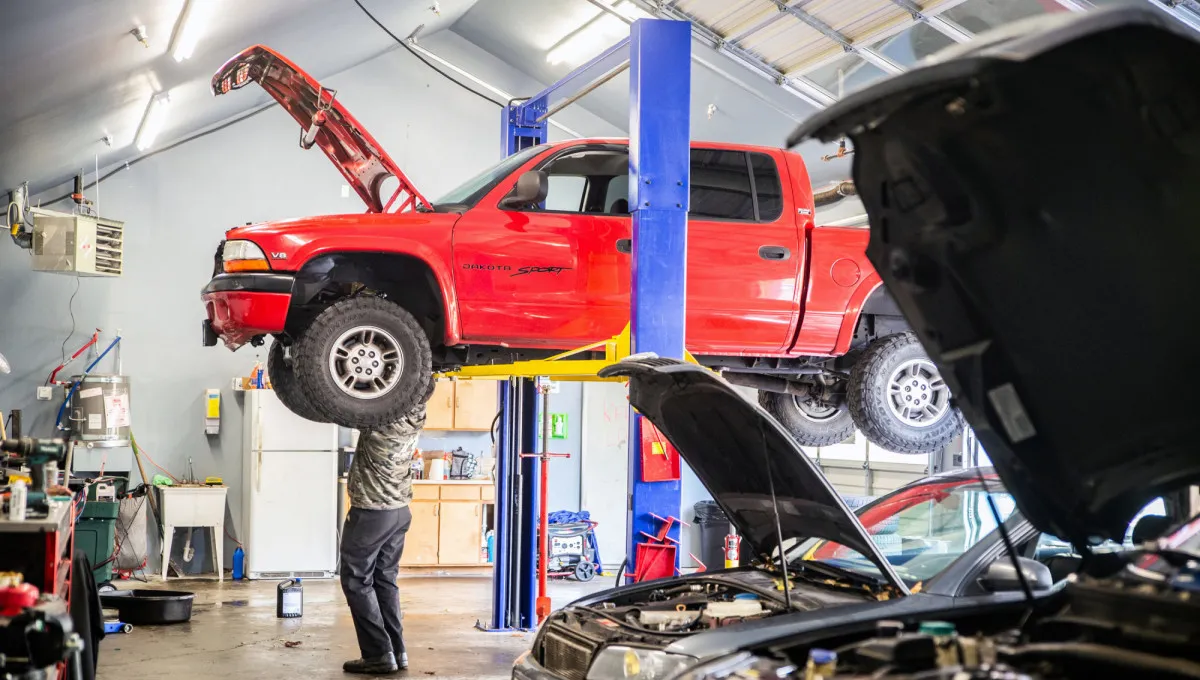
How a Repair Shop Can Overcharge You: What Every Driver Should Know
An experienced mechanic knows how to increase a repair bill, and drivers should know what to watch for before approving work.
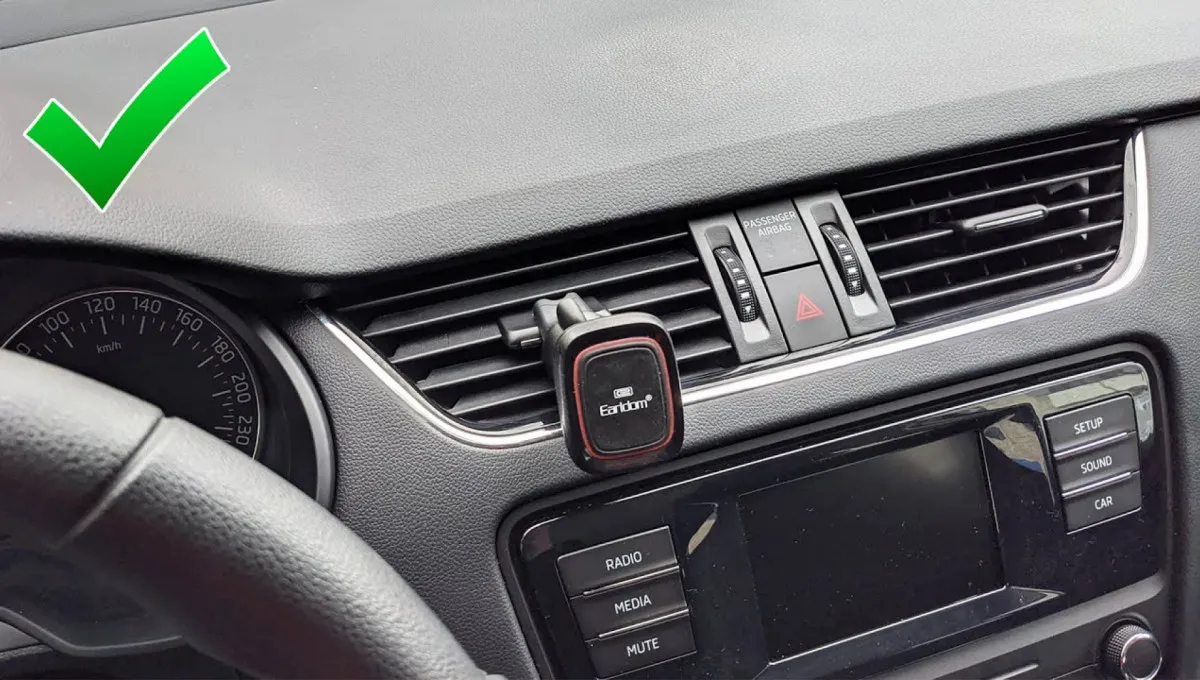
How to Find the Source of a Car Interior Rattle in 15 Minutes
A simple trick can help drivers pinpoint an annoying interior rattle without taking apart half the cabin or visiting a repair shop.
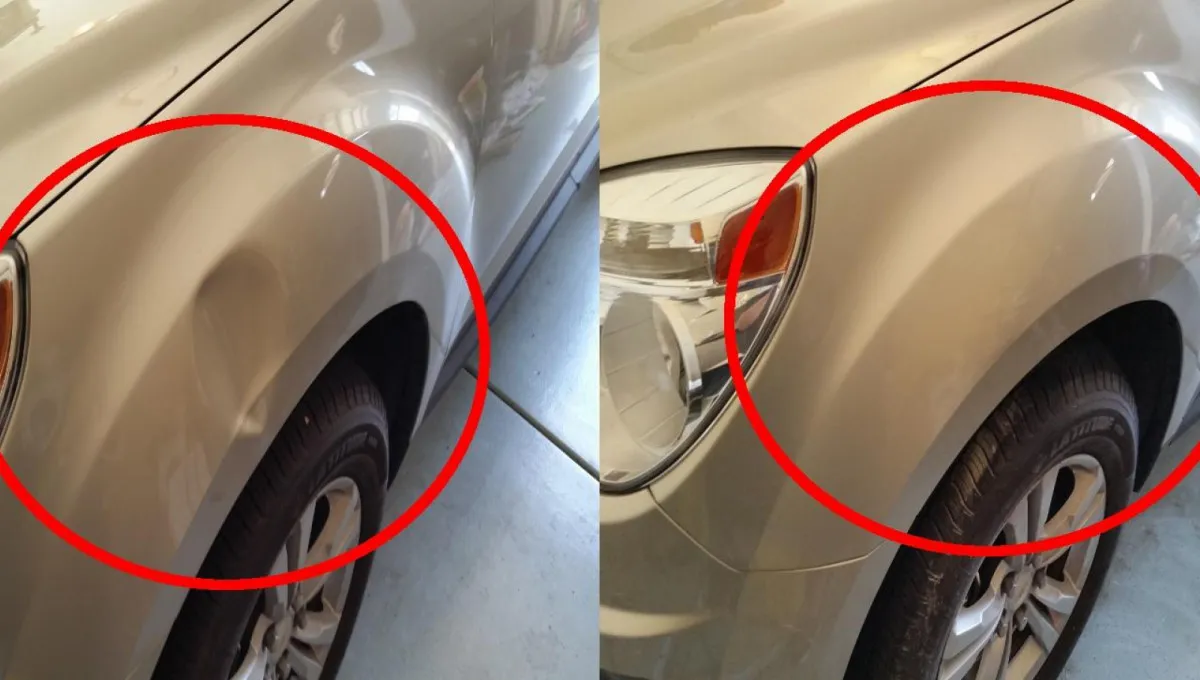
The Dent Can Disappear Without a Trace: How to Repair Car Body Damage Without Paint
Paintless dent repair can restore a damaged panel to its original shape, but only when certain conditions are met.
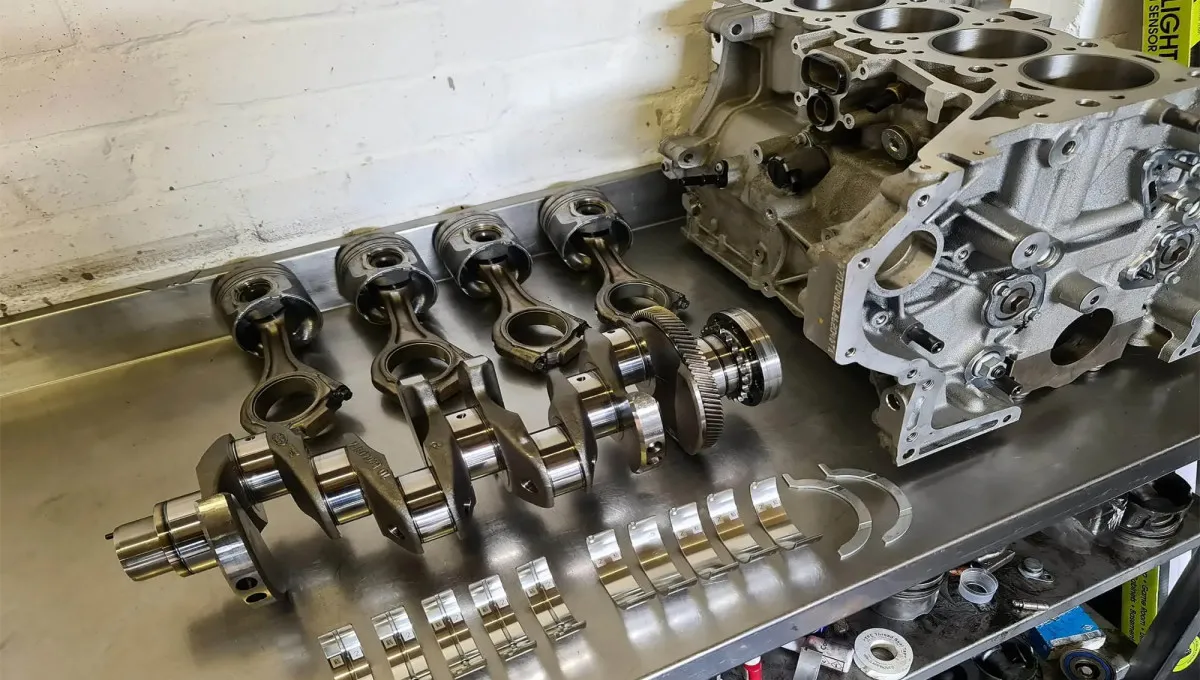
Not Ford, BMW or Audi: Mechanic Names the Car Brand That Almost Never Breaks Down
Auto repair professionals reveal which models rarely suffer major failures and which ones repeatedly end up on the lift.