
Lap Belts and Hood Ornaments: 5 Features in Old Cars That Were Flat-Out Dangerous
Automotive history is full of questionable design choices—some old car features were genuinely dangerous.
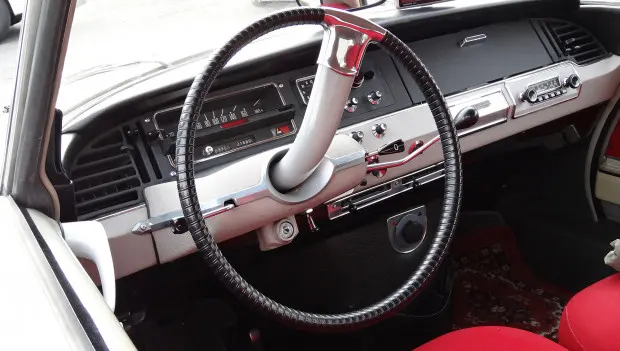
In modern vehicles, safety is a top priority, and most design elements are engineered to protect everyone on the road. But today’s progress often grew out of trial and error, back when cars were far less safe to drive. As a result, automotive history includes a number of truly questionable features that posed real dangers—but were thankfully phased out over time.
Here are five old car details that were openly hazardous.
1. Non-Collapsible Steering Columns
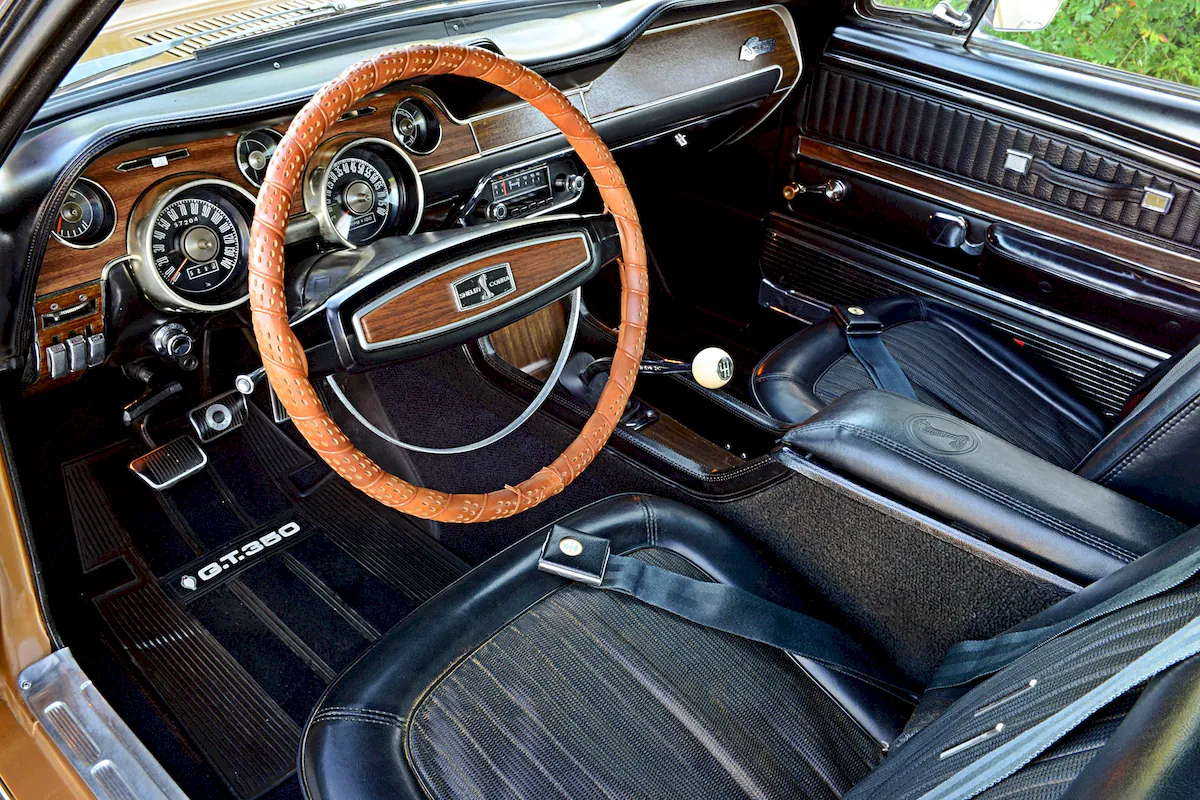
In most parts of the world, up until the early 1970s, cars were equipped with non-collapsible steering columns. These were rigid, all-metal shafts that directly connected the steering wheel to the front wheels.
The problem was that this design worked fine in normal driving—but in a high-speed frontal crash, the steering column effectively turned into a steel spear. It could literally impale the driver. Fortunately, these were eventually replaced by collapsible steering columns designed to absorb impact energy.
2. Lap-Only Seat Belts
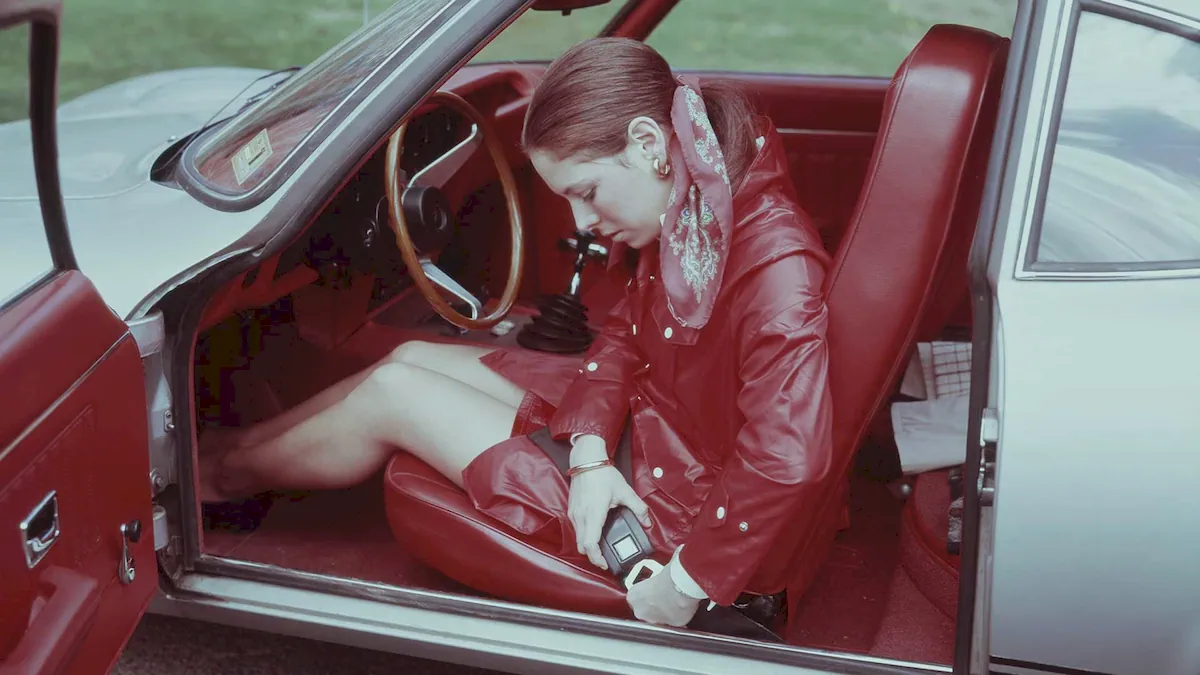
Early cars didn’t have seat belts at all. Today, shoulder belts are standard—but there was an intermediate stage when only lap belts were used. They began appearing in passenger cars around the mid-20th century.
Their effectiveness, however, was limited. While lap belts helped prevent occupants from being ejected during a crash, they did little to protect the upper body and head. It took several more decades before the safer three-point shoulder belts—patented back in 1955—became standard equipment across the automotive industry.
3. Pop-Out Windshields
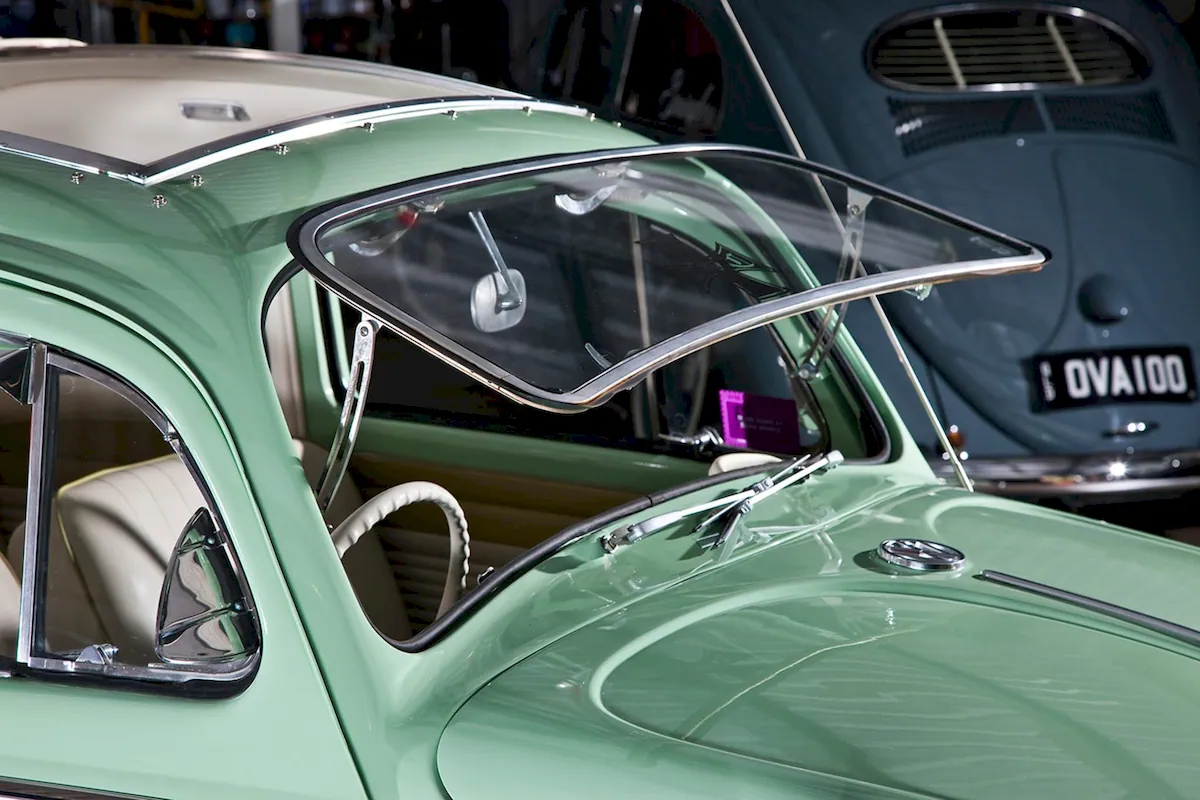
This unusual feature could be found on cars from the mid-20th century. The pop-out windshield was originally marketed as an innovative safety solution. The idea was that, in an emergency with no other way out, the windshield would eject automatically, allowing occupants to escape while reducing the risk of cuts from shattered glass.
In reality, the system caused more problems than it solved. The lack of proper sealing meant debris could enter the cabin during a crash. Worse still, occupants could be thrown completely out of the vehicle in high-speed collisions—especially since seat belts were often treated as optional at the time. Eventually, engineers concluded that it was far safer to design windshields that stay in place during an impact, offering far more benefits than drawbacks.
4. Rear-Mounted Fuel Tanks

A common design trend throughout much of the 20th century was placing the fuel tank behind the rear axle. It took automakers a long time to fully recognize how dangerous this layout could be.
In a high-speed rear-end collision, a rear-mounted fuel tank becomes one of the vehicle’s most vulnerable points. The worst-case scenario is a fire or explosion, though even a fuel leak presents serious risks. What’s especially surprising is that despite safety concerns being raised as early as the 1970s, fuel tanks weren’t widely moved ahead of the rear axle until about 25 years later.
5. Body Trim and Hood Ornaments
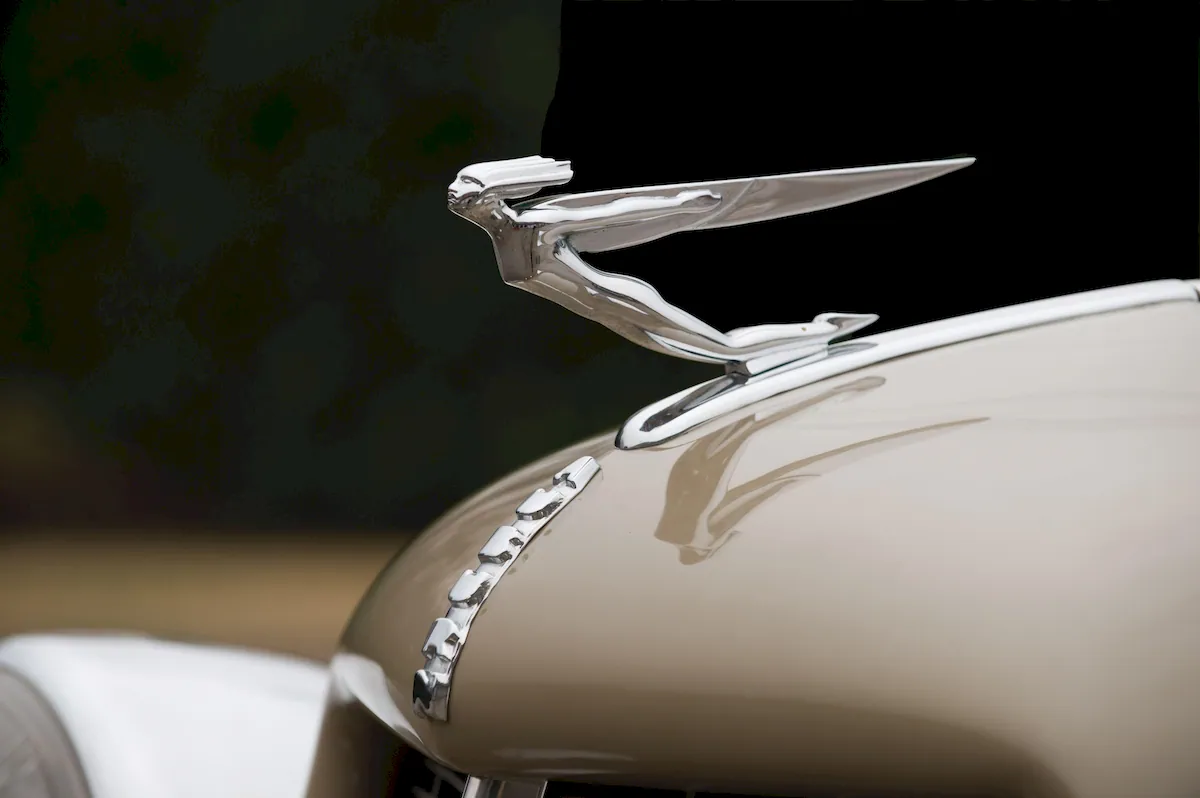
Look at modern cars and you’ll notice that most of them lack prominent emblems or decorative elements. Older cars, by contrast, often featured elaborate hood ornaments and chrome trim. Their disappearance, oddly enough, is also tied to safety concerns.
These rigid decorative elements could cause additional injuries to pedestrians struck by a vehicle. In collisions between cars, they could snap off and fly through another vehicle’s windshield, causing even more damage. As a result, some manufacturers eliminated raised emblems entirely, while others engineered hood ornaments designed to retract or collapse on impact.
What once seemed stylish or innovative often turned out to be dangerous—and the lessons learned from these designs helped shape the much safer cars we drive today.
You may also be interested in the news:
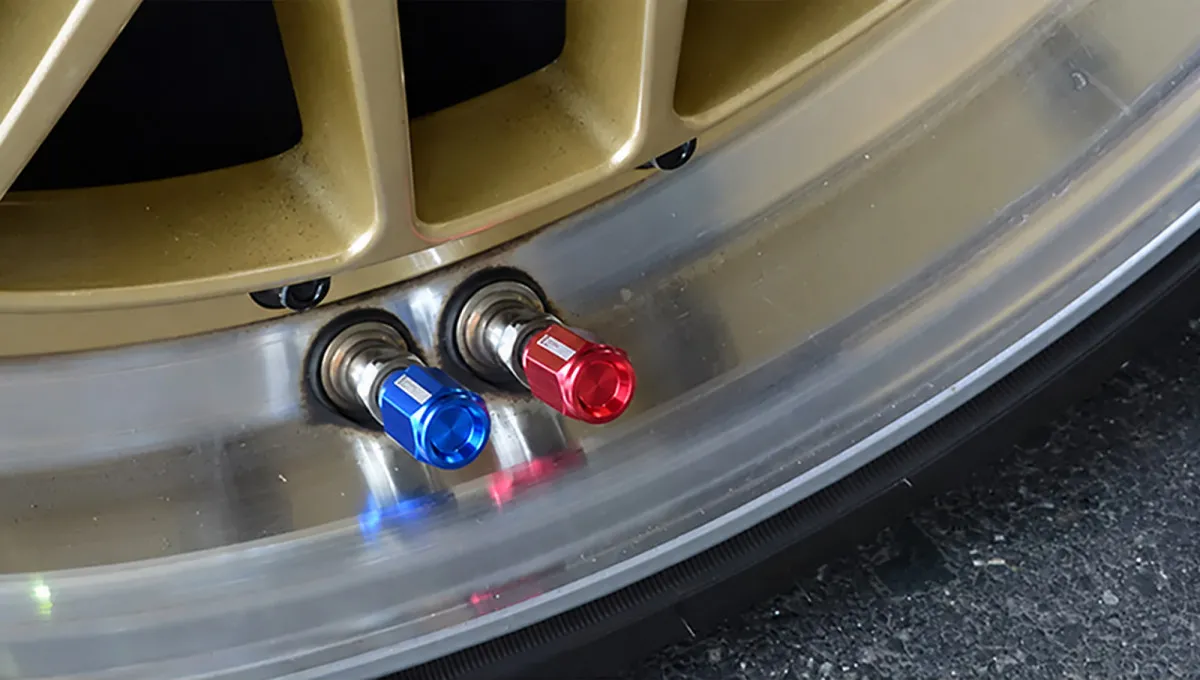
Not a Manufacturing Error: Why Some Wheels Have Two Valve Stems
Two valve stems on one wheel may look unusual, but the setup serves a practical purpose in racing and specialized tire service.
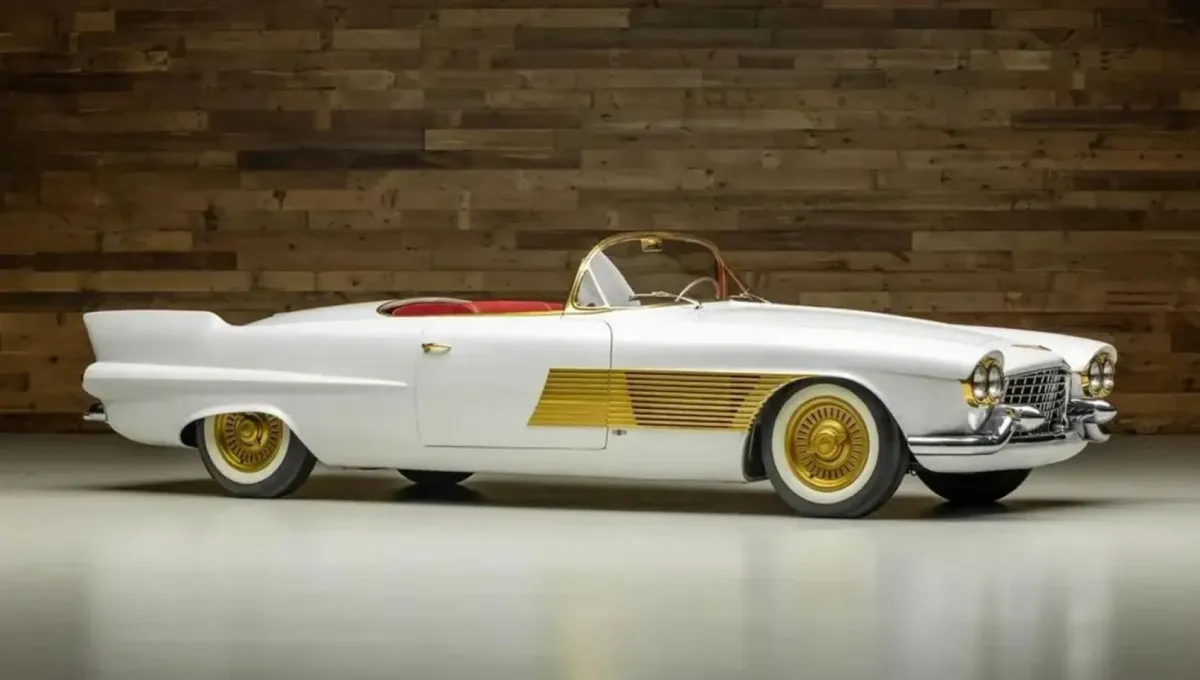
Gilded 1953 Cadillac Sells for a Record $1.275 Million
The unique Cadillac Elegante, featuring an Italian aluminum body and 24-karat gold trim, went to auction for the first time more than 70 years after it was built. It became the most expensive Cadillac ever sold at public auction.

Why Your Neighbor Always Parks With the Wheels Turned: An Auto Expert Explains Three Reasons
Straight wheels aren’t always the smartest choice: experienced drivers turn them for three practical reasons you may not expect.
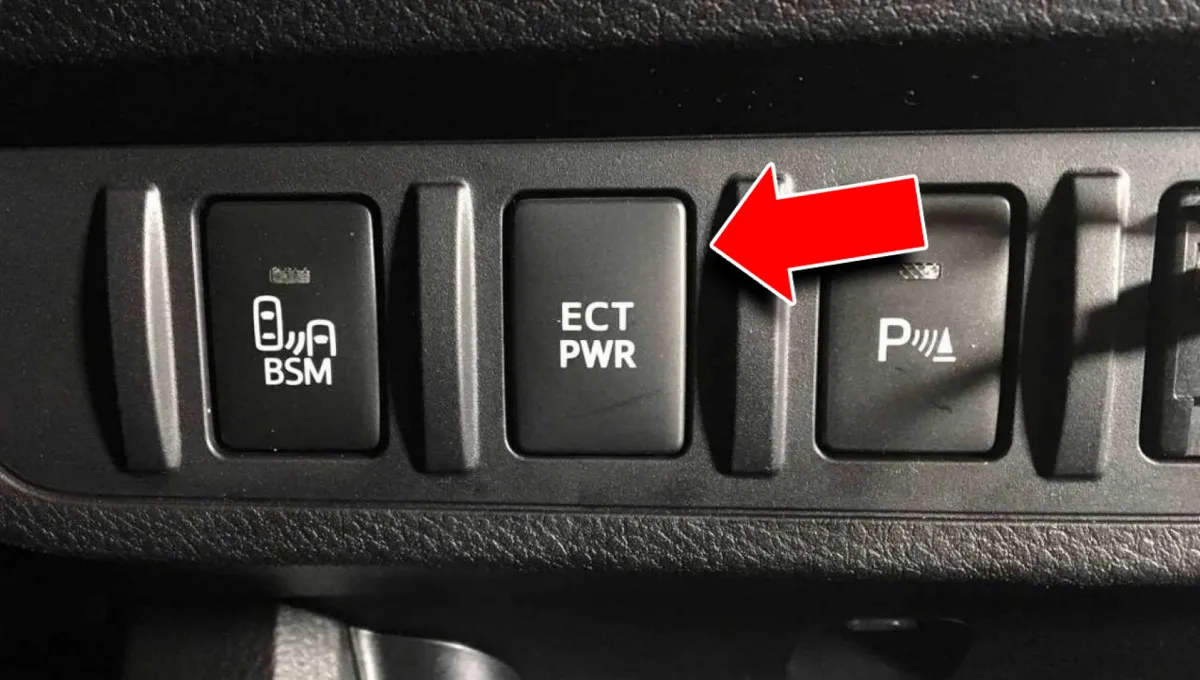
You Hit ECT PWR and Your Toyota Suddenly Wakes Up: What That Mysterious Button Really Does
This little button can change the way a Toyota drives, but plenty of owners have no idea what actually happens when they press it.
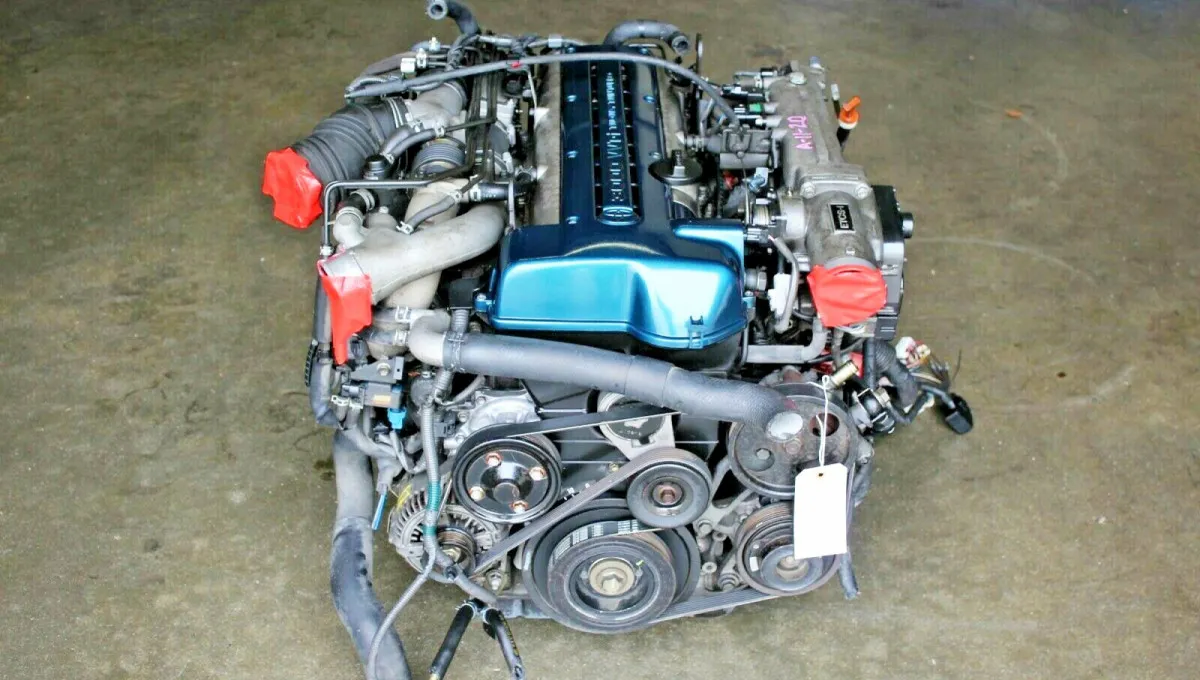
Toyota Built It to Survive 300,000 Miles. Tuners Turned It Into a 2,000-HP Beast
Toyota engineers may have gone too far with durability — and accidentally created the ultimate engine for hot-rodding.