
Five Simple Signs Your Automatic Transmission May Be About to Fail
Several common warning signs can signal automatic transmission trouble long before a costly breakdown occurs.

Like any major component in a vehicle, an automatic transmission can eventually fail. The good news is that it rarely happens without warning. In many cases, the transmission begins to show clear signs that something isn’t right, giving drivers time to visit a repair shop before the damage becomes serious.
Here are five common warning signs that your automatic transmission may soon need attention.
Transmission Fluid Leaks
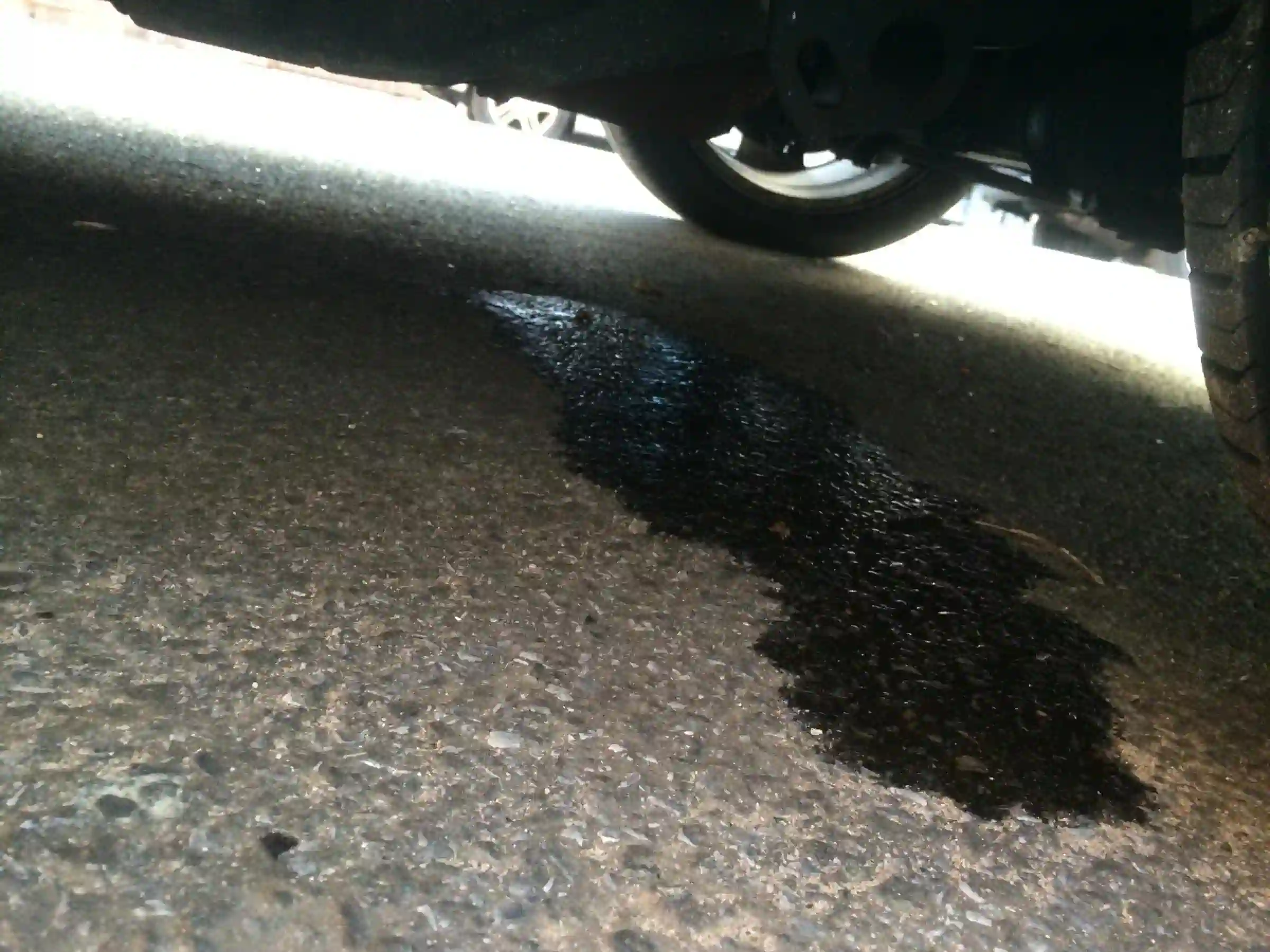
One of the most obvious indicators is leaking transmission fluid. If fluid is escaping through worn seals or gaskets, there’s a strong chance the automatic transmission could develop serious problems in the near future.
Fortunately, this issue is usually easy to spot. A mechanic can lift the vehicle and quickly check for leaks around the transmission housing and lines.
Strange or Erratic Behavior
If the transmission’s valve body begins to malfunction, the car may start behaving unpredictably. Drivers may notice sudden jerks, vibrations, or harsh shifts while accelerating or changing gears.
In some cases, the vehicle might even produce sharp jolts or thumps during gear changes. These symptoms are a clear warning sign that the transmission system needs immediate inspection.
Slipping During Acceleration
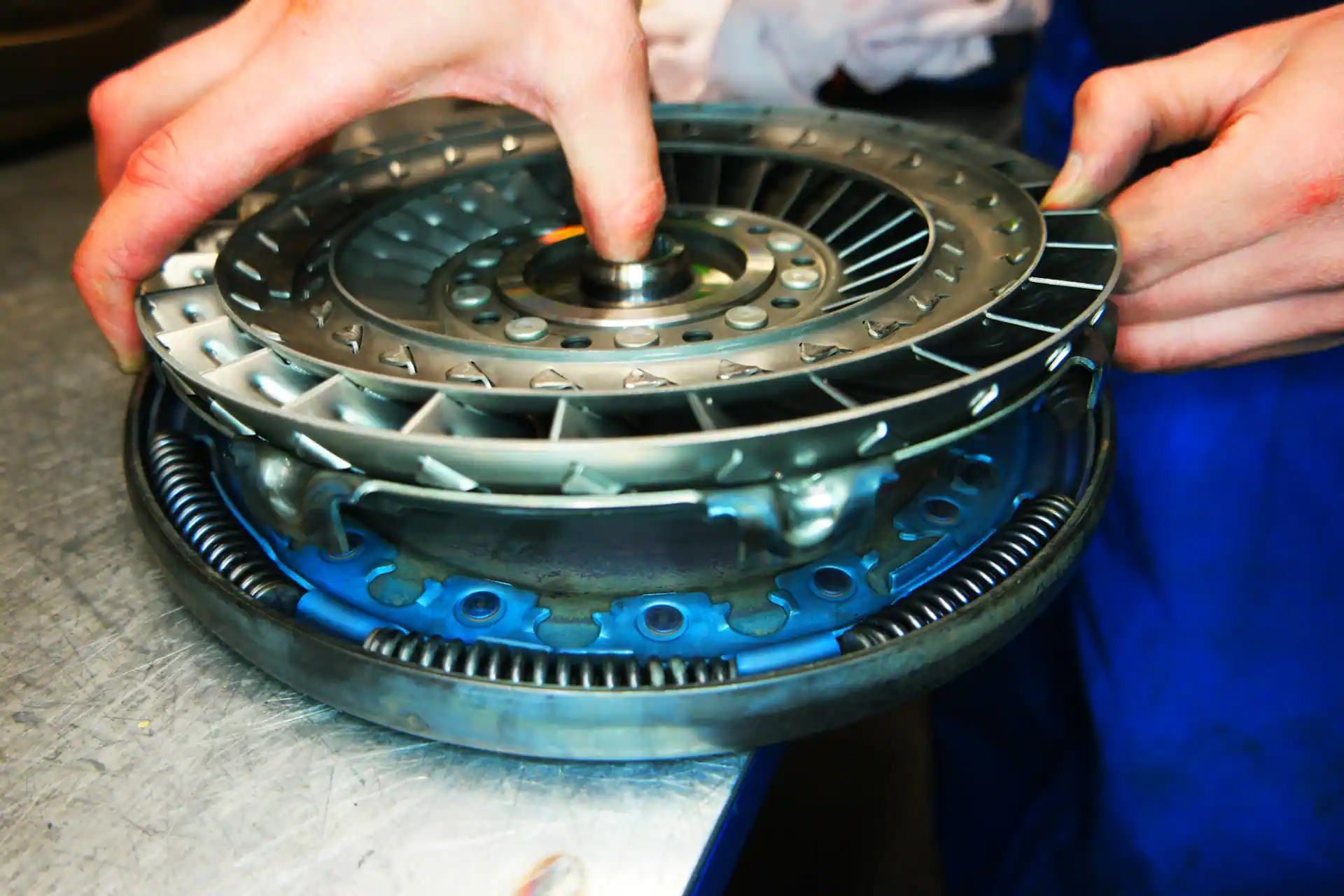
Another common issue involves the torque converter. Wear inside this component—such as worn turbine splines, damaged blades, or worn clutch linings—can cause the converter to slip.
When this happens, the car loses responsiveness and feels sluggish when the driver presses the accelerator. Instead of accelerating smoothly, the engine revs while the vehicle gains speed more slowly than expected.
Unusual Noises
If you suddenly hear unfamiliar noises coming from the area where the torque converter sits, it could indicate internal damage. Grinding, whining, or rattling sounds often appear when internal components start to wear out.
In many cases, the noise is caused by a failing hub or worn bearings inside the assembly.
Dark or Burnt Transmission Fluid
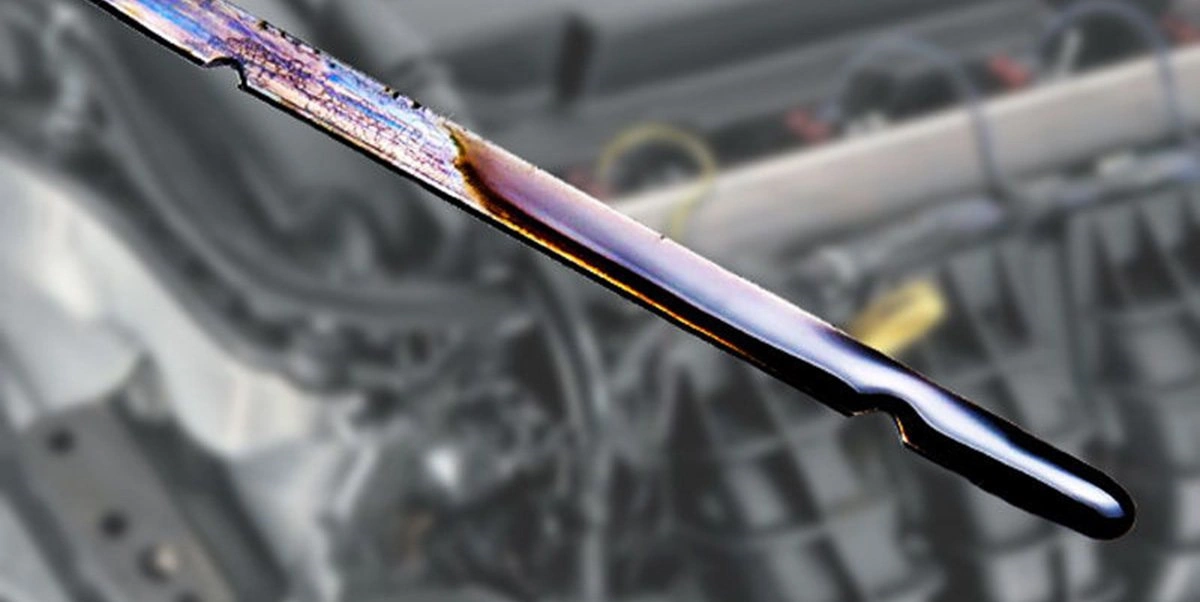
Checking the transmission dipstick can also reveal problems. Healthy transmission fluid usually appears red or reddish-brown. If the fluid on the dipstick looks black instead, it’s a cause for concern.
An especially troubling sign is a strong burnt smell. This often indicates excessive wear of internal clutch materials or possible gear damage inside the transmission.
If you notice fluid that is both dark and burnt-smelling, it’s best to have the vehicle inspected as soon as possible.
Recognizing these warning signs early can help drivers avoid major transmission repairs that can easily cost $3,000 to $5,000 or more. Regular inspections and timely maintenance remain the best way to keep an automatic transmission operating reliably for years.
You may also be interested in the news:
Windshield Washer Fluid Frozen in the Reservoir? Here’s How to Thaw It
A frozen washer system can catch drivers off guard, especially when a cold morning reveals that yesterday’s windshield washer suddenly stopped working.
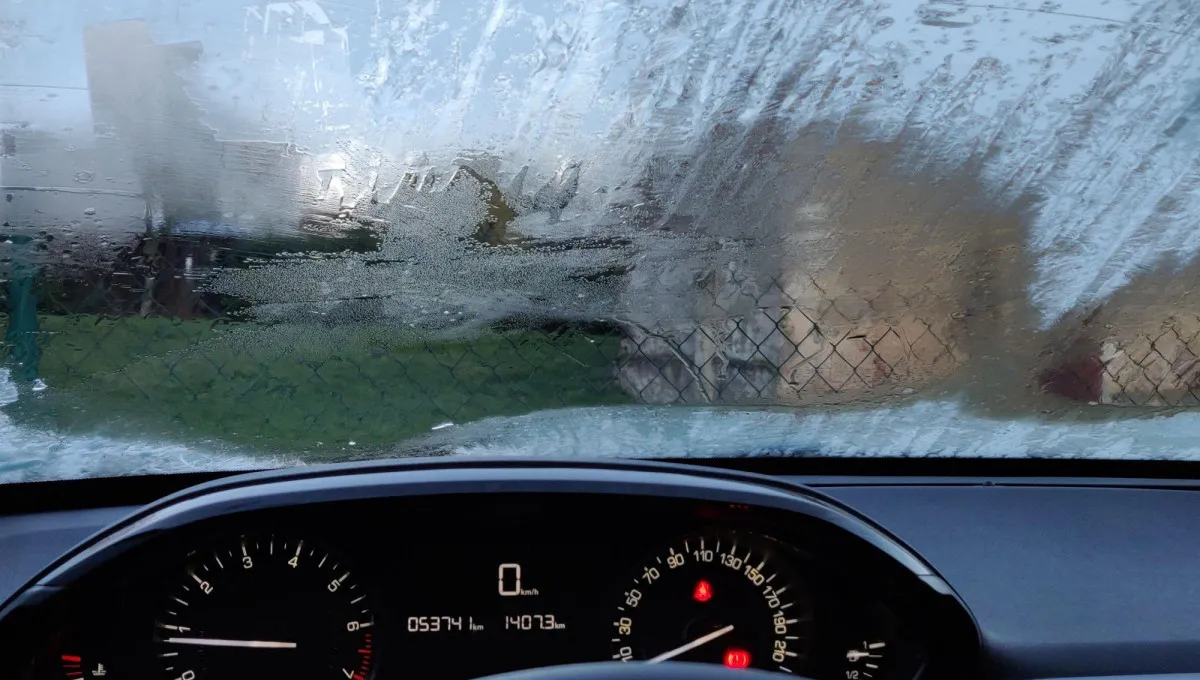
One Car Button Can Make Your Windows Fog Up Faster: What Not to Do in the Rain
Moisture brought into the cabin by drivers and passengers can linger in the air and settle on cold windows, reducing visibility.
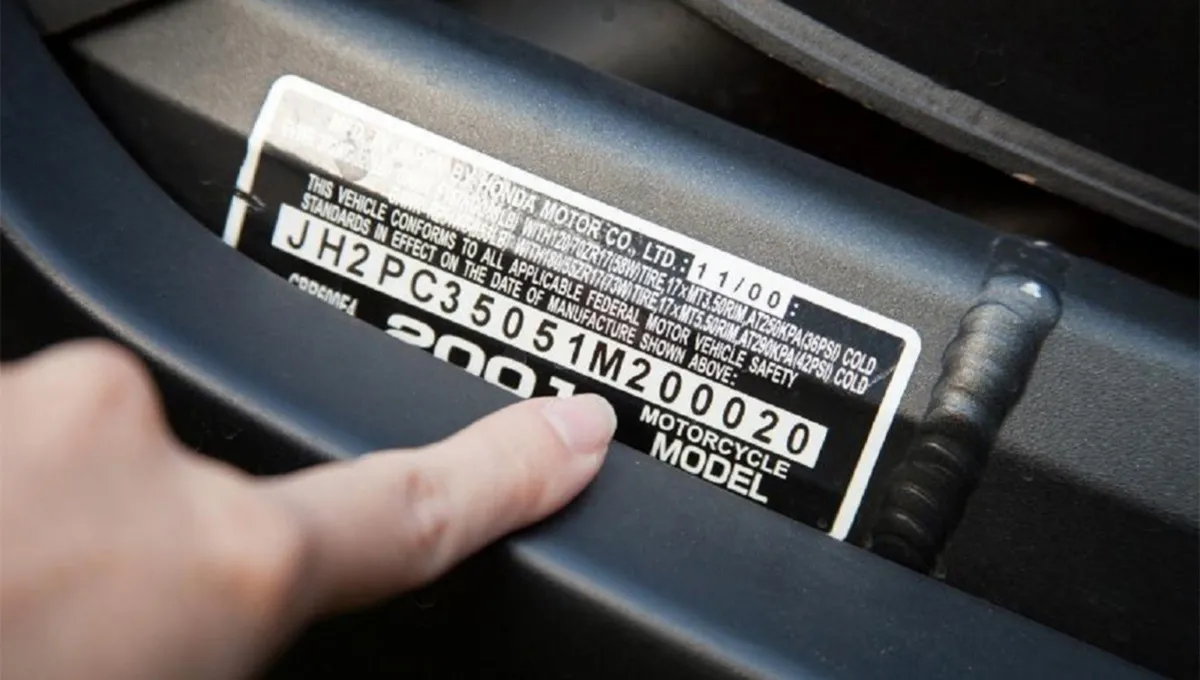
VIN-Based Auto Parts Lookup: Where Buyers Make the Most Mistakes
A VIN helps identify the right replacement part for your vehicle, but it cannot account for every change. Here’s what sellers need to know.
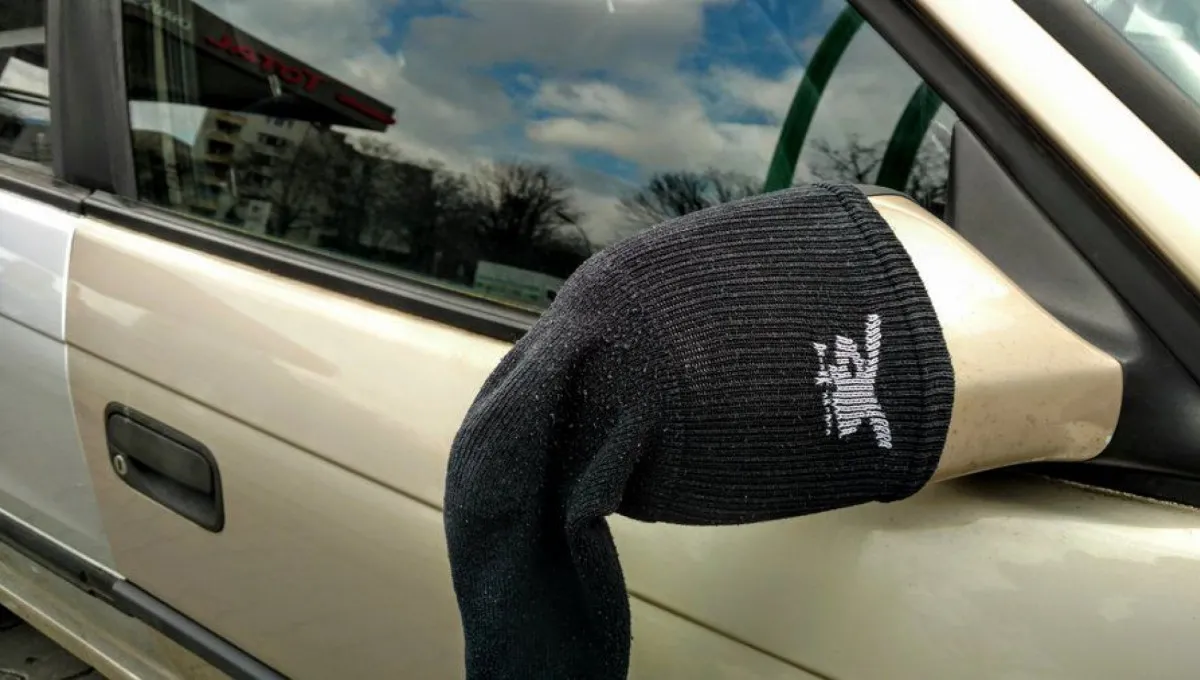
Why Experienced Drivers Put Socks on Their Car Mirrors in Fall: The Clever Trick Explained
An old pair of socks can help reduce frost buildup on your side mirrors overnight, saving time on cold mornings when every minute counts.

How to Clean Your Windshield Without Streaks: Experts Recommend This Simple DIY Mix
The secret to a streak-free windshield comes down to the right cleaning solution, two microfiber cloths, and the proper drying technique.