
Elon Musk to Launch Terafab on March 21, 2026: What Chips Tesla and xAI Could Receive
Elon Musk plans to unveil Terafab soon, aiming to boost AI chip supply for his companies.
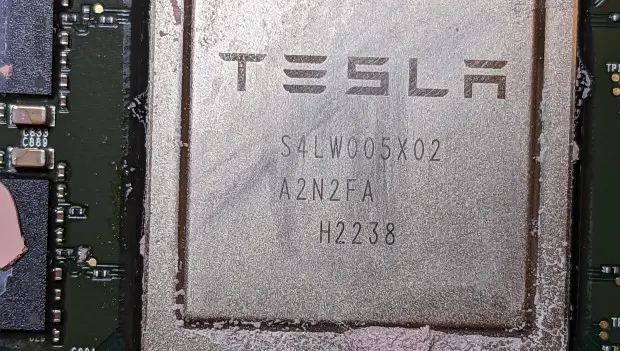
Last fall, Elon Musk publicly complained that current contract chip manufacturers were struggling to keep up with the growing demand for advanced AI processors from his companies. At the time, he floated the idea of building an in-house chip production system. Many observers treated the comment as another bold statement, but it now appears the concept was more than just speculation.
According to Musk, the new initiative—called Terafab—is set to launch on March 21, 2026.
Posting briefly on X, Musk wrote that the Terafab launch is only days away. He didn’t share many details, but earlier comments suggest the project could involve a large semiconductor production facility designed to supply AI accelerators for several of his companies.
The chips would likely support systems used by Tesla, SpaceX, and xAI.
Massive Demand for AI Hardware
Musk previously suggested that combined demand from his companies could eventually reach 100 billion to 200 billion AI chips per year. If outside manufacturers can’t produce those volumes quickly enough, he said building proprietary factories may become necessary.
The name “Terafab” appears to emphasize scale rather than revealing the specific technologies involved. For now, details about the facility’s design and production methods remain largely unknown.
A Different Approach to Chip Manufacturing
In an earlier interview with the podcast Moonshots, Musk criticized the traditional concept of semiconductor clean rooms. Instead of keeping entire facilities sterile, he proposed isolating the silicon wafers themselves—keeping them sealed throughout the production process.
He even joked that, with such an approach, engineers could theoretically eat cheeseburgers in the clean room while chips were being manufactured.
However, implementing such a change across the semiconductor industry would likely take decades. Supply chains, equipment standards, and production methods are deeply entrenched.
Musk has also acknowledged that he tends to think on much shorter timelines—usually focusing on one or two years ahead, and rarely more than three. Because of that, the industry’s slow expansion cycles often appear too gradual from his perspective.
At the same time, he has said that if external chip manufacturers manage to ramp up production and deliver the required 100–200 billion chips annually, it might be simpler for companies like Tesla to rely on those suppliers rather than building their own fabrication lines.
For now, the full details behind Terafab remain unclear—but with the announced launch only a week away, more information is likely coming very soon.
You may also be interested in the news:
Tesla’s New Roadster Can Fly, but That May Be the Least Impressive Thing About It
Nearly a decade after Elon Musk unveiled the next-generation Roadster, Tesla has finally revealed its most outrageous capabilities.
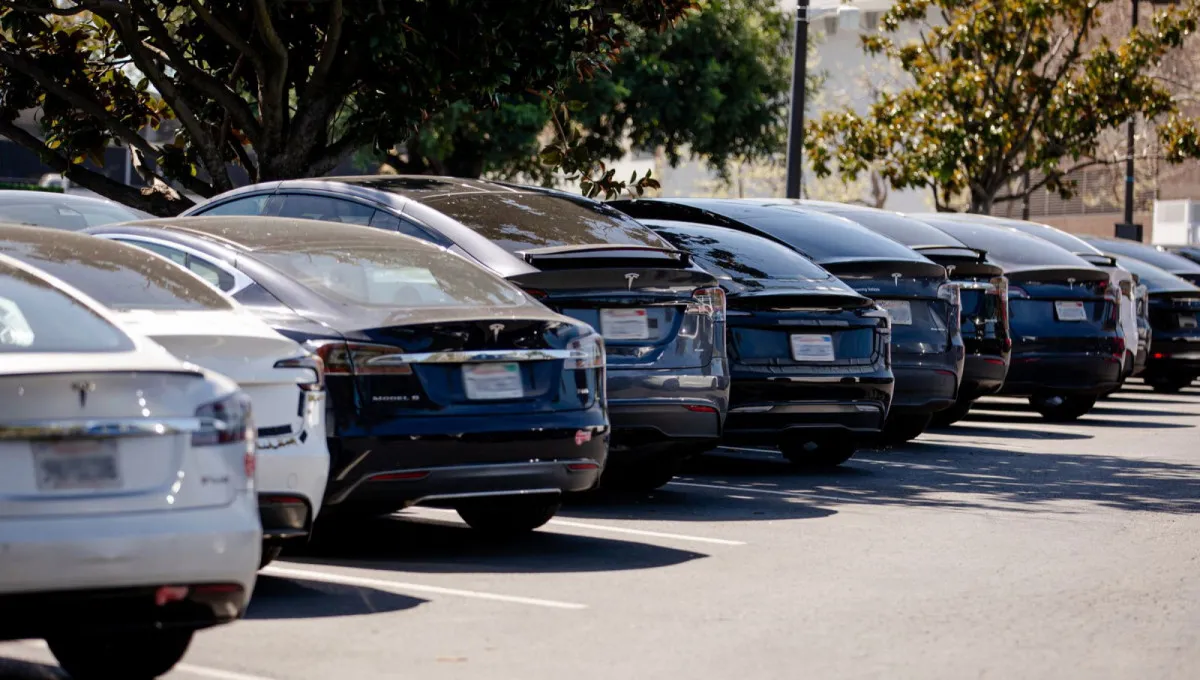
He Sold His House to Buy 20 Teslas—Then Sold 213 of Them in One Year
A car dealer admitted he briefly questioned his decision after betting his property money on a fleet of Teslas.
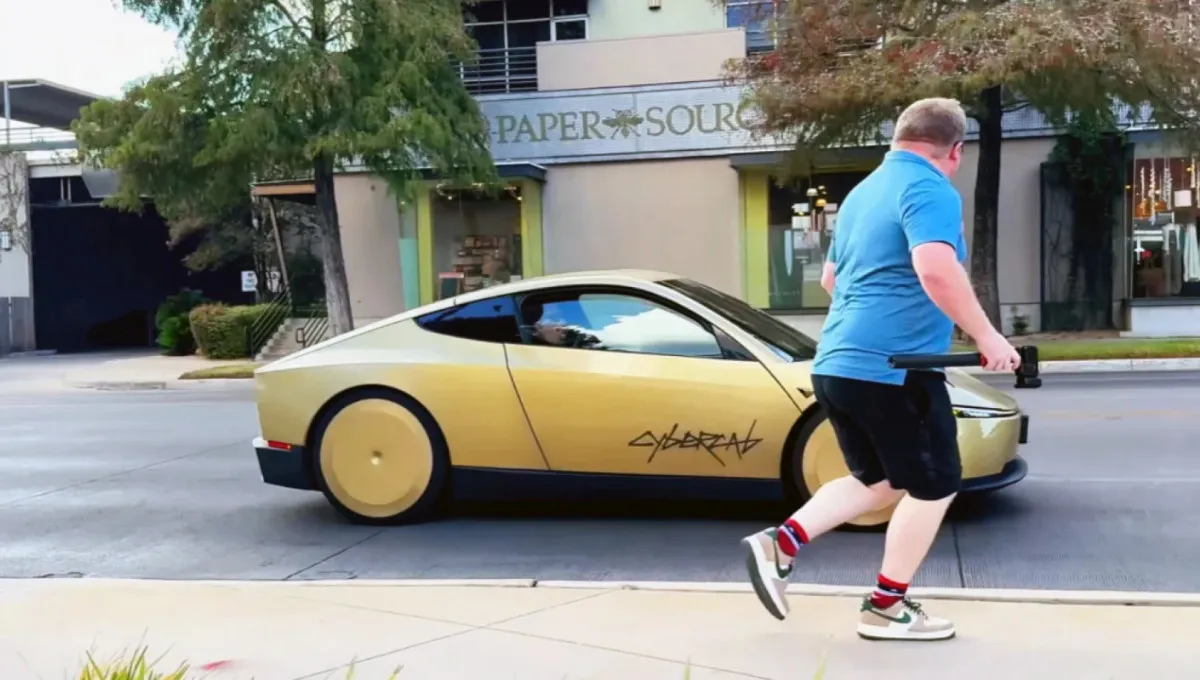
Washington Man Steps in Front of Tesla Cybercab to Test Its Self-Driving Response
Washington man stepped into a Cybercab’s path to test how quickly its autonomous system responded.
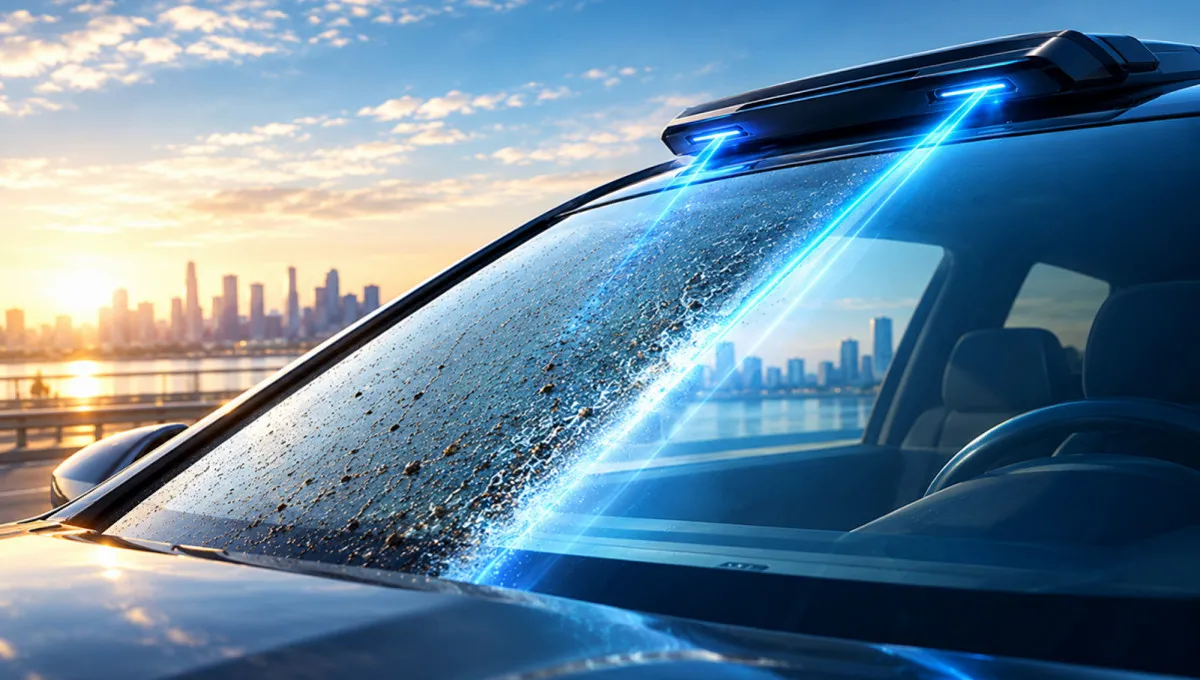
Tesla Patents Laser Windshield Wipers Again in 2026
Tesla is once again pursuing laser windshield cleaning, but the technology raises serious questions about cost, reliability and safety.
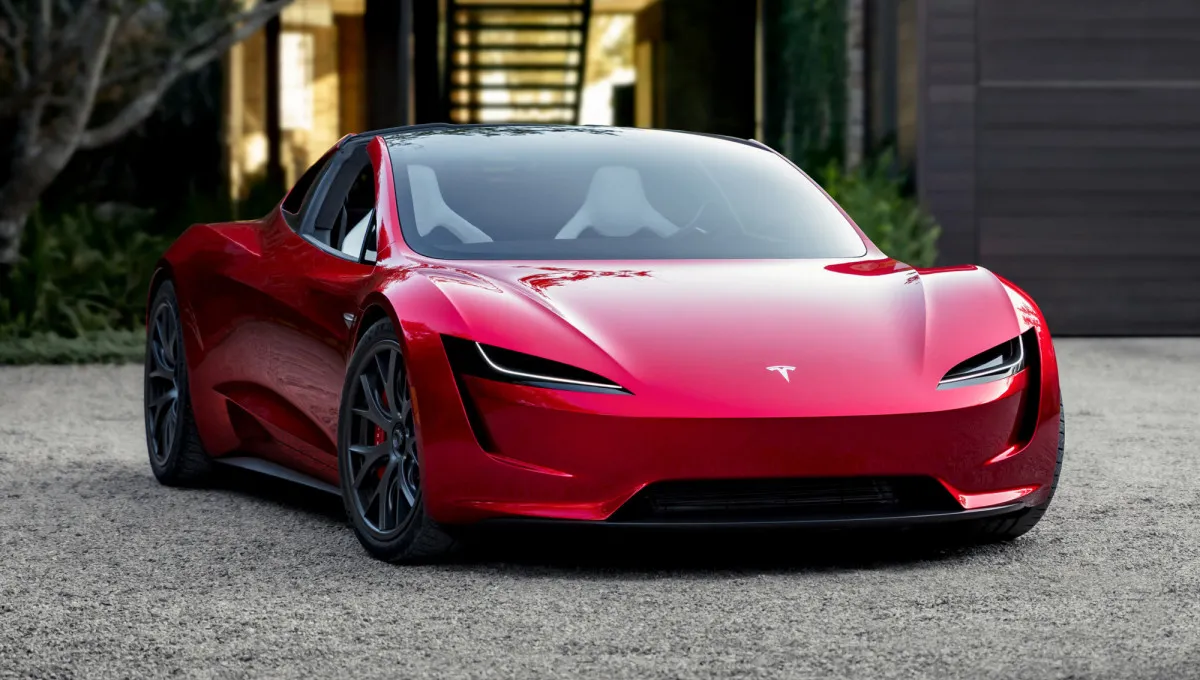
Tesla Will Unveil the Roadster on October 2. Teaser Hints at SpaceX Thrusters
Tesla has officially confirmed that the long-awaited second-generation 2026 Roadster will finally be unveiled on October 2.