
Ford Is Already Preparing a $30K Electric Pickup
Ford is rethinking EV production, aiming for simpler construction and a more affordable electric pickup.
Ford appears to be reimagining how electric vehicles are built. The company is increasingly exploring gigacasting techniques inspired by Tesla, but with a focus not only on speed of assembly but also on reducing complexity. The idea is simple: fewer small components, fewer joints, and fewer opportunities for costly repairs when the vehicle inevitably needs maintenance.
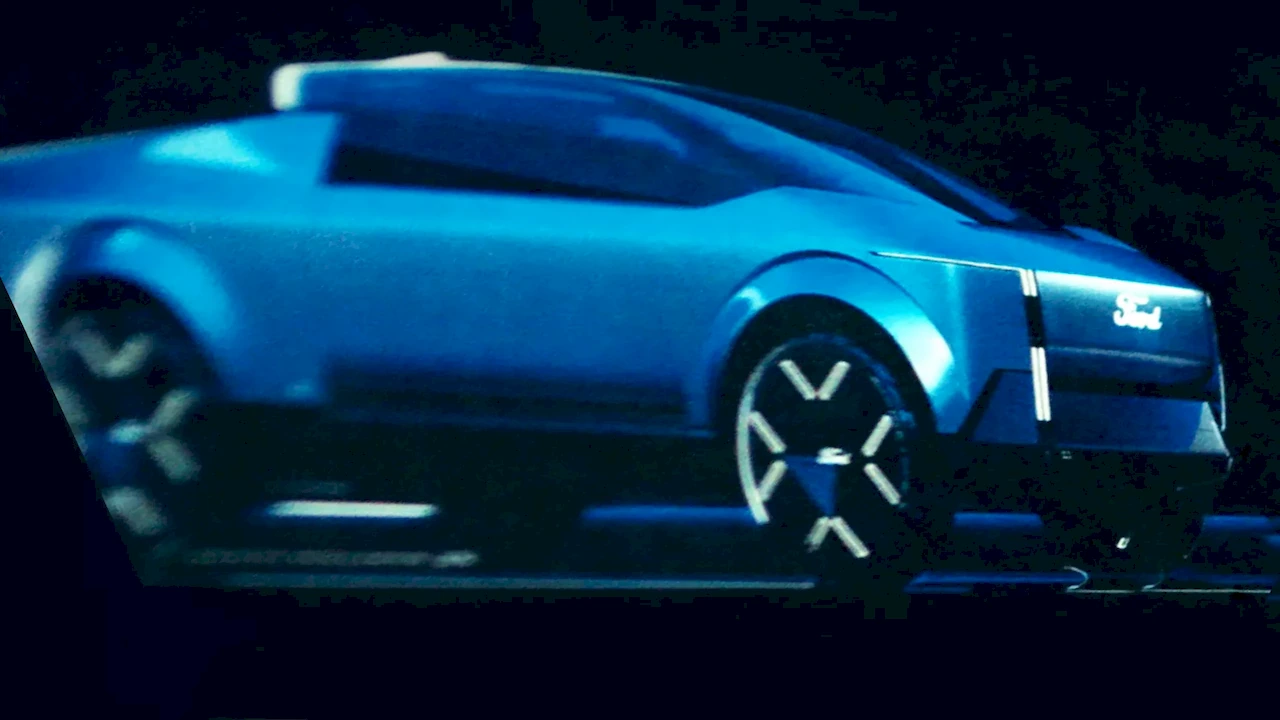
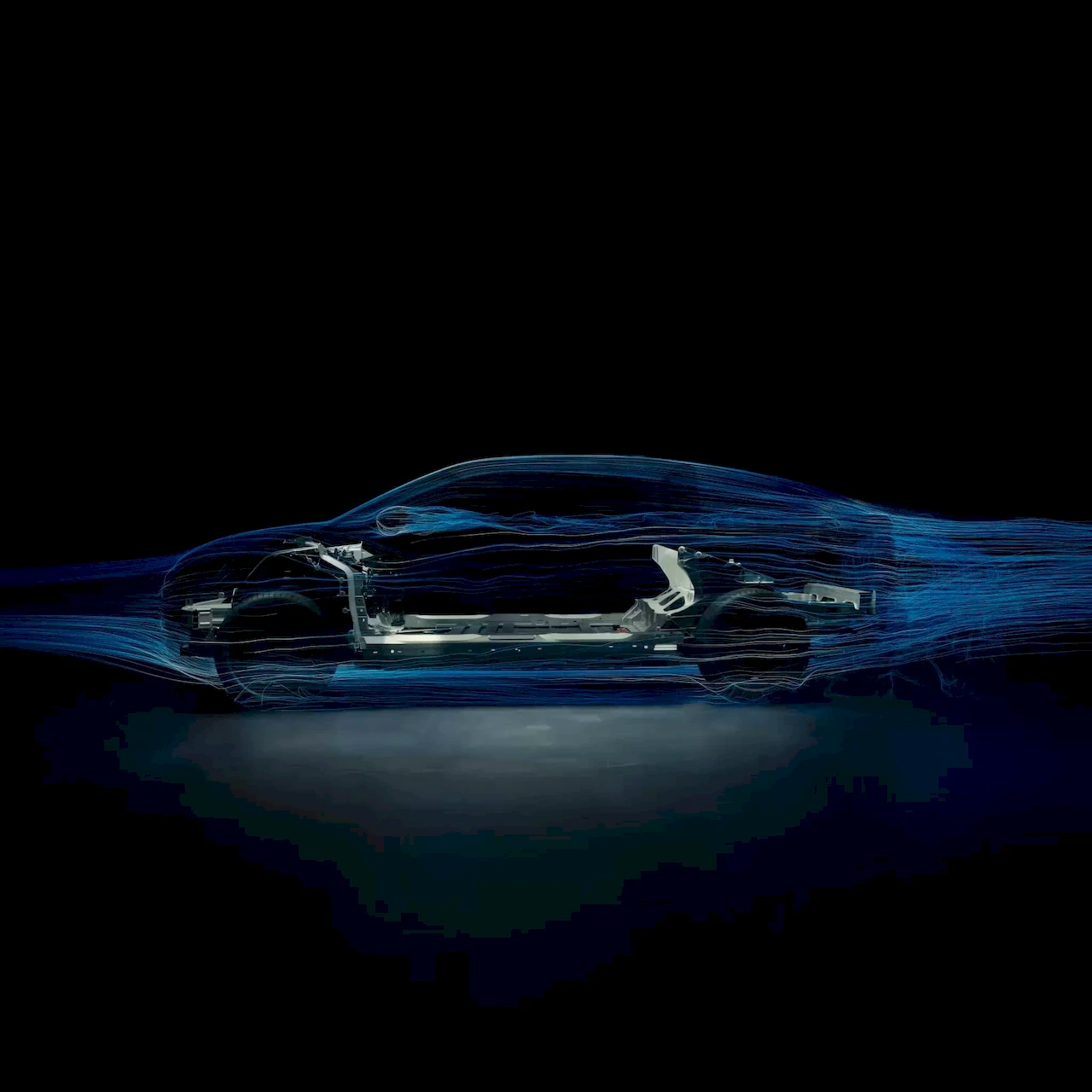
The new approach is set to debut on an upcoming electric pickup truck. Instead of a traditional assembly with numerous structural parts, Ford plans to use just two large aluminum castings—one at the front and one at the rear. Company executives describe this as one of the most significant manufacturing shifts in decades. The dual goals are to simplify construction and reduce both the final price and repair costs. The starting price is expected to be around $30,000, making the truck accessible to mainstream buyers.
Naturally, questions arise about repairability after a collision. While it might seem that replacing such massive castings would be expensive, early observations suggest otherwise. Industry sources cite research from the UK organization Thatcham, which notes that in some cases, vehicles with large cast components can be repaired at costs comparable to traditional designs, and in low-speed impacts, the structural frame may sustain almost no damage.

Ford is designing repairability into the vehicle. The castings include cut zones that indicate exactly where damaged sections can be replaced. Additionally, so-called “sacrificial” parts are used to absorb minor impacts, protecting the more expensive structural areas.
This caution is understandable. Owners of Rivian vehicles have already experienced the downside of complex aluminum construction, where minor collisions could result in very costly repairs due to integrated panels and components. Ford is clearly aiming to avoid that scenario. Predictable repair costs benefit both owners and insurers.
Of course, this doesn’t mean every repair will be cheap. In some cases, replacing large sections will still be necessary, and body shops will require specialized training and tools. The truck is expected to hit roads next year, but Ford has a key advantage over early Tesla models: an extensive dealer and service network. Properly preparing this network from day one could significantly reduce issues related to limited certified repair centers that have slowed adoption for other EV manufacturers.
You may also be interested in the news:
The Mitsubishi Triton Could Borrow Its Best Ideas From the New Pajero
Mitsubishi is preparing to update its midsize pickup, with the next Triton potentially gaining design and technology inspired by the new Pajero.
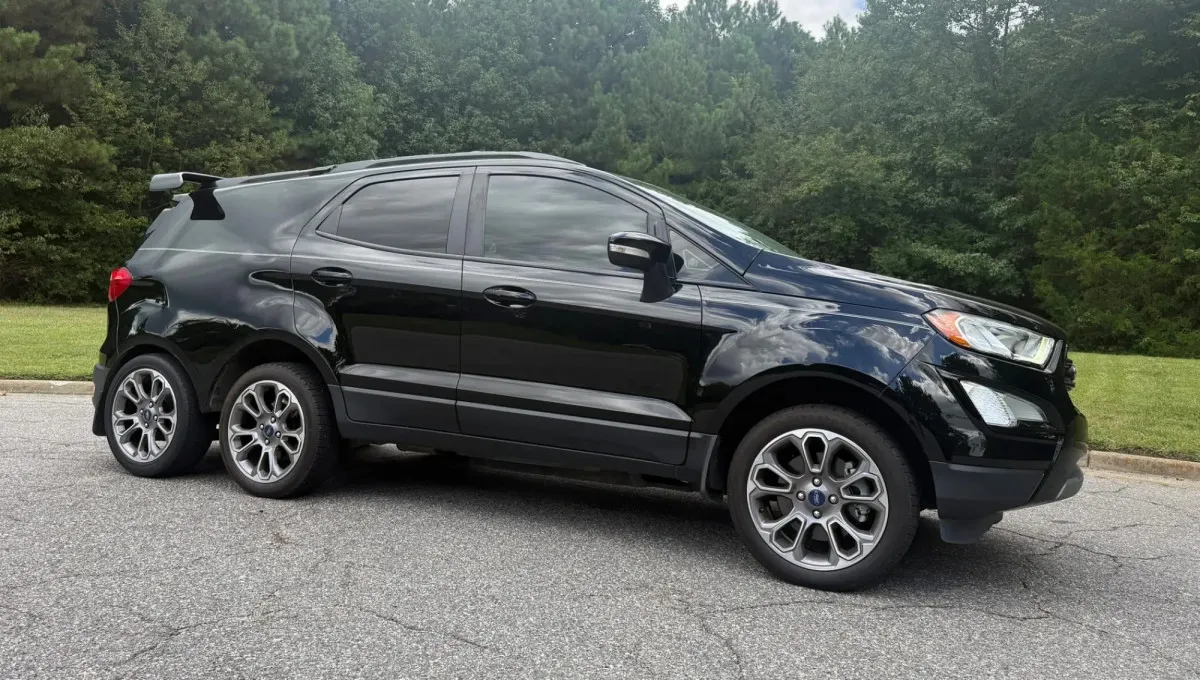
Someone Turned a Ford EcoSport Into a Six-Wheeled SUV — And It's Selling for Just $7,000
An extremely unusual six-wheeled conversion of Ford’s compact crossover has landed on the Bring a Trailer auction block.
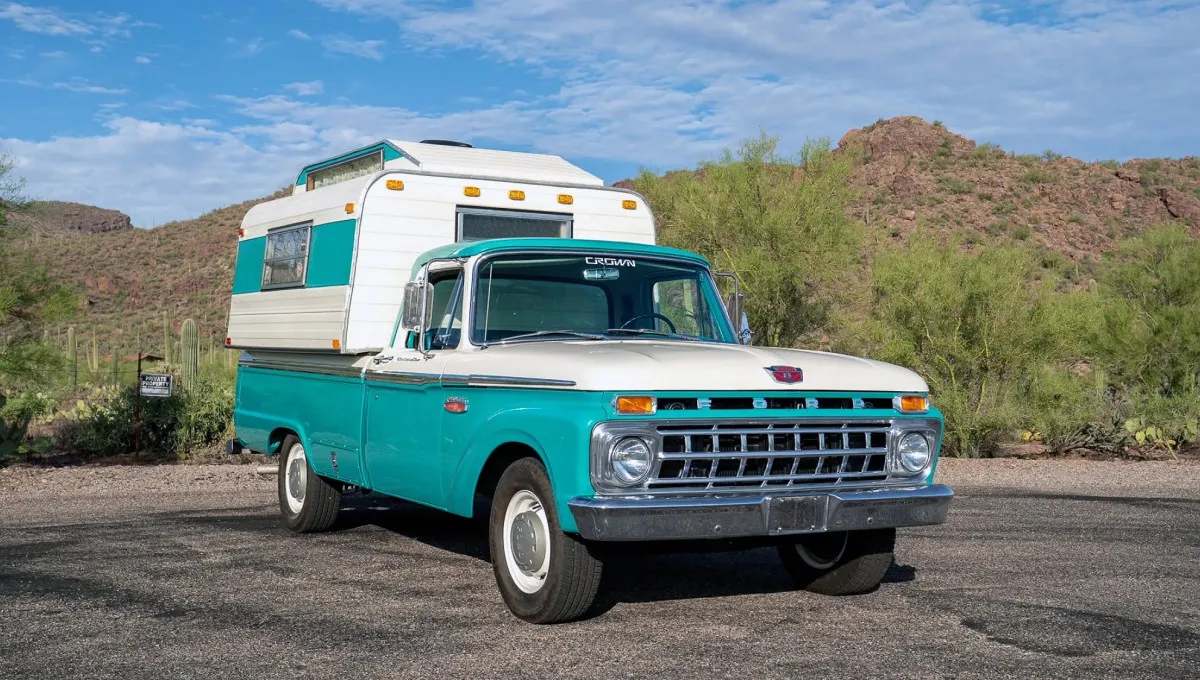
This 1965 Ford F-250 With a Mitchell & Sons Camper Is a Charming Retro Travel Companion
The 1965 Ford F-250 and Mitchell & Sons camper share colors, period styling, and compatibility.
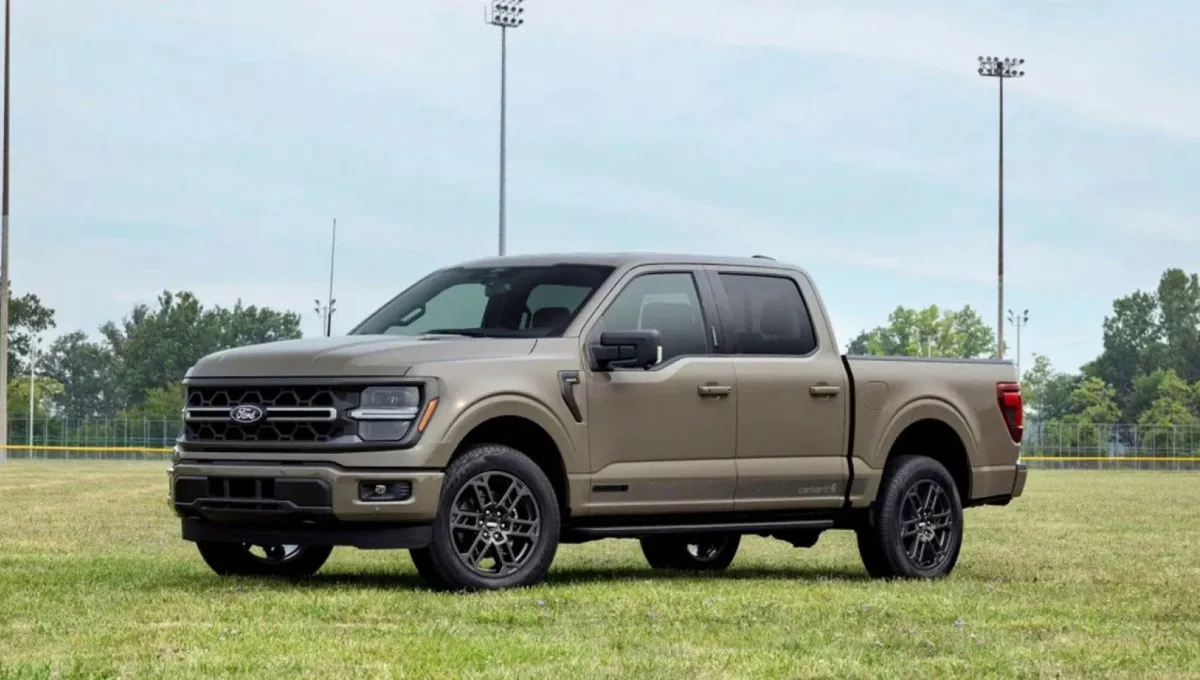
Ford Updates the F-150 With More Power and Hands-Free Towing
The updated 2027 Ford F-150 has debuted in the U.S., with more power across the lineup and an upgraded hands-free driving system that supports automatic trailer towing
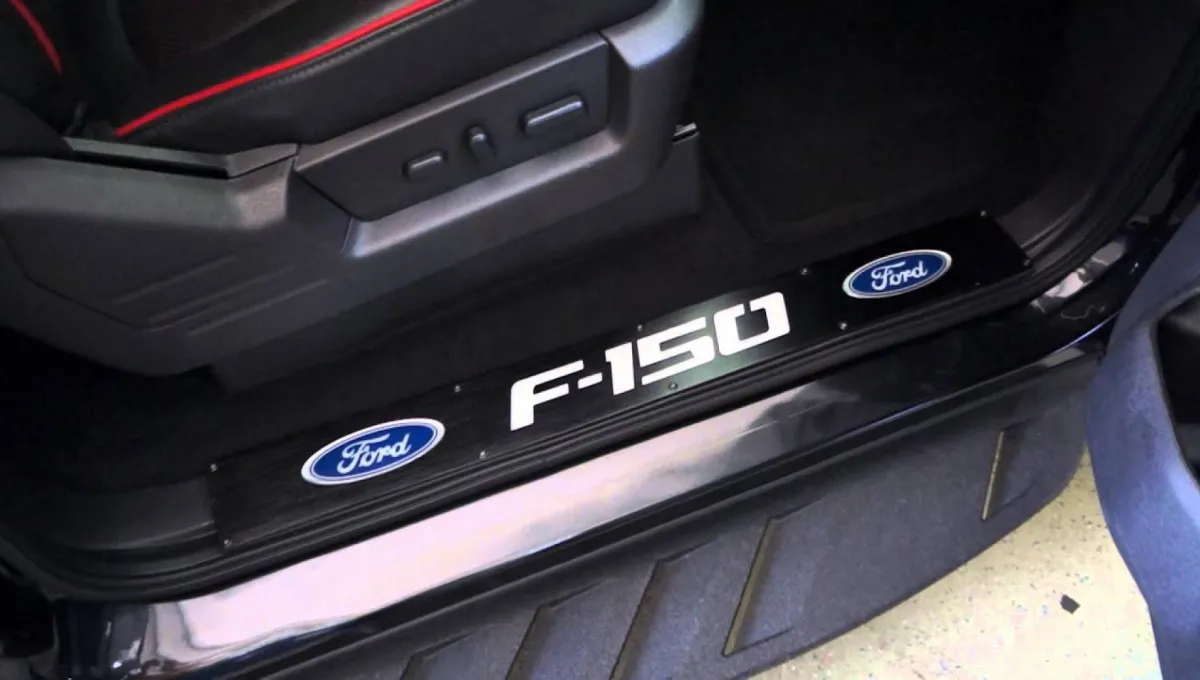
Ford is recalling more than 223,000 F-150 trucks after regulators warned fuel tanks could loosen or leak.
Ford is recalling 223,472 F-150 pickup trucks in the United States after federal safety regulators identified a potential problem with fuel tank security.