
Car A/C vs. Climate Control: Key Differences, How They Work, and What Drivers Should Know
Understanding how A/C and climate control differ helps drivers stay comfortable and avoid common usage mistakes

Air conditioning systems and climate control setups often get confused, but they’re not exactly the same thing. Both are designed to keep passengers comfortable inside the cabin, yet they achieve that goal in slightly different ways.
The first production car equipped with air conditioning debuted back in 1941. Those early systems were far from what we use today, but at the time, they were groundbreaking. Modern-style A/C systems didn’t really take shape until about 14 years later, while fully automated climate control systems arrived much later. So what actually separates them?
How Each System Works
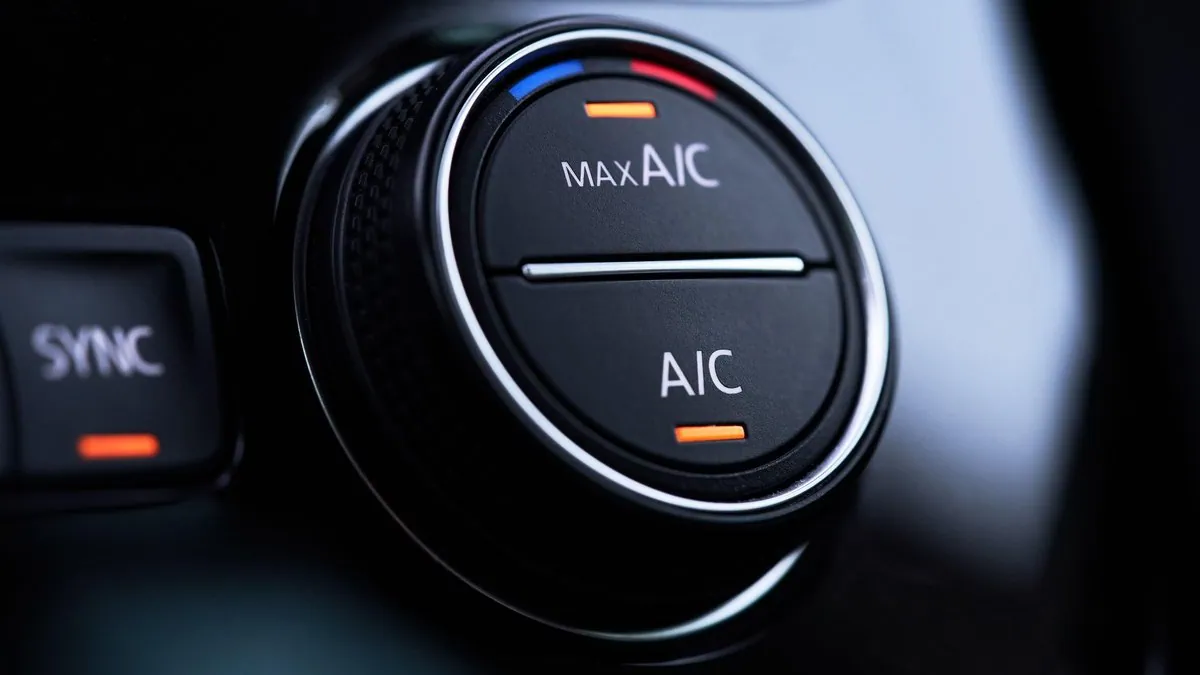
A traditional air conditioning system is built mainly to cool the air inside the cabin. It works by pushing air through a cooling unit with the help of a fan—the faster the fan spins, the stronger the cooling effect. If heat is needed, the system redirects airflow through the heater core instead.
During both cooling and heating, the air is first dried out before being delivered into the cabin. Controls are usually simple: either manual knobs or basic digital buttons, depending on the vehicle’s trim level.
Climate control, on the other hand, is a more advanced and integrated system. Its main job is to automatically maintain a set cabin temperature. It uses an electronic control unit (ECU) that manages the heater, fan, and A/C together. A network of sensors constantly monitors outside temperature, cabin conditions, and humidity levels, feeding that data back to the system. Some higher-end vehicles even track solar intensity, adjusting output accordingly.
In short, the biggest difference comes down to automation. The ECU continuously adjusts each component to maintain comfort, often helping improve fuel efficiency in the process.
Controls and Operation
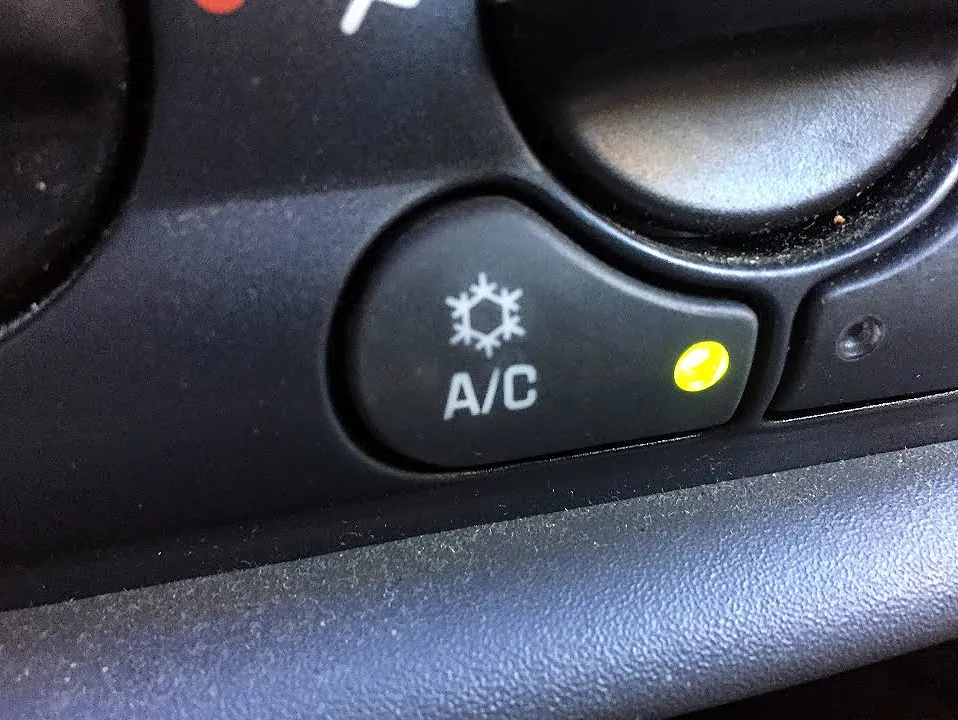
With standard A/C, drivers manually adjust settings using buttons marked with a snowflake icon or an “A/C” switch, controlling airflow and temperature as needed.
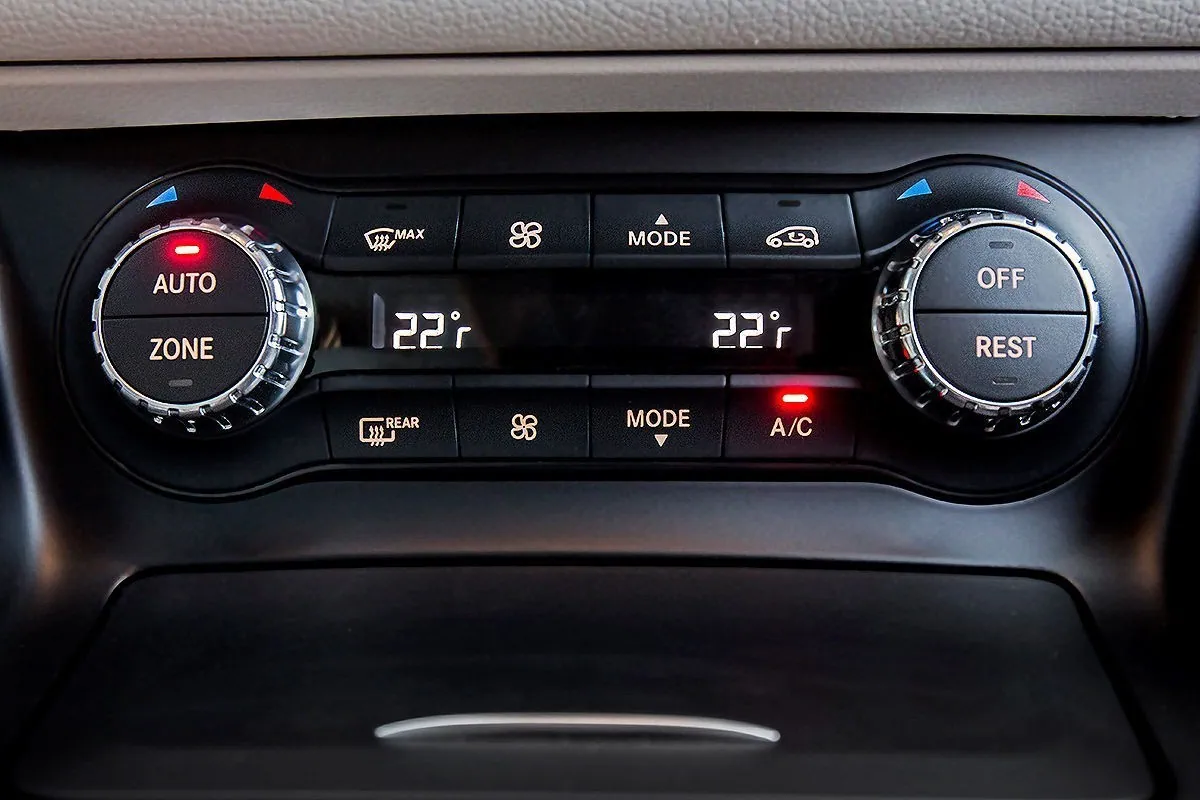
Climate control systems include an “Auto” button. Once activated, the system takes over, analyzing sensor data and automatically adjusting airflow, temperature, and fan speed to reach and maintain the desired setting.
Design Differences
Depending on the automaker, both systems can vary quite a bit in design and programming. Many modern systems are smart enough to prioritize defrosting the windshield in winter, then redirect airflow toward the cabin and passengers’ feet once visibility is restored.
Health Considerations
Some drivers blame A/C or climate control for catching colds, though statistics suggest the risk is relatively low. Problems usually arise when people set the temperature too low too quickly. Experts recommend keeping the difference between outside and cabin temperature within about 9°F. For longer drives, it’s better to gradually lower the temperature by a few degrees each hour.
In colder months, a comfortable cabin temperature typically falls between 75°F and 79°F.
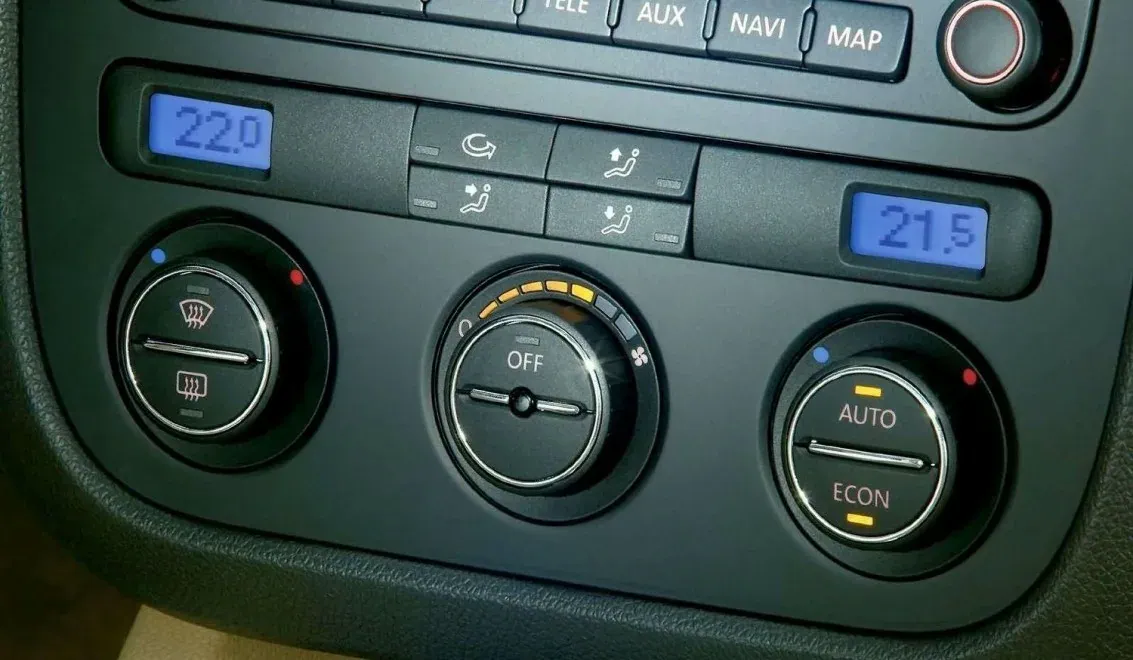
To keep the system working properly, regular maintenance is important. This includes cleaning the heater core and removing dust or bacteria buildup. For best performance, windows, doors, and sunroofs should remain closed, with seals in good condition to prevent air leaks.
Practical Tips
- Systems tend to perform best when the engine is running at higher RPMs
- In humid fall weather, running the A/C can help dry out the cabin and prevent foggy windows
At the end of the day, both systems serve the same purpose—keeping the cabin comfortable. The key difference is that climate control does the thinking for you, letting drivers focus more on the road instead of constantly adjusting settings.
You may also be interested in the news:
“Are You Sure It’s Chinese?” Who Really Builds China’s Car Engines
Who Really Develops China’s Car Engines?
Why Experienced Drivers Still Warn Against Buying a Used Car With a CVT
CVTs offer smooth acceleration and good fuel economy, but expensive repairs and durability concerns make used models risky.

Hidden Key Fob Trick: Open All Your Car Windows With One Button
An auto mechanic explains how drivers can remotely open and close car windows using a key fob, provided the vehicle has the right hardware.
8 Car Maintenance Mistakes That Could Cost You Thousands if You Wait Too Long
Depending on driving conditions, some maintenance tasks may need to be performed sooner and more often than the automaker recommends.
How Long Will Your Car Last? A Guide to Making It Age Gracefully
Automotive experts explain how routine maintenance and timely replacement of aging components can help your car last longer.