
2026 Polestar 1: A Powerful GT Coupe With Volvo-Derived Hybrid Technology
Though no longer in production, the Polestar 1 remains one of the most exclusive plug-in hybrid grand tourers ever built.
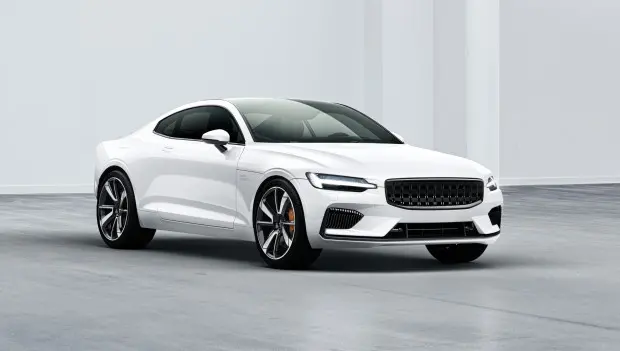
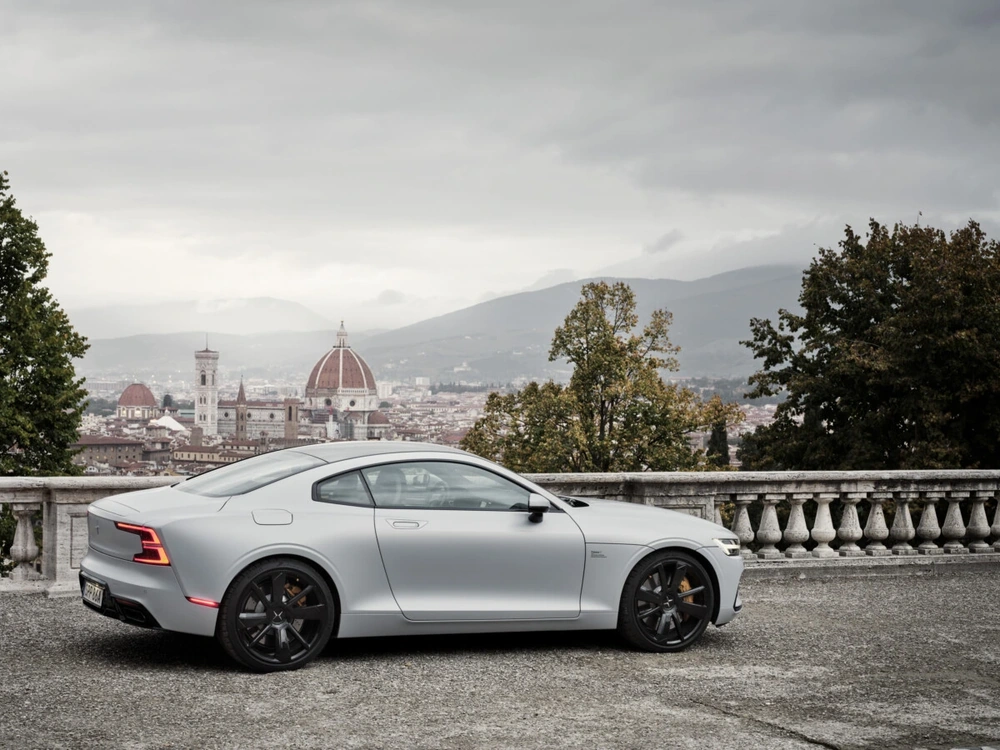
The 2026 Polestar 1 is no longer a current production model, but the Swedish grand tourer remains one of the most unusual plug-in hybrids ever built. Originally priced between 1.38 million and 1.58 million yuan, or roughly $192,000 to $220,000 at current exchange rates, the coupe combined a sophisticated hybrid powertrain with a carbon-fiber-intensive body and limited production numbers.
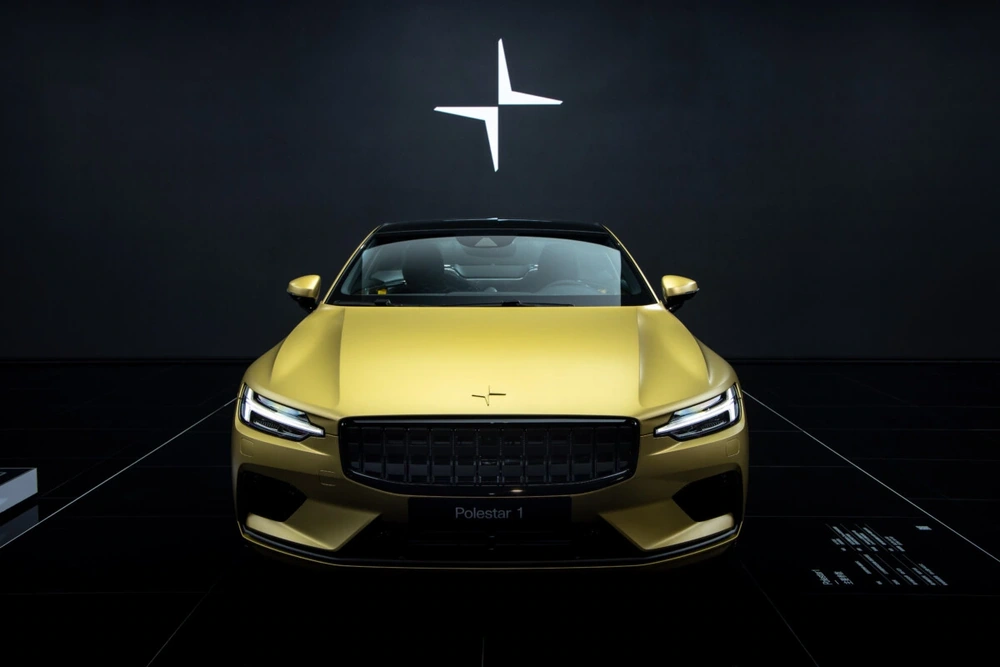
With 609 horsepower, an all-electric range of up to 93 miles under the NEDC cycle, and a 0-62 mph time of about four seconds, the Polestar 1 occupied a unique position in the market. Its closest rivals included the Lexus LC, BMW 8 Series and Porsche Panamera E-Hybrid, although none of those cars offered quite the same blend of performance and electrification. Production took place at Polestar's dedicated facility in Chengdu, China, where output was capped at just 500 vehicles annually worldwide.
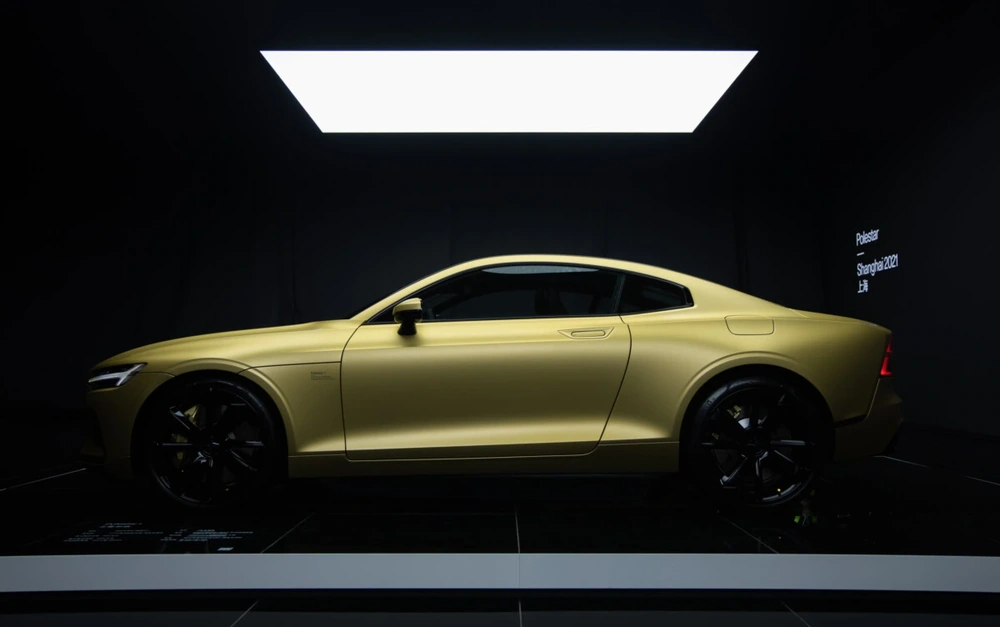
Polestar 1 was the first production model launched after Polestar became a standalone brand. It was never intended to be a high-volume seller. Instead, the coupe served as a halo car designed to demonstrate what the company could achieve with electrification and premium engineering.
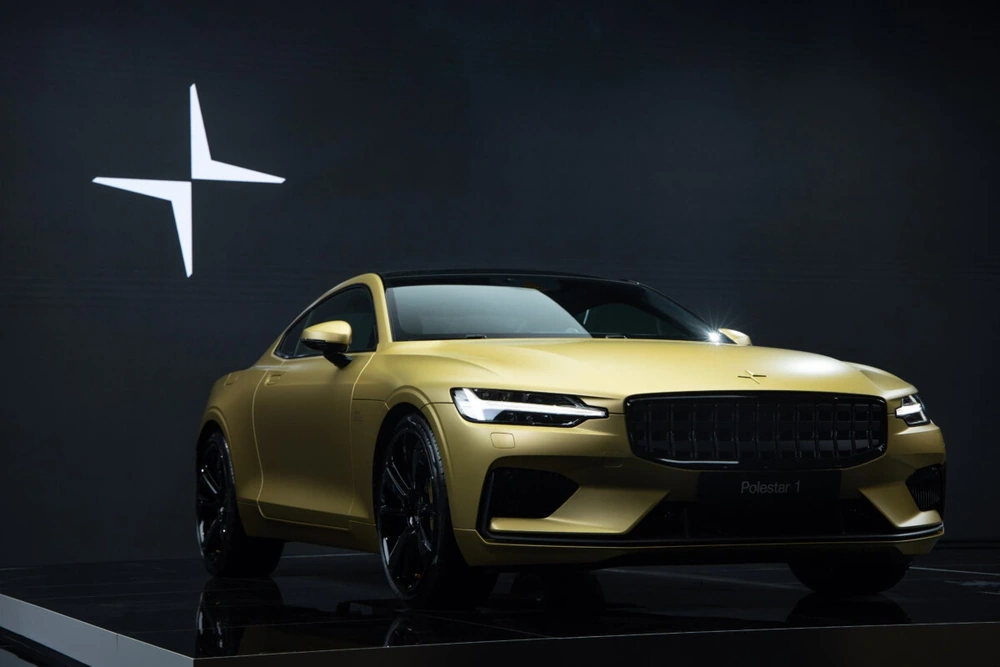
Interestingly, the car never received an all-new body during its lifespan. Today, interest in the model centers largely on its rarity, technical sophistication and collector appeal. One of its defining features was the mixed steel-and-carbon-fiber structure. Carbon-fiber-reinforced plastic was used extensively throughout the body, making the Polestar 1 one of the most advanced grand tourers of its era.
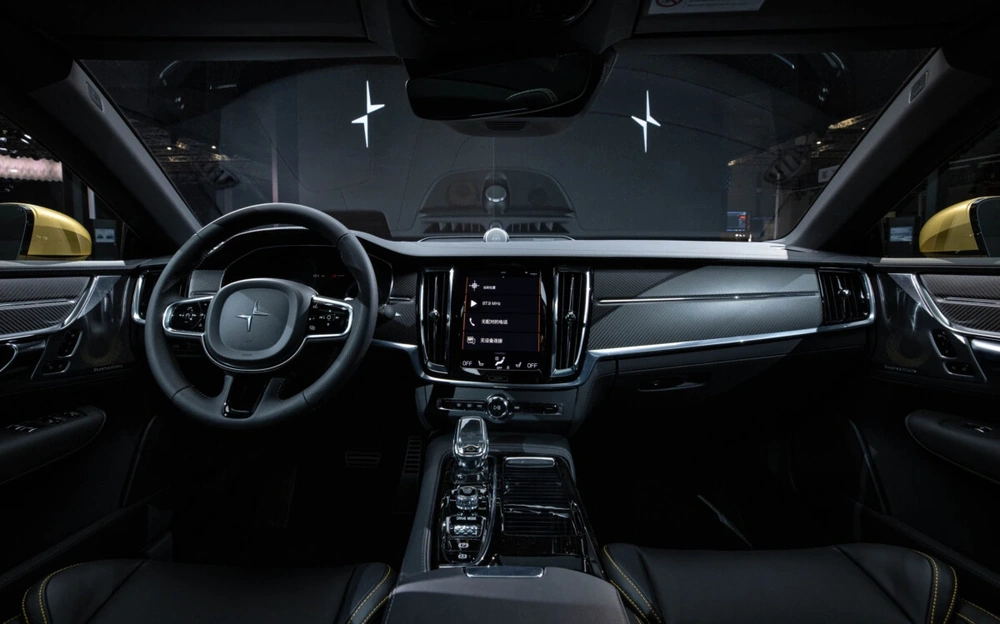
Power came from a unique plug-in hybrid system. Up front sat a supercharged and turbocharged 2.0-liter four-cylinder engine producing 326 horsepower and 321 pound-feet of torque. The rear axle was powered by two electric motors with independent control, generating a combined 228 horsepower and 354 pound-feet.

Together, the system delivered a total of 609 horsepower and 738 pound-feet of torque. Power was routed through an eight-speed automatic transmission with manual shift capability. The layout effectively created an electric all-wheel-drive system while allowing torque vectoring between the rear wheels to improve handling.
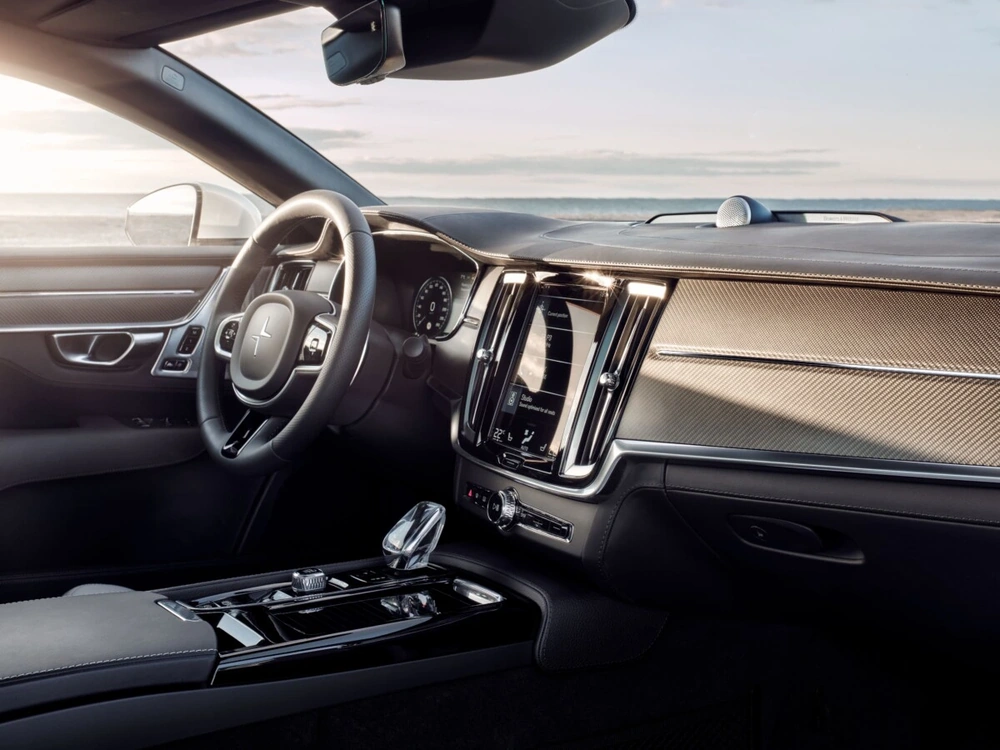
A 34-kWh lithium-ion battery supplied one of the longest electric ranges available in a plug-in hybrid at the time. Under the NEDC test cycle, the Polestar 1 could travel up to 93 miles on electricity alone. Acceleration from 0 to 62 mph took approximately four seconds.
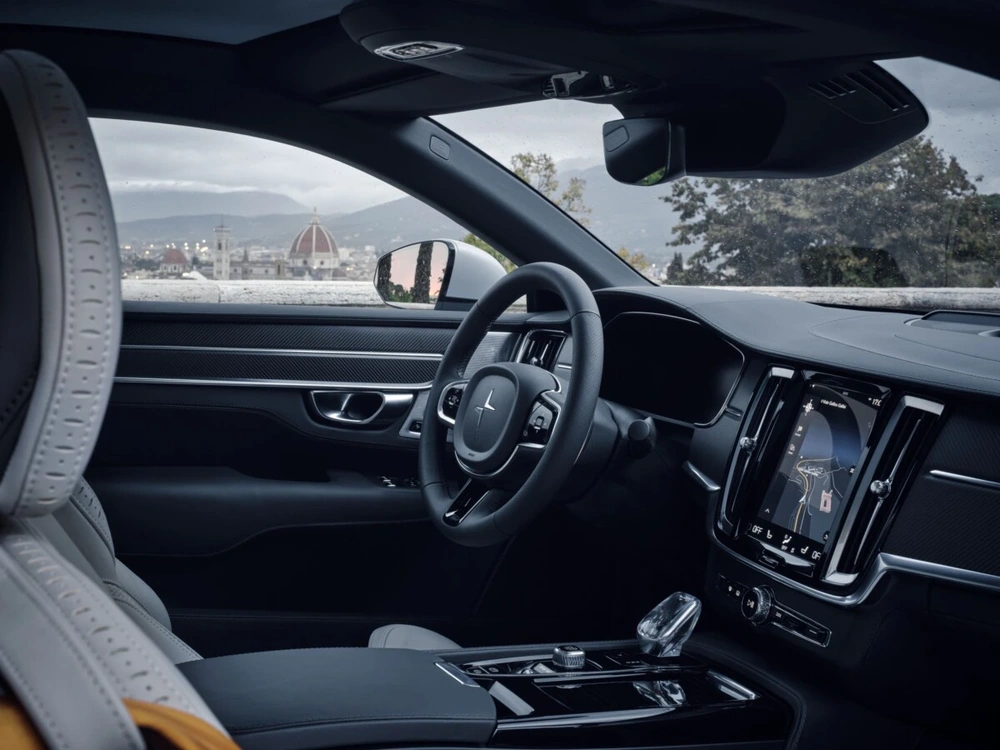
The chassis deserves special attention. The front suspension used a double-wishbone setup, while the rear employed a multi-link arrangement. The Polestar 1 also became the first production vehicle equipped with Öhlins CESi (Continuous Electronically Controlled Suspension), featuring Dual Flow Valve dampers with 22 levels of manual adjustment.
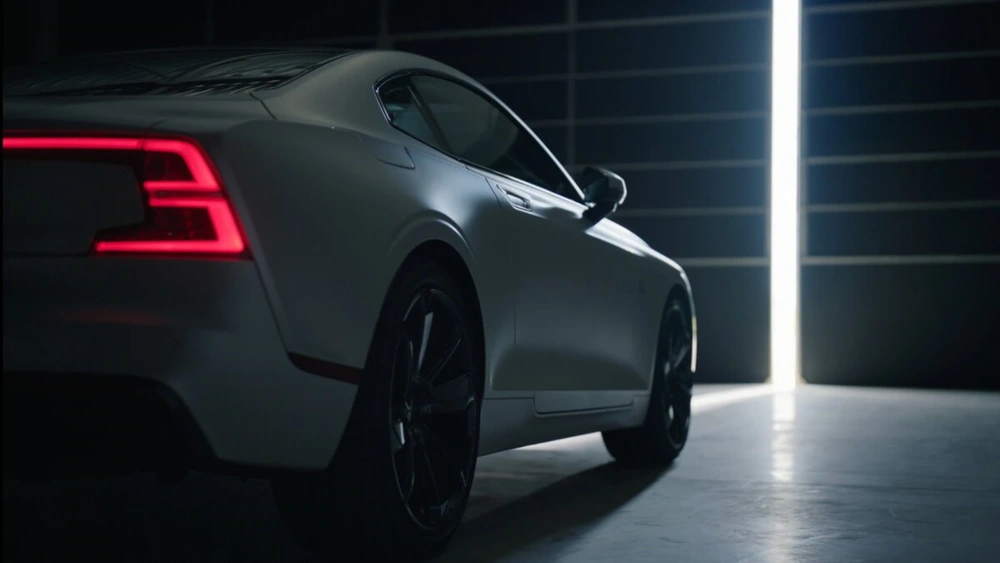
Braking hardware was equally impressive. Six-piston Akebono front calipers squeezed massive 15.7-inch ventilated and perforated discs, while 15.4-inch rotors were installed at the rear. The system was designed with track durability in mind.
Technical Specifications
- Powertrain: Plug-in hybrid with gasoline engine up front and two electric motors driving the rear wheels
- Engine: Supercharged and turbocharged 2.0-liter four-cylinder
- Engine output: 326 hp and 321 lb-ft
- Rear electric motors: Combined 228 hp and 354 lb-ft
- Total system output: 609 hp and 738 lb-ft
- Transmission: Eight-speed automatic with manual mode
- Battery capacity: 34 kWh
- Electric range: Up to 93 miles (NEDC)
- 0-62 mph acceleration: Approximately four seconds
- Suspension: Öhlins CESi with DFV dampers and 22 adjustment settings
- Brakes: Akebono six-piston front calipers with 15.7-inch front and 15.4-inch rear rotors
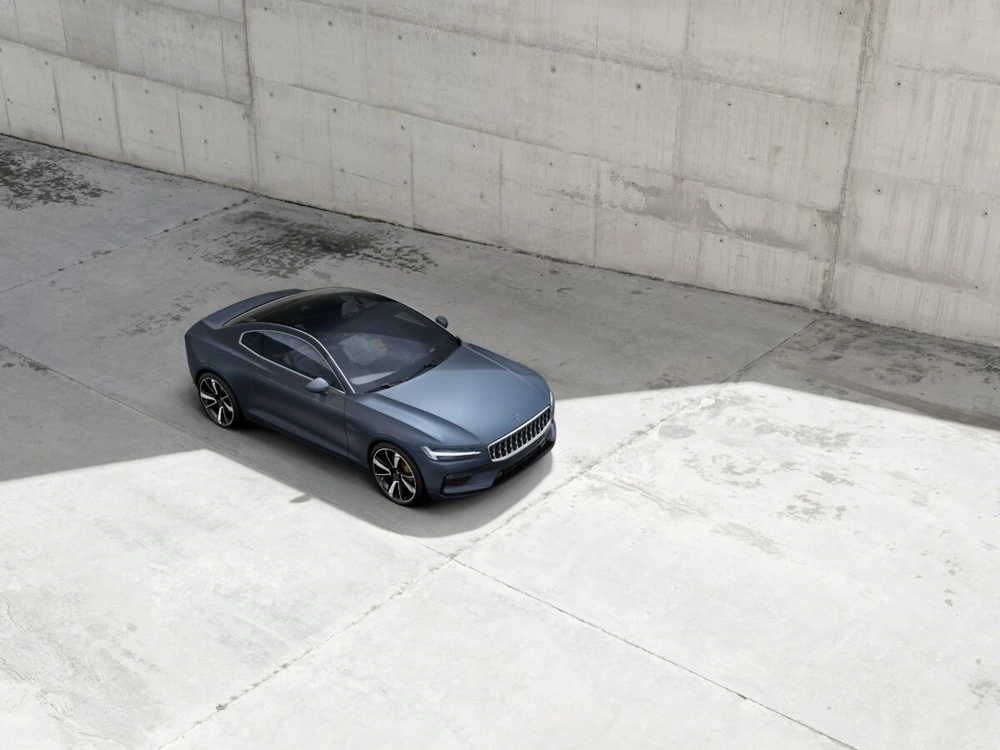
The Polestar 1 was configured as a two-door, four-seat grand touring coupe designed for high-speed travel rather than maximum practicality. The car measured 180.5 inches long, 81.5 inches wide and 53.2 inches tall, while riding on a 107.9-inch wheelbase.
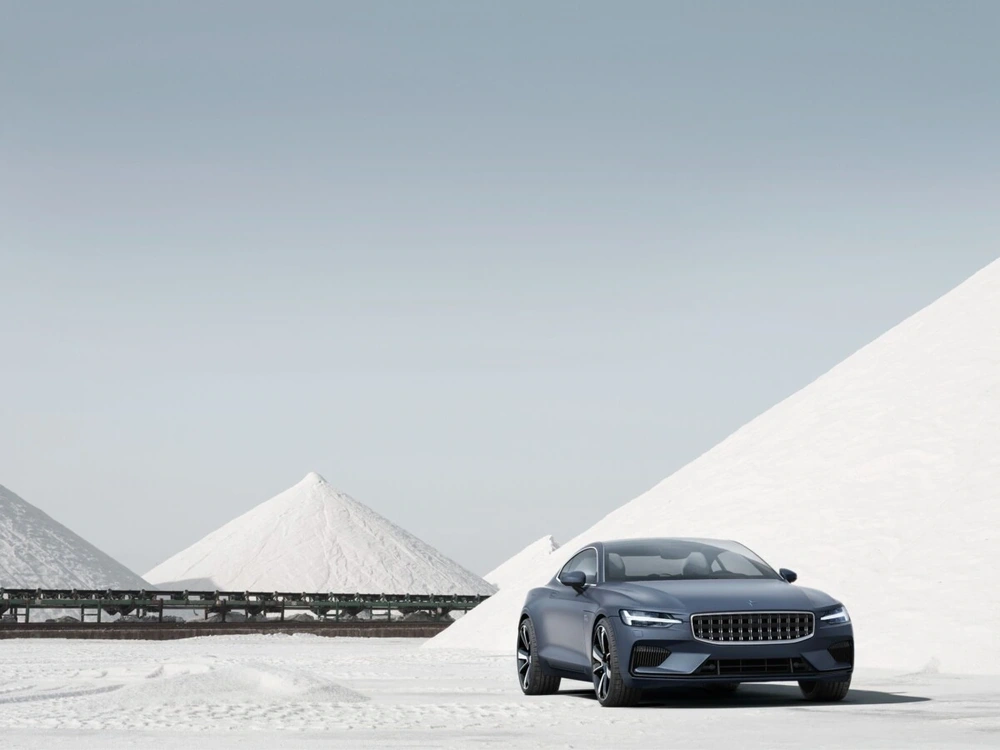
One of the engineering highlights was its mixed-material body structure. The doors, hood and trunk lid were constructed from carbon fiber. According to Polestar, this reduced body weight by approximately 507 pounds compared with an all-steel structure while improving torsional rigidity by 45 percent.
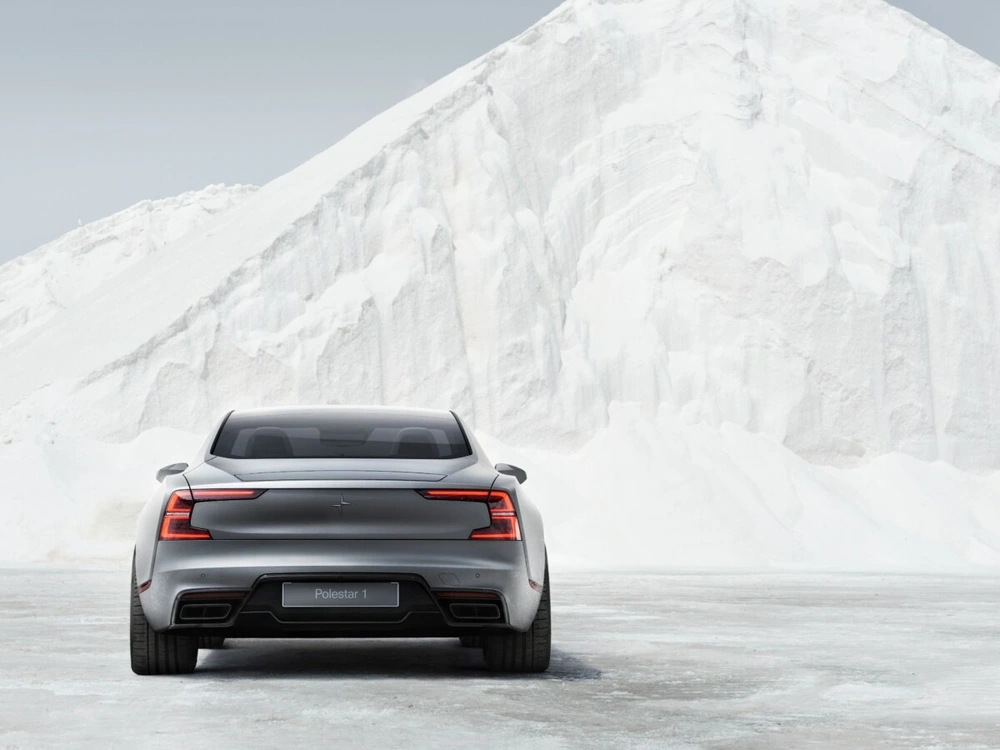
The car also featured a strong digital component. Through the Polestar 1 Connect app, owners could remotely monitor battery charge and fuel levels, control climate settings, lock or unlock the doors and use their smartphones as digital keys.
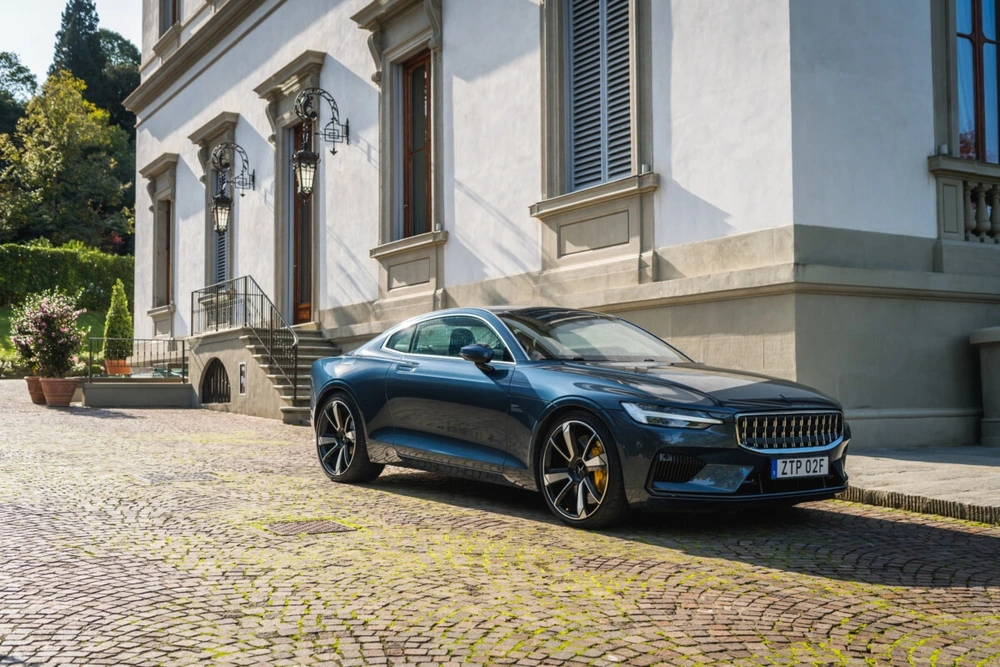
Unlike many premium models, the Polestar 1 wasn't offered with a long list of trim levels. Because of its limited-production status and extensive standard equipment, differences between versions were generally confined to option packages.
Core
Estimated original price: $192,000 to $202,000.
The Core model already included virtually everything that made the Polestar 1 special. Buyers received the 609-horsepower hybrid powertrain, all-wheel drive, the 34-kWh battery, eight-speed automatic transmission, Öhlins suspension and Akebono brakes.
Safety equipment was equally comprehensive. Standard features included multiple airbags—including a driver's knee airbag—as well as anti-lock brakes, electronic brake-force distribution, brake assist, traction control and electronic stability control.
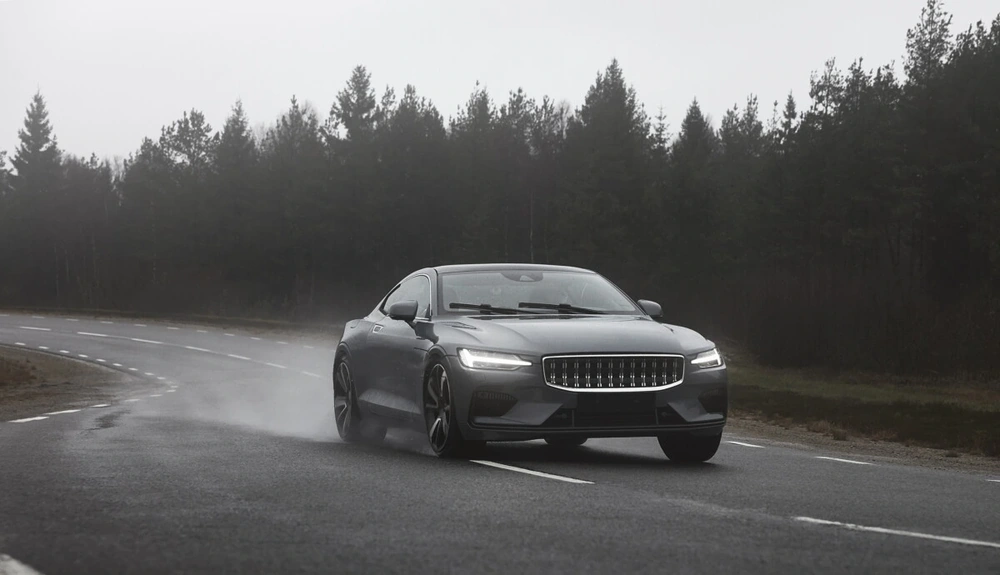
Pilot/Connect
Estimated original price: $202,000 to $209,000.
This version focused on digital functionality and grand touring convenience. Expanded Polestar Connect services and Digital Key capability enhanced remote access and everyday usability.
Mechanically, the car remained unchanged. Polestar rarely differentiated the coupe through varying output levels because the model primarily served as a showcase for the company's hybrid technology, much of which was derived from Volvo's T8 platform.
Performance/Collector
Estimated original price: $209,000 to $220,000.
The flagship specification emphasized exclusivity rather than additional performance. Buyers received unique finishes, premium materials and highly desirable combinations of colors and interior appointments.
For collectors, some of the smallest details became major attractions. One example was the transparent acrylic panel inside the trunk, which exposed the car's signature orange high-voltage cables. Few automakers have turned engineering components into design elements quite so successfully.
Equipment Highlights
Core
- 609 hp and 738 lb-ft
- 34-kWh battery
- Electric all-wheel drive
- Up to 93 miles of EV range
- Öhlins CESi suspension with 22 adjustment levels
- Akebono performance brakes
Pilot/Connect
- Expanded Polestar Connect functionality
- Remote services
- Digital Key technology
Performance/Collector
- Rare finishes and materials
- Enhanced exclusivity
- Strong collector appeal
All versions
- Two-door, four-seat configuration
- Carbon-fiber hood, doors and trunk lid
- Comprehensive active safety systems
- Extensive airbag protection
Because annual production never exceeded 500 units worldwide, the Polestar 1 has become a highly sought-after collector car. Today, its market value depends less on trim level and more on rarity, mileage, service history and the condition of its carbon-fiber components. For enthusiasts, that exclusivity remains one of the car's greatest attractions.
You may also be interested in the news:
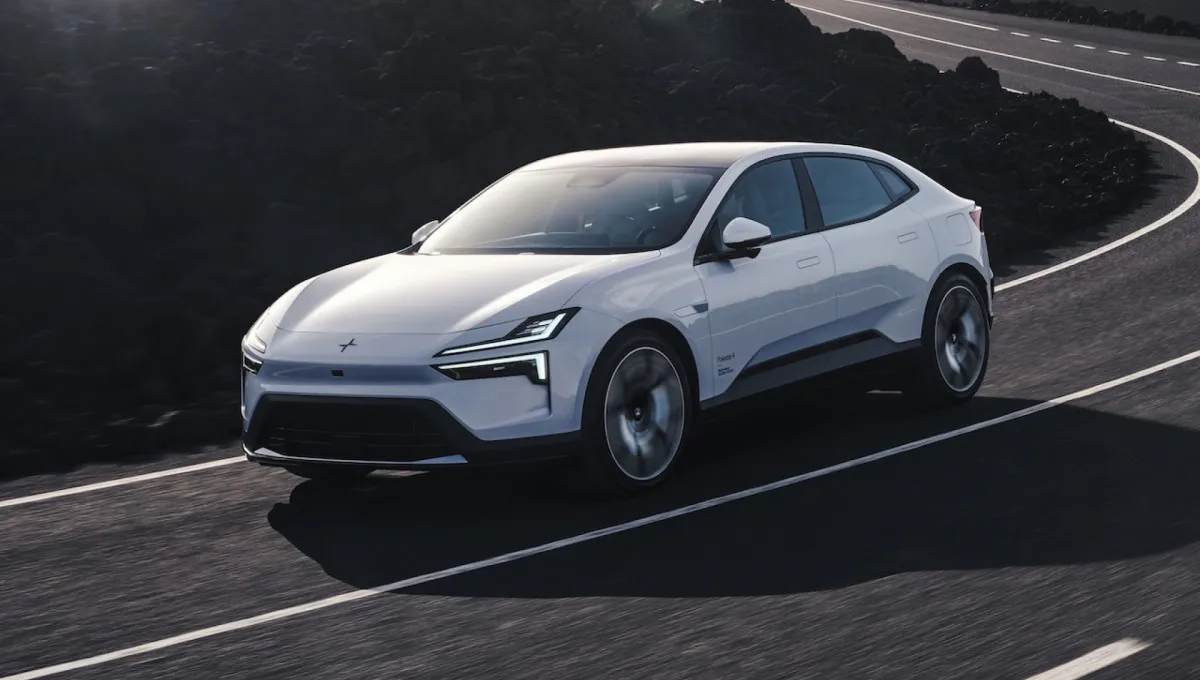
Plug the Polestar 4 Into a 200-kW Charger and Get 80 Percent in 30 Minutes
The Polestar 4’s off-road-ready version rides on the familiar SEA platform, with upgraded sensors and revised battery technology underneath.
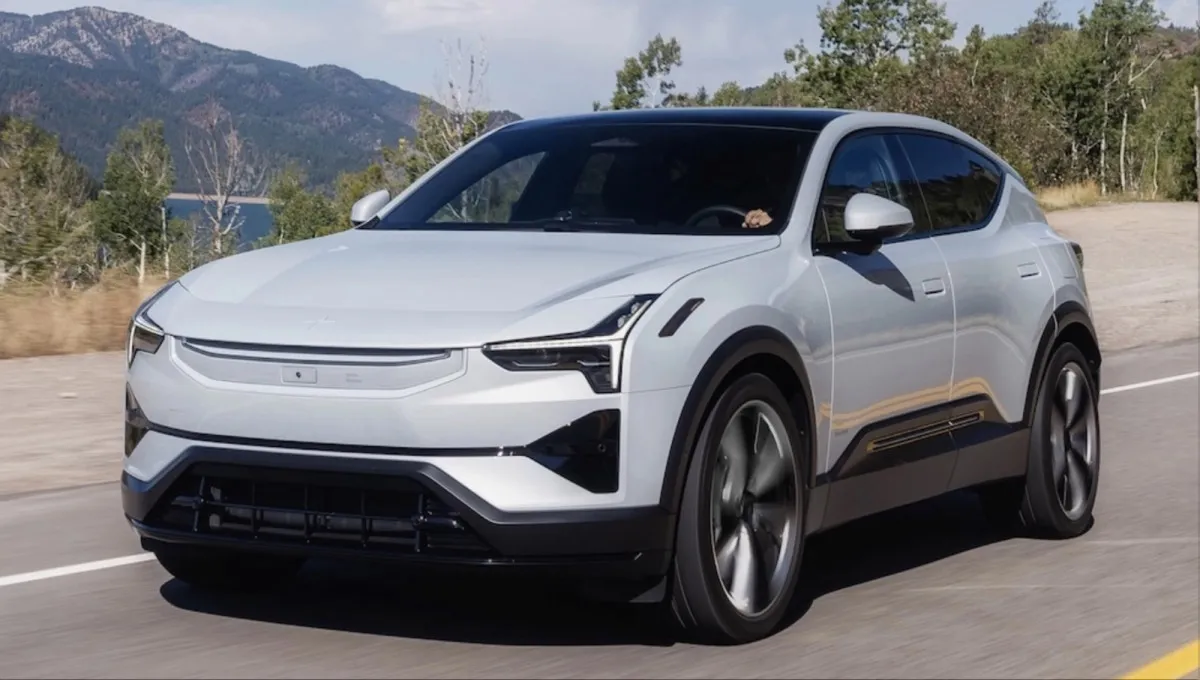
Polestar Can’t Understand Why U.S. Officials Approved Volvo but Rejected Its Request
Polestar’s U.S. product chief says the automaker has spent two months seeking answers from the Commerce Department over the decision.
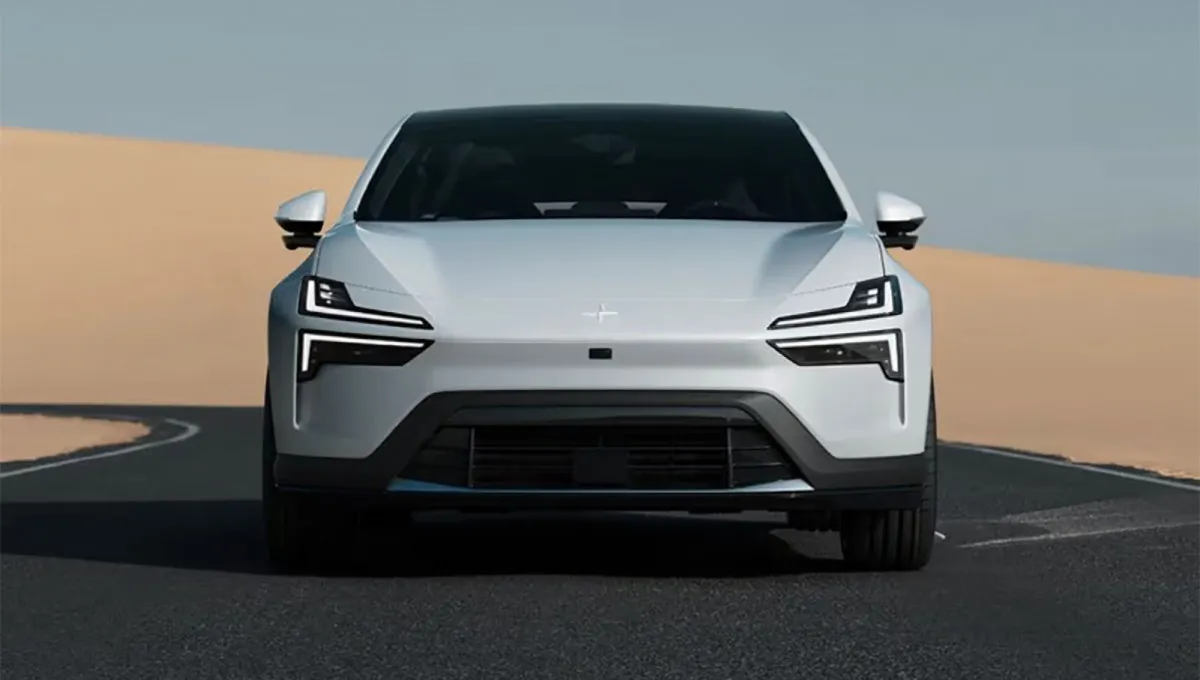
Polestar Won't Fight U.S. Sales Ban, Shifts Focus to Europe
The EV maker will not challenge restrictions on future models in the U.S. and will instead prioritize growth in Europe.
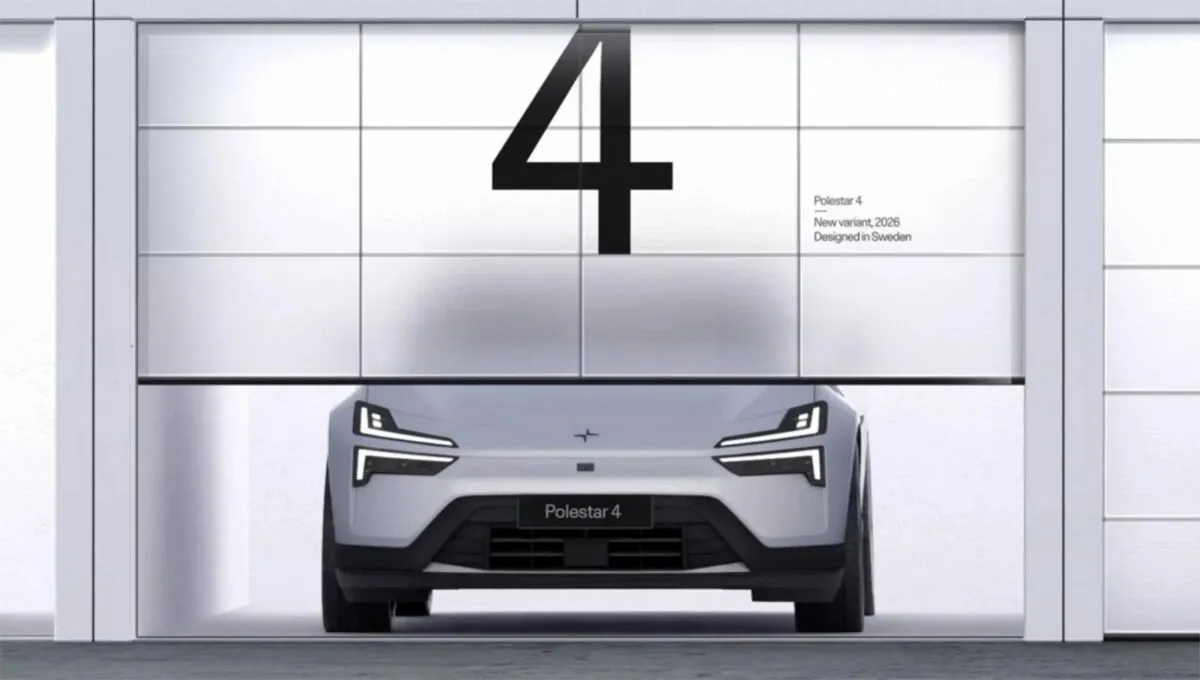
Polestar 4 SUV to Debut September 2 With a Rear Window
Swedish EV brand Polestar will unveil a more practical version of the Polestar 4 on September 2, complete with a conventional rear window.
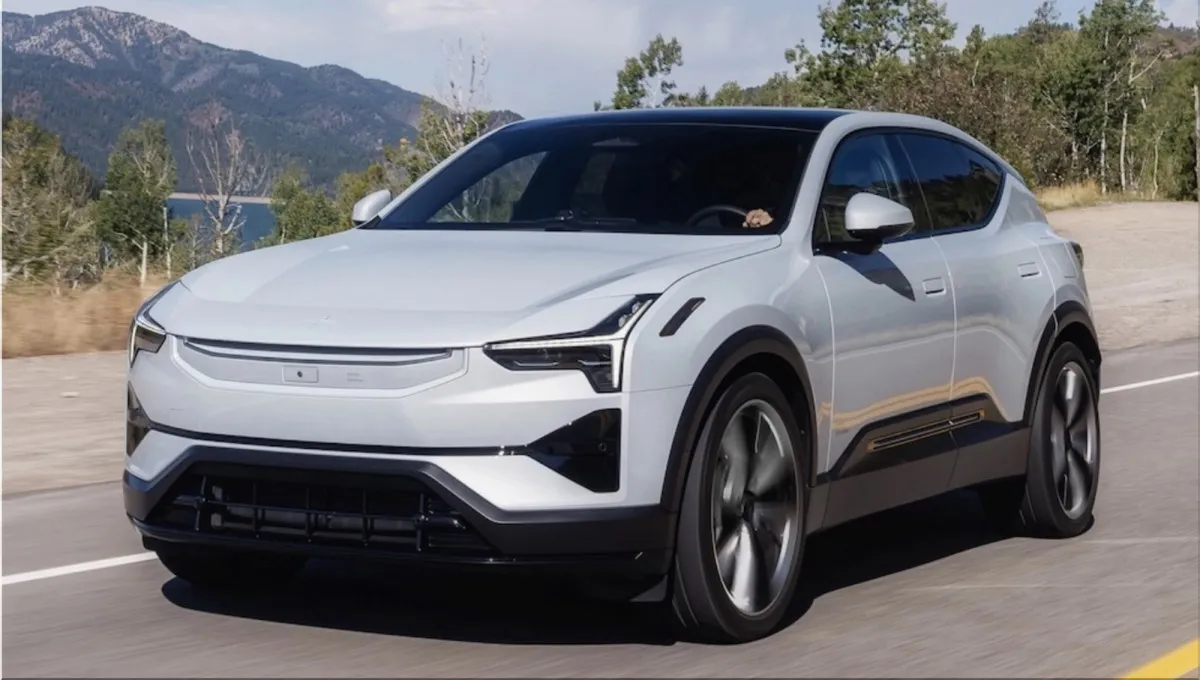
Polestar to Exit the U.S. Market After Failing to Meet New Connected Vehicle Rules
Polestar will stop selling new vehicles in the U.S. beginning with the 2027 model year after regulatory changes.