
Plug the Polestar 4 Into a 200-kW Charger and Get 80 Percent in 30 Minutes
The Polestar 4’s off-road-ready version rides on the familiar SEA platform, with upgraded sensors and revised battery technology underneath.
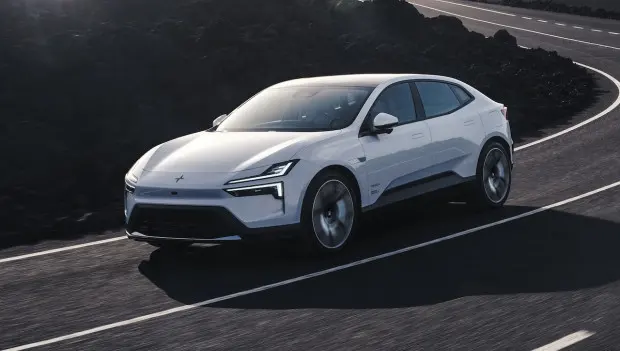
Polestar has revealed details about the 2026 Polestar 4’s new off-road-oriented version, which was previously offered only as a coupe-style SUV. The new model retains the same underlying technology, but Polestar has made several changes to its safety systems, battery, and driving range.
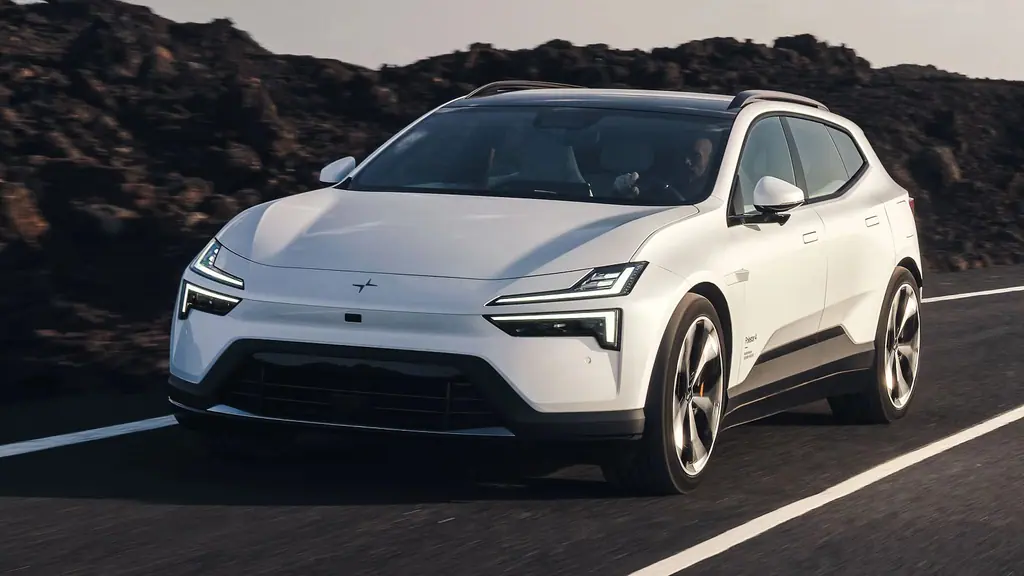
One of the biggest differences is the sensor setup. The Polestar 4 coupe uses 12 cameras and a single radar sensor, while the new version gets a more extensive array with five cameras and five radars. According to Polestar representative Batt, the combination “works better in mud or bad weather,” an important advantage for a more utility-focused body style.
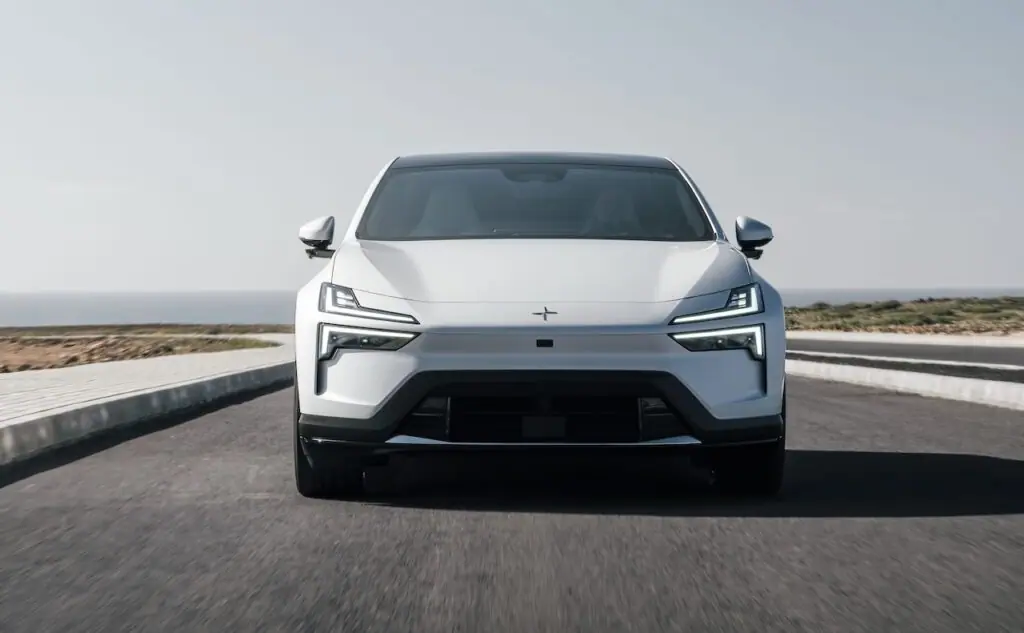
Underneath, the SUV continues to use the familiar Sustainable Experience Architecture (SEA) platform. Batt says engineers made only “small calibration adjustments” to the architecture, while the motor and battery choices remain unchanged from the coupe:
- A rear-wheel-drive version producing 268 horsepower.
- An all-wheel-drive version with dual electric motors producing 537 hp and accelerating from 0 to 62 mph in 3.9 seconds.
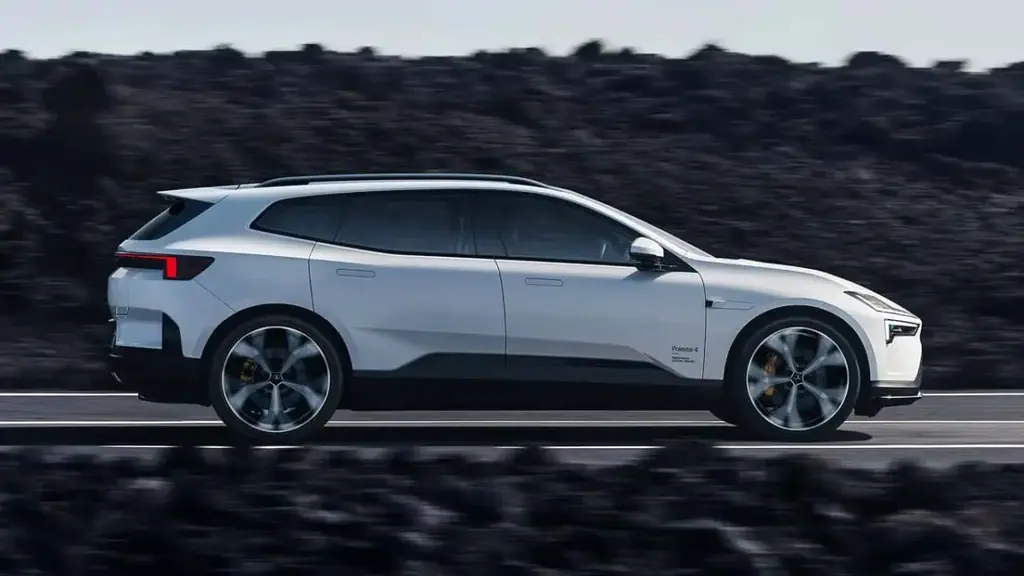
The range-topping model can also be equipped with the Performance Pack, which adds retuned ZF dampers, Brembo brakes, and Pirelli P Zero tires.
Range Increases Despite the Larger Body
Standard versions of the SUV receive new Hankook tires along with minor battery updates. As a result, the taller and more substantial body actually delivers slightly more range than the coupe.
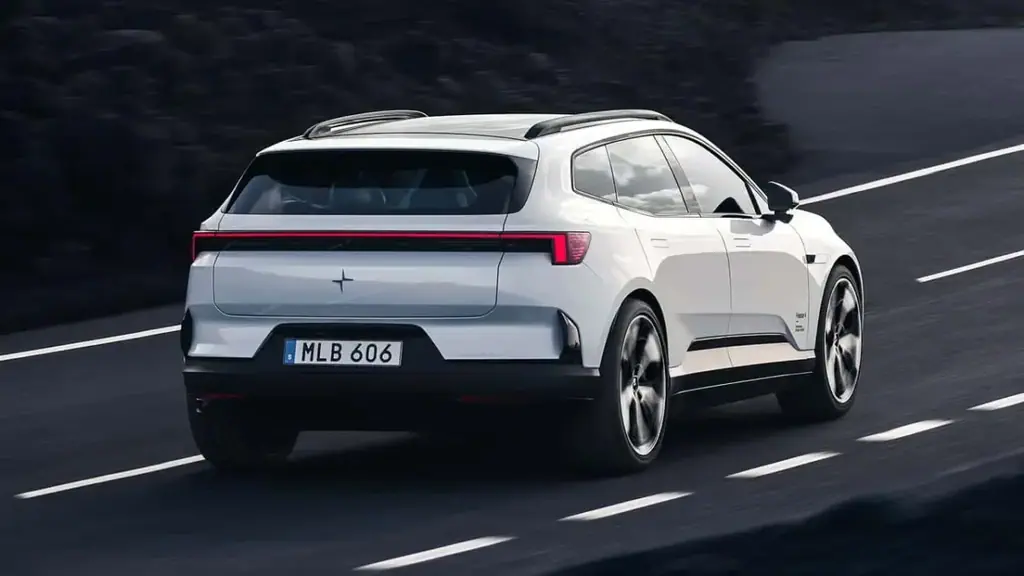
The updated 100-kWh battery gives the rear-wheel-drive model an estimated range of up to 391 miles, while the range-topping all-wheel-drive version can travel up to 373 miles on a full charge. That is roughly 6 miles more than the corresponding coupe versions.
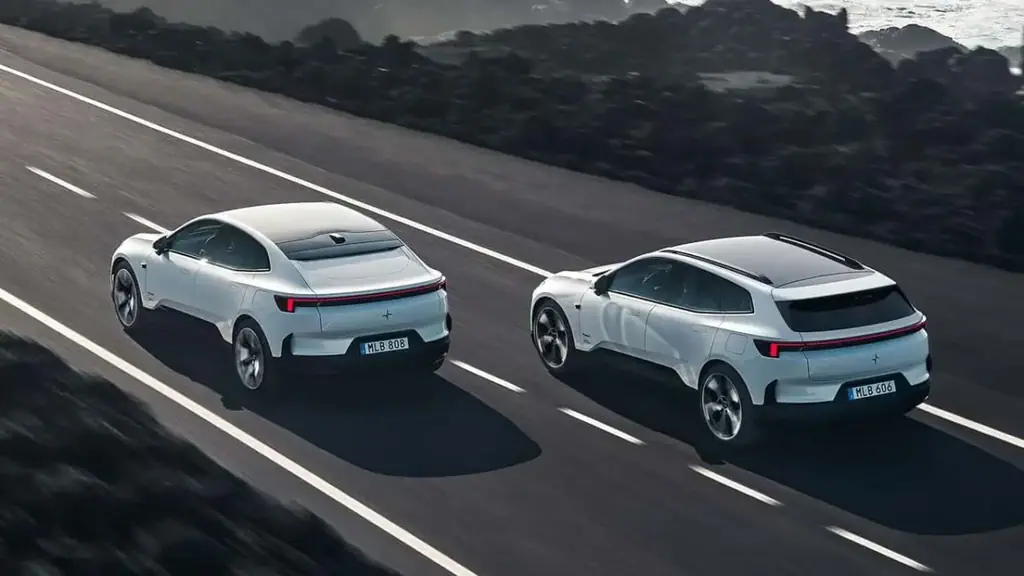
Connect the Polestar 4 to a 200-kW DC fast charger, and the battery can go from 10 to 80 percent in about 30 minutes.
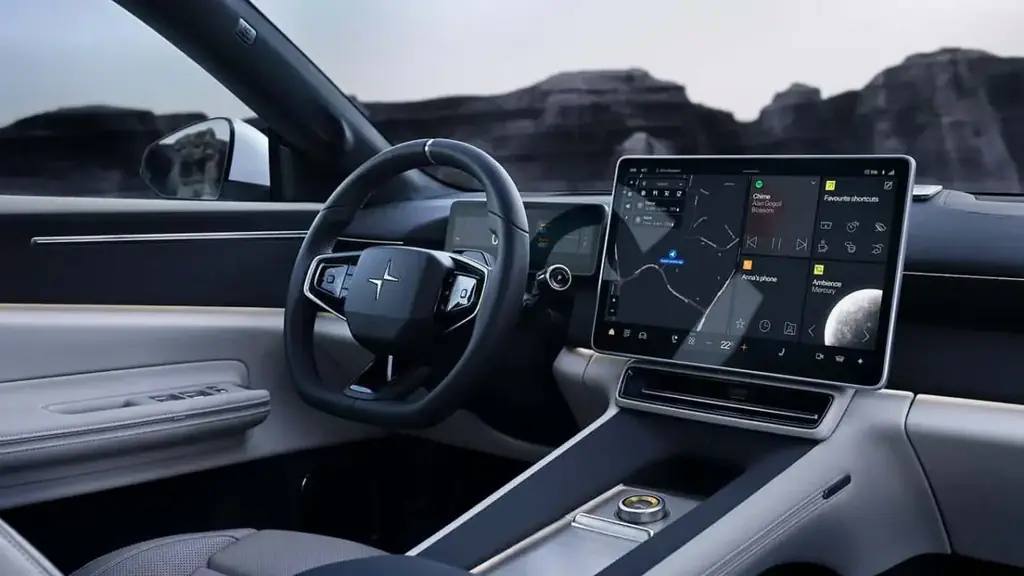
The interior and control layout will look familiar to anyone who has spent time in the Polestar 4 coupe. Most of the changes are centered around the infotainment system. The center display now has nine shortcut buttons, up from six, and the vehicle adds Google Gemini voice-assistant integration for the first time in a Polestar model.
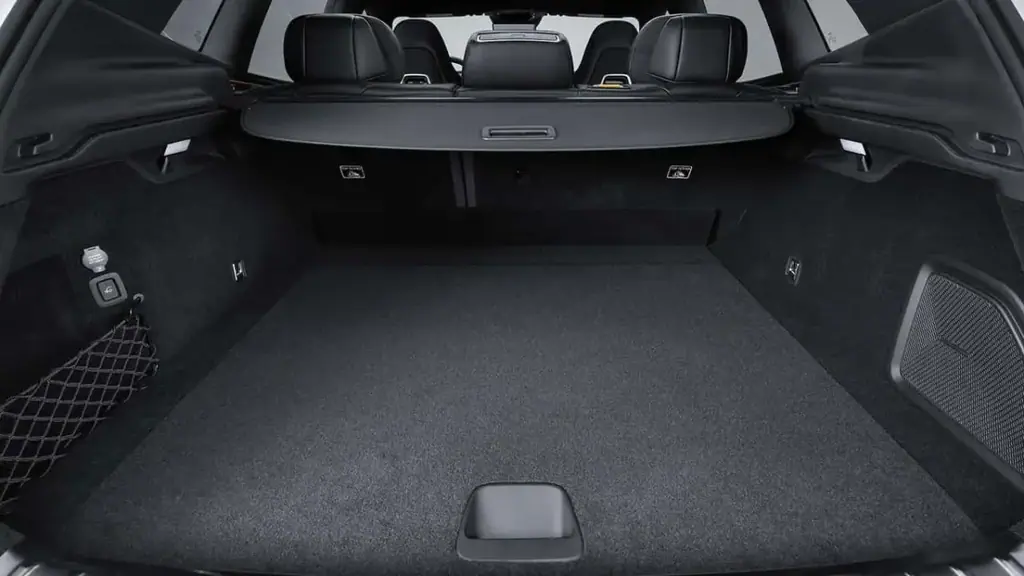
The premium Harman Kardon audio system also carries over, with 12 speakers and a total output of 1,400 watts.
Other additions include illuminated turn-signal stalks and an illuminated Polestar star on the roof. Its reflection in the glass makes the symbol easier to see after dark, adding a small but distinctive touch to the SUV’s interior.
You may also be interested in the news:
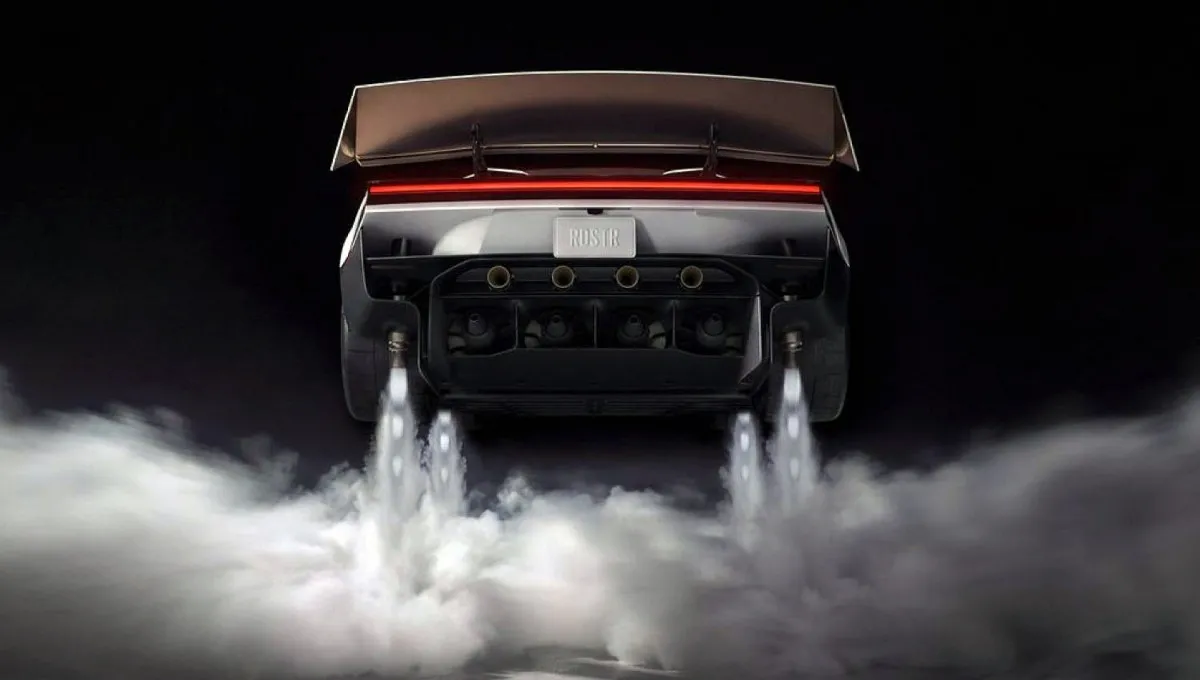
Tesla’s New Roadster Can Fly, but That May Be the Least Impressive Thing About It
Nearly a decade after Elon Musk unveiled the next-generation Roadster, Tesla has finally revealed its most outrageous capabilities.
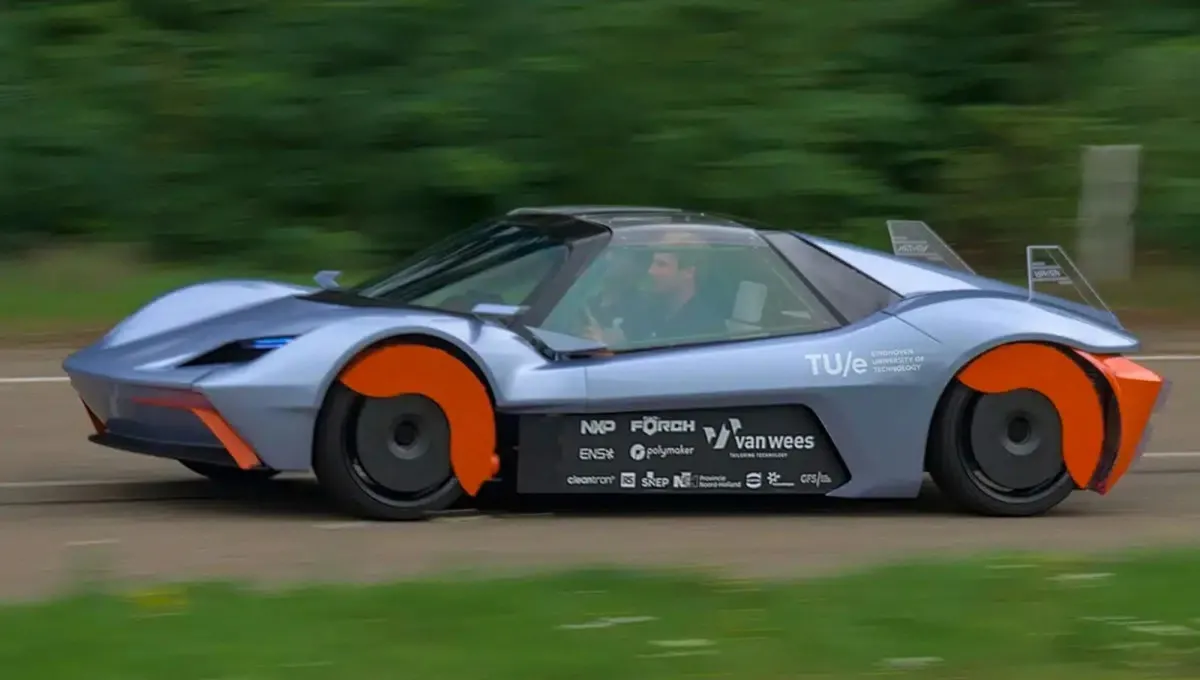
Students Develop an Electric Car That Captures Tire and Brake Dust
A student-built electric concept aims to reduce road pollution by collecting microscopic particles released by tires and brakes.
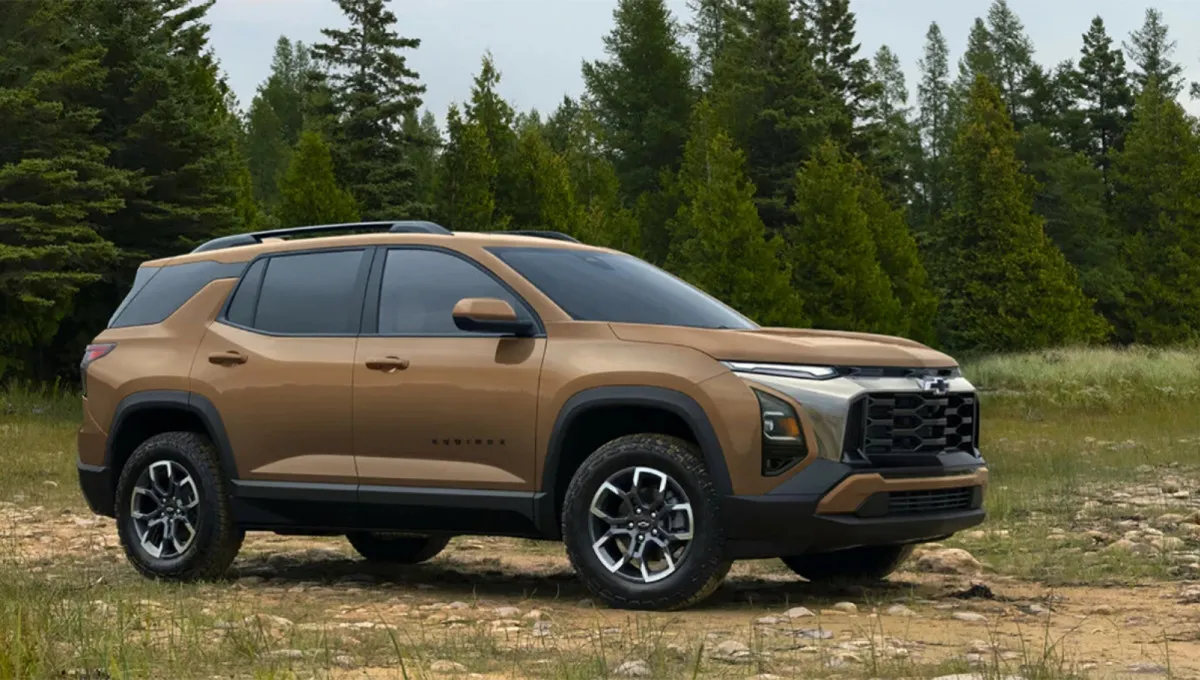
2027 Chevrolet Equinox Drops Its CVT, but Prices Go Up Across the Lineup
Chevrolet has unveiled the updated 2027 Equinox in the U.S., replacing its CVT and raising prices across the lineup.
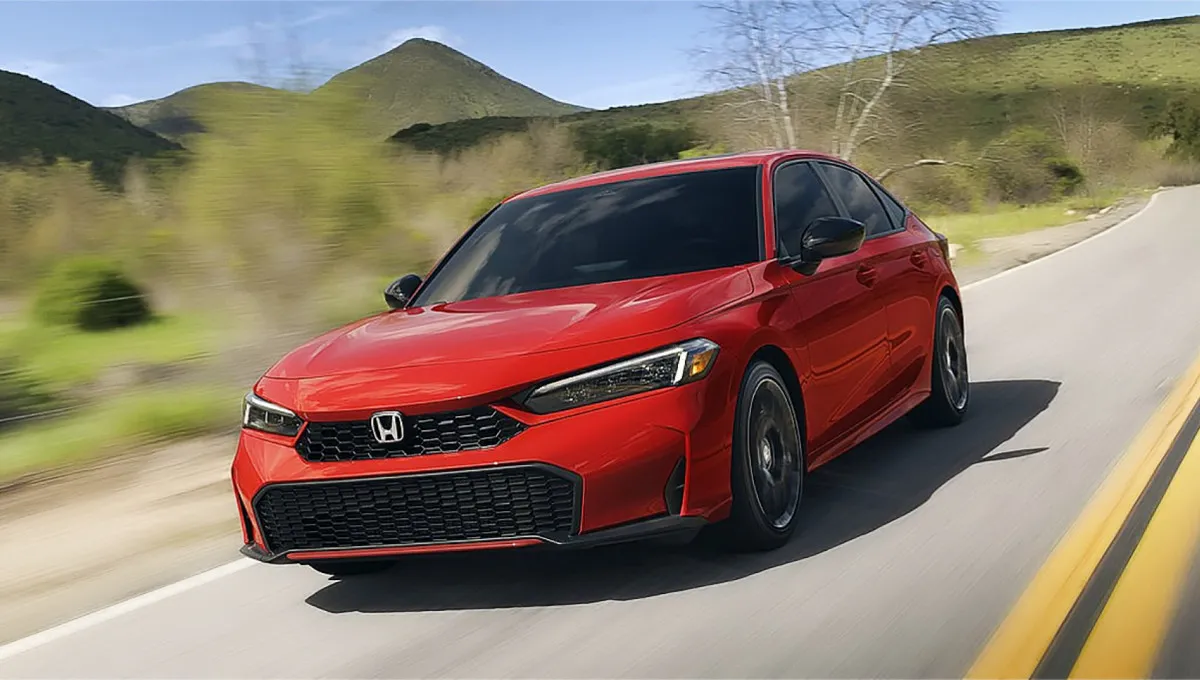
The 2027 Honda Civic Just Got More Premium — And It Still Starts Under $27,000
Honda has updated the Civic for the U.S. market, adding premium features and new driving technology without significantly raising prices.
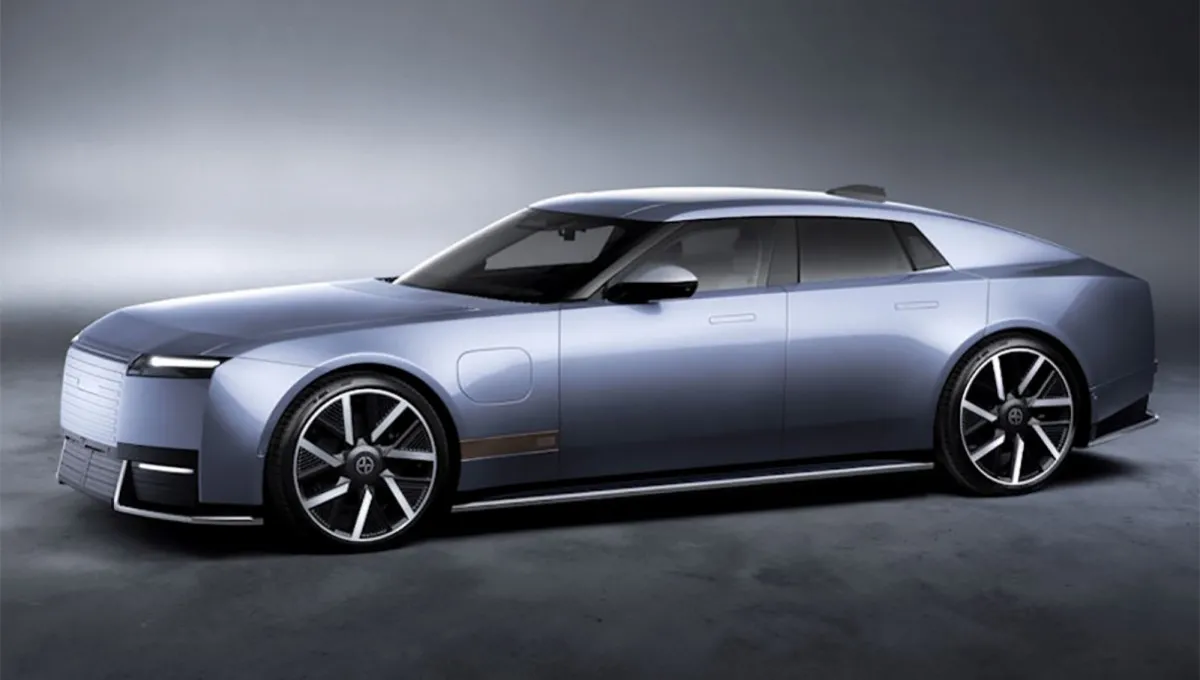
Jaguar Type 01 Revealed as Brand's First Production Model After Its Reinvention — Pricing Announced
Jaguar has unveiled the Type 01, a luxury electric grand tourer that marks a new chapter for the British automaker ahead of 2027 production.