
Polestar Can’t Understand Why U.S. Officials Approved Volvo but Rejected Its Request
Polestar’s U.S. product chief says the automaker has spent two months seeking answers from the Commerce Department over the decision.
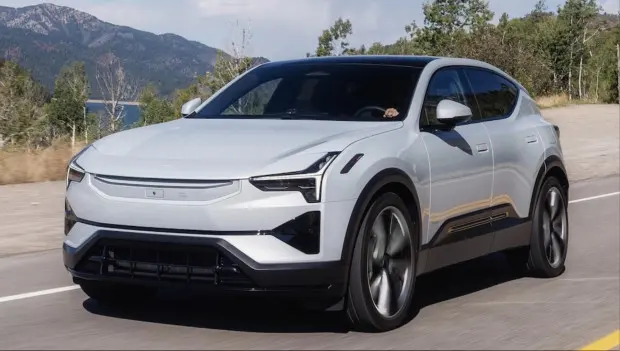
Polestar’s U.S. product chief, Peter Wexler, sent a letter to dealers explaining that the company has spent the past two months pressing the Commerce Department for an explanation of its decision. Volvo’s request for an exemption from the restrictions was approved in May, while Polestar’s application, submitted under the same framework, was rejected in June—even though both brands build EVs on the same production line in South Carolina.
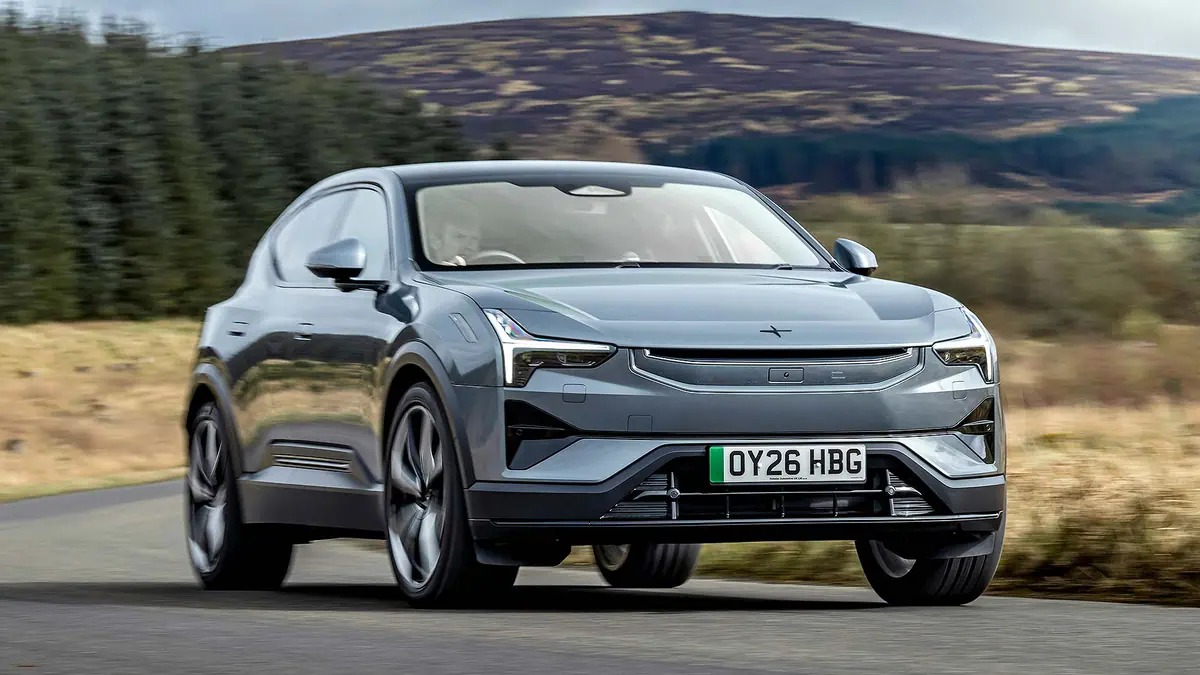
Polestar has found itself in an increasingly awkward position in the U.S. market. Two months have passed since the Commerce Department told the automaker that it would be barred from selling new vehicles in the United States after the 2027 model year. The decision was so unexpected that company officials still do not understand why Polestar was singled out while Volvo, a brand with shared technology and even shared production facilities, was allowed to continue operating.
According to Wexler’s letter to Polestar dealers nationwide, the company is still seeking a clear explanation from federal officials about the reasons behind the decision. The restrictions stem from connected-vehicle technology rules introduced during the Biden administration. Polestar had hoped to secure an exemption under those rules and maintain its presence in the U.S. market, just as Volvo did.
How Officials Changed Course
According to the letter reviewed by The Wall Street Journal, the situation unfolded as follows:
- Over the past year, Polestar responded several times to questions from the U.S. Commerce Department.
- Officials then indicated that they were preparing to approve permission for the automaker to continue selling its EVs.
- According to the letter, Jeffrey Kessler, the Under Secretary for Industry and Security, told Polestar executives that if Volvo’s similar application were approved, it would be reasonable to expect the same outcome for Polestar.
- Volvo did receive an exemption in May, allowing it to continue operating in the U.S. market.
- Just one month later, in June, Polestar’s similar application was rejected.
Wexler said Polestar was prepared to work with the government on a range of additional measures. Those discussions included data storage and access requirements, an independent cybersecurity audit, and additional reporting obligations. The company proposed those measures as part of its effort to preserve the brand’s presence in the U.S. market. So far, however, none of those concessions appear to have changed the Commerce Department’s decision.
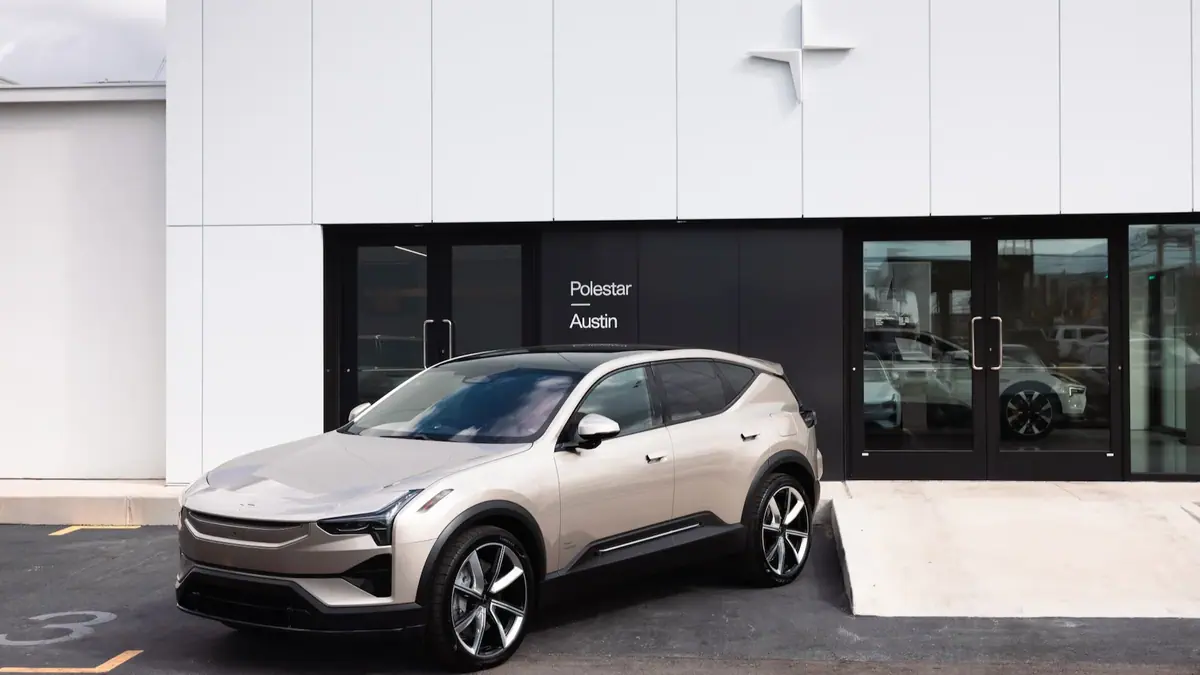
Same Platform, Very Different Outcomes
The decision has left Polestar puzzled, but the company is not alone. Other industry participants have also questioned the distinction. The Polestar 3 uses the same software and a substantial amount of the same hardware as the Volvo EX90. Both vehicles are also assembled on the same production line in South Carolina.
Despite those similarities, federal officials determined that vehicles from one brand could remain on sale in the United States while those from the other could not, even though the two models share much of the same technical foundation.
That discrepancy is at the heart of Polestar’s appeal to the government. In Wexler’s letter, the company argued that treating two brands differently when they produce closely related vehicles conflicts with existing law.
For now, Polestar continues to seek an official explanation and the information it has requested from the Commerce Department. The company says it needs those answers to understand what ultimately led to the unexpected decision.
You may also be interested in the news:
Buick Called Its 1960 Cars “Turbine Drive” Models, but There Was No Turbine Engine Under the Hood
Buick spent decades using memorable marketing phrases, but its 1960 turbine-drive branding had a surprising explanation.
Chrysler’s Hemi Was Too Expensive to Build. Its 1958 Plan B Became a V8 Legend
After its famous Hemi V8s, Chrysler took a new direction in 1958 with a simpler, more affordable engine.
Car Won’t Start When Temperatures Drop? 4 Battery Checks Every Driver Should Make in October
A few simple battery checks in October can help prevent cold-weather starting problems when winter temperatures arrive.
2027 Chevrolet Equinox Drops Its CVT, but Prices Go Up Across the Lineup
Chevrolet has unveiled the updated 2027 Equinox in the U.S., replacing its CVT and raising prices across the lineup.
The 2027 Honda Civic Just Got More Premium — And It Still Starts Under $27,000
Honda has updated the Civic for the U.S. market, adding premium features and new driving technology without significantly raising prices.