
Rolls-Royce Unveils Hybrid Powertrain Destined for Europe’s Next-Generation Battle Tank
Rolls-Royce publicly showcased its powerful hybrid tank drivetrain for the first time in Paris.
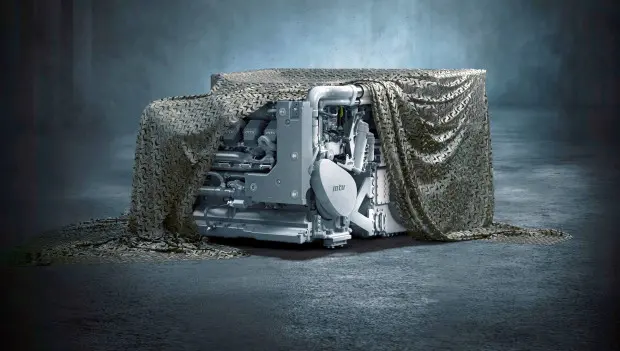
As militaries around the world continue modernizing their arsenals, attention is increasingly turning to the next generation of armored vehicles. While much of today's defense investment focuses on aircraft and drones, Europe is also pushing ahead with plans for an advanced main battle tank designed for the middle of the century.
Germany and France launched the joint Main Ground Combat System (MGCS) program in 2017 as a long-term replacement for the Leopard 2 and Leclerc tanks. The future platform isn't expected to enter service until the 2040s, but one of its most important technologies has now stepped into the spotlight.
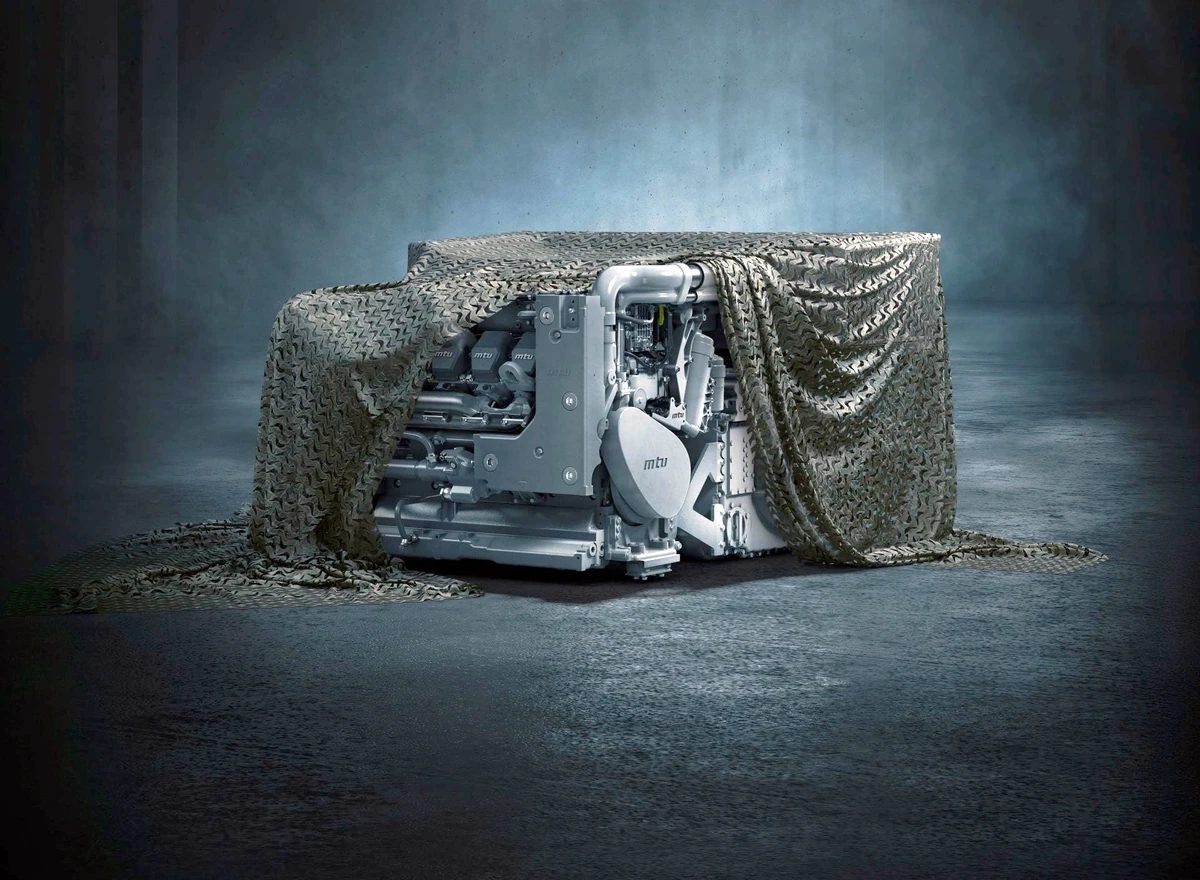
At the Eurosatory defense exhibition in Paris, Rolls-Royce Power Systems publicly displayed its new mtu PowerPack Xelerate hybrid propulsion system for the first time.
A Hybrid Setup Built for Heavy Armor
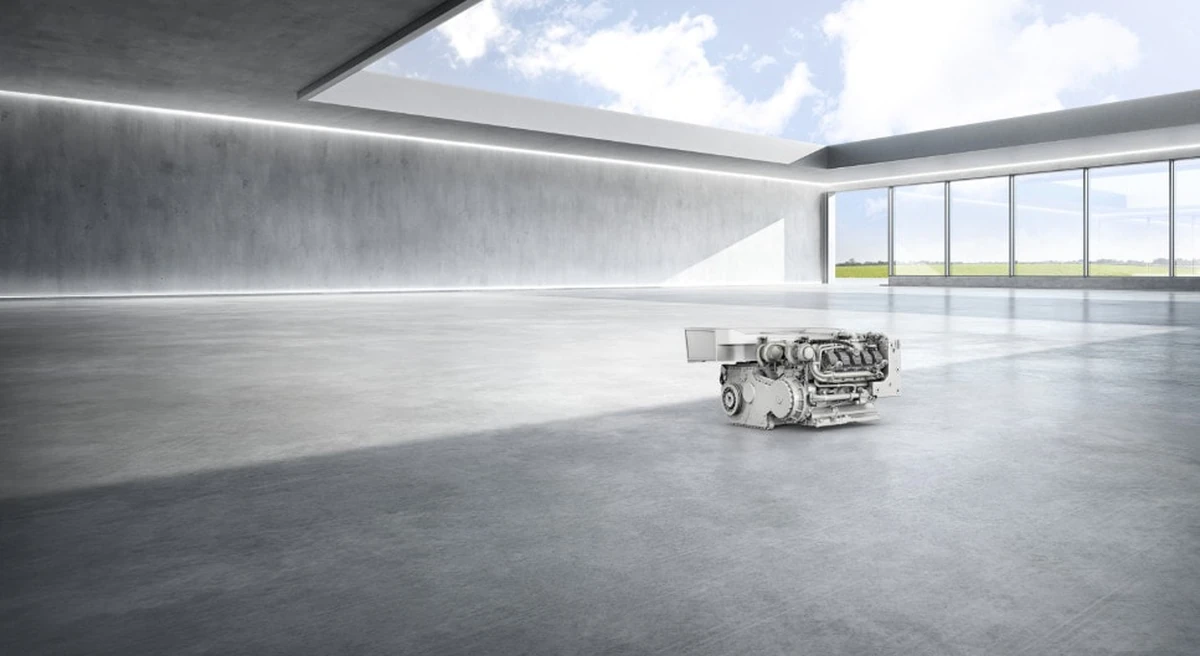
The powertrain combines a modified 10-cylinder mtu 10V 199 diesel engine with ZF's eLSG 5000 electrified transmission. Together, the system is designed to deliver roughly 1,877 horsepower, with about 1,475 hp coming from the diesel engine itself.
The remaining power is managed through an advanced transmission and an electrified powershift steering system developed specifically for heavy tracked combat vehicles. Rolls-Royce says the design allows the vehicle to operate on a wide variety of fuels, including lower-grade fuels commonly available in battlefield environments.
Key vehicle functions, including steering, braking, and recovery operations, are controlled through by-wire systems.
More Than Just a Tank Engine
Although the hybrid system was originally conceived for the MGCS program, Rolls-Royce says its applications extend well beyond a single vehicle.
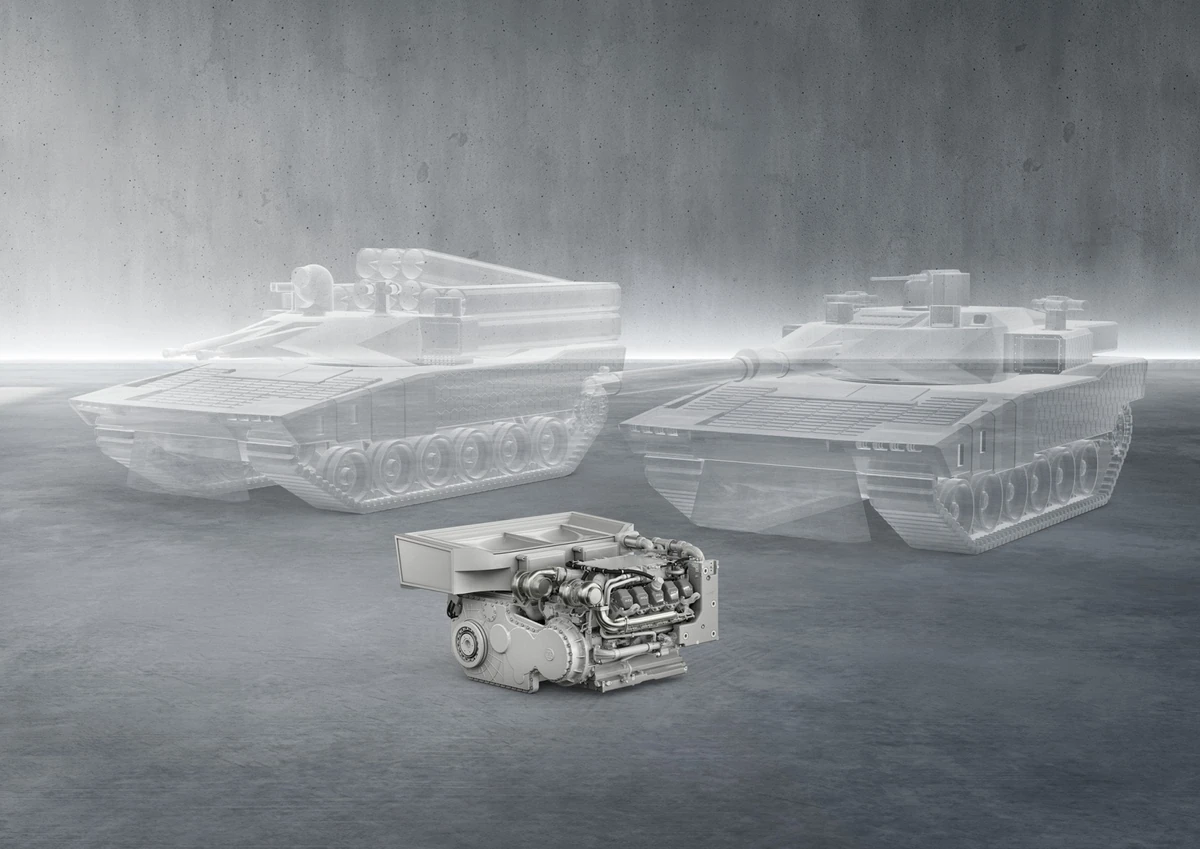
The company envisions the PowerPack Xelerate powering multiple versions of the MGCS family, including:
- A main battle tank;
- A missile carrier;
- An unmanned sensor vehicle.
Engineers also believe the system could find its way into other heavy tracked vehicles in the future.
According to Rolls-Royce, the compact packaging of the drivetrain allows manufacturers to save space and reduce overall vehicle weight. The company says the technology is designed to fit within Military Load Classification 60 standards, which generally apply to vehicles weighing around 60 tons.
Beyond propulsion, the hybrid system is capable of supplying electricity to sensors, communications equipment, and active protection systems while helping minimize the vehicle's overall signature.
Testing Expected Before the End of the Decade
Rolls-Royce expects the first prototypes equipped with the mtu PowerPack Xelerate to begin testing later this decade. Assuming development remains on schedule, operational deployments could begin sometime during the 2030s, although the company has not identified which platforms will receive the system first.
Europe’s Future Tank Program Continues to Move Forward
The MGCS project remains a collaborative effort involving KNDS — the Franco-German defense group formed by KMW and Nexter — along with Rheinmetall. While Germany and France will be the primary operators, several other European countries have already expressed interest, including Italy, Norway, Poland, Spain, Sweden, and the United Kingdom.
The program envisions far more than a single tank. Instead, MGCS is being developed as part of a broader combat ecosystem linking manned and unmanned ground vehicles, aerial systems, and artificial intelligence-enabled networks.
Despite years of political debates and funding challenges, the program remains alive.
Interestingly, KNDS used this year's Eurosatory exhibition to reveal another armored vehicle project known as CAPINT, short for CAPacité INTermédiaire. Seen as an interim step toward MGCS, the vehicle is based on the Leopard 2A8 chassis and features a 1,500-horsepower diesel engine paired with an Ascalon turret equipped with a 120-mm autoloading smoothbore cannon.
Unlike the MGCS, which remains decades away, CAPINT and its new turret are expected to be ready for operational service sometime during the next decade.
You may also be interested in the news:
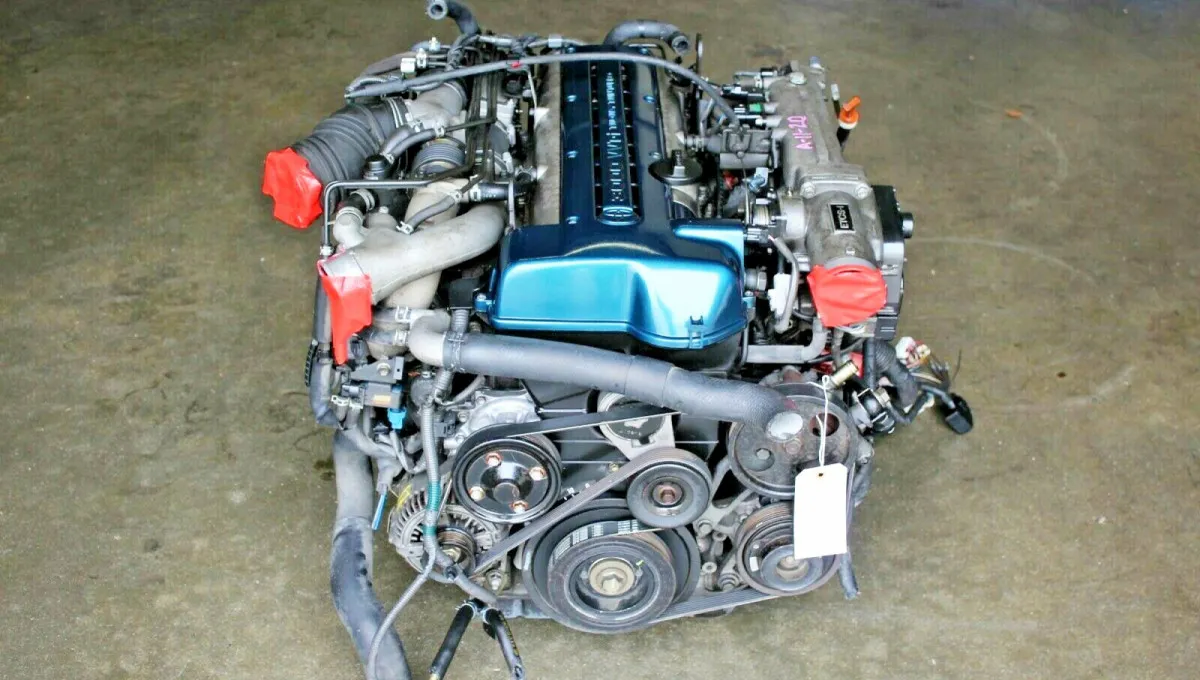
Toyota Built It to Survive 300,000 Miles. Tuners Turned It Into a 2,000-HP Beast
Toyota engineers may have gone too far with durability — and accidentally created the ultimate engine for hot-rodding.
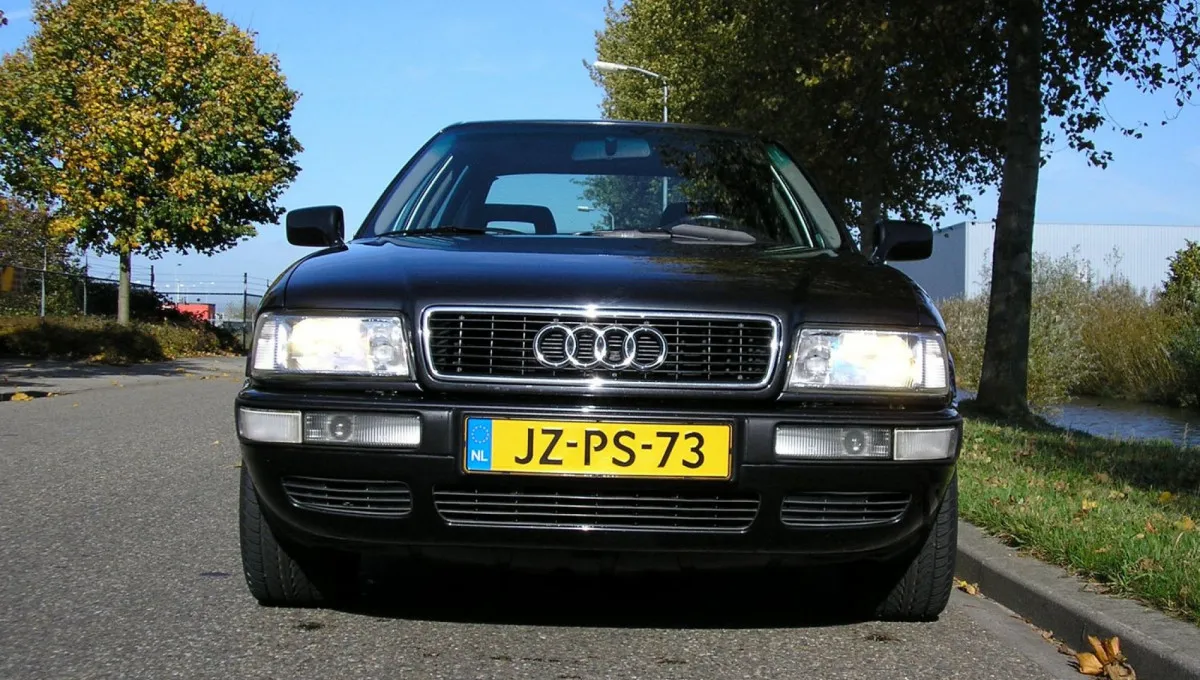
Audi 80 Has Covered Nearly 1 Million Kilometers With Its Original Engine
A 1991 Audi 80 is closing in on a mileage record.

Toyota's First Engine Was Copied From a Chevrolet
Toyota's first engine, the Type A, wasn't entirely Japanese—it was based heavily on a Chevrolet straight-six.
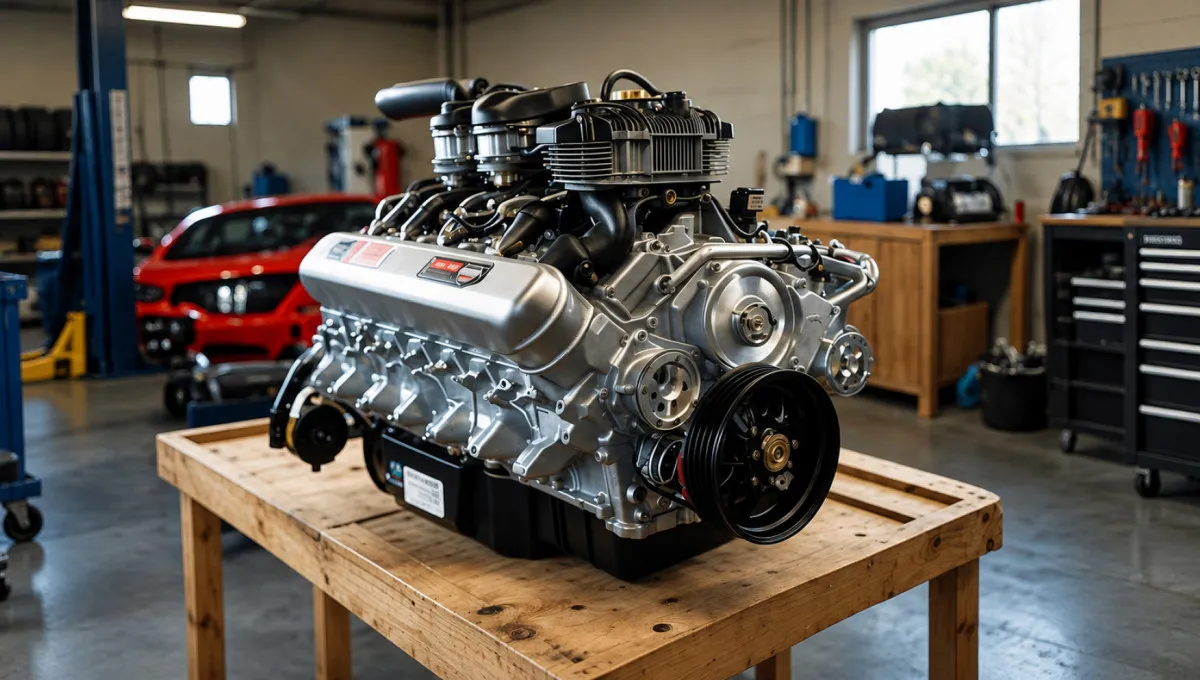
Million-Mile Engines: Why Four Legendary Motors That Outlived Their Owners Became History
Some engines become legends by surviving for decades, crossing millions of miles and proving nearly impossible to kill.
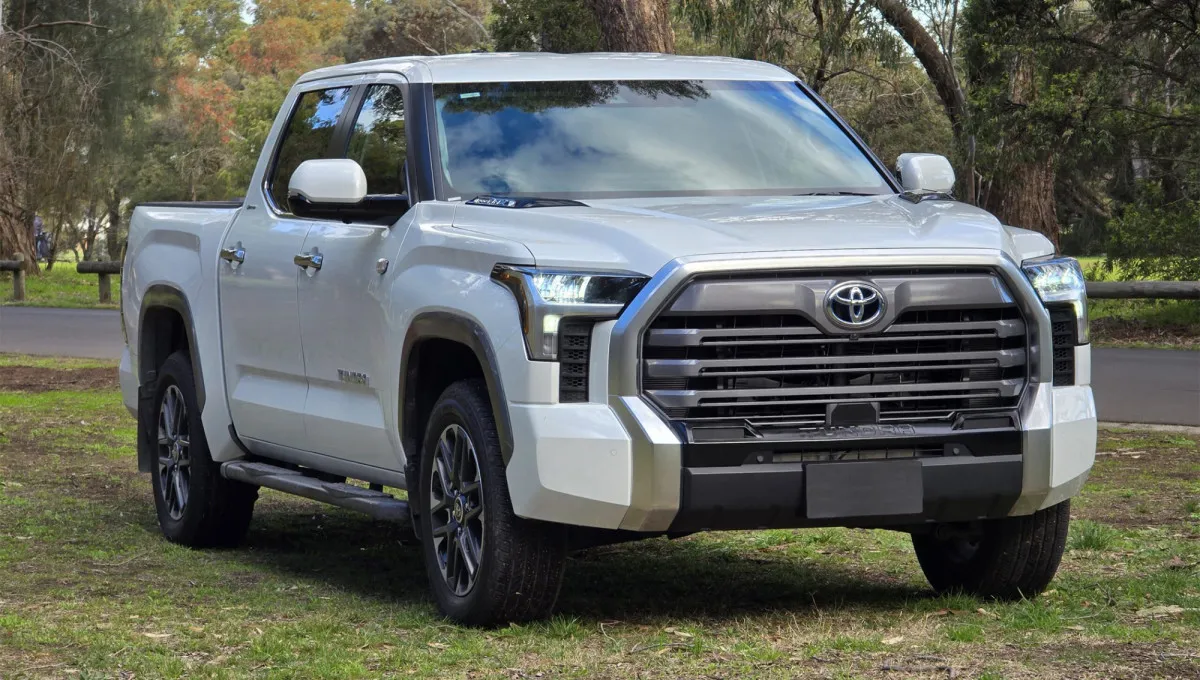
2026 Toyota Tundra Replacement Engine Failed, Raising New Questions About the Recall Fix
A 2026 replacement V35A engine has failed, raising fresh questions about Toyota’s Tundra recall fix.