
Six EVs with Vehicle-to-Load: ADAC Testing Uncovers Weak Spots
An outlet in the trunk — just how practical is V2L in an electric car? Here’s what a test of six models turned up.
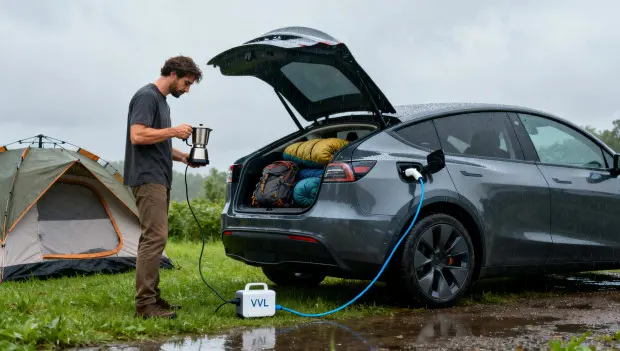
Not many folks realize that modern EVs can do more than just take a charge — they can power your household gear. Germany’s ADAC auto club put six popular models through their paces to check how safe and user-friendly Vehicle-to-Load really is. We’re breaking down the hidden headaches, what the feature costs, and the little quirks that matter — so you don’t end up dead in the water at the worst possible time.
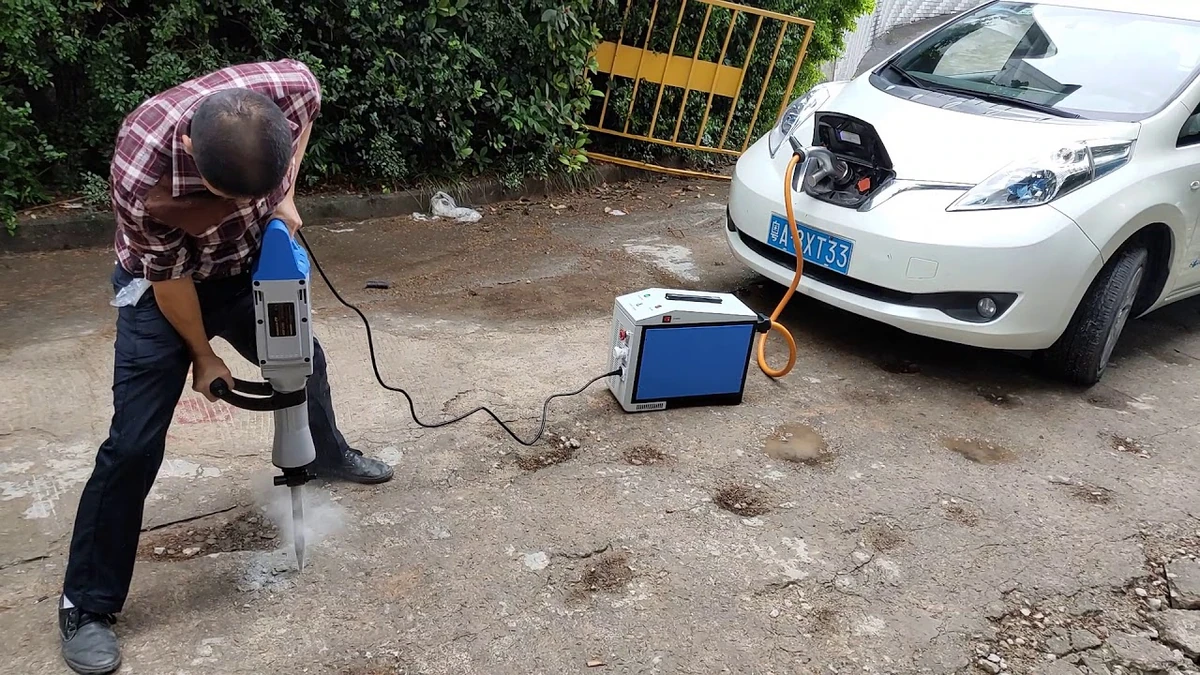
For American drivers who often pick an electric car for camping, tailgating, or a cross-country road trip, the idea of using the vehicle as a rolling power source is getting more appealing by the day. Vehicle-to-Load — V2L for short — lets you plug in everyday appliances right from the car. It’s not exactly rare anymore, but how well does it actually work when you’re out in the sticks? ADAC ran six models through a reality check to see how the tech holds up and what kind of snags owners run into.
The lineup included the BMW iX3, BYD Seal, Kia EV5, MG4, Renault 5, and XPeng G9. Every one of them packs V2L, but each brand took its own path. MG and BYD, for instance, ship adapters with a cord and an outlet box, while Kia even throws in a rain shield. That sounds great — until you read the fine print. Every manufacturer flat-out says don’t use this thing in wet weather, even if the adapter has some level of water protection. That’s a nasty surprise for anyone picturing their EV as an all-weather power station at a rainy campsite or a muddy job site.
Activating V2L isn’t the same across the board, either. On the BMW and XPeng, you simply plug the adapter in and you’re good to go. With the BYD, Kia, and Renault, you’ve got to hit a button or jump through an extra hoop or two. Also worth noting: ADAC only tested the factory adapters. Third-party knockoffs were never put under a microscope, and using one could be a roll of the dice.
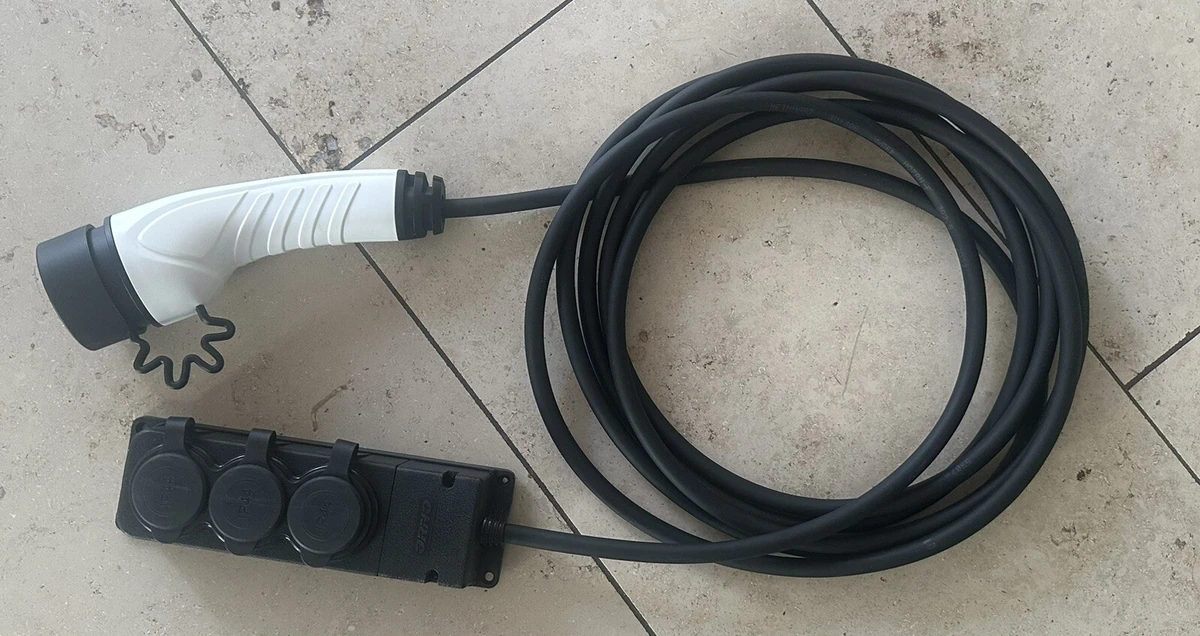
Safety is the elephant in the room when you start pulling kilowatts out of a car battery. The good news? All six vehicles handled short circuits and overloads exactly the way you’d hope — they cut power automatically and kept the electronics from frying. Maximum continuous output through V2L tops out at 3.7 kW, which is right around what you’d get from a dedicated 240-volt circuit in your garage. The one exception was the BMW iX3, which can briefly surge up to 5 kW. That’s handy for kicking over a heavy-duty power tool, and the test showed it doesn’t trigger any mayhem.
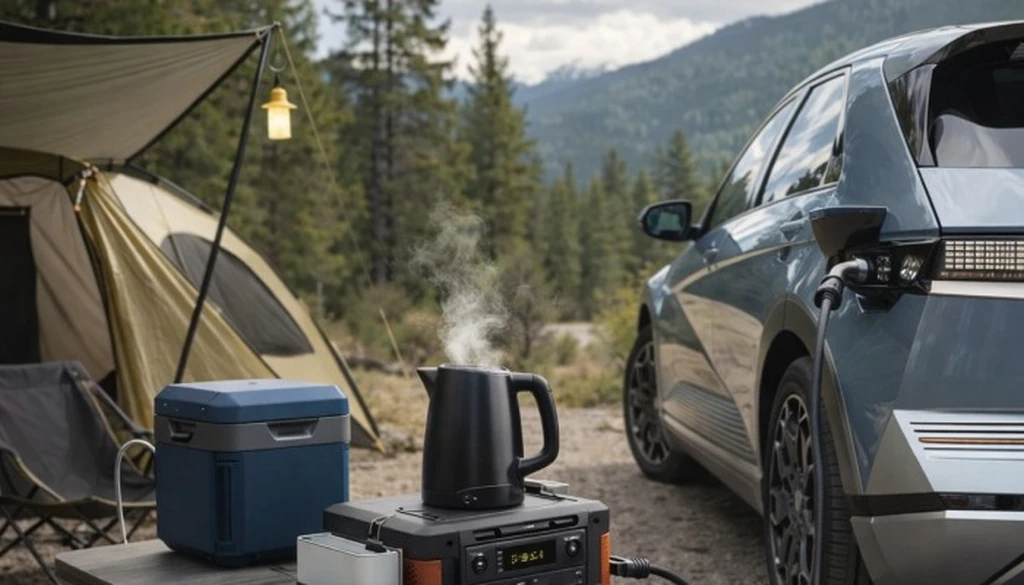
Every time ADAC created a dead short, the car killed the juice without damaging anything. Once the fault was cleared, V2L usually came back to life on its own — except in the Renault 5. That one required putting the car into sleep mode and keeping the key fob away for several minutes. The owner’s manual says nothing about this little ritual, and it could leave somebody scratching their head in a parking lot.
Cost is all over the map. BYD bundles the V2L adapter into the base price of the car. BMW, meanwhile, wants more than $970 for the feature and the adapter combined. And here’s a detail that’s easy to miss: every EV in the test sucked down between 390 and 500 watts just to keep the car’s own electronics awake — even with nothing plugged into the outlet. That’s comparable to the baseline draw of a whole house at night. If you’re only running something small like a cooler, those losses add up fast, and your battery will drain quicker than you probably planned.
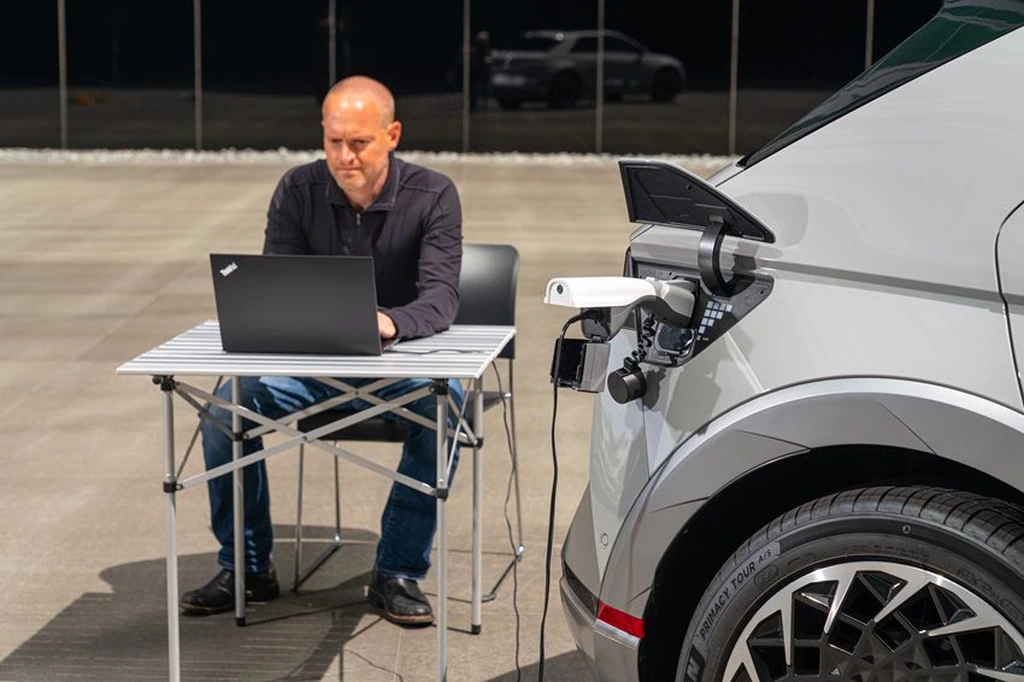
One more thing that trips people up: error messages. Only the Kia plainly spells out what went wrong — “Power consumption too high” pops up on the screen. The BMW, Renault, and BYD cough up vague warnings that could mean a dozen different things, which doesn’t do you any favors when you’re trying to figure out why the coffee maker just quit.
Bottom line? V2L is a killer feature — until it isn’t. Knowing the quirks before you fork over the cash could save you a lot of frustration and a dead battery when you least expect it.
You may also be interested in the news:
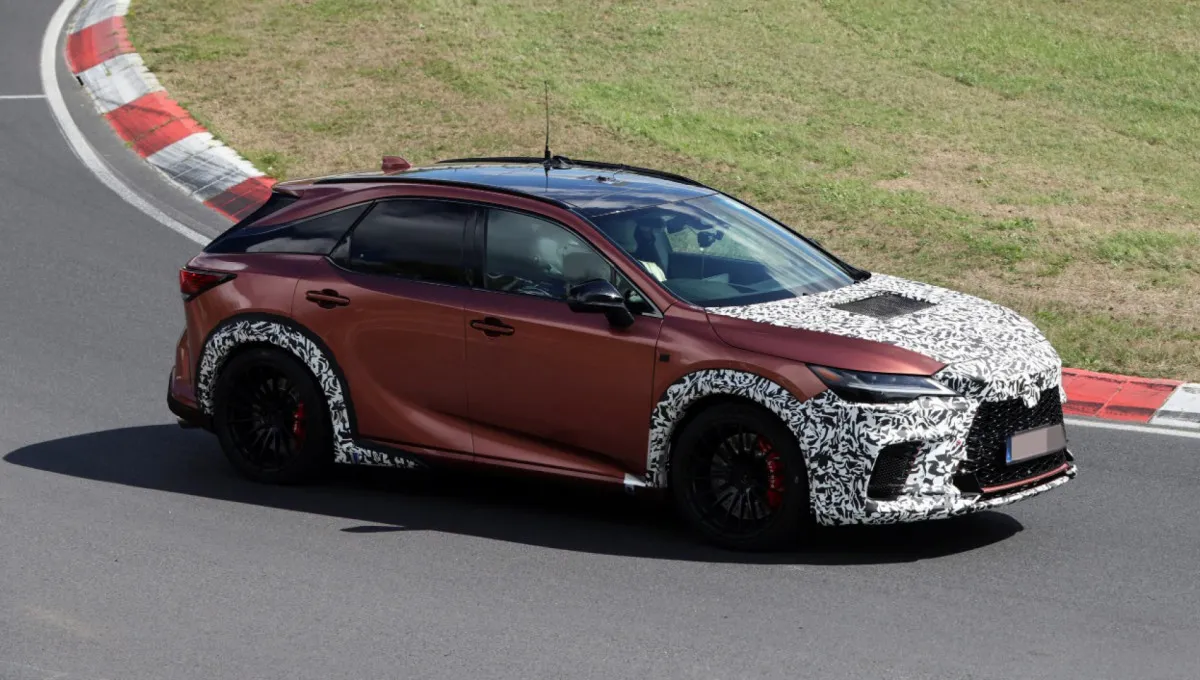
2028 Lexus RX Morizo RR Spy Photos Reveal a Hood Vent and Aggressive New Seats
The Lexus RX Morizo RR is back at the Nürburgring, revealing a functional hood vent and its sport-focused interior.

Honda's New 7-Seat Luxury SUV Gets a Projected Price
Honda is preparing a new Avancier three-row SUV aimed at buyers seeking more space, comfort and upscale features.
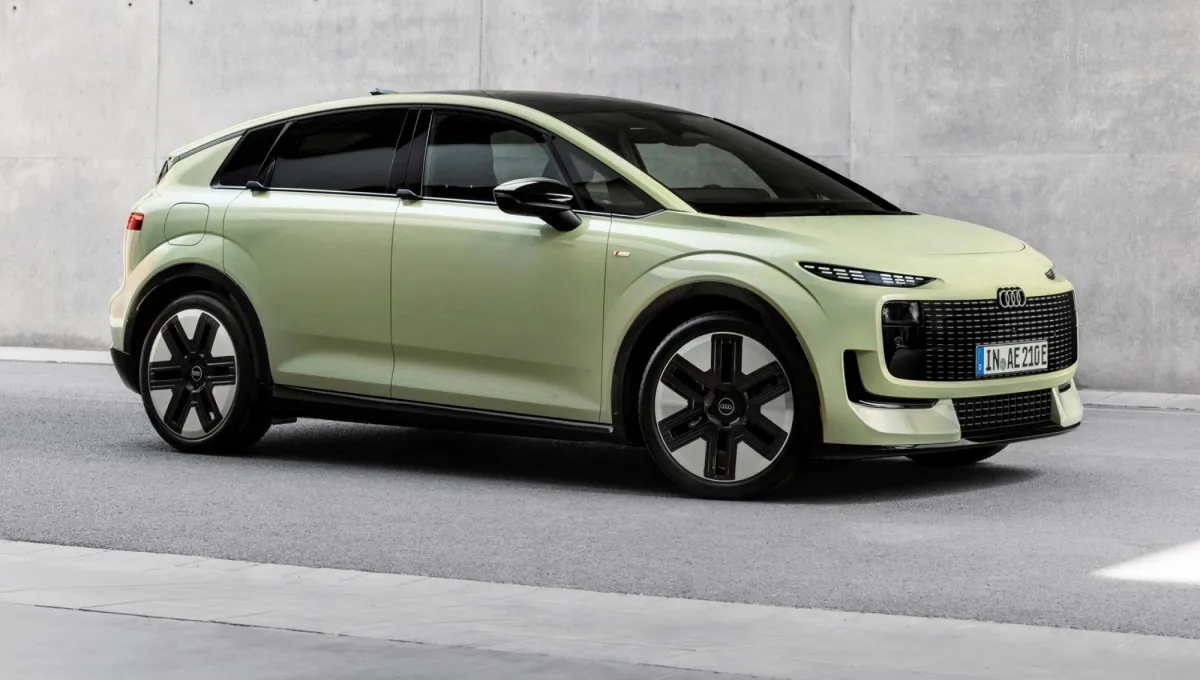
Audi Reveals EV With Unusual Door Handles
Audi has unveiled the new A2 E-Tron, an electric hatchback with distinctive styling and tiny flush-mounted door handles.
Volkswagen ID. Polo Demand Is So Strong Buyers Face a Nearly Yearlong Wait
Demand for Volkswagen’s affordable EV is so strong that buyers may wait nearly a year before taking delivery.
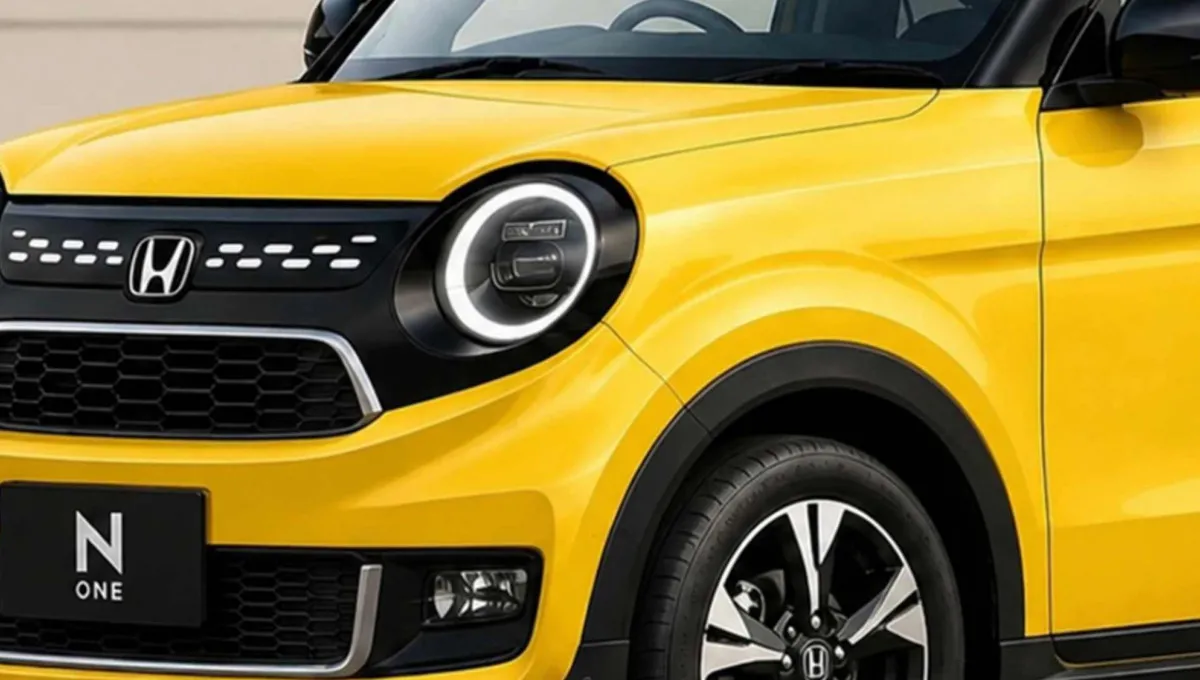
Next-Generation Honda N-One Appears in First Renderings
The Honda N-One family expanded in 2025 with the electric N-One e:, while the gasoline-powered RS received an update.