
2014 Ford F-150 Recalled Over Potential Unexpected First-Gear Downshift Condition
The recall population comprises incorrectly updated 2014 models that may experience sudden first-gear downshifts due to iffy powertrain control module software

Two years after issuing recall 24V444, Ford Motor Company is launching another safety campaign affecting up to 44,963 model-year 2014 F-150 pickups in the United States. The new action follows the discovery that some vehicles received the wrong software during repairs carried out under the original recall.
Recall 24V444 initially covered 552,188 trucks and addressed an issue involving intermittent loss of the transmission output shaft speed sensor signal to the powertrain control module. According to Ford, the problem could cause the transmission to unexpectedly shift into first gear without warning, creating a higher risk of a crash.

The automaker also noted that affected vehicles could trigger the check engine light, while some drivers might need to stop and restart their trucks to restore normal transmission operation. Dealers were instructed to reprogram the powertrain control module free of charge.
However, Ford later determined that certain technicians installed an incorrect software version during those repairs. As a result, thousands of trucks now require another visit to the dealership.

The affected vehicles were built exclusively for the 2014 model year between June 19, 2013, and December 23, 2014. Production took place at Ford’s assembly plants in Dearborn, Michigan, and Kansas City, Missouri. During late 2014, both facilities were being retooled to build the redesigned aluminum-bodied 2015 F-150.
As with the original recall, several factors may contribute to the intermittent sensor signal issue. Potential causes include contamination, corrosion, electrical shorts, faulty sensor outputs, and connector-related problems.
Dealers will once again update the module software. In addition, technicians must verify the installed calibration using the Professional Technician System’s software validation process. The procedure creates a digital record linking the updated software to the truck’s factory data.

Ford plans to begin notifying owners by mail in early July 2026, with all notices expected to be sent no later than July 10. Vehicle identification numbers are scheduled to appear on the National Highway Traffic Safety Administration website beginning July 6, 2026.
For the 2014 model year, the F-150 lineup offered four engine options, including a 3.7-liter V6, a 5.0-liter V8, a twin-turbocharged 3.5-liter EcoBoost V6, and the 6.2-liter Boss V8. Buyers could also choose from three cab configurations and three bed lengths.
Trim levels ranged from the entry-level XL and XLT to the STX, FX2, FX4, Lariat, King Ranch, Platinum, Limited, and SVT Raptor. Ford also offered the niche FX2 Tremor, a regular-cab, short-bed performance variant equipped with rear-wheel drive and the 3.5-liter EcoBoost engine.
You may also be interested in the news:
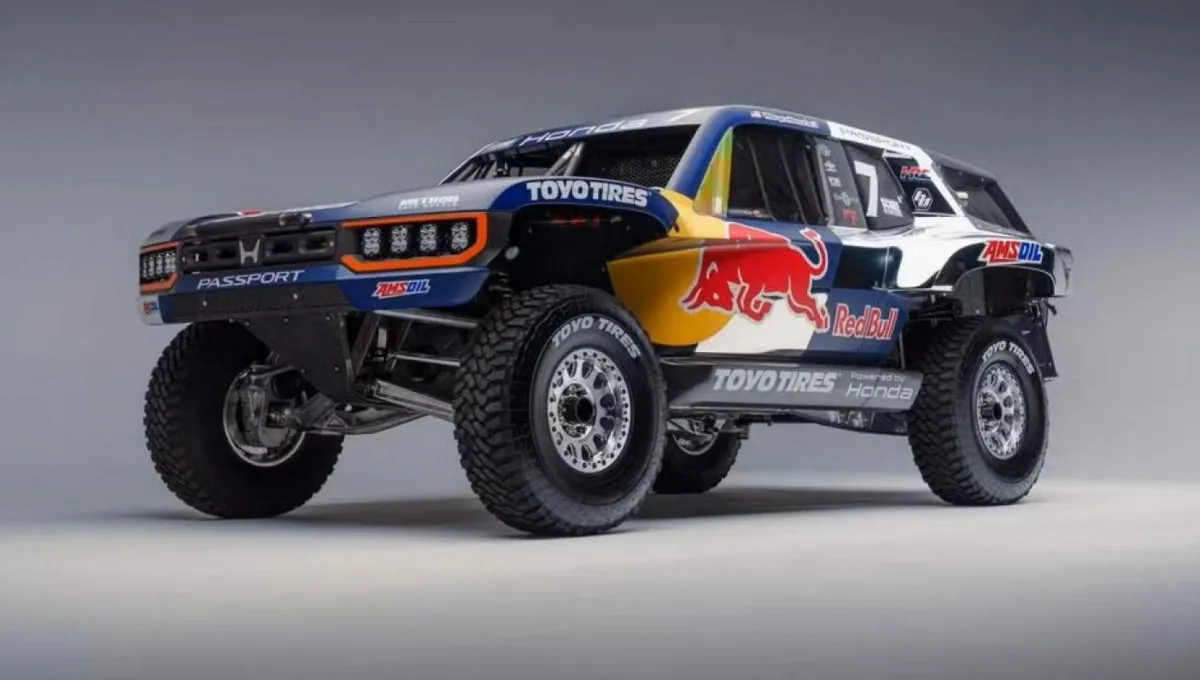
Honda Built a 1,300-HP Hybrid Trophy Truck for Baja—and It Has No V8
Honda Racing has revealed a radically different Passport-based trophy truck built for serious Baja desert competition.
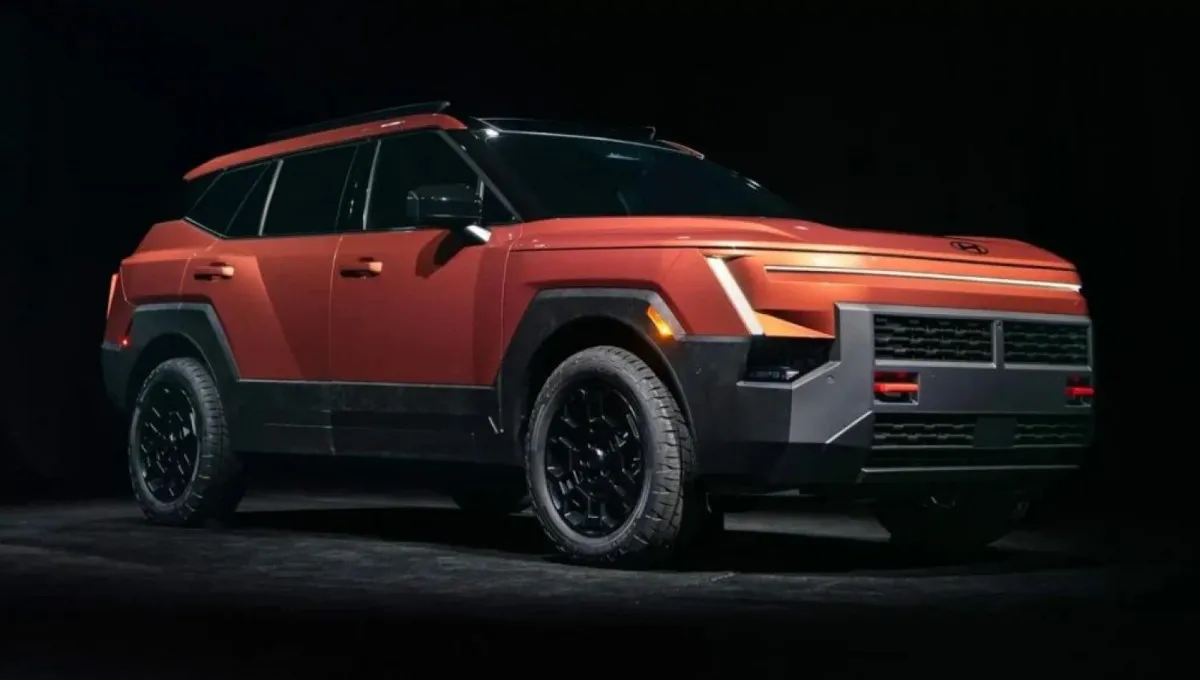
Hyundai Tucson Goes Rugged: The New Angular SUV Gets an XRT Pro Off-Road Version
Hyundai has unveiled a dramatically redesigned Tucson, trading its sleek styling for a tougher look and genuine off-road ambitions.
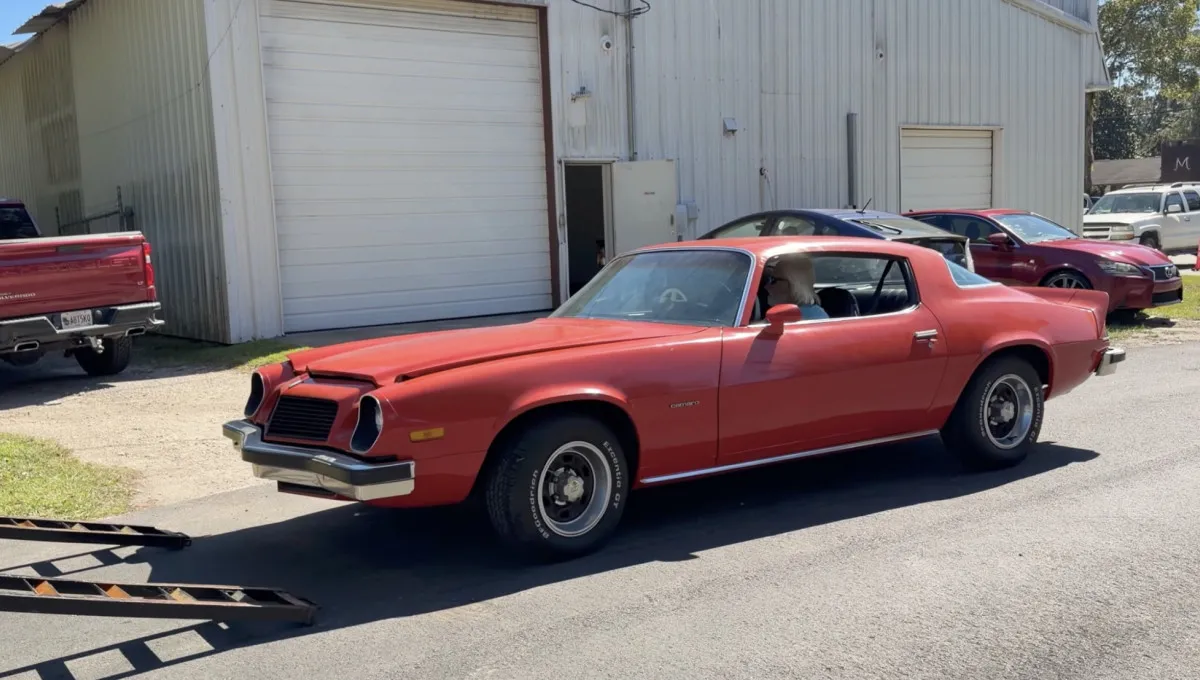
He Bought a 1976 Chevy Camaro Just Like the One He Drove in High School, Despite Its Missing Brakes
A Georgia car enthusiast has bought his old high school dream car again, but this Camaro needs serious work.
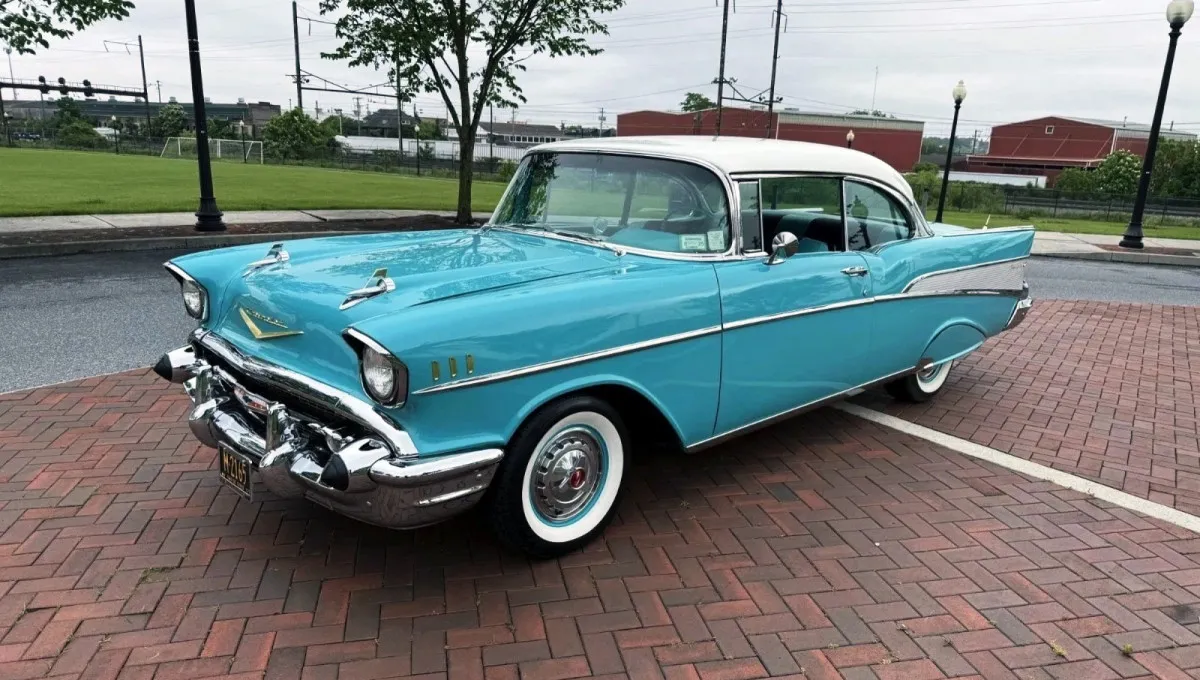
This 1957 Chevy Bel Air Has a V8, Air Conditioning, and Just About Everything You Want in a Classic
This turquoise 1957 Chevrolet Bel Air needs little attention, packs a V8, and is looking for another owner.
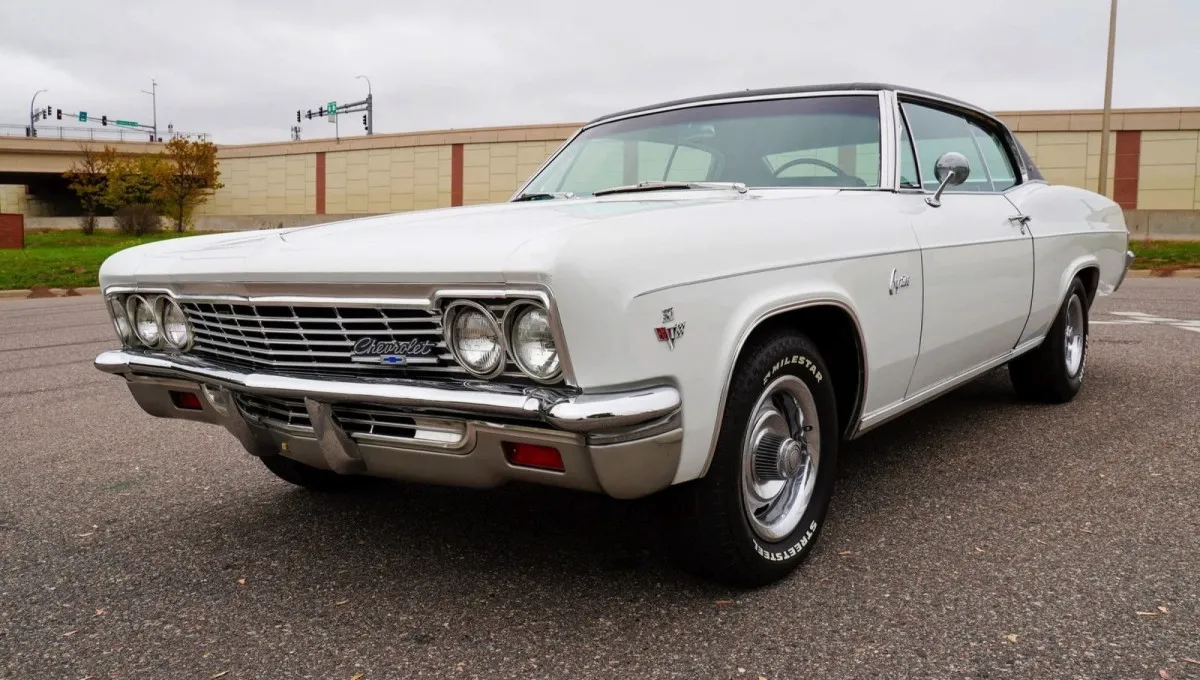
Restored 1966 Chevy Caprice Looks Showroom-Fresh, but Those 13K Miles Don't Tell the Whole Story
This restored 1966 Chevrolet Caprice looks road-ready, but its 13,000-mile odometer reading comes with an important catch.