
Auto Repair Experts Reveal the Best Way to Protect Your Windshield From Flying Rocks
Flying road debris can crack a windshield in seconds, but one solution offers drivers an extra layer of protection.
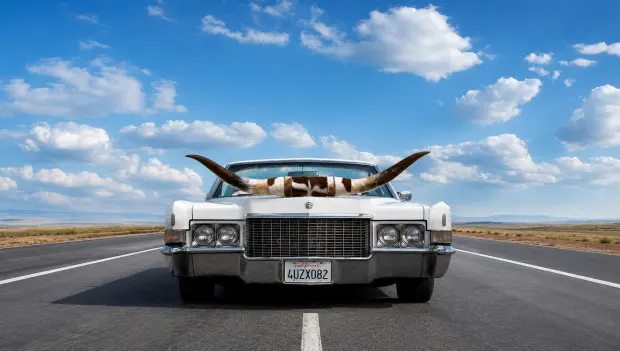
Rocks kicked up by other vehicles are an everyday hazard on American roads, and countless drivers have experienced the frustration firsthand. It's especially aggravating when a chip appears on a brand-new vehicle or shortly after replacing the windshield. That naturally raises the question: is there any reliable way to prevent this kind of damage?
A rock launched from the tires of another vehicle can do far more than leave a small chip. In some cases, the impact can crack the windshield badly enough that driving the vehicle safely is no longer possible until the glass is replaced. Fortunately, there are several ways to reduce the risk.
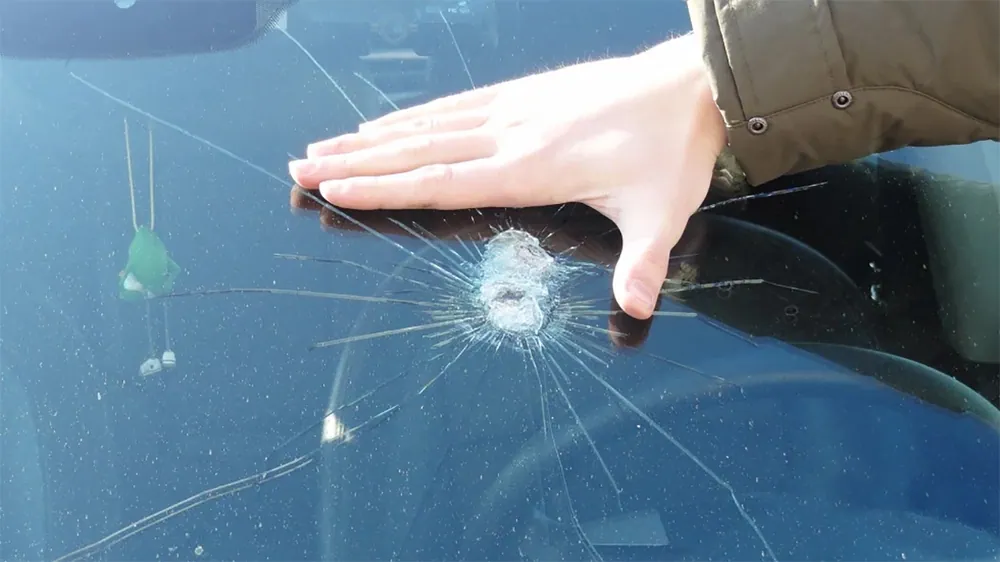
The simplest solution is maintaining a safe following distance. Most rocks are thrown up by the tires of vehicles traveling directly ahead, so leaving more space gives debris a better chance of losing momentum before it reaches your windshield.
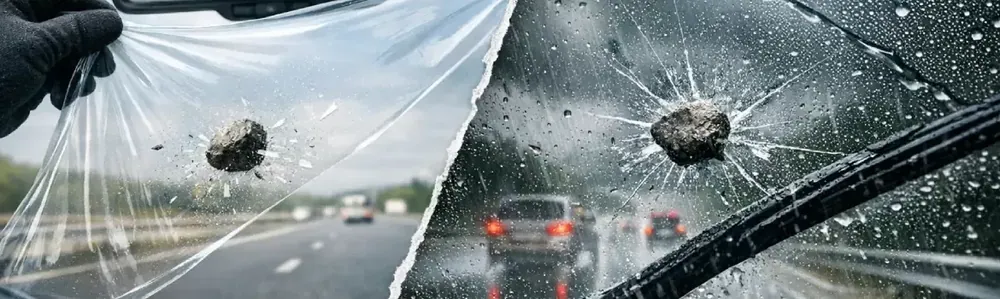
That said, extra distance isn't a guarantee. Some drivers install bug deflectors or hood-mounted plastic shields, hoping they'll redirect rocks away from the windshield. In reality, these accessories provide little protection against larger debris. On some vehicles, they can even cause wear or paint damage around their mounting points, particularly over the long term.
For drivers looking for more effective protection, many auto repair specialists recommend a transparent windshield protection film. This clear urethane film not only helps absorb the impact of smaller stones but also reduces damage caused by sand, road debris, and windshield wipers over time.
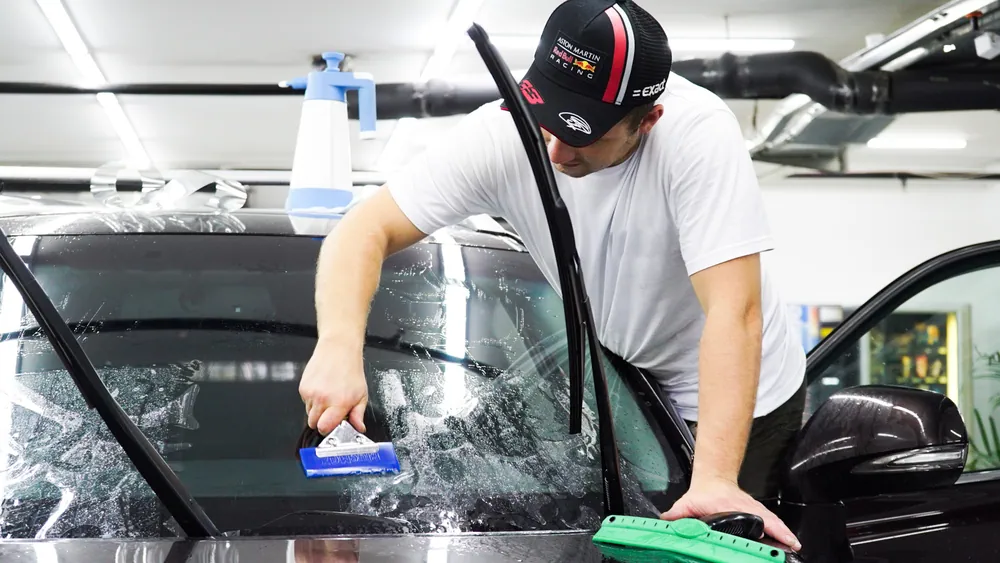
The film isn't inexpensive, but it's still affordable for many vehicle owners. While it can't guarantee complete protection against every rock strike, it often absorbs enough of the impact to prevent or minimize chips and cracks.
A large rock can still damage the windshield even with the protective film installed, although the severity of the damage is usually reduced. Whether the investment makes financial sense depends on the vehicle. For many mainstream models, installing the film costs roughly the same as replacing the windshield with a quality aftermarket unit. Owners of luxury vehicles, however, often find it worthwhile, since replacing an original windshield equipped with cameras, sensors, and advanced driver-assistance systems can cost several thousand dollars.
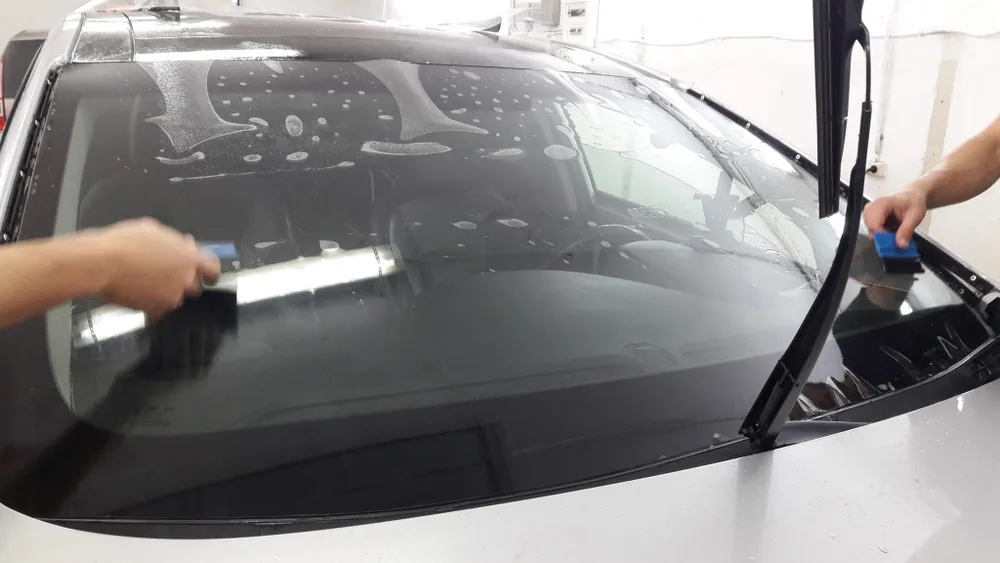
Another option is repairing minor chips with specialized resin or polymer compounds. Modern repair products can restore the damaged area and slow the spread of cracks, but they're only a temporary solution rather than a permanent fix.
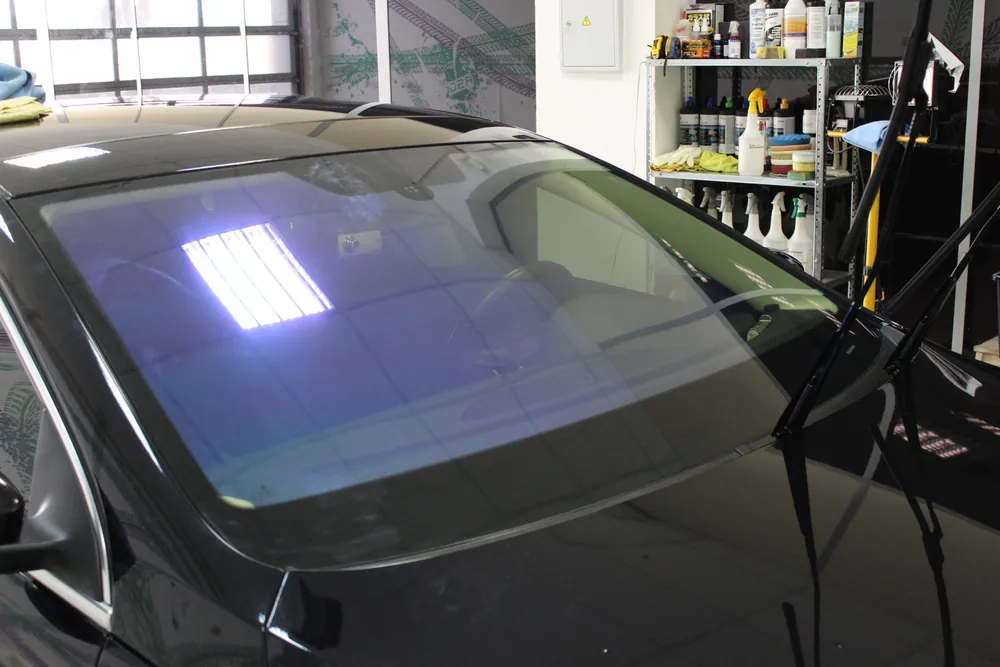
The good news is that a chipped windshield doesn't automatically mean it needs immediate replacement. The damage becomes a serious safety concern when it obstructs the driver's field of vision or compromises the structural integrity of the glass.
You may also be interested in the news:
You May Be Using WD-40 Wrong — This Common Mistake Can Damage Your Car
WD-40 solves many automotive problems, but using it on the wrong parts can cause expensive damage.
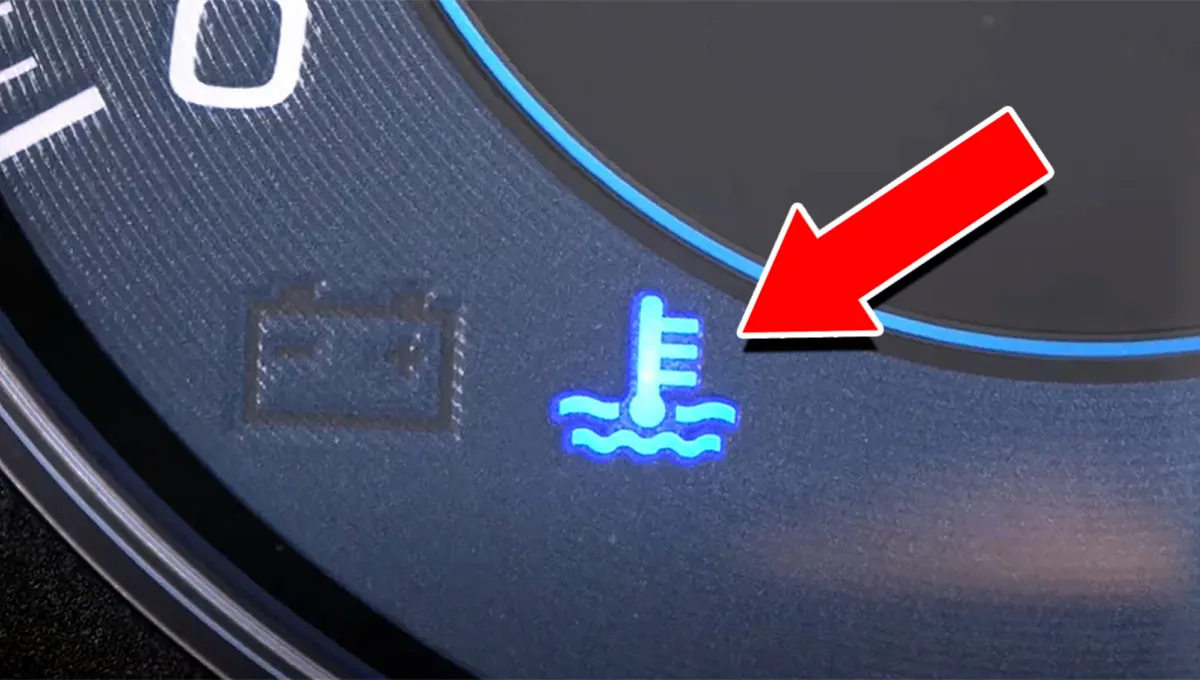
These 7 Dashboard Warning Lights Could Leave You Stranded—Here’s What They Really Mean
These dashboard warning lights can signal serious problems, from low oil pressure to overheating or brake trouble.
These 5 Mercedes-Benz Models Can Look Like Bargains — Until the Repair Bills Arrive
These five used Mercedes-Benz models have reported issues that could turn an attractive bargain into an expensive ownership headache.
These 10 Used Family Cars Could Save You From Buying the Wrong SUV or Minivan
Shopping for a used family vehicle? These 10 SUVs and minivans offer the practicality American families need every day.
That Little Auto Hold Button Could Make Your Daily Commute a Lot Less Annoying
That little Auto Hold button can take the strain out of stop-and-go traffic, steep hills, and everyday city driving.