
BYD Denza Z Sports Car Features Steer-by-Wire System and Three Steering Motors
A closer look at the BYD Denza Z chassis reveals a steer-by-wire system with no mechanical steering column and a 15.2-foot turning radius.
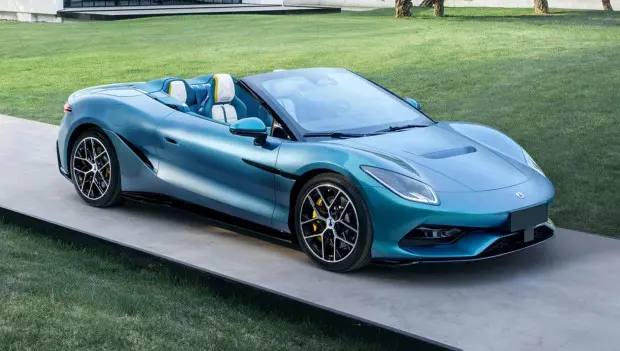
The high-performance BYD Denza Z electric sports car has revealed its steering architecture through a complete teardown of its chassis components, according to the Weibo platform. Leaked hardware diagrams published by automotive industry insiders confirm that the upcoming model completely eliminates the traditional mechanical steering column. Instead, the system relies entirely on a proprietary steer-by-wire hardware platform developed in-house by FinDreams, BYD's internal components and engineering division.
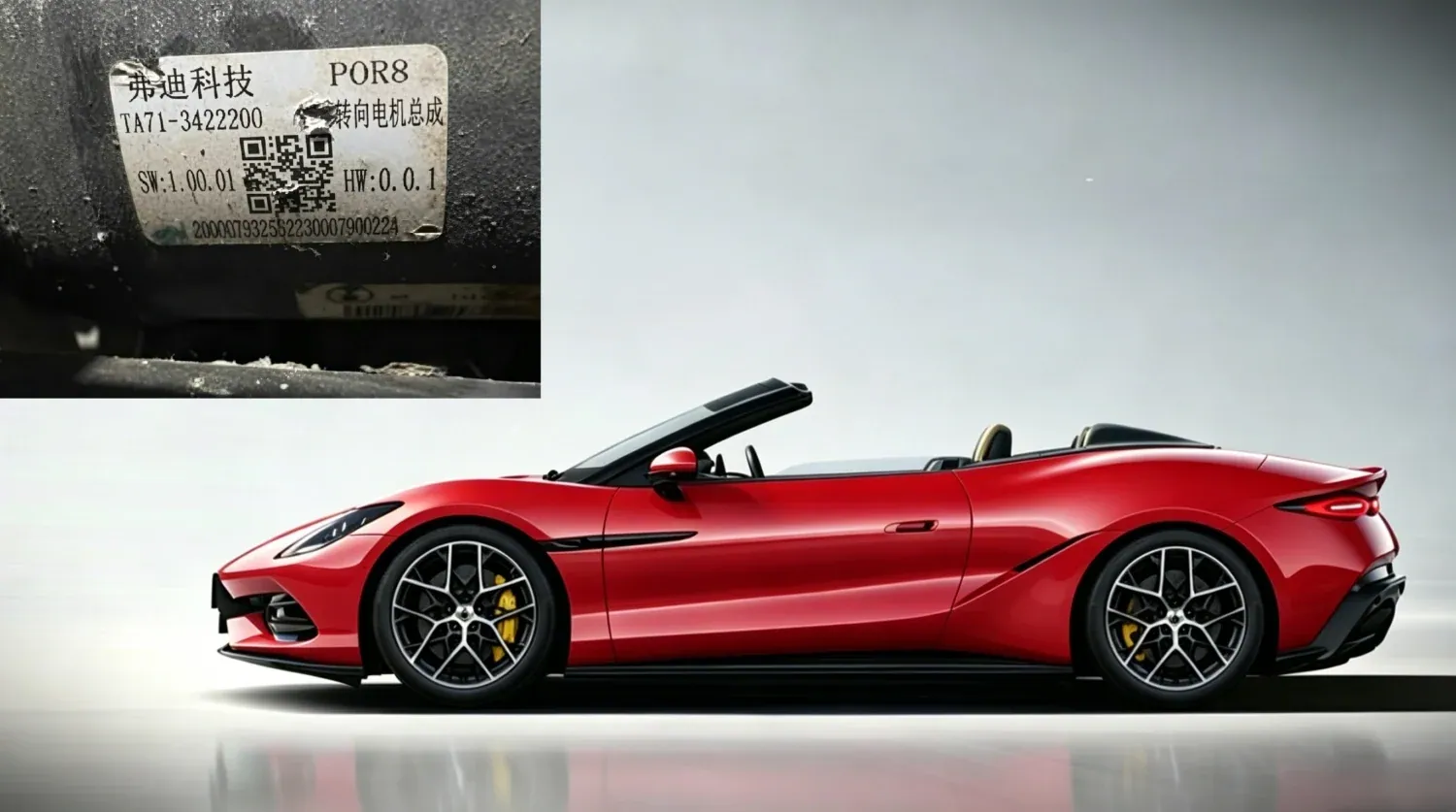
The new hardware assembly includes the dedicated FinDreams POR8 steering motor. Teardown images show that BYD moved away from the dual-winding motor designs commonly used by traditional Tier 1 suppliers such as Bosch and Nexteer. The front axle uses a single-winding, single-motor layout that minimizes heat buildup and reduces packaging requirements within the front suspension area. Functional safety is maintained through direct integration with the centralized E³ platform architecture, which serves as a cross-domain safety network for vehicle motion control.
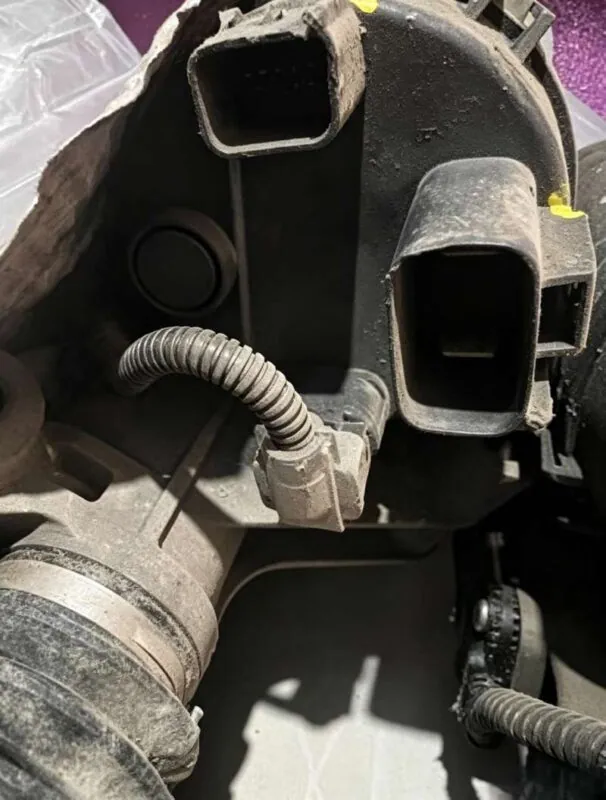
The steer-by-wire system delivers steering precision of 0.1 degree and processes steering inputs three times faster than conventional mechanical steering systems. The single front steering motor is supported by two completely independent steering motors mounted on the rear axle. This three-motor configuration allows the rear wheels to turn up to ±20 degrees, reducing the vehicle's turning radius to 15.2 feet.

To meet stringent safety requirements, the POR8 assembly incorporates a built-in six-layer localized redundancy architecture. The electronic system combines two primary control microcontrollers, independent 12-volt and 48-volt power circuits, and six-phase motor position monitoring. Additional safeguards include redundant torque and steering-angle sensor channels, isolated dual operating systems, and automatic backup system monitoring managed by the central E³ chassis domain controller.
This proprietary chassis architecture is intended exclusively for premium luxury vehicle applications. BYD plans to introduce the technology with the commercial launch of the 1,582-horsepower Denza Z sports car following an extensive development program that included testing at the Nürburgring. The technical disclosure also coincides with the implementation of new national steer-by-wire regulations that are taking effect in China's domestic market.
This technological shift in the luxury segment comes as registrations of domestic brands continue to recover following an early seasonal slowdown. According to China EV DataTracker, the brand's monthly vehicle sales increased from 5,351 units in February to 6,762 in March, before rising to 10,638 registrations in April. Retail deliveries accelerated further in May, reaching 15,620 units, representing a 46.8% increase over the previous month and a 1.0% share of the domestic market.
You may also be interested in the news:
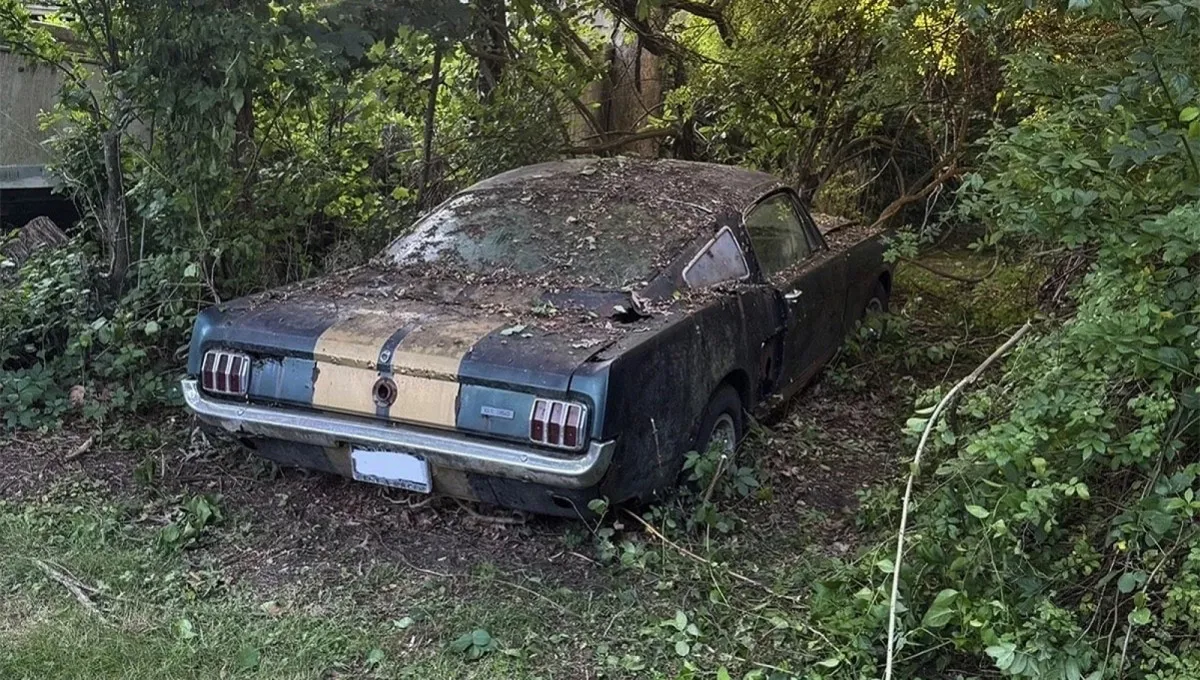
This Shelby-Style 1966 Mustang Was Left to Rot—and Someone Still Wants $15,000 for It
This 1966 Mustang looks like it spent decades outdoors after being transformed into a Shelby clone, and now needs saving.

Your Steering Wheel Starts Shaking at 60 MPH? Don’t Ignore These Warning Signs
A vibrating steering wheel is often most noticeable at highway speeds, but the cause isn’t always immediately obvious.
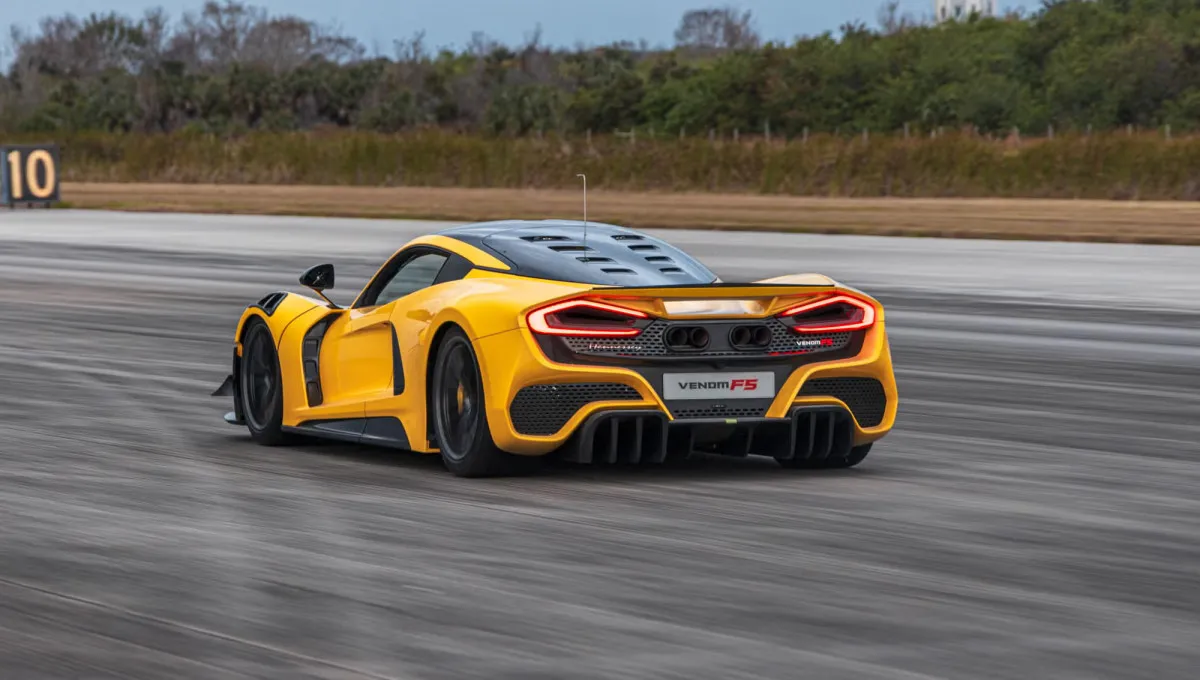
Experts Name the Two Most Powerful Production Sports Cars in the U.S.
American sports cars continue to impress with their horsepower, speed and innovative engineering, with two models standing above the rest.
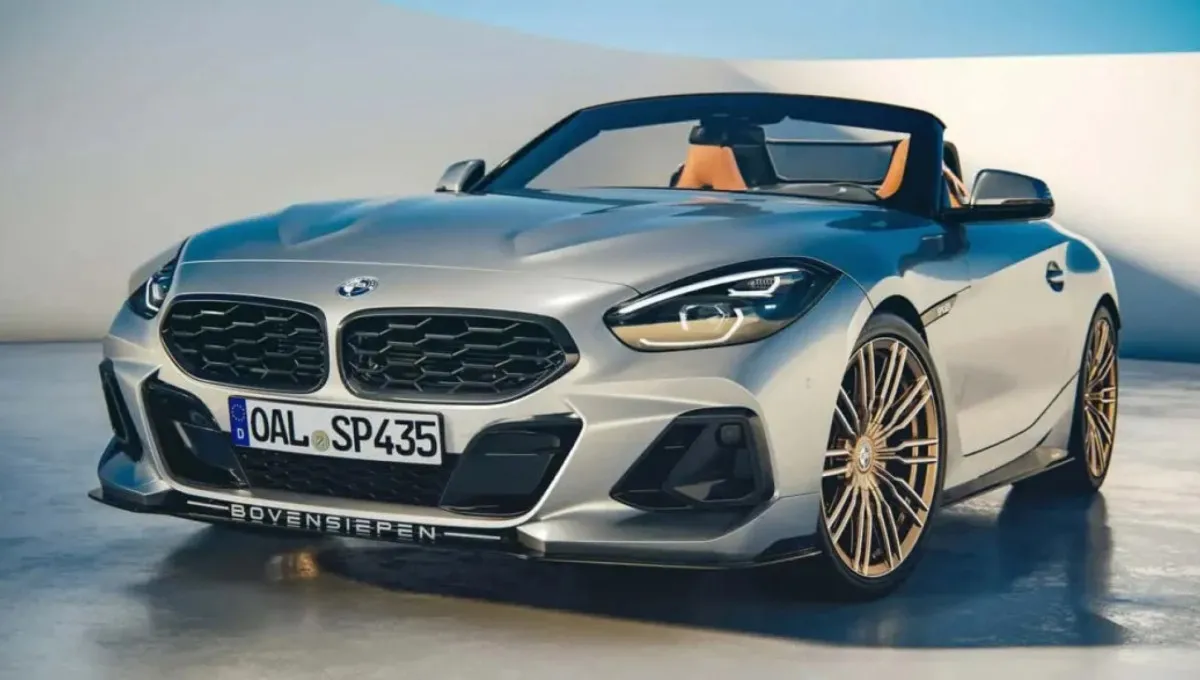
Bovensiepen Brings Back the BMW Z4 as a 435-HP Spider
The family behind Alpina has revived the BMW Z4 in limited-production form, adding more power, sharper handling, and a hand-finished cabin.
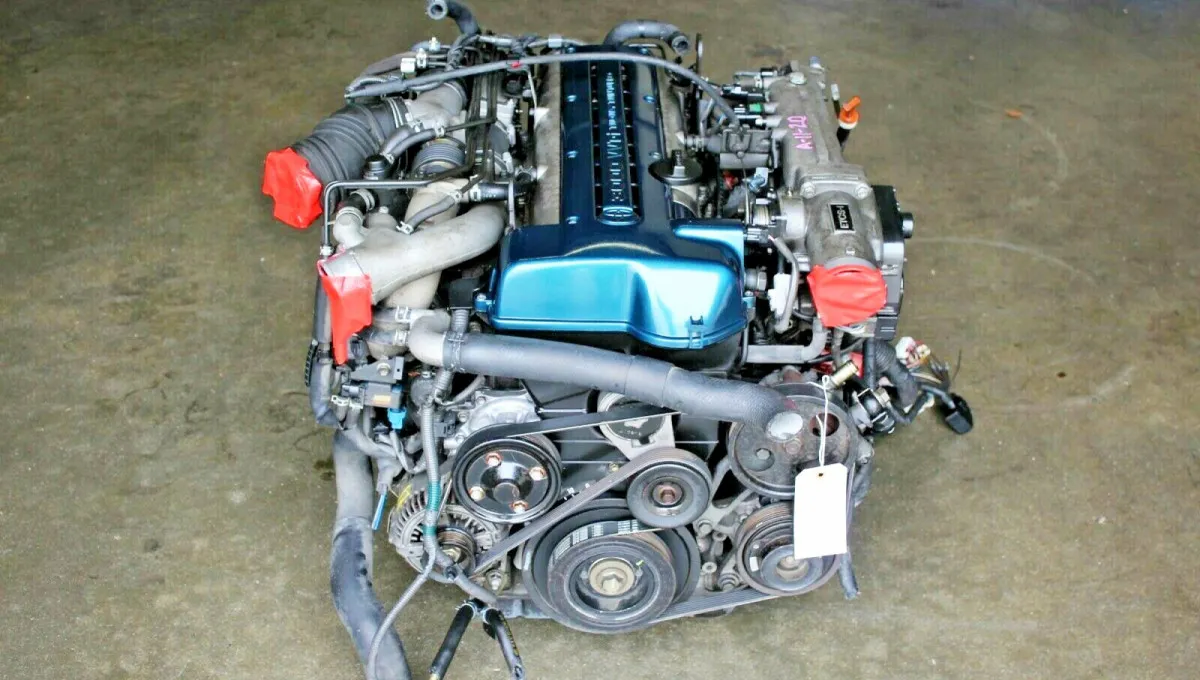
Toyota Built It to Survive 300,000 Miles. Tuners Turned It Into a 2,000-HP Beast
Toyota engineers may have gone too far with durability — and accidentally created the ultimate engine for hot-rodding.