
10 Cars With the Wildest Factory Aero Packages
Massive wings, active aerodynamics, and clever engineering have transformed these performance cars into true track weapons.
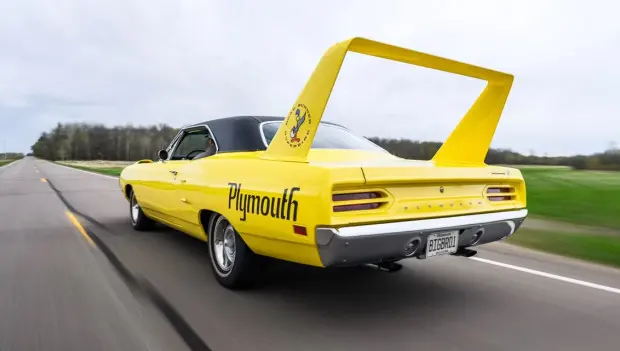
Sports car manufacturers often fit their vehicles with oversized wings that do more than enhance appearance—they also improve performance. Some models even use a Drag Reduction System (DRS) similar to the technology found in Formula 1. It automatically adjusts depending on driving conditions to balance downforce, grip, and top speed.
Rear wings and DRS are only part of the aerodynamic innovation found in today's performance cars.
These machines represent some of the most advanced engineering ever put on the road. Their carefully developed aerodynamic systems generate remarkable downforce, allowing them to carry incredible speed through corners. Automotive pioneer Gottlieb Daimler would likely be amazed by what modern engineers have accomplished.
BMW 3.0 CSL "Batmobile"
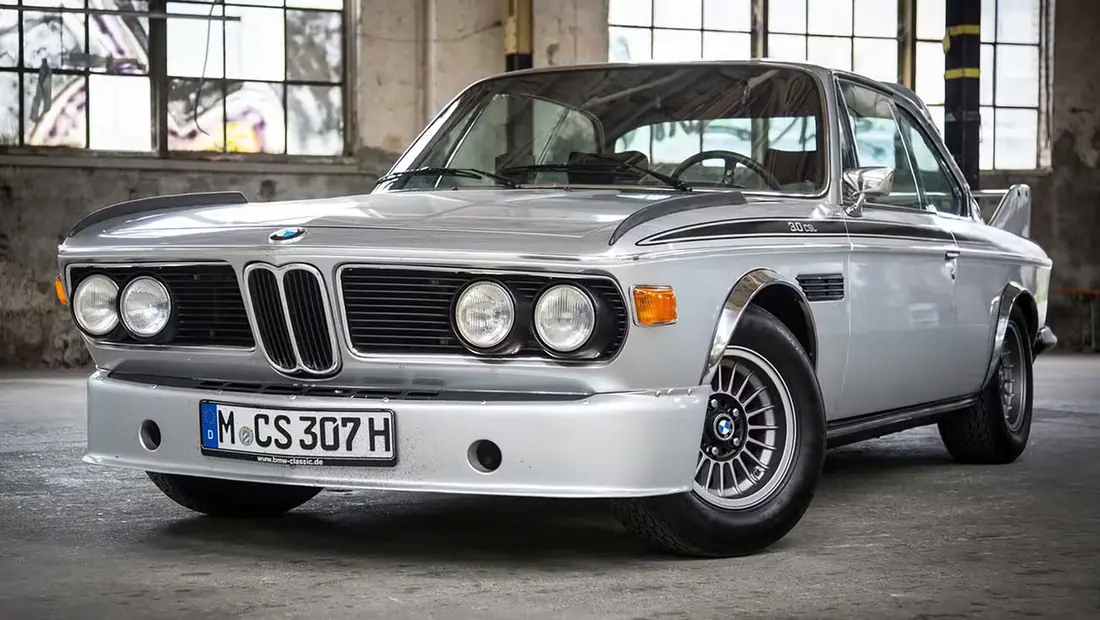
In the early 1970s, the BMW 3.0 CSL was designed as a race car that could still be driven on public roads. Lightweight construction, strong performance, and an advanced aerodynamic package—including a large rear wing, front air dam, roof spoiler, and front fender fins—set it apart from the competition.
The 3.0 CSL became a dominant force on race tracks around the world. Its dramatic rear wing earned it the famous "Batmobile" nickname that enthusiasts still use today.
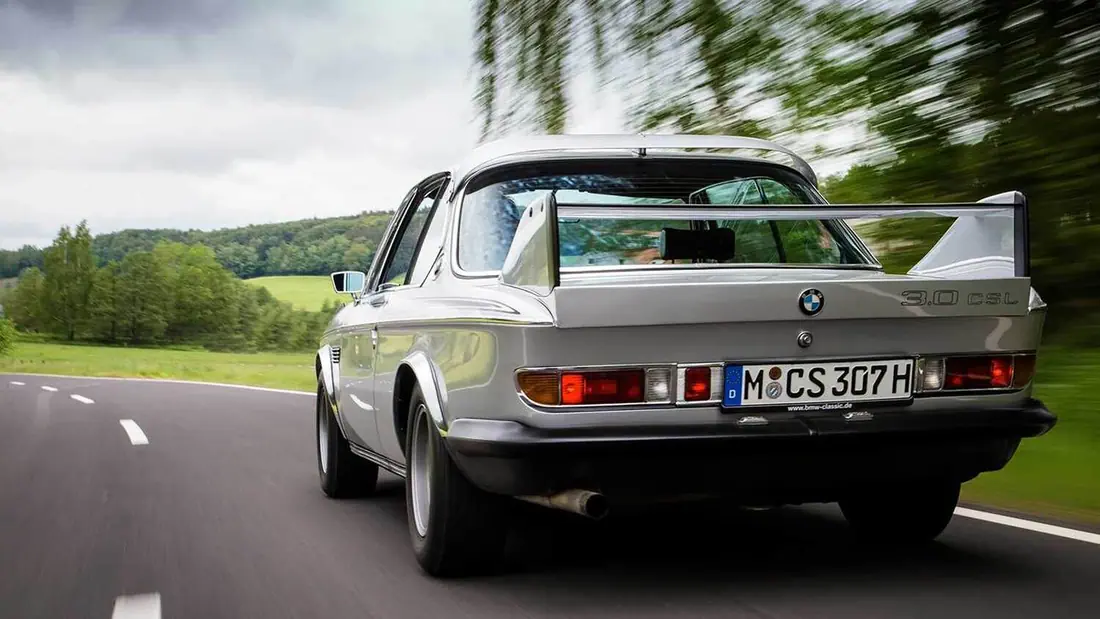
German regulations at the time prohibited cars from being delivered with large rear wings already installed. Dealers often placed the aerodynamic components in the trunk so buyers could install them after taking delivery.
Developed with assistance from Alpina, the 3.0 CSL became one of the defining performance cars of its era and a lasting symbol of motorsports-inspired aerodynamics.
Plymouth Superbird
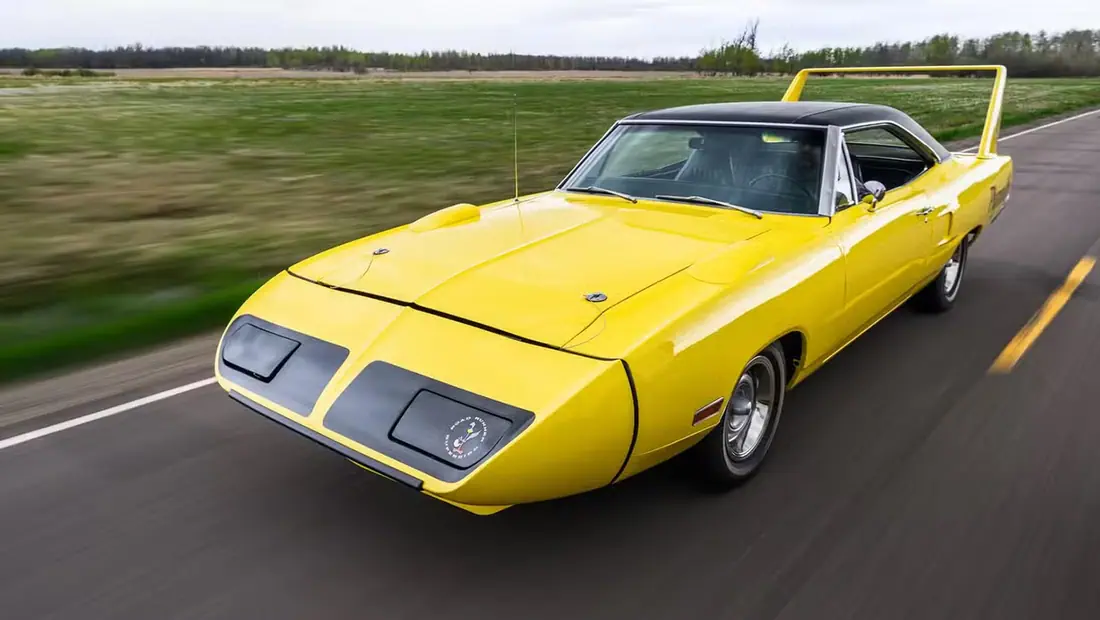
Like many legendary muscle cars, the Plymouth Superbird was built to dominate NASCAR competition. Introduced for the 1970 season, it featured a powerful 426-cubic-inch HEMI V8 and one of the most recognizable rear wings ever fitted to an American production car.
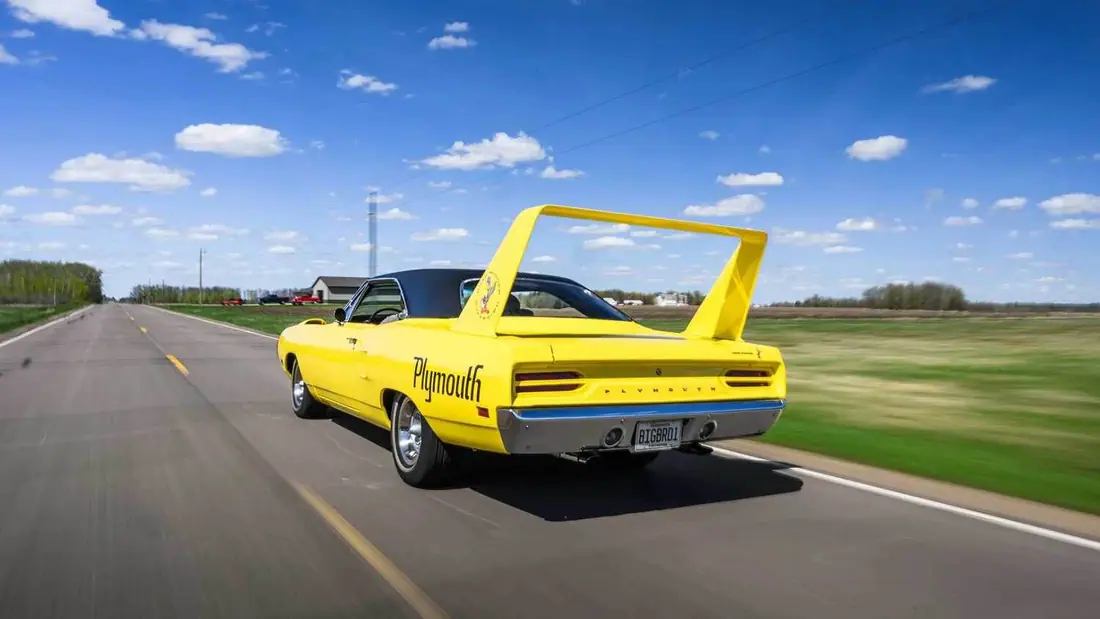
Its aerodynamic nose cone, towering rear wing, and front air dam dramatically improved stability at speed. The Superbird was capable of reaching approximately 200 mph and became one of NASCAR's most successful race cars, winning roughly 70 percent of its races during the 1970 season.
Its dominance was so overwhelming that NASCAR changed its rulebook for 1971, restricting engine displacement and aerodynamic features, effectively ending the Superbird's competitive advantage.
Mercedes-Benz 190E 2.5-16 Evolution II
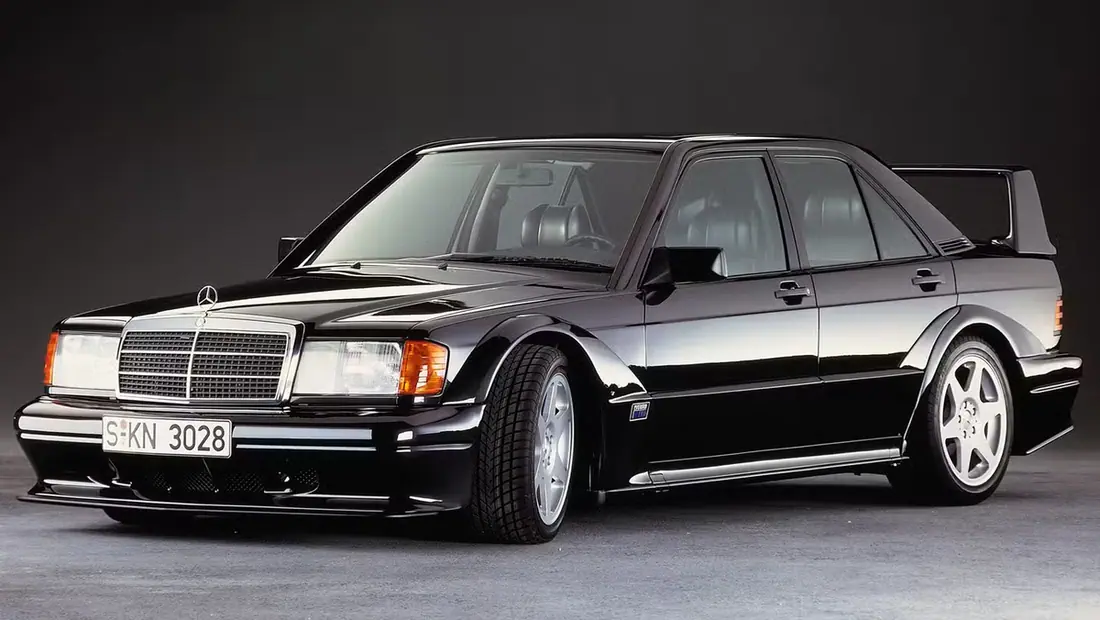
During the late 1980s and early 1990s, German touring car racing became the battleground for BMW and Mercedes-Benz. BMW introduced the M3, forcing Mercedes to respond.
For the 1990 DTM season, Mercedes increased the engine's output to 232 horsepower while completely redesigning the 190E's aerodynamics. Extensive wind tunnel testing produced a dramatic rear wing, aggressive bodywork, and improved handling.
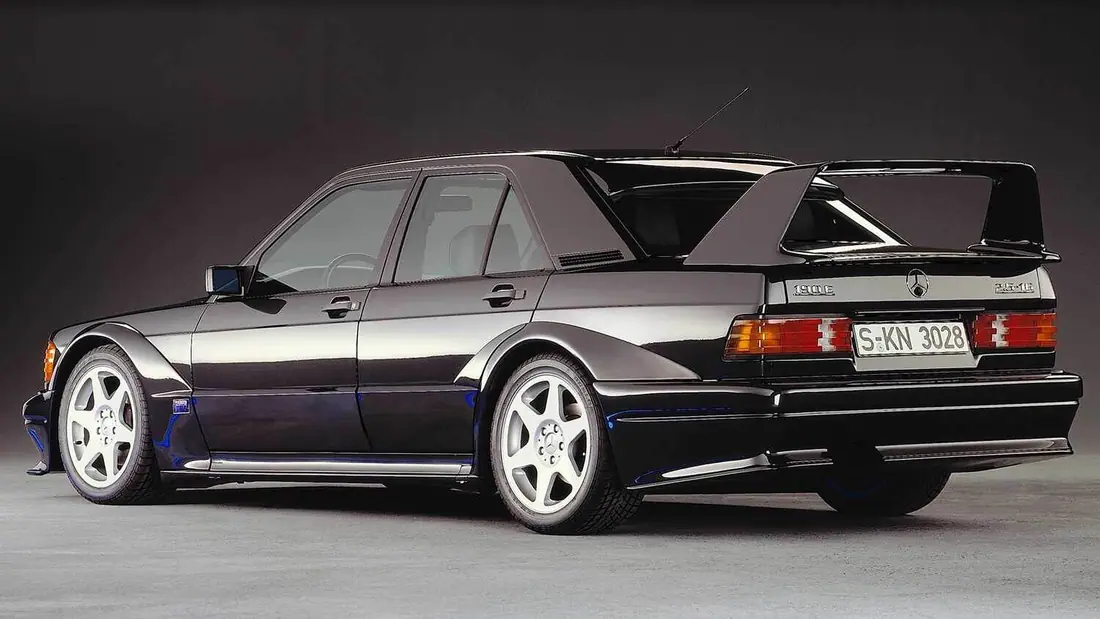
The Evolution II delivered higher straight-line speed while generating significantly more downforce through corners. The rivalry with the BMW M3 became one of touring car racing's defining battles, helping cement the Evolution II's legendary status.
Dodge Viper SRT10 ACR
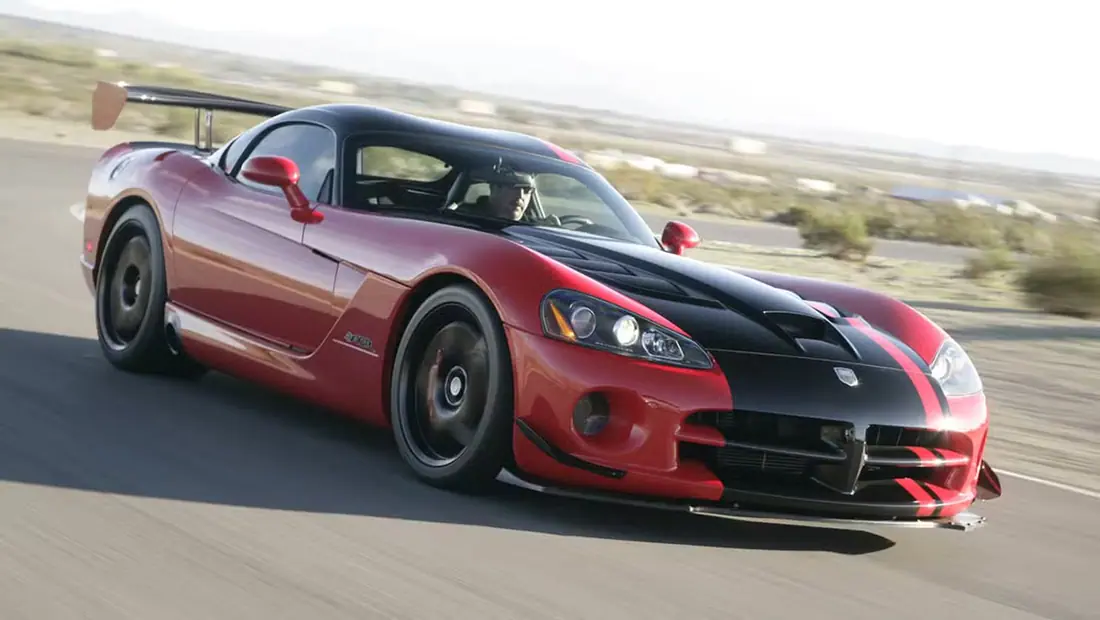
The Dodge Viper debuted in 1992 as a raw American sports car powered by a massive V10 engine developed with assistance from Lamborghini. It quickly became an icon.
In 2008, Dodge introduced the Viper SRT10 ACR, equipped with an 8.4-liter V10 producing 600 horsepower and 560 lb-ft of torque. Power is sent to the rear wheels through a six-speed manual transmission, allowing the ACR to reach 60 mph in under four seconds. Side-exit exhaust pipes complete its unmistakable appearance.
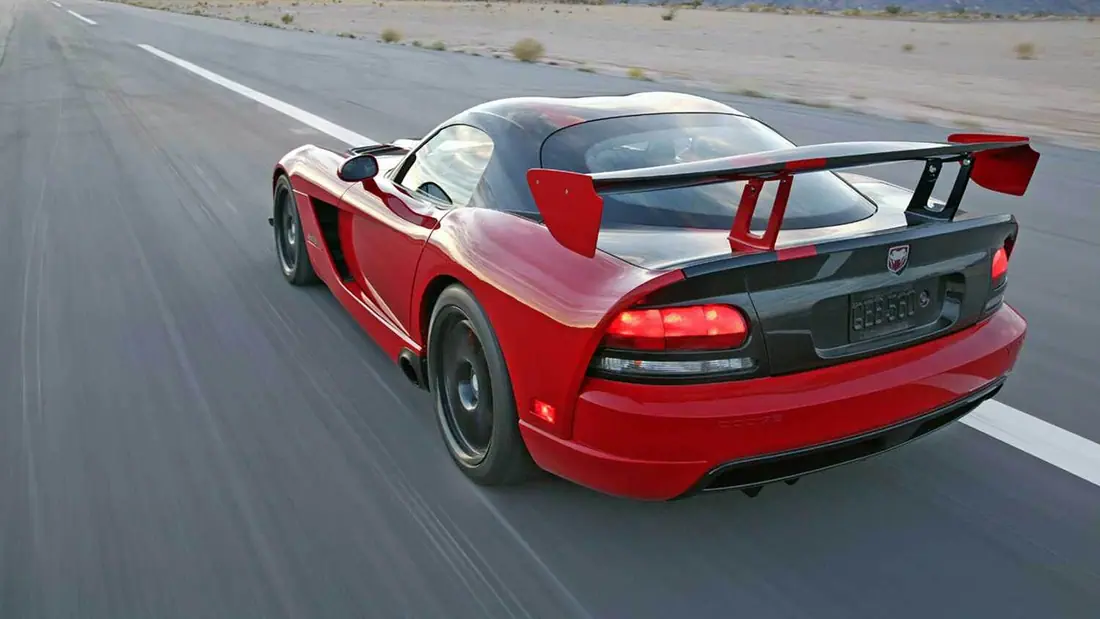
The ACR's aerodynamic package is equally impressive. A massive rear wing, front splitter, and track-focused tires generate substantial downforce. While this setup slightly reduces top speed compared with other Viper models, it dramatically improves grip and cornering performance.
Koenigsegg One:1
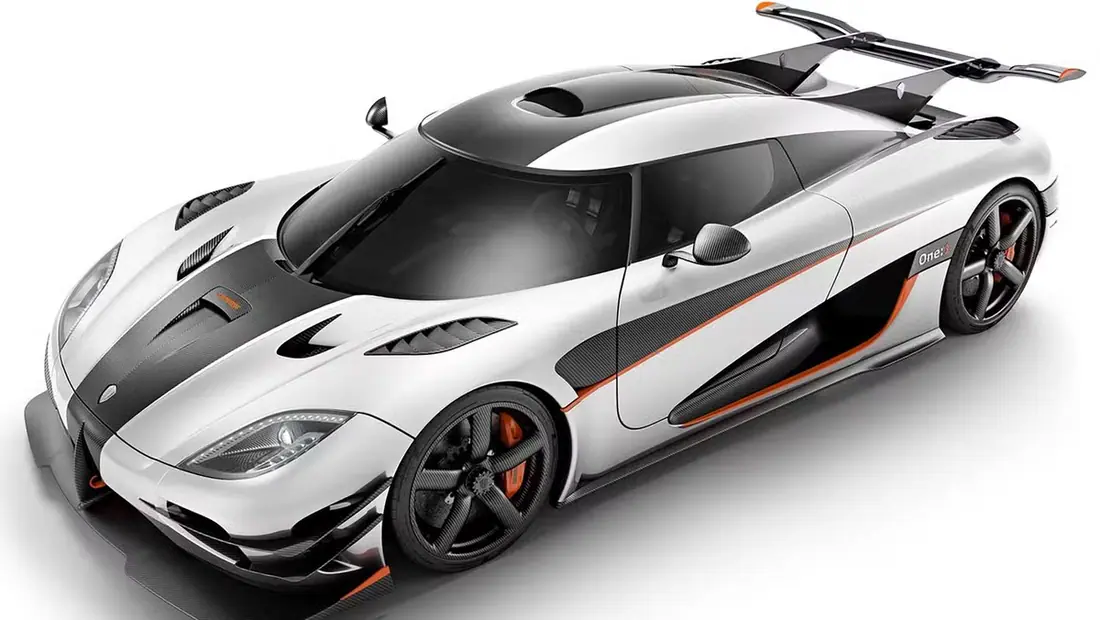
Introduced in 2014, the Koenigsegg One:1 established a new benchmark for hypercars. It became the first production car to achieve a perfect one-to-one power-to-weight ratio, with 1,360 horsepower and a curb weight of 1,360 kilograms. Only seven examples were built.
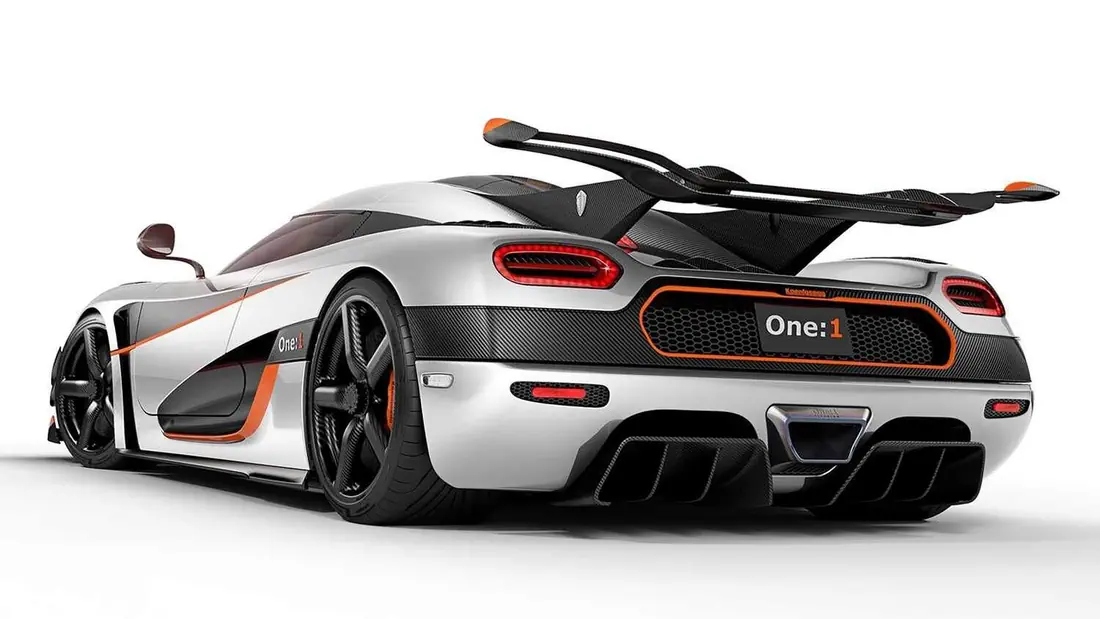
The One:1 accelerates from 0 to 62 mph in under three seconds and has a claimed top speed of approximately 270 mph. Its advanced aerodynamics include an active rear wing, front and rear Venturi tunnels, active underbody airflow management, a triple-height suspension system, and specially designed ducts that improve intercooler airflow.
These systems allow the One:1 to generate more than 2G of lateral acceleration in corners, making it one of the most capable performance cars of its generation.
Porsche 911 GT2 RS
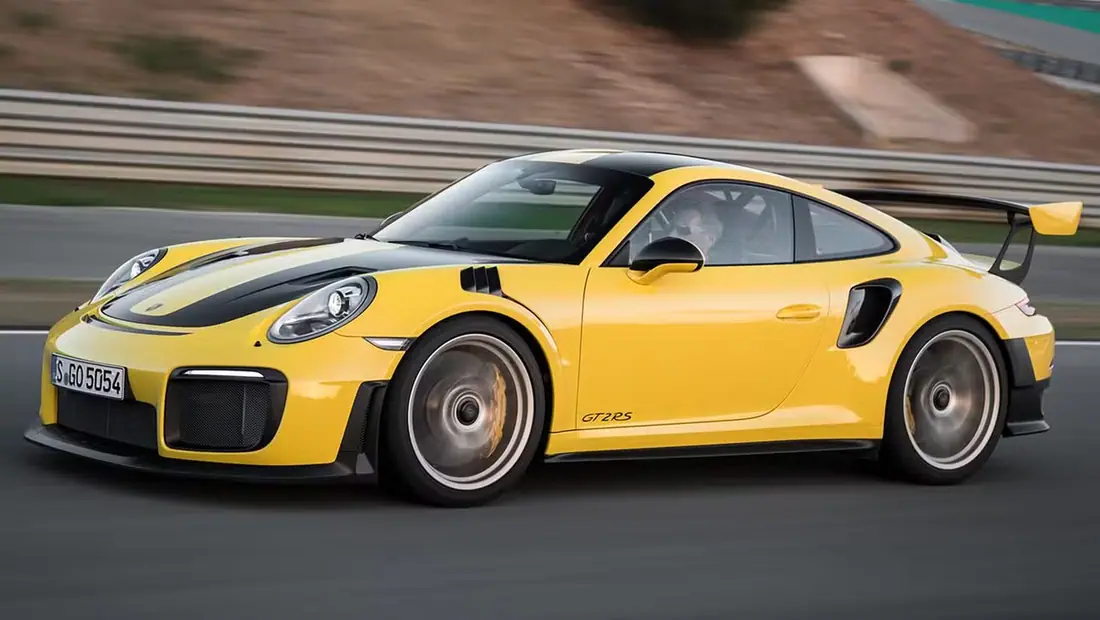
The 2018 Porsche 911 GT2 RS quickly earned a reputation as the fastest production Porsche ever built, setting lap records at tracks around the world, including Germany's Nürburgring and California's Willow Springs.
Its success comes from combining the twin-turbocharged flat-six from the 911 Turbo with rear-wheel drive and an advanced aerodynamic package that produces enormous rear downforce.
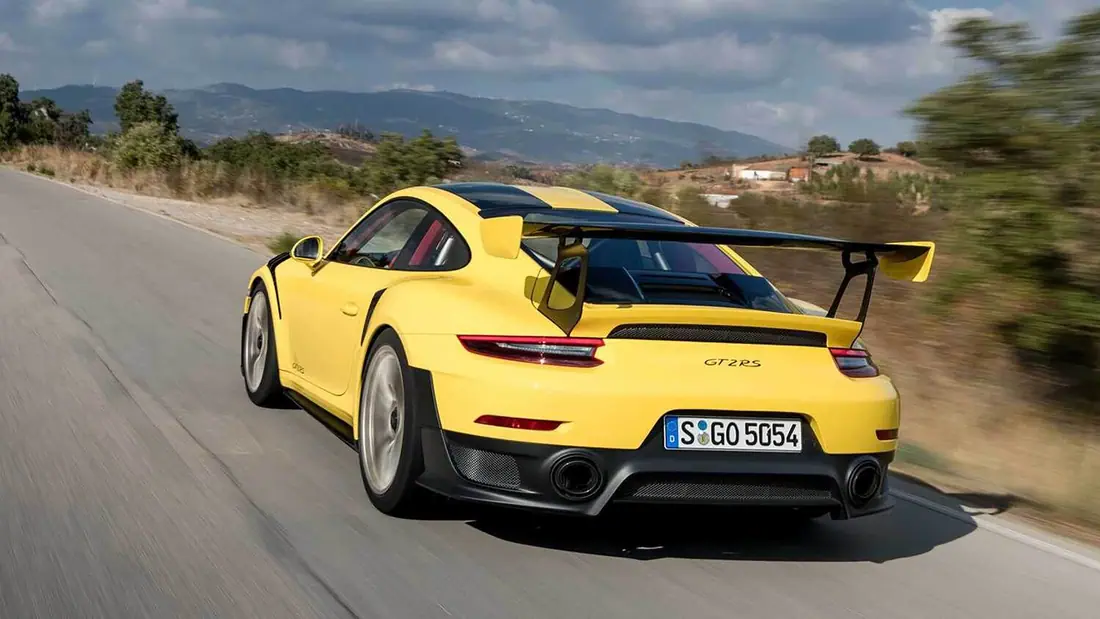
Later that year, Porsche and Manthey Racing introduced the GT2 RS MR. Featuring numerous race-inspired aerodynamic upgrades, it set an even faster Nürburgring lap and became the quickest road-legal production car to complete the circuit.
Ferrari FXX-K Evo
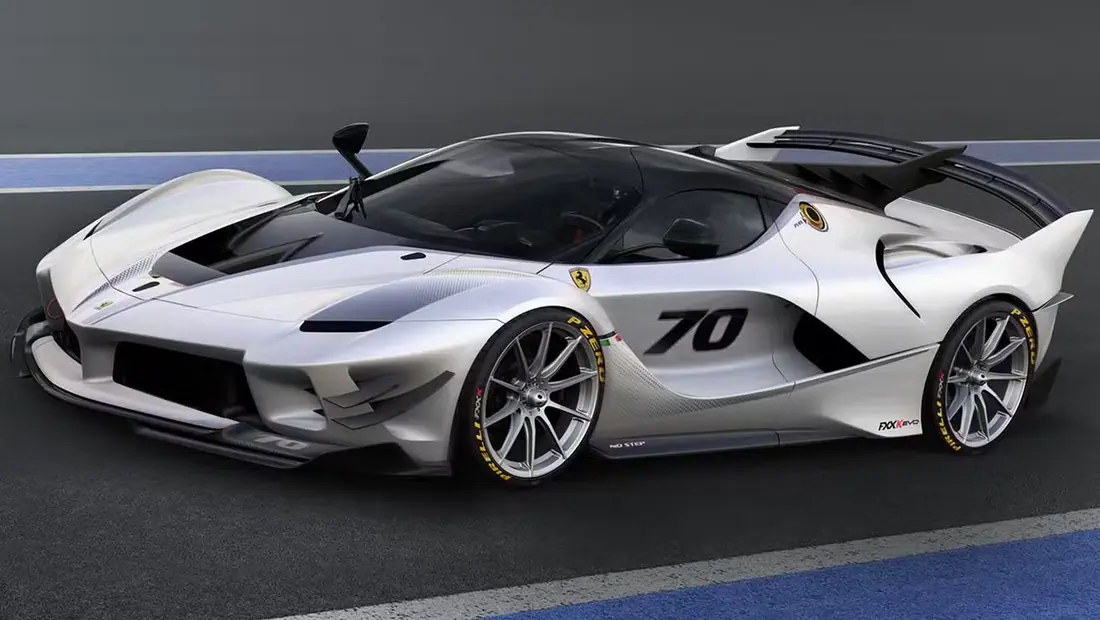
Ferrari's exclusive XX Program gives a select group of owners access to some of the company's most advanced track-only machines. Ferrari stores and maintains the vehicles, while owners reserve track sessions with factory support teams.
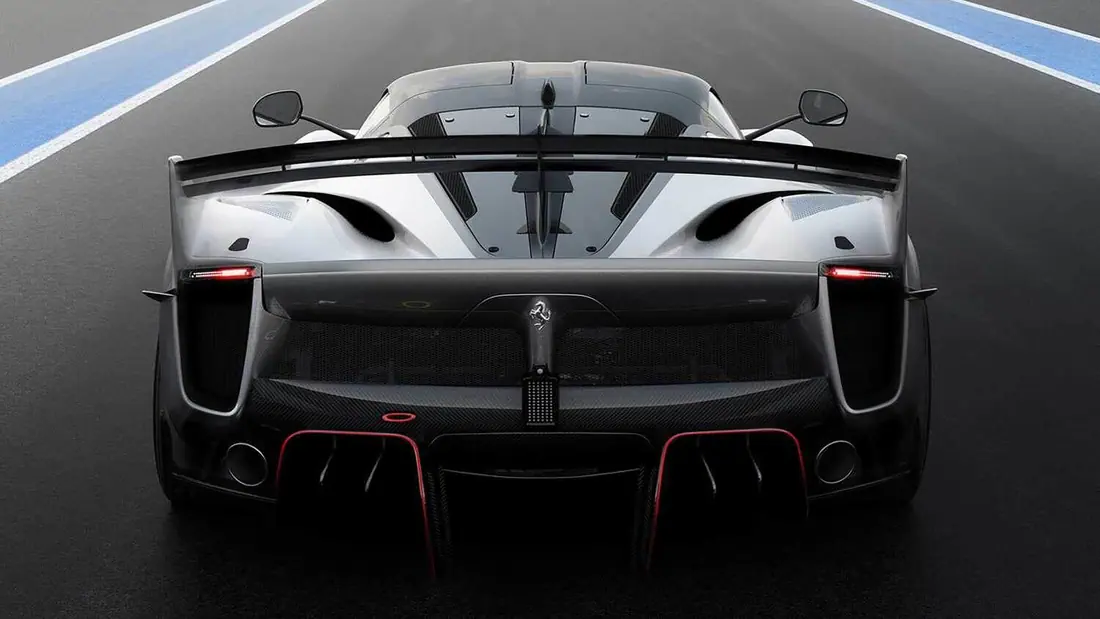
The FXX-K Evo features a hybrid powertrain producing more than 1,000 horsepower, centered around Ferrari's naturally aspirated V12. Formula 1-inspired aerodynamics, active rear-wing technology, and other advanced systems make it one of the most sophisticated track cars Ferrari has ever built.
The result is an extraordinary machine designed to deliver an unforgettable driving experience.
Ford Mustang GTD
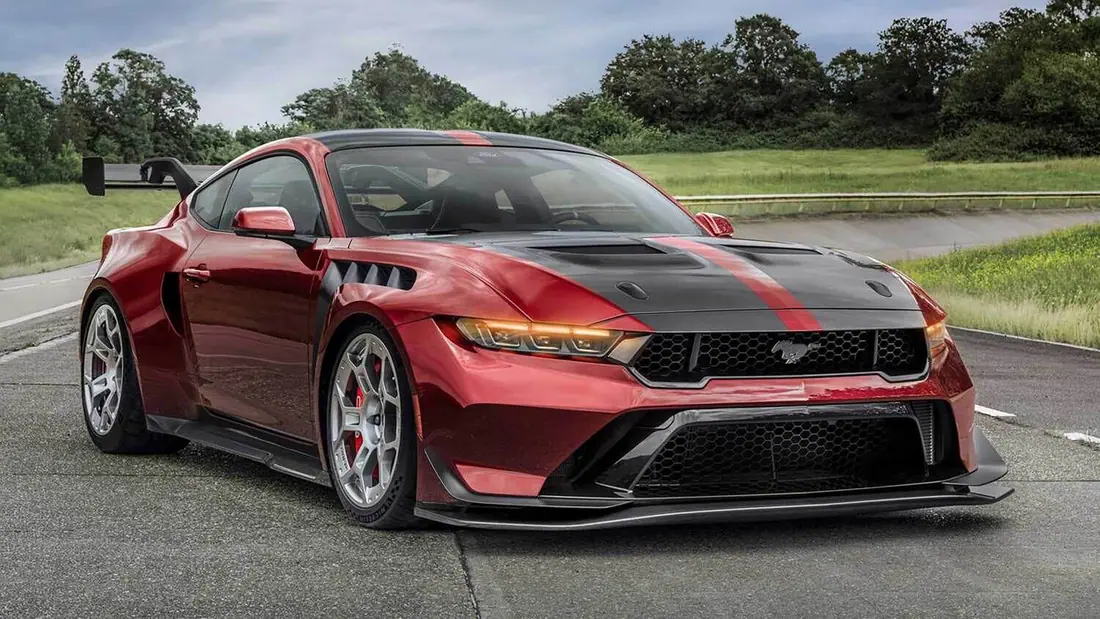
Ford developed the Mustang GTD with the goal of challenging the Porsche 911 GT2 RS on demanding road courses, including Germany's Nürburgring.
The GTD features extensive chassis revisions, including an advanced rear transaxle layout, motorsports-inspired suspension, and numerous race-derived components. Semi-active suspension with Multimatic adaptive spool-valve dampers, carbon-fiber body panels, and a supercharged Coyote V8 producing 815 horsepower complete the package.
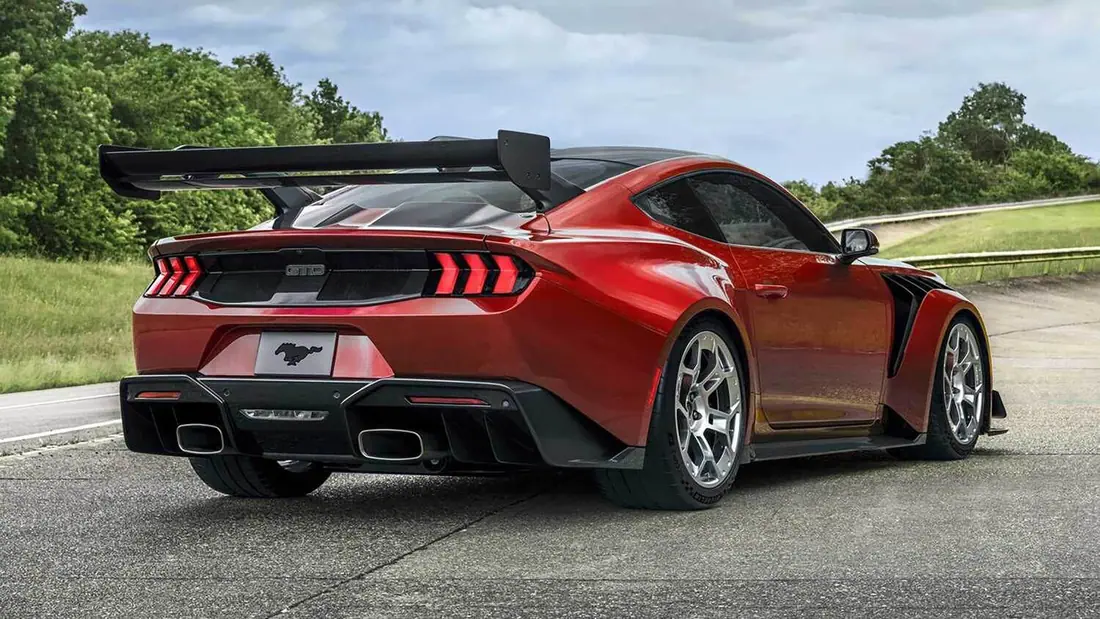
Its active aerodynamic system includes adjustable ride height, a DRS-equipped rear wing, hydraulically controlled front flaps, and an extensive carbon-fiber underbody, all working together to maximize track performance.
Aston Martin Valkyrie
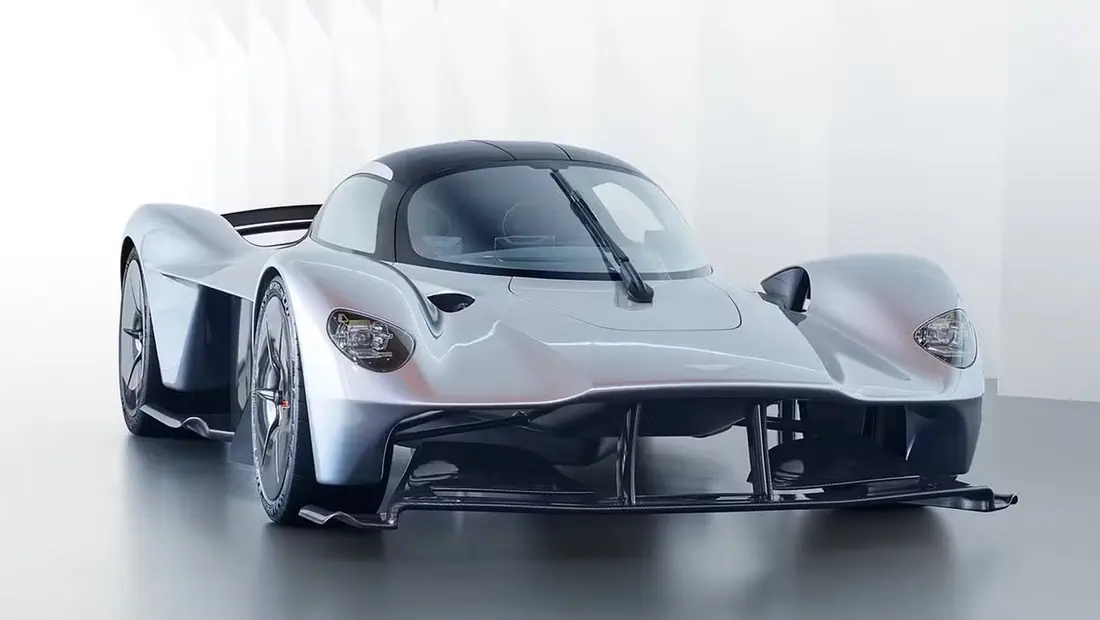
Designed with major input from legendary Formula 1 engineer Adrian Newey, the Aston Martin Valkyrie brings Formula 1 thinking to a road-legal hypercar.
Built almost entirely from carbon fiber, it is powered by a naturally aspirated 6.5-liter Cosworth V12 paired with an electric motor. The engine revs beyond 11,000 rpm while delivering a combined output of more than 1,100 horsepower.
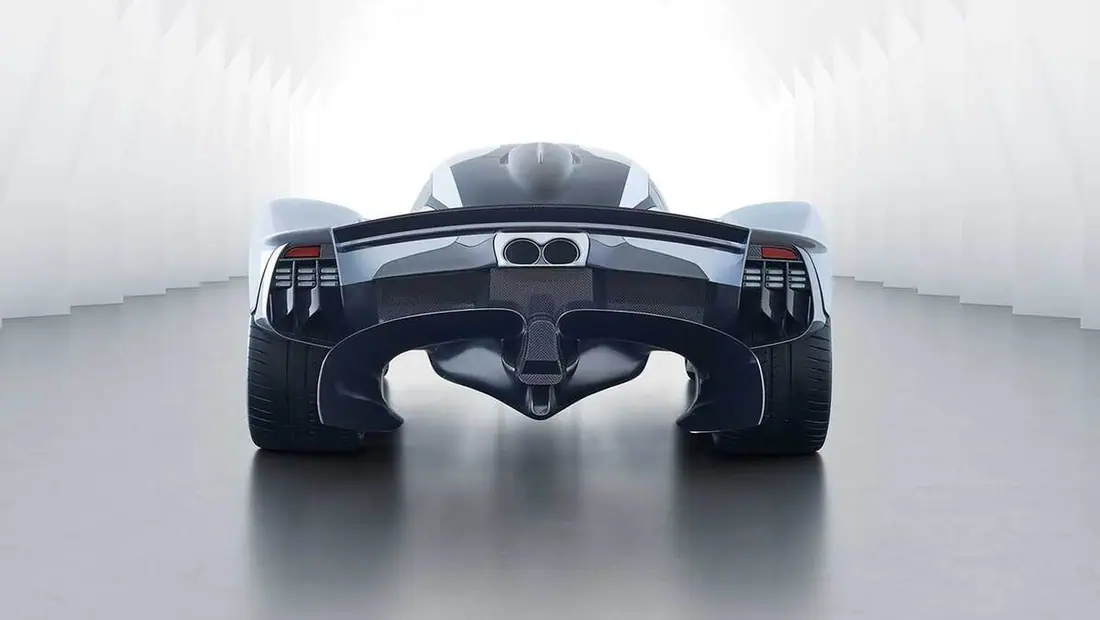
Its revolutionary aerodynamics generate enormous downforce using the carbon-fiber floor, front splitter, rear wing, underbody tunnels, and specially designed wheels, making the Valkyrie one of the most advanced production cars ever created.
Gordon Murray Automotive T.50
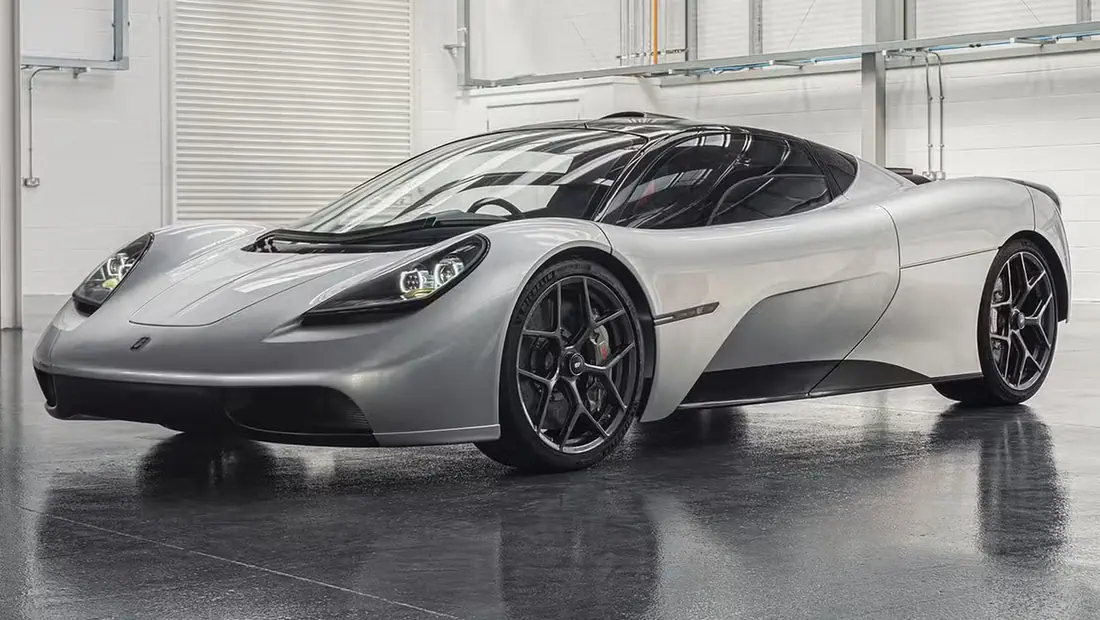
While the Aston Martin Valkyrie embraces dramatic wings and aggressive styling, the Gordon Murray Automotive T.50 takes a more understated approach.
The T.50 focuses on lightweight engineering, driver involvement, and perfectly balanced handling. Following Lotus founder Colin Chapman's philosophy of adding lightness, its Cosworth-built V12 produces 654 horsepower while weighing less than 180 pounds.
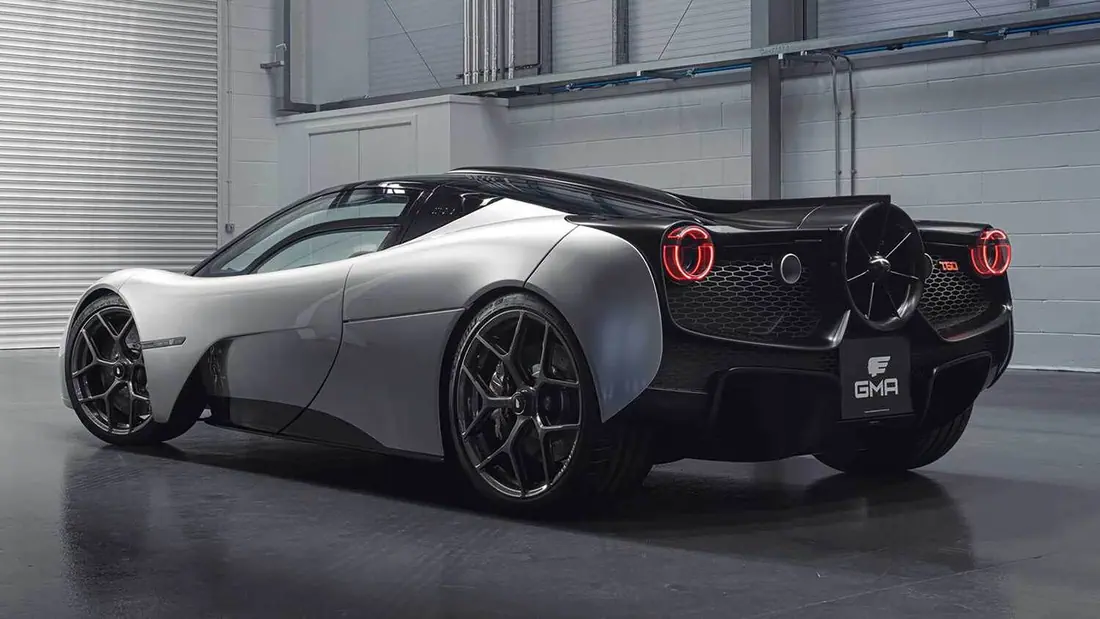
A central driving position, near-perfect weight distribution, and a redline exceeding 12,000 rpm create an exceptionally engaging driving experience.
Its defining feature is the large rear-mounted fan. By extracting air from beneath the car, it generates low pressure under the chassis and can produce as much as 2,730 pounds of downforce in High Downforce mode.
The T.50 combines innovative engineering, remarkable agility, and exceptional performance, making it one of the most technically fascinating supercars ever built.
You may also be interested in the news:
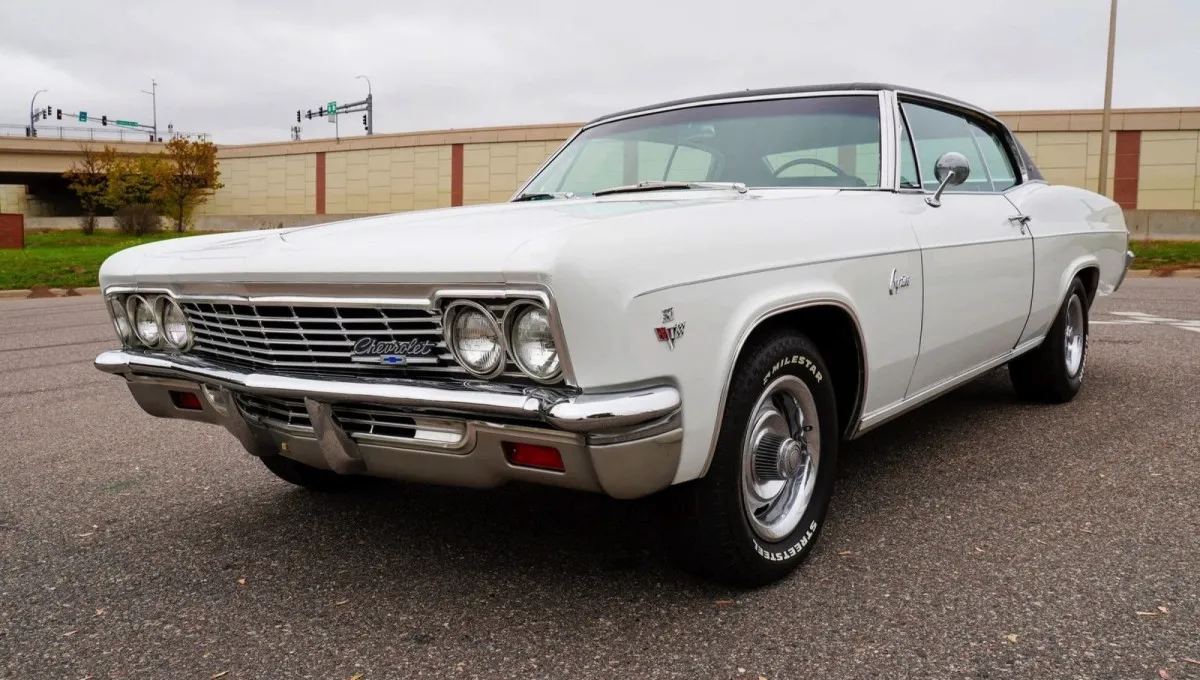
Restored 1966 Chevy Caprice Looks Showroom-Fresh, but Those 13K Miles Don't Tell the Whole Story
This restored 1966 Chevrolet Caprice looks road-ready, but its 13,000-mile odometer reading comes with an important catch.

Modellista Gives Lexus' Most Affordable Crossover a Sportier Look
The Lexus LBX gets a new Modellista styling package with 19-inch wheels, revised suspension tuning, and additional upgrades.

The 1957 Dodge: How “Autodynamics” Shaped One of Detroit’s Boldest Designs
The 1957 Dodge Looked Like a Dream Car, but Its Biggest Flaw Was Hiding Beneath the Surface.
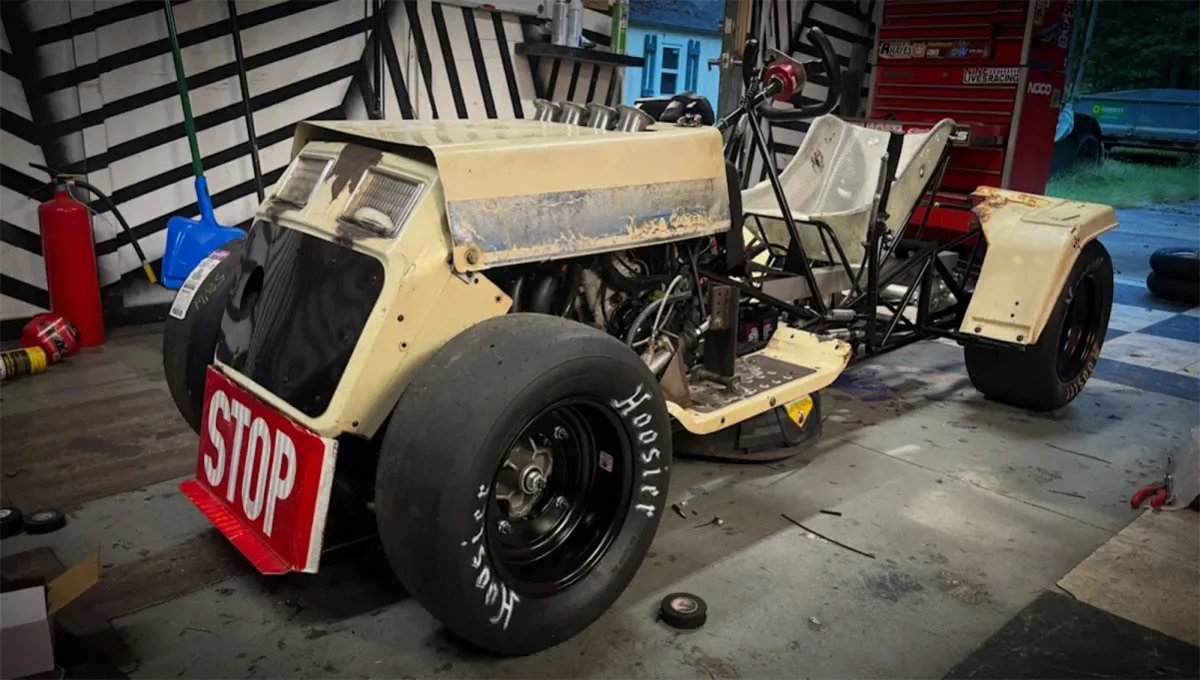
The U.S. Builds the World’s Fastest Lawn Mower
An American-built lawn mower hit 152.8 mph at Arkansas Mile and can still cut grass.
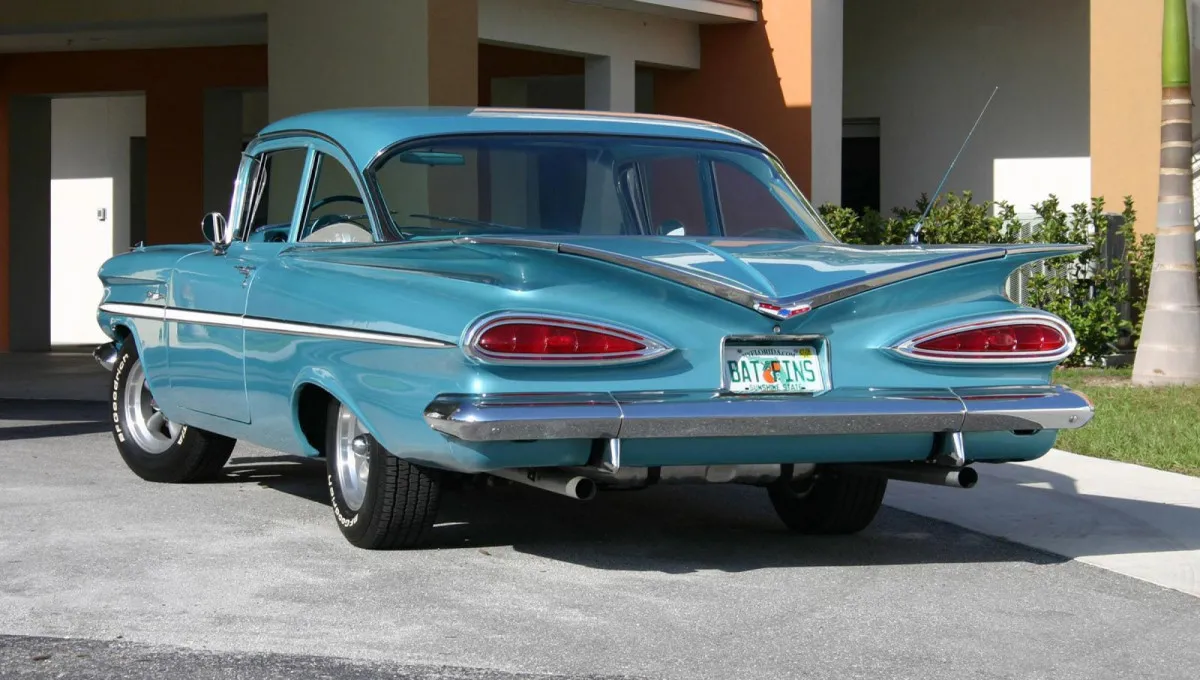
Elegance for Everyone: How Chevrolet Made Its 1960 Cars Stand Out
Chevrolet toned down its extravagant 1959 styling for 1960, bringing a more refined look to its affordable full-size cars.