
Subaru Admits Its Sports Cars Became “Boring,” Launches New Division to Bring Back Performance
Subaru is restructuring its product development team in an effort to make its future performance models exciting again.
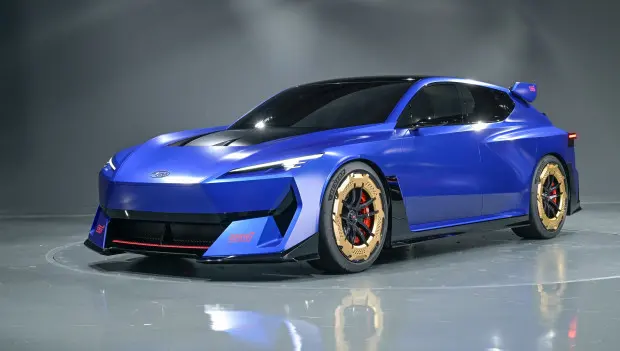
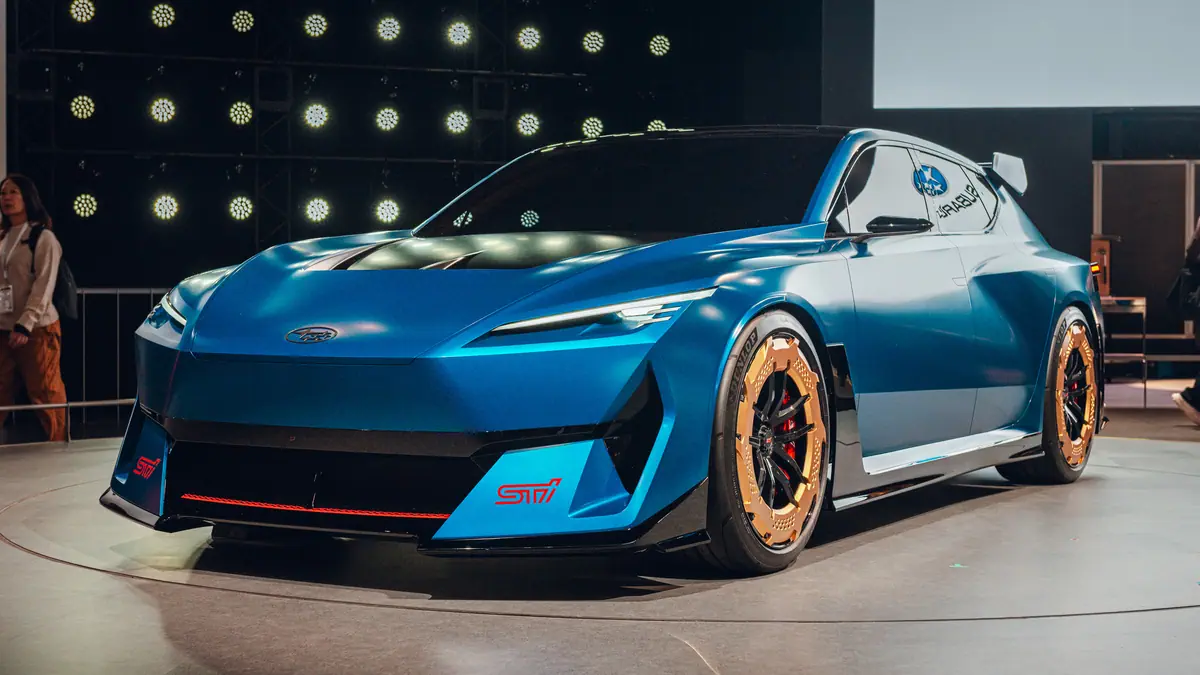
Subaru is taking a fresh approach to performance cars by creating a dedicated division focused exclusively on developing sporty models. Company executives say the goal is simple: bring back the driving excitement that once made Subaru a favorite among enthusiasts.
During the late 1990s and 2000s, Subaru built a loyal following with all-wheel-drive performance models like the Impreza WRX STI, Legacy GT, and Forester XT. Those vehicles earned a reputation for combining everyday practicality with rally-inspired performance at relatively affordable prices.
That lineup has gradually disappeared over the past decade. The biggest blow came when Subaru ended production of the WRX STI, leaving the brand without a true flagship performance model.
According to Japanese publication BestCar, Subaru has now established a new Product Innovation Headquarters that includes a dedicated Sports Car Planning Department. The team will focus on developing vehicles designed to restore the engaging driving experience that once defined the brand.
Subaru Chief Technology Officer Tetsuro Fujinuki explained the reasoning behind the move, saying the company believes its previous development strategy had run its course.
"We've decided to stop doing things the old way. Because it's boring," Fujinuki said.
It's an unusually candid admission from a major automaker, especially one that has faced years of criticism from longtime fans over the shrinking number of performance models and the disappearance of the iconic STI lineup.
During that time, Subaru has unveiled several eye-catching concepts, but few have made it into production.
The end of the WRX STI was particularly disappointing for enthusiasts. The final U.S.-market model produced 310 horsepower—only 10 horsepower more than the 2004 WRX STI. When production ended after the 2021 model year, Subaru effectively exited the high-performance compact sports sedan segment.
Fujinuki said increasingly strict emissions and fuel economy regulations played a major role in that decision, making it far more difficult to develop powerful gasoline-powered performance cars.
Some industry observers, however, point out that other automakers have continued introducing enthusiast-focused models despite facing the same regulations. Cars such as the Toyota GR Corolla, Honda Civic Type R, and Hyundai Elantra N have proven there's still room for affordable performance vehicles.
Of course, creating a new department doesn't guarantee an immediate return to Subaru's glory days. The company has showcased promising performance concepts in recent years that never reached production.
Still, establishing a team dedicated solely to sports cars represents a more significant commitment than unveiling another concept vehicle. If Subaru follows through, the move could mark the beginning of a new chapter for a brand once known for building some of the most beloved all-wheel-drive performance cars on the road.
You may also be interested in the news:
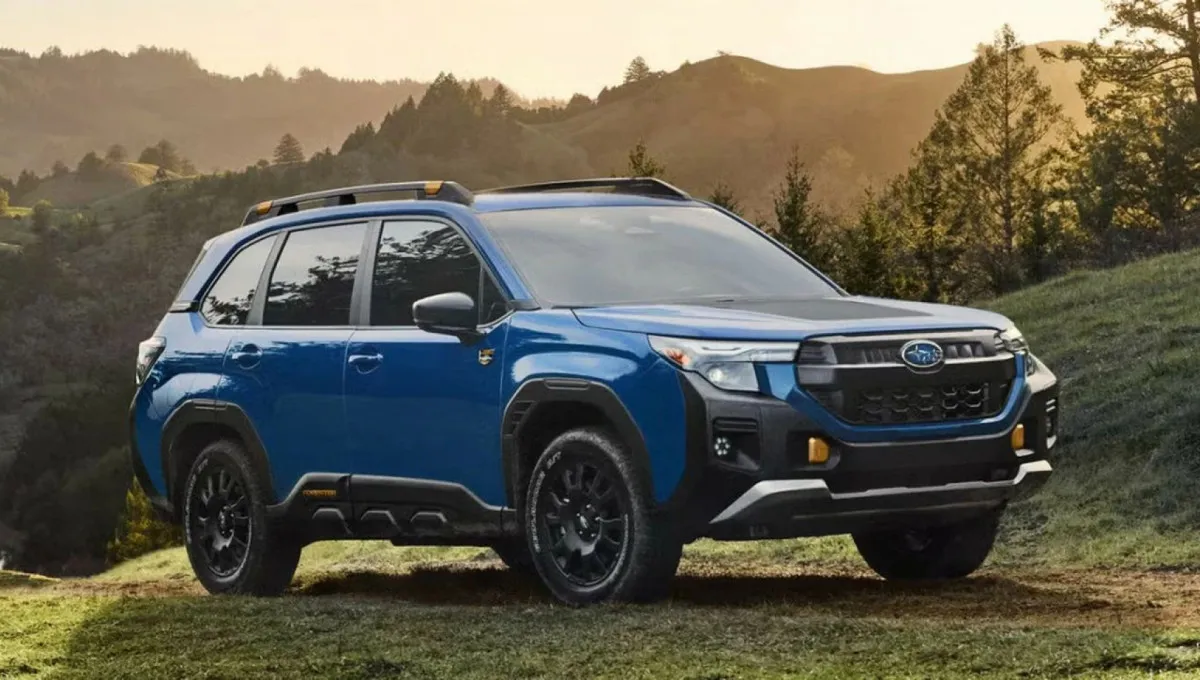
2027 Subaru Forester Debuts in the U.S. With Revised Lineup and More Hybrid Options
Subaru has revised the 2027 Forester lineup for America, dropping slower-selling trims while expanding hybrid availability.
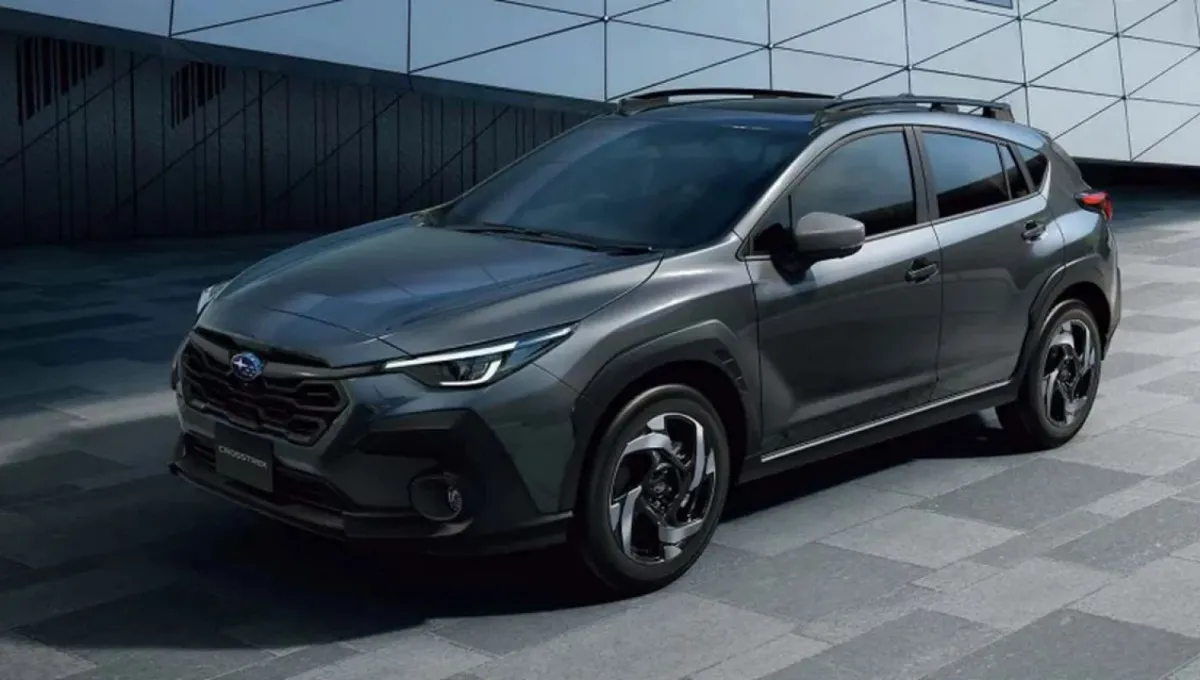
Subaru Revises Its Lineup: Impreza Gets Simpler, While Crosstrek Becomes More Efficient
Subaru has made targeted updates to two related models in its home market: the Impreza sedan and raised Crosstrek hatchback. The changes make both vehicles better.
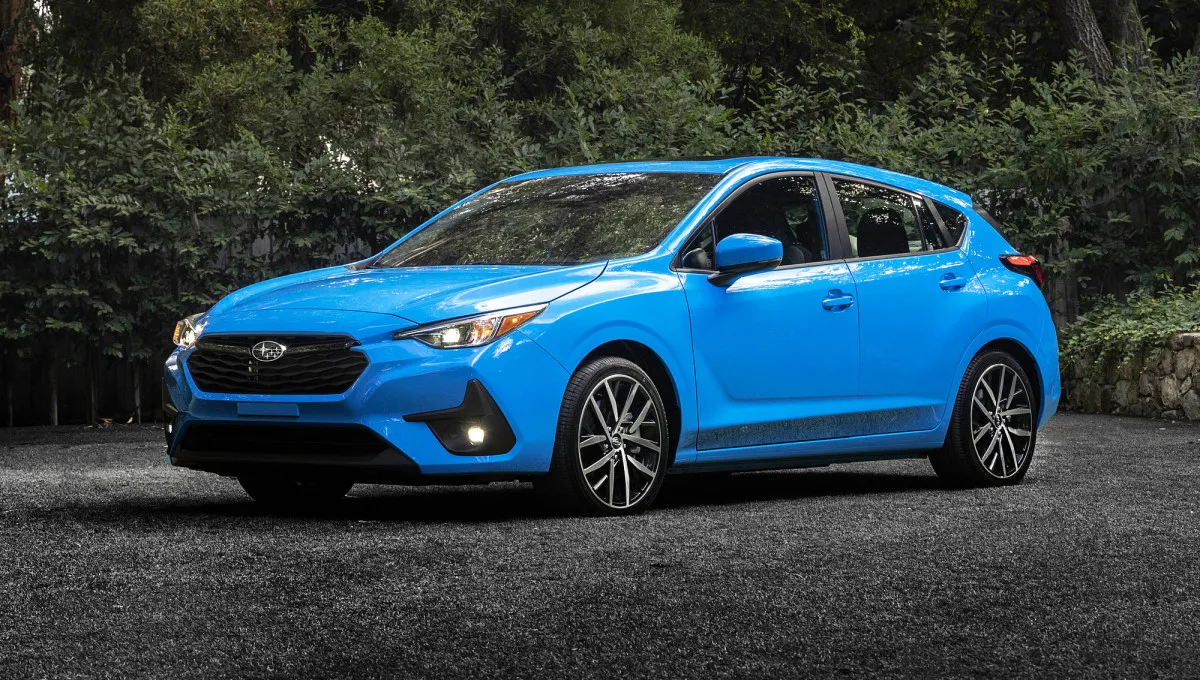
Subaru Just Cut 8 Standard Features From the Impreza — Here’s What Owners Now Have to Pay For
Subaru has updated the Impreza in Japan, with pricing starting at about $19,000 and fewer features included as standard.
Next Subaru Levorg Will Be a Sporty Wagon for the Electrification Era
Details have emerged about the next generation of Subaru's popular wagon.
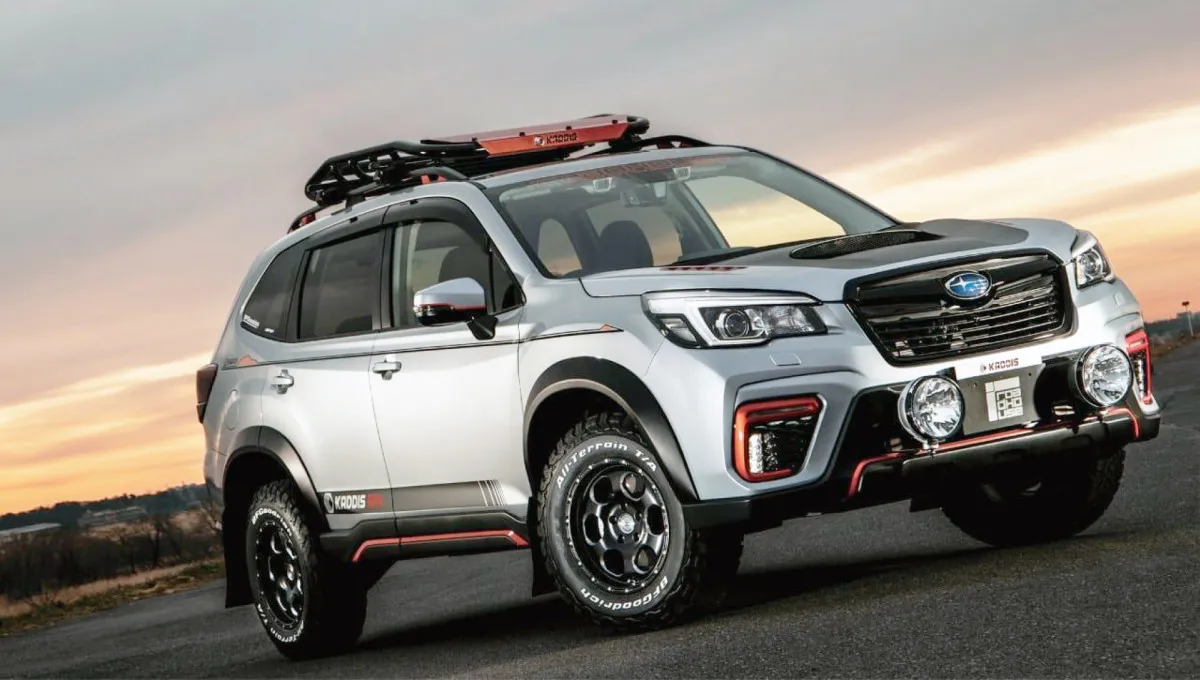
Subaru Forester SK Gets a New Off-Road Look
The SK-generation Forester sits higher and gains Roadhouse’s KADDIS AR4 kit for city streets and off-road trails.