
WD-40 Does Way More Than Loosen Rust: 6 Surprising Uses You’ll Wish You Knew Sooner
WD-40’s low viscosity lets it work as an aerosol, allowing the fluid to reach even the smallest holes, gaps, cavities and cracks.
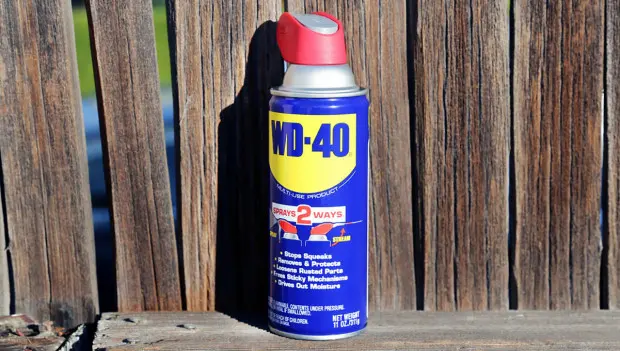
WD-40 is popular largely because it can help loosen stubborn threaded connections covered in rust, grime or other deposits. Its effectiveness comes from the way its ingredients work together. The volatile solvent, mineral spirits, breaks down and softens various types of contamination. Once the solvent evaporates, a nonvolatile lubricant, mineral oil, remains on the treated surface, helping protect the part and making threaded components easier to loosen.
Cleaning Greasy Hands After Working on a Car
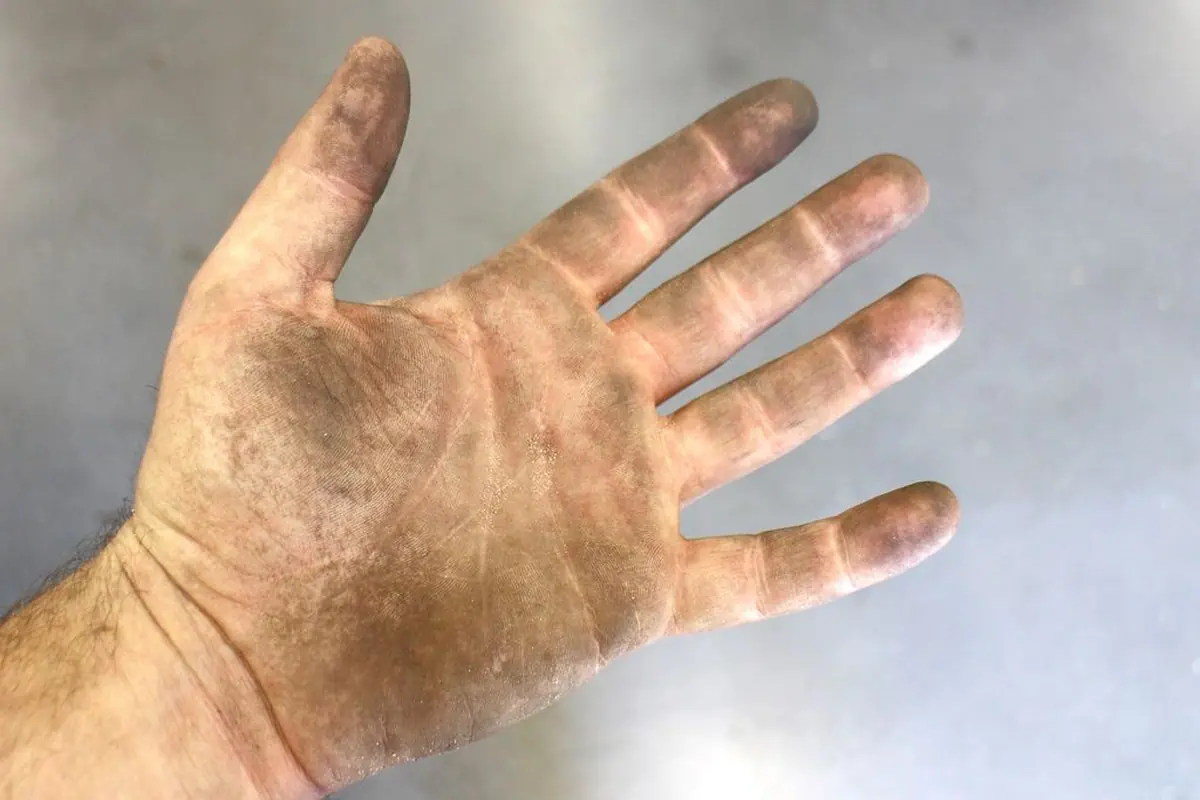
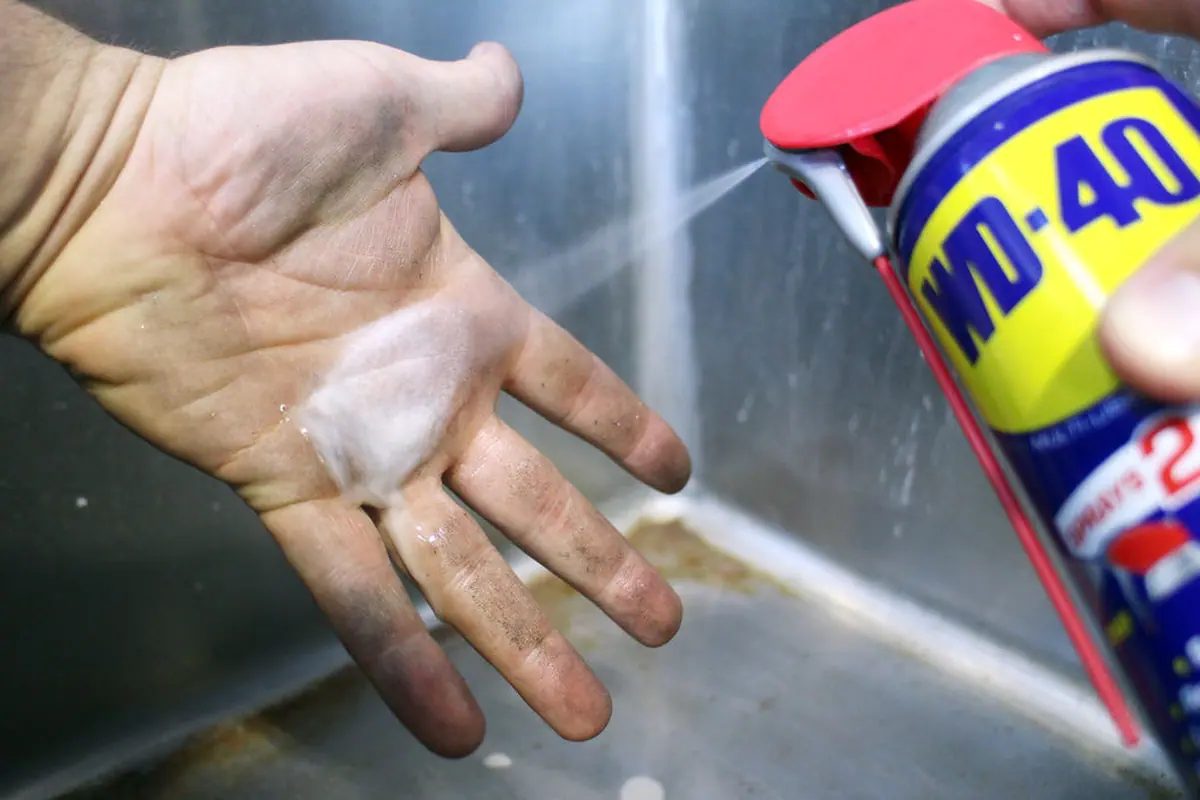
Because WD-40 contains a solvent, it can also help remove grease and oil from your hands after working on a vehicle, such as during an engine rebuild.
Spray a small amount onto your hands and wipe them with a shop rag to remove the grime. Afterward, wash your hands thoroughly with soap and water several times.
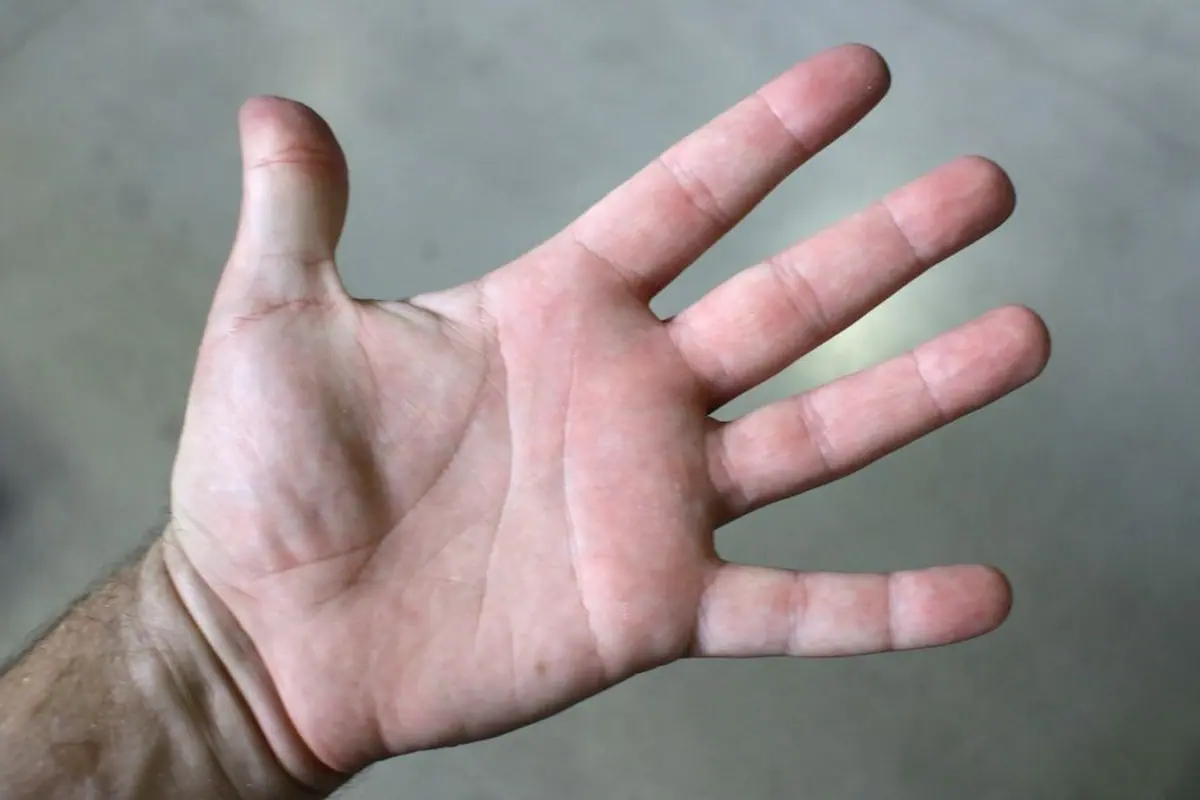
Important: Prolonged skin contact with WD-40 should be avoided. Wash the product off your hands as soon as possible after using it.
Removing Old Stickers and Decals
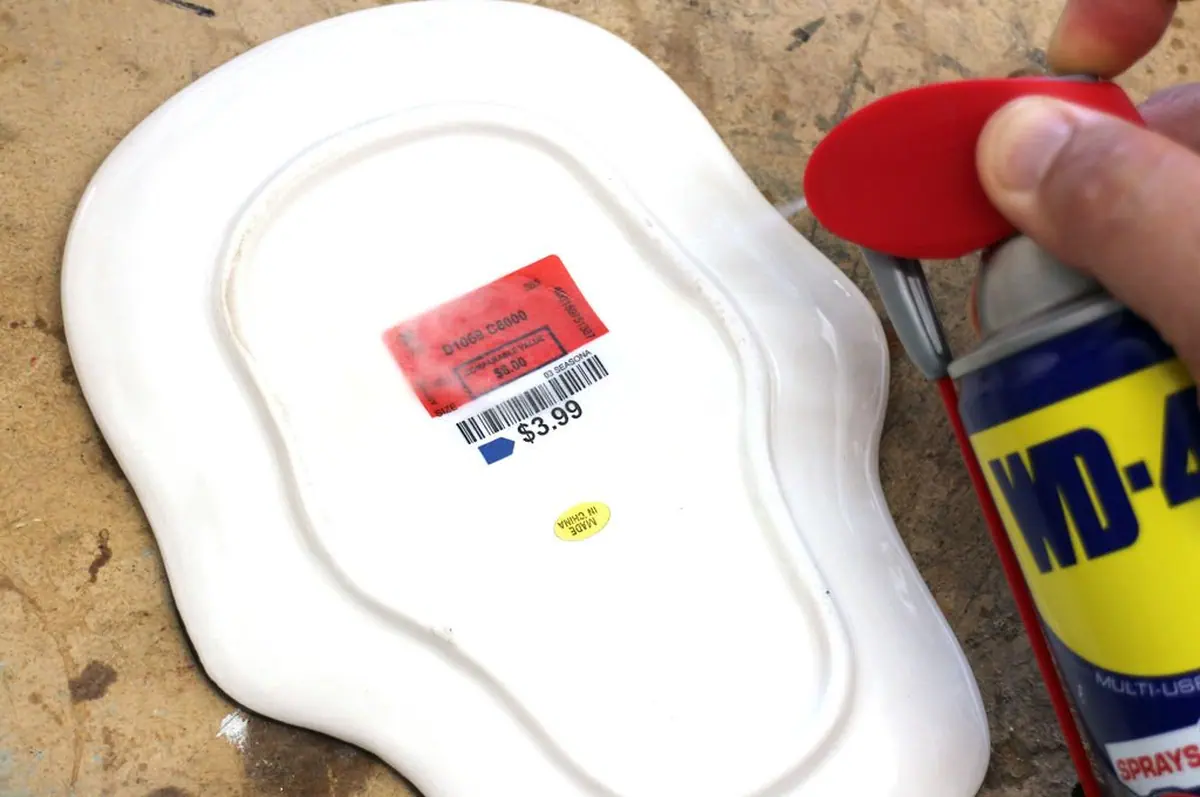
Removing an old sticker from a surface can be surprisingly frustrating. No matter how carefully you peel it, the sticker may tear while the adhesive backing remains behind.
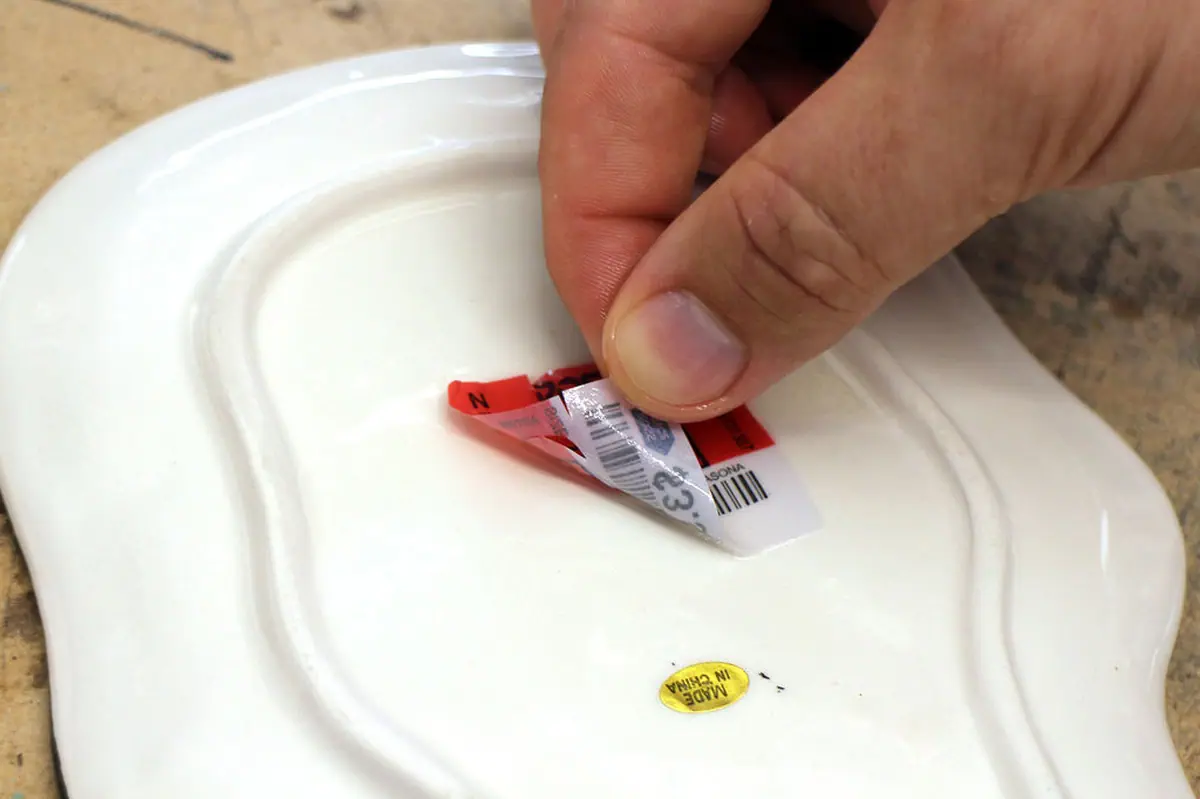
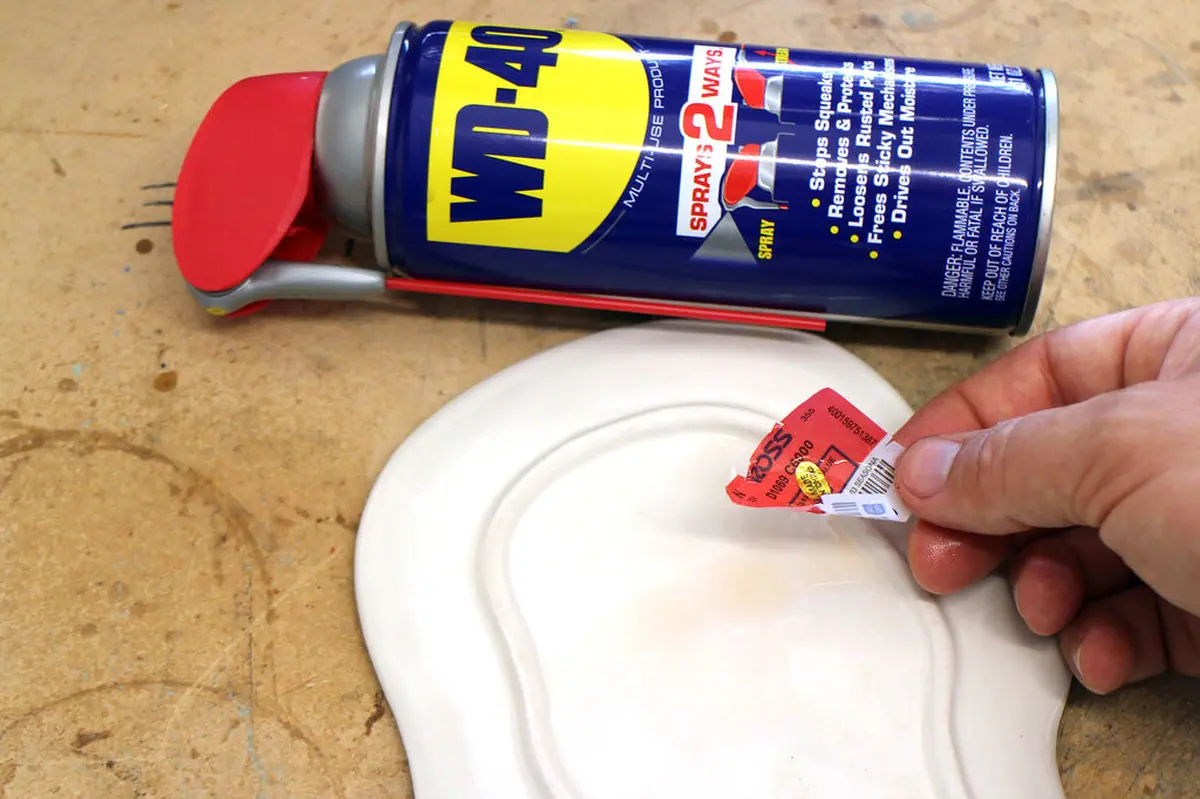
Instead of scraping the residue off and potentially scratching the surface, you can use WD-40. Spray a small amount onto the sticker or leftover adhesive, wait three to five minutes, and then wipe away the softened residue with a cloth.
Removing Permanent Marker
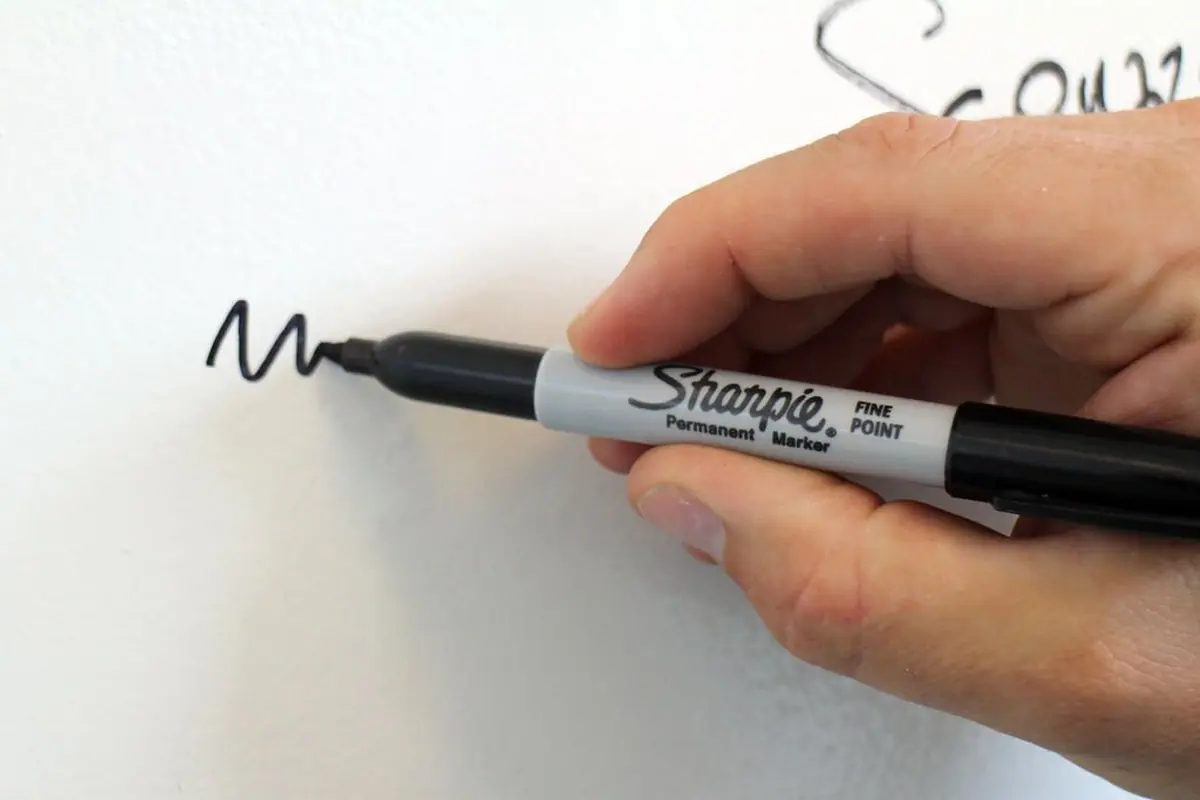
The aerosol solvent can also be useful for removing permanent-marker writing from certain surfaces. Spray a small amount of WD-40 directly onto the mark or apply it to a cloth first.
Marker usually comes off fairly easily from smooth surfaces. If the writing is on a porous or textured material, you may need to wipe the area several times.
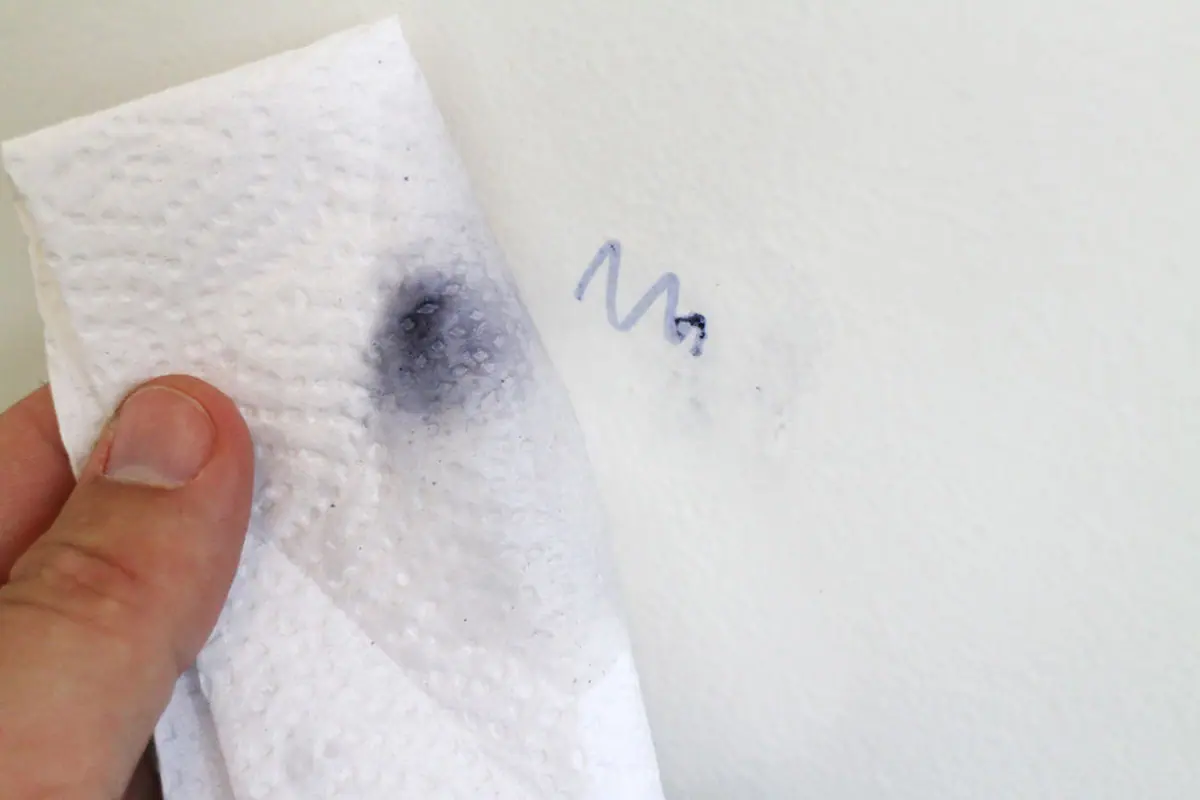
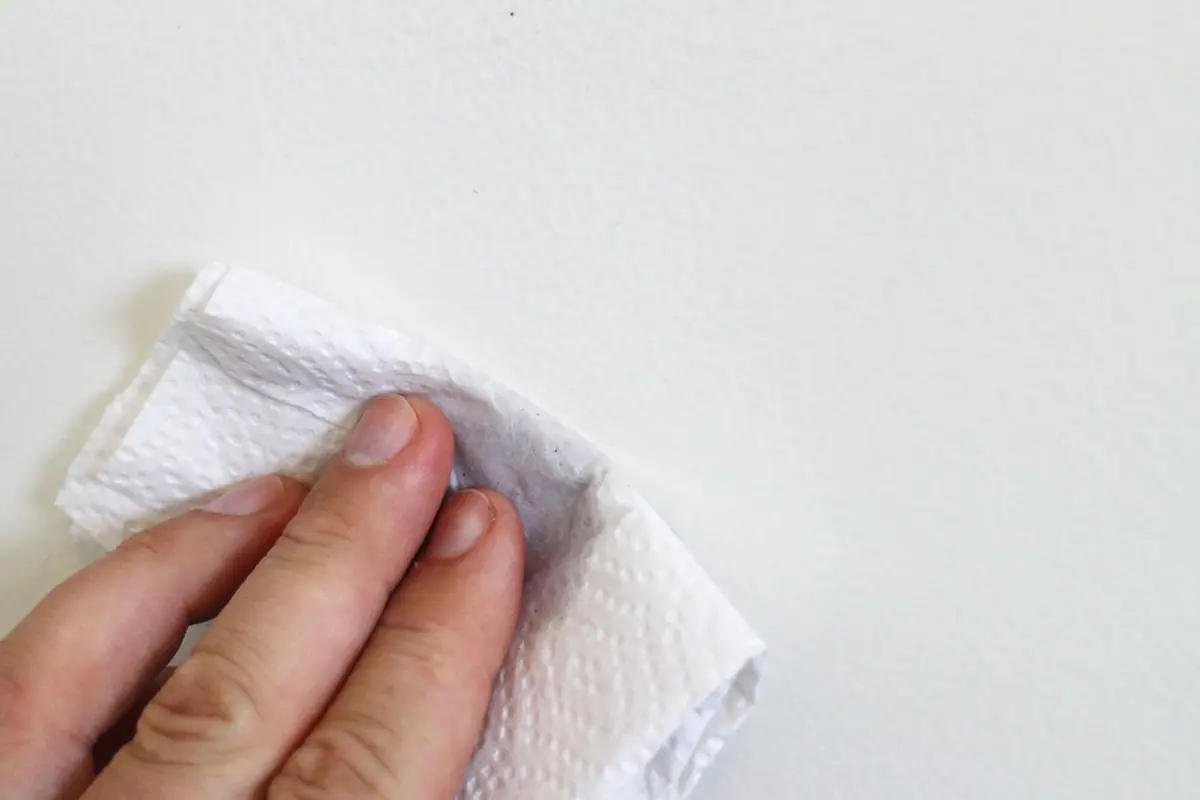
Tip: After using WD-40 on a nonmetal surface, wash the area with soapy water to remove any remaining solvent and lubricant.
Cleaning Vinyl Records
WD-40 can also be used in a limited way to remove grime from vinyl records while leaving behind a light lubricating film. A small cloth lightly moistened with the product can be used to gently wipe the record and remove built-up waxy dirt.
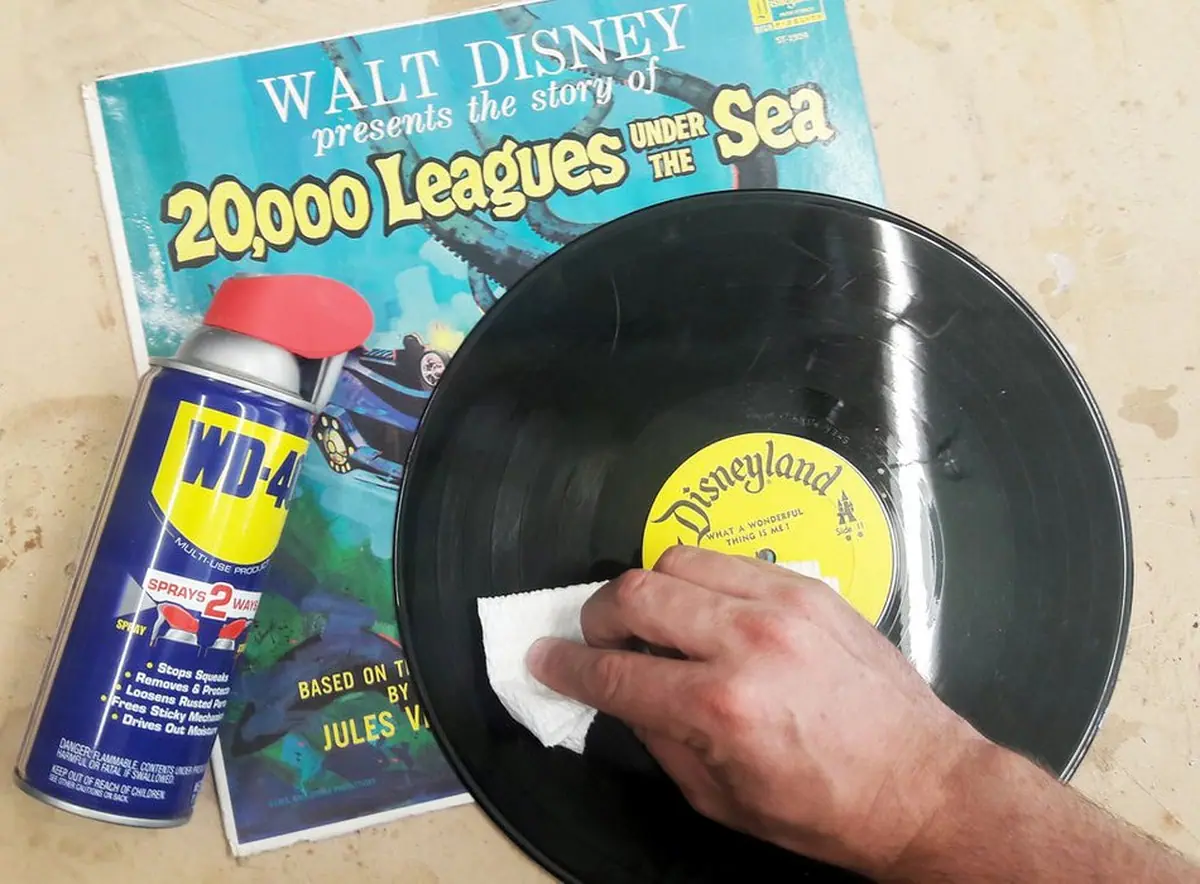
However, this is one case where less is definitely more. Avoid soaking the record or rubbing it aggressively.
Cleaning a Stainless-Steel Kitchen Sink
Even stainless steel can develop stubborn stains and mineral deposits over time. WD-40 can help loosen some of these deposits.
Spray the product onto the affected area and let it sit for about five minutes, giving the solvent time to penetrate the buildup. Once the deposits have softened, remove them with a plastic scraper. Repeat the process if necessary.
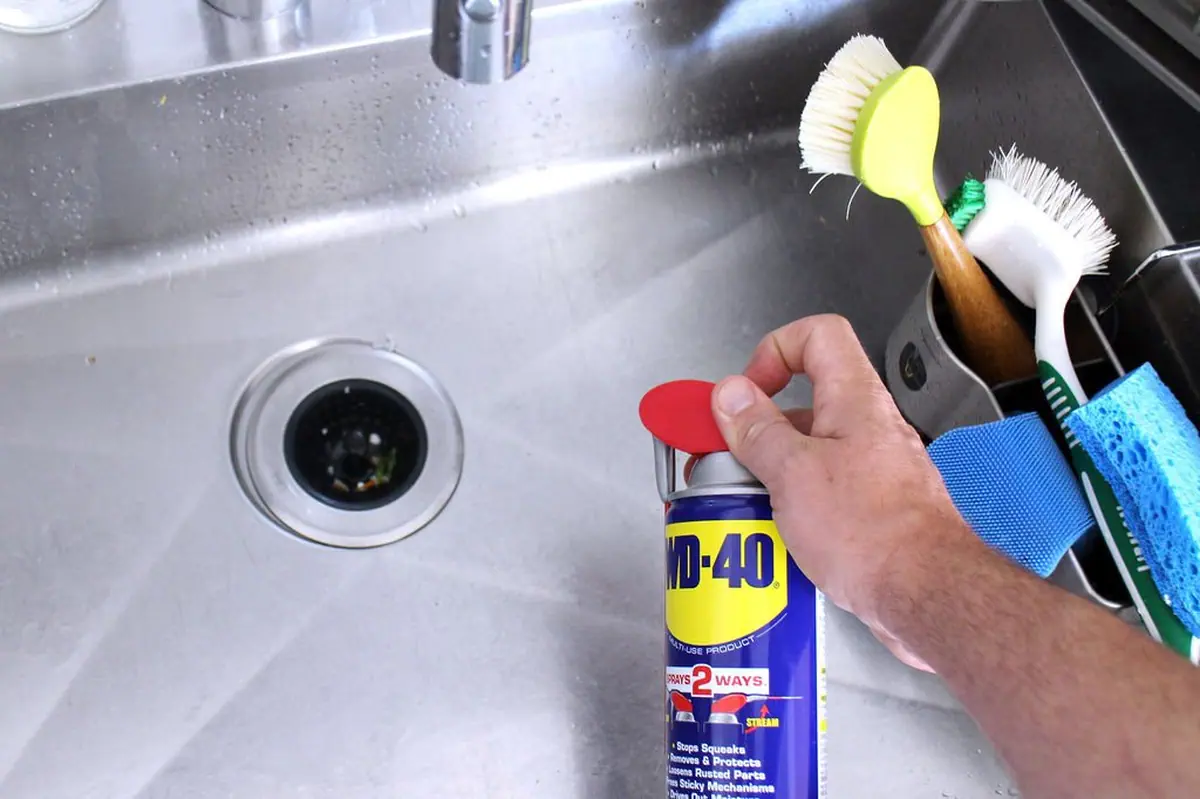
Tip: After cleaning the sink, wash the sink and any tools you used with warm water and dish soap to remove any remaining WD-40.
Removing Rust From Metal and Cast Iron
WD-40 can also be useful for loosening rust and other deposits from metal surfaces, including cast iron.
Apply the product to the rusted area and let it sit for three to five minutes. To slow evaporation, you can cover a pipe or other metal part with a shop rag lightly moistened with WD-40.
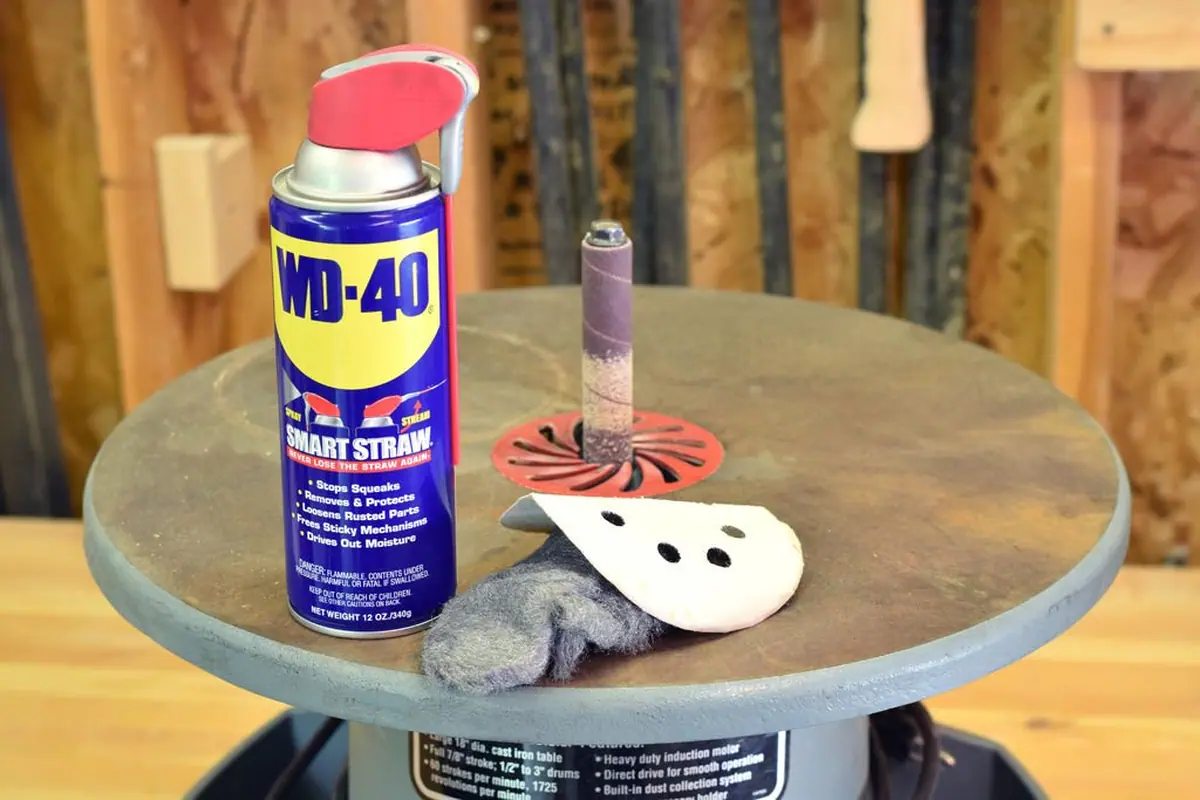
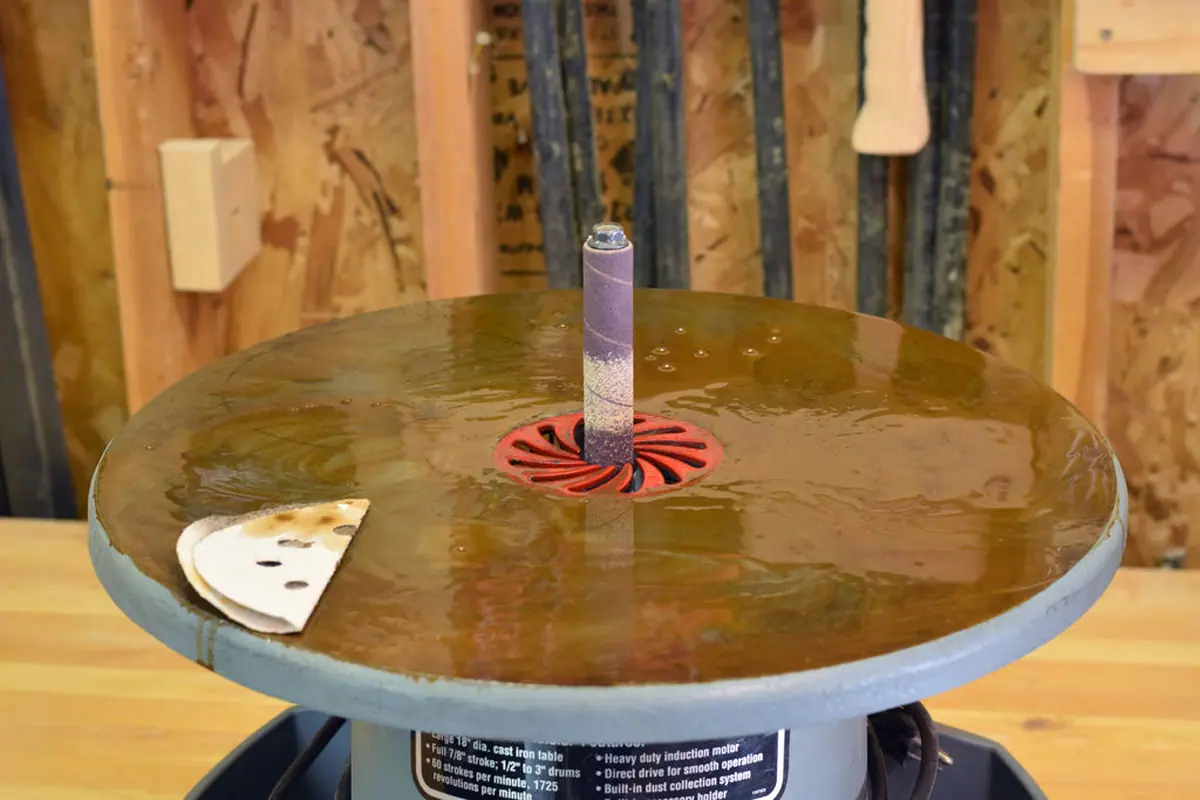
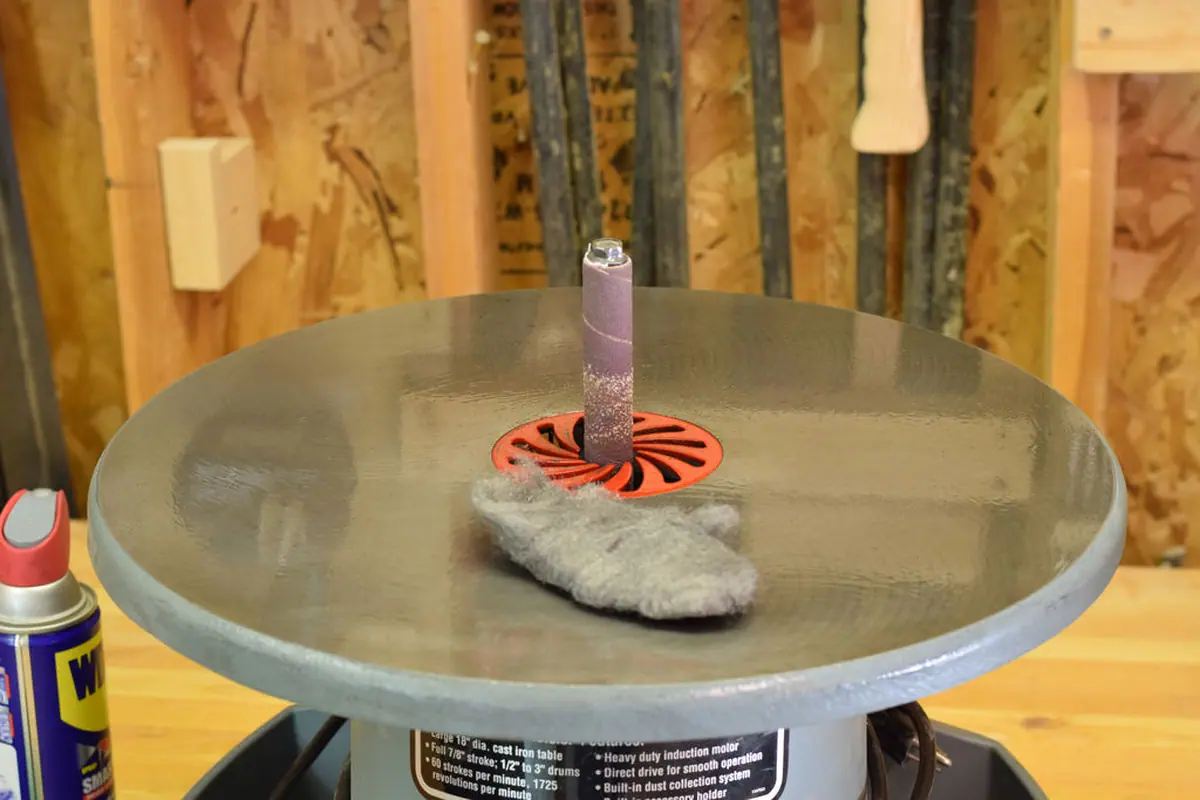
Once the rust has softened, remove it mechanically with a power sander, sandpaper or another suitable abrasive tool. The treatment can make the cleaning process considerably easier and can also leave the surface with a protective lubricating film.
You may also be interested in the news:
Tow Truck Driver Reveals a Hidden Car Feature That Could Save Your Life in an Emergency
A professional tow truck driver revealed a little-known feature that can help drivers move a disabled vehicle to safety.
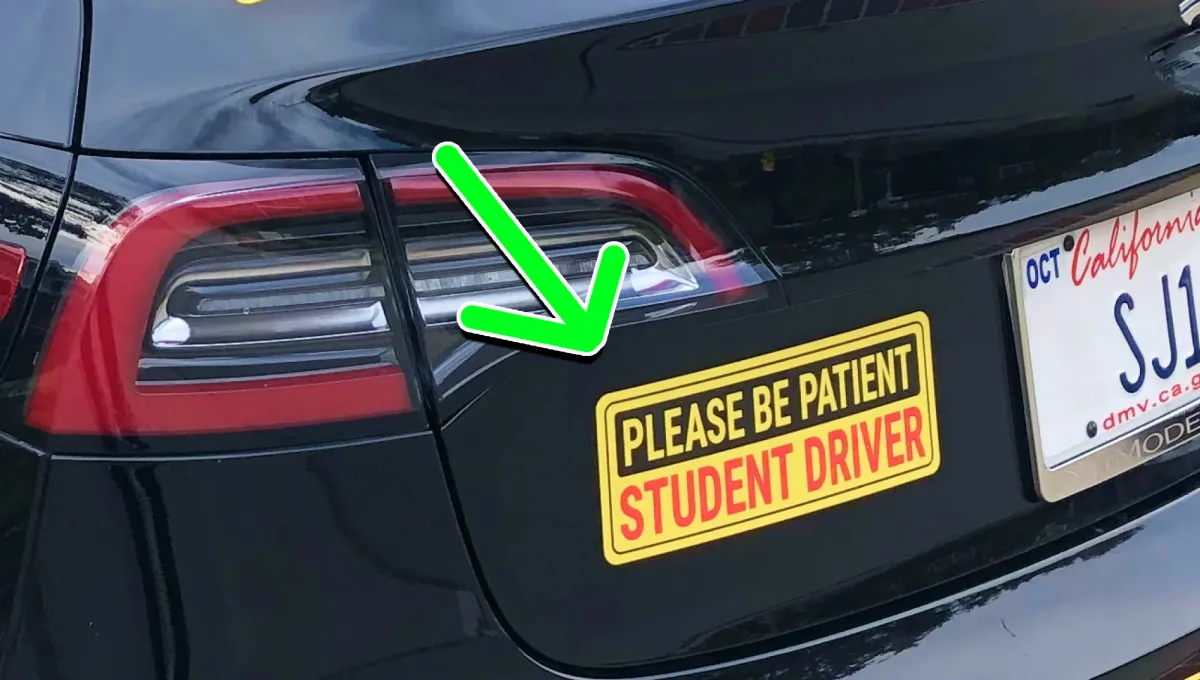
The Household Staple That Helps Remove Bumper Stickers Without Damaging Your Car
Removing an old bumper sticker is easier with rubbing alcohol, which helps dissolve stubborn adhesive residue from your car.
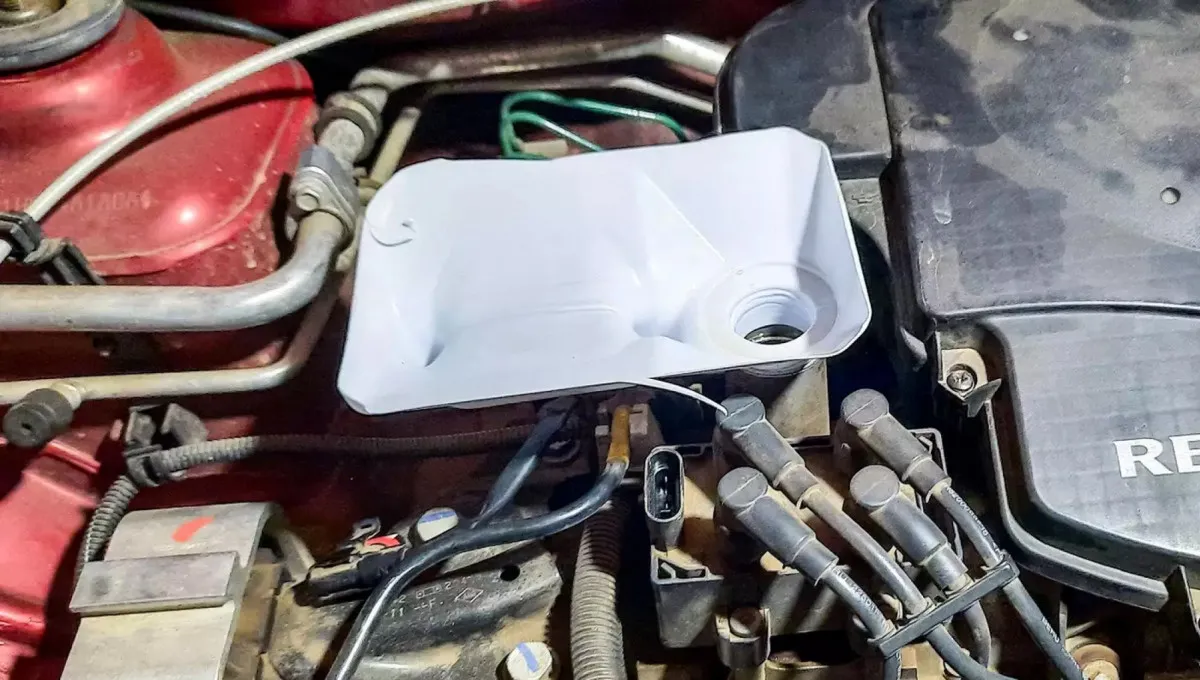
Useful for Many Drivers and Mechanics: This DIY Tool Makes Adding Engine Oil Much Easier
A simple homemade funnel helps drivers add engine oil cleanly, avoid spills, and reach hard-to-access filler openings.
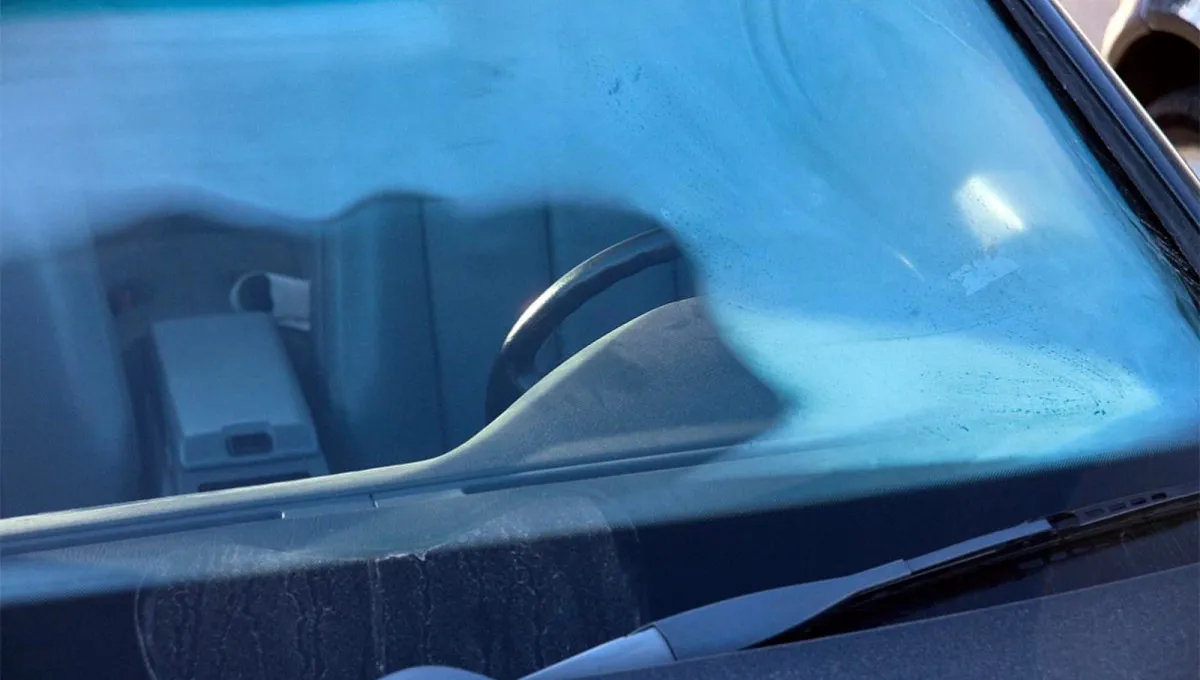
Foggy Windows in Dry Weather: What Problem Could This Indicate?
Foggy car windows can signal anything from excess cabin moisture to a clogged air filter or a hidden coolant leak.
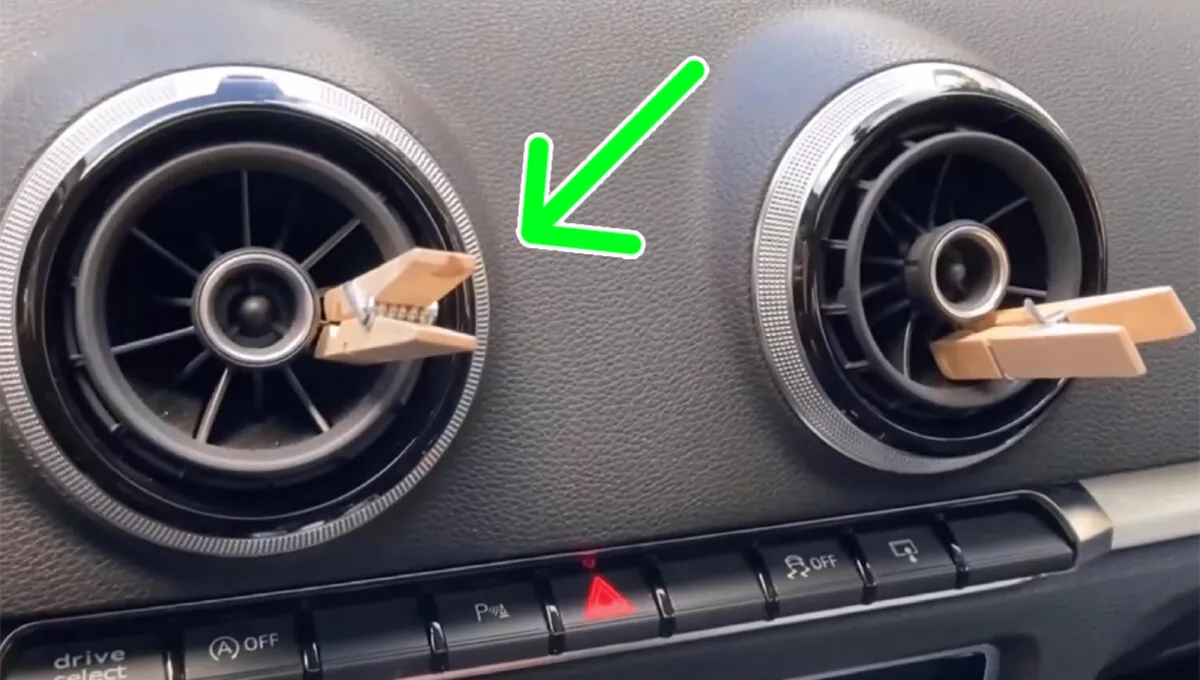
Why Experienced Drivers Keep a Simple Wooden Clothespin in Their Cars
A wooden clothespin clipped inside a car might look out of place, but some drivers use it for several surprisingly practical purposes.