
How to Easily Remove a Car Dent With Boiling Water and a Plunger
A simple dent-repair technique that can restore certain minor body dents without damaging the paint or requiring expensive tools.
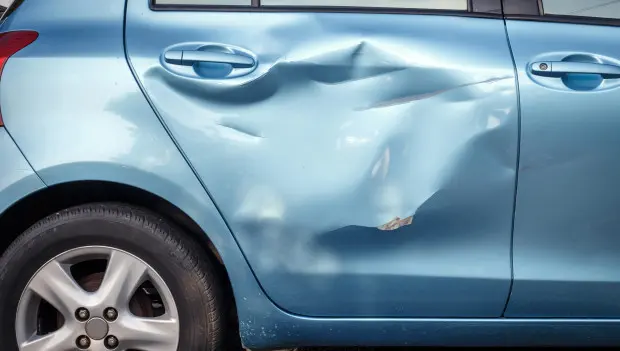
If a dent in a car’s body panel occurred within the elastic range of the metal and did not cause permanent deformation, such as stretching, it may be possible to repair it at home using a few basic items without damaging the paint.
This approach can save a considerable amount of money and restore the car’s appearance in a relatively short amount of time. You don’t need professional body-repair experience, expensive specialty materials or dedicated dent-repair equipment.
For the job, gather:
- A standard household plunger
- A container for water, such as a bucket, pitcher or kettle
- A way to heat and boil water
- A clean rag or shop towel
How to Remove the Dent
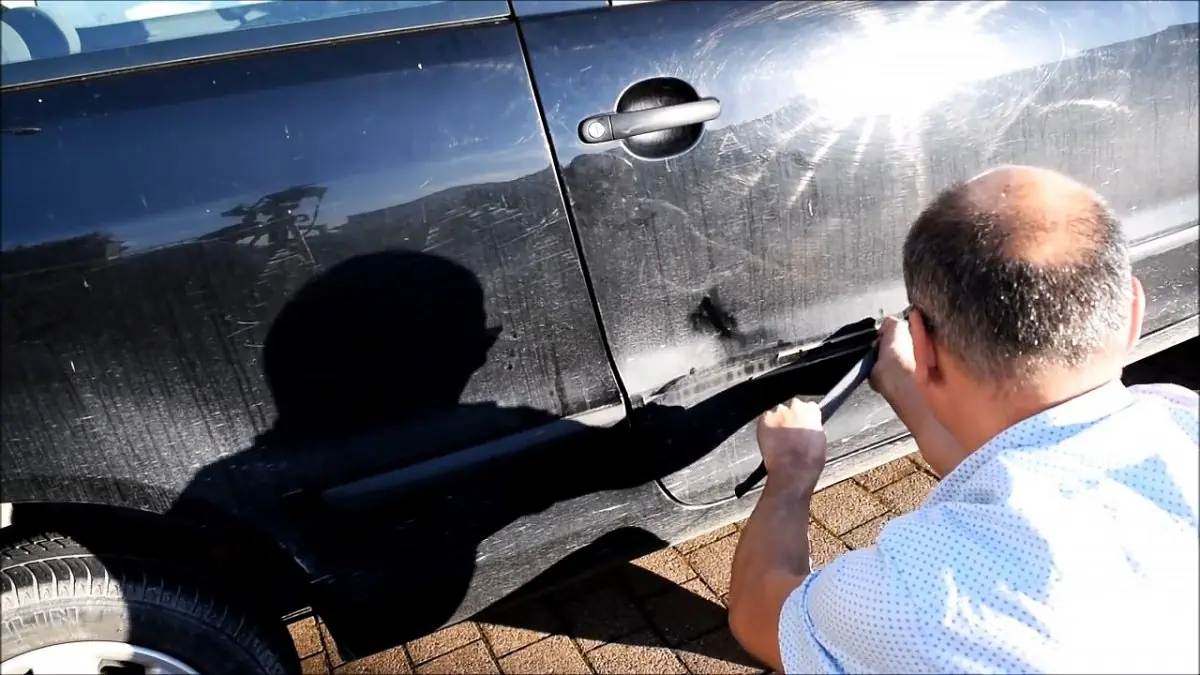
Start by removing any easily detachable trim pieces around the damaged area. In this case, the damaged part is a raised plastic molding that can simply be pulled off by hand, particularly if it is already damaged.
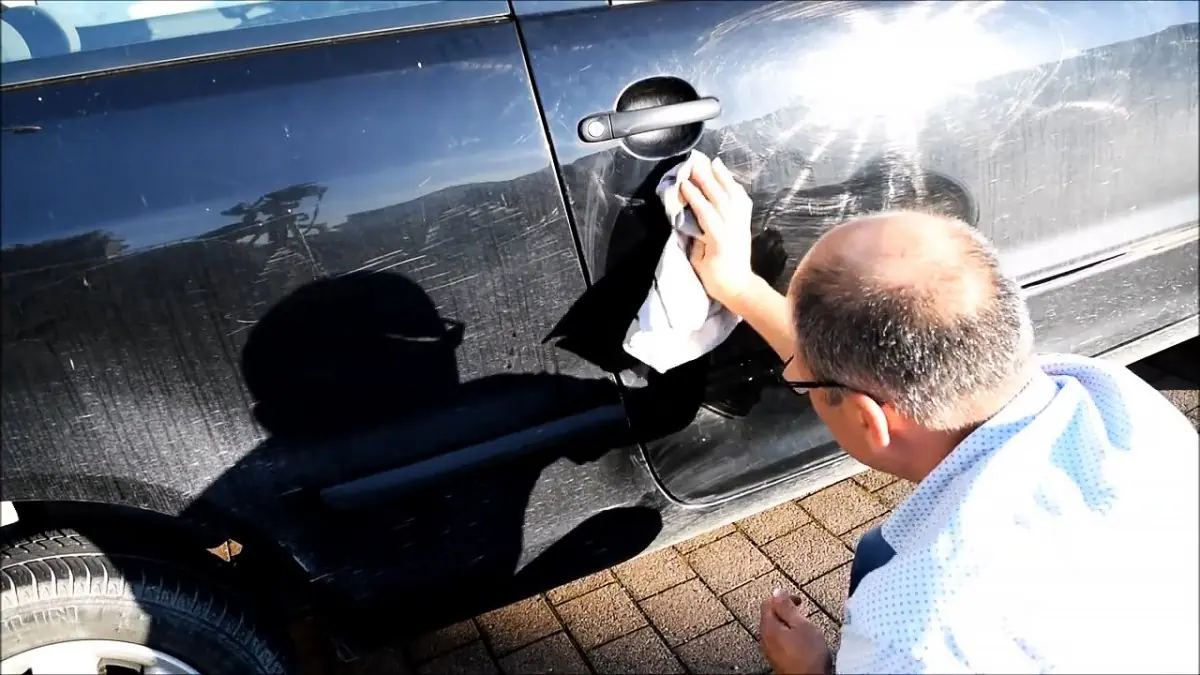
Wash the dent and the surrounding metal with clean water, then wipe the area completely dry. If necessary, use a mild cleaning product. Remove any adhesive residue left behind by the molding as well.
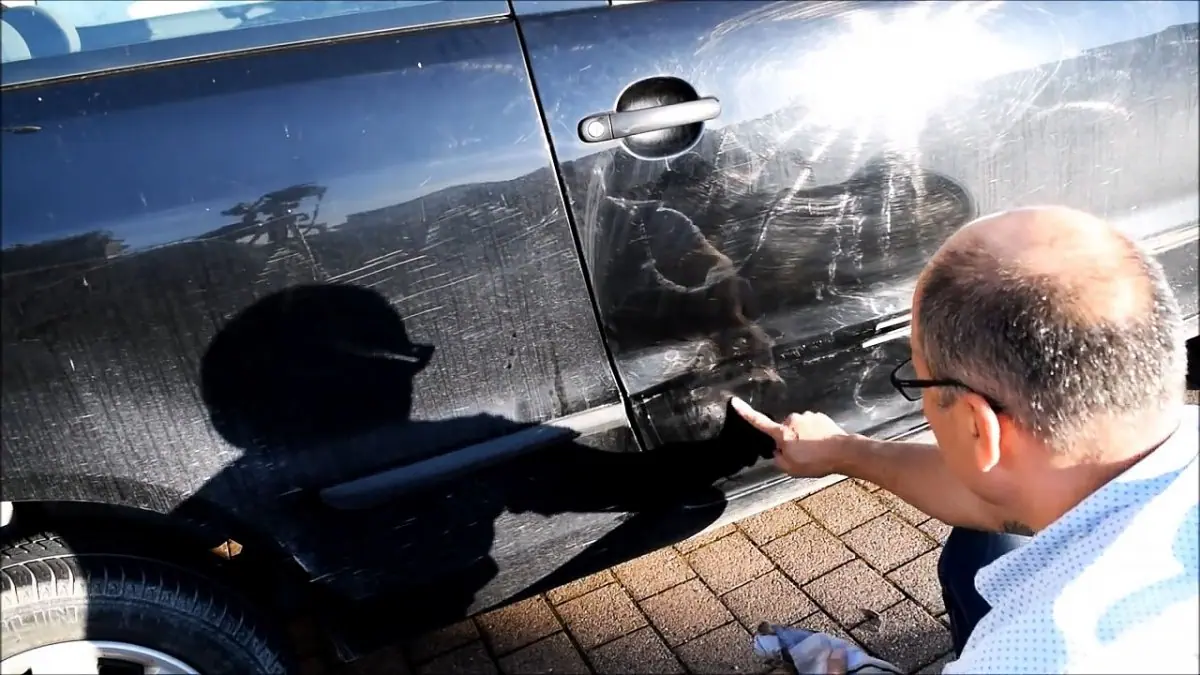
If you have never attempted this type of repair before, it is worth watching a demonstration video before getting started. A few minutes of preparation can help prevent mistakes that could make the damage worse.
Boil an appropriate amount of water based on the size of the dent. Carefully pour the hot water over the damaged area and the surrounding section of the body panel.
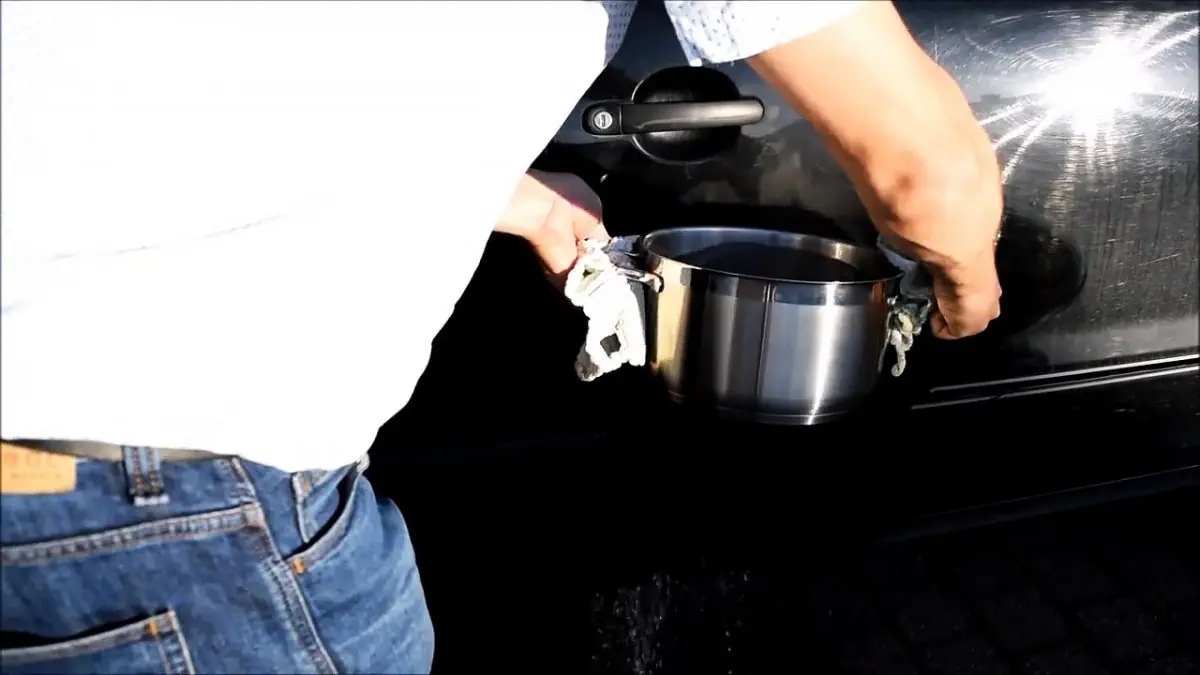
The heat helps warm the metal and paint, making the panel more flexible before you attempt to pull the dent back into shape.
Without waiting too long, place the plunger against the damaged area. Start near the outer edge of the dent and gradually work toward the center. Once the plunger cup has formed a firm seal against the panel, pull the handle sharply toward you with controlled force.
Repeat the process as needed. With each pull, the metal can gradually move back toward its original position until the dent disappears.
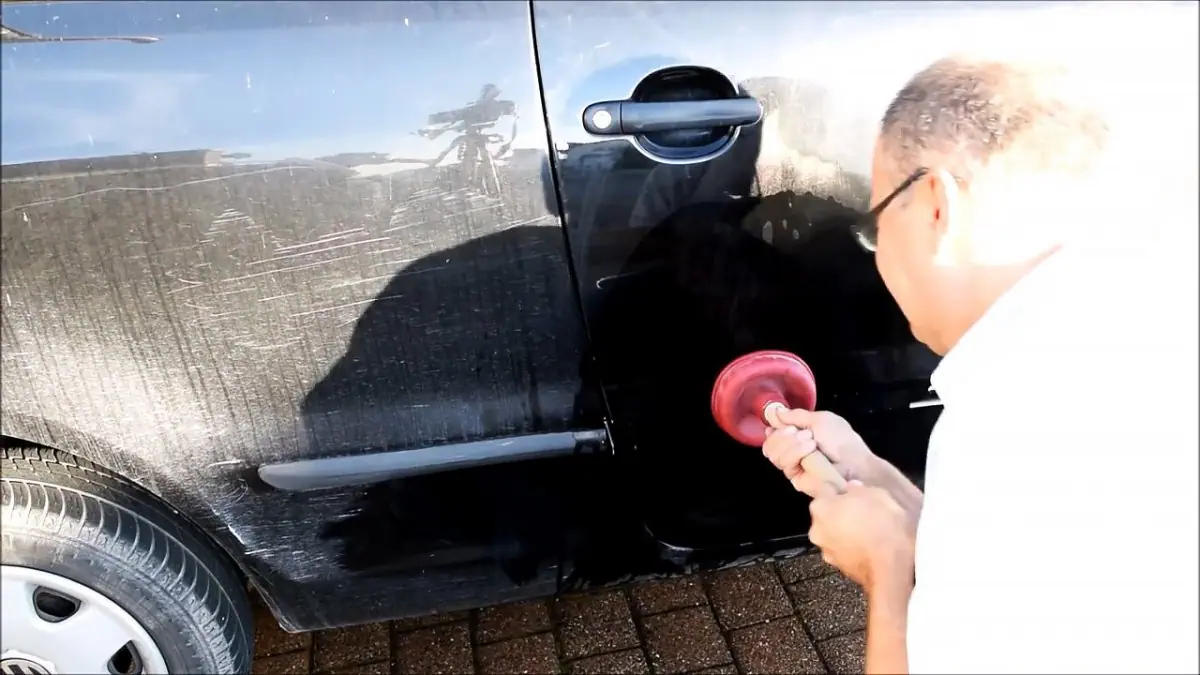
A shallow dent may come out with a single application of the plunger followed by one strong pull. More often, particularly with dents that vary in depth or have an irregular shape, you will need to reposition the plunger and repeat the process several times.
Things get considerably more difficult when the dent includes a sharp crease, a body-line reinforcement or sits close to the edge of the panel. In those situations, a plunger alone may not be enough. The repair could require controlled heat, mechanical paintless dent repair techniques, body filler or other methods.
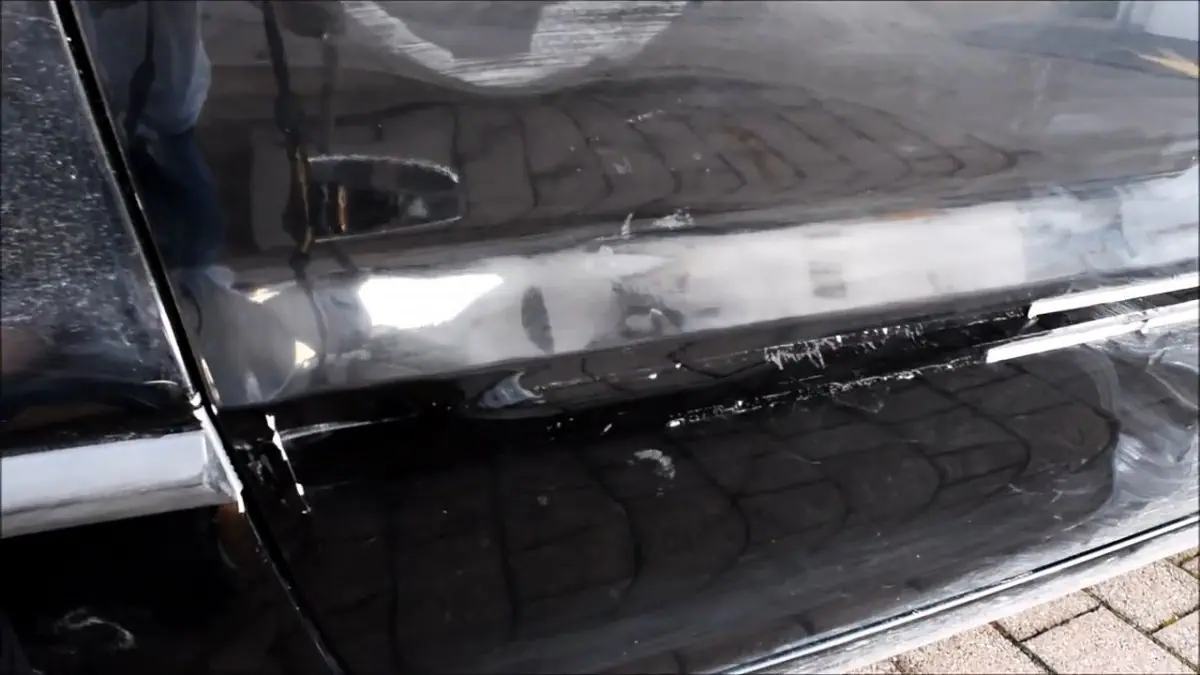
If you manage to remove the dent quickly, it can be helpful to cool the metal and paint afterward by gently pouring cool water over the repaired area. This brings the temperature of the panel and its finish back closer to normal.
You may also be interested in the news:
Tow Truck Driver Reveals a Hidden Car Feature That Could Save Your Life in an Emergency
A professional tow truck driver revealed a little-known feature that can help drivers move a disabled vehicle to safety.
The Household Staple That Helps Remove Bumper Stickers Without Damaging Your Car
Removing an old bumper sticker is easier with rubbing alcohol, which helps dissolve stubborn adhesive residue from your car.
Useful for Many Drivers and Mechanics: This DIY Tool Makes Adding Engine Oil Much Easier
A simple homemade funnel helps drivers add engine oil cleanly, avoid spills, and reach hard-to-access filler openings.
Foggy Windows in Dry Weather: What Problem Could This Indicate?
Foggy car windows can signal anything from excess cabin moisture to a clogged air filter or a hidden coolant leak.
Why Experienced Drivers Keep a Simple Wooden Clothespin in Their Cars
A wooden clothespin clipped inside a car might look out of place, but some drivers use it for several surprisingly practical purposes.