
Chrysler Recalls 2,017 Minivans After Brake Sensor Fault Can Disable Electronic Stability Control
Chrysler is recalling 2,017 minivans after a brake pedal sensor defect was found capable of disabling ESC.
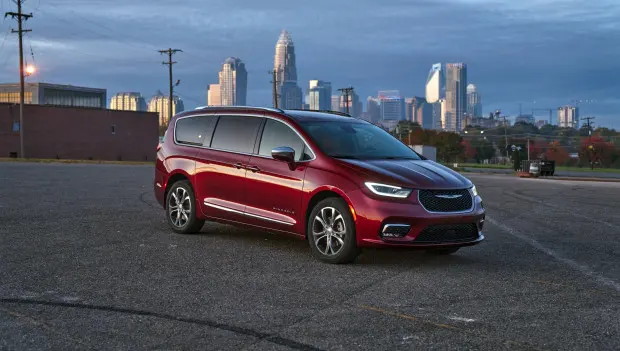
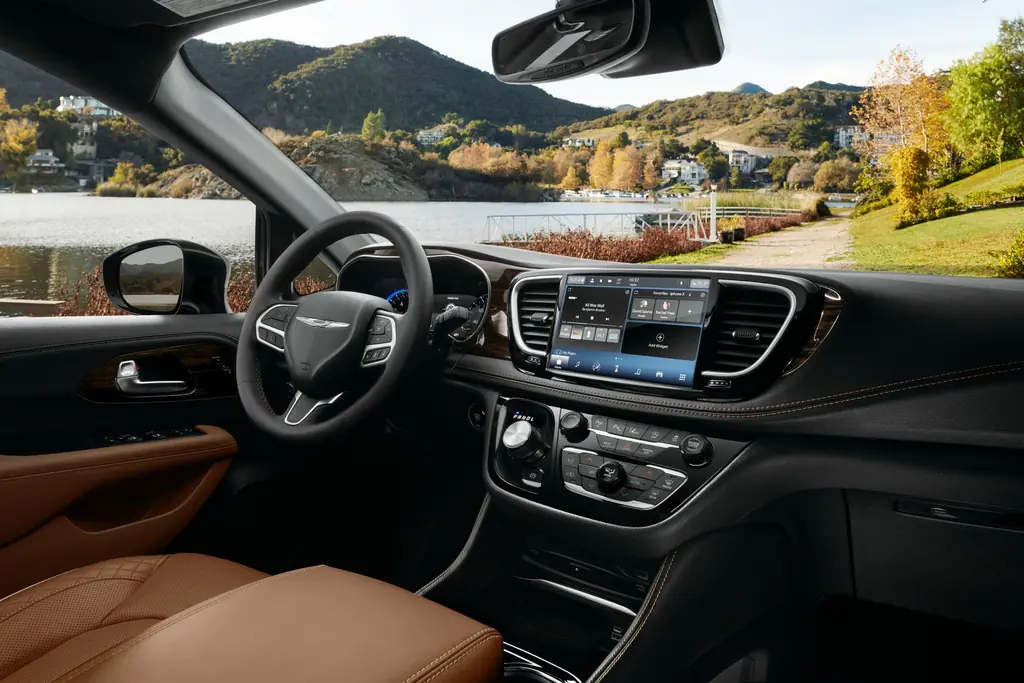
Chrysler is recalling 2,017 minivans after discovering a potentially defective brake pedal position sensor that can shut down an important safety system. The campaign covers 2025 and 2026 model-year Pacifica and Voyager minivans, plus a small number of Pacifica Plug-In Hybrid models.
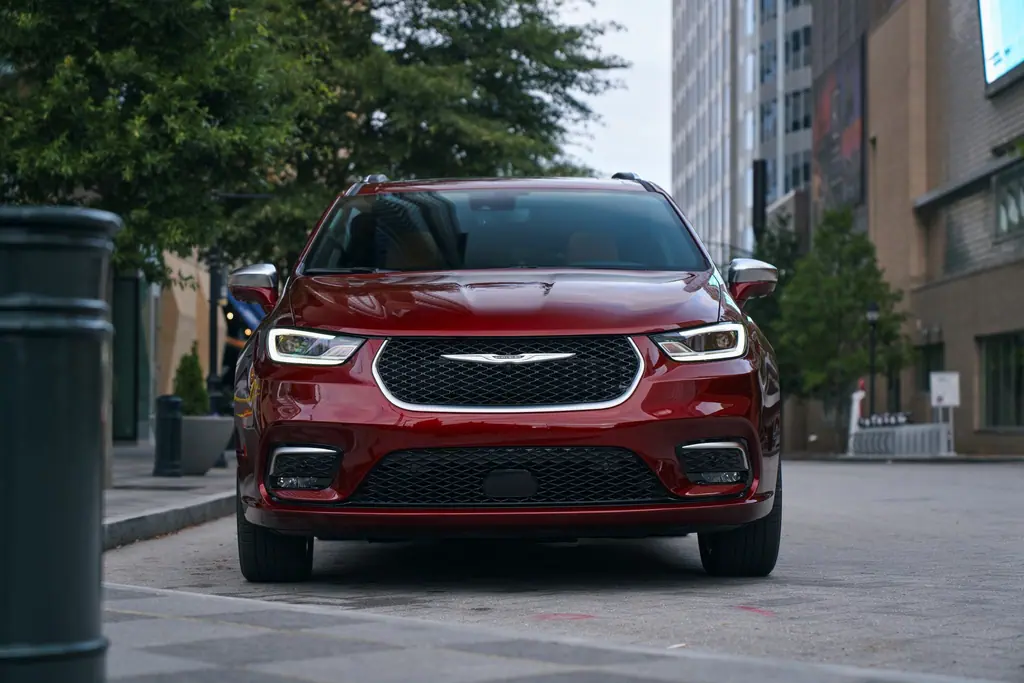
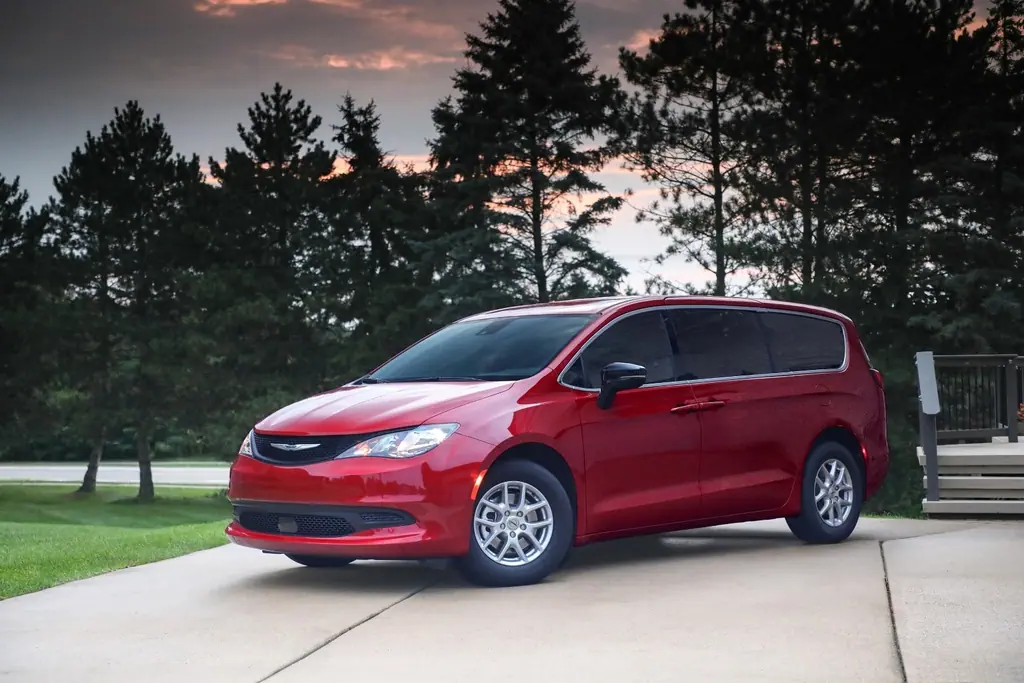
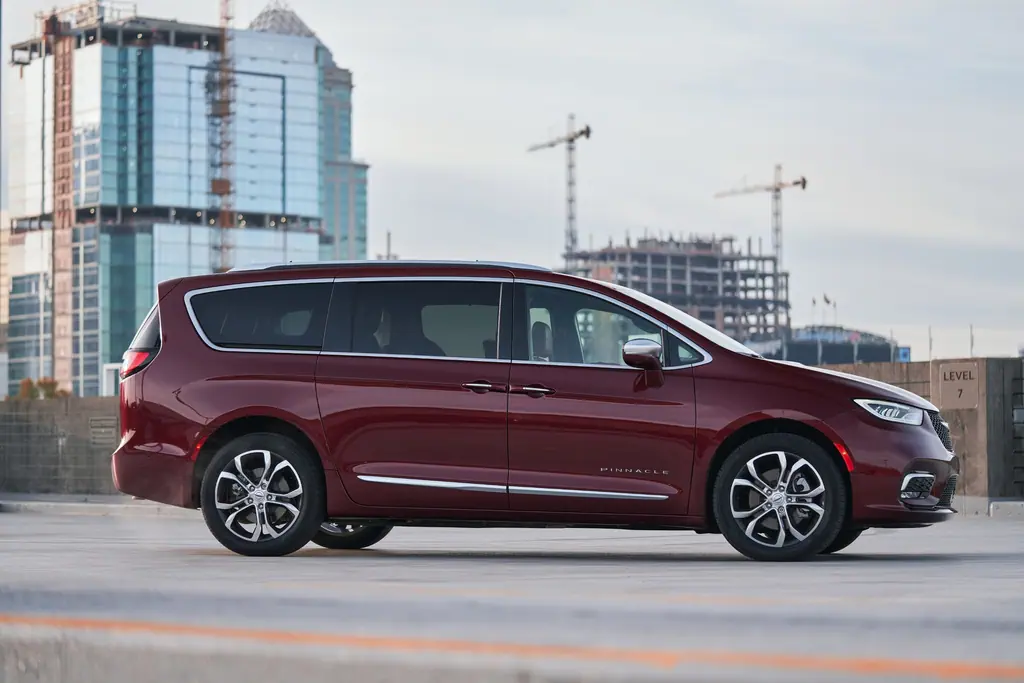
According to recall documents submitted to the National Highway Traffic Safety Administration, the affected fleet consists of 357 Voyagers, 1,652 Pacificas, and eight Pacifica Plug-In Hybrids. The plug-in hybrid vehicles involved were built between September 11, 2025, and October 25, 2025.
The issue traces back to a relatively ordinary component: the brake pedal position sensor. Chrysler says certain sensors were manufactured with capacitors that may be cracked. If a capacitor fails, the sensor can stop working, potentially causing the electronic stability control system to shut down.
Electronic stability control is a federally required safety system, not an optional background feature. Federal Motor Vehicle Safety Standard 126 requires ESC to remain operational at all times. If the defective sensor disables the system, the affected vehicles fail to meet that federal requirement, while the loss of ESC can increase the risk of a crash.
The NHTSA filing puts the estimated defect percentage at 10 across the affected vehicles. If ESC becomes disabled, a warning light illuminates to alert the driver. The suspect component carries part number 68236598AA and is supplied by United States-based CTS Corporation.
The fix is straightforward. Dealers will inspect the brake pedal position sensor and replace it when necessary, with the repair performed at no cost to owners.
The timeline behind the recall stretches back several months. FCA US LLC, also known as Stellantis North America, launched an investigation on March 25, 2026, after receiving reports involving sensor functionality on 2025 and 2026 model-year vehicles.
Through May 2026, the Technical Safety and Regulatory Compliance organization worked alongside engineering teams to identify the potential root cause and determine the scope of the affected vehicles. From June through August 2026, the Auburn Hills-based automaker reviewed additional field reports and customer assistance records involving the Pacifica and Voyager.
The safety organization ultimately determined that a vehicle build issue involving the brake pedal position sensor existed and could potentially result in a noncompliance. The Vehicle Regulations Committee then concluded that a recall was necessary.
The notification process is already scheduled. Dealers will receive notification on September 9, followed by owner notifications on September 29.
For the 2,017 vehicles included in the campaign, the latest recall adds another entry to a busy year for Chrysler's Pacifica and Voyager. The two minivans have faced federal scrutiny involving different components, including airbags, traction batteries, and now a capacitor inside the brake pedal position sensor.
Owners with questions can contact Chrysler directly, while the complete recall documentation is available through the NHTSA website for those seeking the technical details.
You may also be interested in the news:

The 1957 Dodge: How “Autodynamics” Shaped One of Detroit’s Boldest Designs
The 1957 Dodge Looked Like a Dream Car, but Its Biggest Flaw Was Hiding Beneath the Surface.
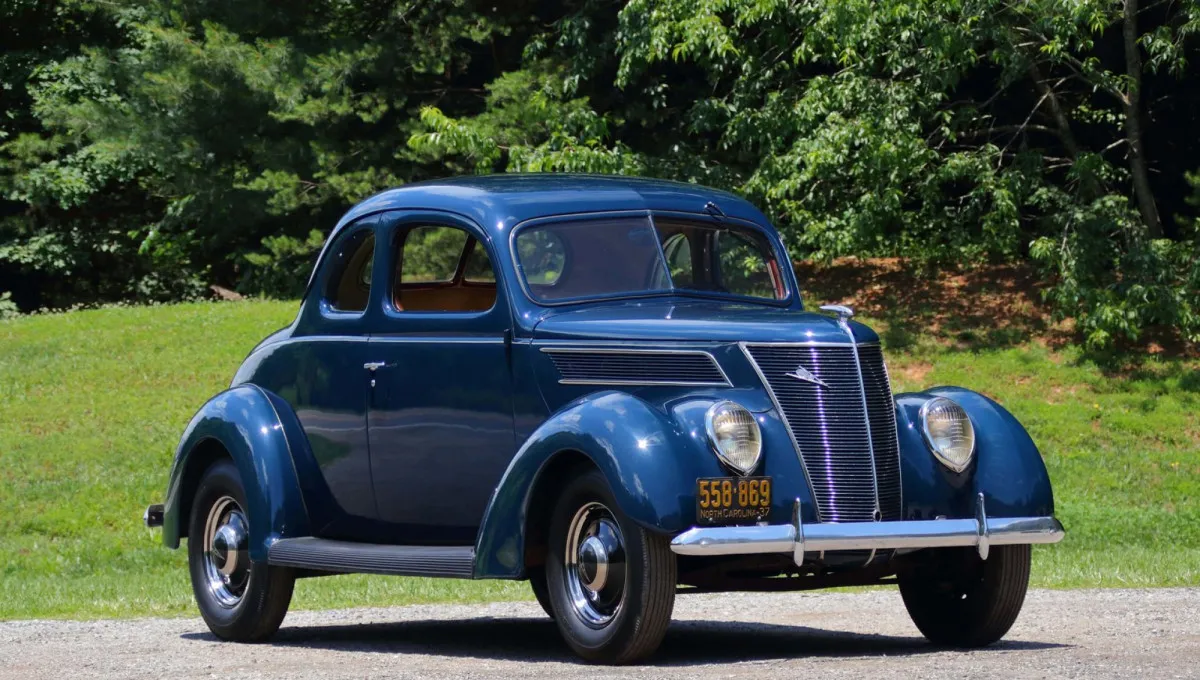
The 1937 Ford Was a Quality Car at an Affordable Price — Here’s What Made It Stand Out
The 1937 Ford featured several major changes and improvements. Let’s take a closer look.
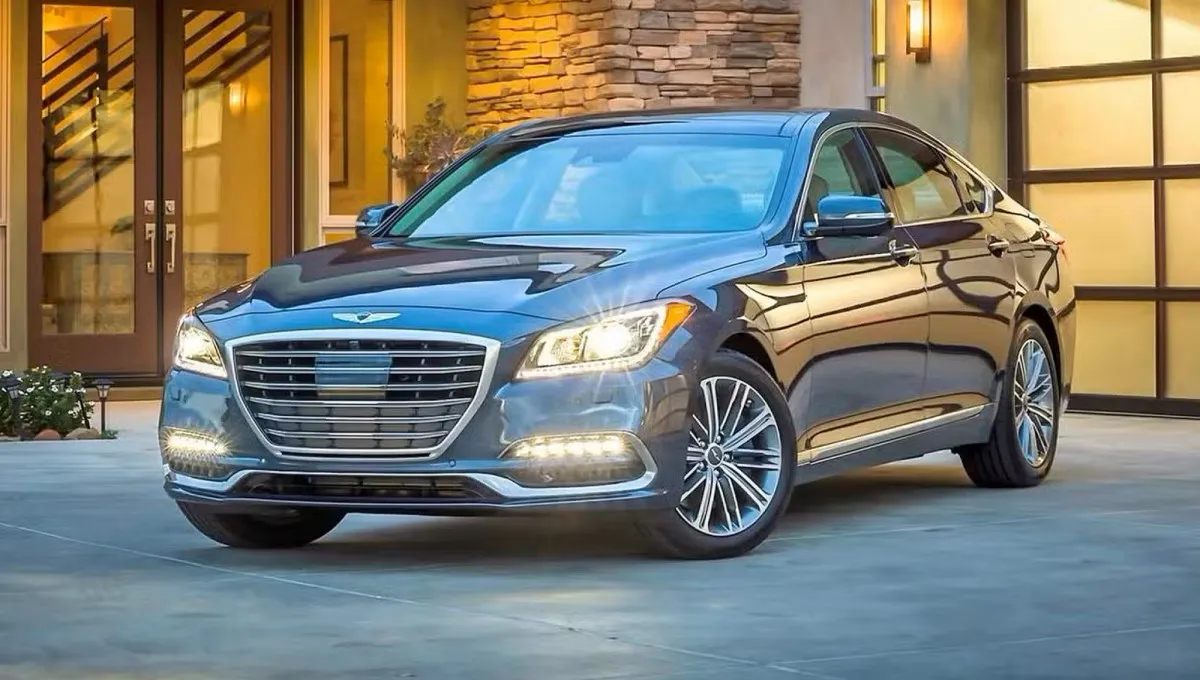
Hyundai Recalls Nearly 95,000 Genesis Sedans Over Fire Risk From Power Seats
Hyundai is recalling 94,622 Genesis sedans after a faulty power seat switch was linked to overheating and potential vehicle fires.
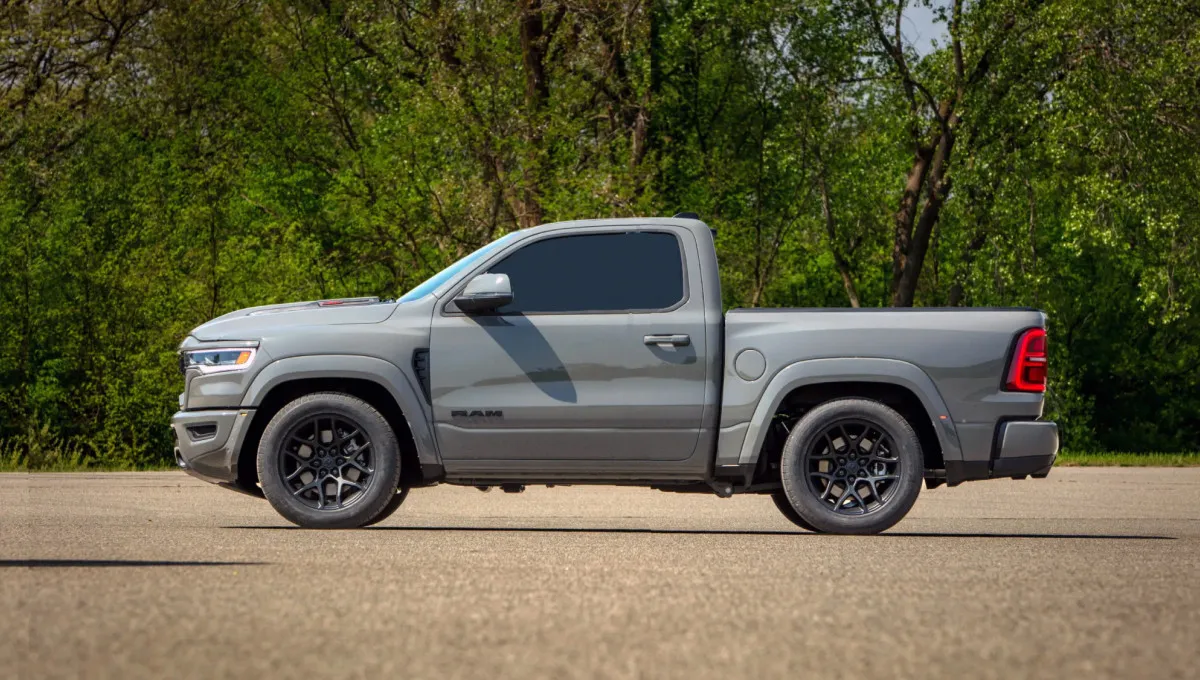
2027 Ram 1500 Rumble Bee: Pricing, Options and How to Build Yours
The 777-HP Ram Rumble Bee Is Coming — But You Can Buy the New Hemi Truck Now
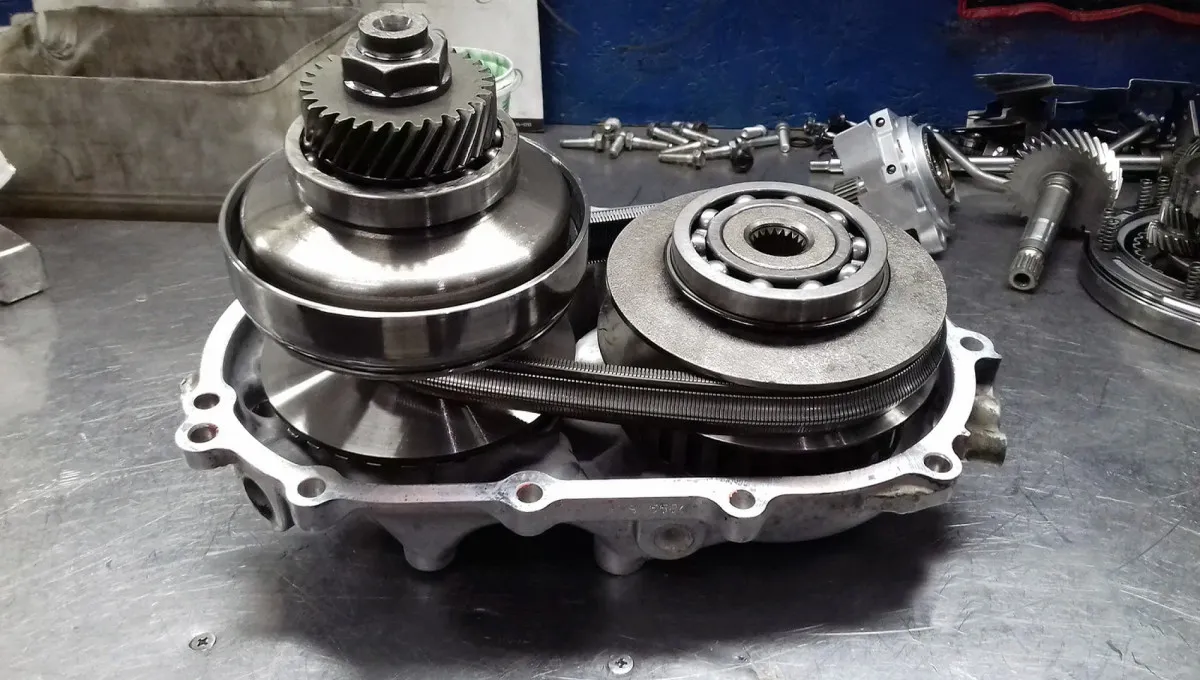
Why Experienced Drivers Still Warn Against Buying a Used Car With a CVT
CVTs offer smooth acceleration and good fuel economy, but expensive repairs and durability concerns make used models risky.