
Toyota May Extend Model Life Cycles to Nine Years
Toyota is considering a new vehicle-update strategy that could extend model life cycles while putting greater emphasis on software improvements.

Toyota is considering significantly extending the time between major updates to its vehicles. Instead of frequently redesigning body panels and chassis components, the automaker could rely more heavily on software updates to improve vehicle functions after a model reaches dealerships. According to Japanese media reports, the strategy would free up resources for electrified vehicle development while easing pressure on manufacturing operations.
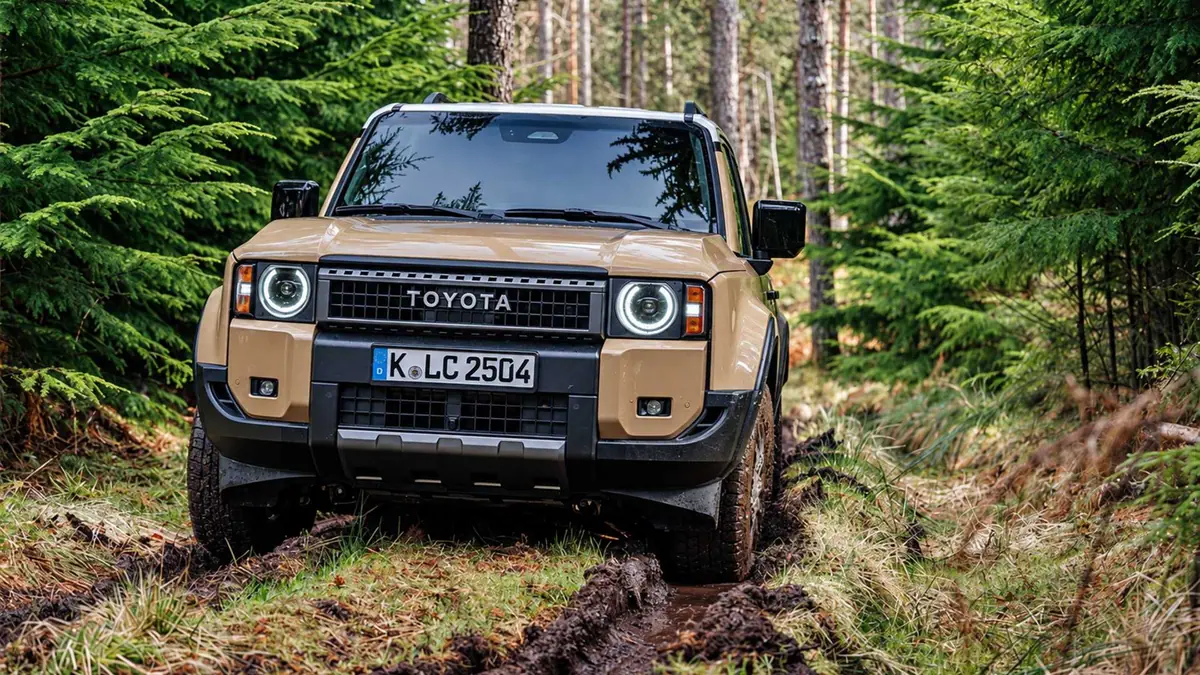
In Japan, Toyota is reportedly considering keeping vehicles in production for roughly nine years without a major redesign. Nikkei reports that the company plans to make changes to body panels and chassis components less frequently, using continuous software development to keep vehicles competitive over a longer production cycle.
Historically, Toyota redesigned its models roughly every four to five years. Since the 2000s, that interval has gradually stretched to around seven years. The current Toyota Camry is often cited as an example of the automaker's new approach, with the latest model viewed as a substantial evolution of its predecessor rather than a completely clean-sheet design.
Software is expected to become one of Toyota's key tools for keeping vehicles up to date. Through software updates, the company could improve vehicle performance, expand the capabilities of electronic driver-assistance systems and introduce new features, including subscription-based services.
A longer model life cycle could also deliver significant financial benefits. Reducing the number of major redesigns would lower development costs, help stabilize component supplies and potentially support the resale value of popular vehicles.
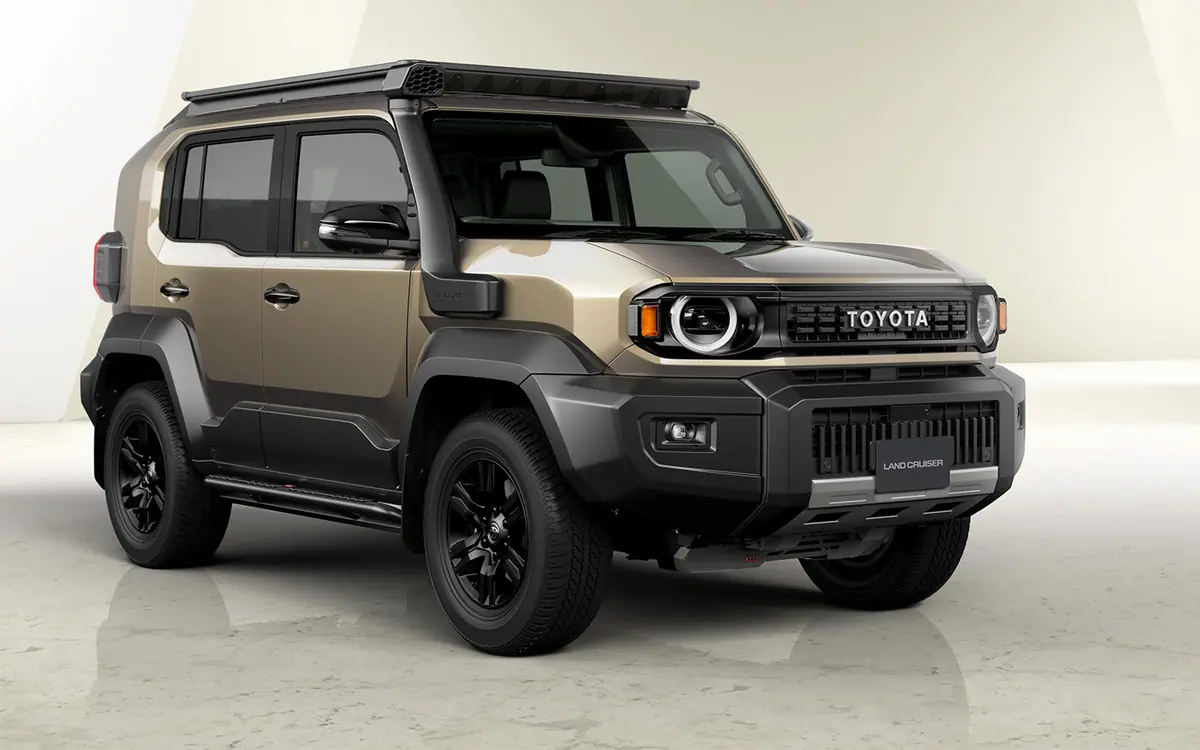
High utilization of Toyota's manufacturing capacity could be another reason for the strategy shift. Some of the automaker's most popular models already have extended wait times. The new Toyota Land Cruiser FJ is reportedly among the vehicles facing strong demand. Keeping models in production longer would allow Toyota to retool factories less often for new generations and could reduce pressure on the supply chain.
The change could also affect Toyota's pricing strategy. Under the automaker's traditional system, wholesale vehicle prices generally decline as a model ages. Going forward, Toyota could adopt a more flexible pricing approach based on market conditions.
Some Japanese dealers are concerned that the new strategy could hurt their profitability. Toyota's leadership, however, reportedly expects to keep vehicle prices relatively stable throughout the nine-year life cycle.
You may also be interested in the news:
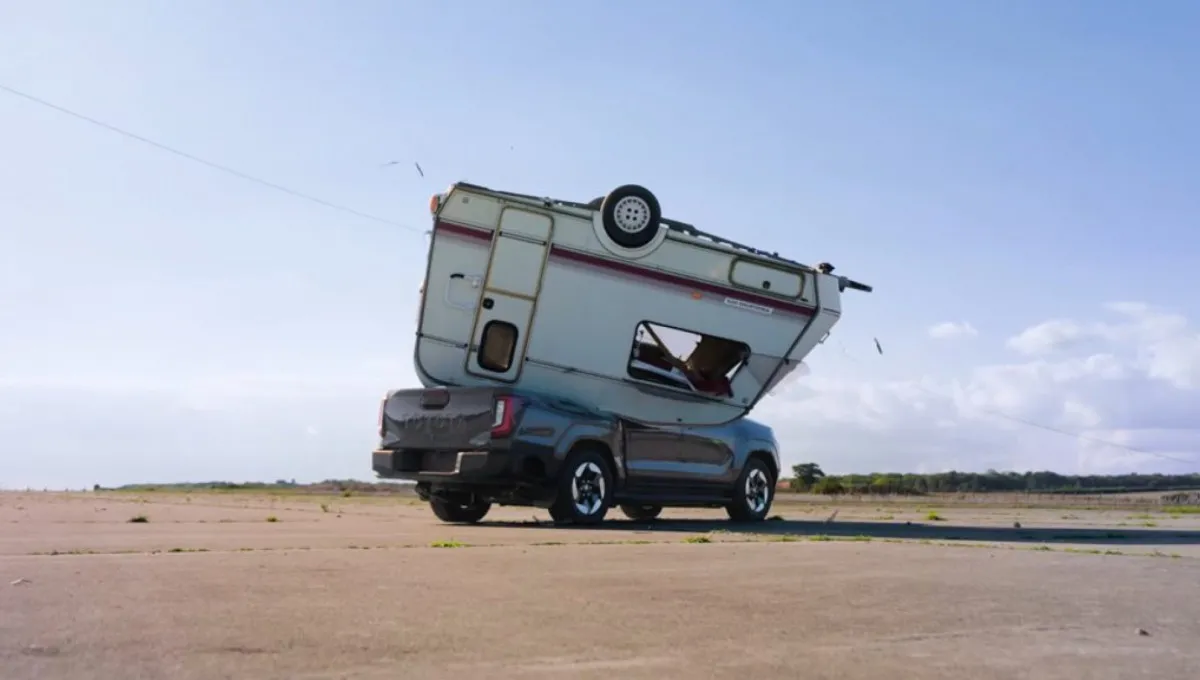
Toyota Hilux BEV Gets Hit With a Falling Camper in a Top Gear-Inspired Test
Toyota's UK team recreated a famous Top Gear-style stunt by dropping a camper onto its new all-electric Hilux pickup.
Toyota Is About to Turn the GR86 Into a Very Different Sports Car
Next-generation Toyota GR86 is expected to replace its naturally aspirated engine with a turbocharged powertrain.
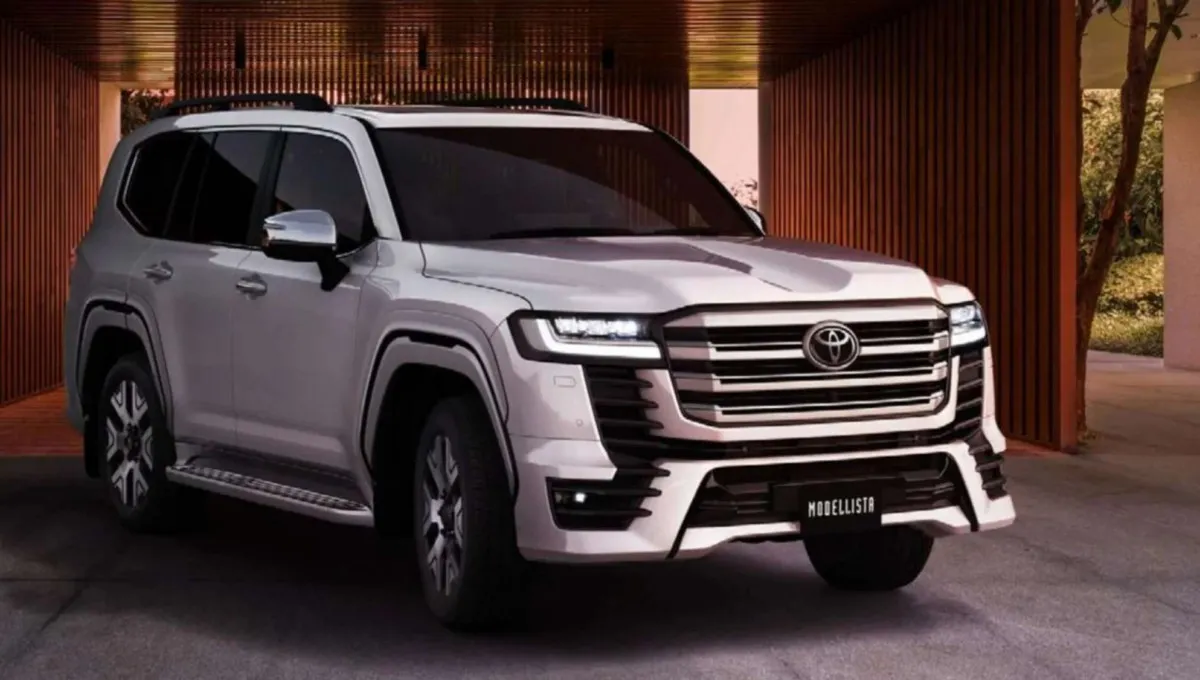
Toyota's Legendary Land Cruiser Just Got a Wild New Look — And Those 20-Inch Wheels Aren't Cheap
The updated Land Cruiser 300 looks tougher than ever after Toyota's Modellista division gave it a bold new appearance package.
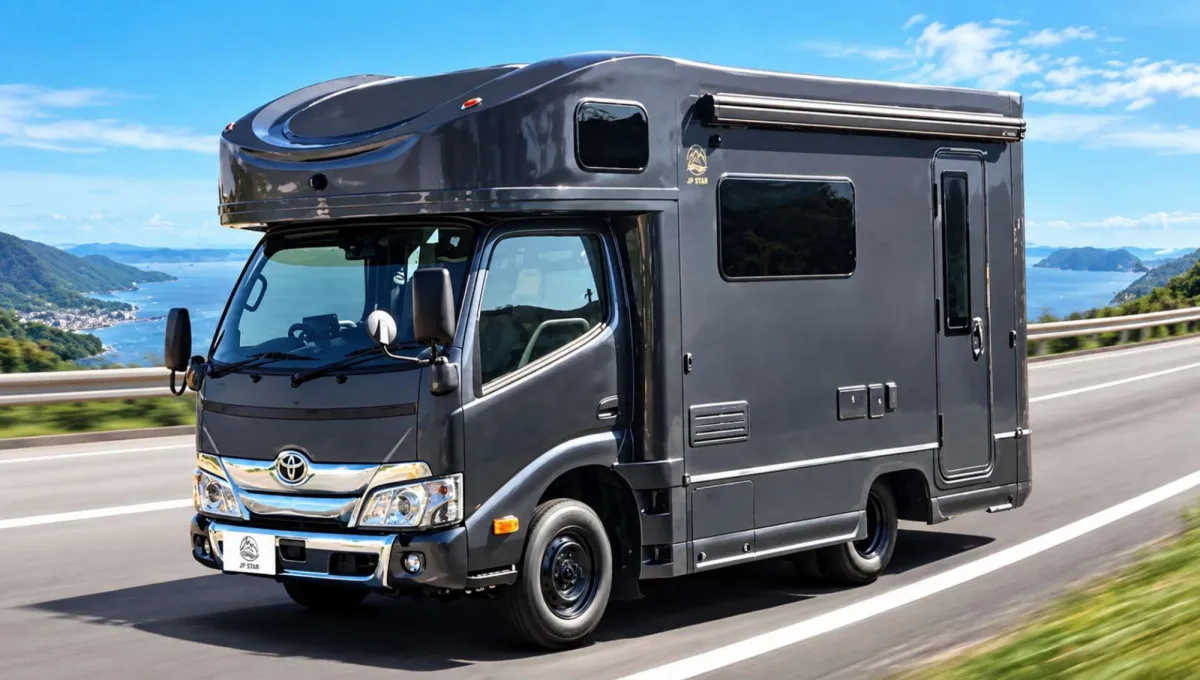
This Tiny Camper Has a Shower, Kitchen and Two Beds—And It Fits on a Small Truck
A new Japanese camper packs a living room, kitchen, shower and two sleeping areas into a compact package.

Test Yourself: Toyota’s Famous “Oh, What a …” Slogan — Can You Finish It?
Can You Finish Toyota’s Most Famous Slogan? Millions of Americans Heard This One Growing Up