
How to Prepare Your Car for a Long Highway Trip
A long trip starts not with loading the suitcases, but with checking the car.
A long trip starts not with loading the suitcases, but with checking the car. Even a properly maintained vehicle can deliver an unpleasant surprise if its fluids have not been changed in a long time, the tires are worn, or the battery is operating at its limit. If the route includes a toll highway, it is useful to arrange a suitable toll transponder in advance.
Where to Start When Checking the Car
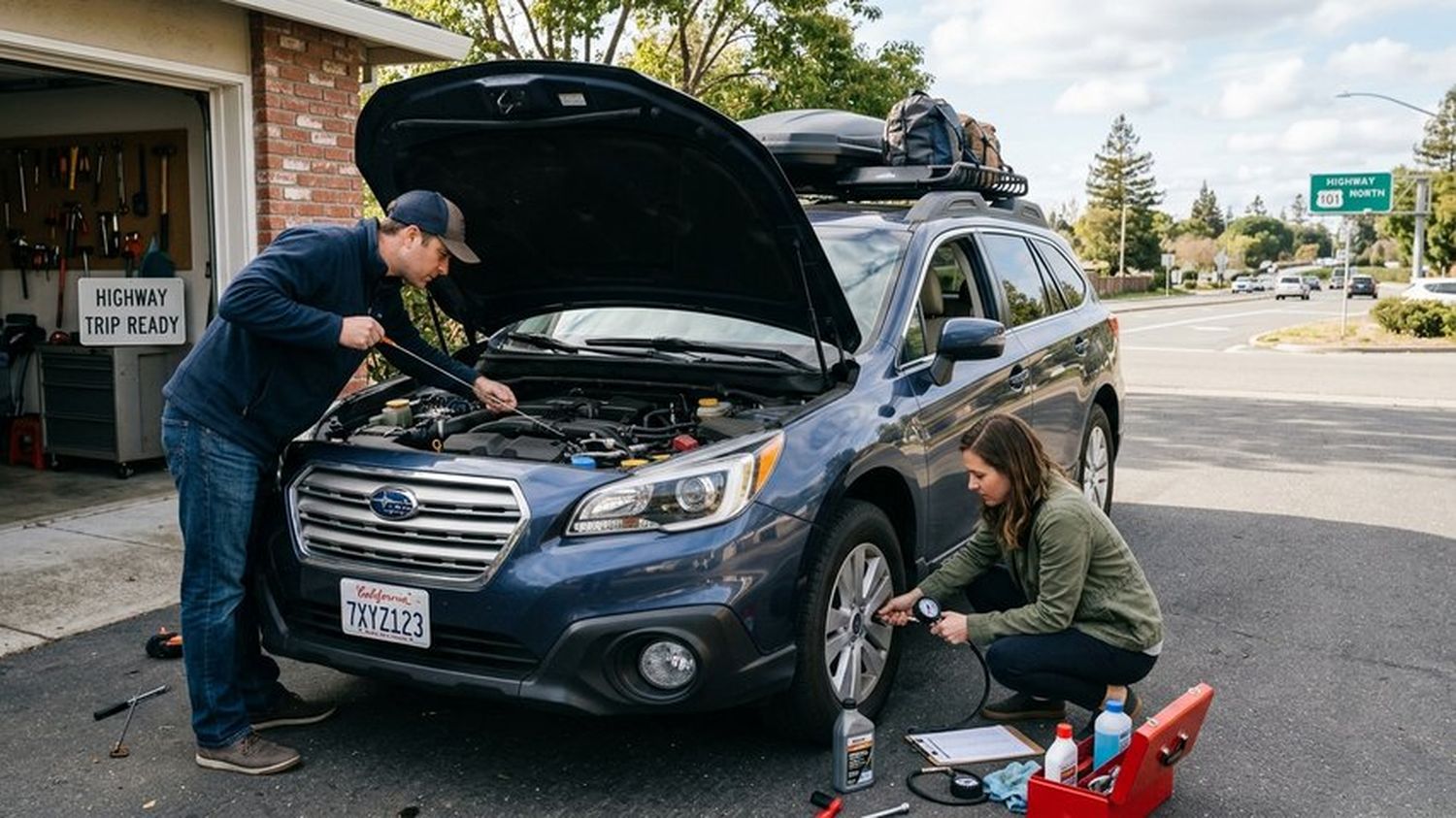
A few days before departure, inspect the vehicle in good lighting. Check for fresh spots of oil or coolant underneath the vehicle, inspect the belts, and make sure the coolant expansion tank cap closes securely without any play. Fluid leaks in the parking spot should not be dismissed as a minor issue: on the highway, a small problem can sometimes quickly turn into a serious breakdown.
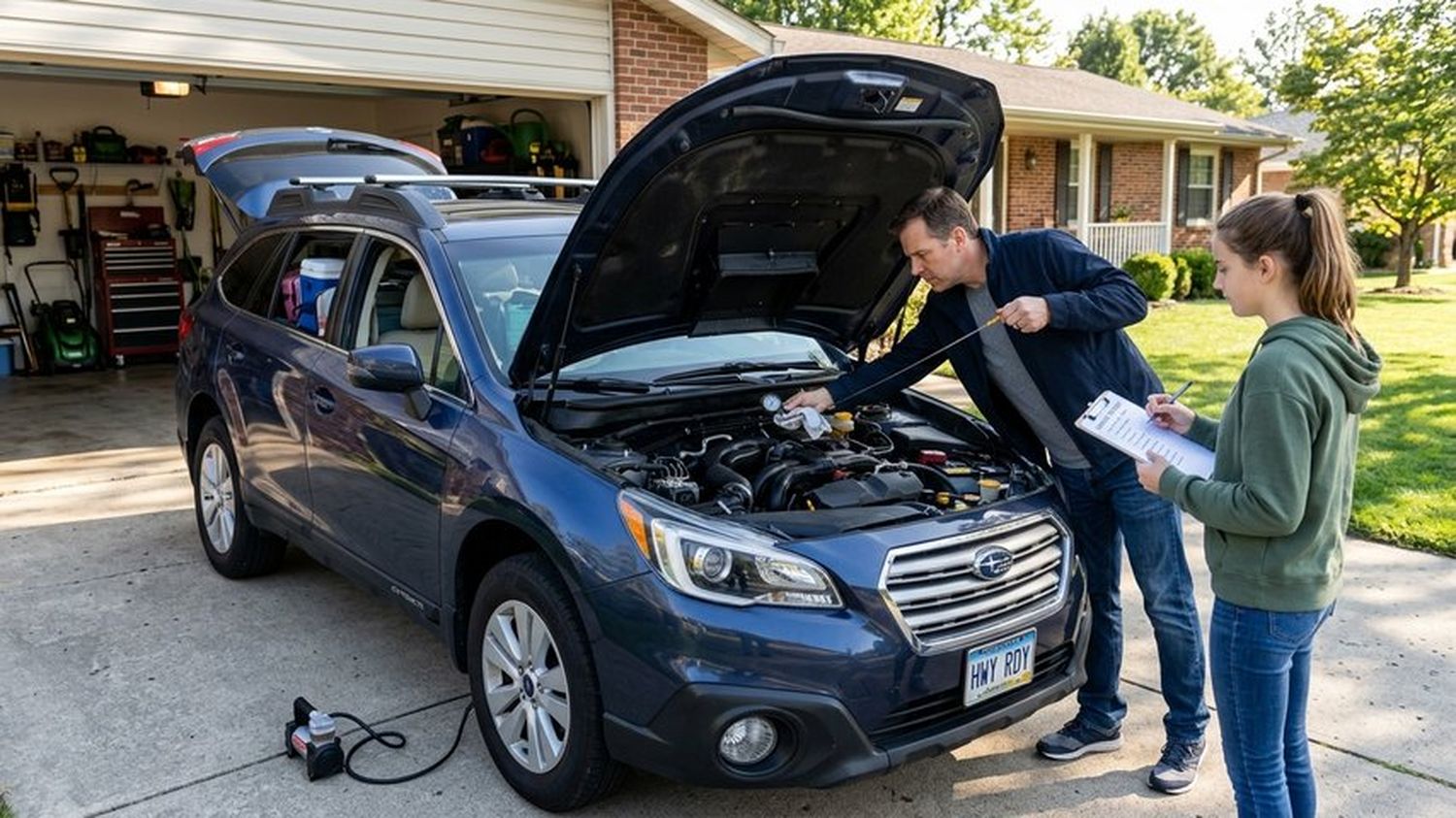
Open the hood and check the levels of the engine oil, coolant, and brake fluid. Check the oil on a level surface after shutting off the engine and waiting a few minutes. If the oil and filter change is already due soon, it is better to have the service done before the trip rather than put it off until after you return.
Tires, Brakes, and Suspension
Check tire pressure when the tires are cold, including the spare. The recommended pressures are usually listed on a sticker inside the driver's door jamb or on the fuel-filler door. When the vehicle is fully loaded, the pressure may sometimes need to be increased slightly, but you should follow the manufacturer's recommendations rather than advice from random forums.
Inspect the tread and sidewalls: cracks, bulges, cuts, and uneven wear require attention from a tire shop. During a short test drive, listen for humming, vibrations, and knocking, and when braking, check whether the vehicle pulls to one side. If the pedal has become soft or the steering wheel shakes noticeably, it is better to postpone the trip until the vehicle has been inspected.
Electrical System and Engine Starting
Before a long drive, it is useful to check the battery, especially if it is more than four years old. A weak start in the morning, flickering headlights, and rapidly dimming interior lights can indicate possible problems with the battery or alternator. A repair shop can measure the charging voltage and cranking current so you do not have to rely on external signs alone.
Check the headlights, brake lights, turn signals, fog lights, and license plate light. Replace any burned-out bulbs and carry spare fuses of the correct rating. Jumper cables, a compact air compressor, and a flashlight can come in handy on the road, and they are best stored somewhere accessible rather than underneath several layers of luggage.
What to Keep in the Car
Even if the vehicle is in good technical condition, you should put together a roadside emergency kit. It should include a first-aid kit, a warning triangle, a reflective vest, a jack, a lug wrench, and a tow rope. Check the expiration date of the first-aid kit and make sure the jack is suitable for your vehicle.
For a trip along an unfamiliar route, it is useful to carry extra water, gloves, wet wipes, and a small set of tools. If the vehicle has nonstandard wheels or locking lug nuts, make sure in advance that the required key is in the trunk. Documents, a charging cable, and emergency contact information are best kept in the cabin so you do not have to look for them on the side of the road.
How to Drive on the Highway After Setting Off
Spend the first 10 minutes after departure calmly checking how the vehicle behaves. Pay attention to the engine temperature, instrument readings, cruise control operation, and any new sounds. After stopping at the first safe pull-off, it is useful to quickly inspect the wheels and make sure there are no fresh fluid leaks underneath the vehicle.
Do not plan the route too tightly: having extra time reduces the temptation to speed or make abrupt lane changes. Take a break every two to three hours, even if you do not feel tired yet, and if you notice a burning smell, smoke, or a warning light on the dashboard, pull over to a safe location immediately. This preparation does not guarantee that no mechanical problems will occur, but it significantly reduces the risk of being stranded far from home without assistance.
You may also be interested in the news:
Windshield Washer Fluid Frozen in the Reservoir? Here’s How to Thaw It
A frozen washer system can catch drivers off guard, especially when a cold morning reveals that yesterday’s windshield washer suddenly stopped working.
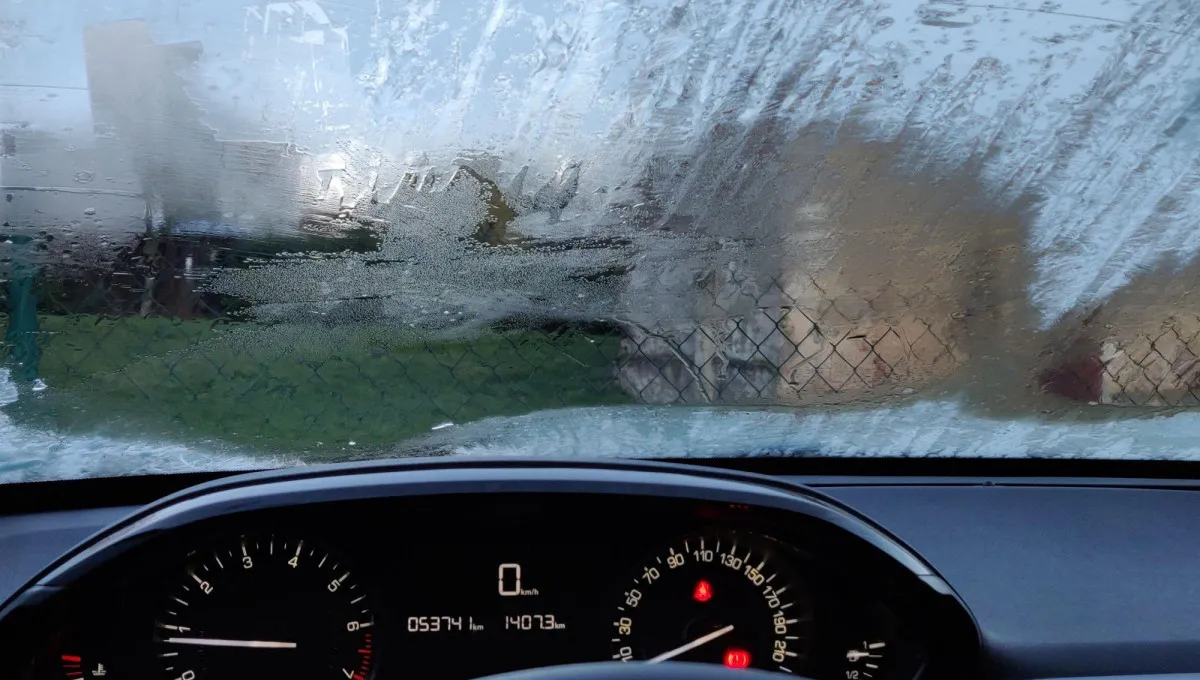
One Car Button Can Make Your Windows Fog Up Faster: What Not to Do in the Rain
Moisture brought into the cabin by drivers and passengers can linger in the air and settle on cold windows, reducing visibility.
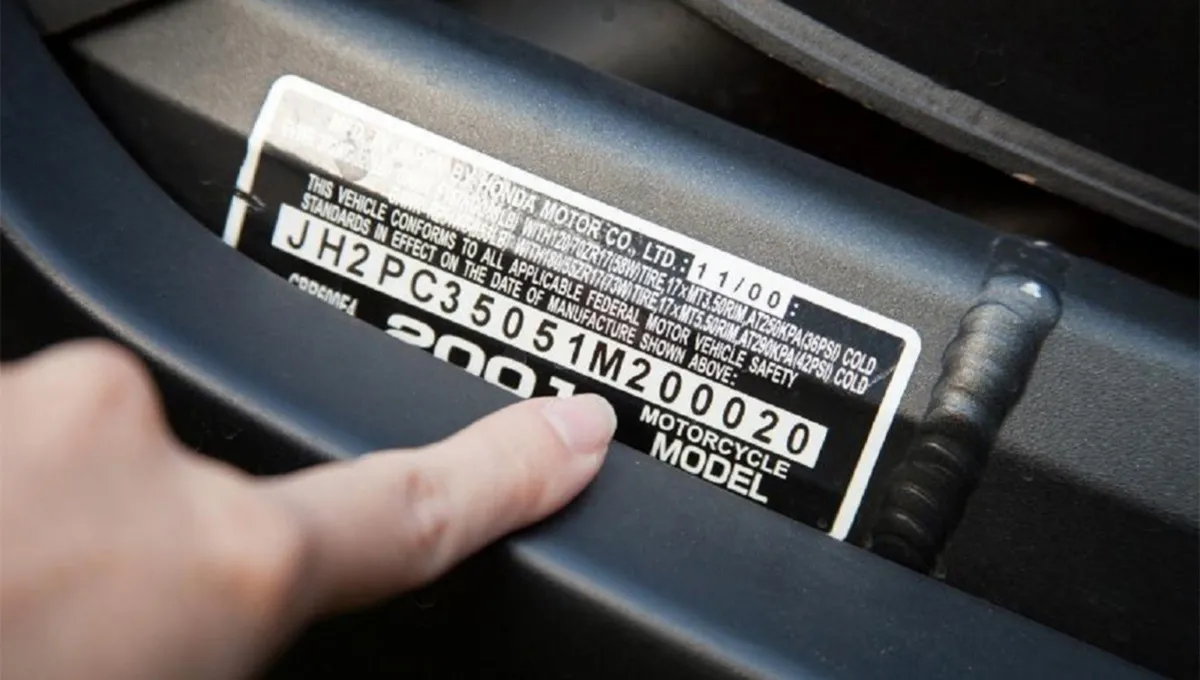
VIN-Based Auto Parts Lookup: Where Buyers Make the Most Mistakes
A VIN helps identify the right replacement part for your vehicle, but it cannot account for every change. Here’s what sellers need to know.
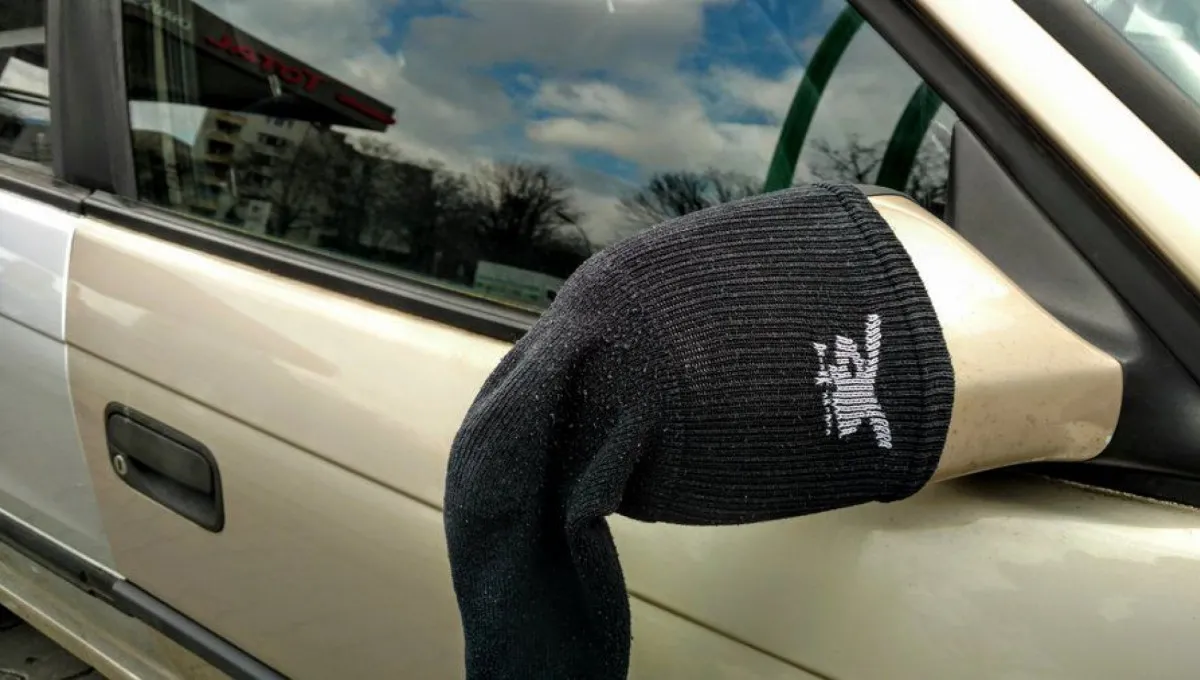
Why Experienced Drivers Put Socks on Their Car Mirrors in Fall: The Clever Trick Explained
An old pair of socks can help reduce frost buildup on your side mirrors overnight, saving time on cold mornings when every minute counts.
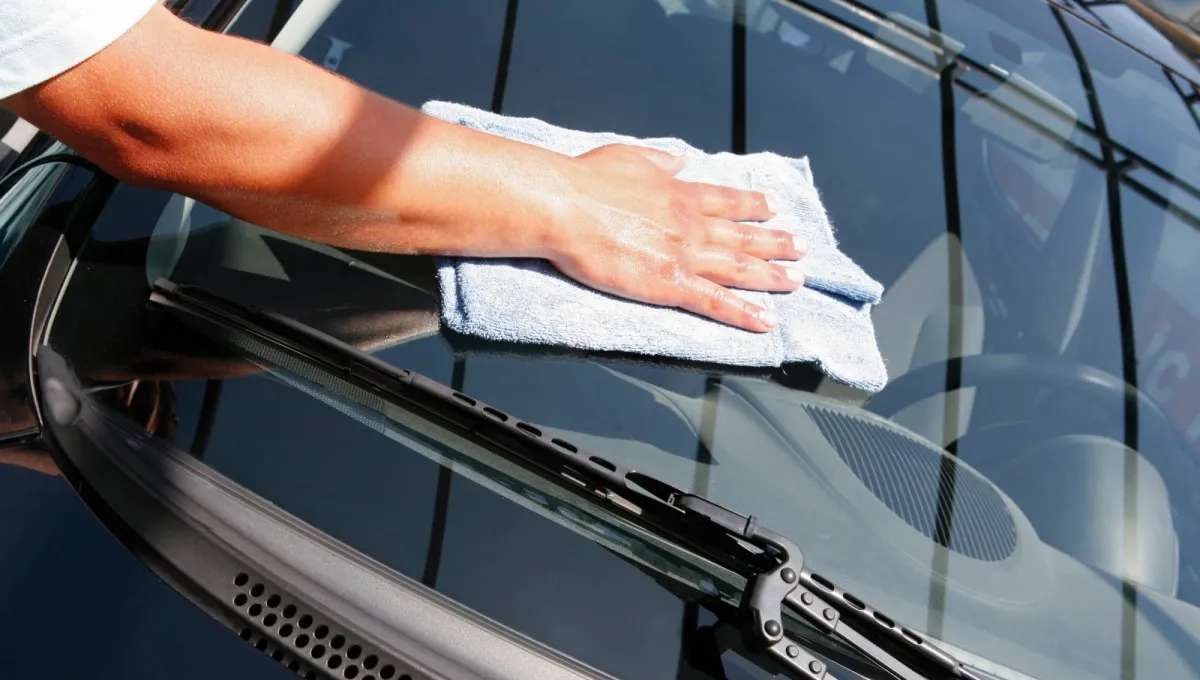
How to Clean Your Windshield Without Streaks: Experts Recommend This Simple DIY Mix
The secret to a streak-free windshield comes down to the right cleaning solution, two microfiber cloths, and the proper drying technique.