
“VW on the Outside, Porsche Underneath”: The Story of the Failed EA-128 Sedan
A little-known Volkswagen prototype combined a large sedan body with Porsche 911 hardware in an attempt to enter the upscale market.
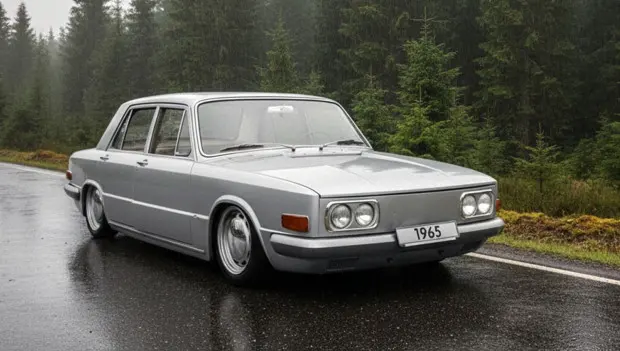
The first large Volkswagen rolled off the assembly line in 2002 and ended its life cycle 14 years later. Despite the marketing team's best efforts, the Phaeton was never able to become a successful model, due in no small part to the reputation of the automaker itself, whose priority was building relatively simple and inexpensive cars. However, the Phaeton was far from the German brand's first attempt to break into the upscale segment. As early as the mid-1960s, Volkswagen engineers designed a fairly large sedan whose body panels concealed the mechanicals of a... Porsche 911!
In the early 1960s, Volkswagen was enjoying a triumph in the American market. Thanks to a brilliant advertising campaign that is still studied at business schools around the world, the Germans managed to turn the humble Beetle into the embodiment of the ideal automobile. Marketers skillfully turned the shortcomings of the cheap and simple economy car into advantages, convincing buyers that they were looking at the most practical and original car for the average person.
However, the real profits were in a completely different segment, where American manufacturers were dominating during a new renaissance. For example, General Motors posted a billion-dollar annual profit for the first time in world history. The U.S. auto industry operated like a flawless money-making machine, releasing more and more new models every year. Volkswagen, meanwhile, occupied a rather modest niche with its Beetle and hippie-friendly Transporter van, while its most upscale model was the small Karmann-Ghia coupe, built using components from the same Beetle. The German automaker's leadership understood that competing seriously with Detroit's giants required a full-size sedan in the American mold.
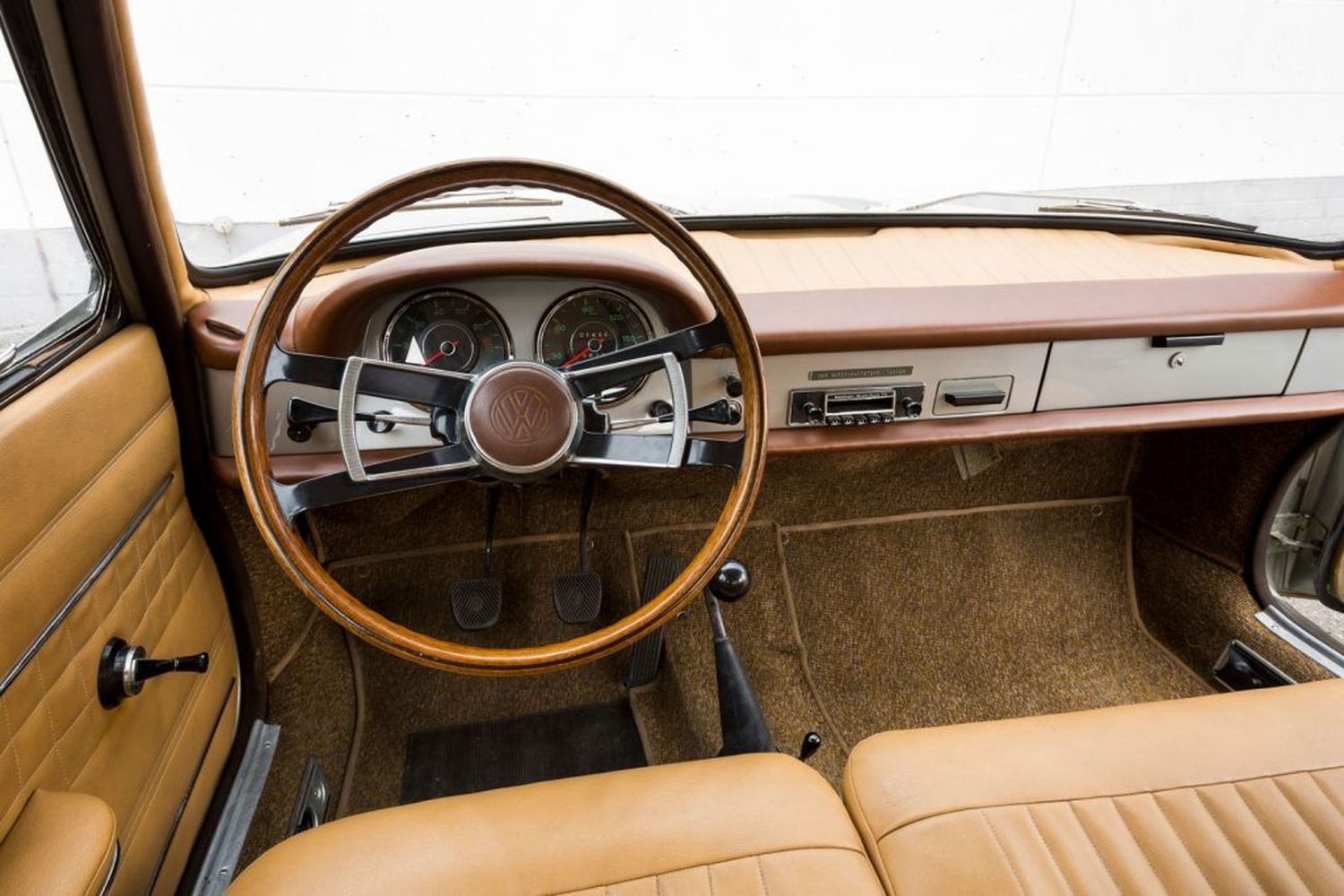
The project was given the EA-128 designation. The car was designed with a rear-mounted engine, which was not considered particularly unusual at the time. All Volkswagen models, including the T1 van, used that layout. Even General Motors produced the rear-engine Chevrolet Corvair, whose handling problems had not yet damaged the reputation of the configuration.
The prototype stood out with its dual headlights, an element later used on the production Volkswagen 412. The taillights looked disproportionately small, resembling a temporary solution for a test vehicle. The car itself featured straightforward styling and, against the backdrop of heavily ornamented American land yachts, frankly did not stand out.
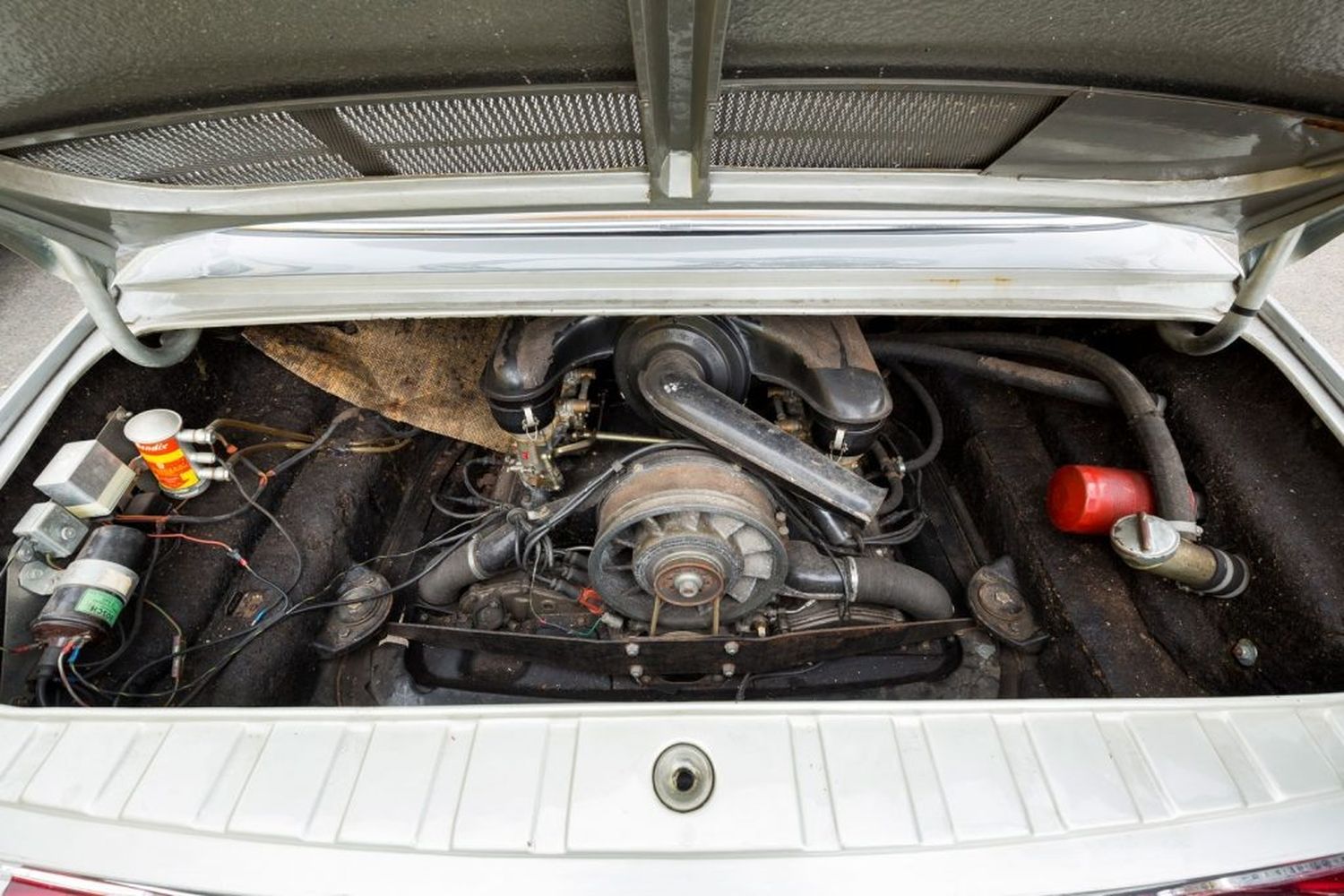
But beneath its rear deck lid was Porsche's new 2.0-liter air-cooled flat-four engine. It was compact, weighed just 265 pounds, and produced 130 horsepower, which was a very high figure among engines of similar displacement. The 911 contributed more than just the powertrain. The transmission, disc brakes, and independent suspension were also borrowed from the sports car. In effect, the EA-128 was a full-fledged sports sedan, something like a modern-day Panamera.
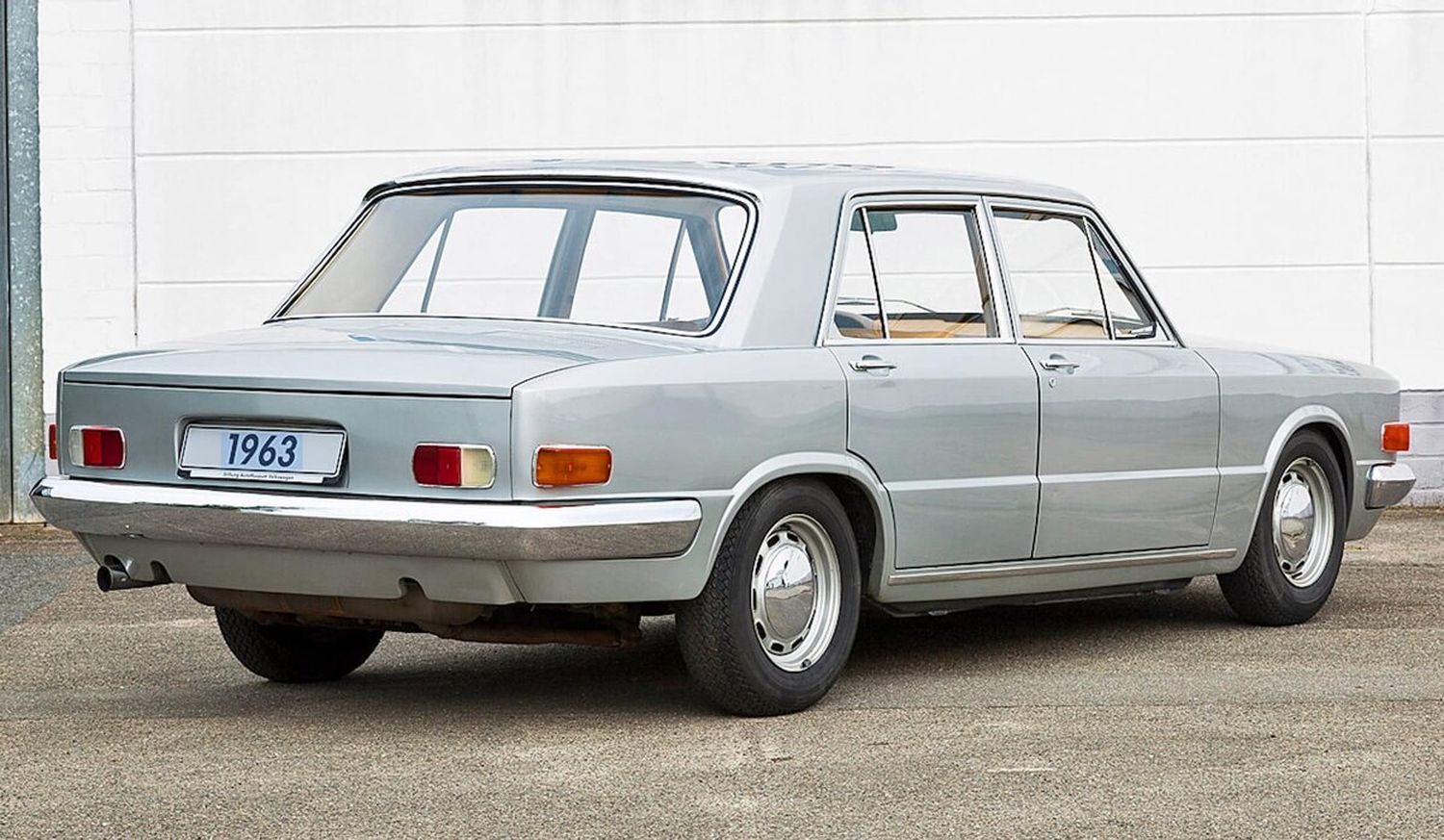
A second prototype with a wagon body showed that the company had serious intentions for the model. Such cars were very popular in the U.S. at the time, and if it had reached production, the EA-128 could have had a certain degree of success. However, after testing, the project was canceled in favor of developing new compact models for the European market. In addition, the Germans realized that the Porsche flat-four and other Porsche components would make the car too expensive. At the time, Volkswagen's lineup consisted of simple cars aimed at students and low-income hippies.
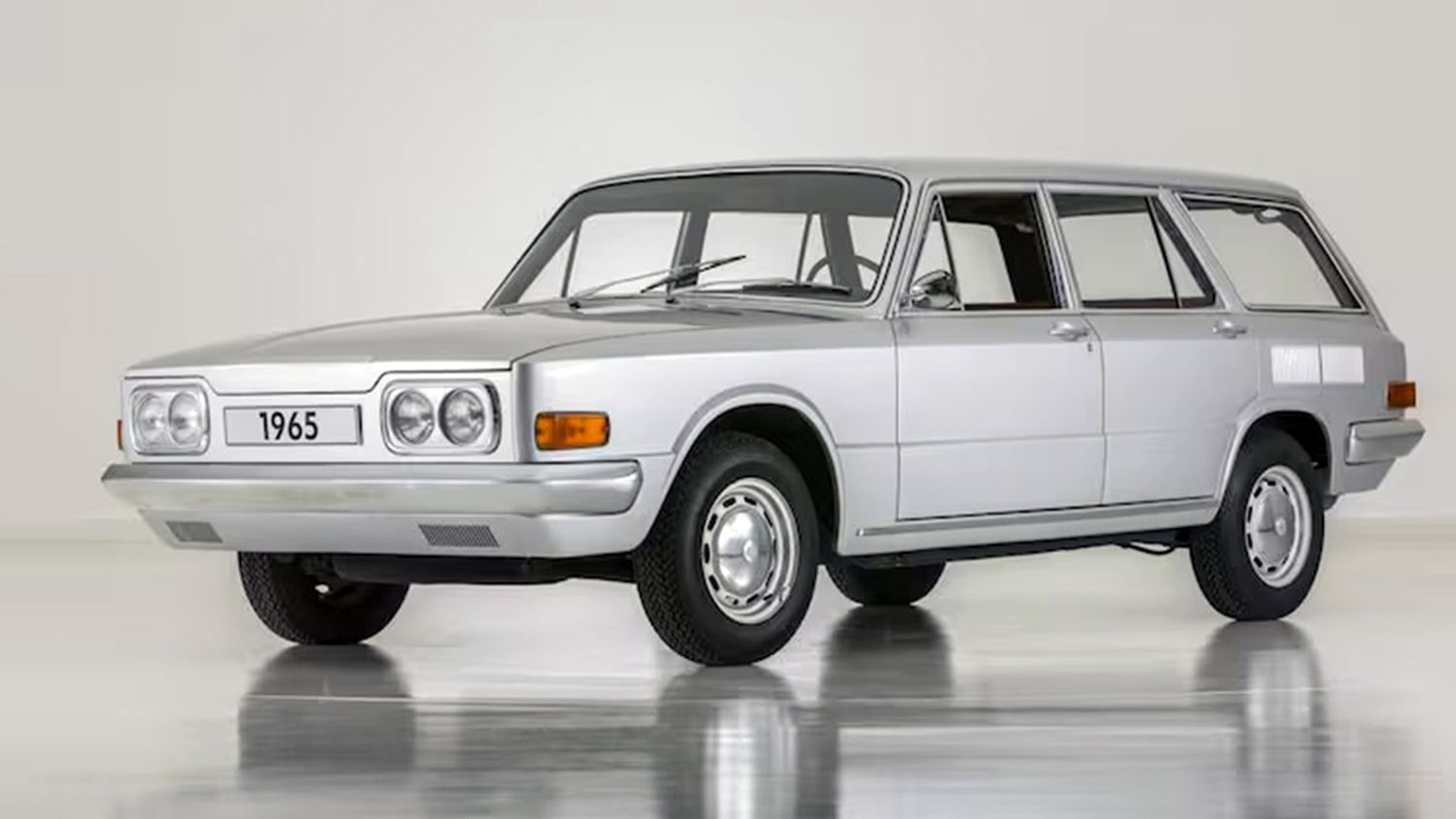
The problem was the lack of a suitable technical foundation. None of the components used in production Volkswagens were suitable for a large car. The engineers found an original solution—they turned to the related Porsche company.
At one point, Porsche itself had used modified Volkswagen components for its 356. Now, however, Stuttgart was preparing to launch a new large coupe, the 911, with a powerful six-cylinder flat-six engine. That led to the idea of building a sedan on an existing platform.
You may also be interested in the news:
The 1960 Chevrolet Pickup: The Biggest Thing to Happen to Trucks Since Trucks Were Invented
Chevrolet unveiled an all-new pickup for 1960, calling it “the most important news since trucks came into being!”
The 1977 Chrysler LeBaron Turbine: The Final Chapter of a 25-Year Experiment
Chrysler's 1977 LeBaron Turbine concept showcased decades of gas turbine research, but financial troubles ultimately brought the ambitious program to an end.
These 8 Cars Went Over 1 Million Miles — They Just Don’t Build Them Like They Used To
Some cars outlast generations of owners, proving that careful maintenance and durable engineering can deliver extraordinary mileage.
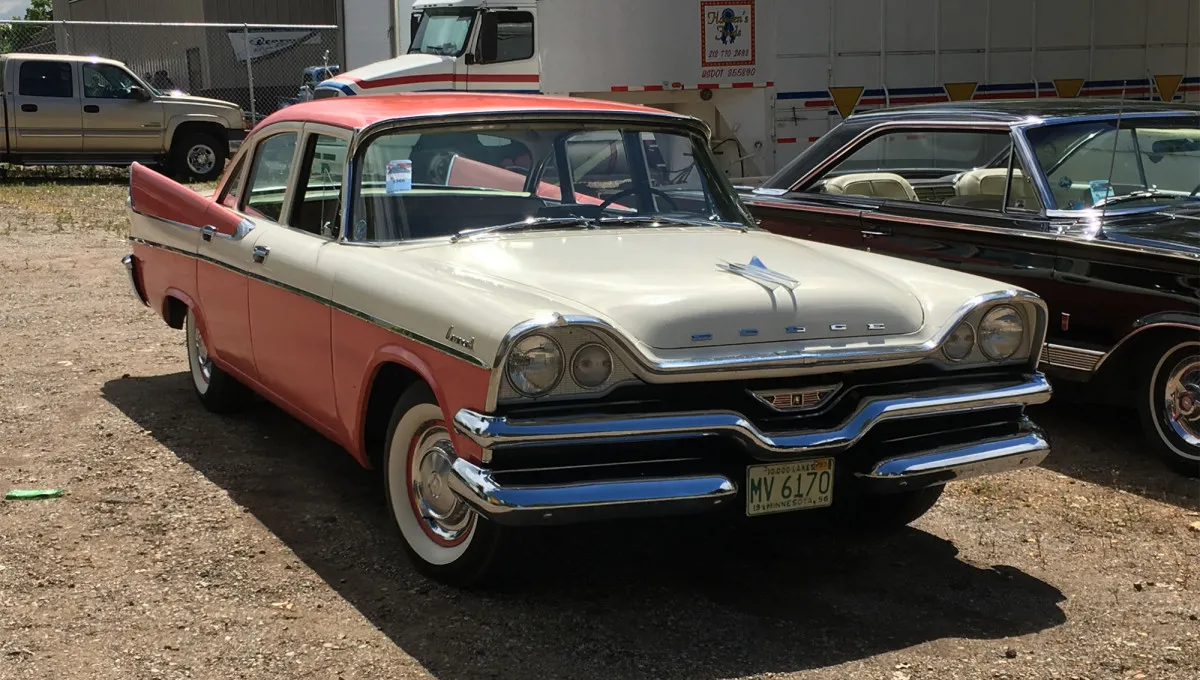
The 1957 Dodge: How “Autodynamics” Shaped One of Detroit’s Boldest Designs
The 1957 Dodge Looked Like a Dream Car, but Its Biggest Flaw Was Hiding Beneath the Surface.
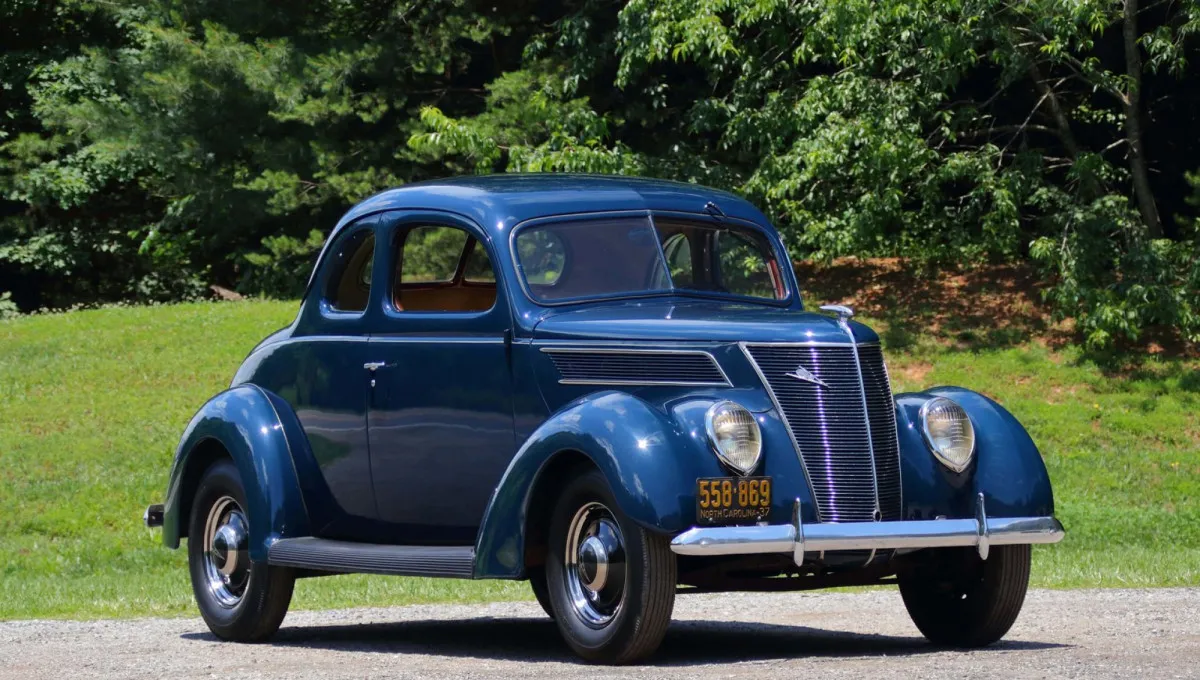
The 1937 Ford Was a Quality Car at an Affordable Price — Here’s What Made It Stand Out
The 1937 Ford featured several major changes and improvements. Let’s take a closer look.