
Stellantis and UQI Unveil BOW Autonomous Electric Delivery Van Concept
“Box on Wheels” may sound like a tongue-in-cheek name for an old practical car, but here it is the official name.
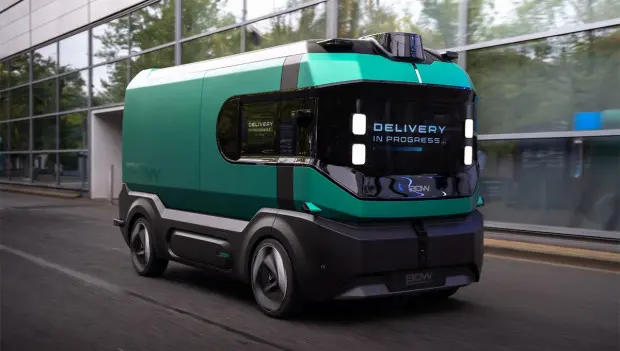
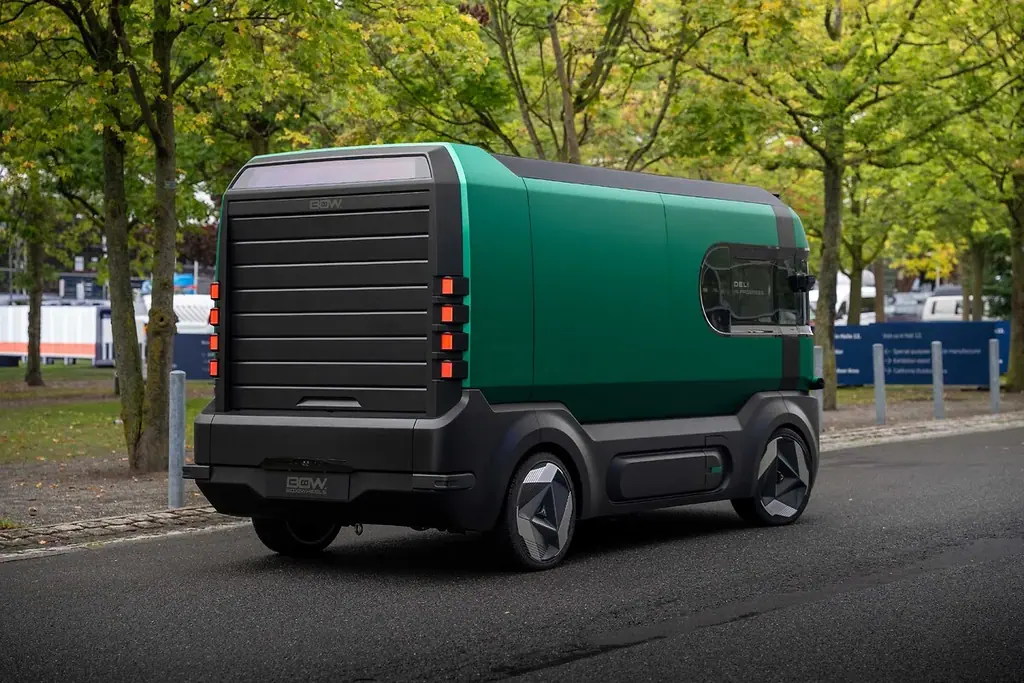
Stellantis Pro and Chinese robotics company UQI have teamed up on the BOW concept, short for Box on Wheels, at the IAA Transportation commercial vehicle show in Hannover.
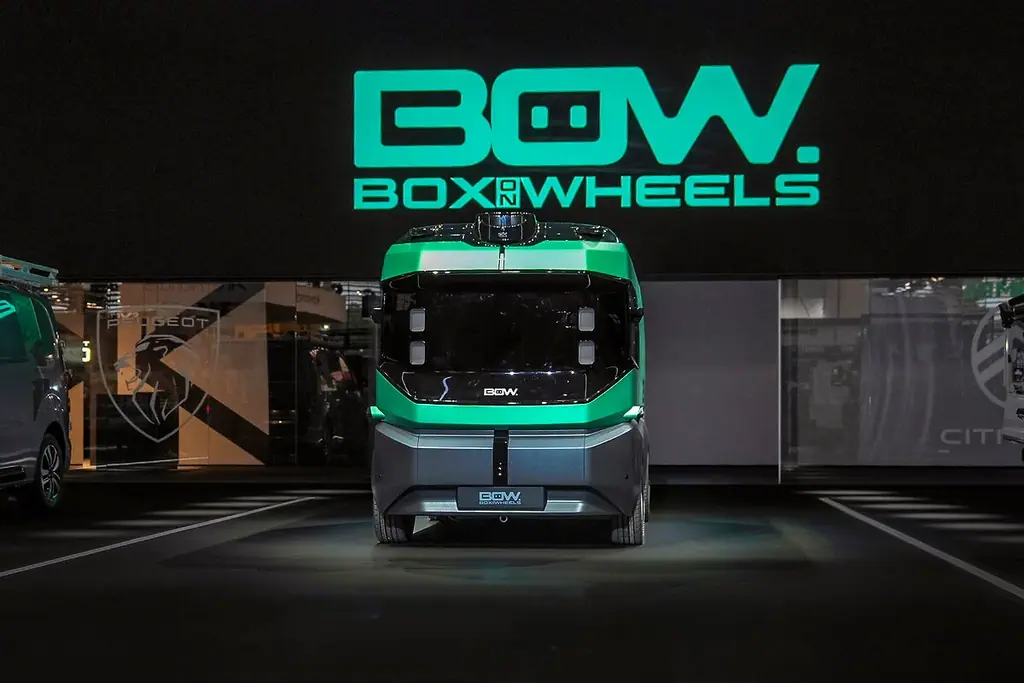
The companies describe BOW as an autonomous electric logistics concept designed to explore new possibilities for urban transportation. It is not a conventional production van, but rather a look at how cargo delivery could evolve in the near future.
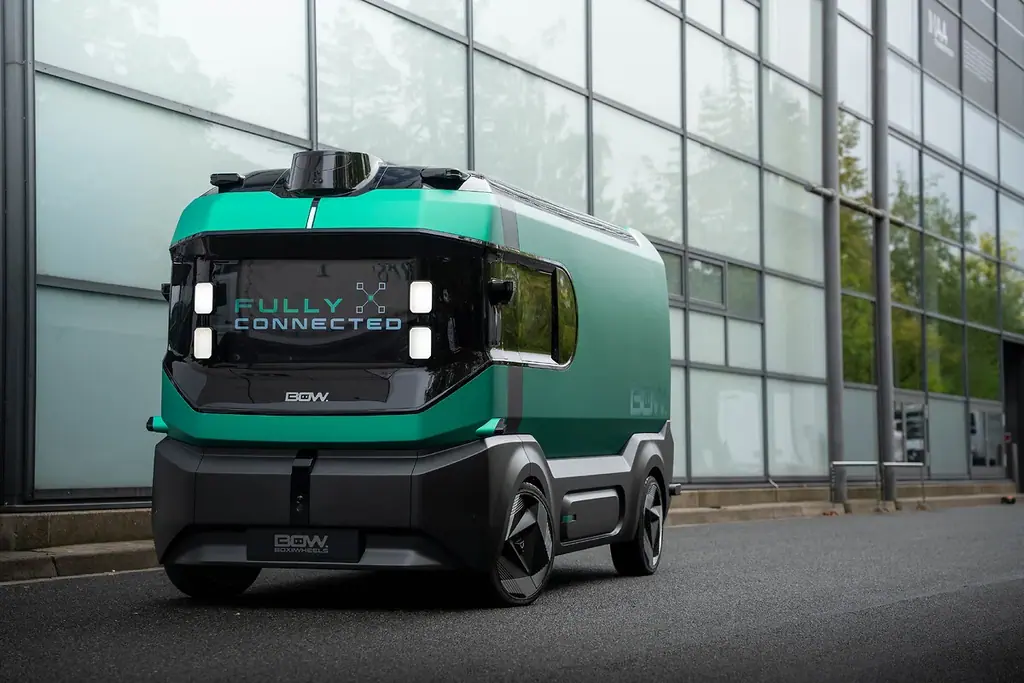
The idea of cabless delivery vehicles roaming city streets has been familiar from science-fiction movies for years. This time, however, BOW is more than a static display. Alongside the show vehicle, Stellantis and UQI have set up a working demonstration version outside the main exhibition hall, allowing visitors to take a closer look at the concept.
What the BOW Was Designed For
Stellantis says vehicles like BOW could open up new possibilities in several areas. The concept is being considered not only for urban deliveries but also for use in enclosed or tightly controlled environments, where companies are increasingly looking to automate repetitive tasks.
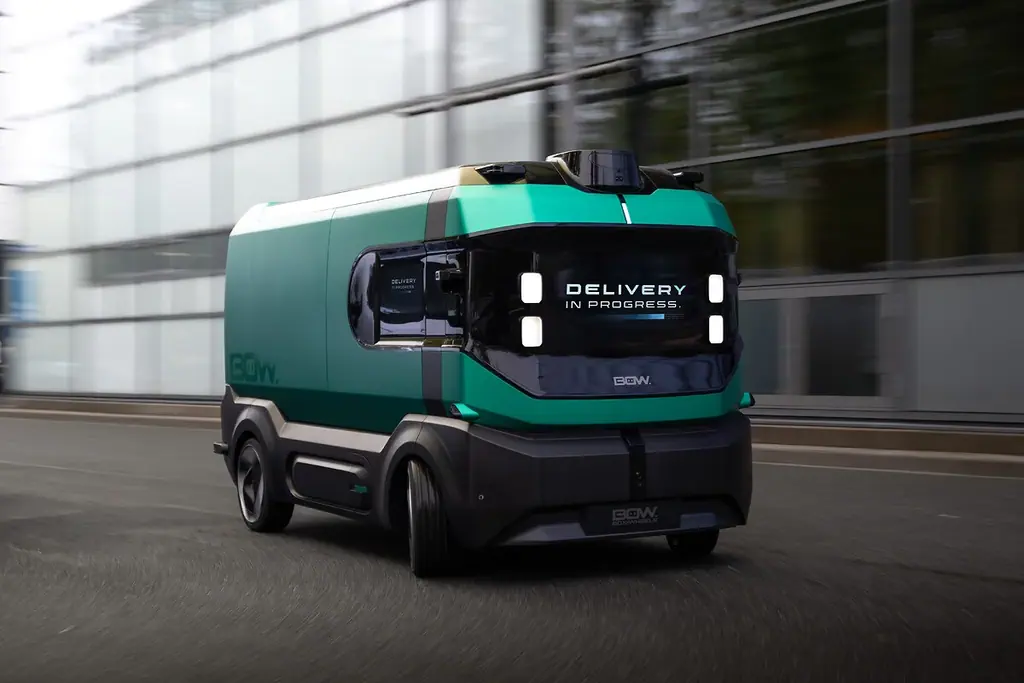
The automaker says the vehicle could be used wherever cargo needs to be moved regularly along predictable routes. Potential applications include:
- Urban logistics and local deliveries
- Internal transportation at factories
- Hospital campus operations
- Airport infrastructure
Inside the BOW Concept
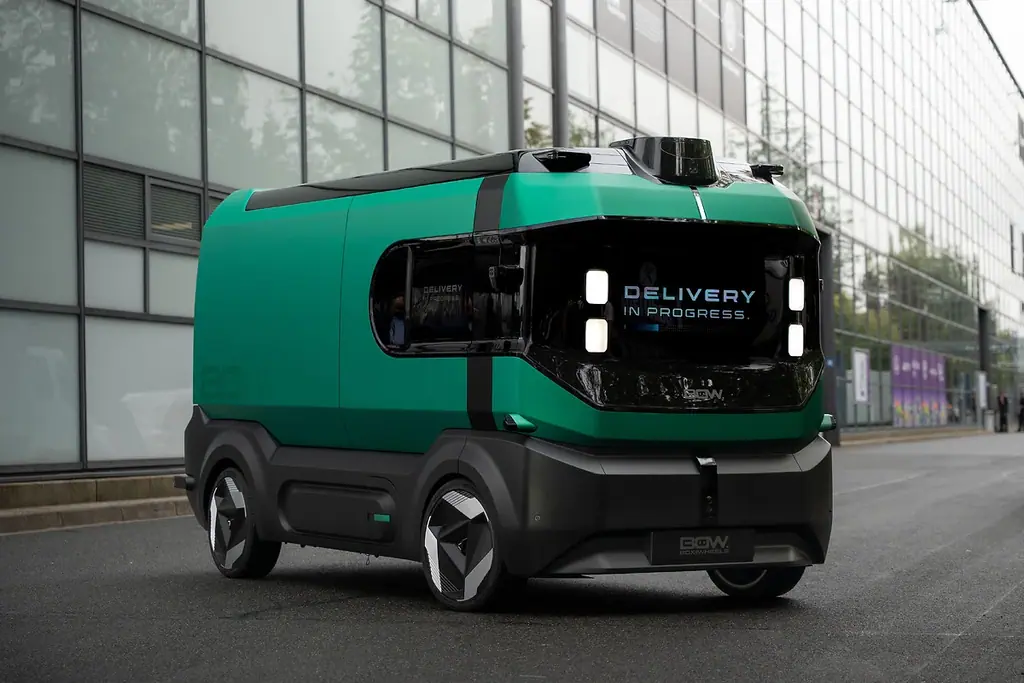
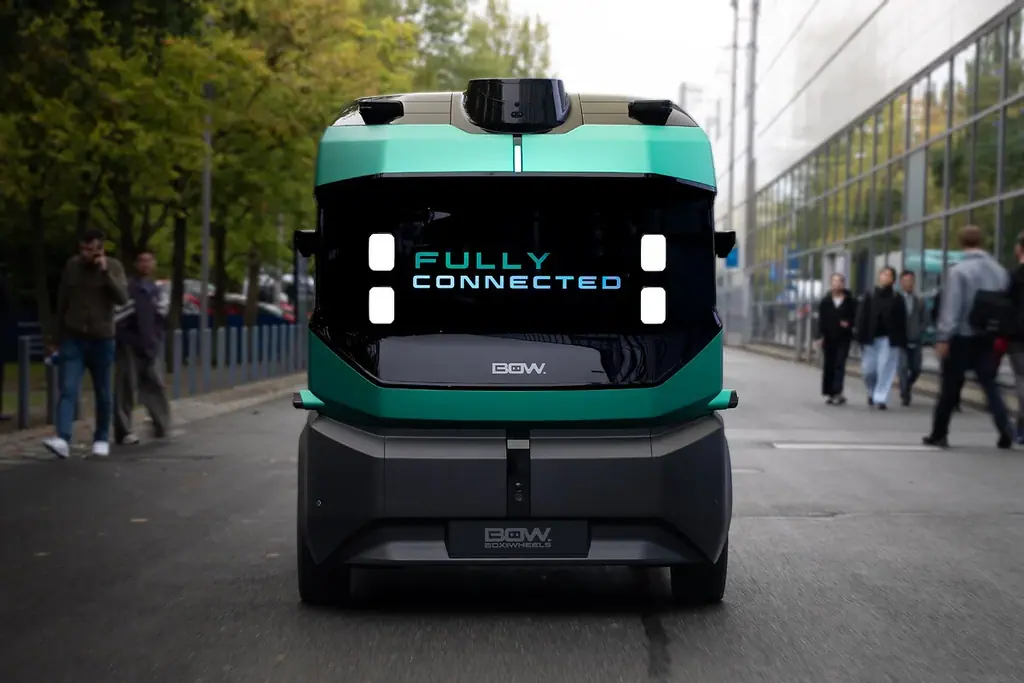
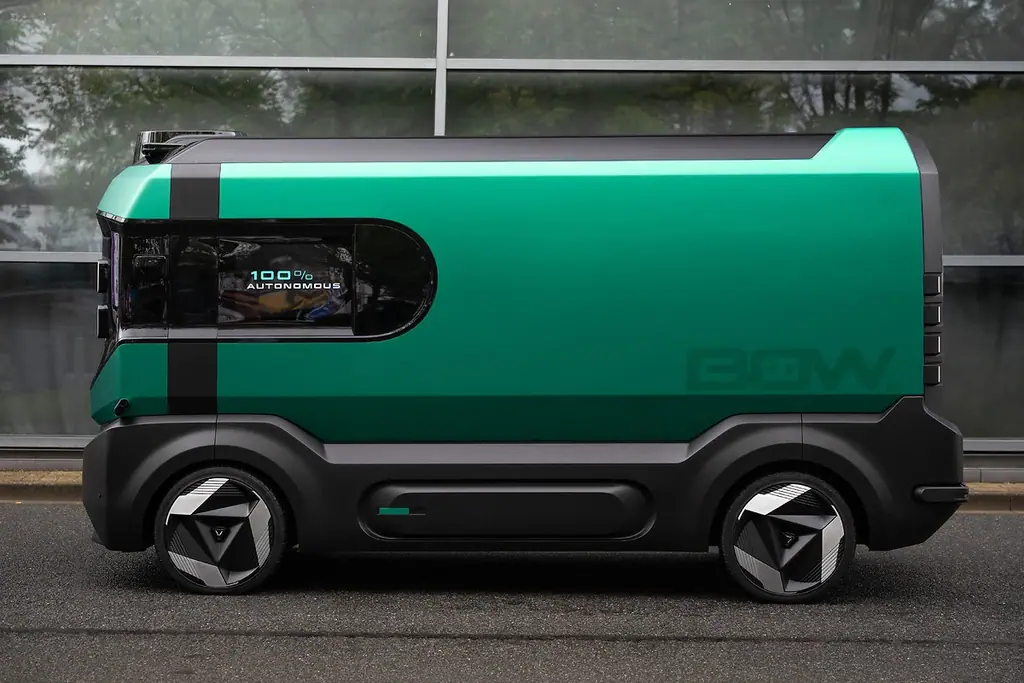
Few technical details have been released so far, but several elements of the design are immediately apparent. The front end features a large panel styled to resemble a windshield. A distinctive structure sits above it, closely resembling a LiDAR sensor module, which fits the vehicle's autonomous-driving mission.
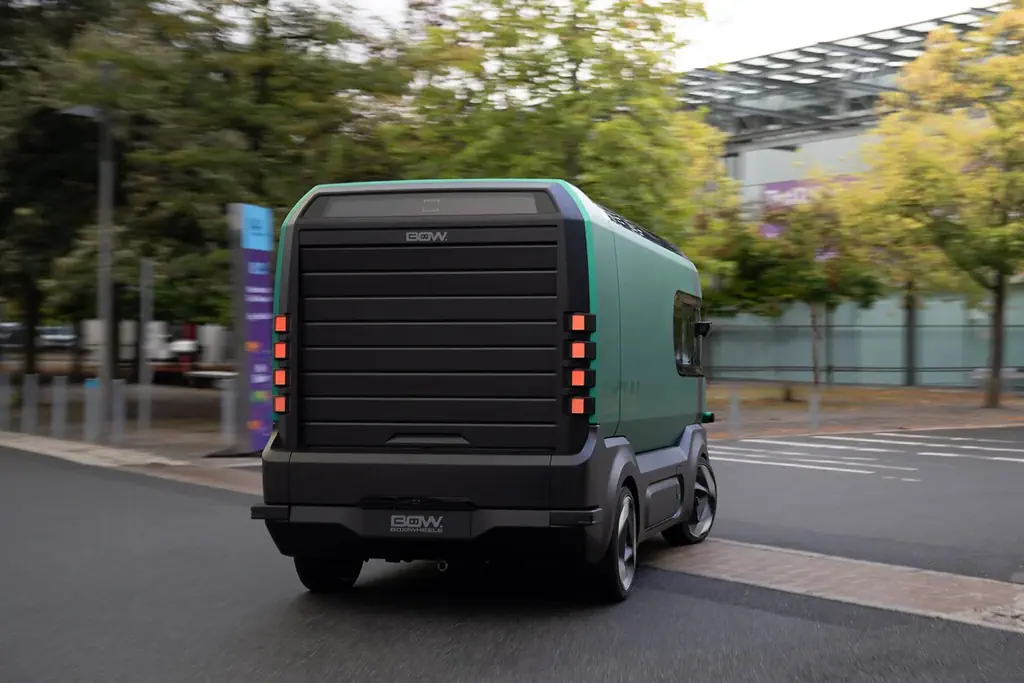
The rear is equally focused on utility. A roll-up door provides access to the cargo compartment. Stellantis and UQI have not disclosed its exact capacity, but the layout suggests the vehicle can offer more usable space than a conventional van of similar dimensions. Without a separate driver's cab, space that would normally be occupied by the driver can instead be devoted to cargo.
This isn't UQI's first project in this area. The company already produces the Chitu Alpha logistics vehicle, which is equipped with LiDAR. That vehicle is aimed primarily at industrial applications, including warehouse logistics, deliveries and material sorting.
BOW was not the only new vehicle displayed at the show. The three-wheeled Fiat TRIS, designed for last-mile deliveries, also made its debut. The Stellantis display additionally featured more conventional commercial vehicles, including the Fiat eDUCATO Fridge, whose refrigeration system draws power directly from the electric van's high-voltage battery.
You may also be interested in the news:
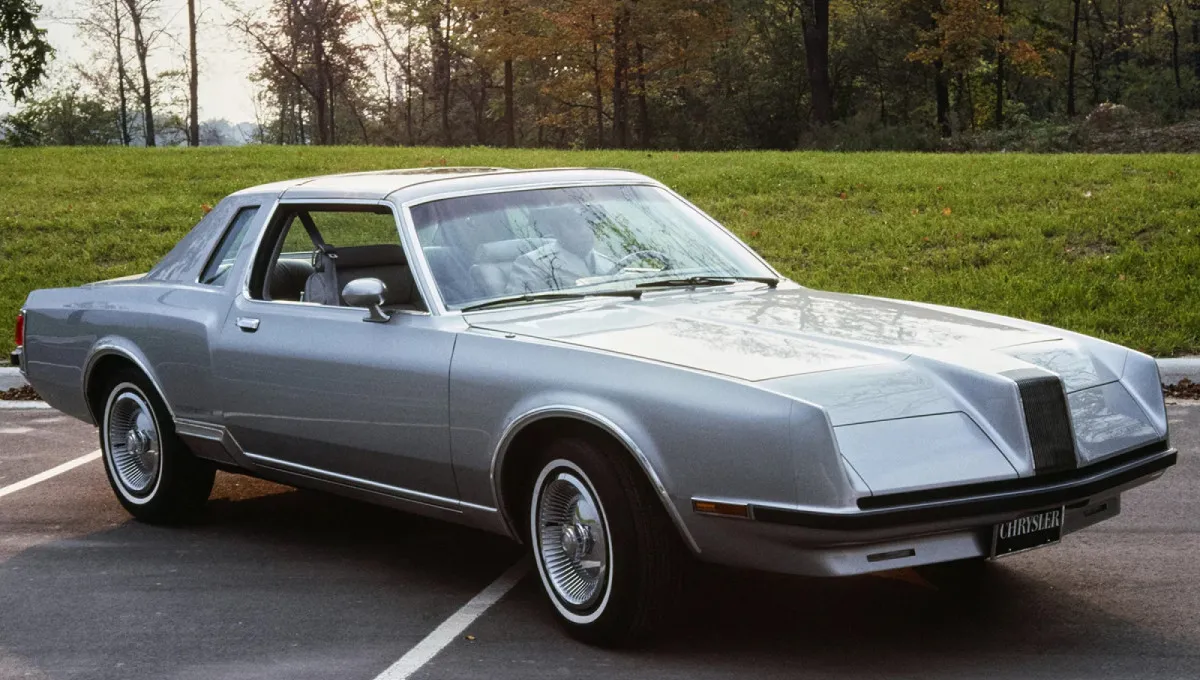
The 1977 Chrysler LeBaron Turbine: The Final Chapter of a 25-Year Experiment
Chrysler's 1977 LeBaron Turbine concept showcased decades of gas turbine research, but financial troubles ultimately brought the ambitious program to an end.
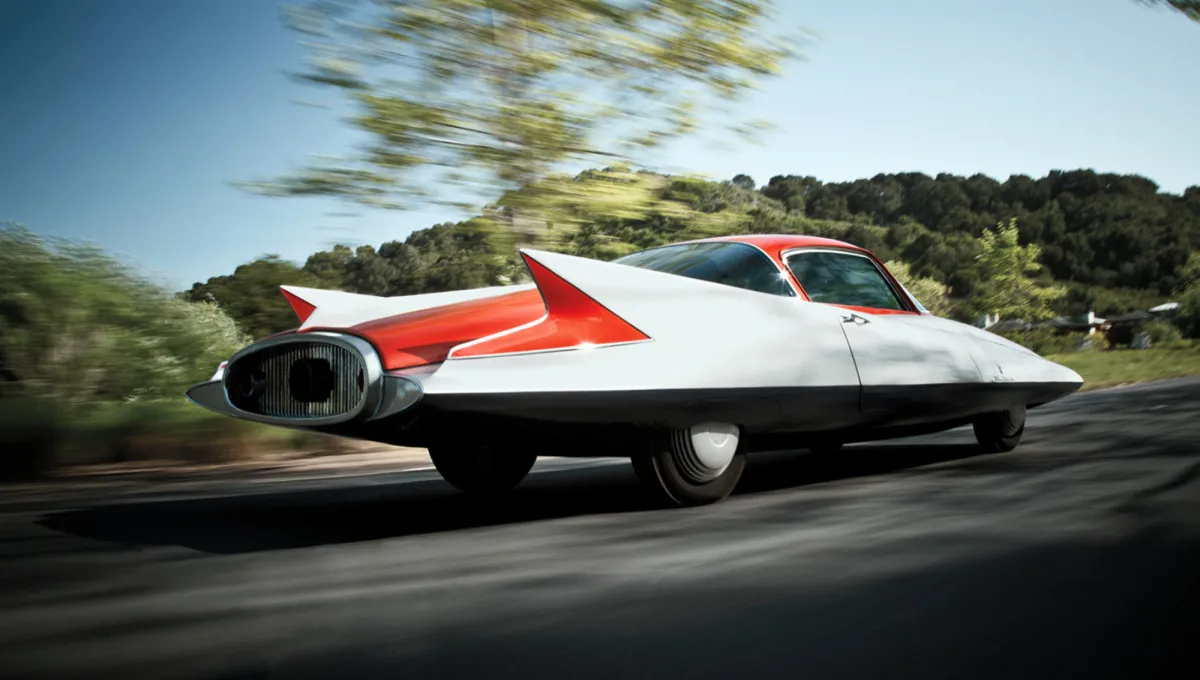
10 Concept Cars From the 20th Century That Look Like They Came From the Future
From futuristic cockpits to rocket-inspired bodies, these 10 vintage concept cars pushed design boundaries and still look spectacular today.
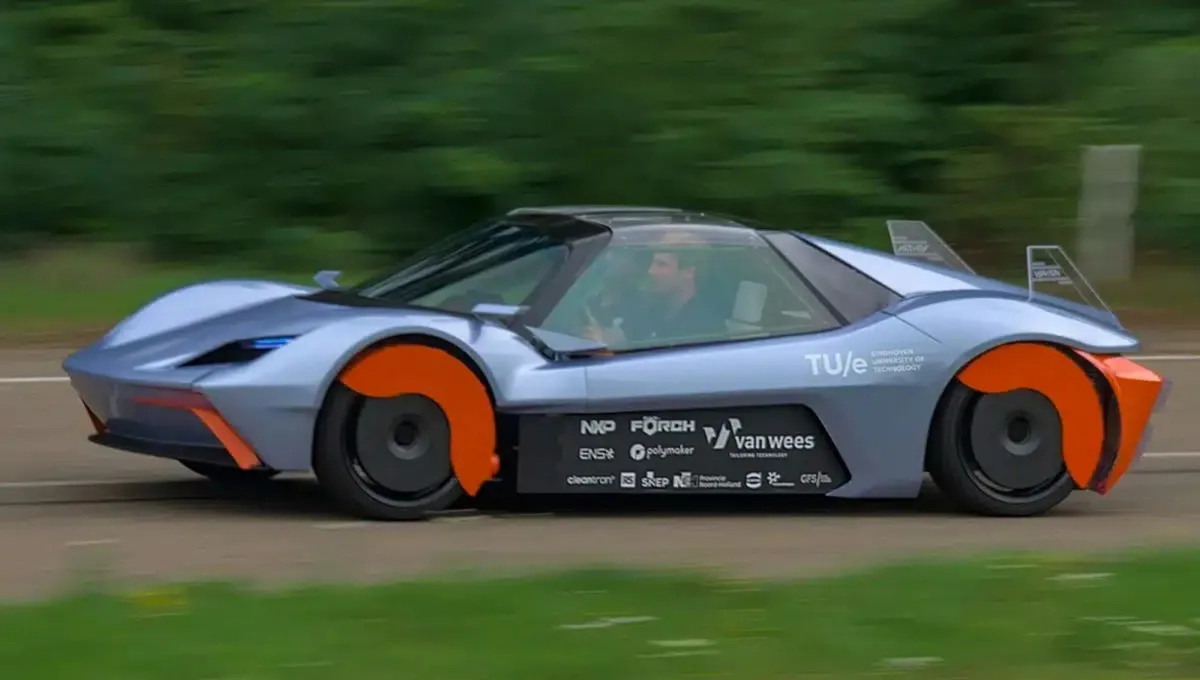
Students Develop an Electric Car That Captures Tire and Brake Dust
A student-built electric concept aims to reduce road pollution by collecting microscopic particles released by tires and brakes.
Stellantis Patents System That Lets an EV Drop Its Battery and Drive Away
A new patent details an emergency system that could let an EV disconnect its high-voltage battery and move away from danger.

Stellantis Just Revealed Nine New Cars Under $40,000 — And Two Could Cost Less Than $30K
Stellantis plans nine cheaper vehicles as high prices leave American shoppers with fewer affordable new-car choices.