
Canadian Bought a Moulin Rouge ’Cuda 40 Years Ago, Restored It, and Still Burns Rubber
A Canadian gearhead bought a rare pink 1970 ’Cuda decades ago, restored it to factory specification, and still drives it today.
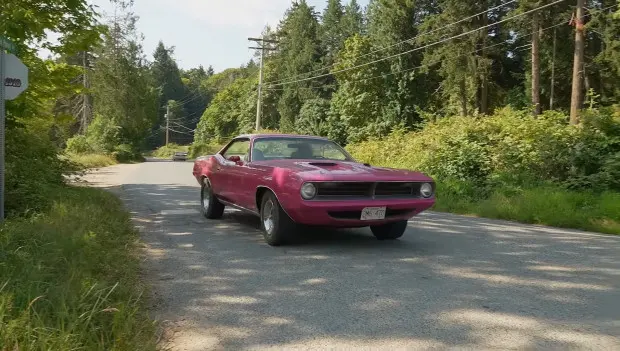
Even the greatest cars can have a feature that once seemed like a weakness but eventually becomes one of their defining strengths. For some muscle cars, that feature is the paint color. That is exactly what happened with this eye-searing pink 1970 Plymouth ’Cuda 340, which has remained with the same devoted owner for roughly four decades and was eventually restored to its original factory specification.
In the spring of 1969, Dodge and Plymouth unleashed Chrysler’s High Impact colors, giving the muscle car era some of its most outrageous paint choices. These vivid, psychedelic shades were created to catch the attention of younger buyers who wanted their cars to make a statement before the engine was even started. Chrysler executives understood the appeal, and the wild colors remained available through late 1974.
Dodge and Plymouth gave the same paint codes their own names. Dodge offered Bright Green, Go Mango, Butterscotch, Hemi Orange, Plum Crazy, Sublime Green, Green Go, Panther Pink, Top Banana, and Citron Yella. Plymouth answered with Rallye Green, Vitamin C, Bahama Yellow, Tor Red, In-Violet, Limelight, Sassy Grass, Moulin Rouge, Lemon Twist, and Curious Yellow.
Those colors ended up on everything from Barracudas and Challengers to Road Runners and Super Bees.
The 1970 Barracuda represented a major turning point for Plymouth. That year brought the dedicated E-body platform to the pony car, while the all-new Dodge Challenger arrived as the only completely new car in Chrysler's lineup. The Barracuda sold 48,867 examples across all configurations, compared with nearly 77,000 Challengers.
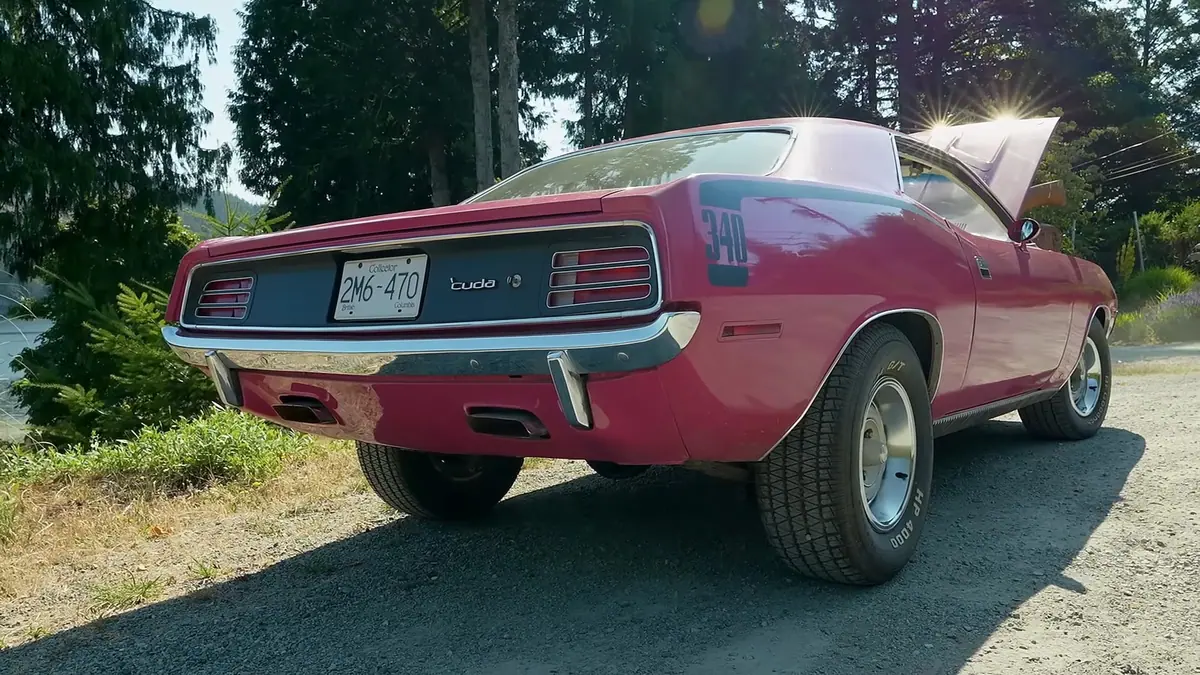
Of those 1970 Barracudas, 6,294 buyers chose the performance-focused ’Cuda equipped with the 340-cubic-inch small-block V-8. That figure does not include the 2,749 AAR ’Cudas powered by their Six-Barrel versions of the 340.
The numbers get considerably more interesting when the transmission is factored in. Production records indicate that only 1,788 of those hardtops were equipped with the three-speed automatic, making the combination relatively uncommon.
Then there is the paint.
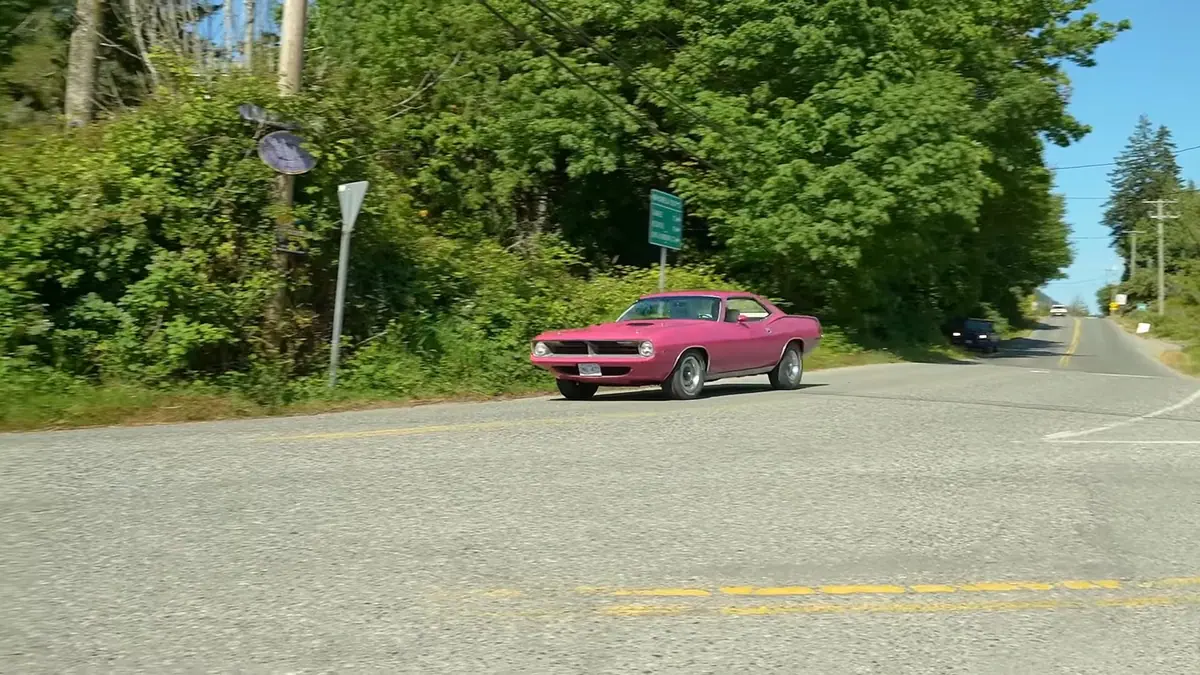
Plymouth is estimated to have built only about 255 Barracudas of all configurations in Moulin Rouge during the 1970 model year. Narrow the numbers down by engine and transmission, and the pool becomes extremely small. According to the current owner, only about 40 ’Cudas equipped with the 340 are believed to have left the factory wearing the bold pink shade.
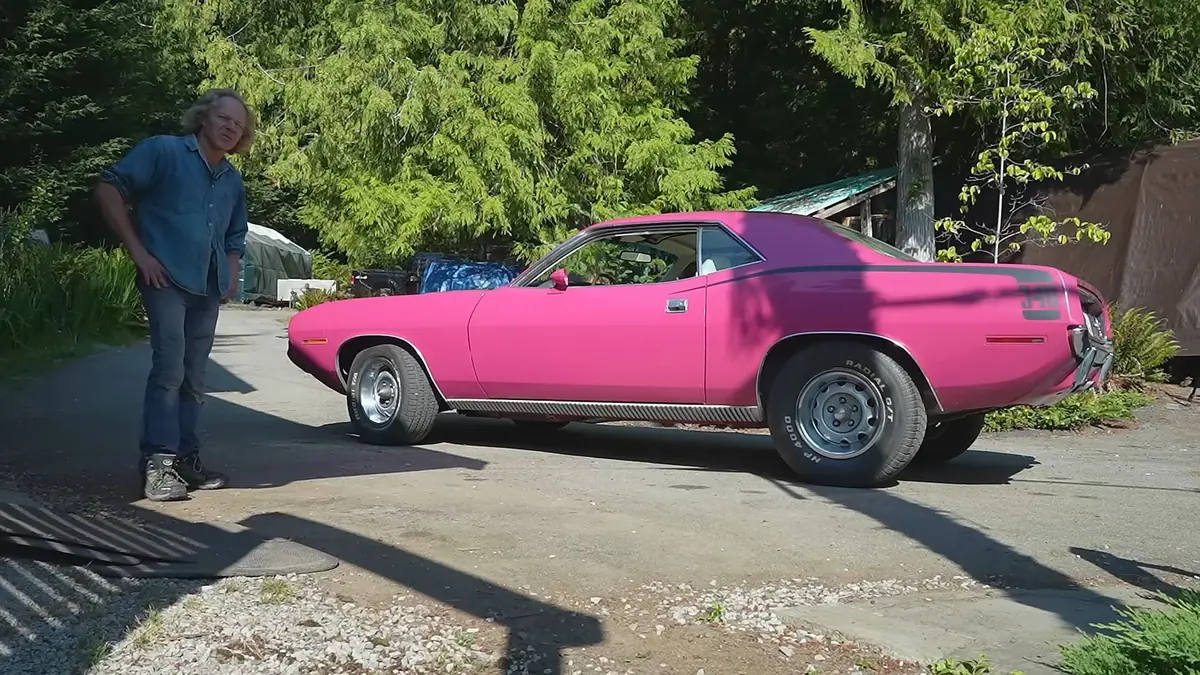
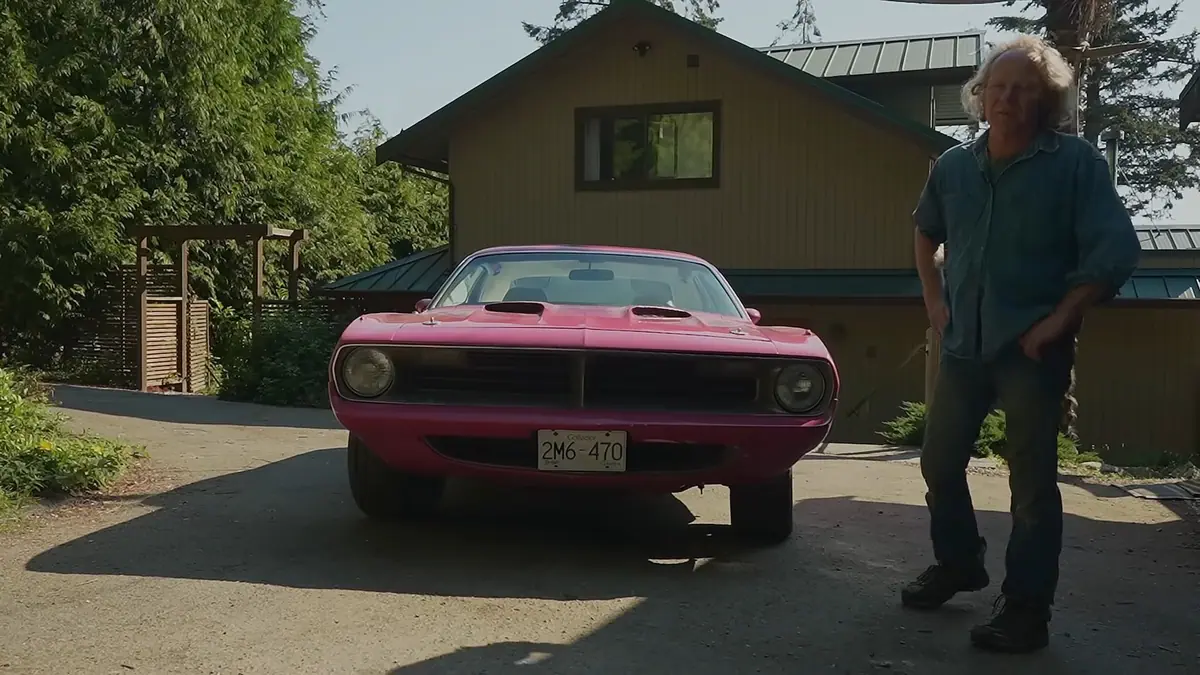
That brings us to a recent episode of the Road Rail Marine YouTube channel, hosted by Dave Sears. Sears featured one of these exceptionally rare cars and spoke with its owner, a man named Leonard who prefers to go by Len. His connection with the car goes back decades, and the story of how it became part of his collection is almost as interesting as the car itself.
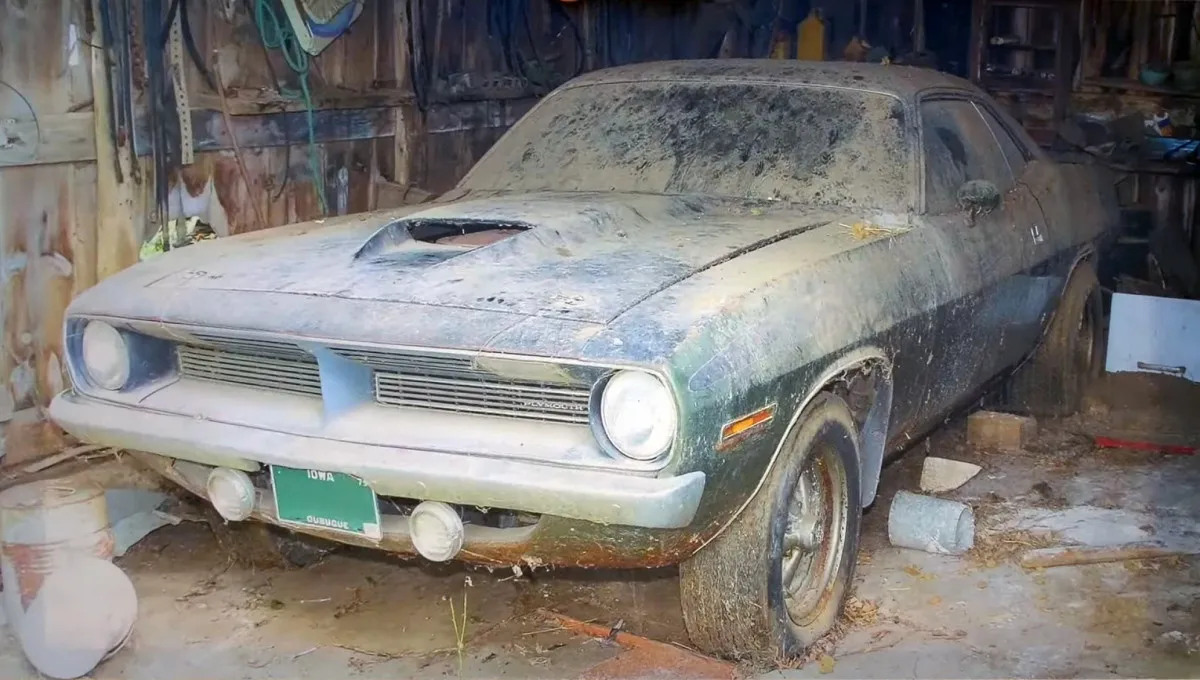
Len found the unusually rare Plymouth in the mid-1980s, but the car didn't immediately win him over. For one thing, it wasn't pink anymore. Someone had painted it a dull dark blue. The engine had been removed and preserved, although the rest of the drivetrain remained intact.
The owner at the time planned to turn the car into a Hemi tribute. Len, however, saw something different. He recognized that the car was already special and believed it deserved to remain true to its original identity.
The fender tag isn't shown on camera, but Len goes through the factory specifications and explains what the car was originally built with. The build sheet confirmed that it was a highly optioned car from very late spring production and carried the FM3 paint code.
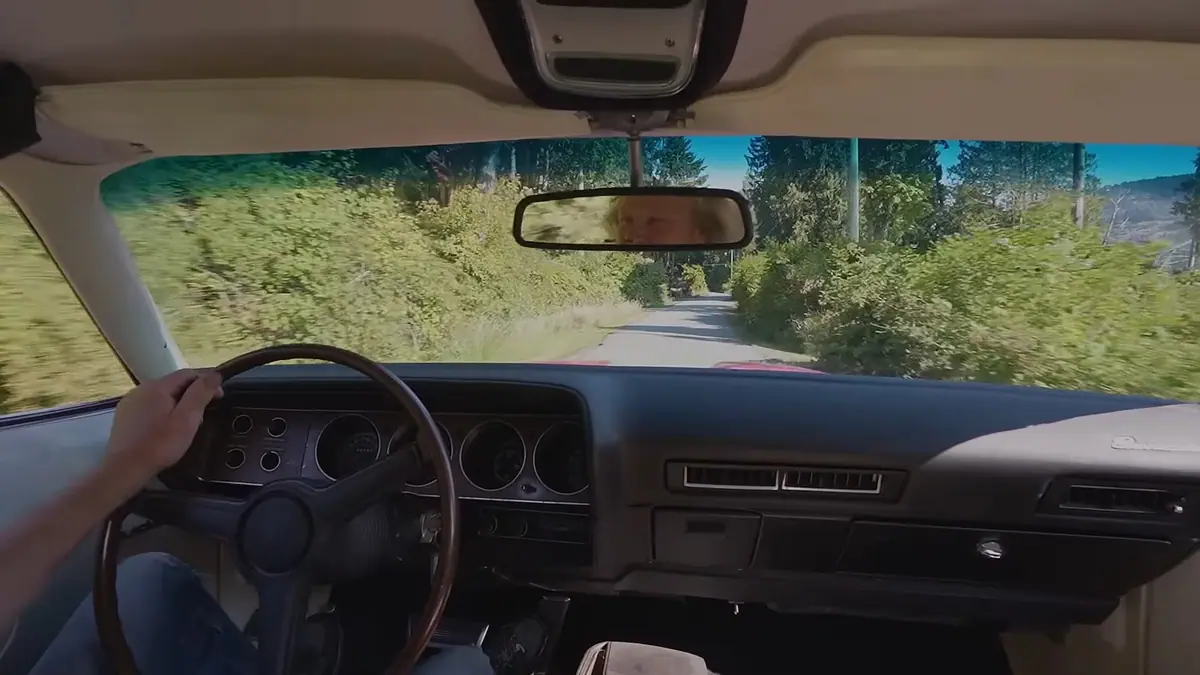
From the factory, it came with a white interior, rally dash, power-bulge hood with optional hood pins, and the unusual fender-mounted indicator lights that illuminate when the turn signals are activated.
The mechanical specifications make the car even more interesting.
The tag decoding reveals the heavy-duty Hemi suspension package, which brought special torsion bars and leaf springs designed for a stiffer setup and slightly increased ride height. Out back sits a 3.91 gear ratio inside an 8.75-inch Sure Grip rear end.
That aggressive gearing also called for a massive 26-inch radiator and a seven-blade cooling fan to keep temperatures under control.
Returning the car to Moulin Rouge wasn't an easy decision for Len. It took him some time to get comfortable with the idea of putting such an outrageous color back on the car. Eventually, friends convinced him to go for it.
The restoration then became a major undertaking. Len placed the car on a rotisserie and worked through the project during several cold British Columbia winters. He tracked down the correct components, moved between 14-inch road wheels and 15-inch wheels, and worked to make sure the mechanical systems operated as they had when the car was new.
There is also one particularly personal detail in the restoration.
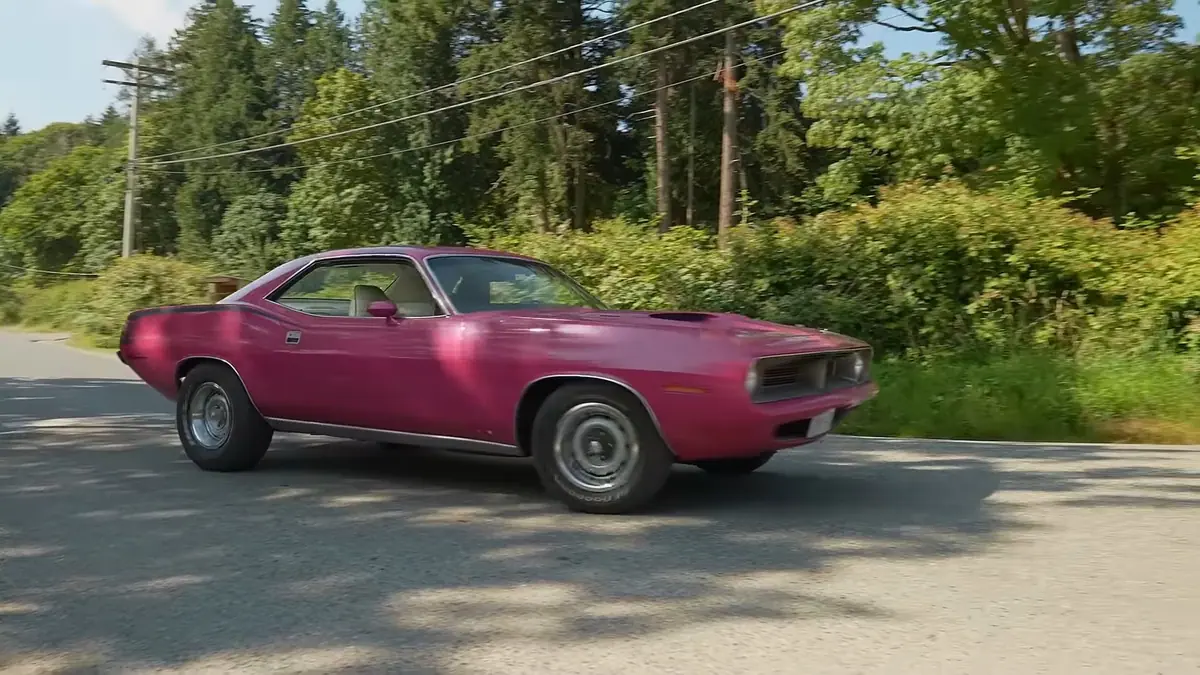
The factory offered a polyurethane front bumper, but it wasn't available in Moulin Rouge. Len happened to own an original elastomeric bumper and decided to paint it pink anyway, matching it to the rest of the body.
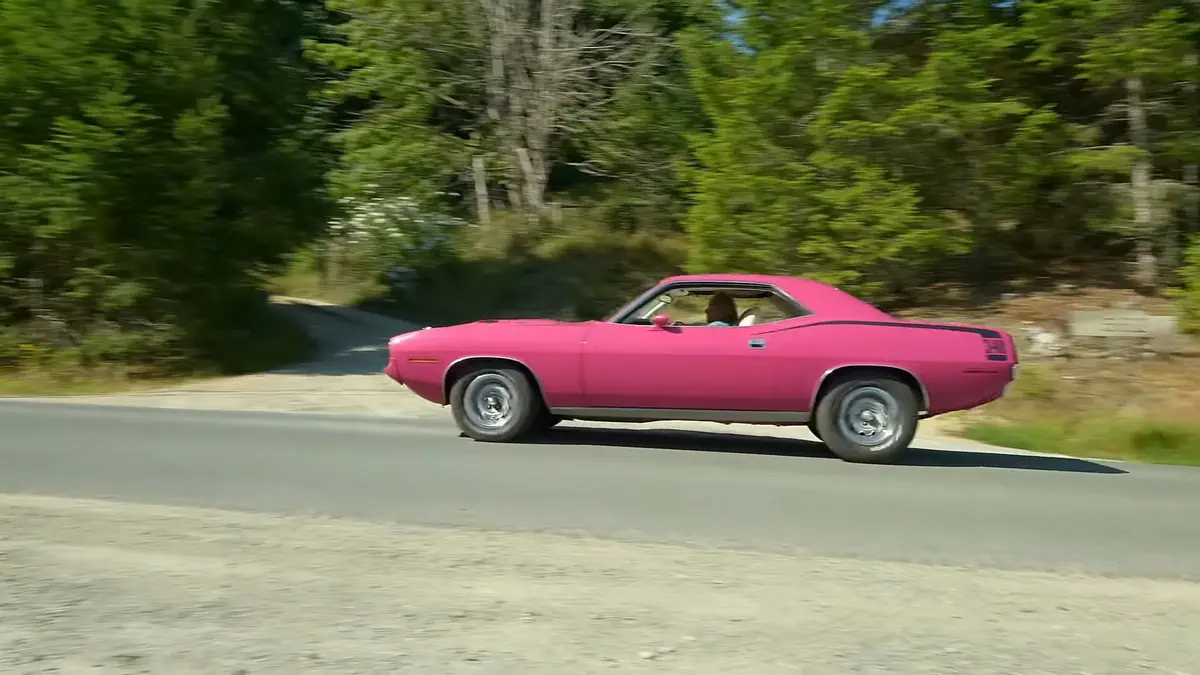
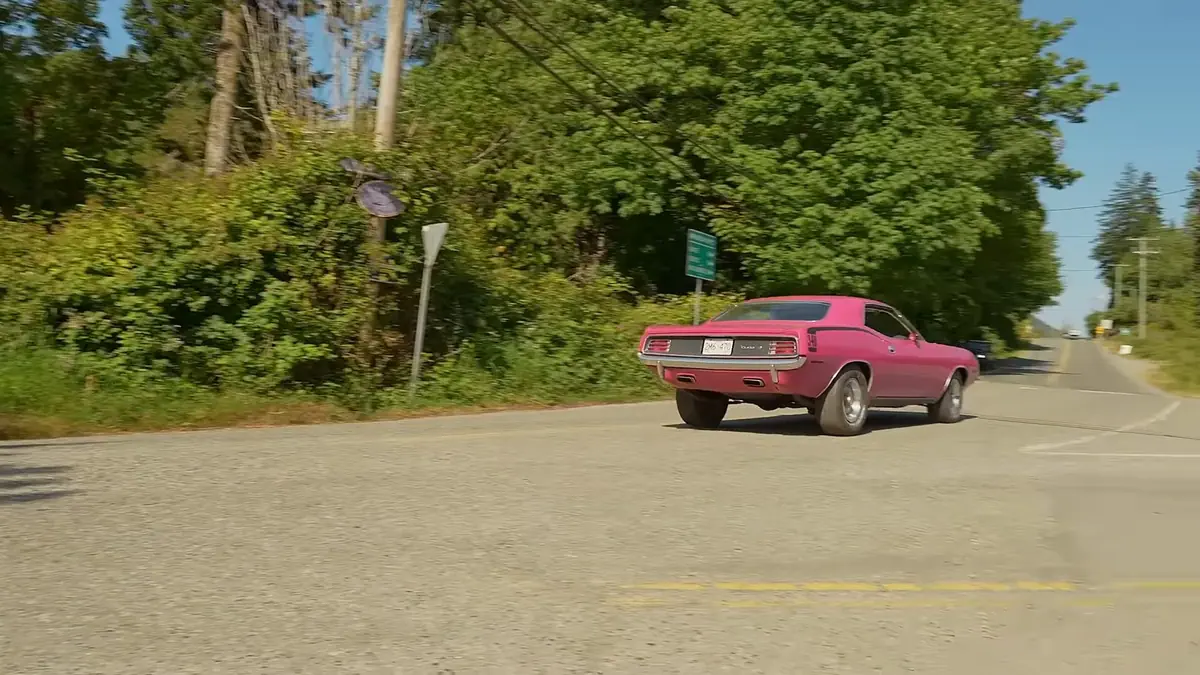
Combined with the ’Cuda-specific rocker gills and red-striped grille beneath the Raisin Bran hood, the result gives the car the unmistakable look of a 1970s muscle machine.
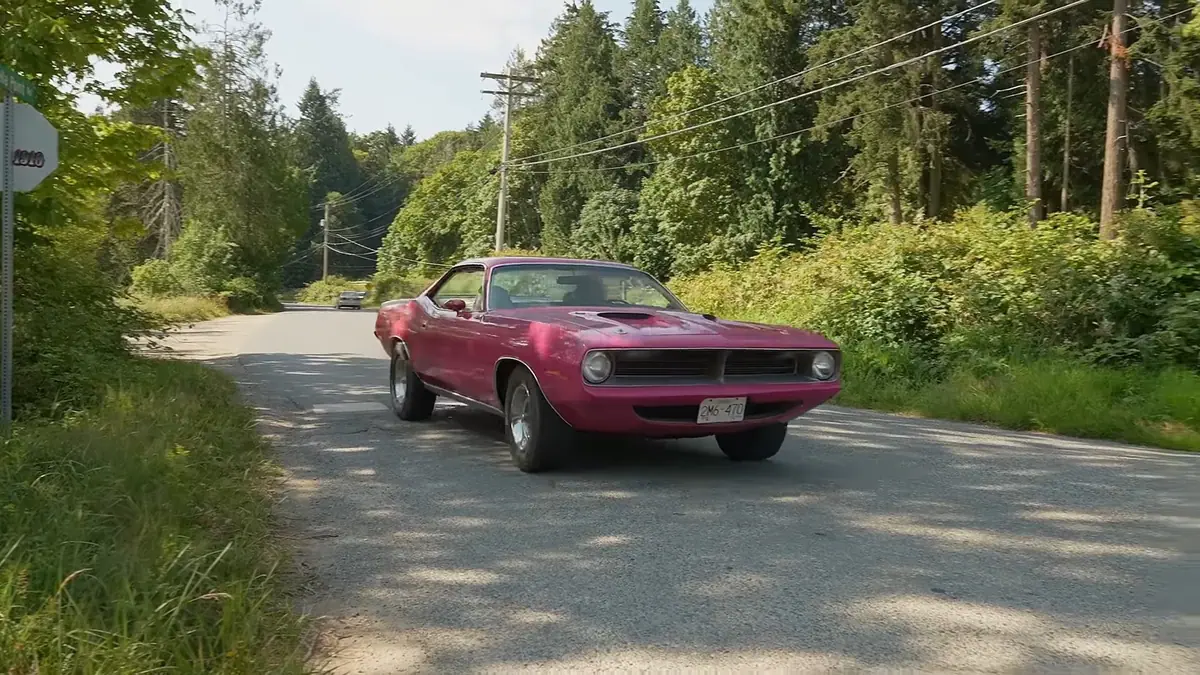
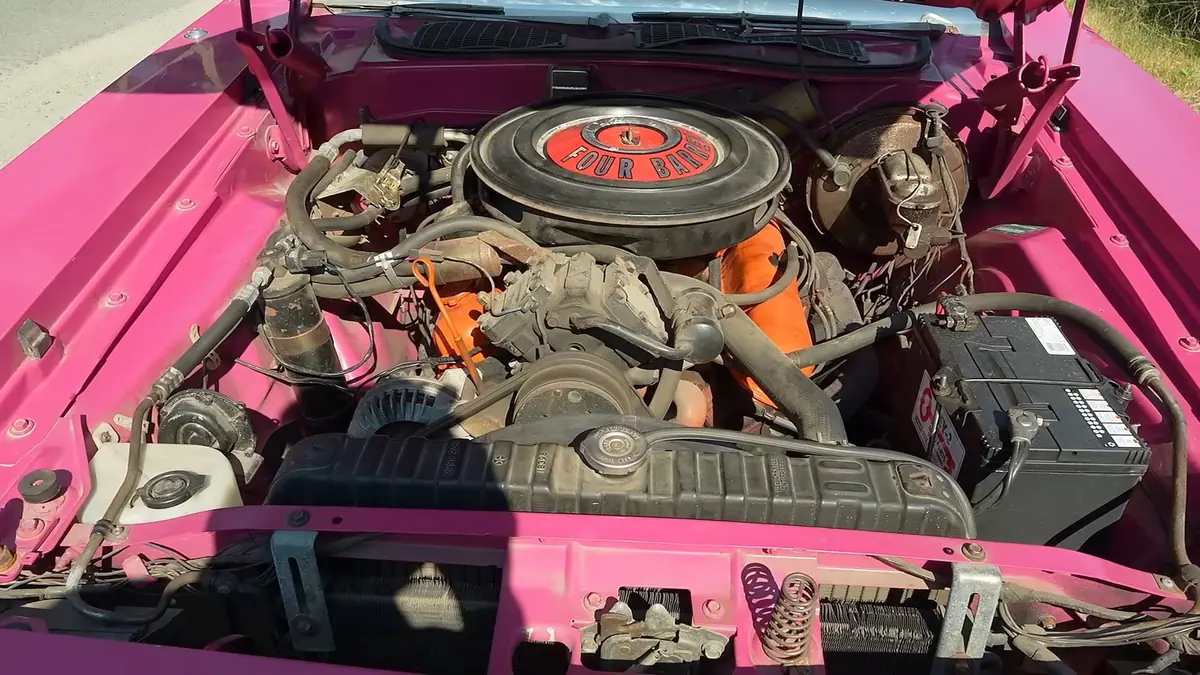
With 10:1 compression, the 340 loves to rev. The rear tires have no trouble breaking loose when the 727 automatic makes its firm shift into second gear, something Len clearly isn't afraid to enjoy, as the video demonstrates.
And this car is anything but a trailer queen.
Len and his wife actually used the ’Cuda as their wedding car in 1988, years before the pink restoration had been completely finished. Decades later, the couple still takes it out for summer cruises and barbecues.
The car's details tell the rest of the story. There's the rare overhead roof console with its door-ajar warnings, while the hockey-stick stripe across the rear fenders announces the engine displacement. Every piece contributes to the character that made the muscle car era so memorable.
After roughly 40 years of ownership and an extensive restoration, Len's Moulin Rouge ’Cuda remains exactly the kind of car that refuses to fade into the background. It still gets driven, still lays down rubber, and still turns heads wherever it goes.
You may also be interested in the news:
Man Bought an AAR ‘Cuda in 1973, Raced It Hard, Parked It for 20 Years, and a Fire Saved It
The car lived on streets and strips, outran police, then spent two decades hidden away before returning to the road.
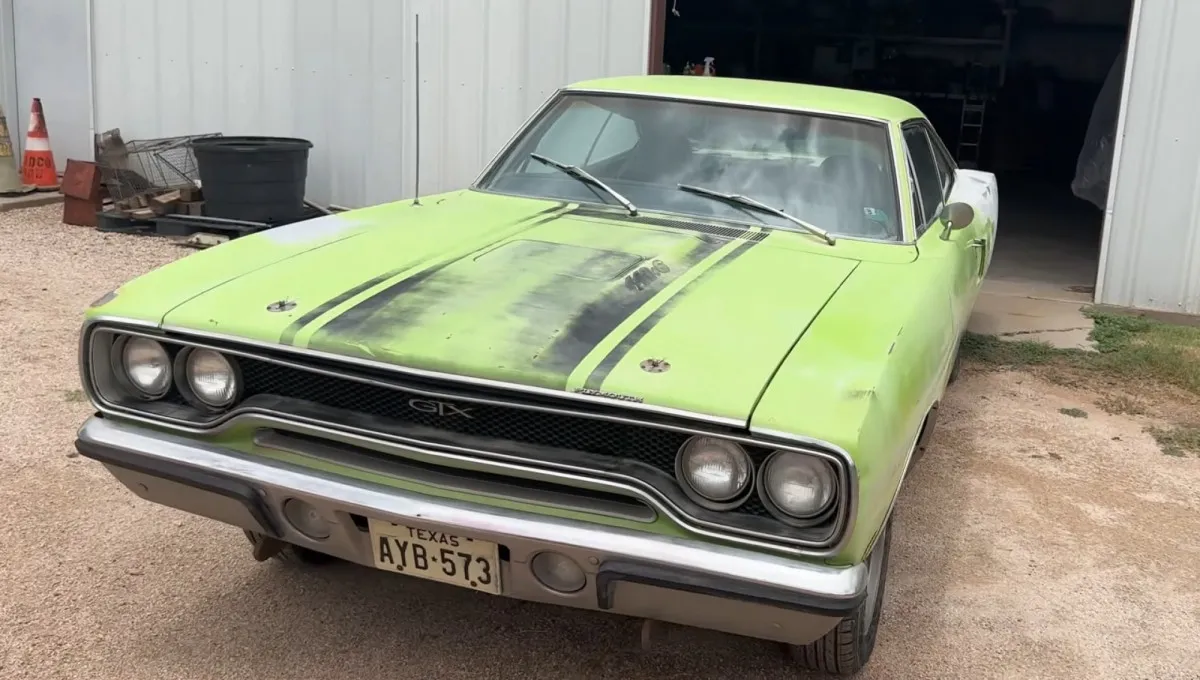
A Real 1970 GTX Sat Under a Carport for 45 Years—Then Rescuers Found Its Holy Grail in the Back Seat
The 440 Six Barrel GTX sat untouched for 45 years, its factory broadcast sheet still hidden beneath the rear seat.
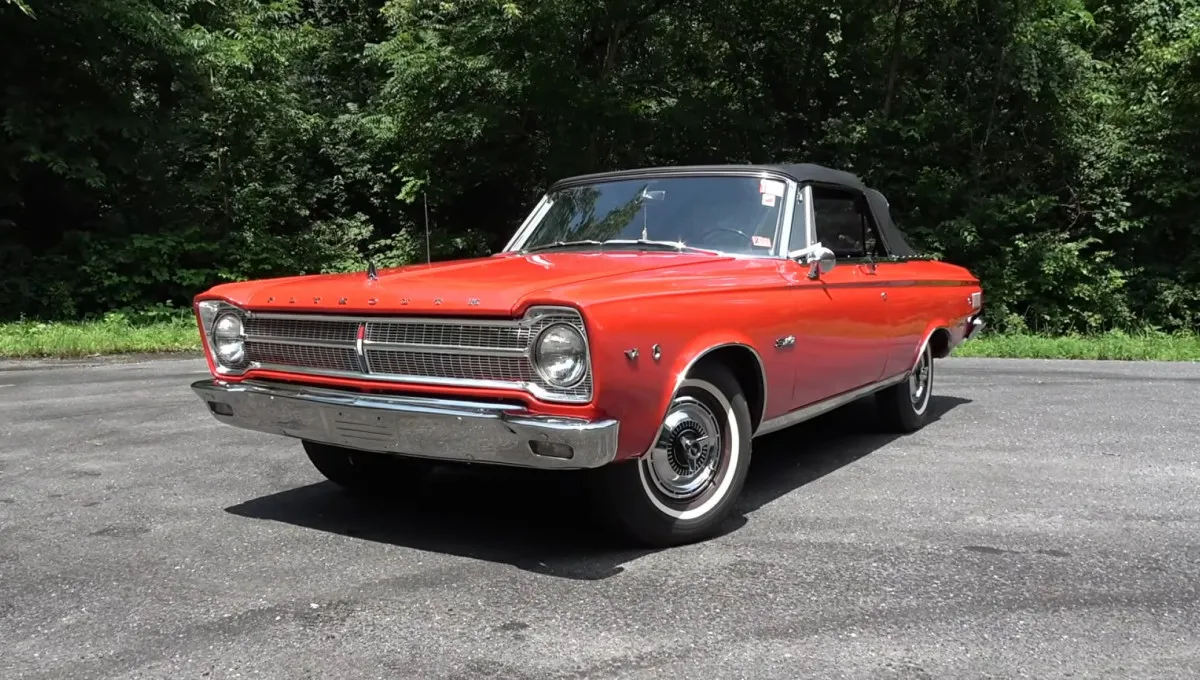
18-Year-Old Bought This 1965 Plymouth Satellite After Graduation—and Still Drives It 61 Years Later
A teenager bought this Plymouth Satellite after graduation, and 61 years later, he still drives it.
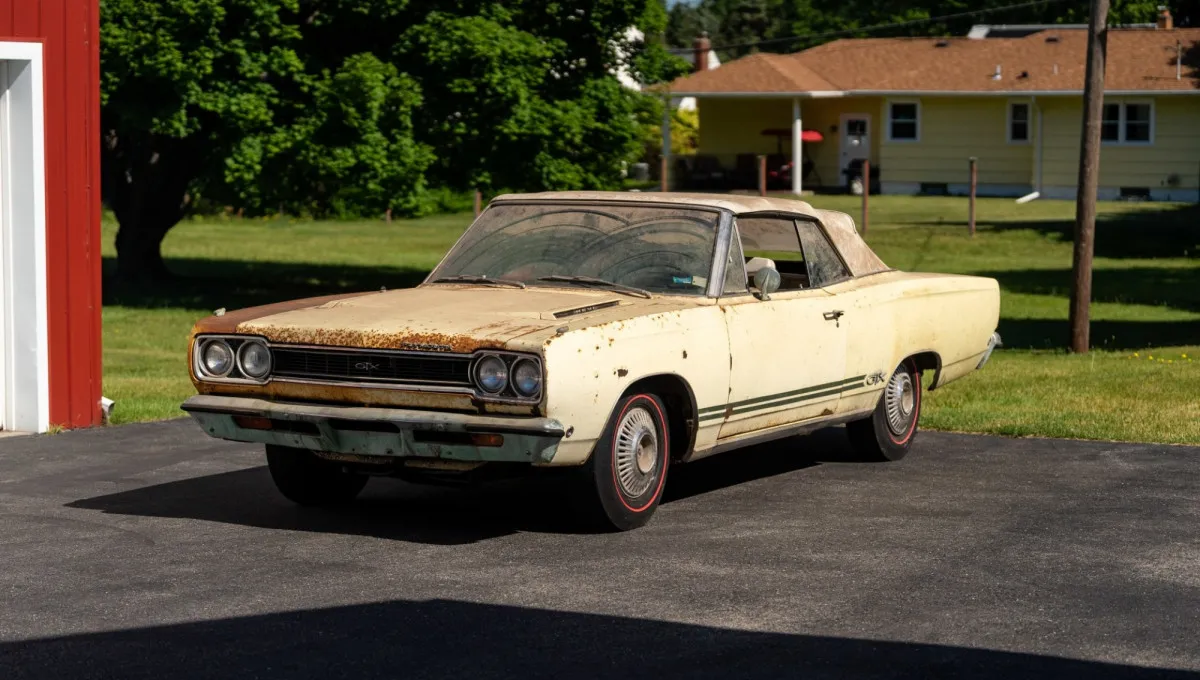
Rare 1968 Plymouth Hemi GTX Convertible Parked for Over 40 Years Sells for Six-Figure Sum
Parked in a barn from the 1970s until 2017, this rare 1968 Plymouth Hemi GTX drop top is a true time capsule with a numbers-matching drivetrain.

Family, Memories, and a 1971 Plymouth ’Cuda: How One Muscle Car Became a Legacy Across Three Generations
One family's beloved 1971 Plymouth ’Cuda became a lasting symbol of love, memories, and generations of shared automotive passion.