
18-Year-Old Bought This 1965 Plymouth Satellite After Graduation—and Still Drives It 61 Years Later
A teenager bought this Plymouth Satellite after graduation, and 61 years later, he still drives it.
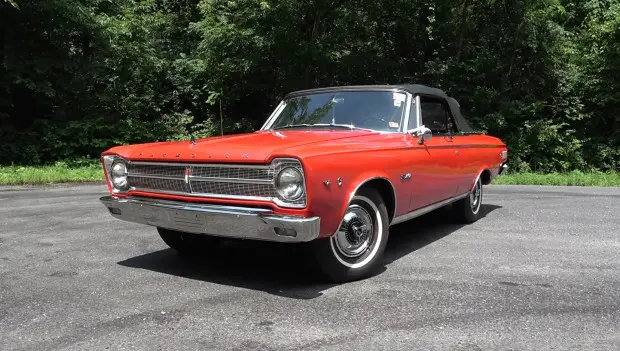
Classic cars can be interesting for many reasons, but a great story can make one especially memorable. This 1965 Plymouth Satellite has exactly that kind of history: it has remained with its original owner since day one and continues to see regular road use more than six decades later.
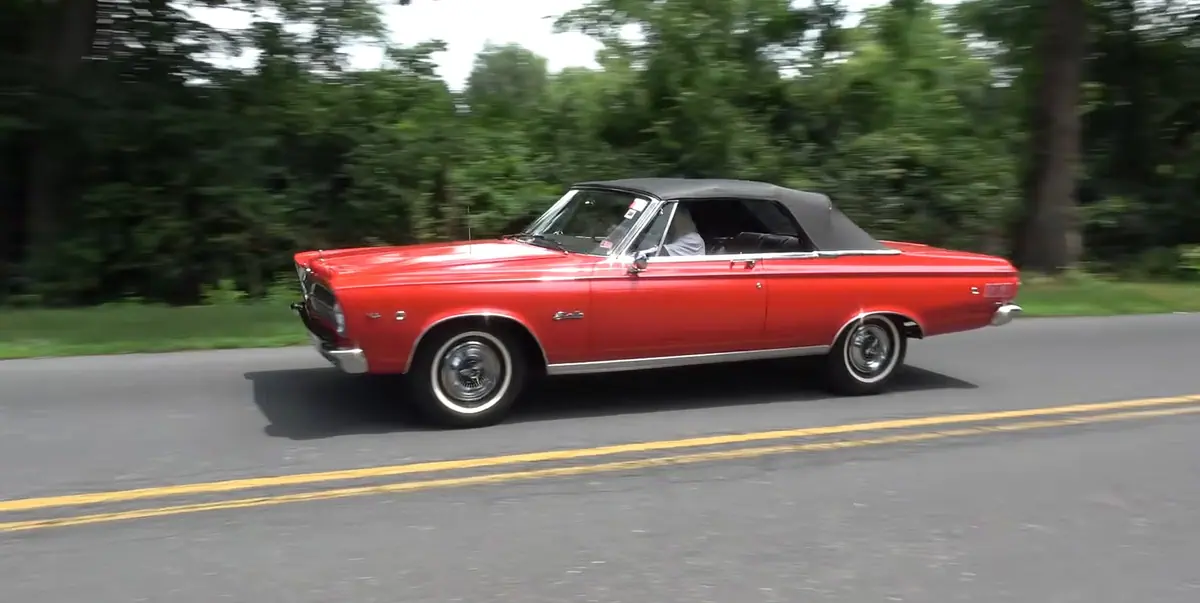
The Satellite was an all-new model for 1965, arriving as Plymouth reshaped its intermediate lineup. The brand had entered the growing midsize market in 1962 after downsizing its full-size cars as part of a corporate misstep. At that point, the lineup consisted of the Belvedere, Savoy, and Fury.
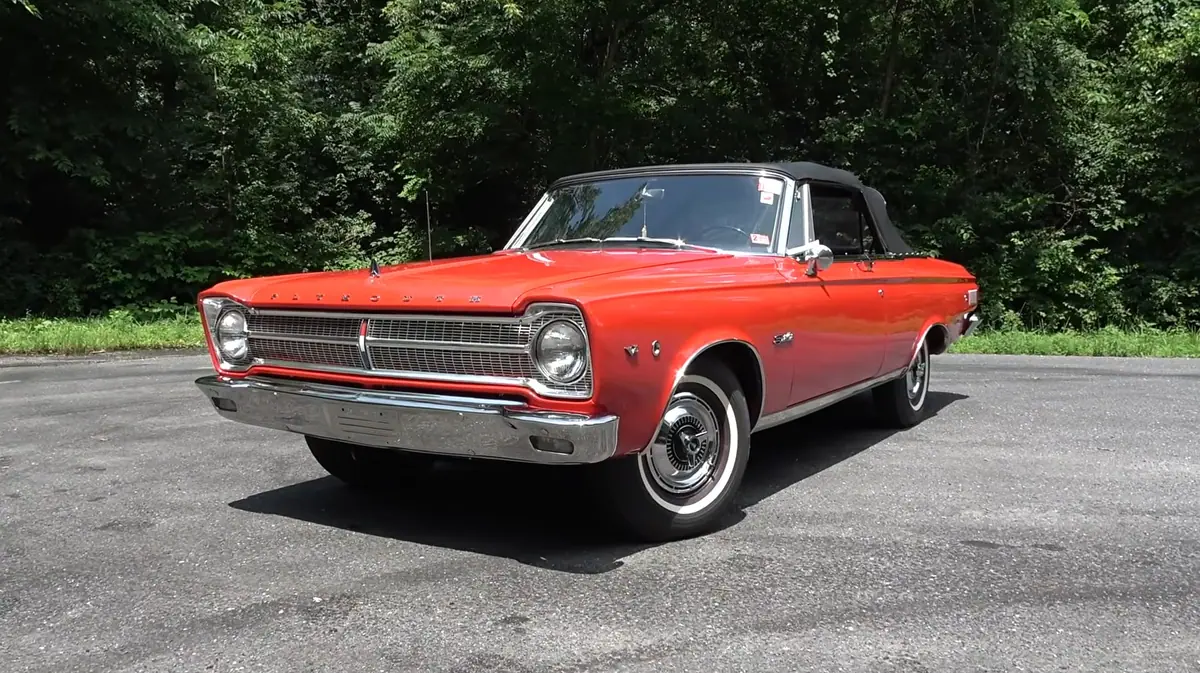
Plymouth changed course for 1965. The Savoy disappeared, while the Fury moved back into the full-size class. The Belvedere stayed in the lineup, but Plymouth added the Satellite as another midsize offering. Positioned as a more upscale, performance-focused B-body, it gave buyers another choice within the segment.
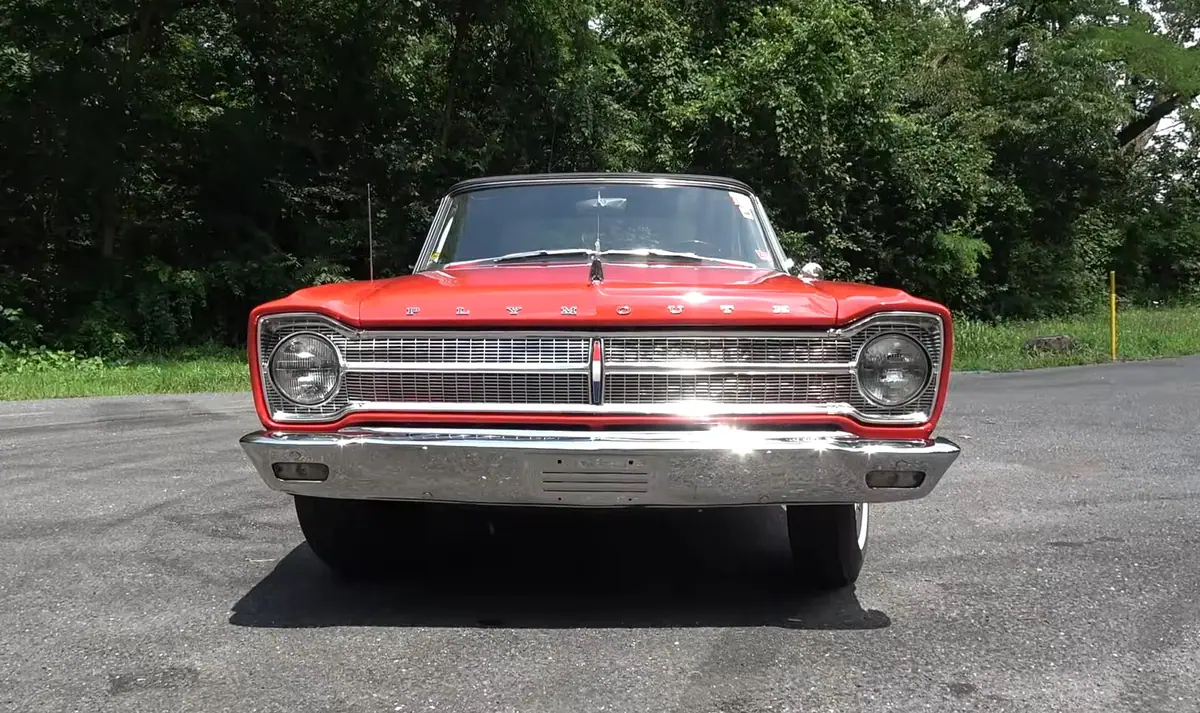
The Satellite borrowed styling elements from the Belvedere but was offered exclusively with two doors when it debuted. The first-generation car came only as a two-door hardtop or convertible. Plymouth later expanded the range in 1968 with a station wagon and four-door sedan. Unlike the Belvedere, which came standard with an inline-six, the Satellite was powered exclusively by V8 engines.
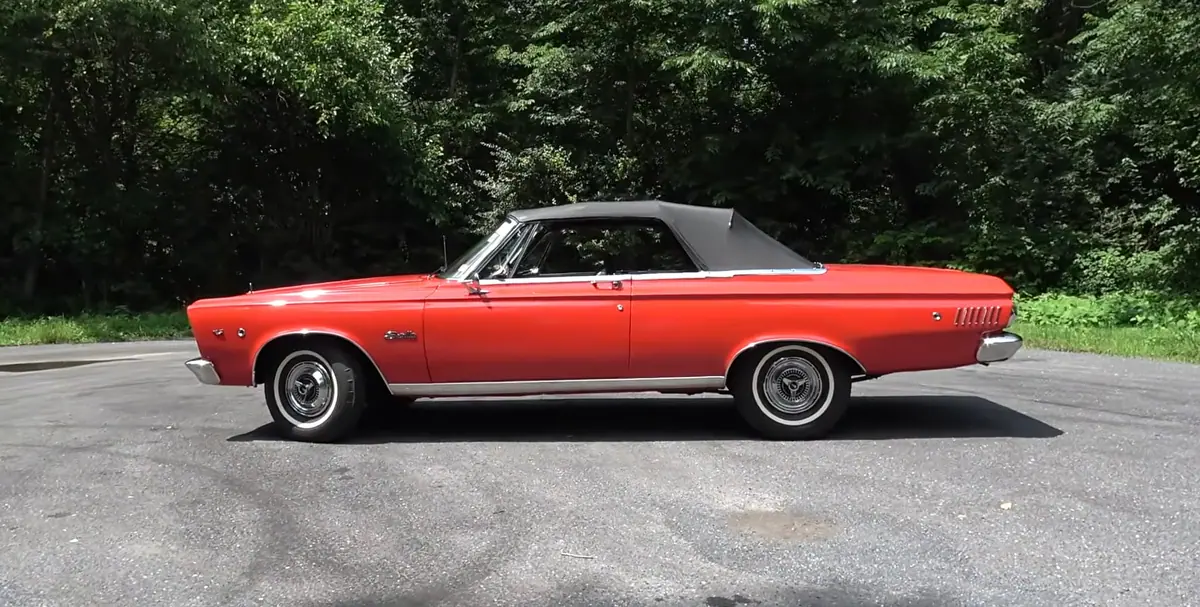
This particular first-year Satellite belongs to George McVey, who bought it new at just 18 years old. He had recently graduated and decided it was time for a new car. The reason he chose this particular Mopar was simple: he saw an advertisement featuring a red Satellite and immediately fell for it.
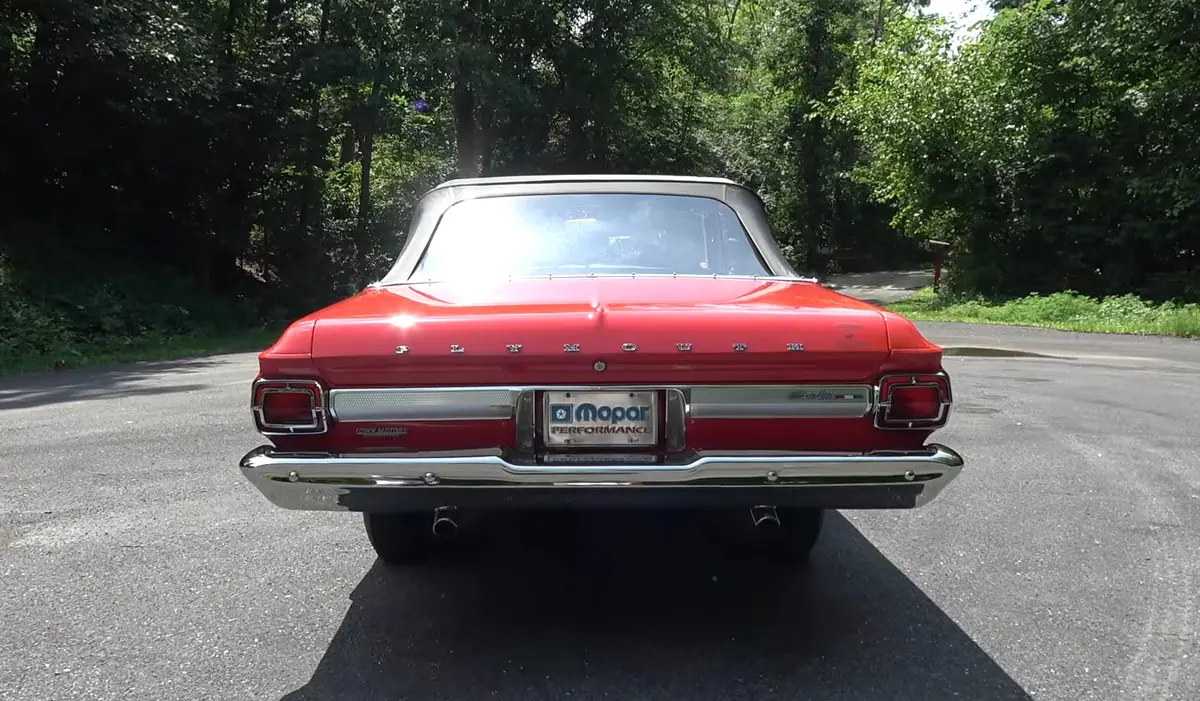
That same year, George also fell in love with Nancy. They married later in 1965, and 61 years later, they remain married and still regularly drive the Satellite. In 1965, George apparently found both the car and the person he would keep for life.
The Satellite did not yet have access to Plymouth's legendary 426-cubic-inch (7.0-liter) Hemi in 1965; that engine arrived a year later. Instead, buyers could choose between two performance-minded big-block V8s: the 383-cubic-inch (6.3-liter) B-block and the 426 Wedge. George chose a smaller and simpler option, the 273-cubic-inch (4.5-liter) Commando.
The 273 V8 was the smallest engine offered in the 1965 Satellite and came in three versions. The two-barrel engine produced 180 horsepower, while the four-barrel version delivered 235 horsepower. A more heavily tuned variant made 275 horsepower. George went with the 235-horsepower four-barrel and paired it with Plymouth's three-speed TorqueFlite automatic.
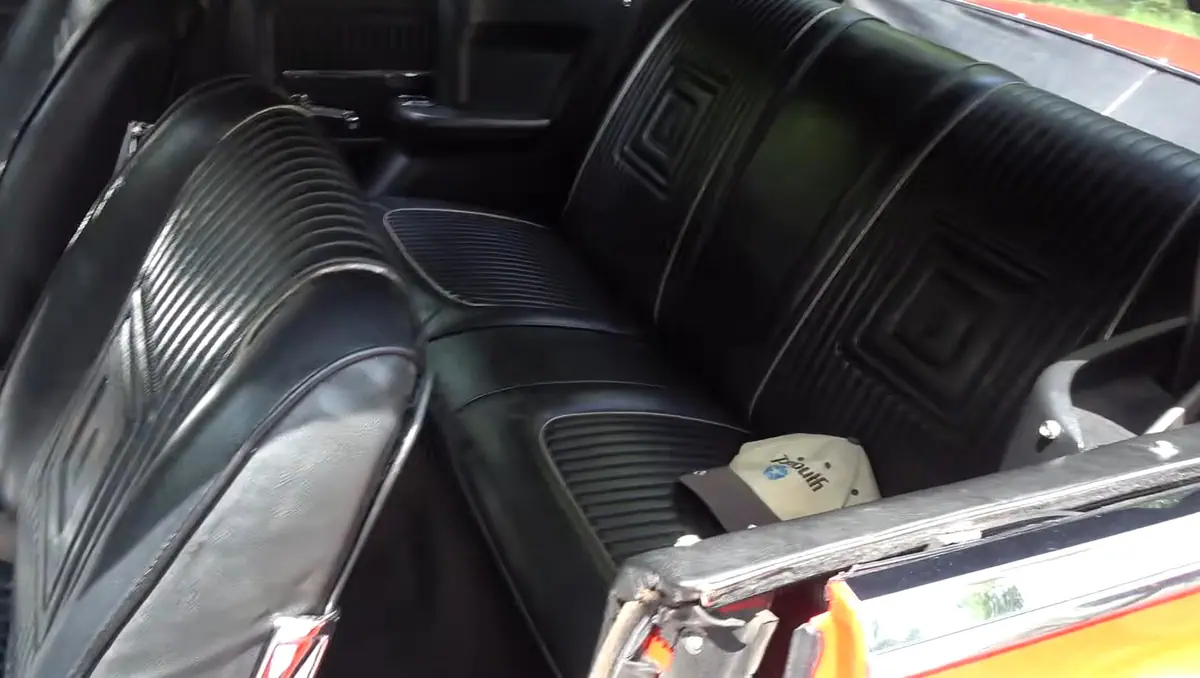
His options list was short. Aside from the automatic transmission, he ordered power steering, seat belts, and undercoating. More than six decades later, he still has the original window sticker, documenting a purchase price of $3,222.40 along with $311.40 in optional equipment.
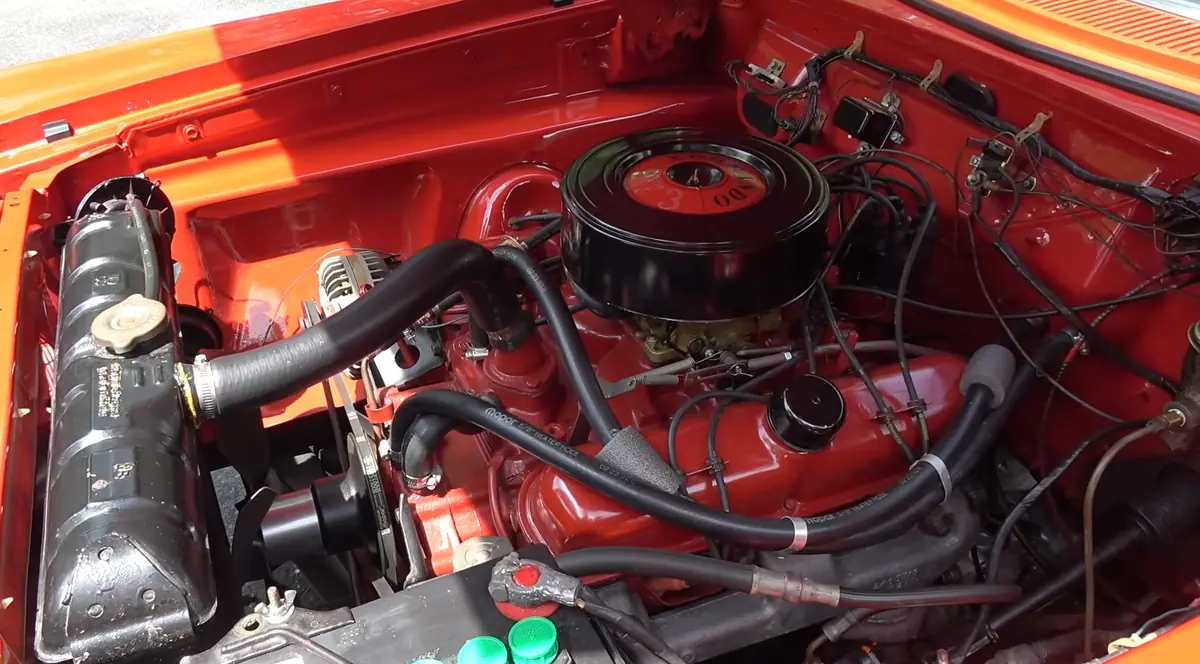
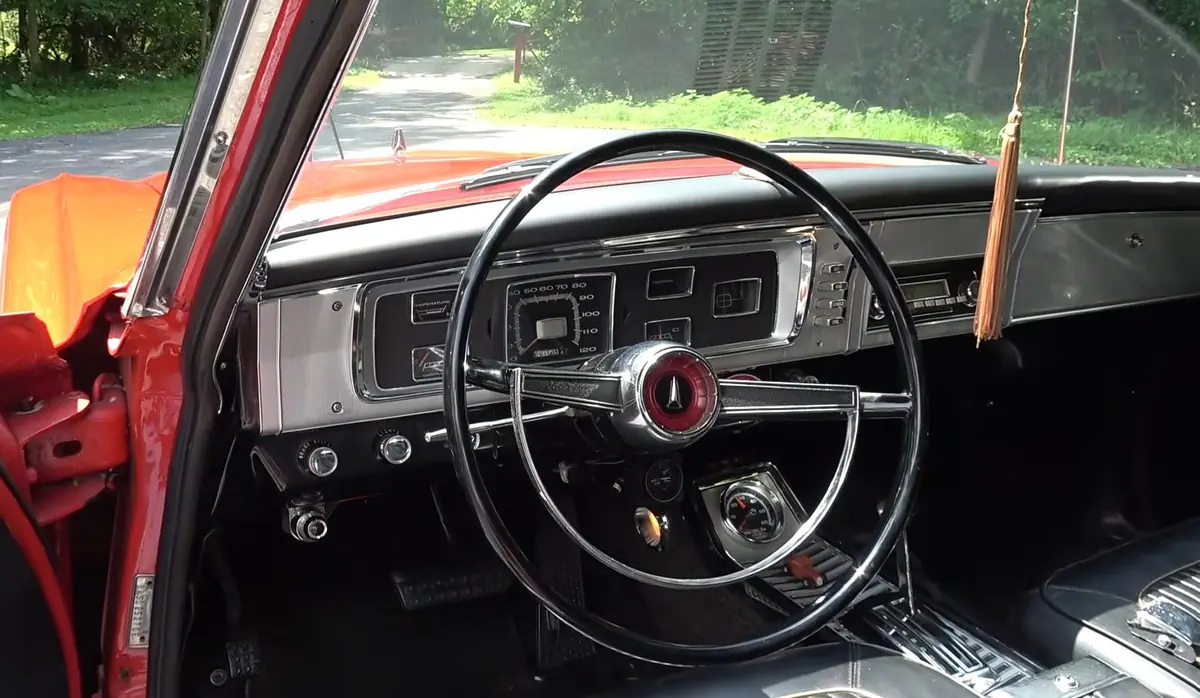
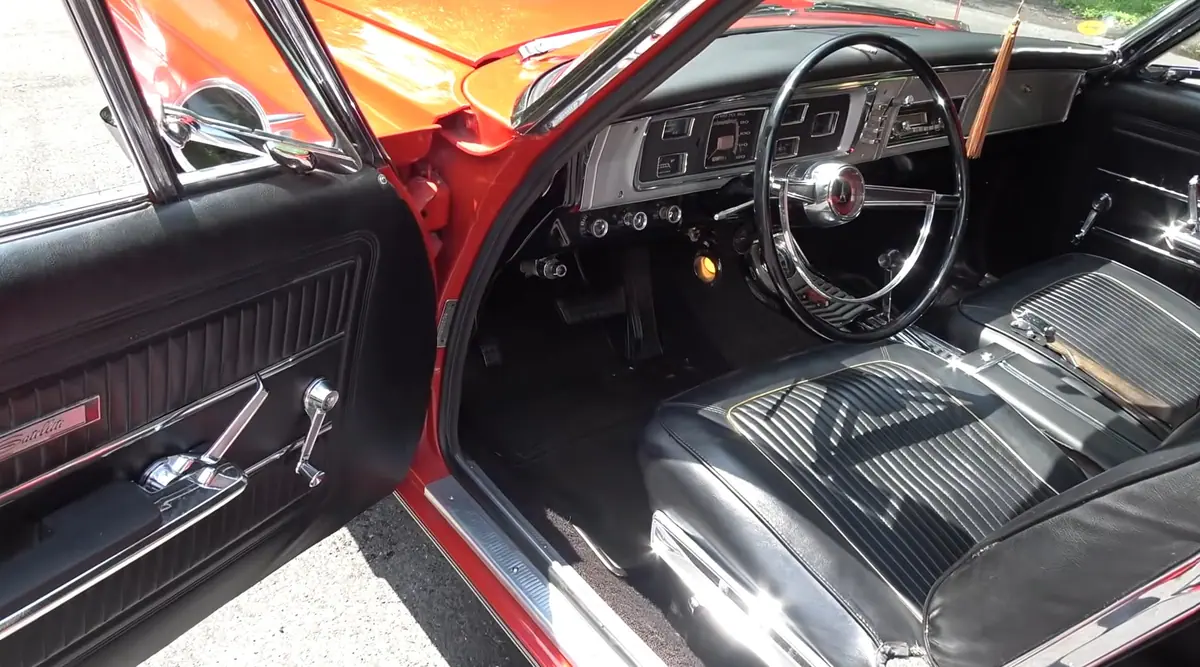
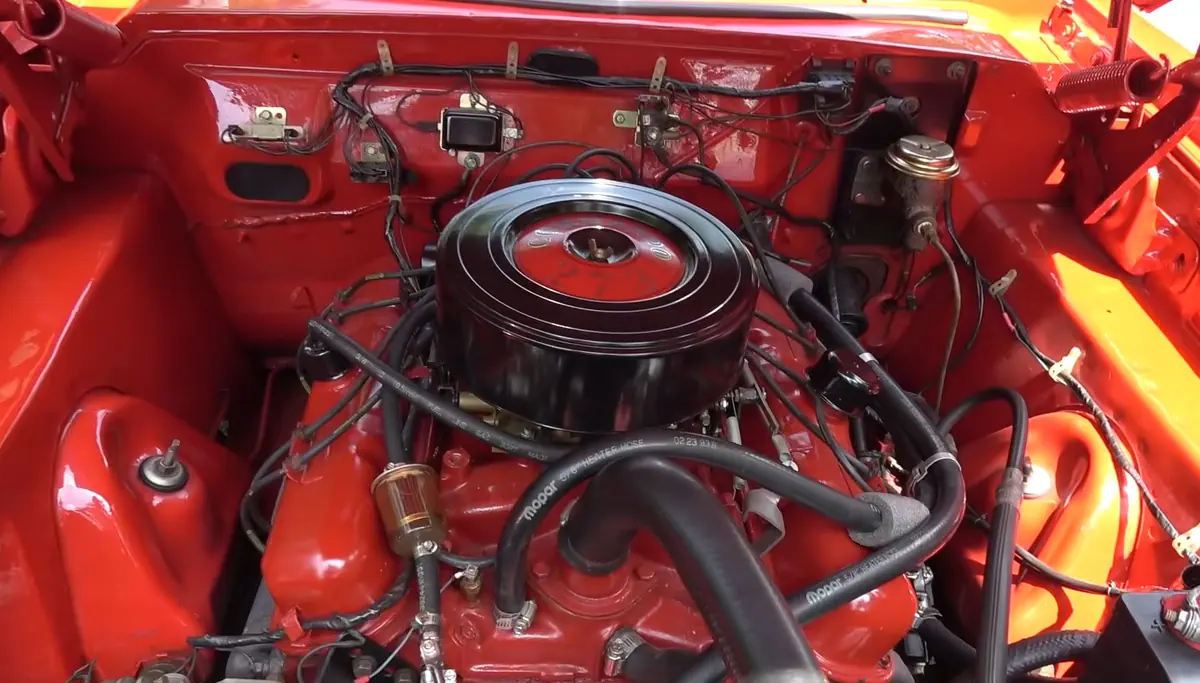
At 61 years old, the Satellite still has the appearance of a car that has spent much of its life carefully preserved. George says he never restored it, although he did repaint the body and replace the soft top in 1982. The cabin remains original, while the refreshed engine stays factory-correct apart from its carburetor. The original Carter unit has been replaced with an Edelbrock.
The car's history makes it unusual enough, but its production numbers add another layer to the story. Plymouth built about 25,200 Satellites in 1965, and only 1,860 of them were ordered as convertibles. Just a small number have survived in comparable condition, making George's first-year Satellite an especially uncommon example of a car that has remained part of the same family's life for 61 years.
You may also be interested in the news:

What Does the 99% Patch Mean to Bikers? The History Behind the Motorcycle Symbol
The 99% biker label separates everyday motorcycle enthusiasts from outlaw culture, carrying a message rooted in American motorcycle history.
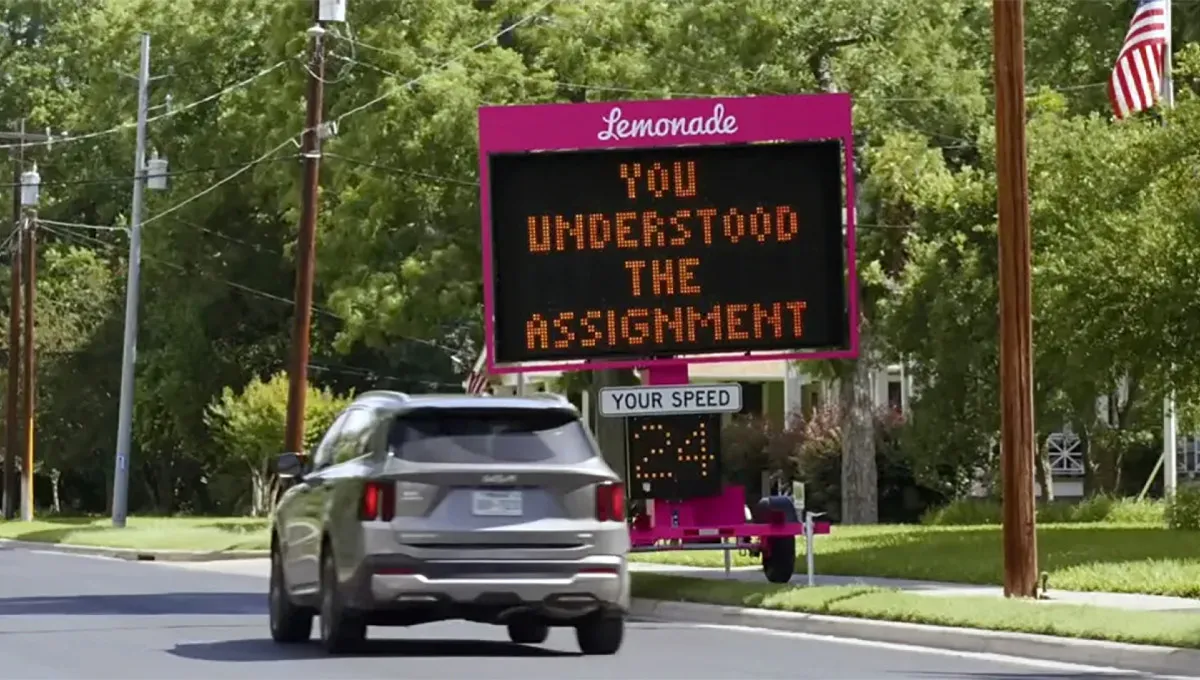
Drivers Are Seeing Strange Pink Signs on the Road—What They Say Is Surprising Everyone
A new roadside campaign uses personalized messages to praise safe drivers, offering a different approach to speeding warnings.
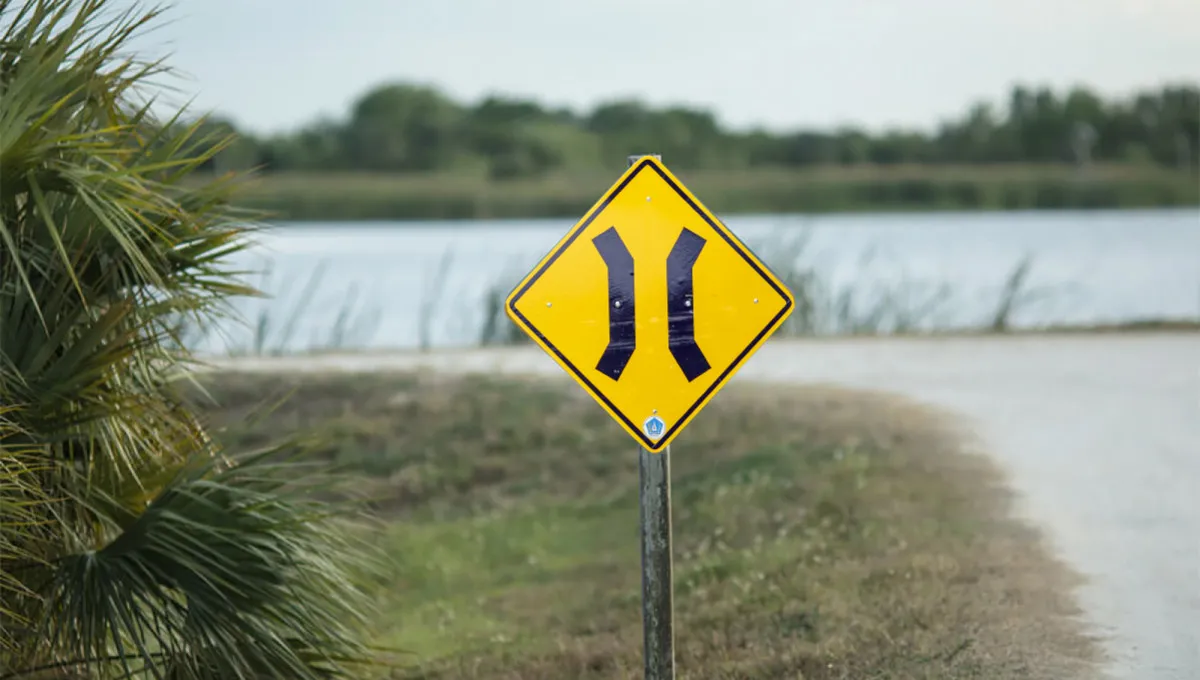
A BIZARRE road sign is giving some drivers major confusion at a key intersection
An unfamiliar yellow warning sign alerts drivers to narrow bridges where oncoming traffic can leave little room to maneuver.
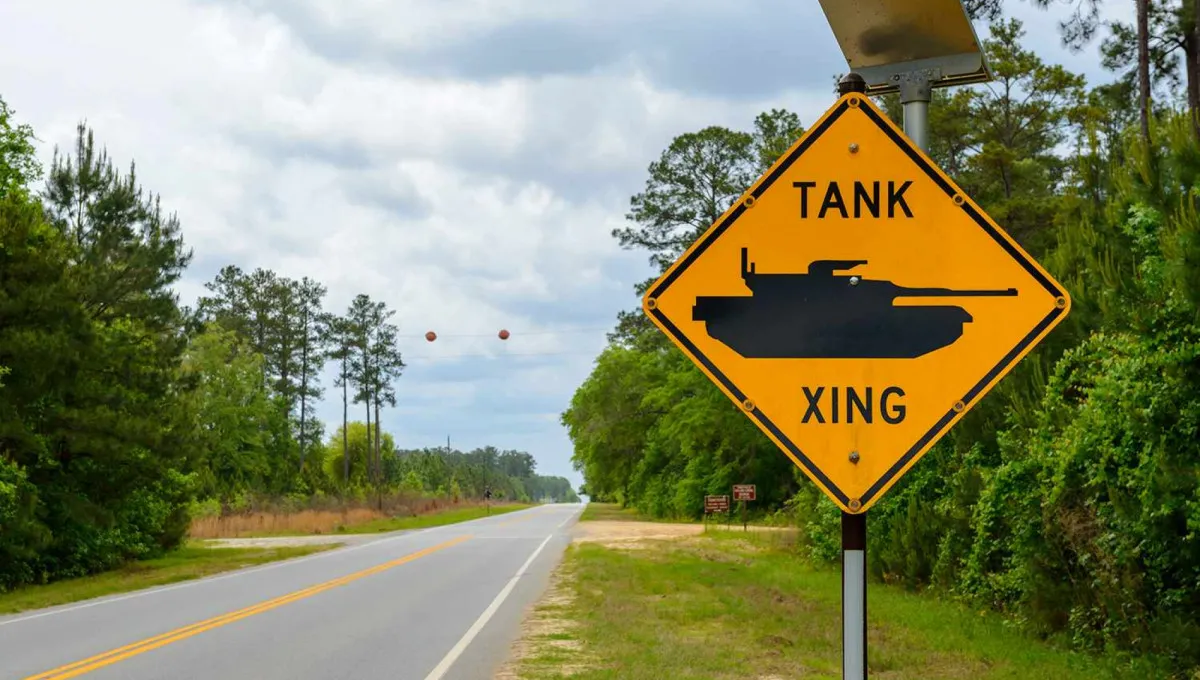
Tank Crossings, Duck Warnings and More: America’s Weirdest Road Signs Are Real
From tank crossings to duck warnings, America’s roads feature unusual signs that alert drivers to unexpected hazards.
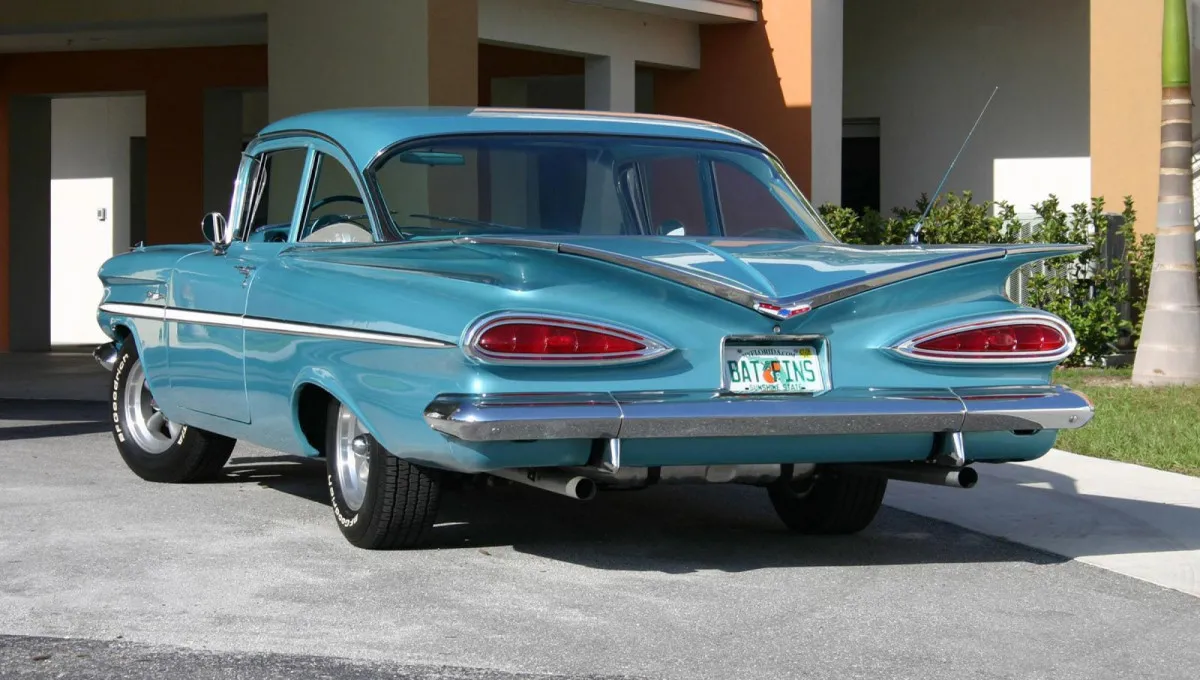
Elegance for Everyone: How Chevrolet Made Its 1960 Cars Stand Out
Chevrolet toned down its extravagant 1959 styling for 1960, bringing a more refined look to its affordable full-size cars.