
YouTube Has a New Problem: AI Is Creating Fake Mechanics Who Look Completely Real
Artificial intelligence is now being used to create convincing fake auto mechanics on YouTube, raising concerns about misleading advice.
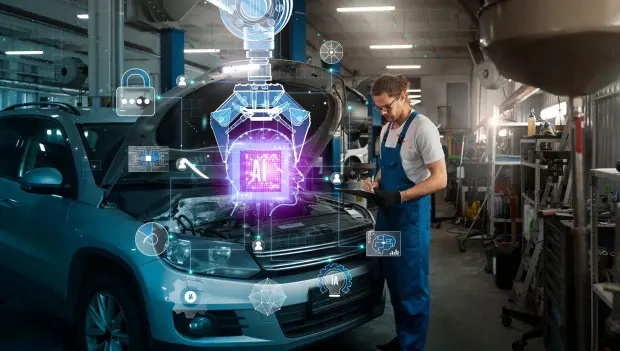
Artificial intelligence is now being used to create fake auto mechanics on YouTube. According to Australian automotive publication Drive, popular channels including Grayson Report and The Aussie Mechanic feature fictional hosts created with AI. The trend has raised concerns among car owners and automotive experts.
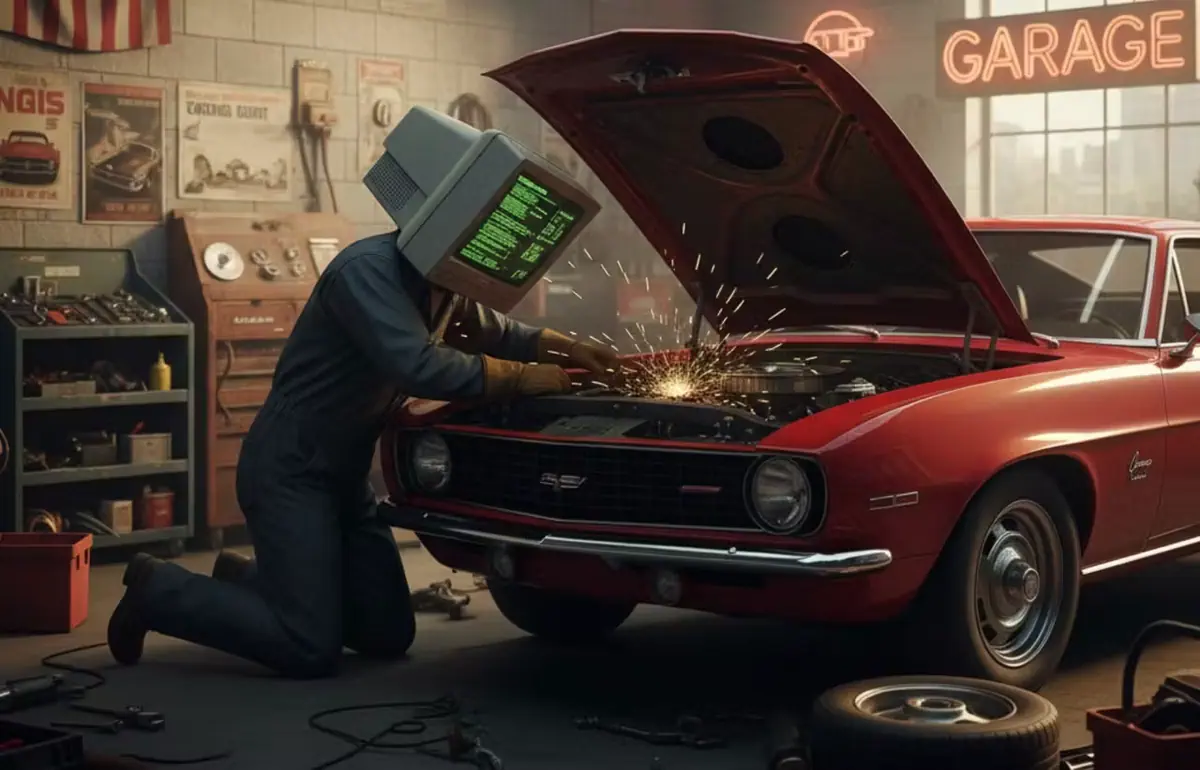
Fake Auto Mechanics: How AI Makes Them Look Real
One example is Grayson Report, which features a host named Liam Grayson who supposedly has years of experience working on pickup trucks. However, journalists found no evidence that he actually exists. Analysis of the videos suggests AI is being used to generate not only the host, but also the scripts and voices.
Despite that, the channel can look remarkably authentic to an average viewer.
Another example is The Aussie Mechanic, which has attracted millions of views. Its host, Greg Burke, also appears to be fictional. That raises concerns about the potential impact of AI-generated automotive content, particularly when viewers assume they are listening to a real mechanic with hands-on experience.
AI can produce remarkably convincing videos even when the information presented is incorrect. For example, videos from Grayson Report discussing the KGM Musso and Isuzu D-Max were found to contain factual errors. That makes it difficult for viewers to determine which information can actually be trusted.
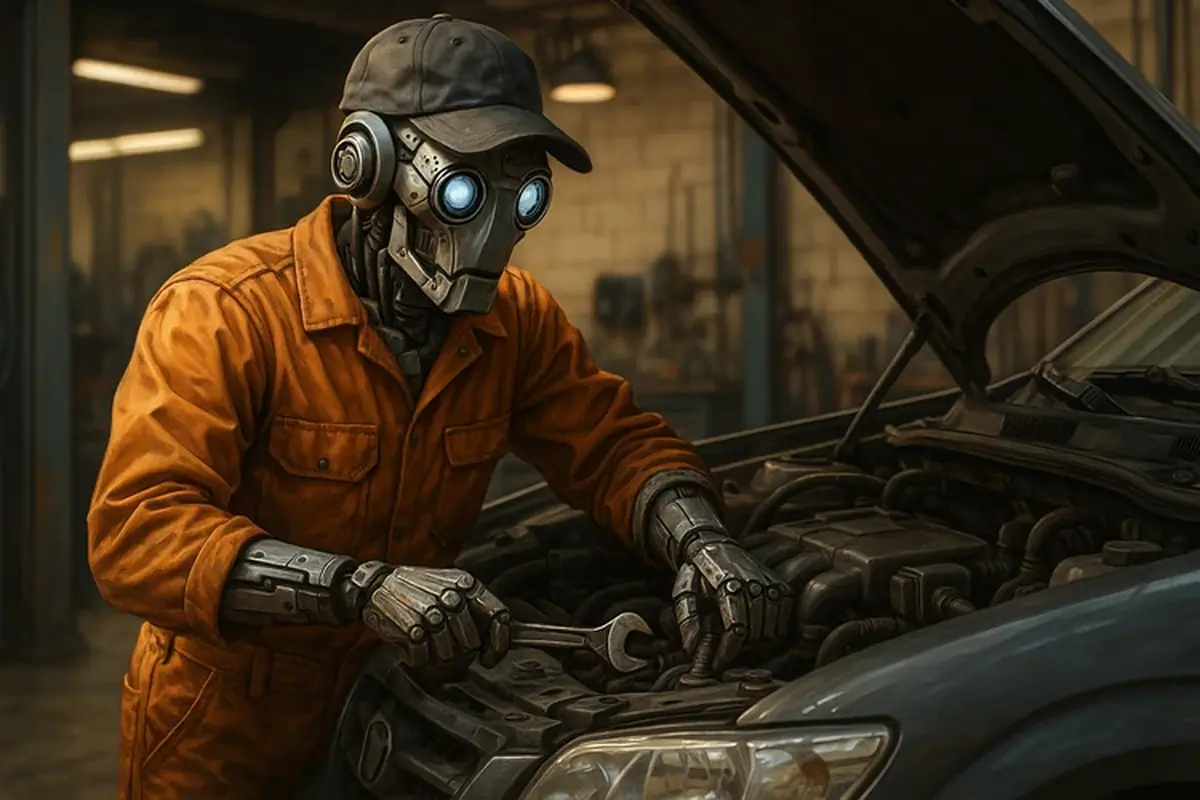
More Fake Experts Could Be Coming
As AI-generated video technology improves, more YouTube channels could create fictional experts who appear increasingly convincing. In some cases, they may even look and sound more polished than legitimate automotive professionals.
That could influence what consumers buy. A viewer who believes a fictional mechanic is offering genuine professional advice may make a vehicle purchase or maintenance decision based on inaccurate information.
The problem extends beyond individual buyers. Misleading automotive content could affect consumer confidence and make it harder for legitimate experts to establish credibility online.
For that reason, viewers should verify important claims using primary sources, manufacturer documentation and other reliable automotive publications before making a purchase or maintenance decision.
The rise of AI-generated automotive videos also points to a broader shift in automotive journalism. As the technology becomes more capable, distinguishing genuine experts from fictional personalities could become increasingly difficult.
AI-generated mechanics are creating a new challenge for the automotive industry and for anyone who turns to YouTube for vehicle advice. The videos may look and sound authentic, but that does not guarantee that the person on screen—or the information being presented—is real.
For drivers and car shoppers, checking important claims against manufacturer documentation and other reliable sources may become more important as AI-generated content continues to spread.
You may also be interested in the news:
Your Brakes Squeal Every Morning? Here’s When That Noise Is Normal—and When It Could Mean Trouble
That sharp brake squeal first thing in the morning is often harmless—but persistent noise can point to worn or damaged brake components.
7 Car Repairs Mechanics Secretly Hate Taking on — Here’s Why Shops Say “No”
A mechanic explains why some seemingly routine repairs can become expensive nightmares for both shops and car owners.
Why New Cars Are Ditching the Spare Tire — And What Drivers Get Instead
More new vehicles are replacing the spare tire with a compressor and sealant kit, and there are two practical reasons why.
How Oldsmobile Invented a Manual Gearbox for an Automatic
Long before paddle shifters and electronic driving modes, Oldsmobile found a clever mechanical way to let drivers shift an automatic transmission themselves.
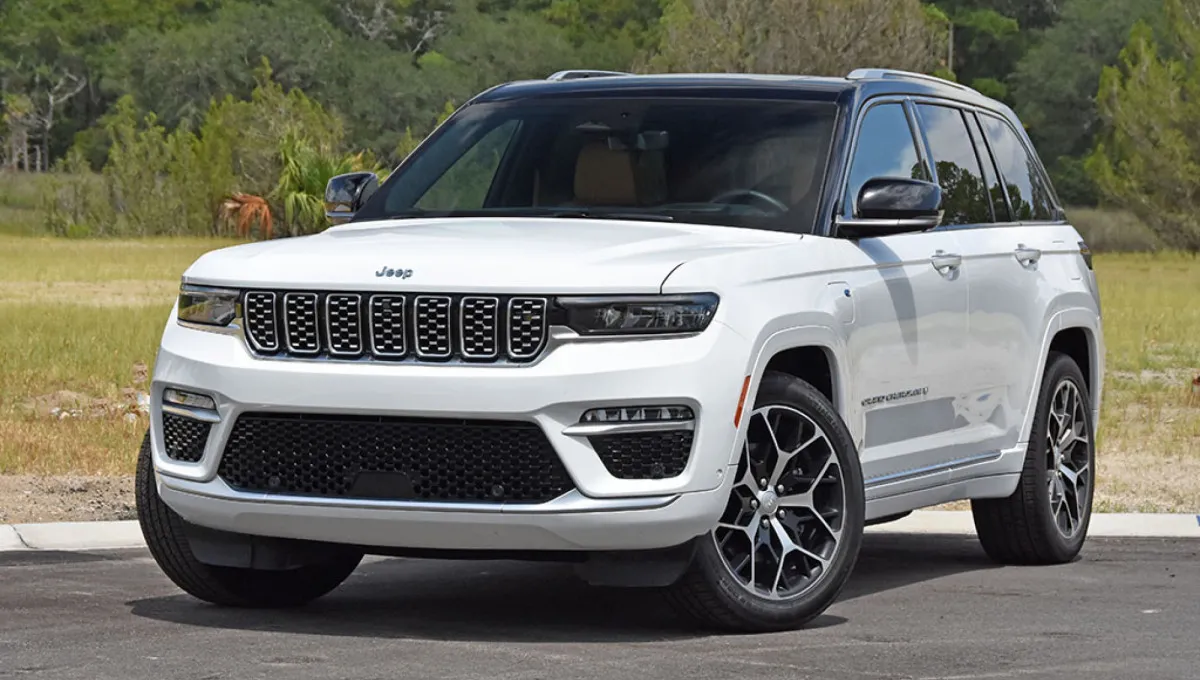
328,000 Jeep Grand Cherokees Recalled Over a Hidden Crash Risk — Owners Should Act Now
Chrysler is recalling more than 328,000 Jeep Grand Cherokees over a rear coil spring problem that could increase the risk of a crash.