
That Stuff in Your Trunk Is Costing You More Than You Think—Here’s What to Take Out
Carrying unnecessary cargo can quietly increase fuel use, accelerate wear and create an avoidable safety hazard for drivers and passengers.
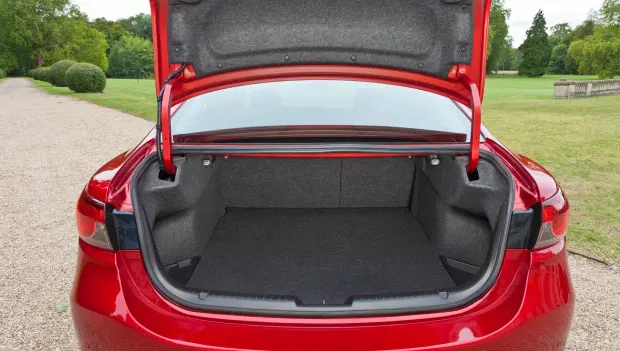
Experienced drivers have long understood a simple rule: the less weight a vehicle carries, the less fuel it generally needs. Even an extra 220 pounds of unnecessary cargo can increase fuel consumption, with the effect becoming more noticeable in stop-and-go city driving.
The difference may seem small on any single trip, but the extra weight adds up over thousands of miles.
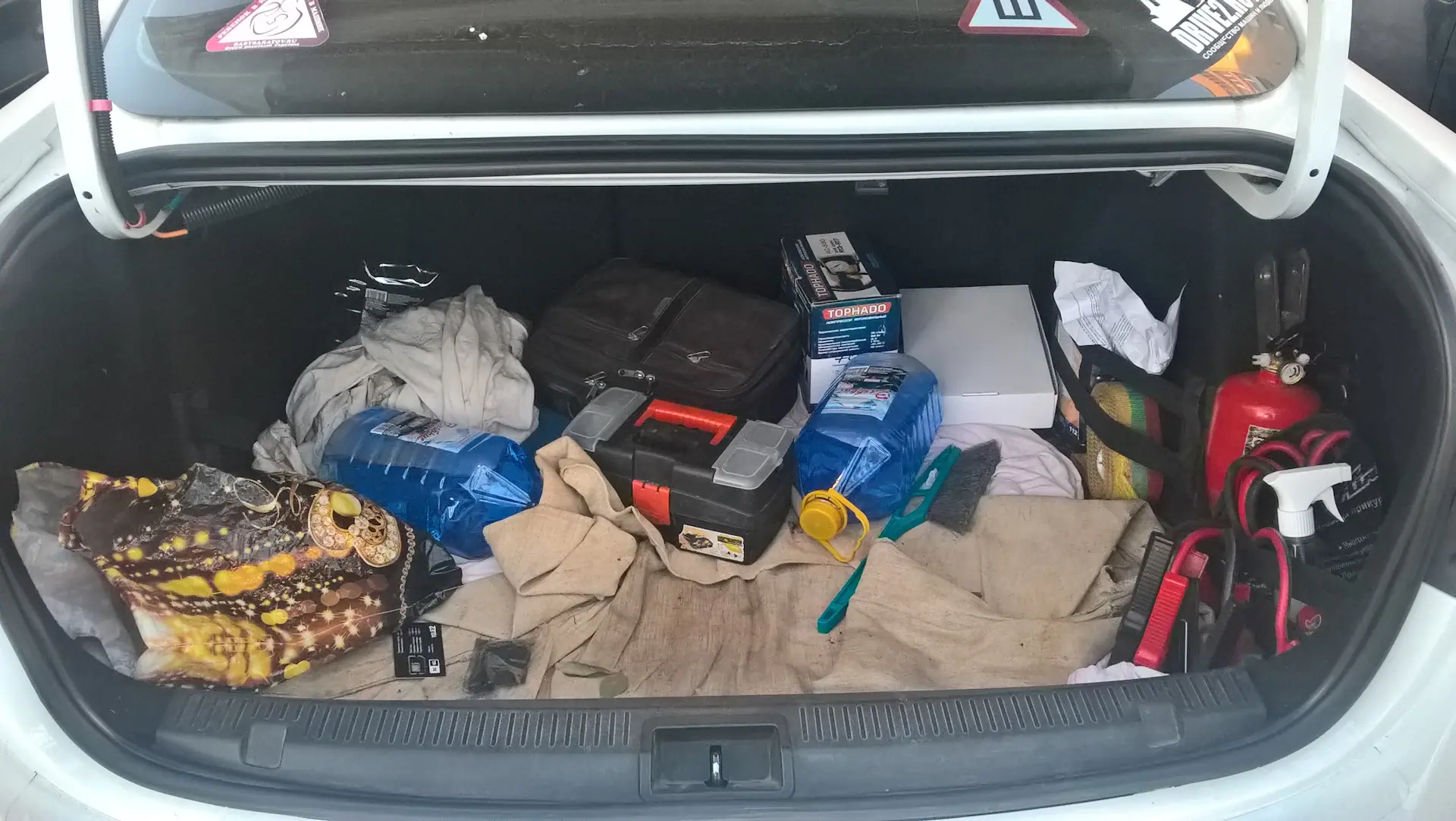
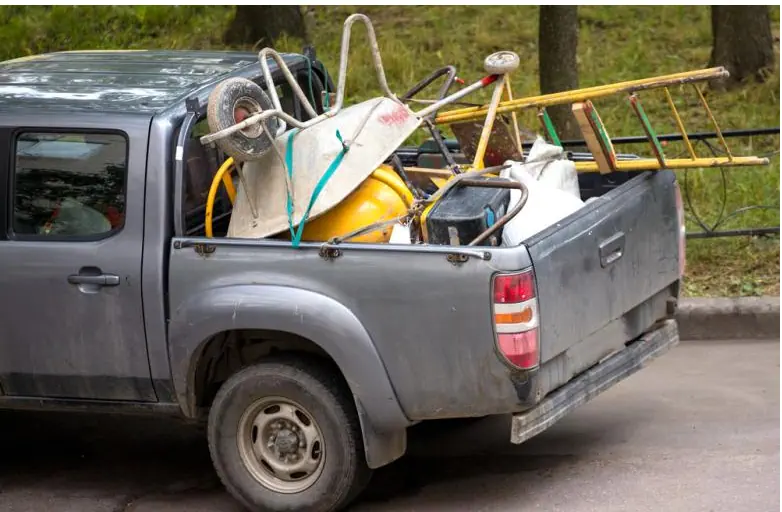
City driving makes the effect especially noticeable. A heavier vehicle requires more energy every time it accelerates away from a traffic light or stop sign. The impact is generally smaller at highway speeds, but it does not disappear completely. And if something prevents the trunk from closing properly or extends beyond the vehicle's body, aerodynamic drag can add another source of resistance.
What Are Drivers Carrying Around for No Reason?
Many trunks become storage areas for things that rarely get used. Common examples include:
- Toolboxes weighing 20 to 45 pounds
- Old tires
- Grills and camping equipment
- Cases of bottled water
- Extra jugs of windshield washer fluid
- Sports equipment
- Seasonal automotive parts
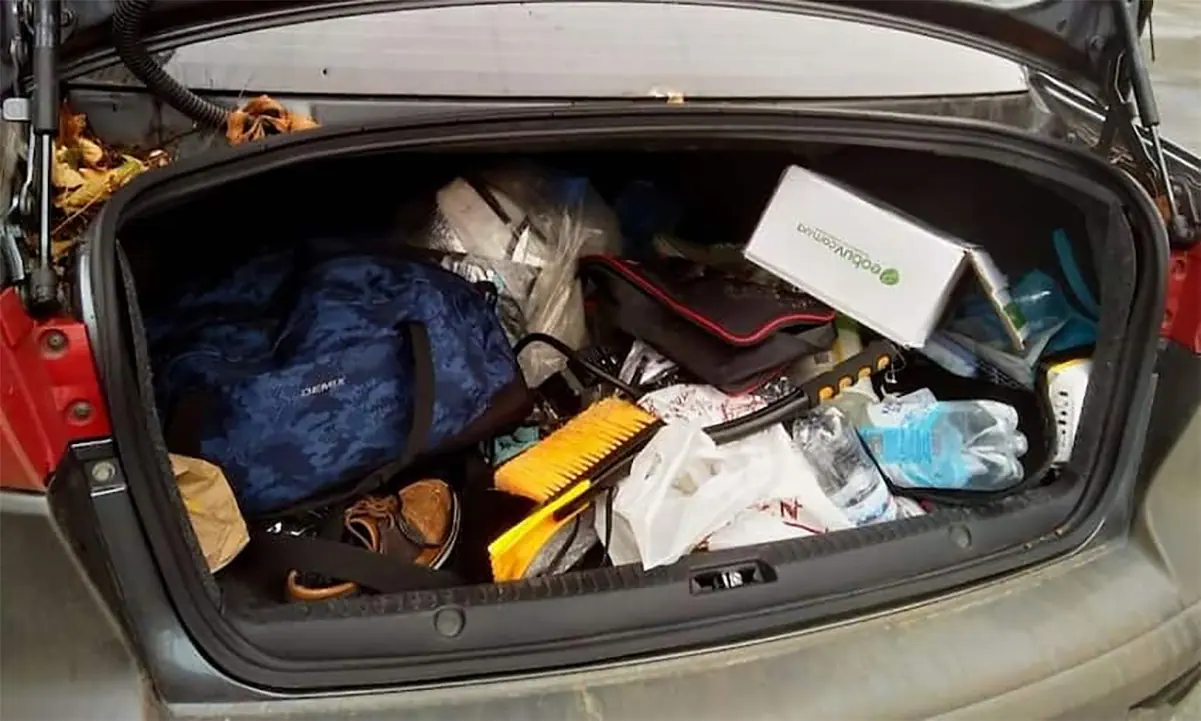
Some of these items can remain in a vehicle for months without being used. They also become a safety concern during a sudden stop or crash. An unsecured object in the trunk can move violently when the vehicle changes speed or direction.
Extra weight isn't only about fuel economy. A consistently overloaded vehicle puts additional demands on suspension components, including springs and shock absorbers. Braking performance can also be affected as vehicle weight increases, potentially increasing stopping distance.
Tire pressure matters, too. Driving on underinflated tires can increase rolling resistance and reduce fuel economy. Depending on the vehicle, tires and driving conditions, the effect can be noticeable over time.
A Simple Rule for Cleaning Out Your Trunk
A practical approach is to ask yourself one question: Have I used this item during the past month?
If the answer is no, there is a good chance it does not need to stay in the vehicle.
That doesn't mean the trunk should be completely empty. Drivers should carry the equipment appropriate for their vehicle and local requirements, such as a spare tire or tire-repair kit, a basic emergency kit, a first-aid kit, a flashlight and other essential roadside supplies.
The goal is to remove unnecessary cargo while keeping the items that could actually be useful during an emergency.
How Much Fuel Could You Save?
Even a small improvement in fuel economy can add up over a year.
For example, a vehicle averaging about 29 mpg and traveling roughly 9,300 miles per year would use around 320 gallons of fuel. A 2% reduction in fuel consumption would amount to approximately 6 gallons saved over that distance.
The actual savings will vary considerably depending on the vehicle, the amount of weight being carried, driving conditions and fuel economy.
Cleaning out the trunk won't transform a vehicle's fuel economy, but removing unnecessary cargo is an easy habit that costs nothing. It can also reduce the amount of loose equipment inside the vehicle and take some unnecessary load off components that deal with the vehicle's weight every day.
For drivers looking to cut everyday operating costs, the trunk is an easy place to start.
You may also be interested in the news:
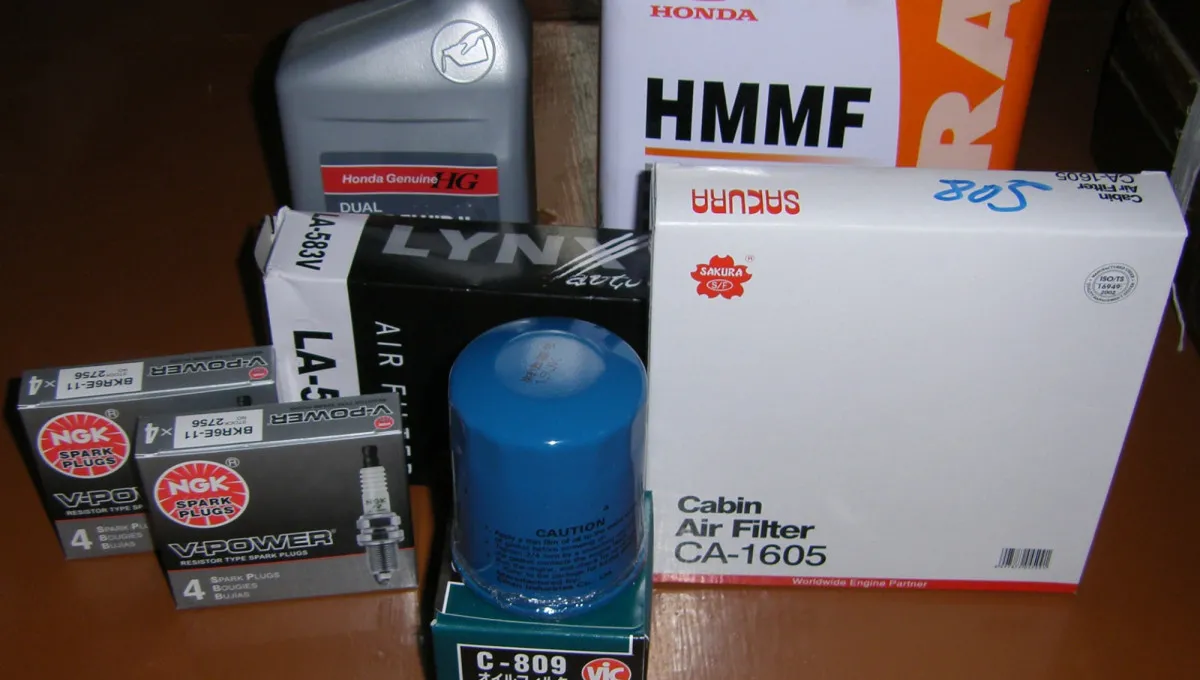
Changing Your Car’s Filters: How to Do Basic Maintenance Yourself Without Damaging the Engine
Changing the oil, engine air filter and cabin air filter yourself can save money, but small mistakes can cause expensive problems.
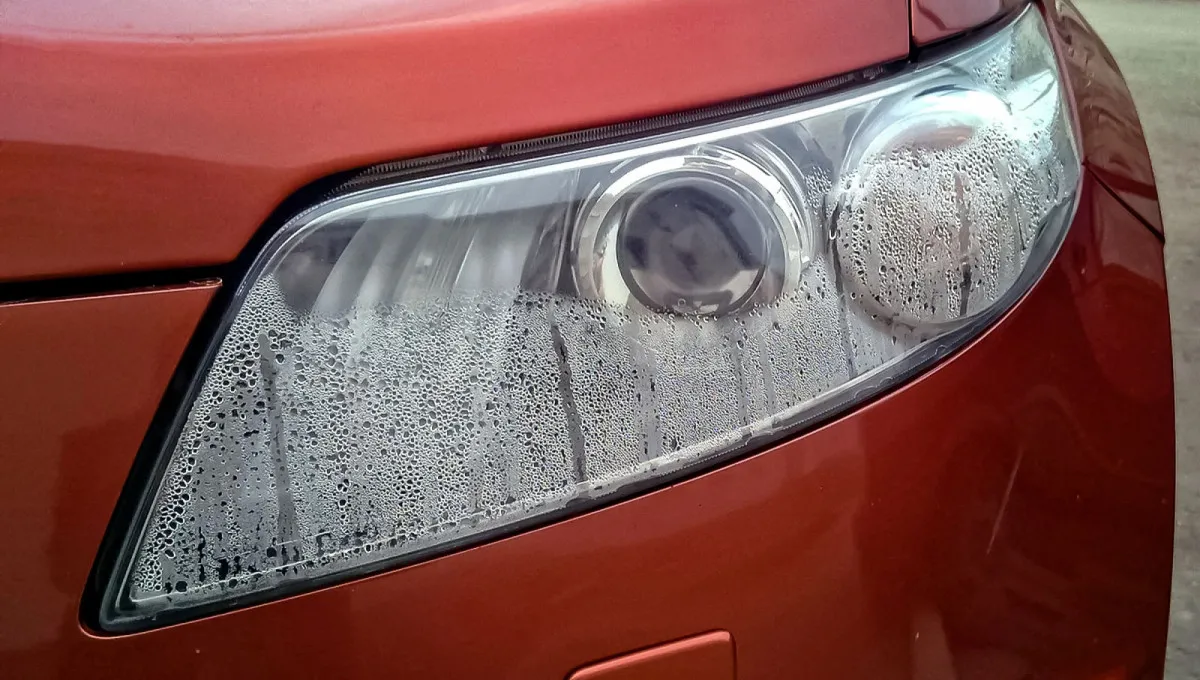
Your Headlights Are Fogging Up for a Reason: 4 Causes and 5 Steps to Fix Them
Foggy headlights are not always a sign of damage, but persistent condensation can point to a problem that needs attention.
Why Is Your Car’s Suspension Making a Knocking Noise? 5 Symptoms Every Driver Should Know
Five common suspension noises can point to specific problems, helping drivers narrow the cause before inspection.
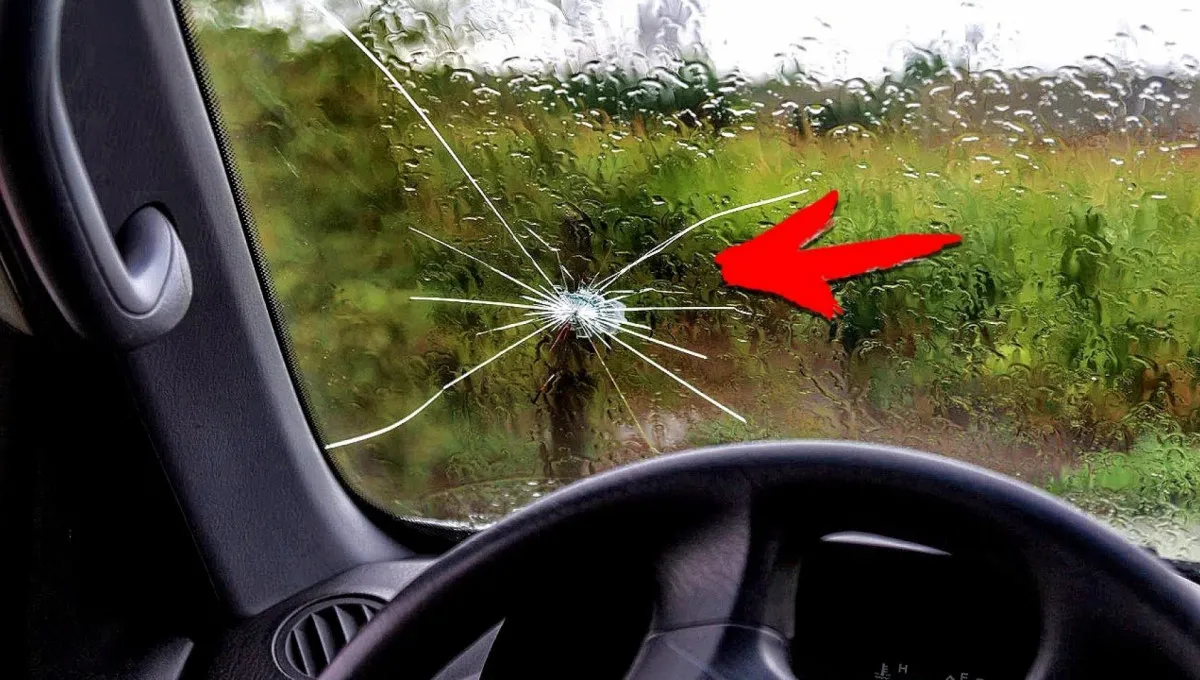
How to Protect Your Windshield From Flying Rocks: This Simple Trick Could Save You From Replacing It
Keep your distance, slow down and repair chips quickly to help prevent small windshield damage from becoming costly cracks.
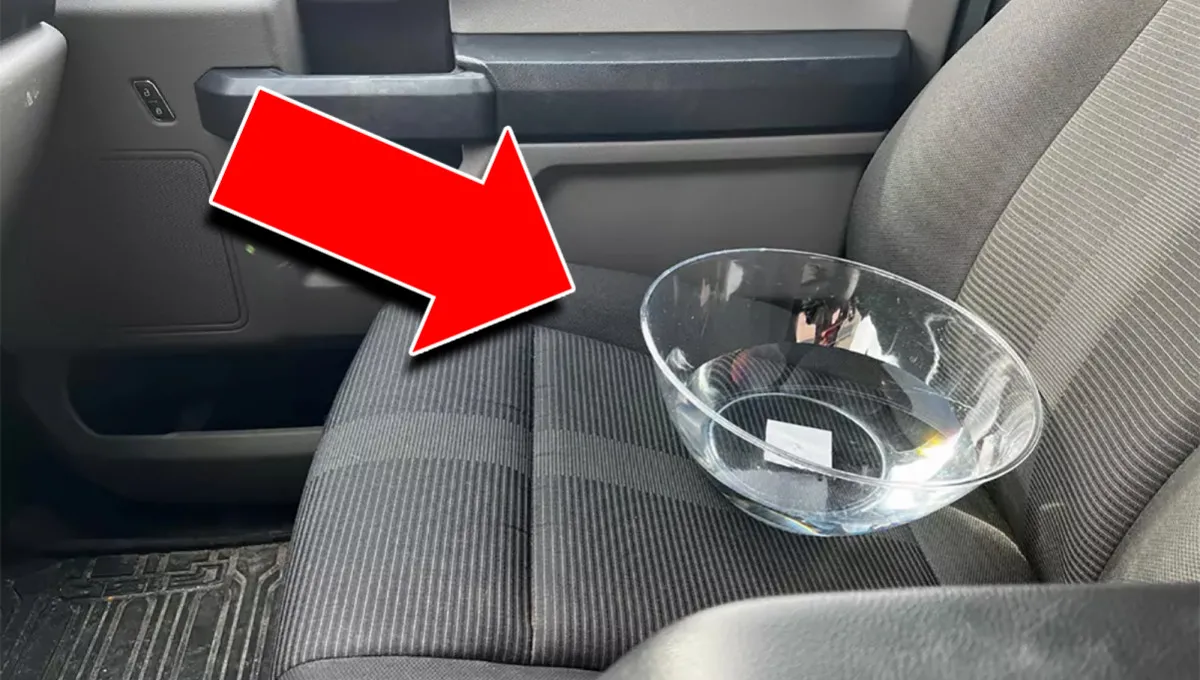
Why Are Drivers Putting a Bowl of Water in Their Cars? The Strange Fuel-Saving Trick Explained
Experts suggest several unconventional ways to cut fuel costs, from a bowl on the passenger seat to a lighter trunk.