
Why U.S. Cops Always Hide Behind Car Doors
In Hollywood movies, police officers often duck behind their car doors during shootouts. As it turns out, that cinematic cliché is actually rooted in reality.
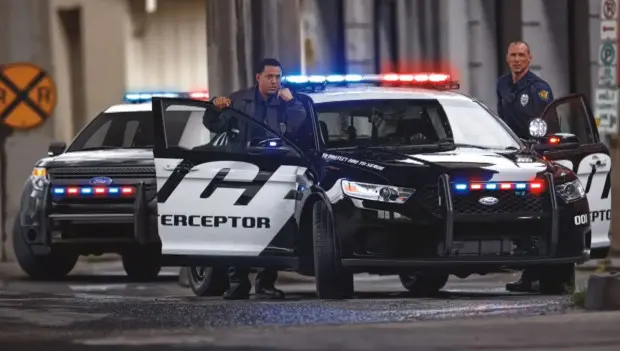
In Hollywood films, police officers routinely take cover behind their car doors in the middle of a gunfight. Far from being a made-up movie trick, it’s something real cops actually do. The obvious question is: why? After all, a standard car door is made of thin sheet metal that can’t stop a bullet — not from a rifle, and not even from a handgun.
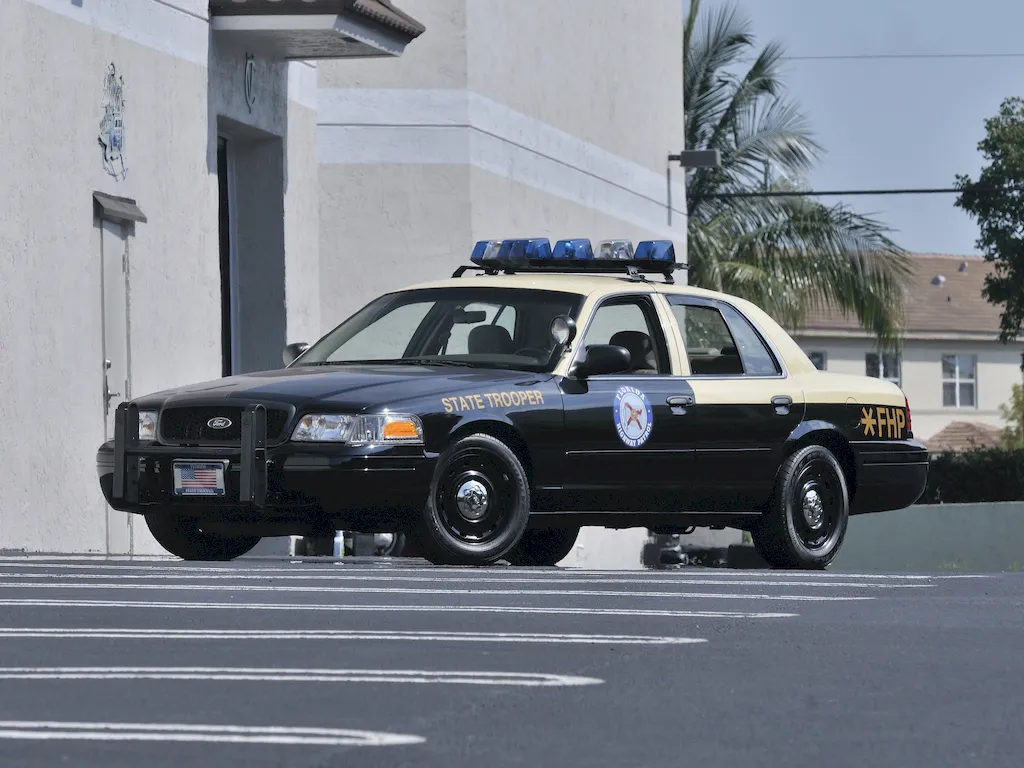
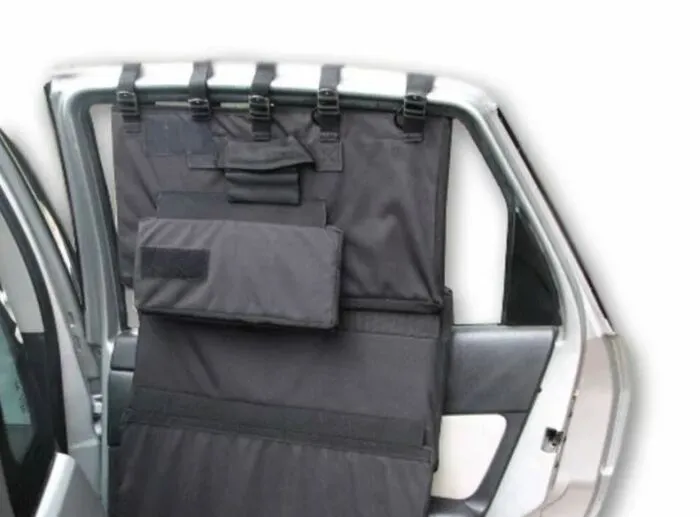
The answer depends on the vehicle. A regular car door offers little protection — even birdshot could likely punch through it. A 9mm round will almost certainly pass through the door and cabin. But not every U.S. police cruiser is “regular.” Today, most patrol cars come equipped with one or more ballistic panels inside the doors. These are usually rated at Level II protection and can stop rounds up to 7.62mm.
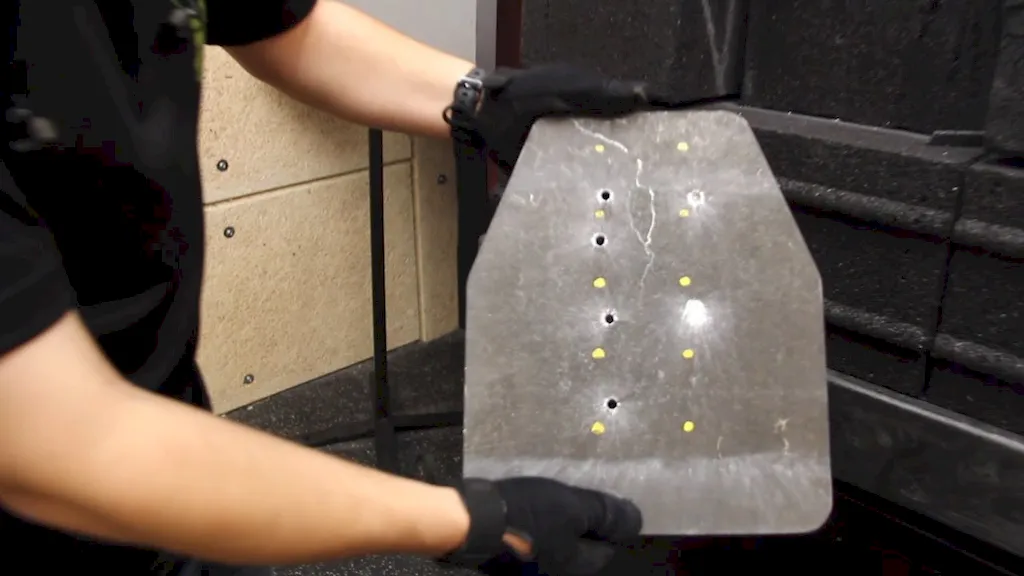
Ballistic inserts in cruiser doors aren’t exactly new, though. Some sources say the first armored patrol cars in the U.S. didn’t appear until the early 2010s. And even today, smaller departments often rely on older vehicles without any bullet-resistant upgrades. That’s why, in a firefight, officers will sometimes drape a spare bulletproof vest over the car door window. It’s no substitute for a built-in ballistic plate, but it’s better than nothing.
The door also serves another purpose: stability. Officers can rest their arms on it to hold a position and keep their sights trained on a sector for several minutes, rather than firing hastily. Standing by the door also gives them the option to drop behind the vehicle for at least partial cover — not full protection, but enough to improve their odds thanks to deflection or ricochet.
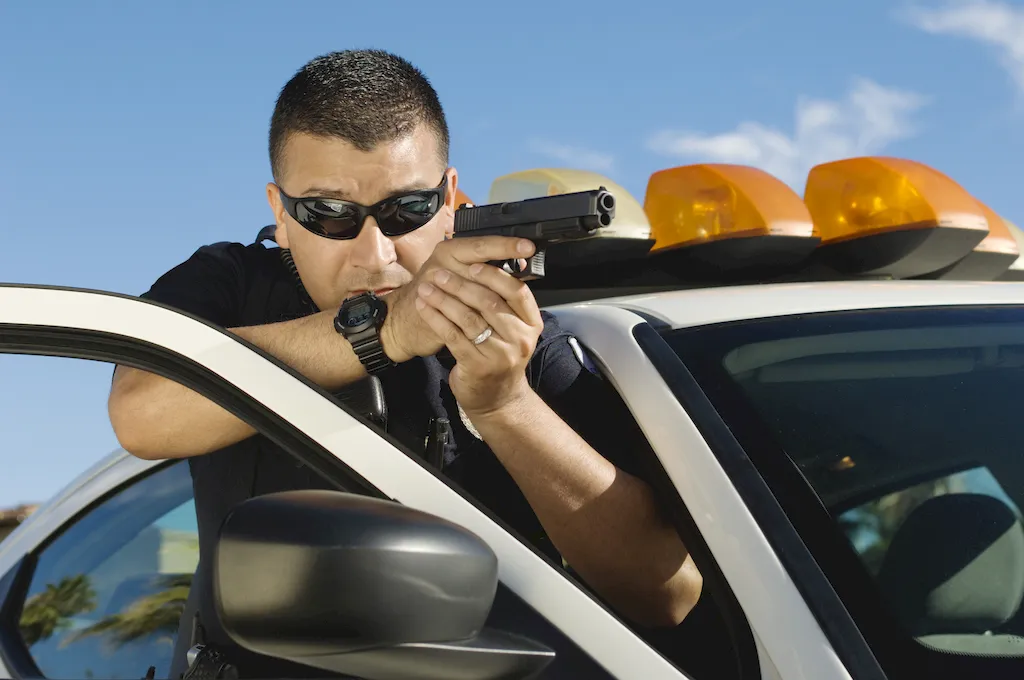
Finally, there’s a practical advantage. By staying near the door, an officer keeps the option to jump back behind the wheel and give chase if the situation suddenly changes. And this tactic isn’t unique to the U.S. — police officers around the world use it the same way.
You may also be interested in the news:
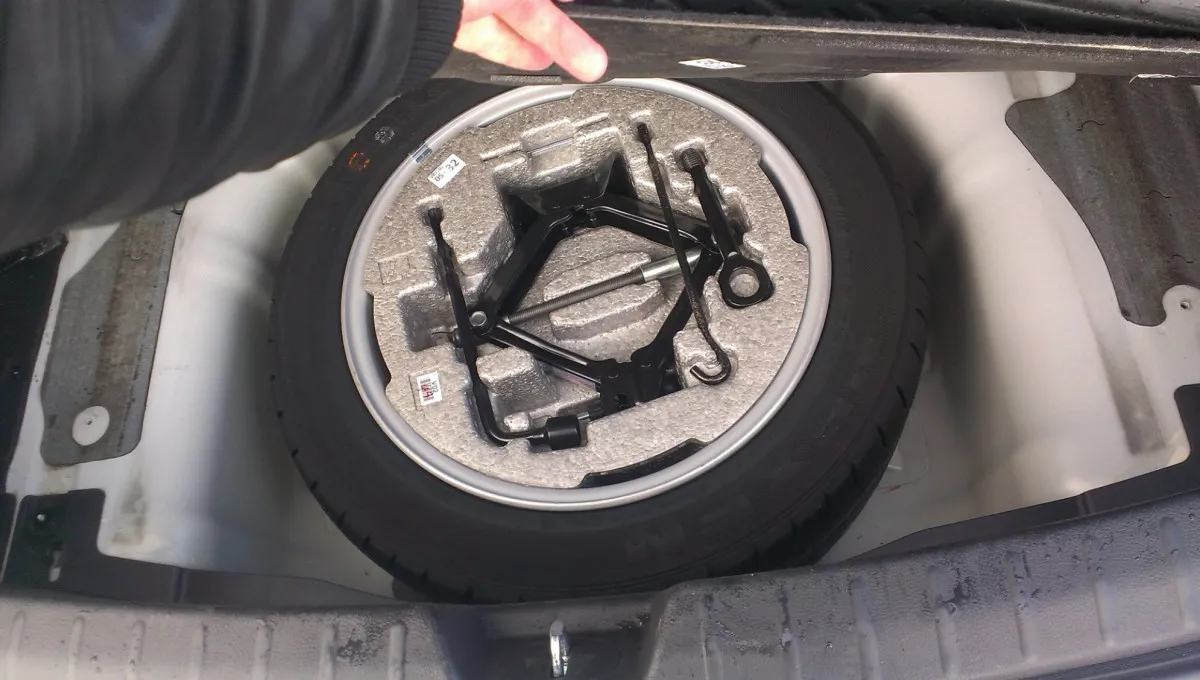
Why New Cars Are Ditching the Spare Tire — And What Drivers Get Instead
More new vehicles are replacing the spare tire with a compressor and sealant kit, and there are two practical reasons why.
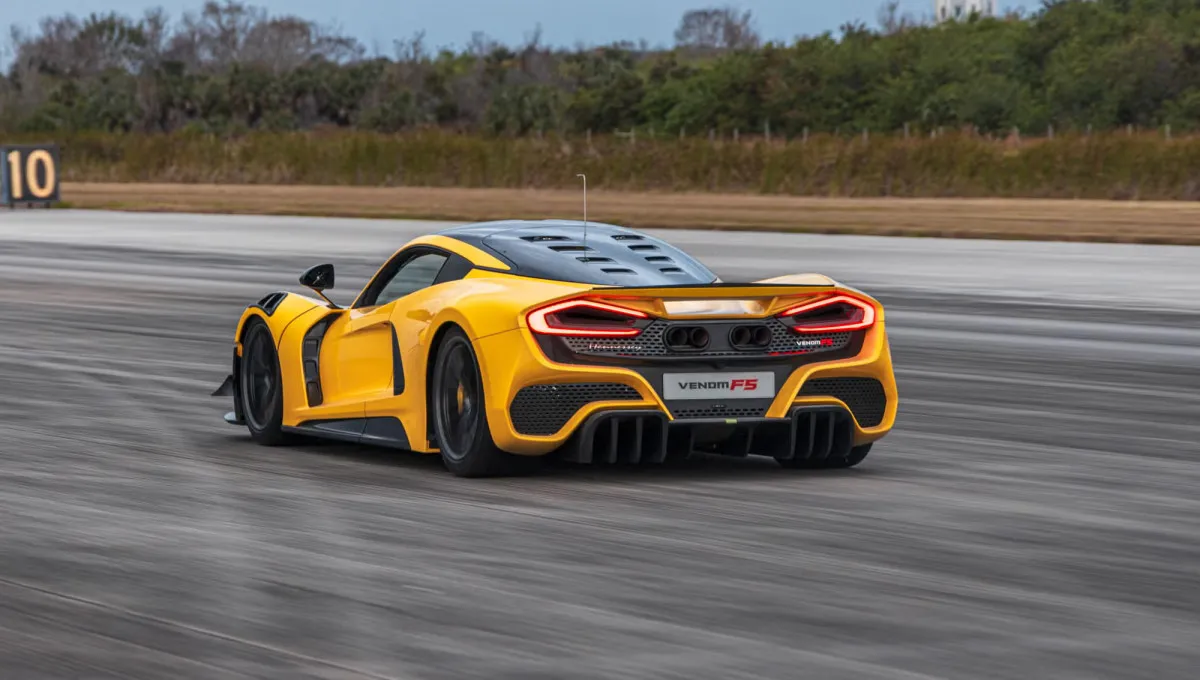
Experts Name the Two Most Powerful Production Sports Cars in the U.S.
American sports cars continue to impress with their horsepower, speed and innovative engineering, with two models standing above the rest.
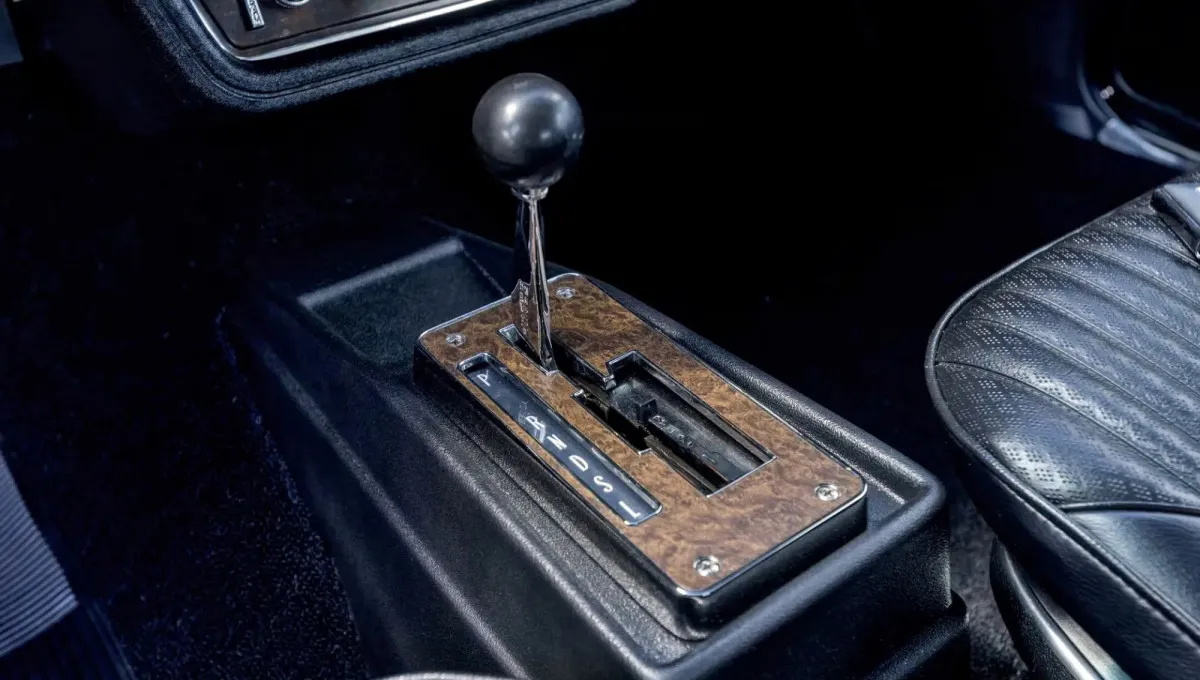
How Oldsmobile Invented a Manual Gearbox for an Automatic
Long before paddle shifters and electronic driving modes, Oldsmobile found a clever mechanical way to let drivers shift an automatic transmission themselves.
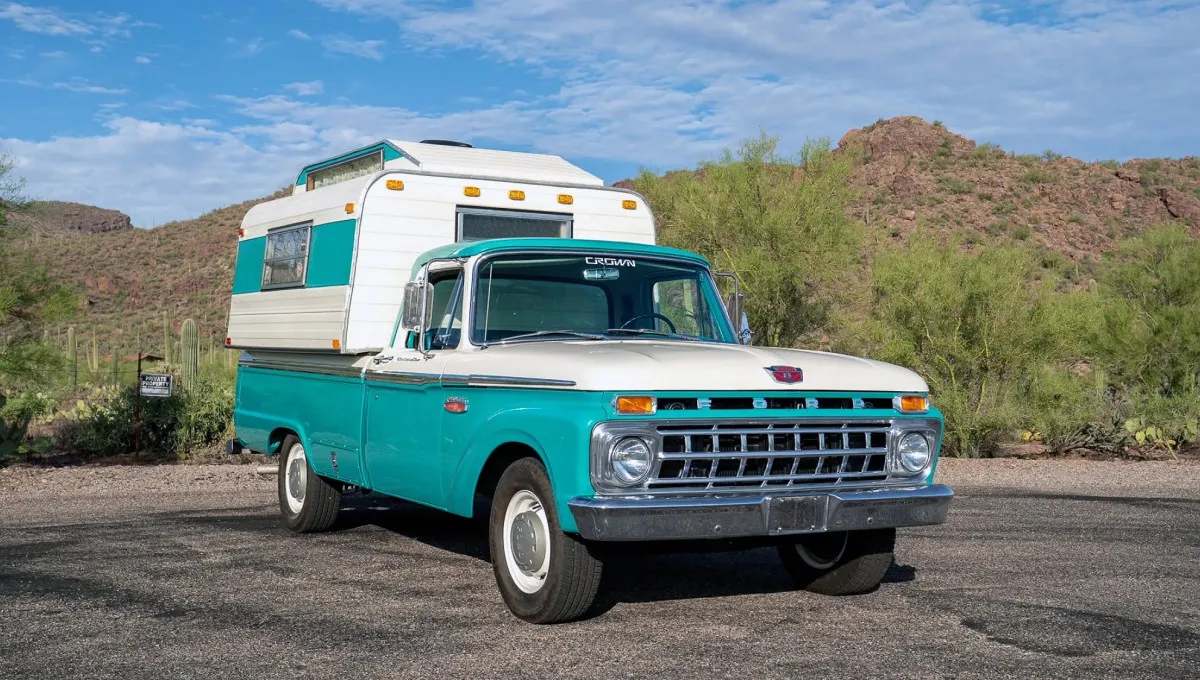
This 1965 Ford F-250 With a Mitchell & Sons Camper Is a Charming Retro Travel Companion
The 1965 Ford F-250 and Mitchell & Sons camper share colors, period styling, and compatibility.
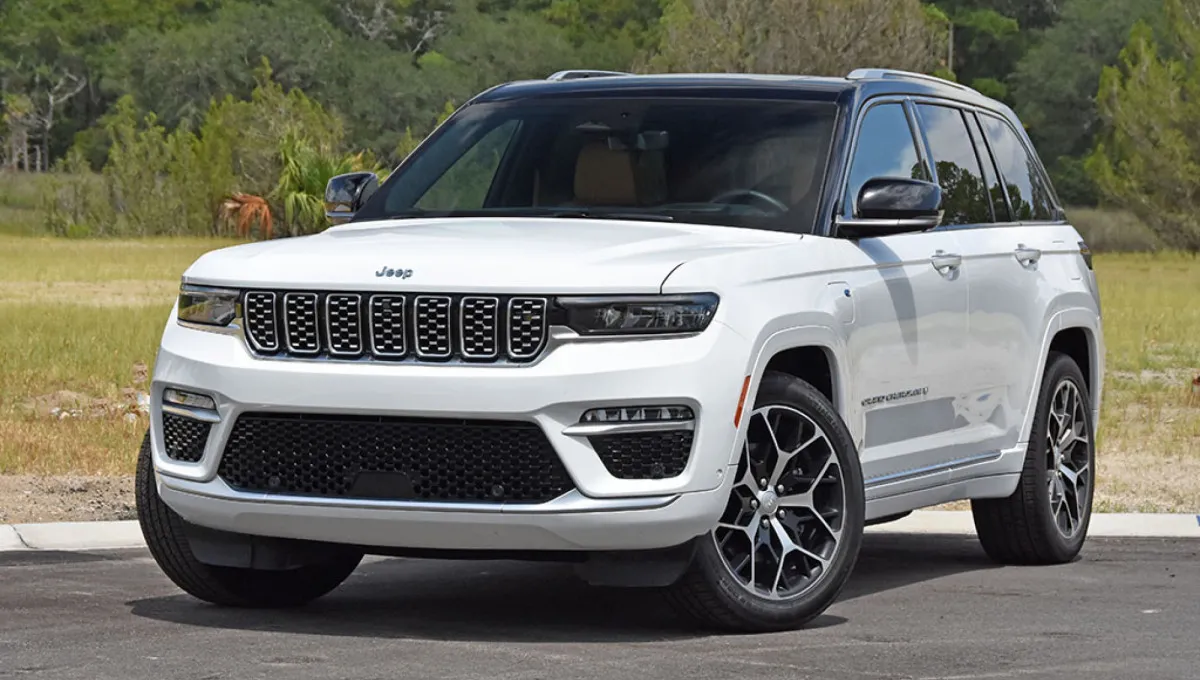
328,000 Jeep Grand Cherokees Recalled Over a Hidden Crash Risk — Owners Should Act Now
Chrysler is recalling more than 328,000 Jeep Grand Cherokees over a rear coil spring problem that could increase the risk of a crash.