
Hypercars That Never Made It to Production: Cars That Deserved Better
Not every car that inspires engineers and fans alike—and draws crowds at auto shows—ever makes it to the assembly line.
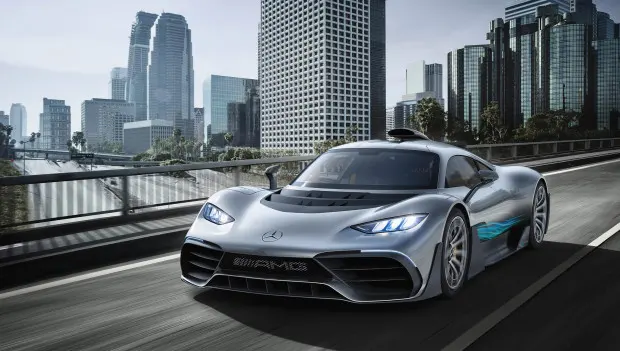
A hypercar represents the boldest engineering ideas, a symbol of prestige and innovation. Yet not every such vehicle, despite captivating enthusiasts and dazzling crowds at auto shows, survives long enough to reach production. Some exclusive machines were ultimately abandoned for a variety of reasons, never entering mass or even limited-series manufacturing.
An Electric Ghost from the Future That Never Was — Jaguar C-X75
Jaguar unveiled what looked like a true car of the future in 2010: the Jaguar C-X75. It was a hybrid hypercar equipped with four electric motors and two diesel micro gas-turbine generators.
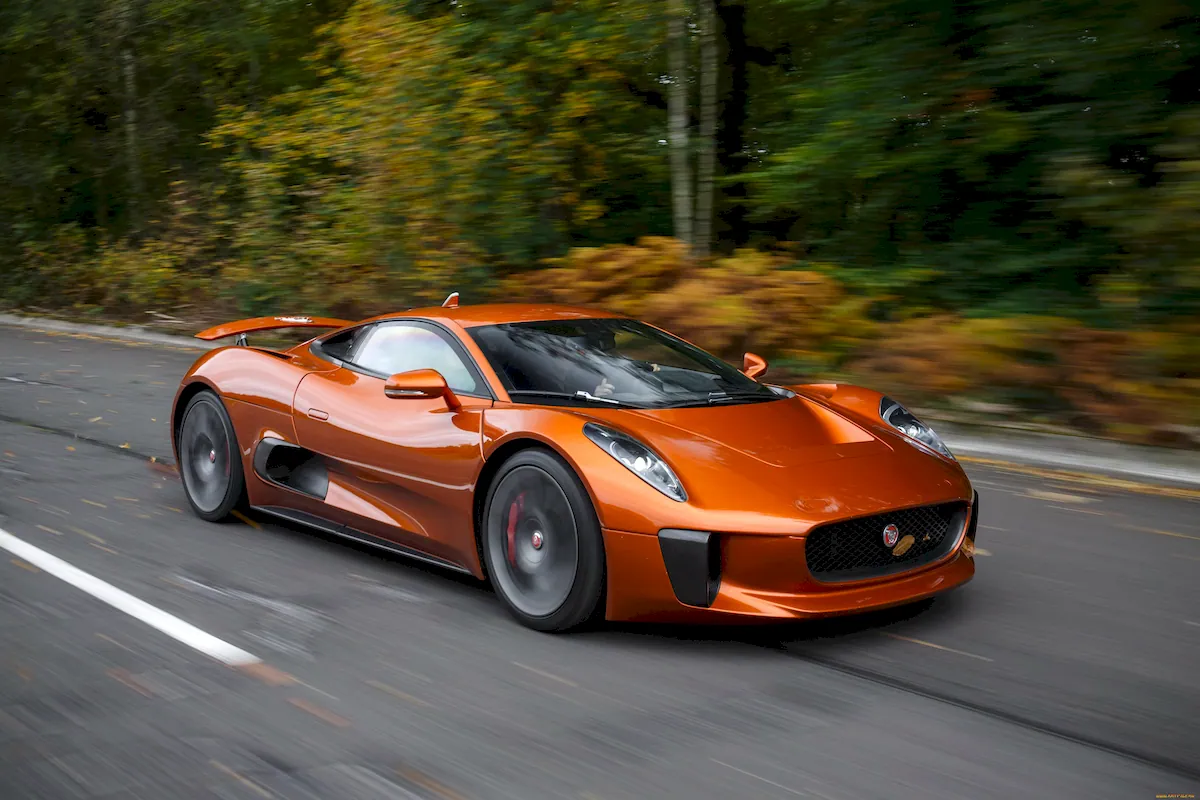
The concept relied on electric motors for instant torque, while the turbines recharged the batteries to extend driving range. Total output was close to 900 horsepower.
The C-X75 was slated to enter production in 2013, but the project was canceled in late 2012 due to financial constraints. Bringing its ambitious technologies to market proved prohibitively expensive.
The Jaguar C-X75 can rightly be called one of the most technologically ambitious yet unrealized hypercars in history. Still, its ideas were not lost: several elements later influenced hybrid technologies used in other Jaguar models.
A Track Beast Not Meant for the Street — Bugatti Bolide
When it debuted in 2020, the Bugatti Bolide looked like a Formula 1 car wrapped in the body of a traditional hypercar. It featured massive air intakes, a minimalist interior, a carbon-fiber monocoque, and a W16 engine producing more than 1,800 horsepower.
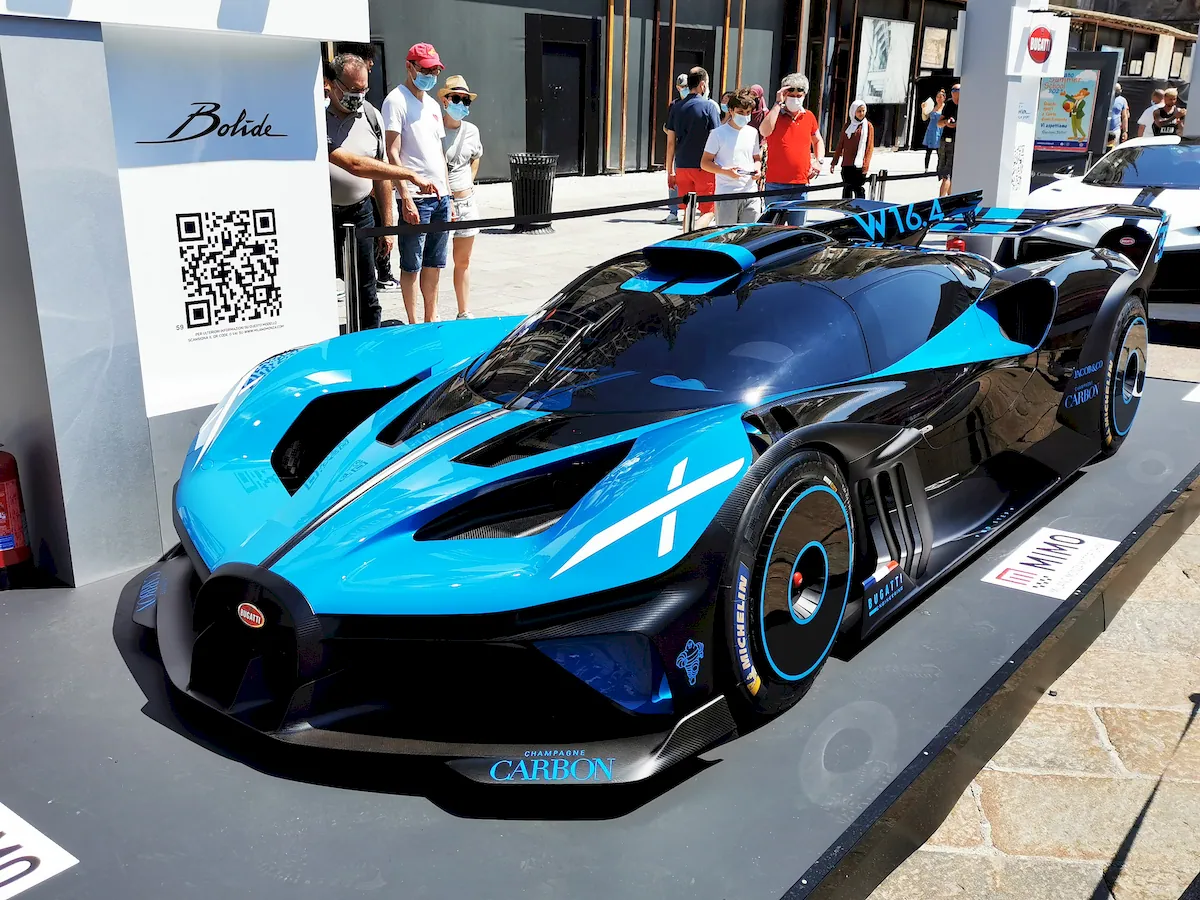
Originally conceived strictly as a track-only machine, the Bolide was never intended for public roads. In 2021, Bugatti announced a limited production run. Just 40 units were built, all of which were sold before the car’s official premiere. Production ended there.
The Bugatti Bolide remains a technically stunning project—created exclusively for closed circuits, not everyday driving.
One of the Most Anticipated Hypercars of the Decade — Mercedes-AMG One
The two-seat Mercedes-AMG One uses a powertrain derived directly from Formula 1, combining a turbocharged engine with electric motors operating at extremely high revs.
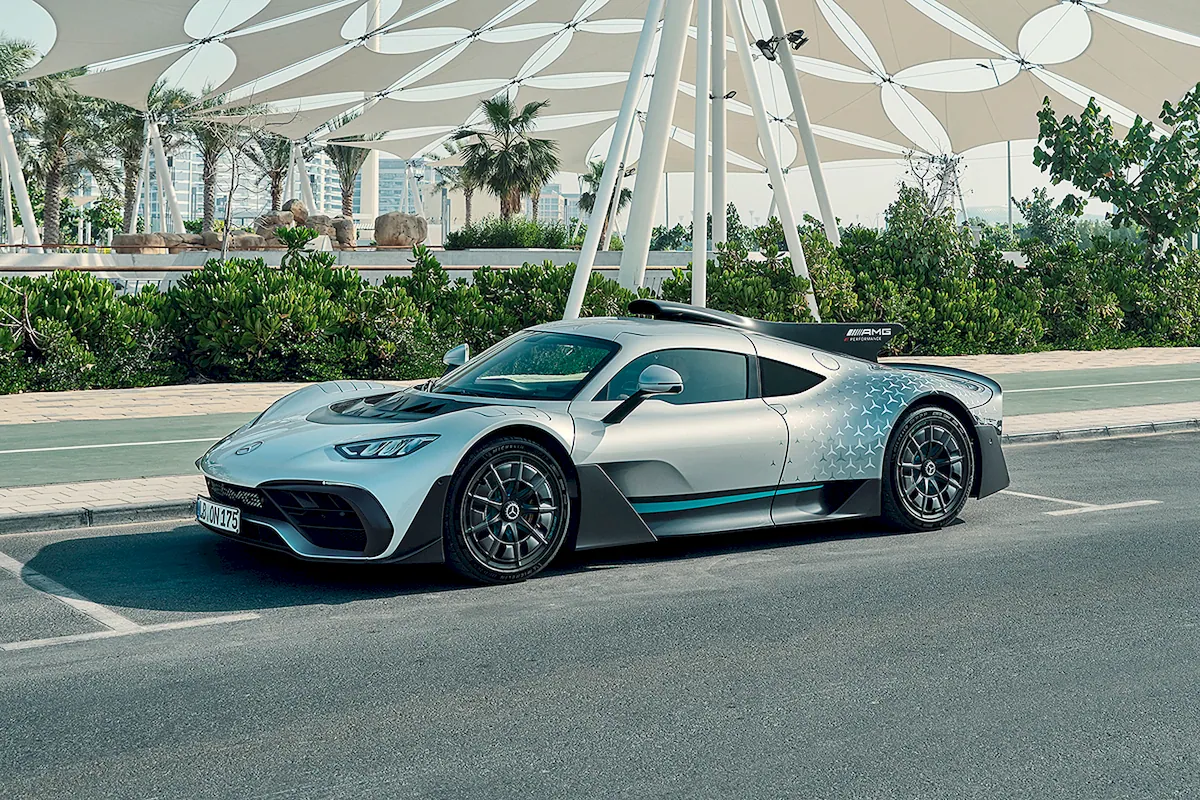
Unveiled in 2017, the car was initially scheduled for production in 2019. That timeline slipped due to a host of legal and technical challenges.
First, the car had to meet emissions regulations without sacrificing performance. Second, the high-revving engine proved unstable at idle. Engineers also struggled with calibrating the bespoke transmission.
Only in 2022 did the first Mercedes-AMG One units reach customers, significantly simplified to make the car usable on public roads. Three years later, most of these hypercars were recalled due to a defect that could lead to a fire.
As a result, the Mercedes-AMG One never became the car originally promised. Its pure, original concept never reached full production in its intended form, making it more of a museum piece than a vehicle for regular use.
A Farewell Bow — Koenigsegg Agera Final
The Koenigsegg Agera Final was produced in an ultra-short run of just three hypercars. Presented as the ultimate evolution of the Agera line, it combined the best solutions from previous versions, including revised suspension and aerodynamics. Power output reached 1,360 horsepower.
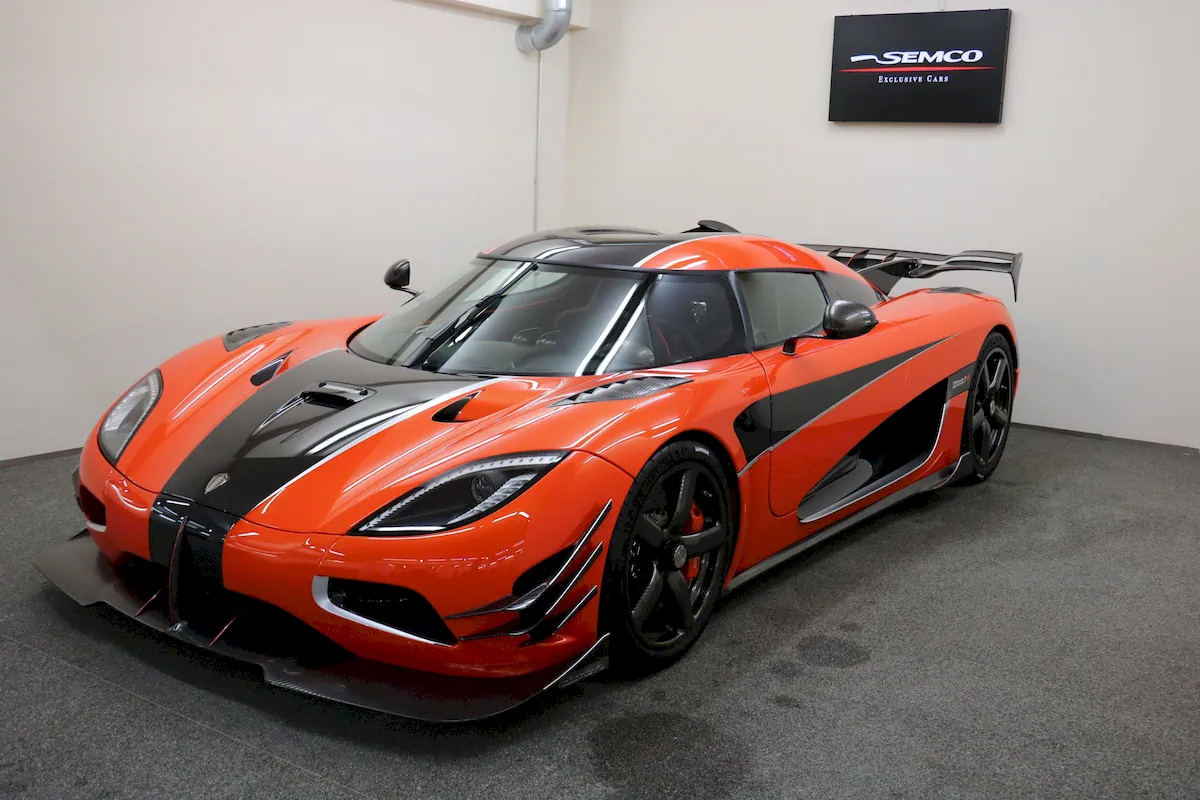
Despite expectations, there was no true production run, as Koenigsegg shifted its focus to a new project. Selling an “old” model—even in an improved form—was deemed impractical.
The Agera Final illustrates how blurred the lines can be between a concept car, a limited series, and one-off builds. Never officially canceled, it nevertheless never became a standalone production model.
A Track Monster Left in the Hangar — Aston Martin Valkyrie AMR Pro
Based on the already highly advanced Aston Martin Valkyrie, the AMR Pro was envisioned as an even more radical track-only version. It was stripped of anything that hindered performance, including air conditioning and infotainment systems, and featured a lightweight design with output exceeding 1,100 horsepower.
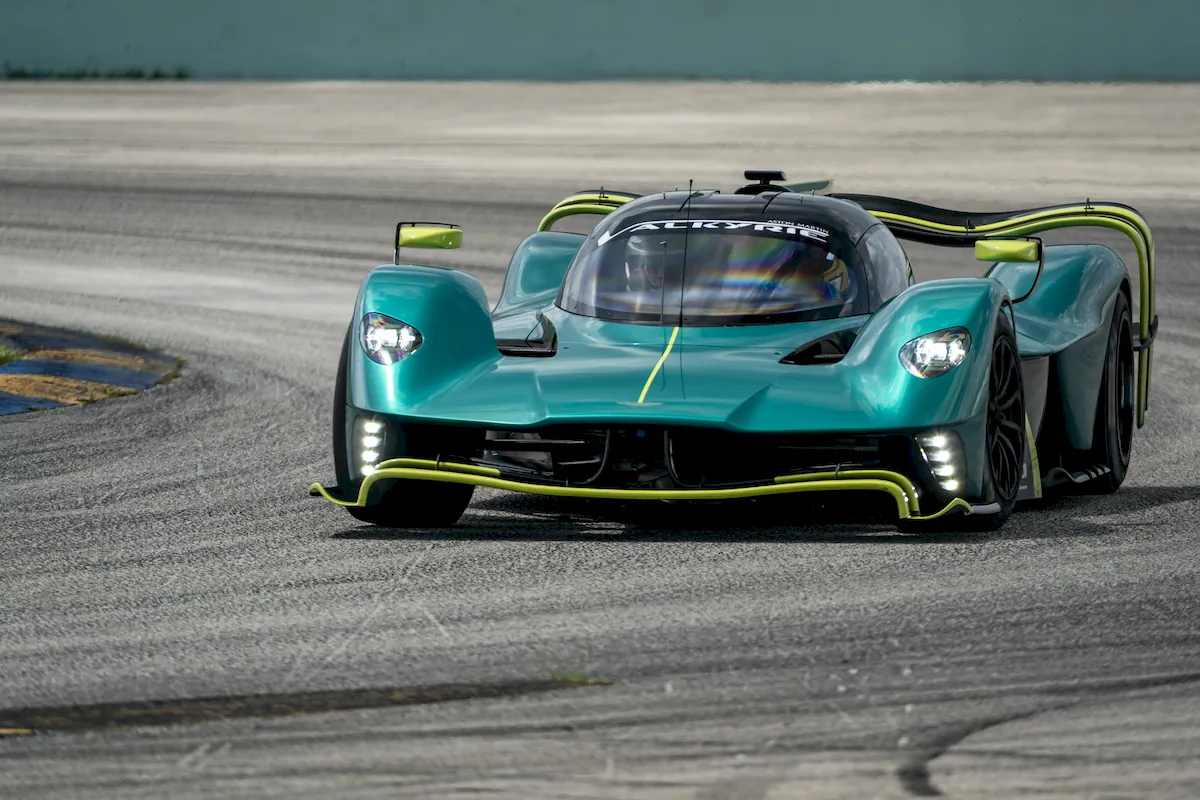
However, this extreme approach ultimately made full-scale production impractical. Between 2021 and 2024, just 40 units were built.
The AMR Pro proved too extreme even for Aston Martin itself—a car designed for racing more on paper than in real-world use.
A Japanese Dream Lost in Time — Infiniti Emerg-E
Infiniti unveiled the Emerg-E concept in 2012, a hybrid vehicle powered by two electric motors and a small gasoline engine acting as a generator. Total output stood at 402 horsepower. The car demonstrated that Japanese automakers were also capable of creating exclusive, forward-looking models.
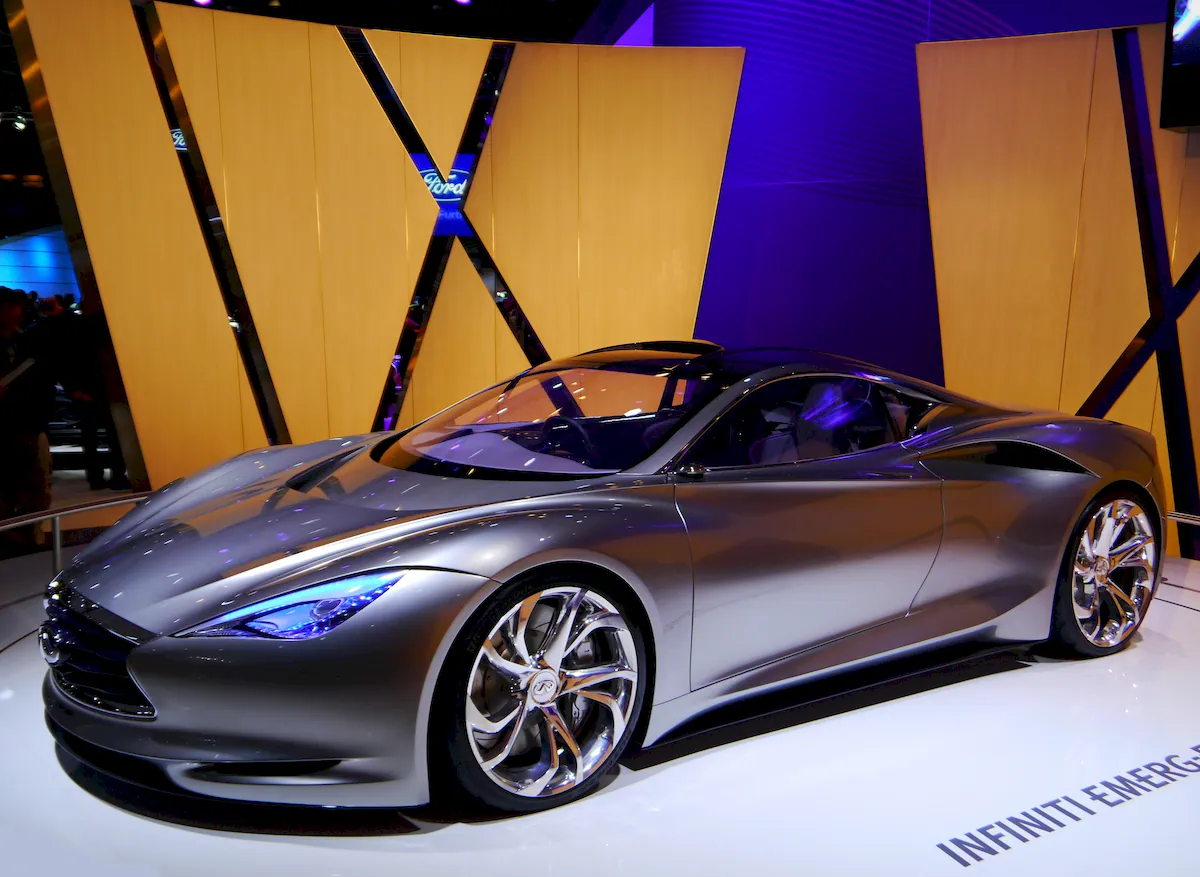
Its design was futuristic yet unmistakably Infiniti, highlighted by the brand’s signature grille and sharp, angular headlights.
Series production never materialized due to an economic downturn that forced the project’s cancellation. The Infiniti Emerg-E remains a reminder that even the most ambitious and beautiful ideas cannot succeed without solid financial and organizational backing.
A Moroccan Phoenix That Never Took Flight — Laraki Epitome
Largely unknown outside Africa and the Arab world, Moroccan automaker Laraki surprised the industry in 2013 with the Epitome, claimed to produce 1,200 horsepower.
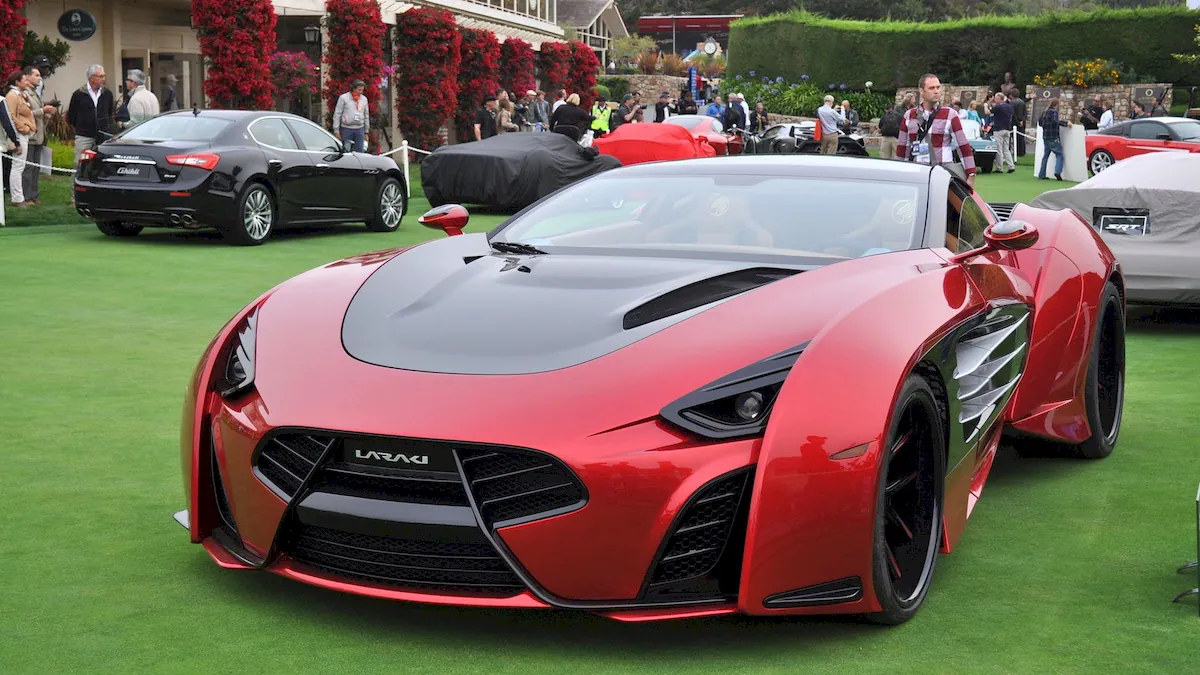
The company envisioned it as the first Africa-developed hypercar worthy of global recognition. However, plans for limited production fell apart due to a lack of funding. The nine cars originally planned were never built.
The Laraki Epitome stands as both a symbol of bold ambition and a reminder that passion alone is not enough to bring a hypercar to life.
You may also be interested in the news:
Not Ford, BMW or Audi: Mechanic Names the Car Brand That Almost Never Breaks Down
Auto repair professionals reveal which models rarely suffer major failures and which ones repeatedly end up on the lift.

What Does a Flashing Red Traffic Light Mean? Can You Keep Driving?
Drivers must come to a complete stop at the stop line before deciding whether it is safe to proceed.
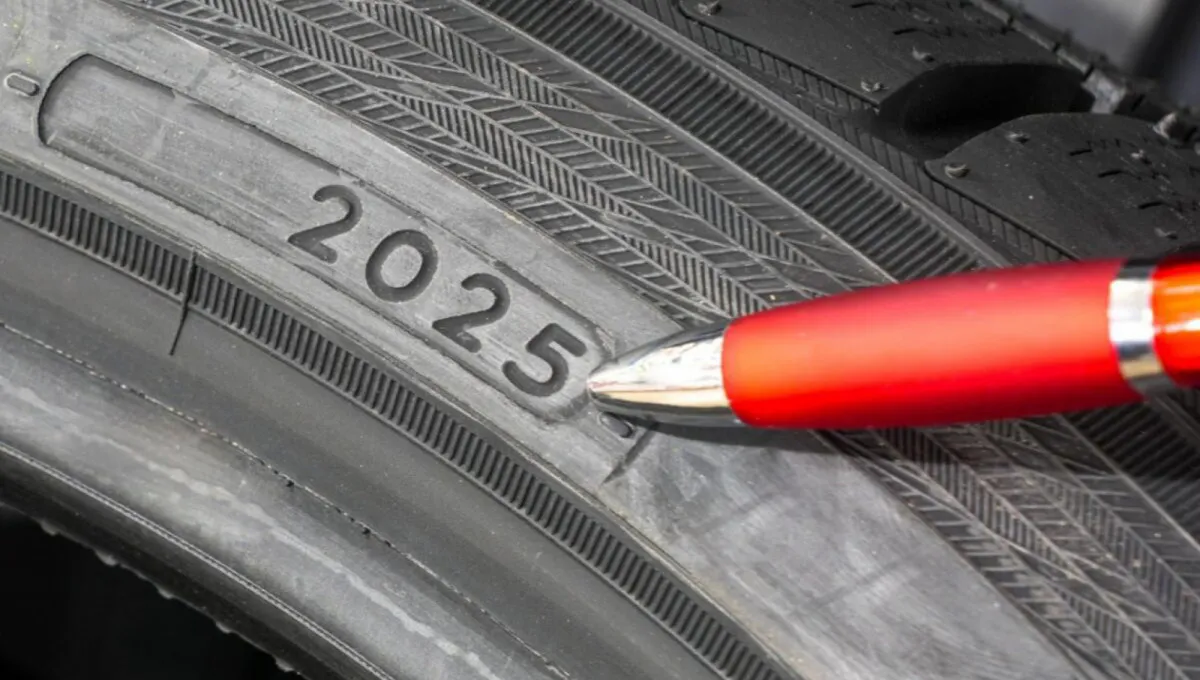
Why You Should Check a Tire’s Manufacturing Date Before Buying
Tire buyers should check more than size, tread, and brand because rubber changes with age, even without visible wear.
Four Car Features Modern Drivers Are Starting to Miss
New cars keep adding technology, but some simple features that drivers once relied on are disappearing.

The Sheriff Knew She Was Speeding—Then This Blonde Driver Turned the Ticket Against Him
A sheriff pulls over a Ferrari for speeding, but the driver's bizarre logic quickly turns the traffic stop against him.