
Why Motor Oil Breaks Down Faster in City Driving — and Why You Should Change It Twice as Often
Motor oil doesn’t last forever — and it degrades especially quickly when your vehicle is exposed to heavy operating conditions.
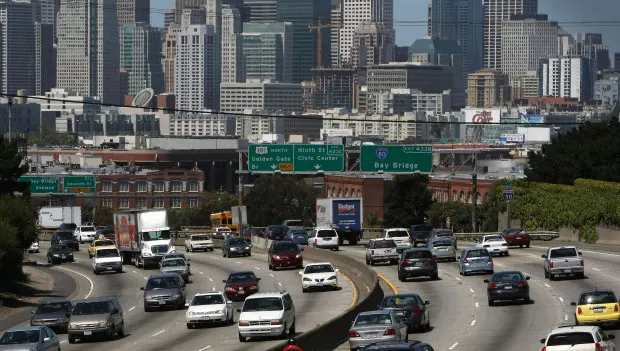
Motor oil in a car isn’t eternal — it loses its protective qualities much faster when the engine is subjected to tough conditions. For example, frequent stop-and-go traffic, urban driving, hilly terrain, or hauling heavy loads all accelerate oil degradation. Many drivers mistakenly believe that city driving is easy on the engine, but in reality, constant stops and starts, along with extended idling, cause the oil to overheat and age much faster.
Experts advise that if your car operates in these demanding conditions, you shouldn’t wait for the standard oil change interval — it’s better to cut it in half. Even if a car sits unused, the oil inside the engine gradually oxidizes and loses its properties, unlike factory-sealed containers of oil, which can be stored for up to five years.
Special attention should be paid if foreign fluids — such as coolant or unburned fuel — get into the oil. In that case, the lubricant can no longer protect the engine, making further operation risky. It’s crucial not only to eliminate the source of contamination but also to replace both the oil and the filter to avoid serious damage. In short, keeping up with timely oil changes and being mindful of your driving conditions are key to ensuring the long life and reliability of your engine.
You may also be interested in the news:
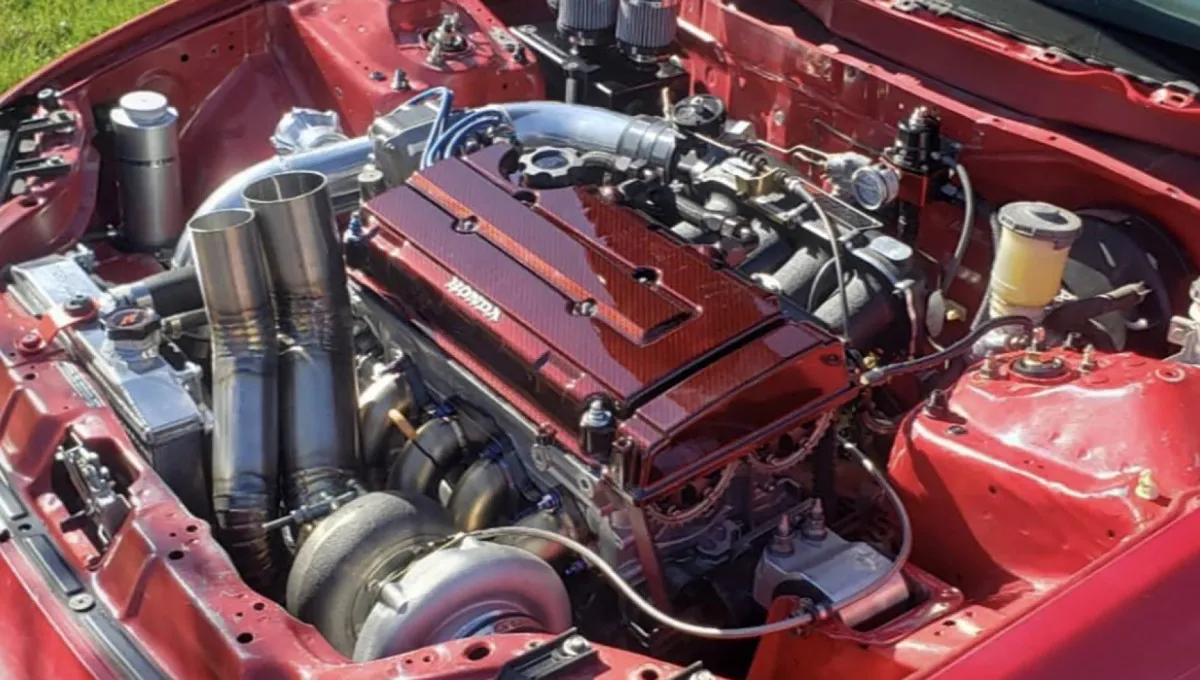
Honda K-Series Engines Can Go Past 300,000 Miles — Here's Why They're So Reliable
How long can a Honda K-series engine last, and what makes this family of Japanese engines so durable?
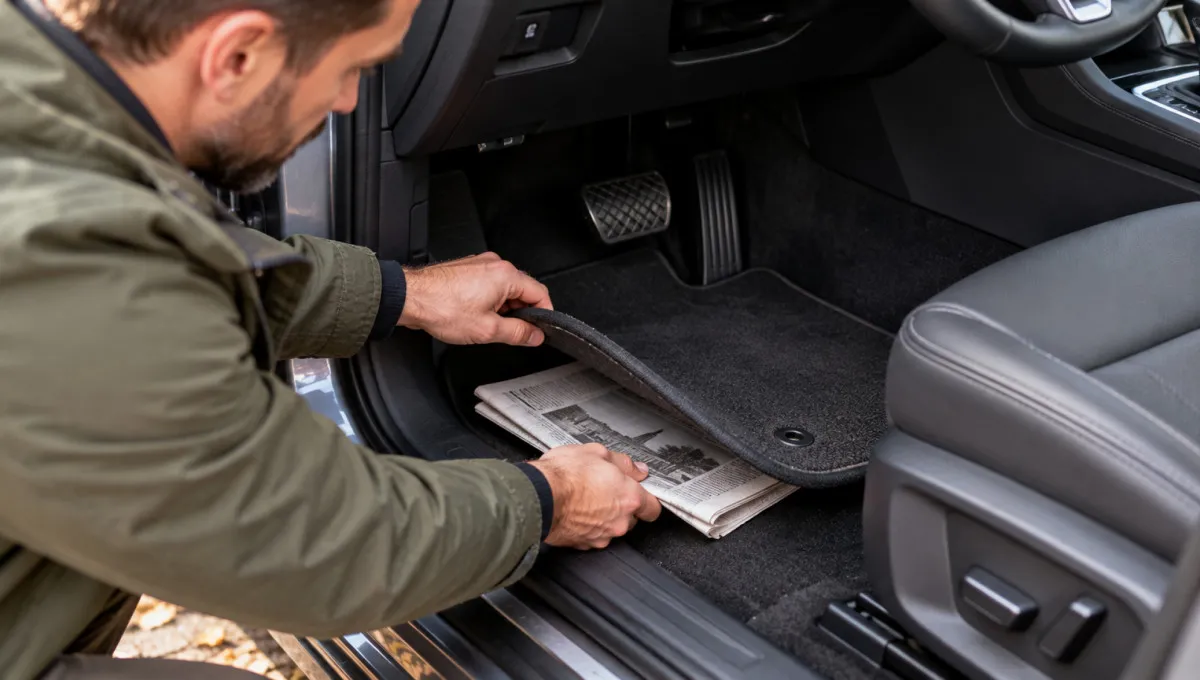
When the First Freeze Hits, Put Newspaper Under Your Floor Mat: An Old Winter Driving Trick
Newspaper under a floor mat can help protect a car's floor from winter moisture, but it requires regular attention.
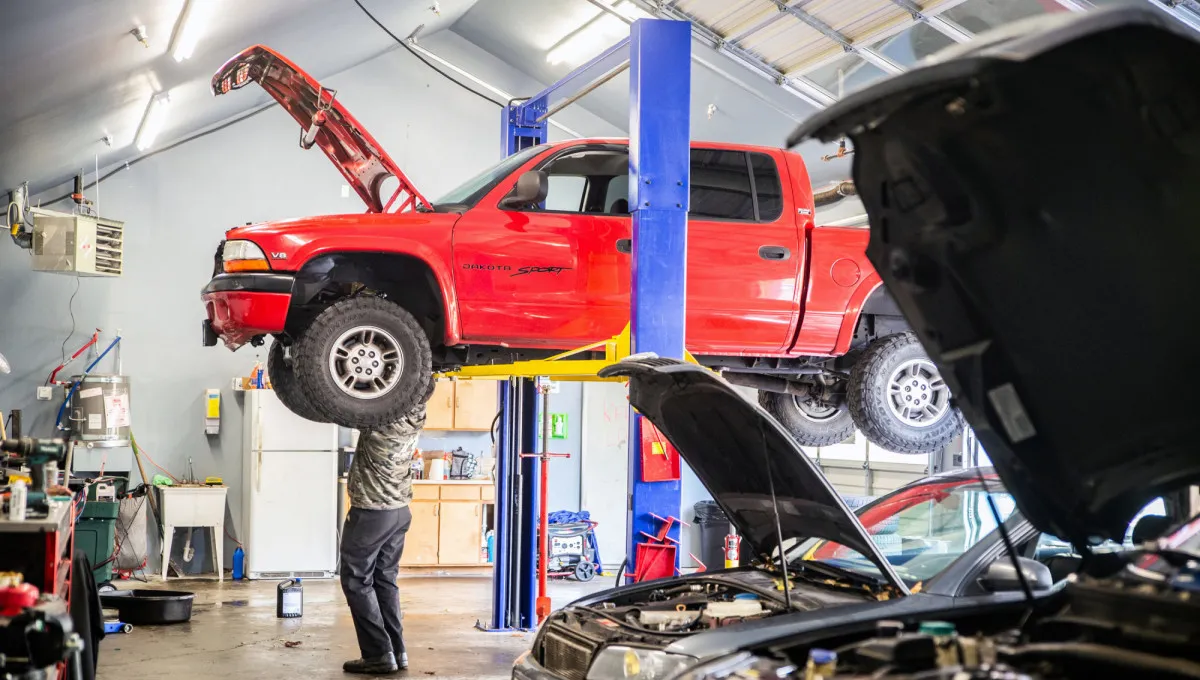
How a Repair Shop Can Overcharge You: What Every Driver Should Know
An experienced mechanic knows how to increase a repair bill, and drivers should know what to watch for before approving work.
Not Ford, BMW or Audi: Mechanic Names the Car Brand That Almost Never Breaks Down
Auto repair professionals reveal which models rarely suffer major failures and which ones repeatedly end up on the lift.

What Does a Flashing Red Traffic Light Mean? Can You Keep Driving?
Drivers must come to a complete stop at the stop line before deciding whether it is safe to proceed.