
Tesla Model 3: From Ambitious Startup to Global Icon — The Untold Story
How the Tesla Model 3 reshaped the EV market and became a symbol of a generation
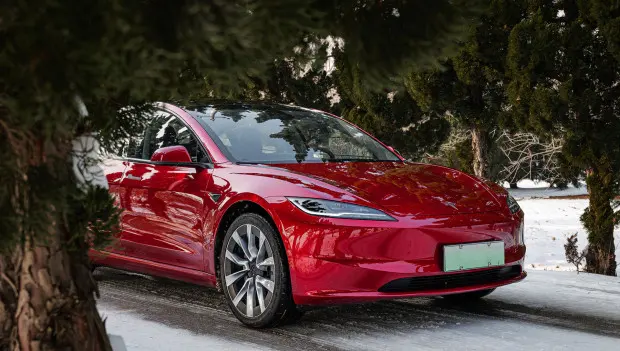
The Tesla Model 3 marked a turning point for the automotive industry. Few believed it could succeed, yet today, electric cars are often synonymous with Tesla. How did the company go from near-bankruptcy to becoming a global leader? Here’s a closer look at the untold details and fresh perspectives on its journey.
Despite the challenges of recent years, Tesla remains a company that truly revolutionized the electric vehicle market. While the Model S introduced Tesla to the world, it was the Model 3 that propelled the brand to mass-market relevance. When Tesla first announced the Model 3, skepticism was widespread: the company had little experience in large-scale manufacturing and no fully stable financial footing. Launching this sedan nearly pushed Tesla to the brink of collapse, highlighting the difficulties of moving from a niche product to a vehicle intended for millions.
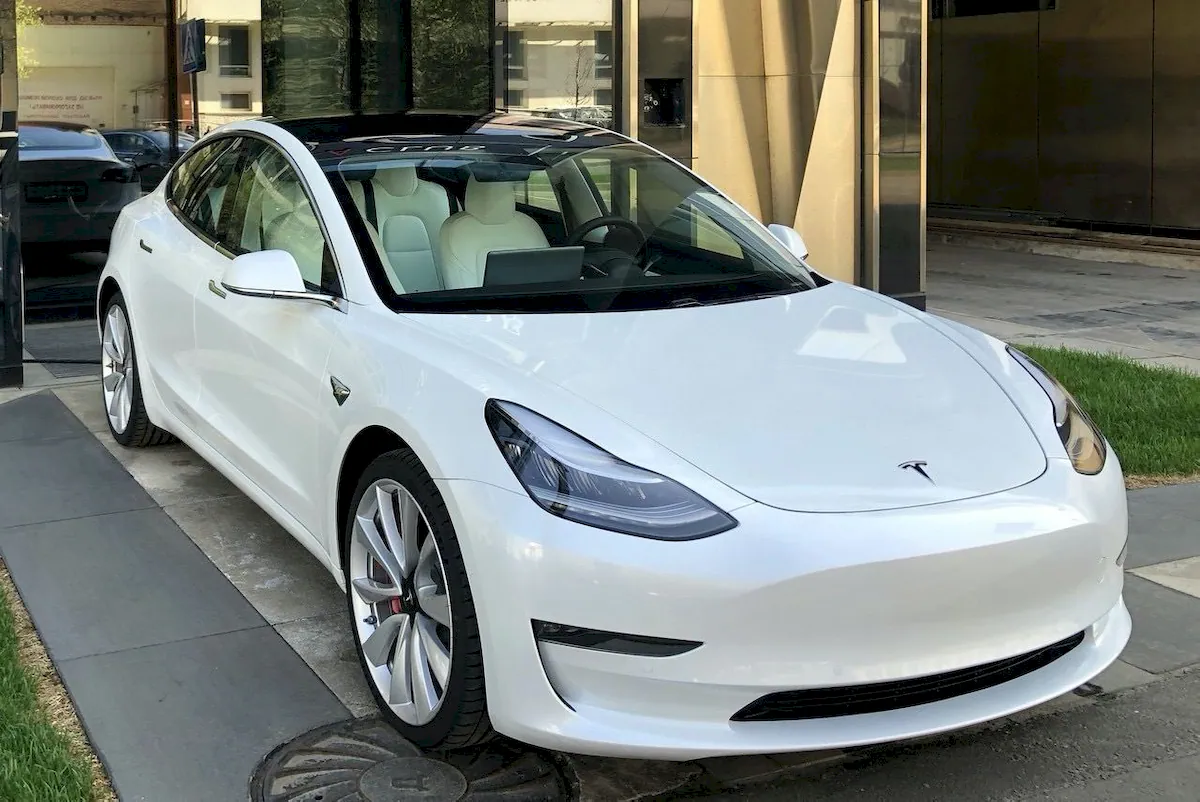
Today, Tesla is widely recognized as a leading EV brand across the globe. While the company’s influence on the industry is now more nuanced, the Model 3 served as the catalyst that forced traditional automakers to rethink their strategies and accelerate their own electric vehicle programs. According to autoevolution, the road to success was anything but smooth: repeated delays, quality issues, supply shortages, and investor doubts all accompanied the Model 3 in its early days.
Still, Tesla overcame skepticism and internal crises, establishing production and turning the Model 3 into one of the world’s best-selling electric cars. This vehicle became a symbol of a new era, when EVs transitioned from being a novelty to a viable alternative to conventional internal combustion engines. The widespread popularity of the Model 3 pushed competitors into action and encouraged Tesla to continue expanding its lineup.
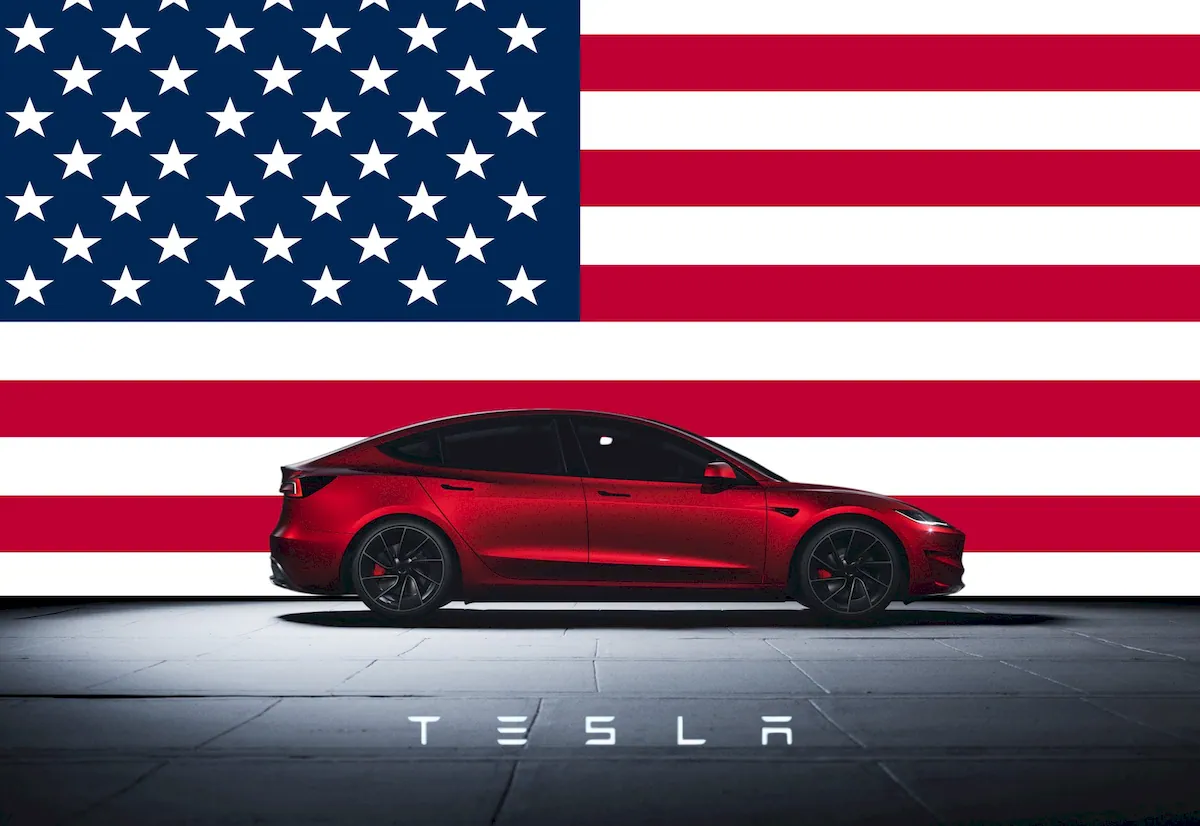
Now, the Model 3 is seen not merely as another Tesla model but as a true emblem of change. It proved that an electric car could be affordable, practical, and desirable for a broad audience. Its success strengthened Tesla’s global position and set a benchmark for other manufacturers, who now must catch up in the ongoing technology race.
Ultimately, the story of the Model 3 is about more than overcoming obstacles—it’s an example of how one bold idea can transform an entire industry. Today, as electric vehicles become an everyday part of city life, it’s hard to imagine that just a few years ago, mass adoption seemed almost impossible. Thanks to the Model 3 and Tesla’s determination, that scenario became reality.
On a related note, December 14 marked the 125th anniversary of Dodge. We also recommend reading our historical feature on how the Dodge brothers turned a small family business into an automotive giant.
You may also be interested in the news:

Not Ford, BMW or Audi: Mechanic Names the Car Brand That Almost Never Breaks Down
Auto repair professionals reveal which models rarely suffer major failures and which ones repeatedly end up on the lift.

What Does a Flashing Red Traffic Light Mean? Can You Keep Driving?
Drivers must come to a complete stop at the stop line before deciding whether it is safe to proceed.
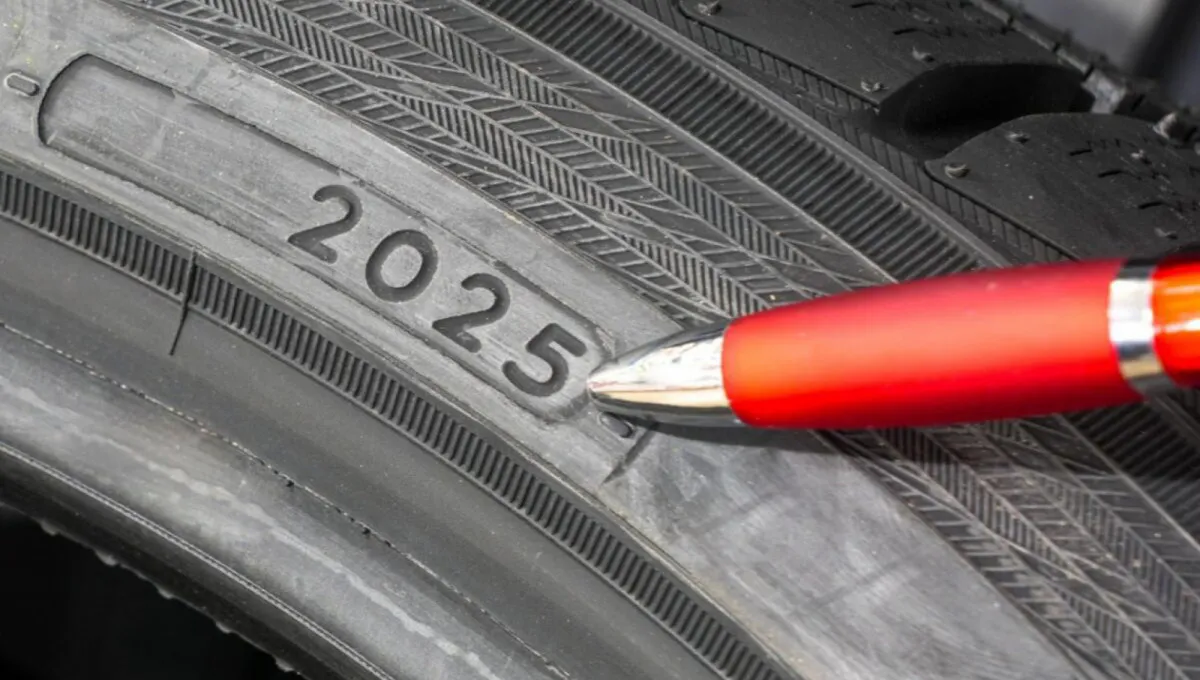
Why You Should Check a Tire’s Manufacturing Date Before Buying
Tire buyers should check more than size, tread, and brand because rubber changes with age, even without visible wear.

Four Car Features Modern Drivers Are Starting to Miss
New cars keep adding technology, but some simple features that drivers once relied on are disappearing.

The Sheriff Knew She Was Speeding—Then This Blonde Driver Turned the Ticket Against Him
A sheriff pulls over a Ferrari for speeding, but the driver's bizarre logic quickly turns the traffic stop against him.