
Five Tired Design Trends in Modern Cars That Have Become Downright Annoying
Beauty may be in the eye of the beholder, but that doesn’t excuse the fact that countless car owners tend to go overboard with all sorts of so-called “styling upgrades.”

Beauty, as the saying goes, is subjective. Still, that doesn’t change the reality: many car owners push aesthetics a bit too far in their quest to “improve” their ride. Decades go by, trends recycle, yet people keep making the same questionable styling choices over and over, convinced they’re making their pride and joy not only prettier, but better overall. The irony today is that automakers themselves have joined this trend and are pouring fuel on the fire.
Fake Materials Everywhere
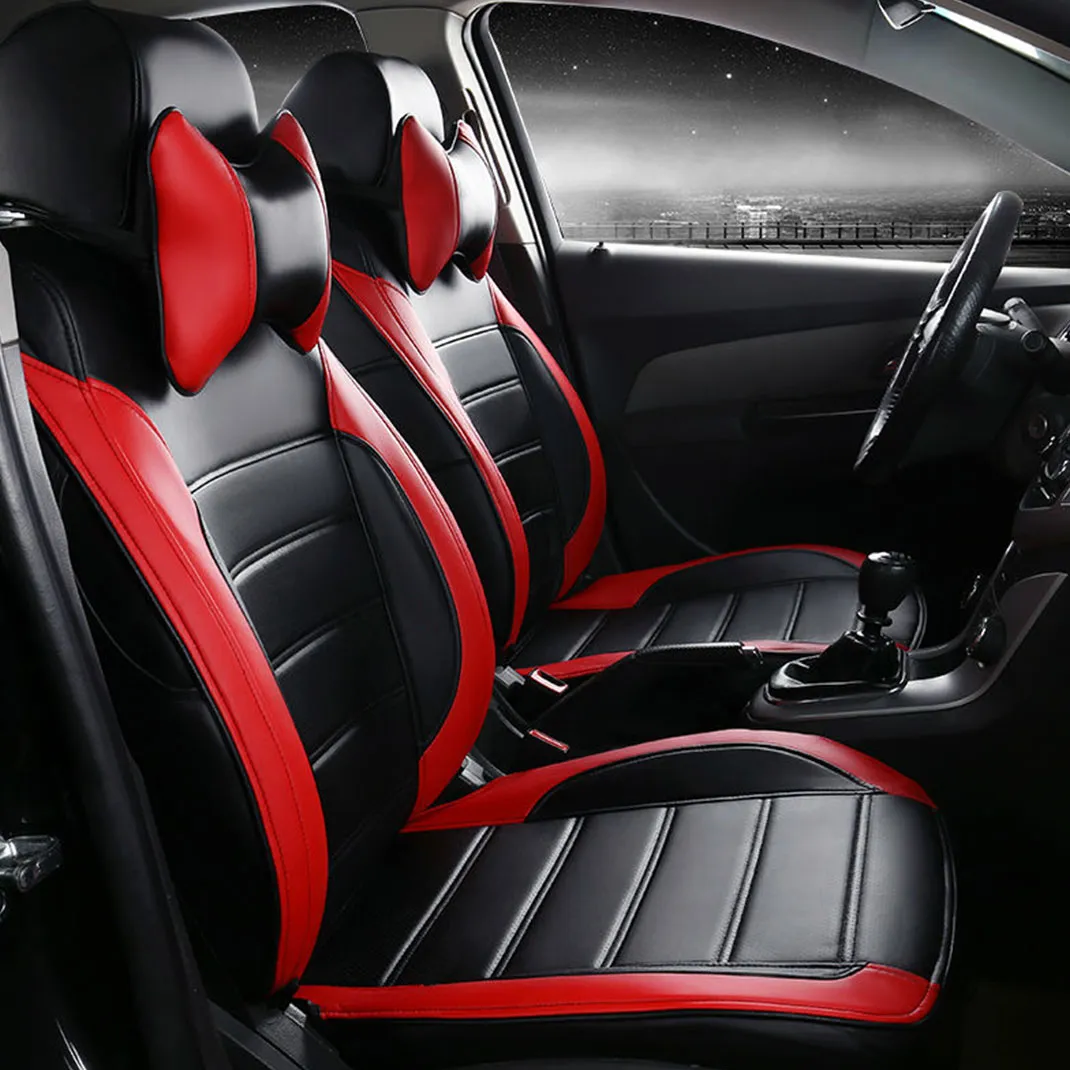
Take a look inside most modern cars — even relatively expensive ones — and you’ll see a never-ending imitation game. Genuine materials, even inexpensive natural ones, are becoming rare. Instead, cabins are packed with plastic “wood,” synthetic “leather,” and other artificial substitutes, all in the name of upscale aesthetics. The only real advantage is cost. The downside? These faux materials don’t age well. Even in higher-priced models, the interior often starts losing its original look after just a few hard-used years.
Pretend Badges and Questionable Emblems

The habit of sticking random badges onto a car’s trunk or fenders has been around for ages — and it remains just as baffling as ever. Whether it’s fake performance logos or the names of famous tuning houses, one question always comes up: why? You can’t magically boost a car’s value with a glued-on emblem. Most of the time, owners who plaster their cars with “prestige” badges are simply feeding their ego. And what’s the point, when today there are plenty of reputable shops that can do real tuning — and install a legitimate badge only after the job is done?
Aero Accessories for the Sake of It

The market has been flooded with aerodynamic add-ons for decades — spoilers, wings, splitters, you name it. And yes, if someone genuinely likes the look, arguing about taste is pointless. The issue is different: many people truly believe these parts improve speed, handling, or fuel economy. In reality, unless an accessory was engineered by the manufacturer specifically for that body design, it’s more likely to make things worse. Proper aero parts can improve performance — but factory cars that benefit from them are usually sold with those components already built in.
Fake Grilles and Exhaust Tips

Alongside spoilers, many drivers still love installing fake vents, grilles, and oversized exhaust tips. The idea is to give the car a “sporty” look. But on real performance vehicles, vents and air intakes are functional — they cool components and manage airflow. They’re not decorative. Slapping on dummy scoops just to mimic the style makes little sense. The same goes for custom exhaust setups with four giant tips, when only one or two are actually connected. It’s theater, not engineering.
Glass, Glass, and More Glass

Finally, there’s the industry’s latest obsession: covering huge portions of a vehicle’s exterior with glass. Automakers now stretch panoramic panels across roofs and even hide pillars beneath glass elements. While it may look futuristic on the showroom floor, it rarely improves design or performance — but it definitely increases repair costs. One small accident can turn into an eye-watering bill, especially on crossovers and wagons where the glass spans larger surfaces.
You may also be interested in the news:
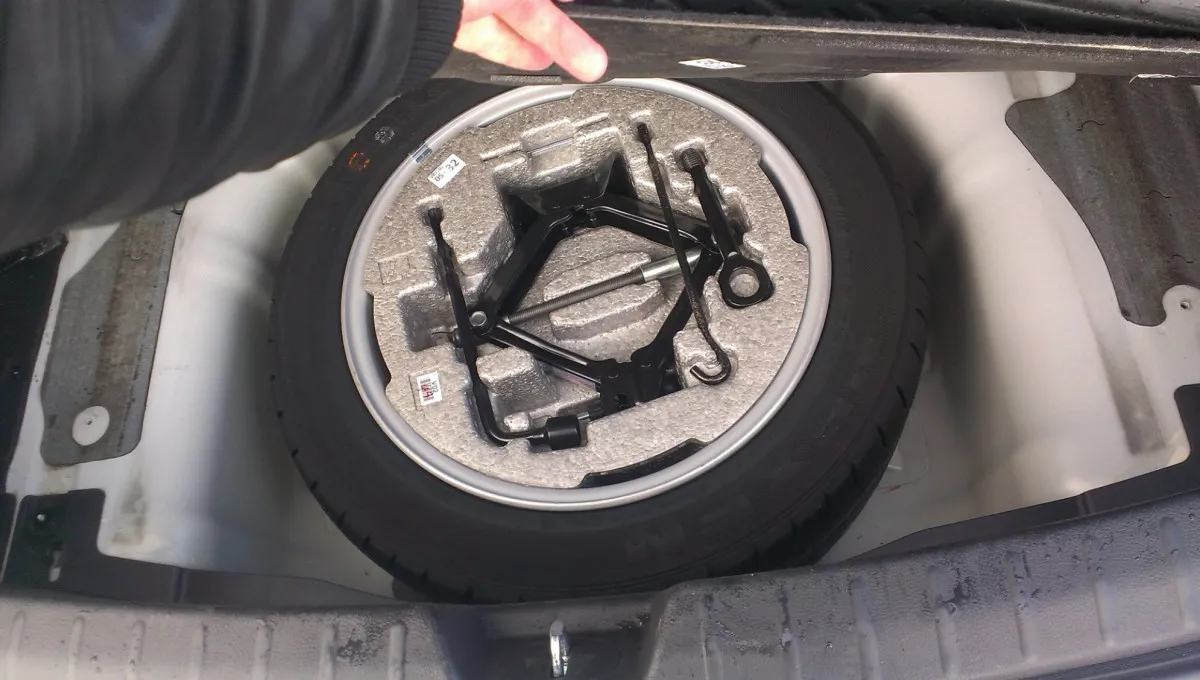
Why New Cars Are Ditching the Spare Tire — And What Drivers Get Instead
More new vehicles are replacing the spare tire with a compressor and sealant kit, and there are two practical reasons why.
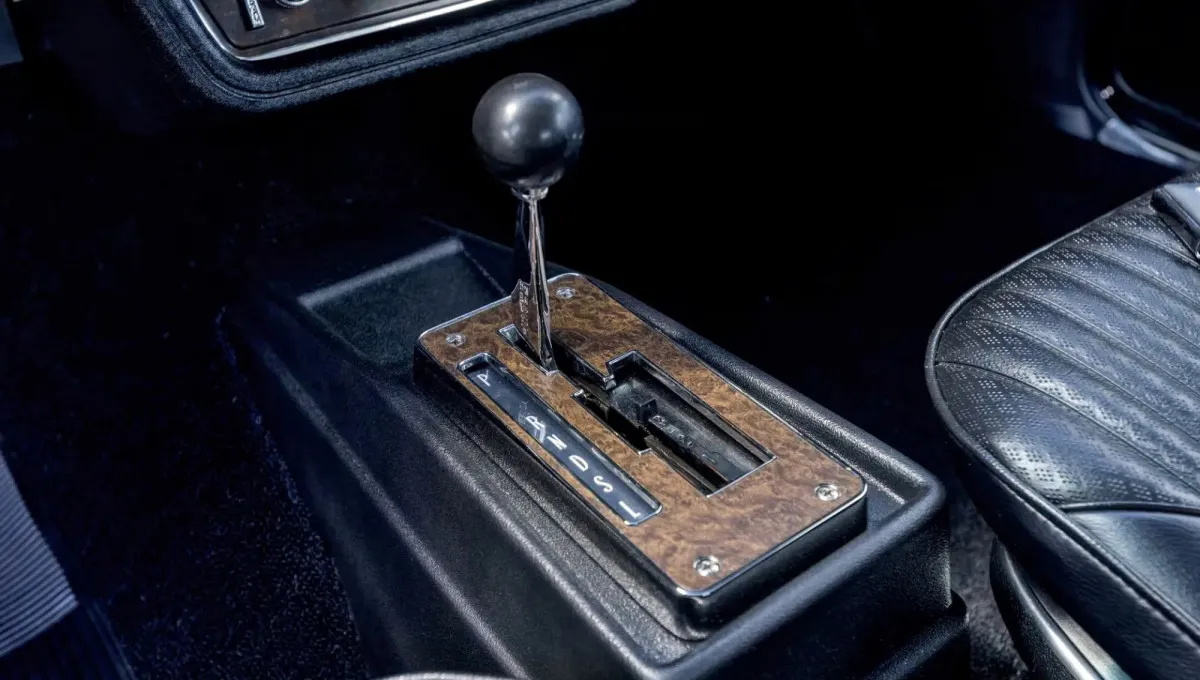
How Oldsmobile Invented a Manual Gearbox for an Automatic
Long before paddle shifters and electronic driving modes, Oldsmobile found a clever mechanical way to let drivers shift an automatic transmission themselves.

You’ve Seen This Chain Behind Fuel Tankers — But Do You Know What It’s Really For?
The metal chain dragging behind a fuel tanker isn't a forgotten part or a coincidence—it has long been associated with fire safety.
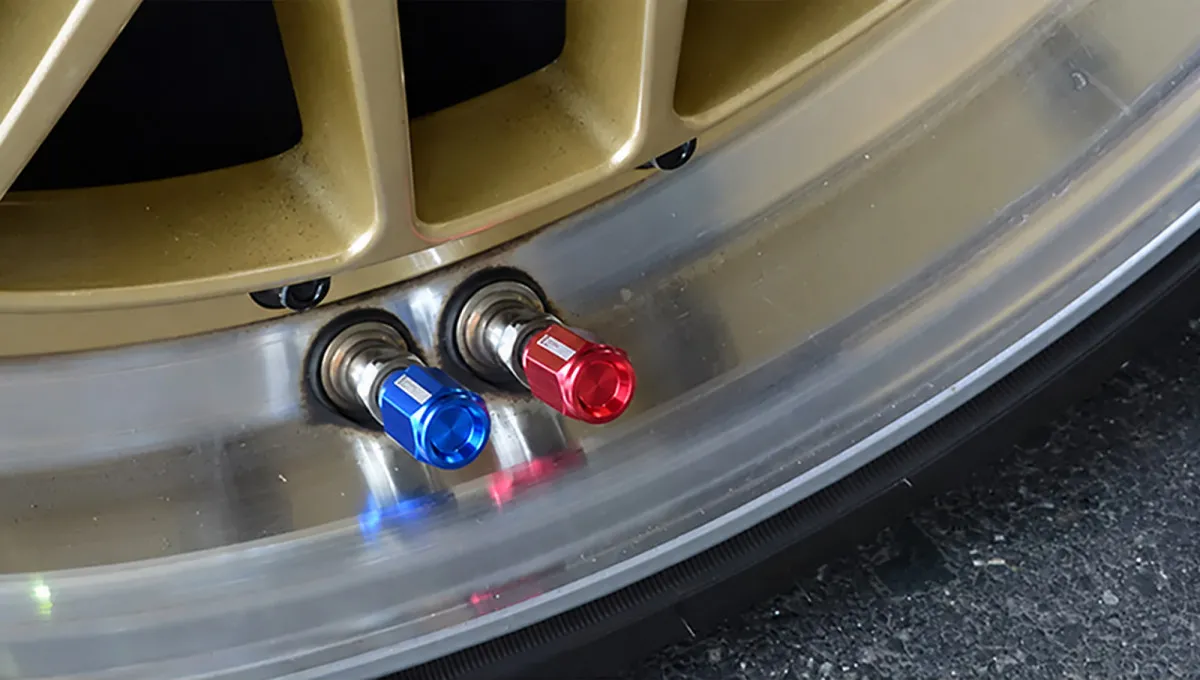
Not a Manufacturing Error: Why Some Wheels Have Two Valve Stems
Two valve stems on one wheel may look unusual, but the setup serves a practical purpose in racing and specialized tire service.
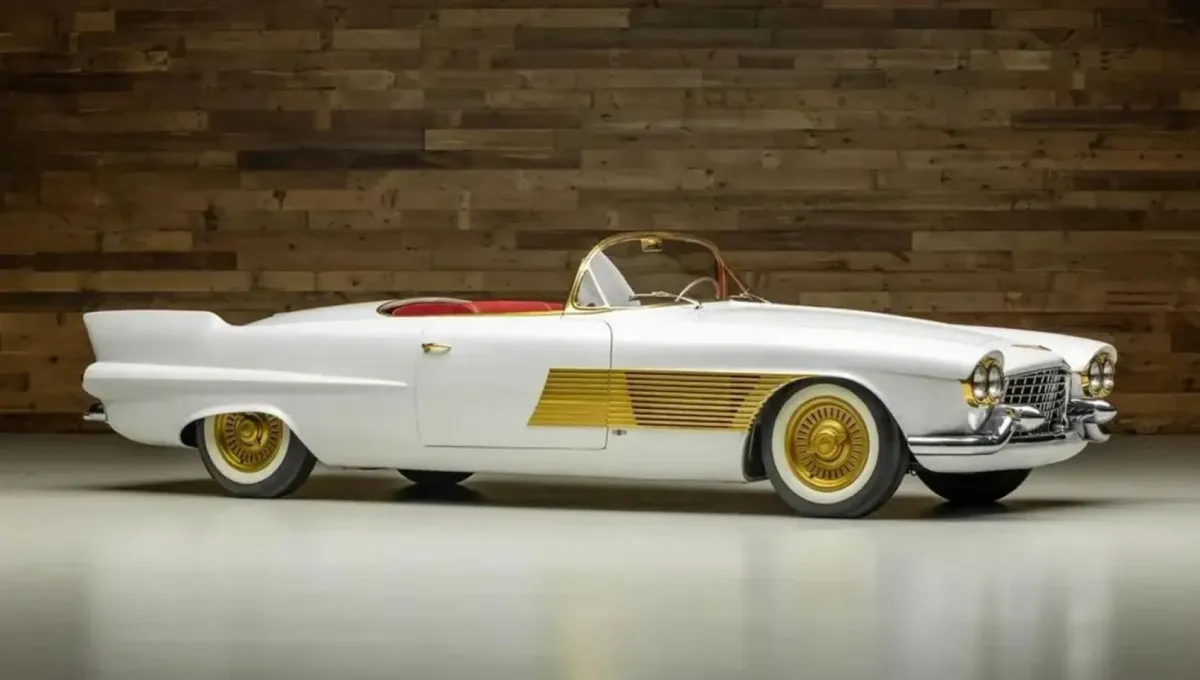
Gilded 1953 Cadillac Sells for a Record $1.275 Million
The unique Cadillac Elegante, featuring an Italian aluminum body and 24-karat gold trim, went to auction for the first time more than 70 years after it was built. It became the most expensive Cadillac ever sold at public auction.